If you’re planning a trip to Tibet, you may be wondering:What is the current temperature in Tibet? When is the best time to visit Tibet? How should you prepare your clothing? Tibet’s climate is completely different from Taiwan’s. Plateau weather changes quickly, with large day–night temperature differences and extremely strong UV radiation. This article covers Tibet’s weather, recommended travel seasons, clothing tips, and monthly scenery highlights—helping you understand everything at once and easily plan the best time for your trip!
Tibet Weather | Why Is It Important to Pay Special Attention to Temperature and Clothing?
- High altitude:Tibet’s average elevation is about 4,000 meters, with thin air and low oxygen levels.
- Large day–night temperature difference:Daytime temperatures can reach around 20°C, while nights may drop below 0°C.
- Strong sunlight::UV radiation in Tibet is several times stronger than in Taiwan, Malaysia, Singapore, and even in countries such as the United States, Canada, Germany, Australia, and the United Kingdom, so proper sun protection is essential.
- Distinct dry and rainy seasons: The dry season lasts from October to April, while the rainy season is mainly in July and August (usually nighttime showers, still fine for daytime travel).
- Best time to visit: April to October offers the most pleasant weather, with mild temperatures and relatively higher oxygen levels.
- Traveling to Tibet in winter: Temperature differences in Tibet remain fairly consistent throughout the year. In winter, abundant daytime sunshine makes it surprisingly comfortable, although nights are usually very cold. Don’t worry—the coldest temperatures often occur late at night, when you’re already asleep!
Tibet Seasonal Climate & Clothing Guide
 Spring (March–May) | Nyingchi Peach Blossoms & Thawing Lakes
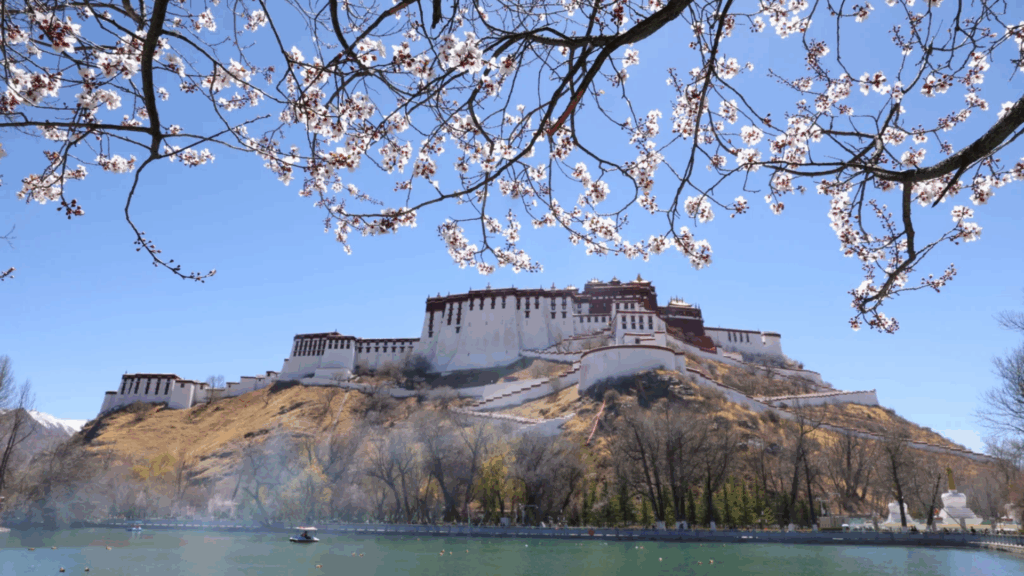
- Temperature.-4°C to 15°C.. Mornings and evenings are cold, while daytime temperatures are comfortable.
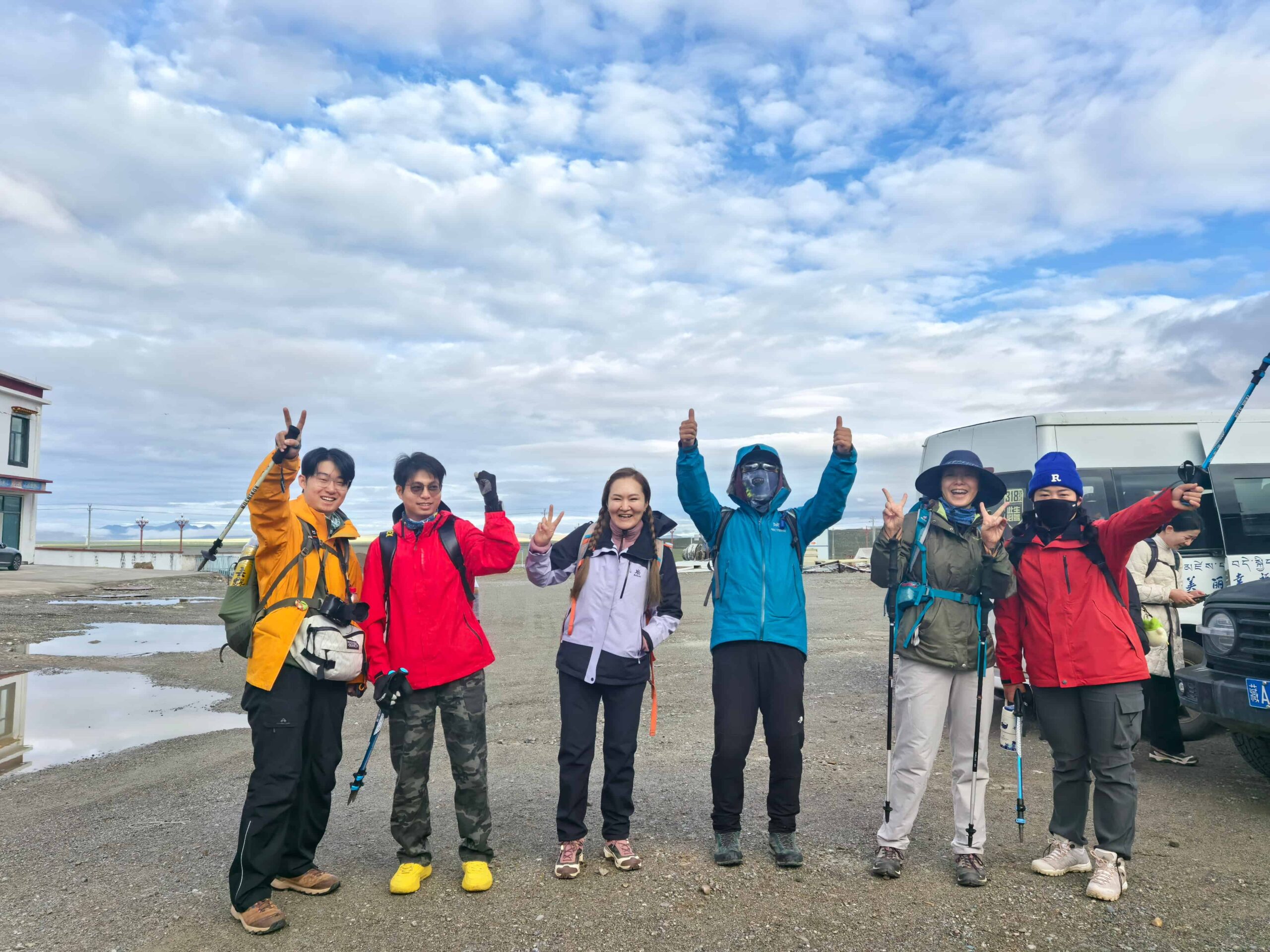
- Clothing tips:: Light down jacket or windproof jacket; long-sleeve T-shirt layered with a knit sweater; jeans or casual pants; sneakers or comfortable walking shoes. Don’t forget sun protection accessories.
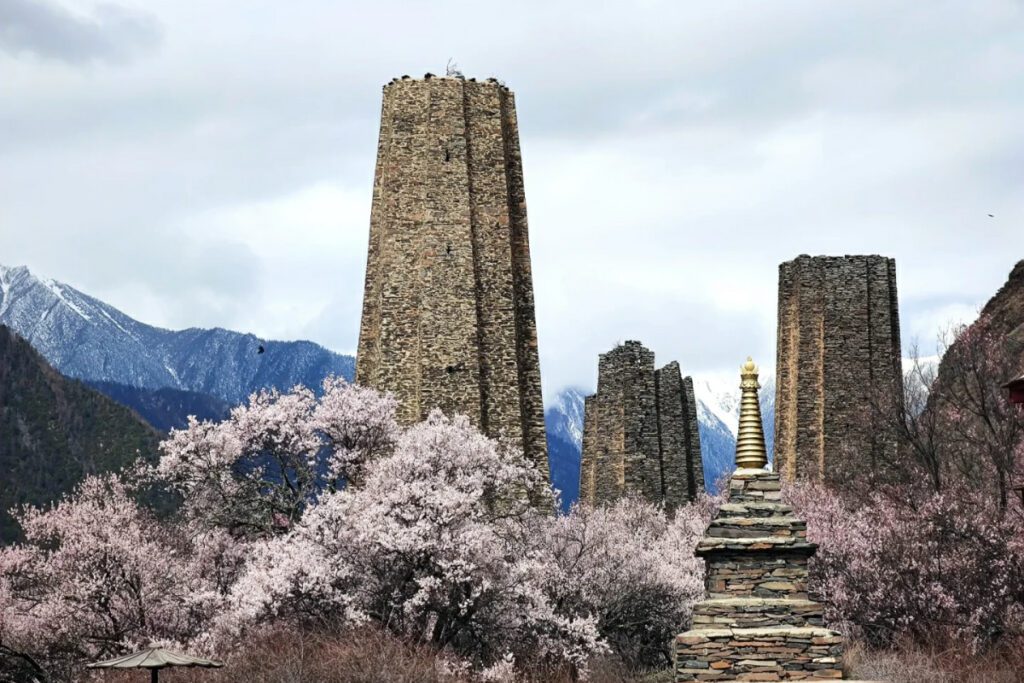
- Scenery highlights:Peach blossoms bloom in Nyingchi from March to April; Yamdrok Lake and Namtso begin to thaw in May.
 Summer (June–August) | A Cool Retreat & Snow Mountains at Their Best
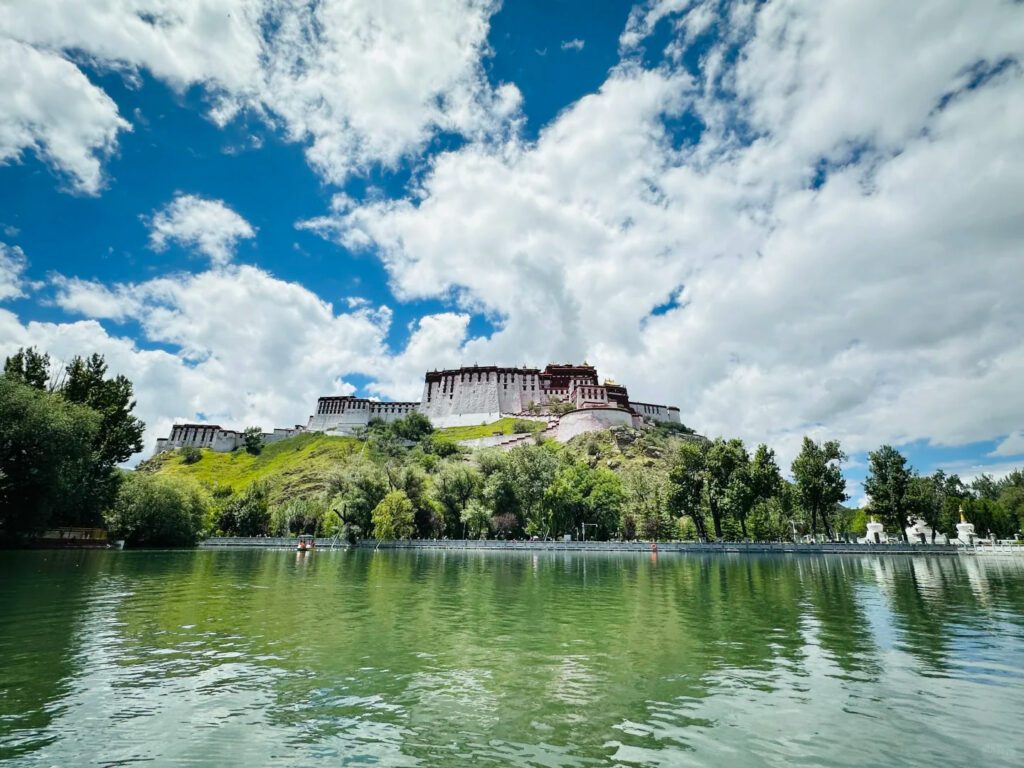
- Temperature: 10°C to 25°C.Days are cool with strong sunlight, while nights can be chilly and windy.
- Clothing tips:Short sleeves with a lightweight UV-protection jacket during the day; light down jacket or 3-in-1 jacket at night; quick-dry pants or jeans; sunglasses, sunscreen, and a sun hat. Windproof accessories are recommended for those sensitive to cold.
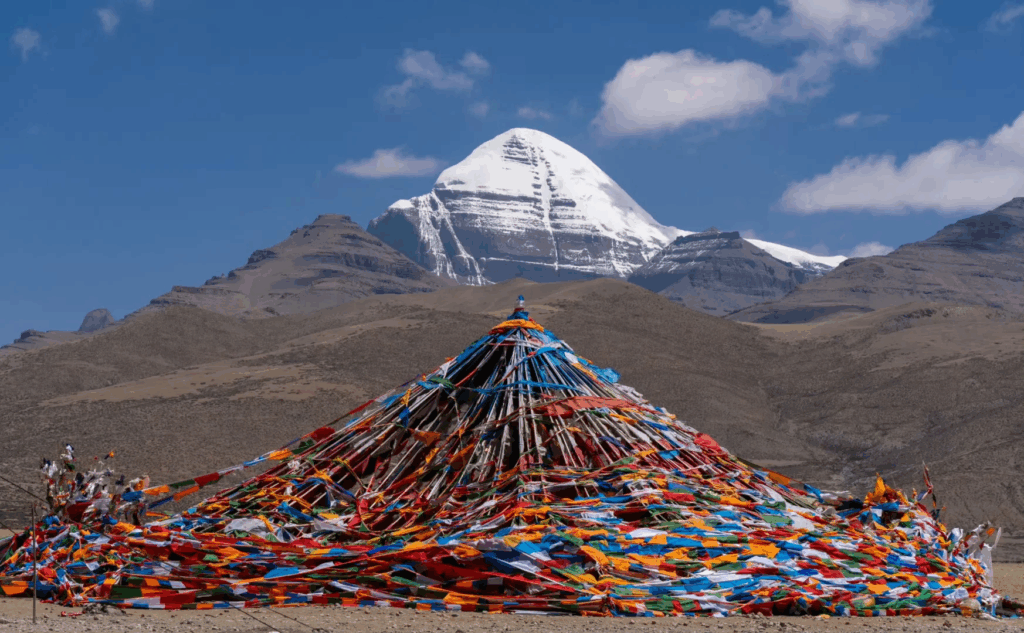
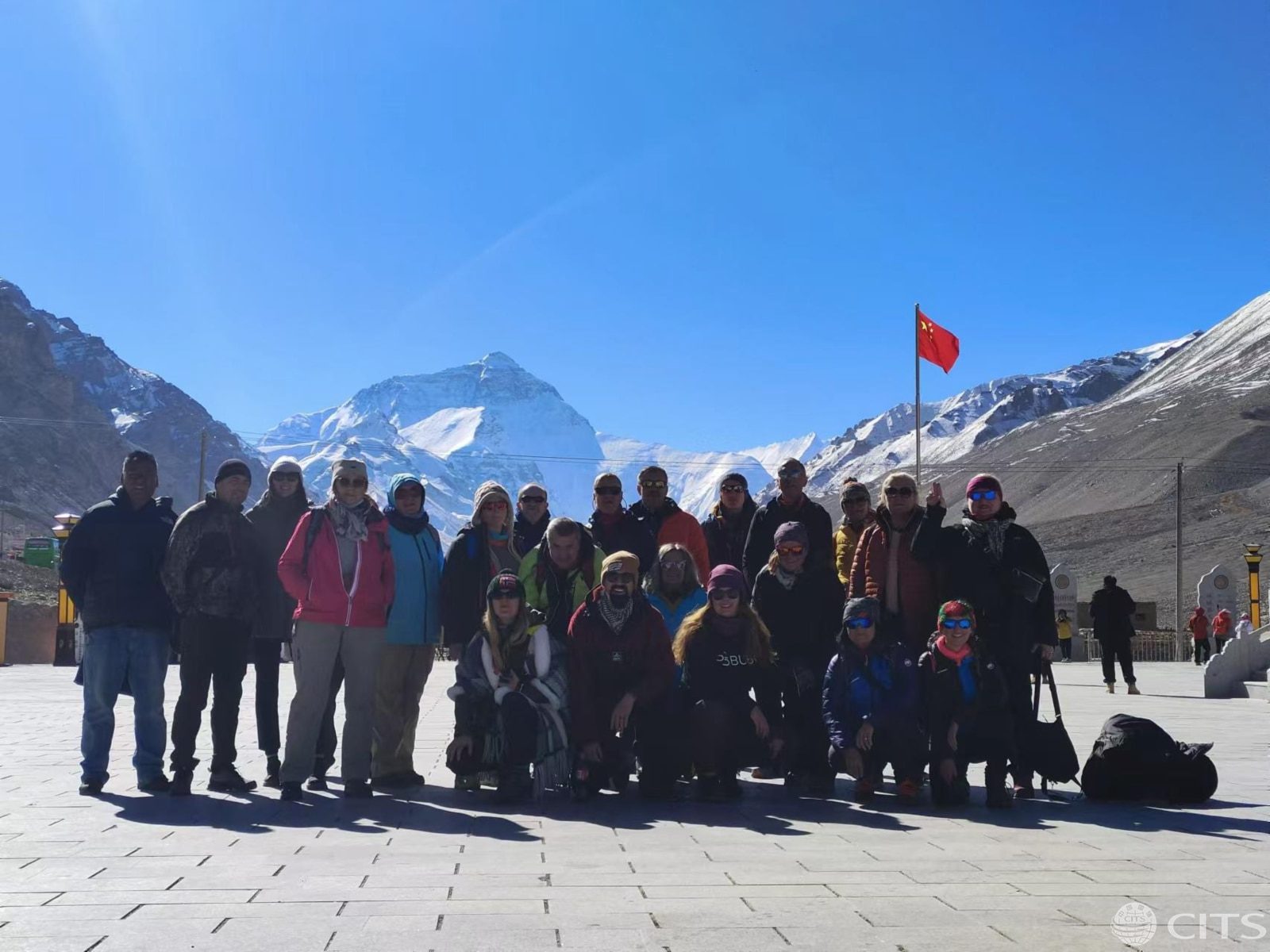
- Scenery highlights:Scenery highlights: Grasslands turn green in June; rapeseed flowers bloom in July and August; Namtso appears its bluest, and views from Everest Base Camp are spectacular.
 Autumn (September–November) | Golden Season for Photography
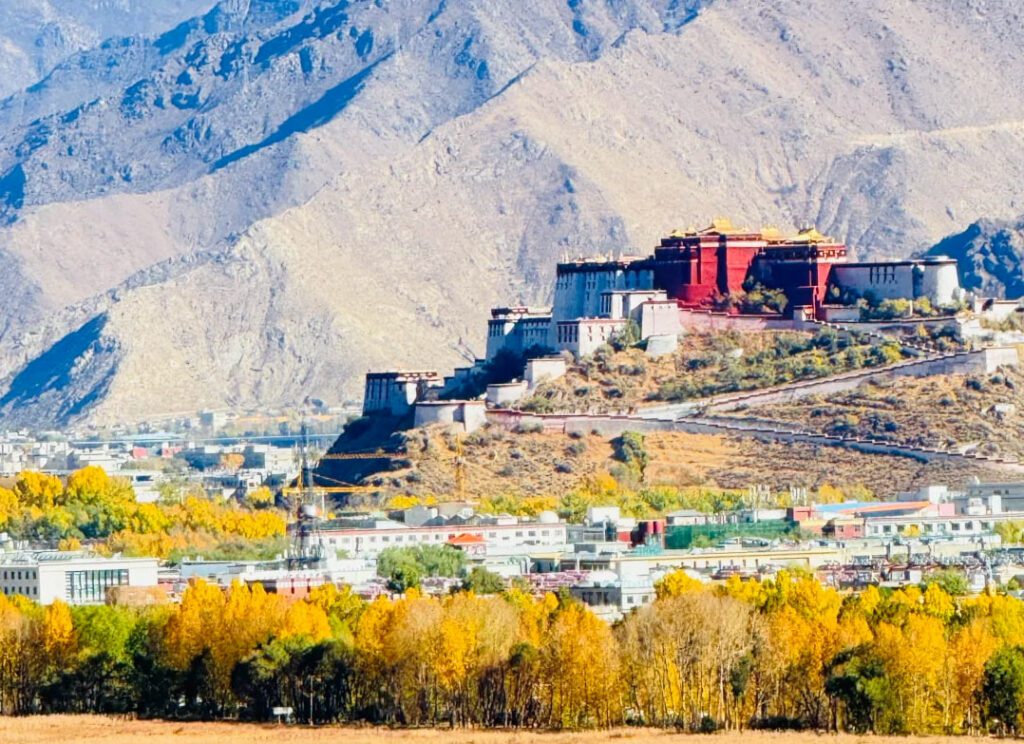
- Temperature.5°C to 20°C.September is the most comfortable month, temperatures gradually cool in October, and drop noticeably in November—warm clothing is essential.
- Clothing tips:Windproof jacket with a short down layer; hoodies and sweaters for layering; windproof or lightly fleece-lined pants; windproof hat, scarf, gloves, and beanie.
- Scenery highlights:Deep blue skies in September for photography; golden grasslands in Nyingchi and Shigatse in October; early winter frost and snowy temples in November.
 Winter (December–February) | Tranquil, Mysterious & Blue Ice Wonders
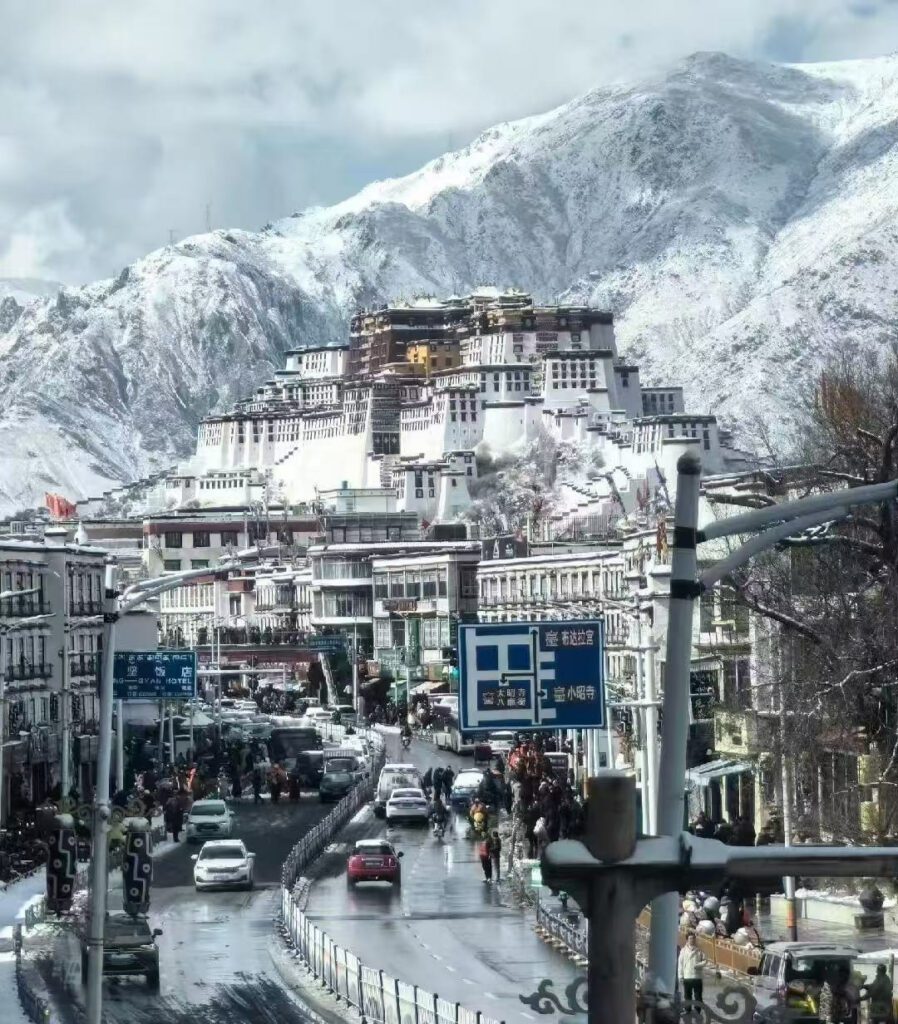
- Temperature.0°C to 10°C during the day, and -10°C to -20°C at night.Strong daytime sunshine makes it feel warmer, but late nights are extremely cold—keep warm.
- Clothing tips:Heavy down jacket with insulated shell; thermal underwear and wool pants; non-slip insulated boots or water-resistant sneakers with thick socks; gloves, scarf, earmuffs, and beanie. Warmth and wind protection are essential.
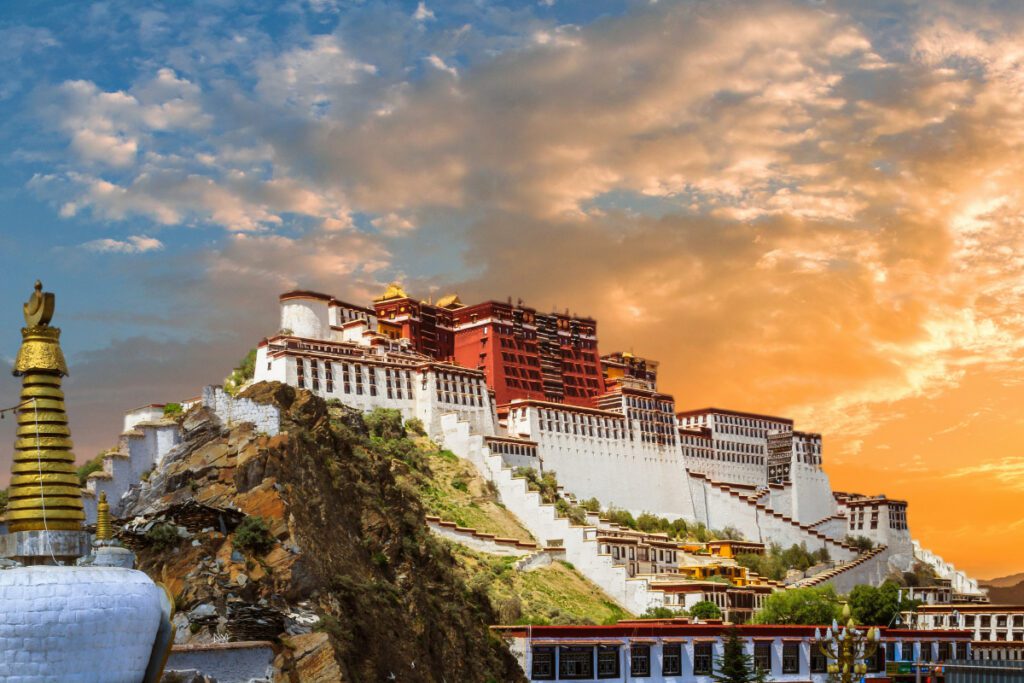
- Scenery highlights:A strong pilgrimage atmosphere in Lhasa and Jokhang Temple; fewer tourists for a purer experience;crystal-clear blue ice caves at Laigu Glacier and Yalong Glacier—exclusive winter wonders.
Tibet Monthly Scenery & Clothing Guide
| months | Scenic Highlights | clothing advice (Layered clothing is recommended year-round) |
|---|---|---|
| March | Peach blossoms begin to bloom in Nyingchi (late March) | Down jacket + long sleeves |
| April | Peach blossoms in full bloom,& snow mountains and flower fields | Light down jacket + windproof pants |
| May | Lakes thaw and grasslands turn green | Windproof jacket + lightweight long sleeves |
| June | Grasslands turn green, livestock grazing season | Lightweight long sleeves + UV-protection jacket |
| July | Golden roadside rapeseed blooms, and Namtso Lake glows deep blue. | Windproof jacket + comfortable inner layers |
| August | Best views of Mount Everest, lakes at their most magnificent | Lightweight long sleeves + windproof jacket |
| September | Deep blue skies, prime season for photography | Windproof jacket + long-sleeve T-shirt |
| October | Golden autumn in Tibet: golden grasslands and majestic snow mountains | Down jacket + sweater |
| November | Early winter frost and snowy temple scenery | Down jacket + sweater |
| December | Strong pilgrimage atmosphere in Lhasa,early appearance of blue ice caves | Heavy down jacket + thermal wear |
| January | Jokhang Temple pilgrimages,blue ice caves at their most spectacular | Heavy down jacket + thick windproof thermal pants |
| February | Strong plateau winds,blue ice caves remain stunning | Thick insulated jacket + thick windproof thermal pants |
Essential Tips for International Travelers from the United States, Malaysia, Australia, the United Kingdom, and Canada
In addition to the basic clothing suggestions above, travelers to Tibet should prepare windproof, warm, and layered outfits. Below are some key tips to keep in mind:
- Strong UV radiationSunscreen, sunglasses, UV-protection jackets, and sun hats are essential.
- Layered clothing:Choose outfits that can be easily adjusted—lighter during the day and warmer at night—for maximum comfort.
- Limit skirts and dresses:Long driving hours and temple dress codes mean it’s best to bring no more than one or two pieces for photos.
- Essentials:A softshell jacket, non-slip sneakers, and a hat work for all seasons. Hiking shoes are only needed for special routes like the Ali trek.
Best Time to Visit Tibet
April – October: The most comfortable season, with peach blossoms in spring, vibrant lakes in summer, and golden grasslands in autumn.
November – February: A quieter, more spiritual atmosphere — the perfect time to see the crystal-clear Blue Ice Caves and experience winter pilgrimages.
Annual Temperatures and Temperature Differences in Tibet
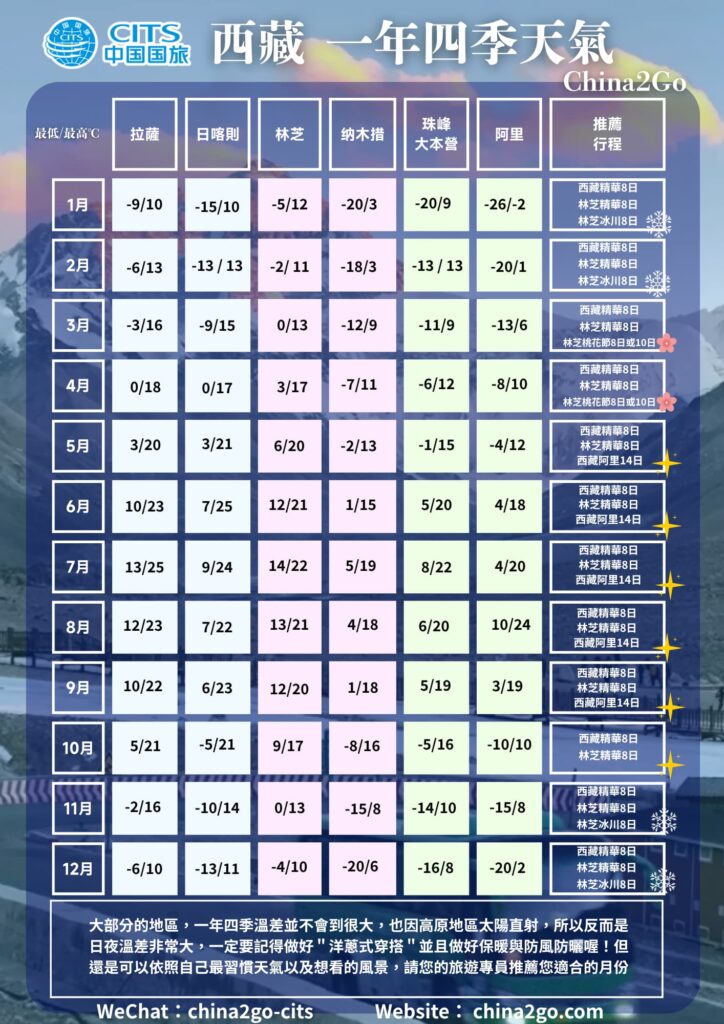
To download the original files, please contact the CITS support team