A truly "serene and substantial" Tibetan-style monastery
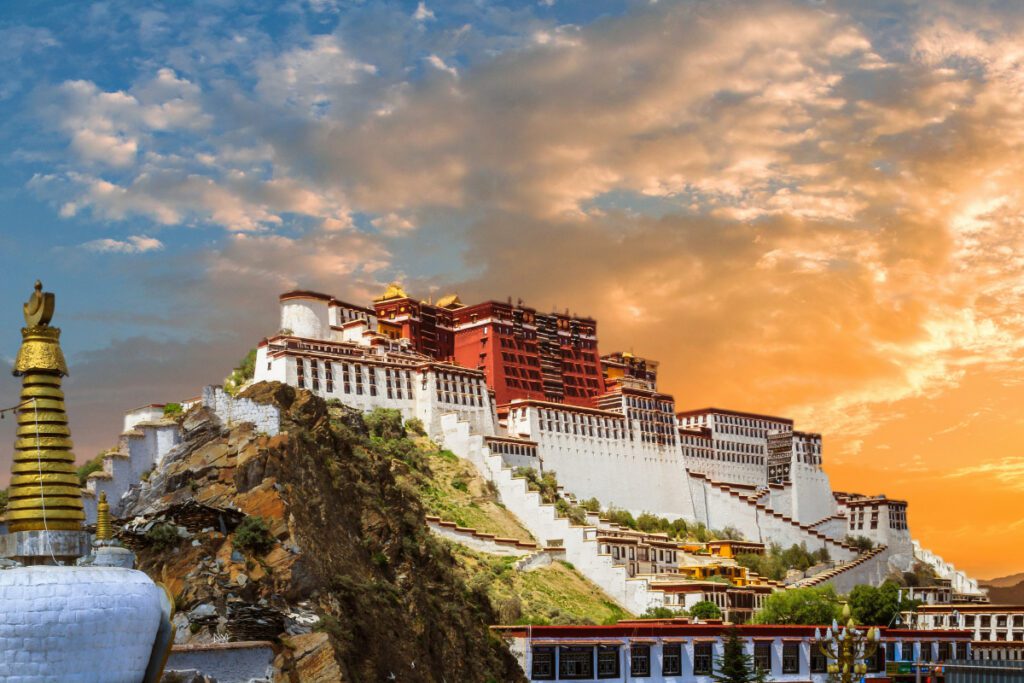
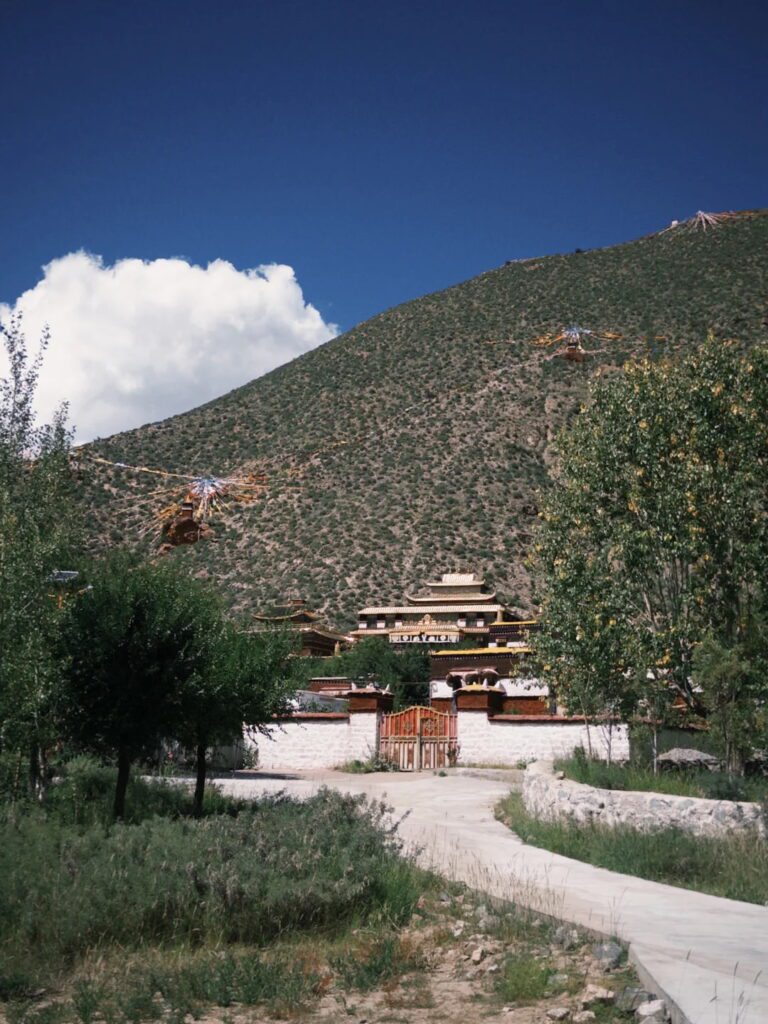
The Yungdrung Ling Monastery (Tibetan: གཡུང་དྲུང་གླིང་, English: Yungdrung Ling) is located in Rikaze City, Tibet Autonomous Region, in Nanmulin County, on the hillside on the north bank of the Yarlung Zangbo River. The monastery is built on the mountain, surrounded by trees and forests, with streamers hanging high in the air and a tranquil atmosphere, suitable for a slow-paced immersion experience of religious culture.Elevation about 3,750 metersThe climate is relatively mild and friendly to travelers who are new to the plateau.
Key PositioningYungdrung Ling is an important center of Yungdrung (Benjamin) study in the latter part of Tibet, once known for its debating traditions, and is an excellent gateway to the Benjamin system.
Religious Background|Not Buddhist Kagyu, but "Yonchung Monastery (Benjaminism)".
When most travelers first see the Yongzonglin Monastery, they tend to think of it as a general Tibetan Buddhist monastery; in fact, it is one of the most popular monasteries in the world.Yonchungbon (Bon)Tradition. Modern Honkyoku monasteries are similar to Buddhist ones in architecture and rituals, but inDoctrines, Symbols and RitualsIt is a self-contained system, such as the common "Yongzhong" mantra, the wall paintings and statues of Guru **Tonpa Shenrab**, etc. If you want to understand this religion in one go, this is the best place to learn. If you want to understand "Buddhism vs. Buddhism" once and for all, this is the best on-site teaching material.
History|From Creation to Restoration
- Creation: Most studies indicate that monasteries were founded in the early 19th century (usually 1834), built under the auspices of a high priest.
- DevelopmentThe following is a summary of the main teachings of Yonchung in the Later Tibet.Debate and Teaching CenterIn the past few years, he has been closely associated with his mother temple's system and has nurtured a large number of monks.
- capitalist times (pre-1949): After the Cultural Revolution, monasteries in 1980sRestored one after another, it still maintains its tradition of study and regional religious influence.
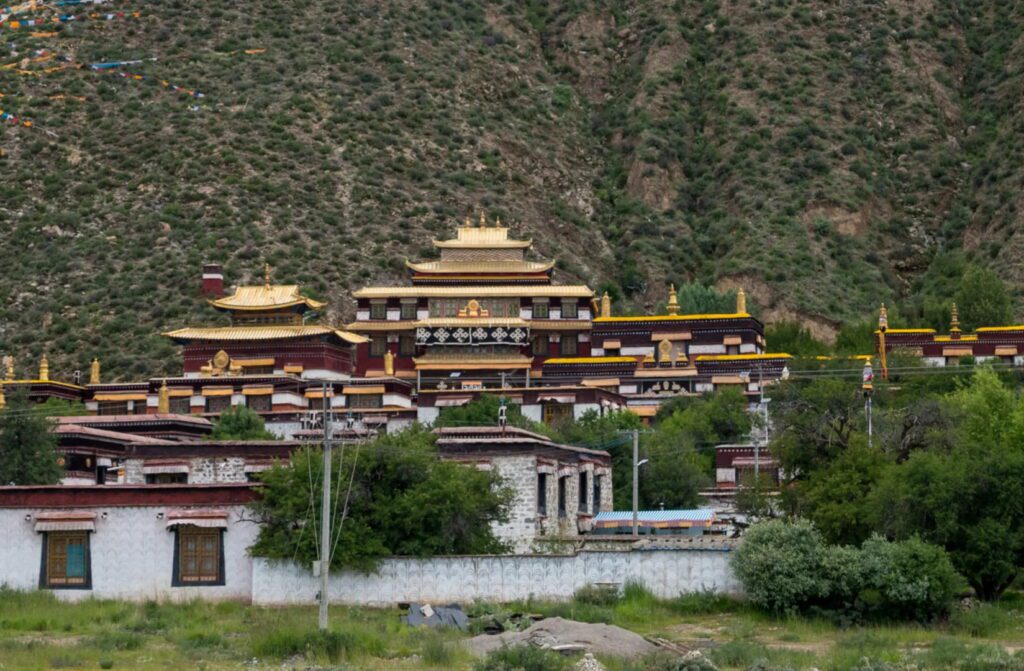
Architectural and Cultural Highlights|64 Pillar Hall, Ancestor's Narrative and Sutra Collection
- Dukan Hall (Assembly Hall)The centerpiece of the temple is the classic **8 x 8 column grid (64 columns)** pattern, which is square and open, with strong spatial tension. There are many statues of honors and ancestors along the walls, with rich details, making it ideal for a guided tour.
- Ancestors and Mural Paintings: The Master of the ChurchSin Jao MivoThe life story is complete, with a clear counterpoint to the Shakyamuni themes commonly found in Buddhist temples, and is especially friendly to travelers who want to "see the difference.
- Books and ArtifactsThe temple's collection includes transcripts of the Buddhist sutras, the Ganjur and the Tanjur, and a wide range of Dharma artifacts, reflecting the heritage of an academy-type temple. (Actual opening is subject to availability)
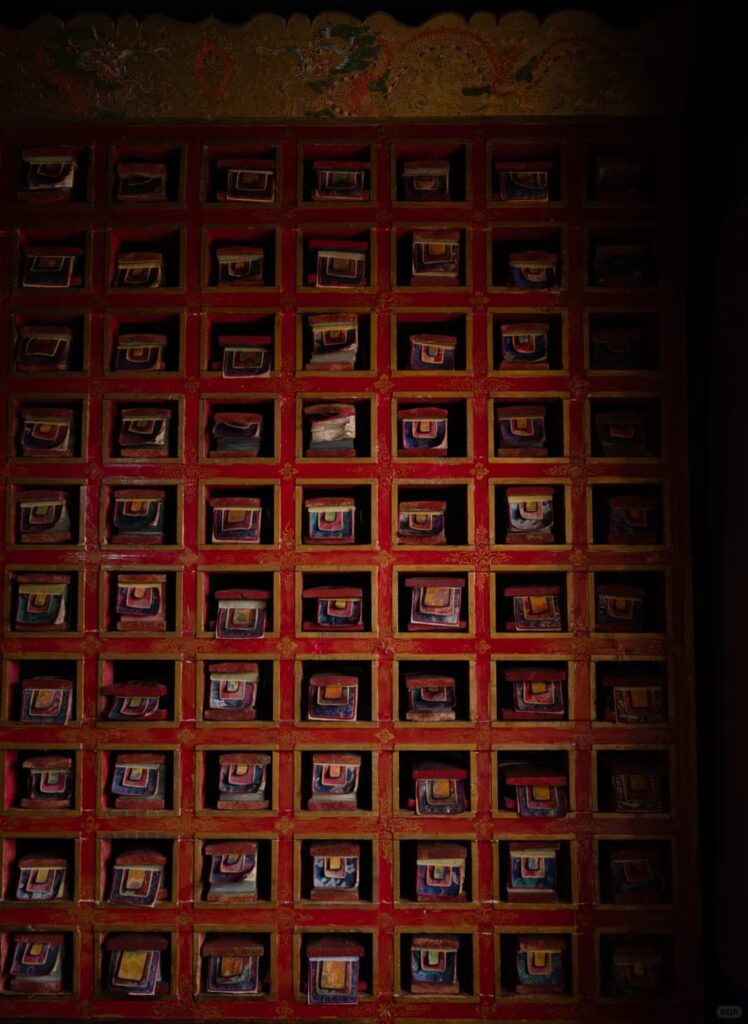
Study Atmosphere|Seeing the Living Monastery
Yung Chung Lam Monastery was founded inDebating and Speaking the ScripturesThe temple still has a regular study schedule. If you are lucky, you can hear the chanting of sutras, the clapping of wooden boards, and the sound of magic instruments in the courtyard, and feel the evidence that a monastery is "alive" - this vitality is also the most fascinating part of it.
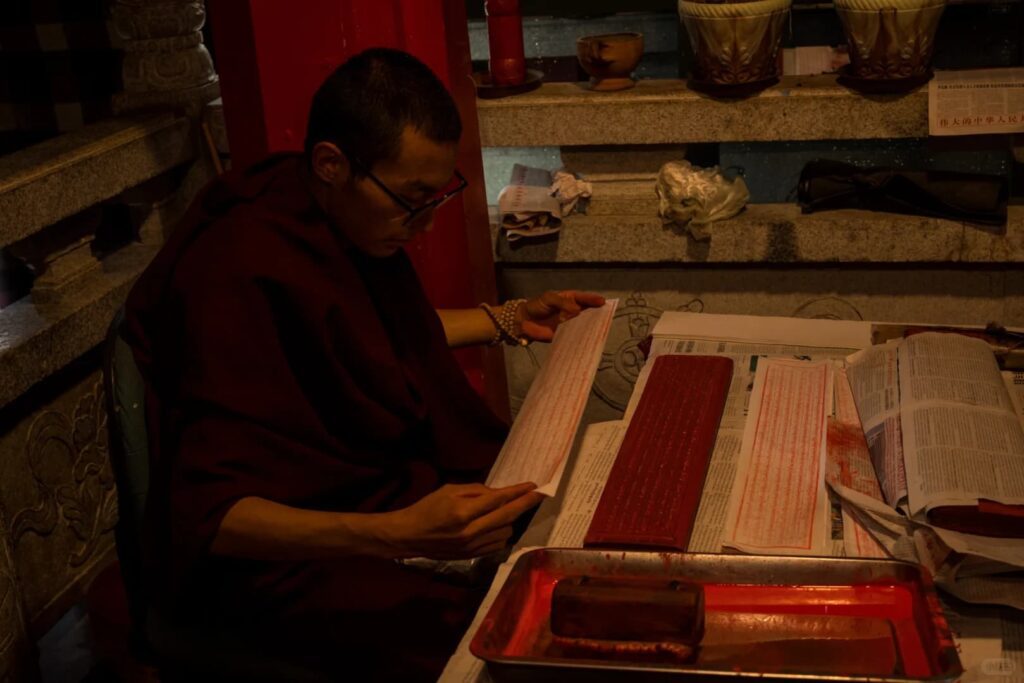
Highlights of the visit
64-pillar Dukan HallIt is a dual attraction of architecture and religious art, with a grand scale of space and distinct layers of light and shadow.
Lajean and the Temple of the Spiritual PagodaThe Pagoda is dedicated to the souls of many generations of masters and carries the spiritual genealogy of the temple in a solemn atmosphere.
Debate and FestivalsOn certain days, there may be a sutra debate, Dharma Dance (Qiangmu) or large-scale puja, so it is recommended to inquire with the ground operator or the temple before traveling.
Turn the temple counterclockwise.: Benedictine Multi-PurposecounterclockwiseThe detour is different from most Buddhist temples; there is often a route to follow, so just pay attention to it.
The view from the river valleyThe monastery is located on the mountainside, overlooking the Yarlung Tsangpo River Valley and the countryside, especially at dusk.
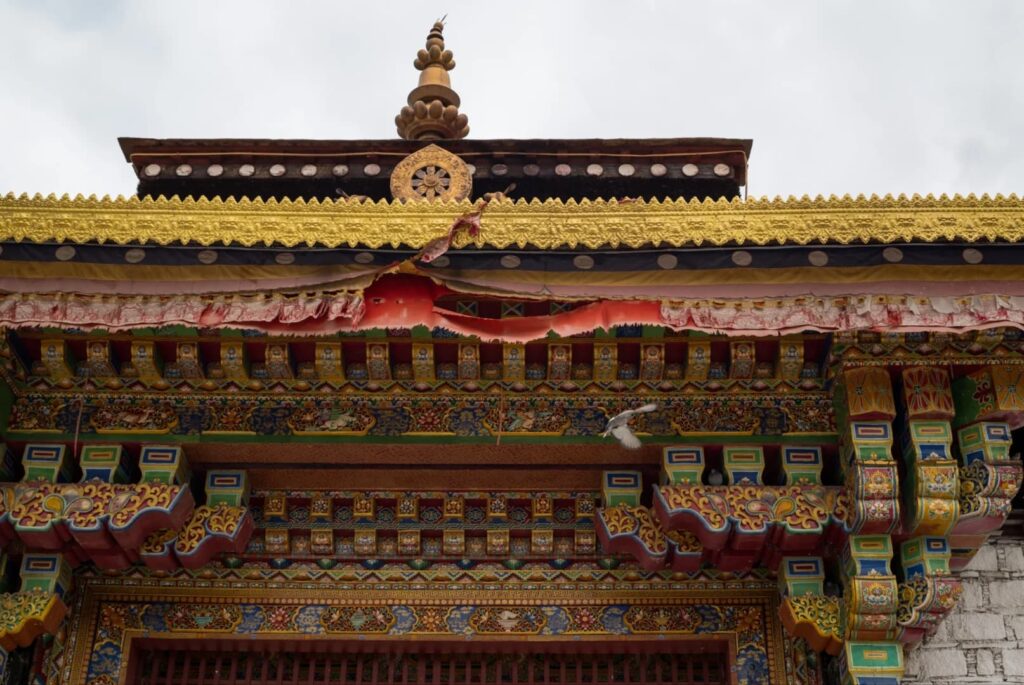
Photography and Experience Tips
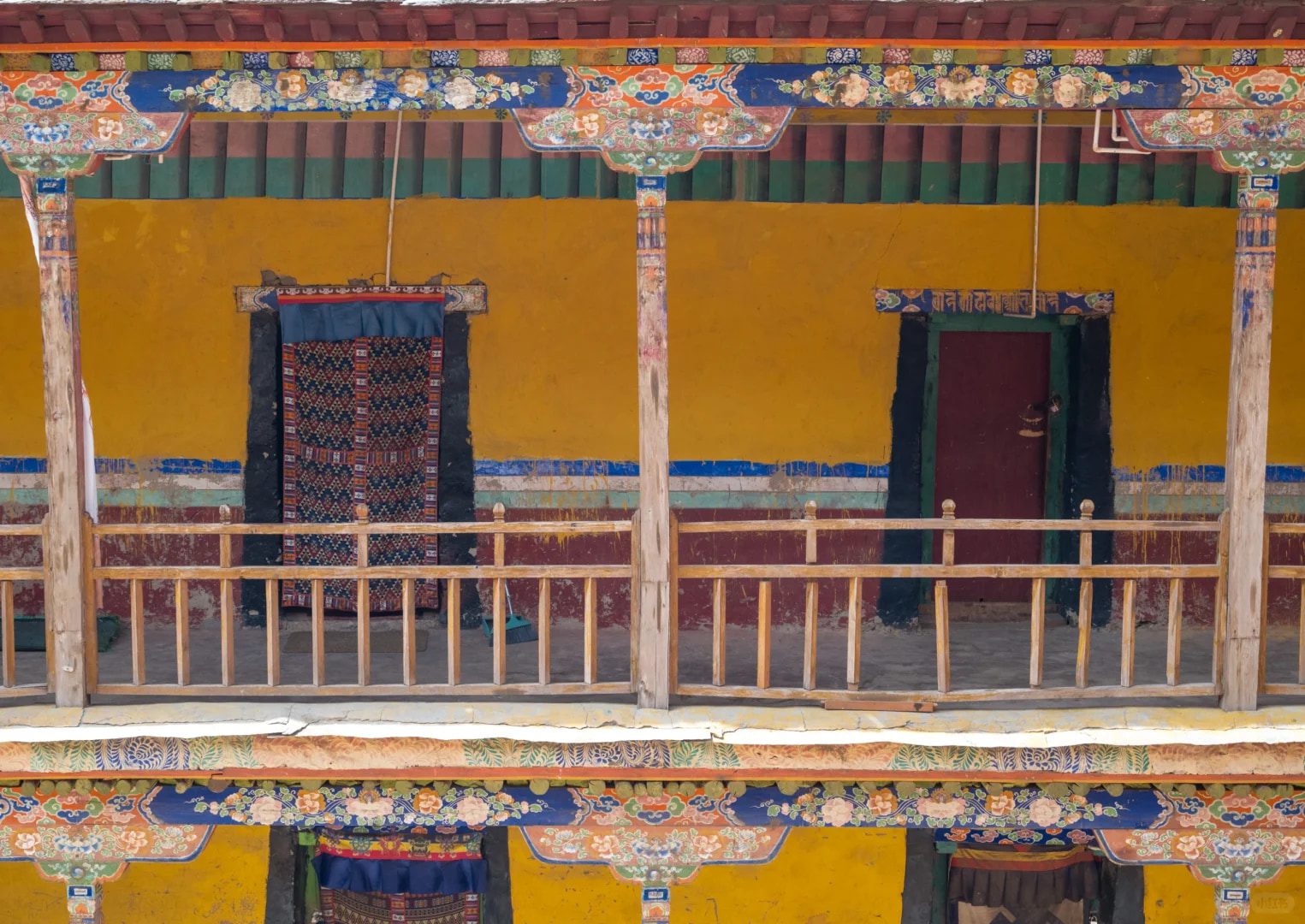
Optimal Lighting:Early morning and late afternoon slanting lightIt best emphasizes the three-dimensionality of the red wall, the golden roof and the pillars; the sutra streamers fluttering in the mountain wind are a good foreground element.
Lens SuggestionsWide-angle shots of buildings, corridors, and columns; standard shots of frescoes, vestments, and monks' clothing; telephoto shots of rituals or expressions.
Etiquette and Photography: There are many photography restrictions on entering the temple, following on-site regulations; even if you are able to take a picture, you can stillDisable flashThe purpose of the program is to avoid interfering with the study of the students.
Mobility TipsThe first step is to observe the direction and flow of people, so that you can shoot more easily and without interruptions.
Visiting the Liturgy
- Turning Direction: The Church is mostlycounterclockwise.
- Respect for Learning: Please lower the volume and do not interrupt the line when reciting and debating scripture.
- ClothingPlease take off your hat when entering the temple and do not step on the threshold.
- SustenanceIf you want to offer a lamp or water, please ask the temple first.
Why would you recommend including the Theravada Yumtsek Monastery in your itinerary the second time you come to Tibet?
If you are in the vicinity of Rikaze and want to find a placeFewer people, deeper meaning, and a place to stay.The answer to the question of where to go religiously is the Theravada Yongzonglin Monastery. Instead of being a "Netflix temple", this is a religious stop for the64 Pillar Hall, Ancestor's Narrative, Sutra Collection and Sutra Debate TraditionIt is an "academy-type temple" that is supported by the temple. You can see clearly in the streamers and the sound of the wind.Differences between Buddhism and BuddhismThe trip can also be slowed down a bit by looking out over the river valleys and fields from the hillside.High Content Density in Half a Day--Look at the architecture, read the culture, listen to the chanting, take good pictures, and leave with a little bit of the coldness of the plateau and the quietness of the heart.
It's not meant to be rushed through, it's worth setting aside an afternoon for.
References: The Treasury of Lives|Yungdrung Ling