Tibet Weather & Temperature Guide | Seasonal Climate Data, Packing Tips & Best Time to Visit 2026

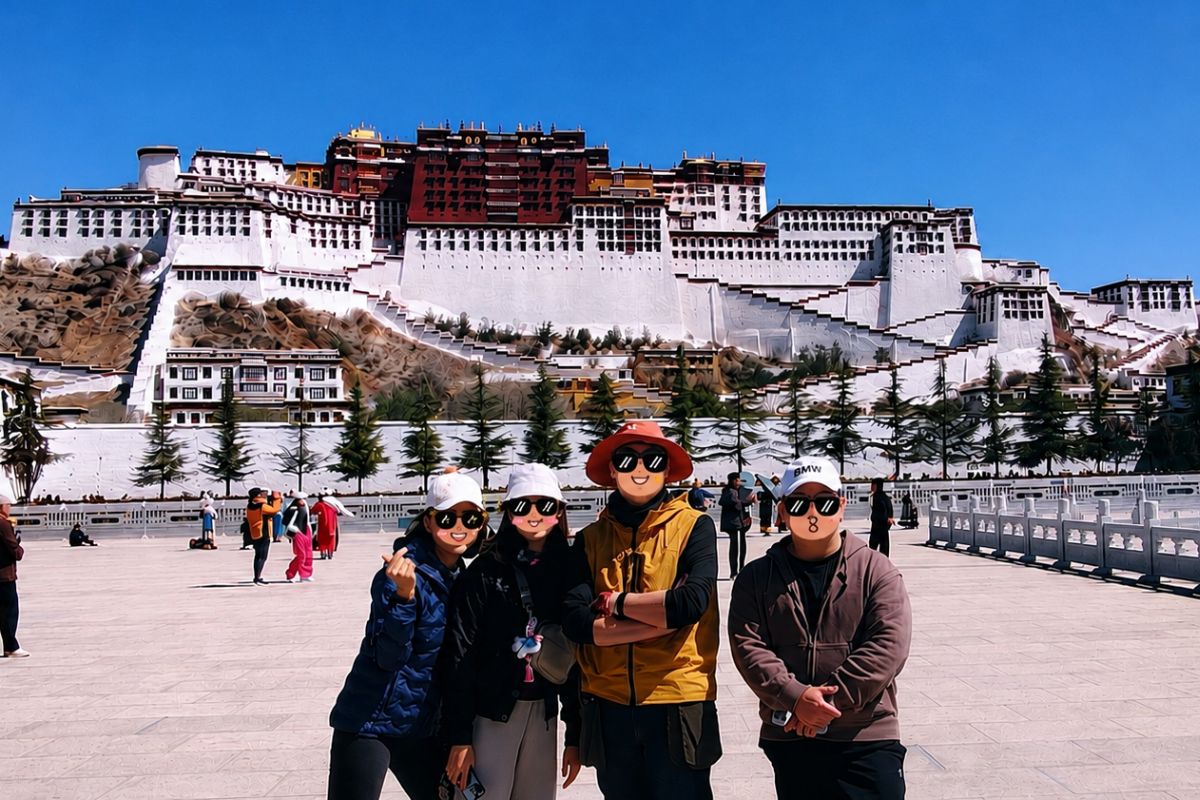
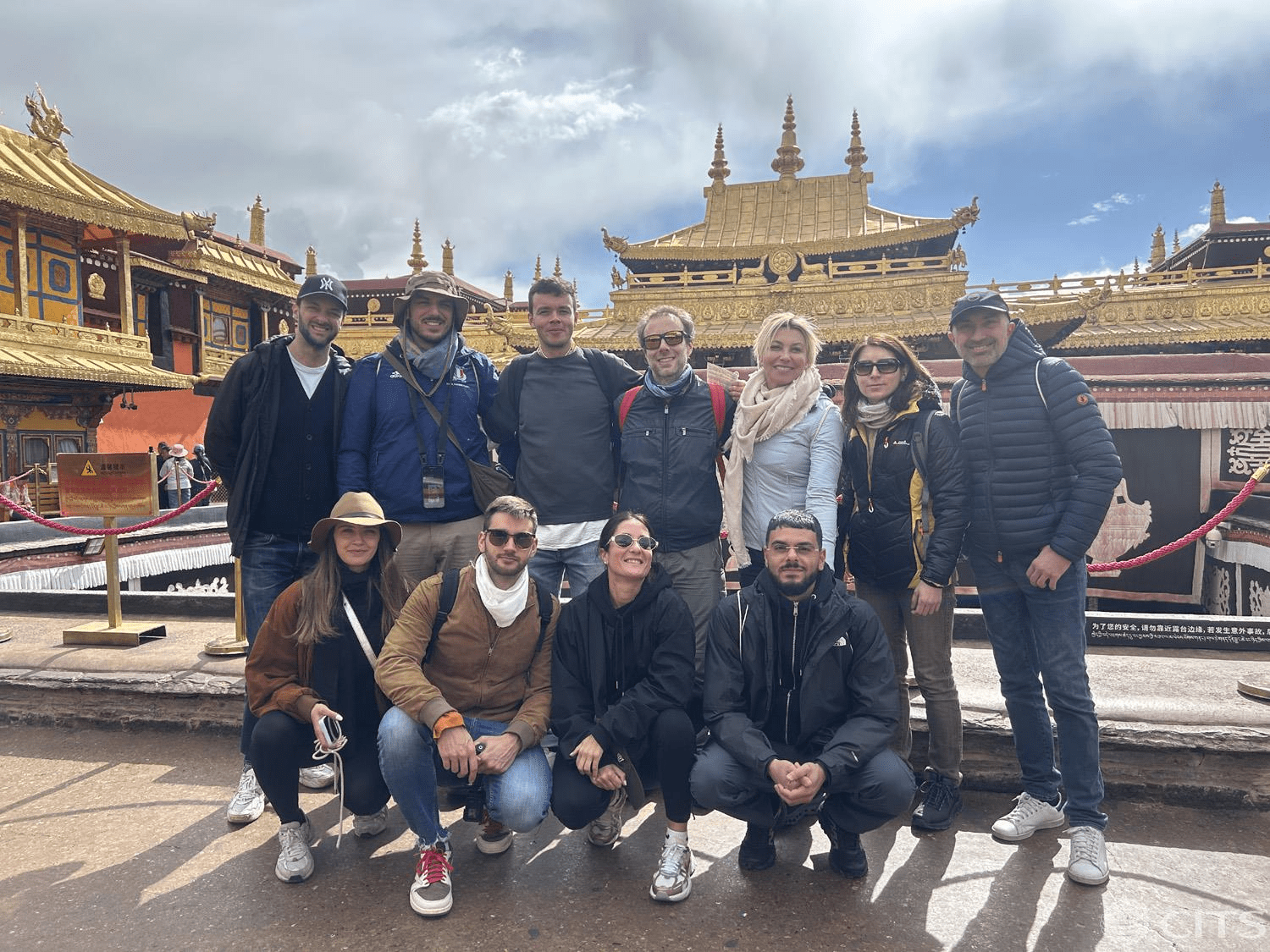
Travelers pose for a group photo in front of the Da Zhao Temple in Lhasa-Tibet tour | China2Go CITS

> Tibet Weather & Temperature Guide | Seasonal Climate Data, Packing Tips & Best Time to Visit 2026

Table of Contents

If you’re planning a trip to Tibet, you may be wondering:What is the current temperature in Tibet? When is the best time to visit Tibet? How should you prepare your clothing? Tibet’s climate is completely different from Taiwan’s. Plateau weather changes quickly, with large day–night temperature differences and extremely strong UV radiation. This article covers Tibet’s weather, recommended travel seasons, clothing tips, and monthly scenery highlights—helping you understand everything at once and easily plan the best time for your trip!

Tibet Weather | Why Is It Important to Pay Special Attention to Temperature and Clothing?

  • High altitude:Tibet’s average elevation is about 4,000 meters, with thin air and low oxygen levels.
  • Large day–night temperature difference:Daytime temperatures can reach around 20°C, while nights may drop below 0°C.
  • Strong sunlight::UV radiation in Tibet is several times stronger than in Taiwan, Malaysia, Singapore, and even in countries such as the United States, Canada, Germany, Australia, and the United Kingdom, so proper sun protection is essential.
  • Distinct dry and rainy seasons: The dry season lasts from October to April, while the rainy season is mainly in July and August (usually nighttime showers, still fine for daytime travel).
  • Best time to visit: April to October offers the most pleasant weather, with mild temperatures and relatively higher oxygen levels.
  • Traveling to Tibet in winter: Temperature differences in Tibet remain fairly consistent throughout the year. In winter, abundant daytime sunshine makes it surprisingly comfortable, although nights are usually very cold. Don’t worry—the coldest temperatures often occur late at night, when you’re already asleep!

Tibet Seasonal Climate & Clothing Guide

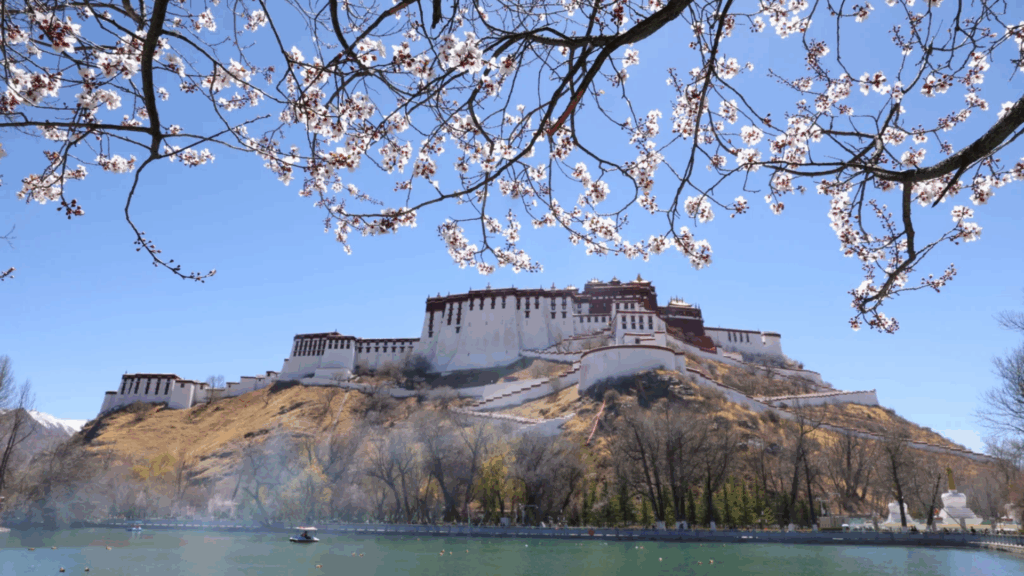
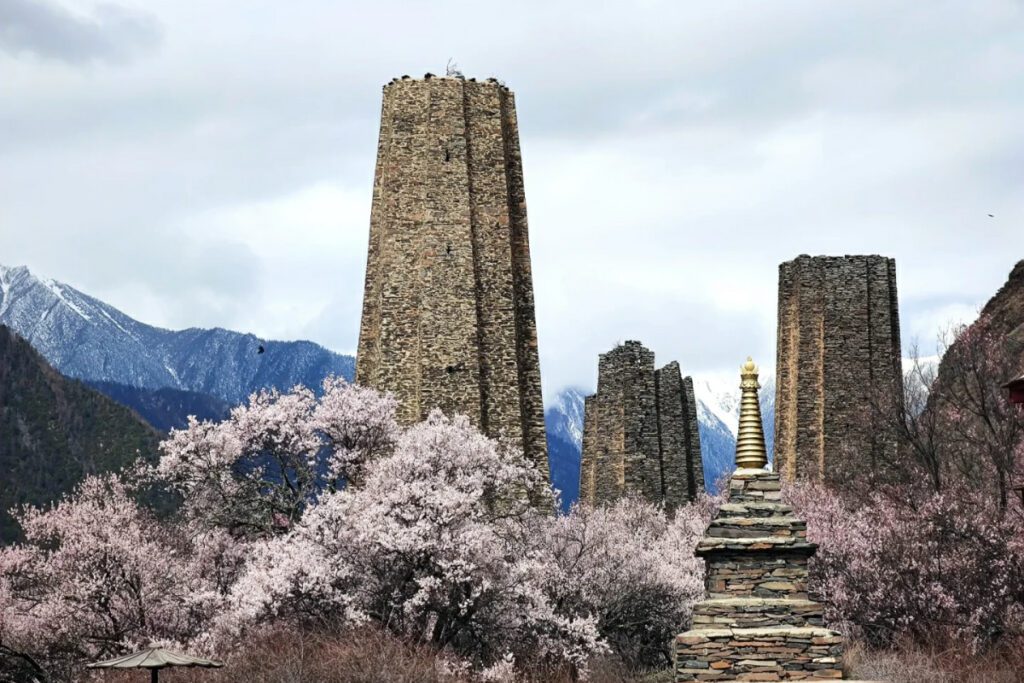
🌸 Spring (March–May) | Nyingchi Peach Blossoms & Thawing Lakes

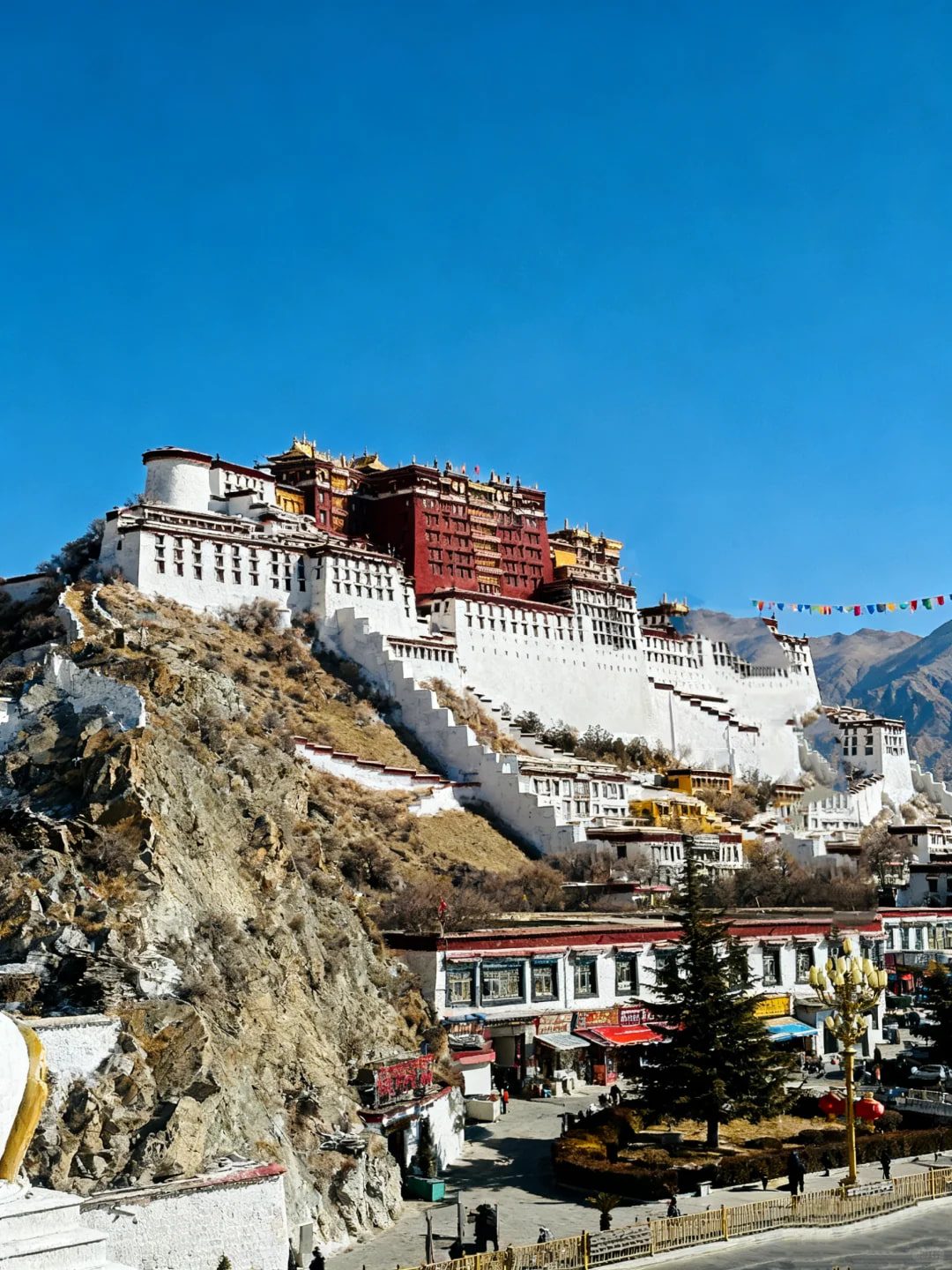
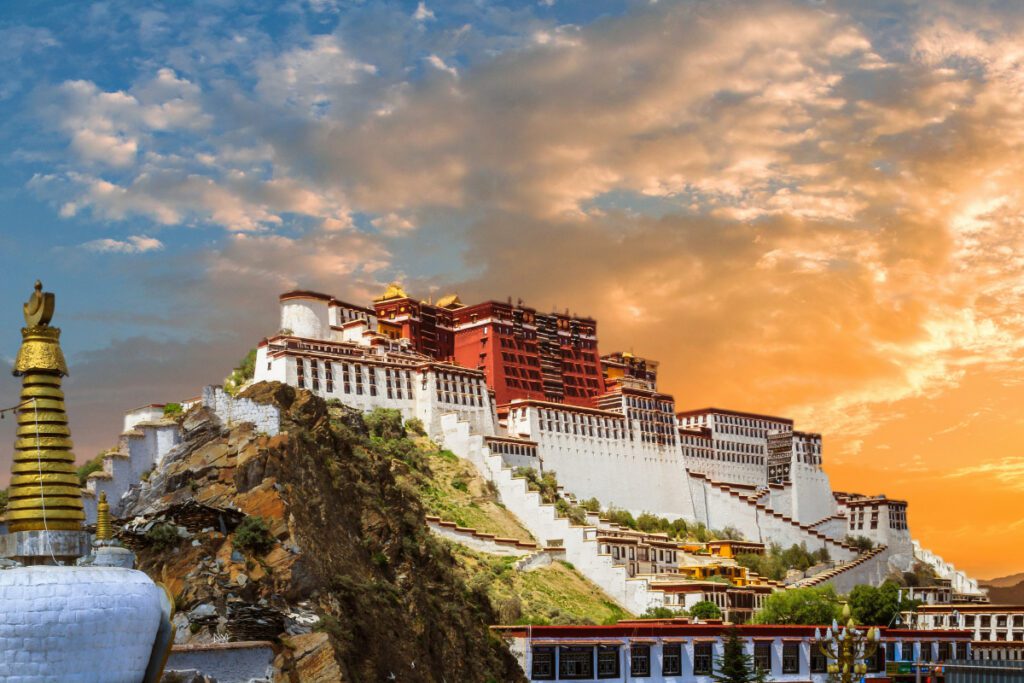
Lhasa and the Potala Palace are perfect for a springtime visit to Tibet.

  • Temperature.-4°C to 15°C.. Mornings and evenings are cold, while daytime temperatures are comfortable.
  • Clothing tips:: Light down jacket or windproof jacket; long-sleeve T-shirt layered with a knit sweater; jeans or casual pants; sneakers or comfortable walking shoes. Don’t forget sun protection accessories.
  • Scenery highlights:Peach blossoms bloom in Nyingchi from March to April; Yamdrok Lake and Namtso begin to thaw in May.

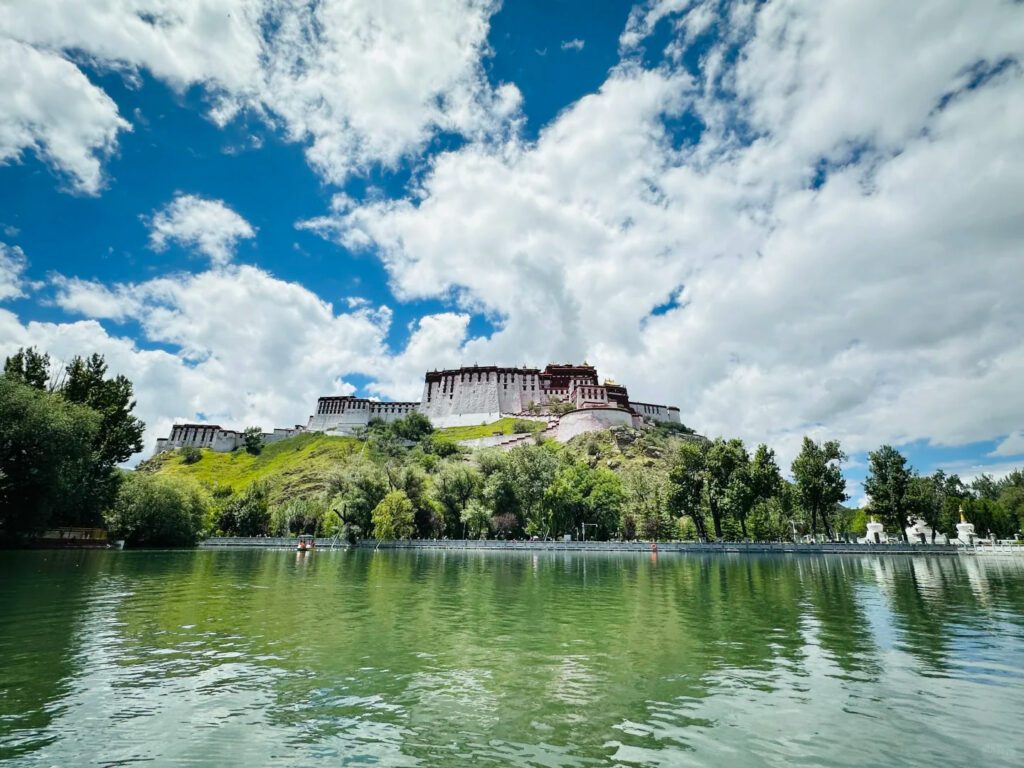
☀ Summer (June–August) | A Cool Retreat & Snow Mountains at Their Best

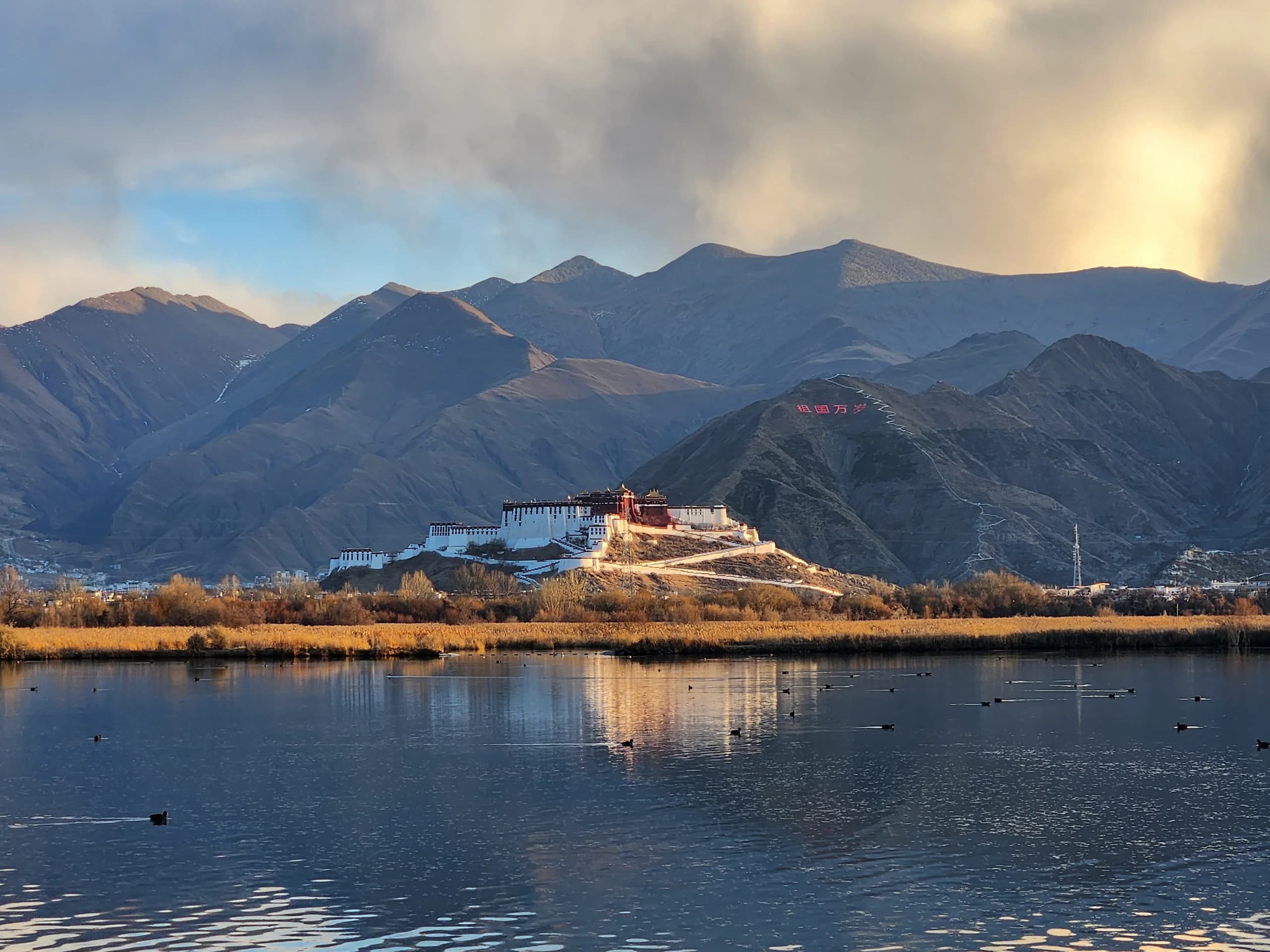
The average temperature of Lhasa in summer is suitable for traveling.The beautiful view of Lhasa in June, July and August.

  • Temperature: 10°C to 25°C.Days are cool with strong sunlight, while nights can be chilly and windy.
  • Clothing tips:Short sleeves with a lightweight UV-protection jacket during the day; light down jacket or 3-in-1 jacket at night; quick-dry pants or jeans; sunglasses, sunscreen, and a sun hat. Windproof accessories are recommended for those sensitive to cold.
  • Scenery highlights:Scenery highlights: Grasslands turn green in June; rapeseed flowers bloom in July and August; Namtso appears its bluest, and views from Everest Base Camp are spectacular.

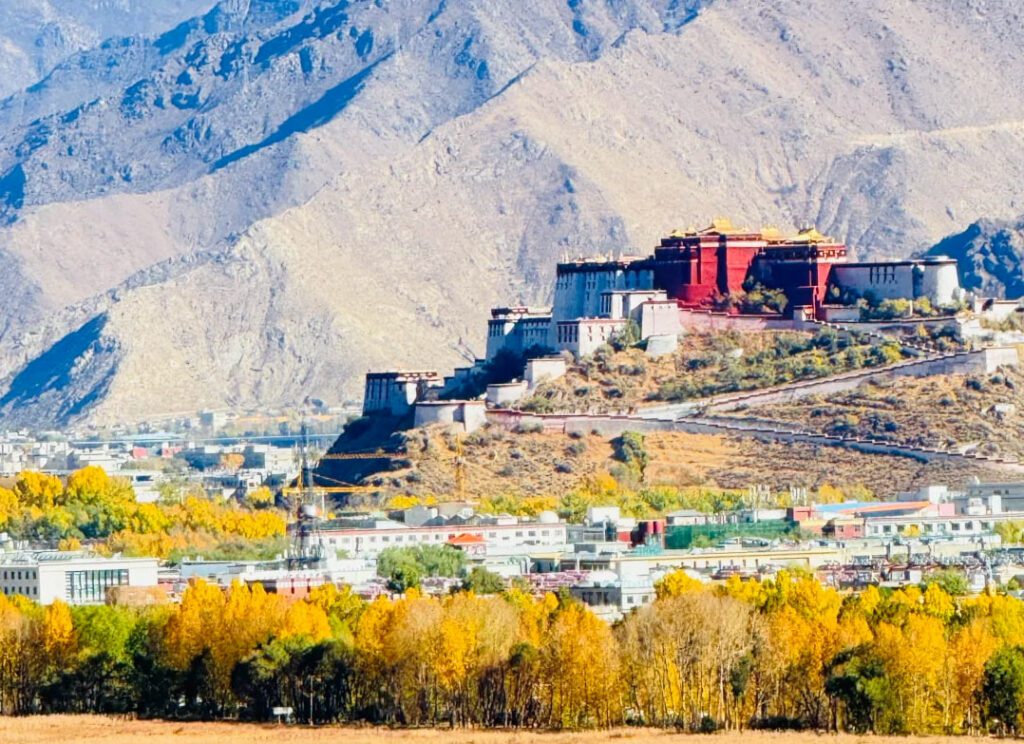
🍂 Autumn (September–November) | Golden Season for Photography

Tibet is a beautiful place to visit in the fall. The temperature is a little cold in the fall, but still suitable for traveling.

  • Temperature.5°C to 20°C.September is the most comfortable month, temperatures gradually cool in October, and drop noticeably in November—warm clothing is essential.
  • Clothing tips:Windproof jacket with a short down layer; hoodies and sweaters for layering; windproof or lightly fleece-lined pants; windproof hat, scarf, gloves, and beanie.
  • Scenery highlights:Deep blue skies in September for photography; golden grasslands in Nyingchi and Shigatse in October; early winter frost and snowy temples in November.

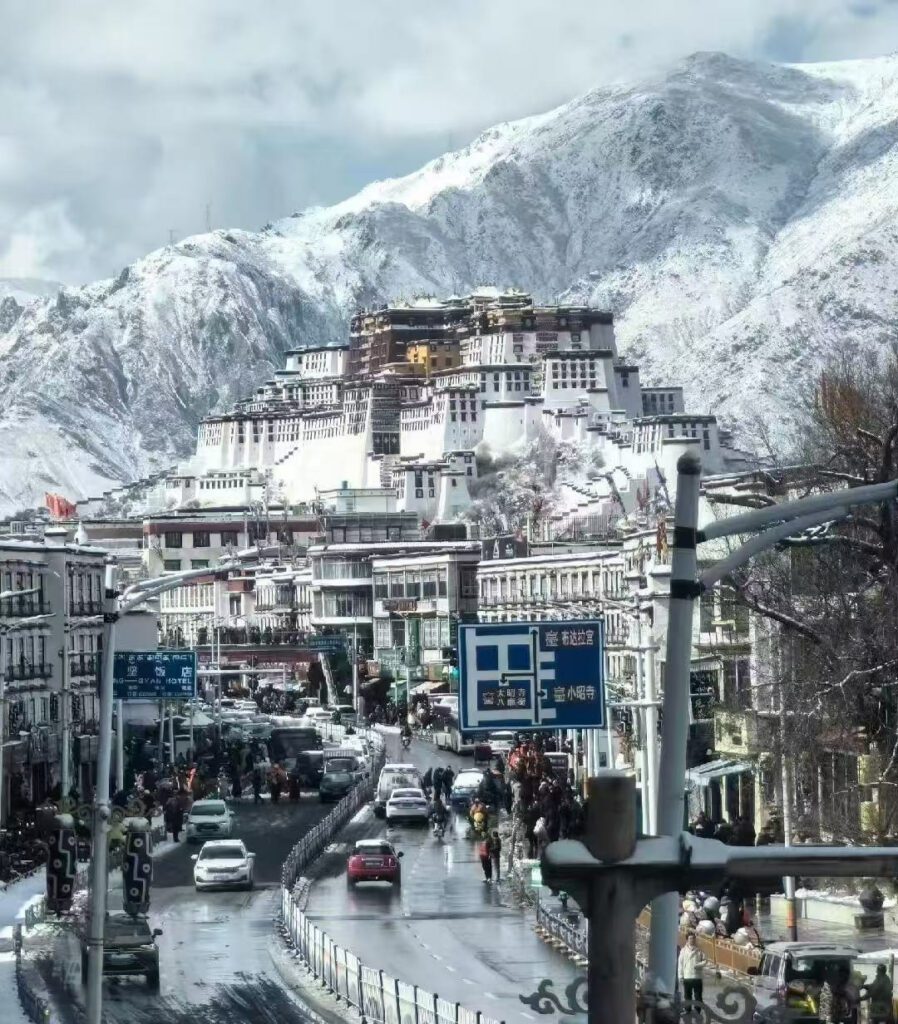
❄ Winter (December–February) | Tranquil, Mysterious & Blue Ice Wonders

Winter in Tibet is not as cold as I thought, there are blue ice caves and snowy scenery.

  • Temperature.0°C to 10°C during the day, and -10°C to -20°C at night.Strong daytime sunshine makes it feel warmer, but late nights are extremely cold—keep warm.
  • Clothing tips:Heavy down jacket with insulated shell; thermal underwear and wool pants; non-slip insulated boots or water-resistant sneakers with thick socks; gloves, scarf, earmuffs, and beanie. Warmth and wind protection are essential.
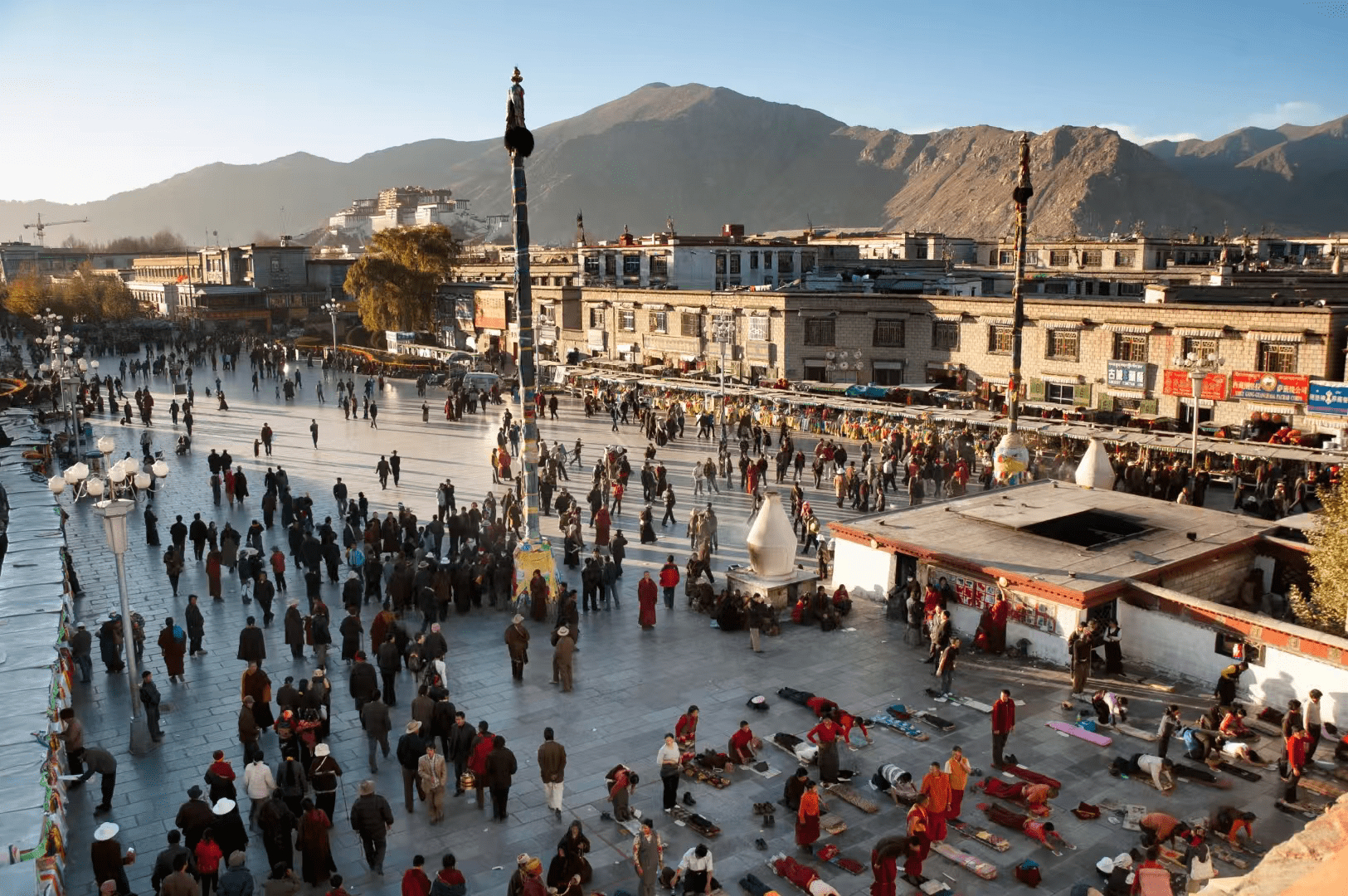
  • Scenery highlights:A strong pilgrimage atmosphere in Lhasa and Jokhang Temple; fewer tourists for a purer experience;crystal-clear blue ice caves at Laigu Glacier and Yalong Glacier—exclusive winter wonders.

Tibet Monthly Scenery & Clothing Guide

monthsScenic Highlightsclothing advice
(Layered clothing is recommended year-round)
MarchPeach blossoms begin to bloom in Nyingchi (late March)Down jacket + long sleeves
AprilPeach blossoms in full bloom,& snow mountains and flower fieldsLight down jacket + windproof pants
MayLakes thaw and grasslands turn greenWindproof jacket + lightweight long sleeves
JuneGrasslands turn green, livestock grazing seasonLightweight long sleeves + UV-protection jacket
JulyGolden roadside rapeseed blooms, and Namtso Lake glows deep blue.Windproof jacket + comfortable inner layers
AugustBest views of Mount Everest, lakes at their most magnificentLightweight long sleeves + windproof jacket
SeptemberDeep blue skies, prime season for photographyWindproof jacket + long-sleeve T-shirt
OctoberGolden autumn in Tibet: golden grasslands and majestic snow mountainsDown jacket + sweater
NovemberEarly winter frost and snowy temple sceneryDown jacket + sweater
DecemberStrong pilgrimage atmosphere in Lhasa,early appearance of blue ice cavesHeavy down jacket + thermal wear
JanuaryJokhang Temple pilgrimages,blue ice caves at their most spectacularHeavy down jacket + thick windproof thermal pants
FebruaryStrong plateau winds,blue ice caves remain stunningThick insulated jacket + thick windproof thermal pants

Essential Tips for International Travelers from the United States, Malaysia, Australia, the United Kingdom, and Canada

In addition to the basic clothing suggestions above, travelers to Tibet should prepare windproof, warm, and layered outfits. Below are some key tips to keep in mind:

  • Strong UV radiationSunscreen, sunglasses, UV-protection jackets, and sun hats are essential.
  • Layered clothing:Choose outfits that can be easily adjusted—lighter during the day and warmer at night—for maximum comfort.
  • Limit skirts and dresses:Long driving hours and temple dress codes mean it’s best to bring no more than one or two pieces for photos.
  • Essentials:A softshell jacket, non-slip sneakers, and a hat work for all seasons. Hiking shoes are only needed for special routes like the Ali trek.

Best Time to Visit Tibet

April – October: The most comfortable season, with peach blossoms in spring, vibrant lakes in summer, and golden grasslands in autumn.
November – February: A quieter, more spiritual atmosphere — the perfect time to see the crystal-clear Blue Ice Caves and experience winter pilgrimages.

Tibet Weather & Year-Round Temperature Guide
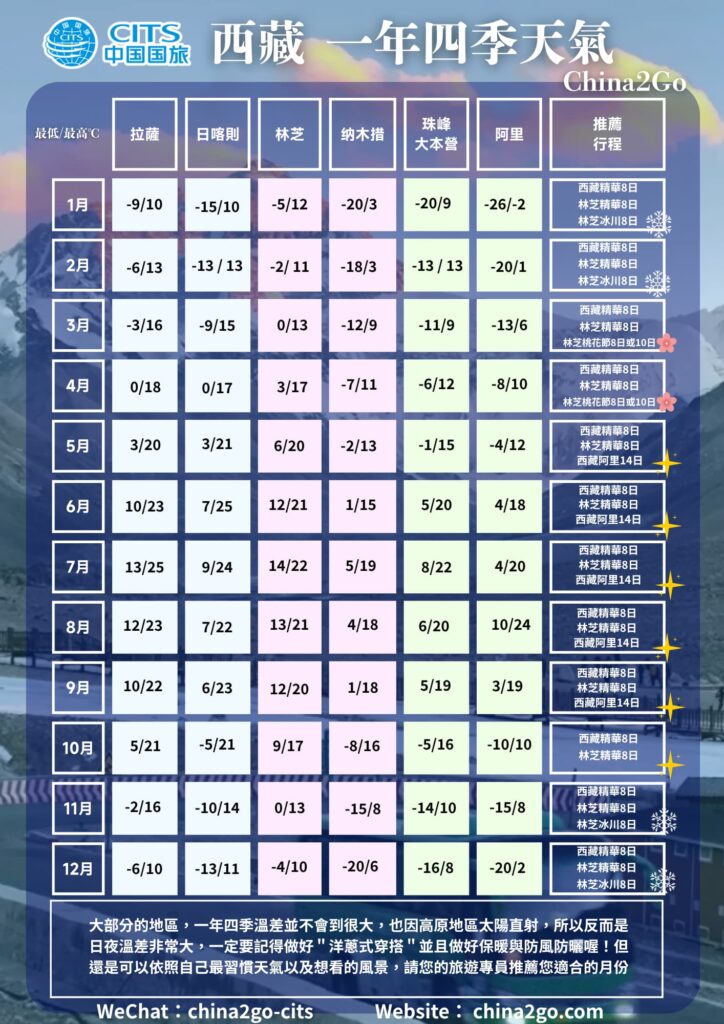
Difference in temperature between Lhasa and Tibet throughout the year.

To download the original files, please contact the CITS support team

JanuaryWinter Decent daytime sun, but nights are freezing
Avg. High
7°C
Avg. Low
-10°C
Average High: 7°C
 
Average Low:-10°C
 
Rare blue ice caves and a deeply spiritual atmosphere at Jokhang Temple — far fewer crowds
Down JacketWool PantsGlovesScarfHiking BootsEar Muffs

FebruaryWinter Strong plateau winds — layer up
Avg. High
9°C
Avg. Low
-8°C
Average High: 9°C
 
Average Low: -8°C
 
Spectacular ice walls in the blue ice caves — a winter-only sight
Down JacketWindproof JacketEar MuffsThermal UnderwearScarf

MarchSpring Spring is arriving, but mornings and evenings remain cold
Avg. High
12°C
Avg. Low
-5°C
Average High: 12°C
 
Average Low: -5°C
 
Peach blossoms begin to bloom in late March in Nyingchi, stunningly framed by snow-capped mountains
Light Down JacketWindproof JacketLong-sleeve TopJeansSunscreen

AprilSpring Pleasant days — one of the best times to visit
Avg. High
16°C
Avg. Low
1°C
Average High: 16°C
 
Average Low: 1°C
 
Peach blossoms in full bloom and flower fields against snowy peaks — April is one of Nyingchi's most beautiful months
Light Down JacketWindproof PantsSunscreenSunglassesSun hat

MaySpring Pleasant weather with diverse and breathtaking landscapes.
Avg. High
20°C
Avg. Low
5°C
Maximum temperature 20°C
 
Minimum temperature 5°C
 
Lakes begin to thaw and grasslands turn green, while Namtso Lake shines like a turquoise gem.
Windbreaker or hard-shell jacket,, light long sleeves,comfortable hiking shoes,Sun hatSunglasses

JuneSummer Cool and comfortable with intense UV radiation.
Avg. High
23°C
Avg. Low
9°C
Average High: 23°C
 
Average Low: 9°C
 
Lush grasslands with grazing herds make June the top choice for a summer retreat, especially for travelers from Southeast Asia.
T-shirts,sun-protection clothing,SunglassesSun HatSunscreen

JulySummer Monsoon season featuring overnight rain and sunny daytimes.
Avg. High
22°C
Avg. Low
10°C
Maximum temperature 22°C
 
Avg Low: 10°C
 
Rapeseed flowers in full bloom and Namtso Lake at its deepest blue. Rain mostly falls at night, having minimal impact on daytime sightseeing.
Windbreaker or hard-shell jacket,quick-dry pants,lightweight raincoat,and waterproof outerwear.

AugustSummer Majestic lake views and optimal visibility for Mount Everest.
Avg. High
21°C
Avg. Low
10°C
Avg High: 22°C
 
Avg Low: 10°C
 
The best month to see Everest Base Camp, with stunning views of the lakes.
, light long sleeves,Windbreaker or hard-shell jacket,and waterproof outerwear.Sunglasses

SeptemberAutumn Deepest blue skies—the golden season for photography.
Avg. High
19°C
Avg. Low
7°C
Avg High: 19°C
 
Avg Low: 7°C
 
Crisp autumn air and crystal-clear skies make September the top choice for photography enthusiasts.
Windbreaker or hard-shell jacket,Long-sleeve Topwindproof hat,ScarfSunglasses

OctoberAutumn Golden Autumn in Tibet: Significant day-night temperature swings.
Avg. High
15°C
Avg. Low
1°C
Avg High: 15°C
 
Average Low: 1°C
 
Golden grasslands and majestic snow peaks. With temperature drops of up to 14°C, layering (the onion style) is essential for comfort.
Down jacket,knit sweater,ScarfGlovesand thermal socks.

NovemberAutumn Entering winter: Extra layers are essential for warmth.
Avg. High
10°C
Avg. Low
-6°C
Avg High: 10°C
 
Avg Low: -6°C
 
Early winter frost brings a serene atmosphere to temples. With fewer crowds, it’s the perfect time for a peaceful retreat.
Down jacket,(wool) sweaterwoolen capGlovesScarf

DecemberWinter Extreme cold at night.
Avg. High
7°C
Avg. Low
-10°C
Average High: 7°C
 
Average Low:-10°C
 
Jokhang Temple’s spiritual atmosphere at its peak; Blue Ice Caves emerge—a winter-exclusive wonder.
Down JacketHeavy Down JacketThermalEar MuffsScarfGloves

📍 Travel Tip: These climate stats are based on Lhasa (Elev: 3,650m / 11,975ft). Expect milder weather in Nyingchi, while high-altitude regions like Ngari and Nagqu will be much colder. Actual conditions depend on your chosen Tibet destination.
FAQ | Tibet Weather & Temperatures

Q: What is the average year-round temperature in Tibet?

A: Tibet features a high-plateau climate with drastic day-night temperature swings; layering (the "onion style") is essential.
春季(3-5月)平均 -4°C 至 15°C,早晚偏冷;夏季(6-8月)平均 10°C 至 25°C,白天凉爽但日照强烈;秋季(9-11月)平均 5°C 至 20°C,9月最舒适,10月后逐渐转冷;冬季(12-2月)白天 0°C 至 10°C,夜间可降至 -10°C 至 -20°C。
Autumn (September-November) averages 5°C to 20°C, with September being the most comfortable month and getting colder after October; winter (December-February) is 0°C to 10°C during the day, and -10°C to -20°C at night.

Q: How does Tibet’s temperature compare to subtropical regions (like Taiwan)?

A: The difference is significant.
Summer in coastal/subtropical areas typically hits 33–37°C (91–99°F), whereas Lhasa’s summer highs are only 20–23°C (68–73°F)—nearly 15°C cooler.
However, due to high-altitude UV intensity, the sun feels intense on the skin. Sun protection is more critical than the temperature reading itself.
Travelers accustomed to humid environments should note that Tibet’s air is extremely dry. Stay hydrated and carry lip balm and heavy moisturizer.

Q: What should travelers from tropical climates (like Malaysia/Singapore) prepare for Tibet's weather?

A: Coming from a tropical climate (27–35°C / 81–95°F) with high humidity, Tibet’s dry and cold plateau environment is a total contrast.
Travelers from warm climates may find the cold challenging. We recommend packing an extra heavy down jacket and various thermal accessories.
For winter trips, nighttime lows can reach -10°C (14°F). Gloves, scarves, and beanies are mandatory.Additionally, the extreme dryness can cause cracked lips and skin discomfort. High-quality skincare products are a must.

Q: Is there a significant climate difference for travelers from Hong Kong to Tibet?

A: The difference is substantial. Hong Kong stays around 30-34°C (86-93°F) in summer and rarely drops below 10°C (50°F) in winter, making it much warmer than Tibet overall.
Coming from Hong Kong's humid seaside climate, you must prepare for Tibet’s extreme dryness. It’s common to experience skin tightness, dry throat, or even nosebleeds; staying hydrated is your top priority.
Regarding clothing, a heavy jacket is mandatory for autumn, and even in summer, light wear is not enough—ensure you have a thermal layer for after dark.

Q: How should travelers from Singapore prepare for Tibet’s temperatures?

A: With Singapore's year-round average of 27-31°C (81-88°F), the concept of "winter" is foreign. Significant preparation is needed to bridge this climatic gap.
Singaporeans are often most sensitive to cold and dry air. We recommend bringing a down jacket regardless of the season; for winter, a full set of heavy down gear, gloves, scarves, and thermal boots is required.
The risk of Altitude Sickness (AMS) is also higher for those from low-altitude islands. Stay hydrated and slow down your pace during the first two days after arrival.

Q: How cold does Tibet get, and when is the coldest time? Is it suitable for winter travel?

A: The coldest months are December to February. Lhasa’s nighttime temperatures drop to -10°C (14°F), while higher regions like Nagqu and Ngari can plummet below -20°C (-4°F).
However, the abundant high-altitude sunshine means daytime perceived temperatures are usually between 5-10°C (41-50°F)—more manageable than you might expect.
Winter is actually an ideal time to visit for three reasons:
1. Minimal crowds: Enjoy popular sites like Lhasa and Jokhang Temple in peaceful tranquility. 2. Blue Ice Caves: The stunning crystal-blue caves at Laigu and Yalong Glaciers are exclusive winter-only wonders.3. Profound Pilgrimage: Witness the most authentic spiritual devotion and a stronger sense of local faith.Just ensure you have full winter gear (heavy down, gloves, scarf, earmuffs, thermal boots). Most accommodations feature heating, making indoor stays perfectly comfortable at night.

Q: What is the summer temperature in Tibet? Do I need to bring a jacket?

A: In summer (June-August), daytime temperatures in Lhasa hover around 20-25°C (68-77°F). The high-plateau air is dry and crisp, with refreshing breezes that keep it comfortable.
However, nighttime temperatures often drop below 10°C (50°F). Combined with strong winds, a light down jacket or hardshell windbreaker is essential; T-shirts alone are not sufficient.

Q: How extreme are the day-night temperature swings in Tibet?

A: Significant diurnal temperature variation is a hallmark of the plateau climate. Temperature differences can reach 15-20°C (27-36°F) in spring/autumn and 10-13°C (18-23°F) even in summer.
This is why we advocate for layering (the "onion style"): you might be in a T-shirt at noon but will need a down jacket by evening.

Q: Does the temperature vary across Tibet? Are Nyingchi and Lhasa the same?

A: Temperatures vary significantly across different regions of Tibet.
For instance, Nyingchi is at a lower altitude (approx. 2,900m / 9,514ft), with temperatures 5-8°C higher than Lhasa, resulting in an earlier spring and milder winter.
Conversely, Nagqu and Ngari are much colder with thinner oxygen, representing Tibet's harshest environments. It is crucial to adjust your packing list according to your specific travel destination.

Q: When is the rainy season in Tibet? Should I bring rain gear?

A: The rainy season mainly occurs in July and August, with most rainfall at night, so daytime travel is usually unaffected. However, bringing a lightweight raincoat or waterproof jacket is recommended in case of sudden rain.However, occasional daytime showers are possible. We recommend carrying a lightweight raincoat or waterproof jacket just in case.

Q: What are the best months to travel to Tibet?

A: April to October is the most comfortable season. You'll find peach blossoms in Nyingchi (spring), lush grasslands by sacred lakes (summer), and a golden plateau (autumn), all with stable weather and higher oxygen levels.
For those seeking tranquility and exclusive winter landscapes, winter in Tibet (Nov–Feb) is equally rewarding. The Blue Ice Caves and authentic pilgrimage crowds are the absolute highlights.

Recommended Tibet Itineraries

China International Travel Service-China2Go (CITS)

China2Go is our newly established inbound travel division, specializing in creating in-depth China travel experiences for global Chinese, Hong Kong, Macau and Taiwan travelers, and Malaysian and Singaporean VIPs. Whether you want to explore the magnificent highlands of Tibet, the colorful ethnic groups of Yunnan, the historical footsteps of the Silk Road, or the slow life of the water towns of the South China Sea, we offer customized itineraries for individuals, families and corporate groups. Combining CITS's over 70 years of professional travel experience and national ground transportation resources, the new division is committed to providing travelers with more intimate, reassuring and exciting China travel solutions with the latest service concepts. Contact us now to experience a different kind of in-depth China tour!