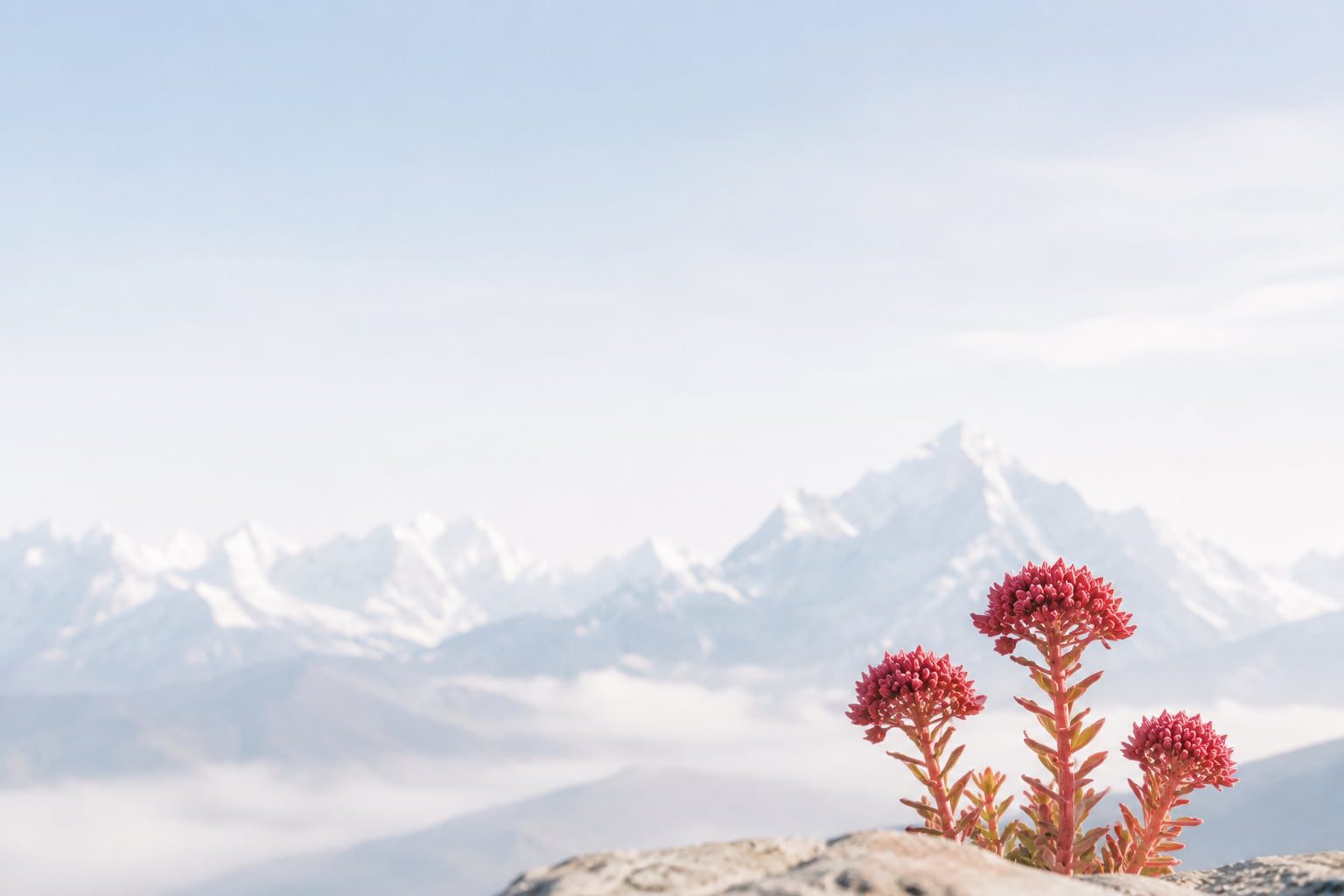
How Many Days for Tibet? Start by Understanding Its Geography

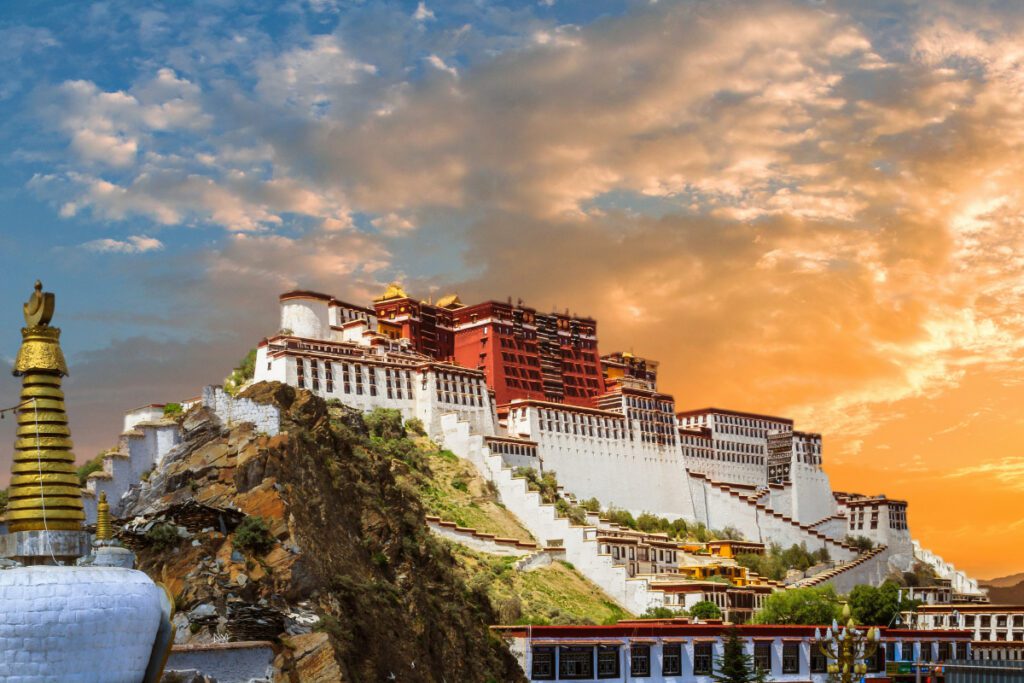
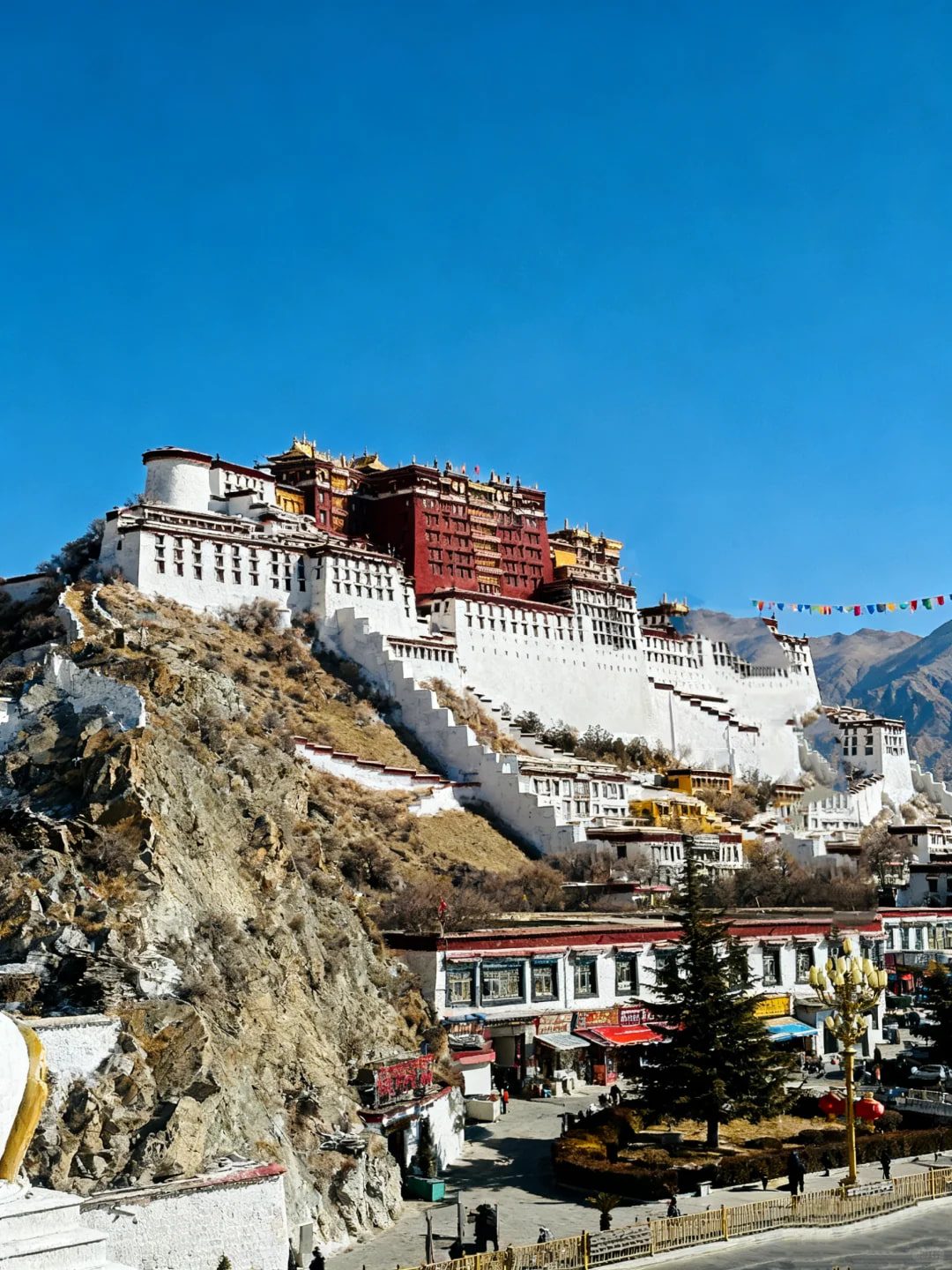
Tibet Itinerary Recommendation — Potala Palace and Lhasa Panoramic View

> How Many Days for Tibet? Start by Understanding Its Geography

Table of Contents

Planning a Tibet trip, the most common question is:how many days is enough?The answer depends on which Tibet you want to visit.
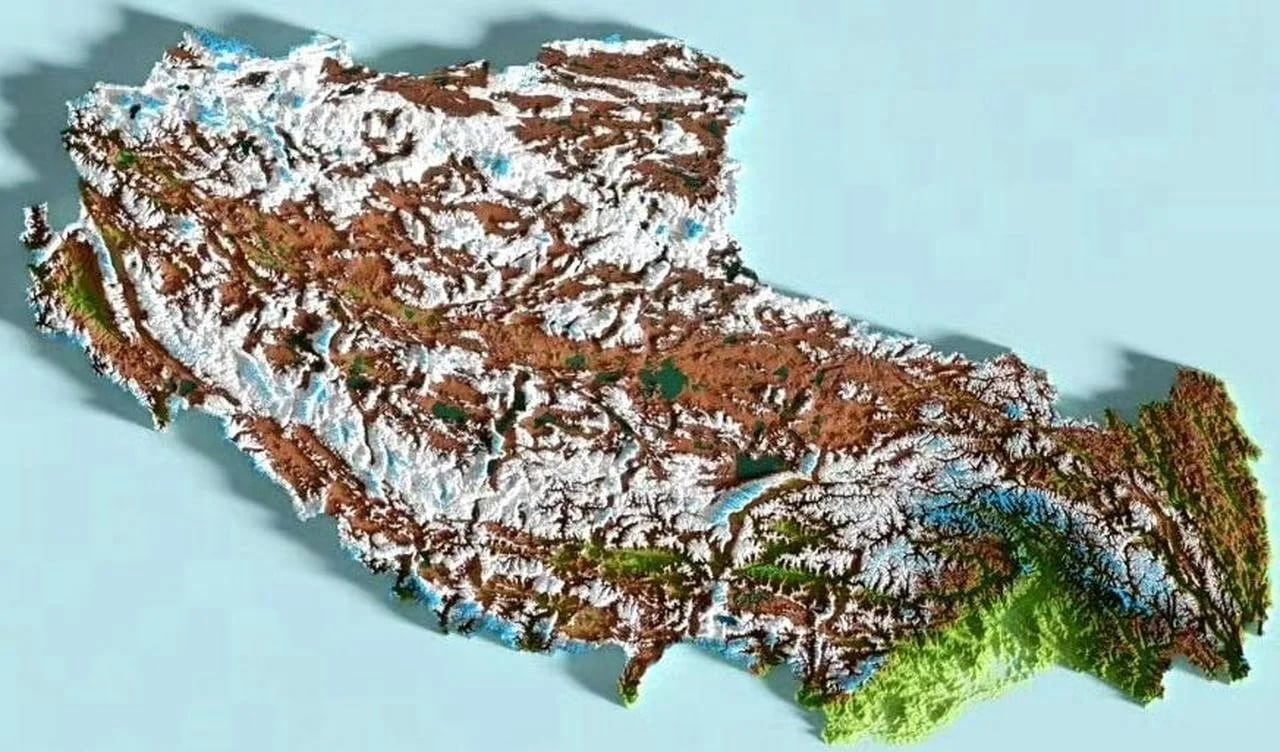
Tibet is not a single destination, but nine completely different geographical regions — before deciding on the number of days, first figure out which one you want to go to, and your choices will truly match your expectations.

Nine Regions of Tibet: Each with Its Own Soul

Both called "going to Tibet," some people go for forest valleys, some for sacred temples, some for the roof of the world. These regions differ completely in scenery, culture, and altitude.

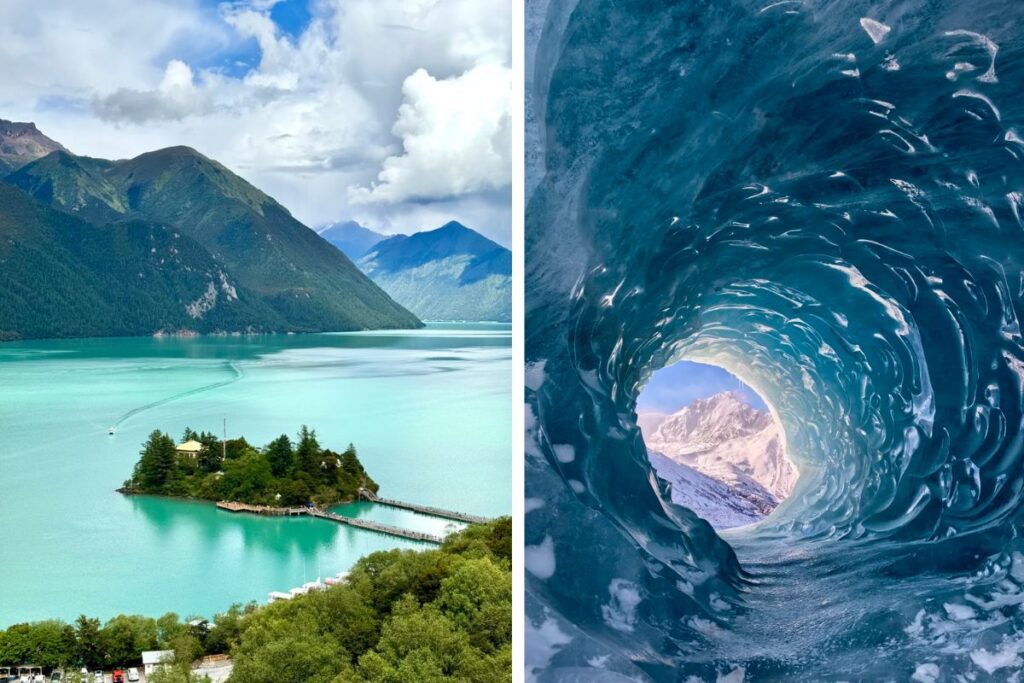
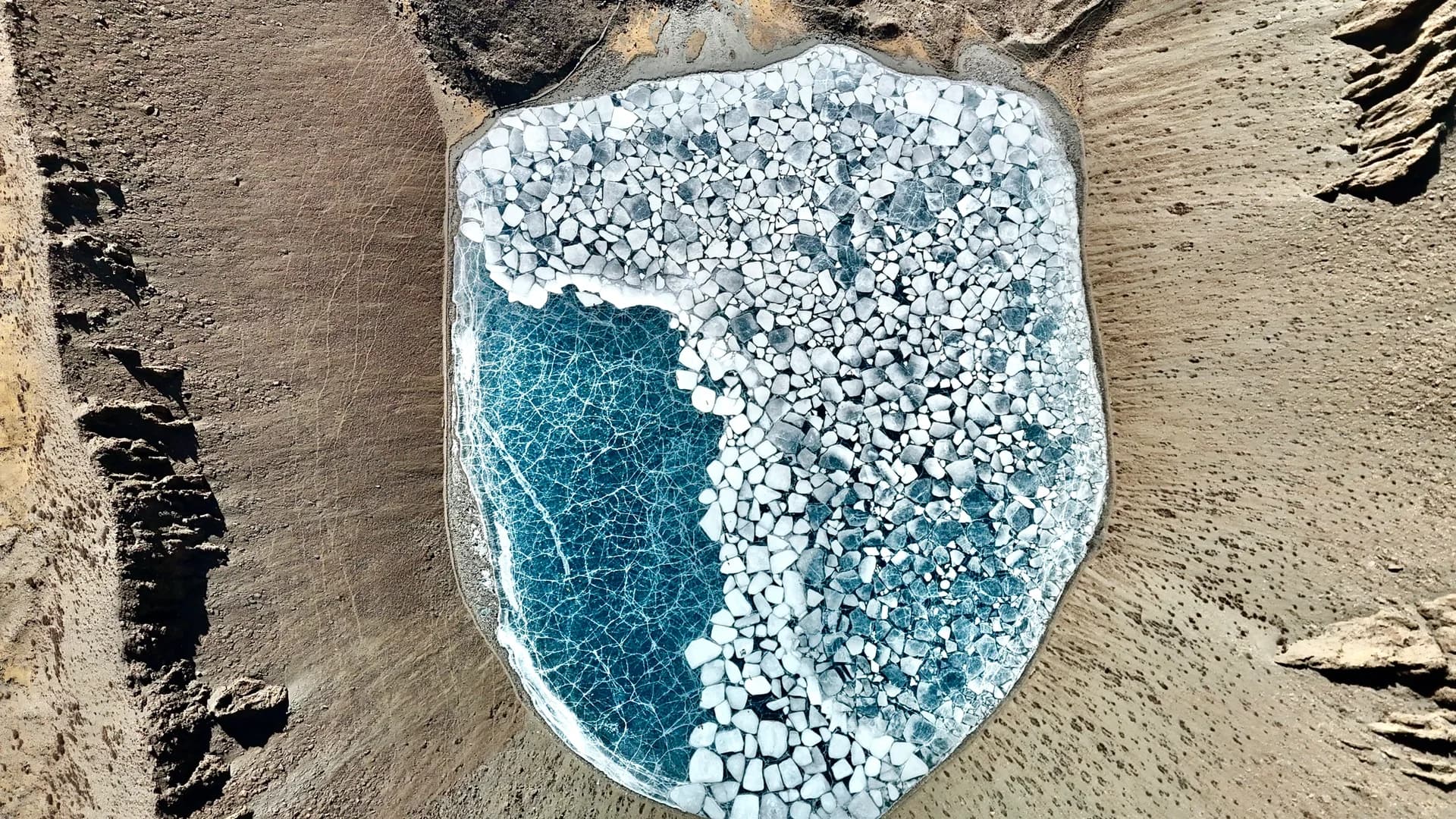
Basum Tso Sacred Lake and Yalong Blue Ice Glacier in Linzhi, Tibet — Must-See Highlights of Linzhi and Bomi on a Tibet Tour
Basum Tso Zhaxi Island and Bomi Yalong Glacier Blue Ice Cave, China2Go Tibet Tour
Region 01
Nyingchi
Altitude: ~2,900m
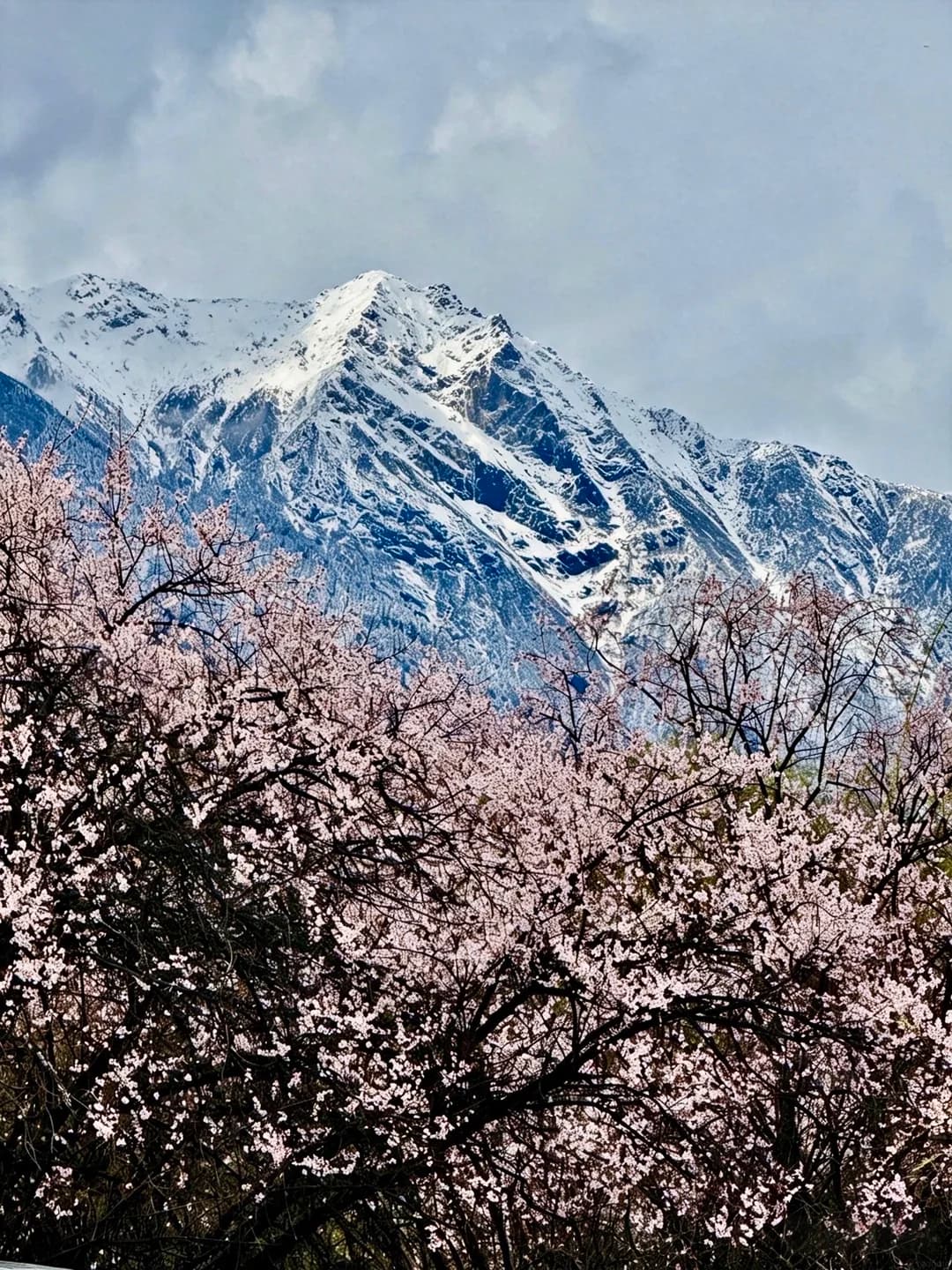
Many people never imagined Tibet could have a place like this. Linzhi has the Yarlung Tsangpo Grand Canyon, the southern Tibetan forest, peach blossoms covering the mountains in spring, and is known as the "Jiangnan of Tibet." Basum Tso is the most sacred lake of the Bon religion in Tibet, with crystal clear waters and a thousand-year-old ancient temple quietly sitting on Zhaxi Island, a place where one can get lost. Seku Ancient Fort has weathered 1,600 years of wind and rain, carrying the historical memories of the Ancient Tea Horse Road. At an altitude of 2,900m, Linzhi is the most suitable starting point for first-time visitors to Tibet, allowing your body to acclimatize here before heading to higher places.
Region 02
Bomi · National Highway 318
Altitude: ~2,700m
Bomi is the most spectacular section of National Highway 318 — setting off from Chengdu and heading west along the Sichuan-Tibet Highway, Bomi sits at the final high plateau section known as "China's Most Beautiful Road." This is the area with the highest concentration of glaciers in Tibet.古冰川 is the largest glacier group in Tibet, with year-round silver-white grandeur. In winter, the rare Yalong Glacier Blue Ice Cave appears — sunlight refracts through hundreds of meters of ice, casting out sapphire-blue pools — a highland wonder that is disappearing, worth seeing now.
Region 03
Lhasa
Altitude: ~3,600m
There is a saying: first comes the Jokhang Temple, then comes Lhasa City. The Jokhang Temple was built in the 7th century AD and is the origin of the entire city, the core of Tibetan Buddhist faith, enshrining statues of Jowo Rinpoche and others brought to Tibet by Princess Wencheng. The atmosphere of the Potala Palace, the spinning prayer wheels of Barkhor Street, the chanting of Sera Monastery echoing for centuries — no matter the length of your journey, Lhasa is always the unbreakable core of every Tibet route.
Region 04
Shannan
Altitude: 4,000–4,500m
On the road from Lhasa to Shigatse, many say this stretch is the most visually stunning moment in all of Tibet. Crossing Mila Mountain Pass, you overlook the deep blue of Yamdrok Lake and the gleaming white of Karola Glacier in sunlight, with the majestic sight of Pelkor Chode Monastery's Kumbum Pagoda — a scene locals say is beyond words. Shannan is also the region with the deepest history in Tibet. Yumbulagang is the first palace in Tibet, Samye Monastery is the first formal monastery in Tibet, and for those who want to go deep into Tibetan culture, this place cannot be skipped.
Region 05
Shigatse
Altitude: ~3,836m
The jewel-adorned Tashilhunpo Monastery with its historic Panchen Lama stupas is one of the most well-preserved monasteries in Tibet. Sakya Monastery houses over 80,000 scrolls of scripture, stacked to the ceiling, earning it the title "Library of Tibet." Shigatse is also a must-pass destination on the way to Everest — only with the right permits can you continue walking toward the roof of the world.
Region 06
Everest Region Base Camp
Altitude: ~5,200m
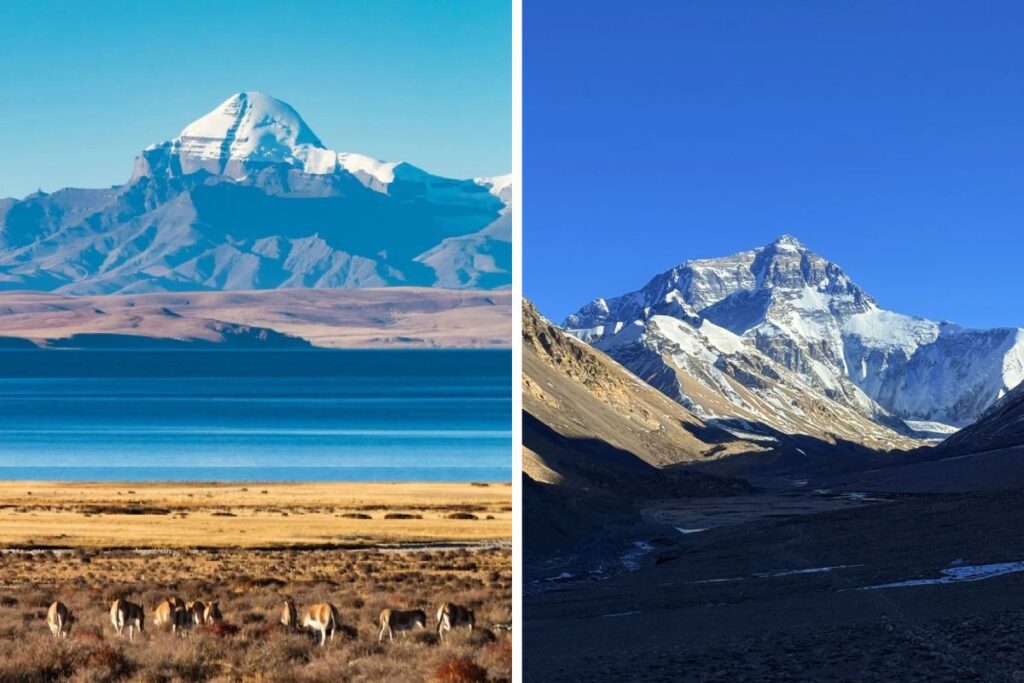
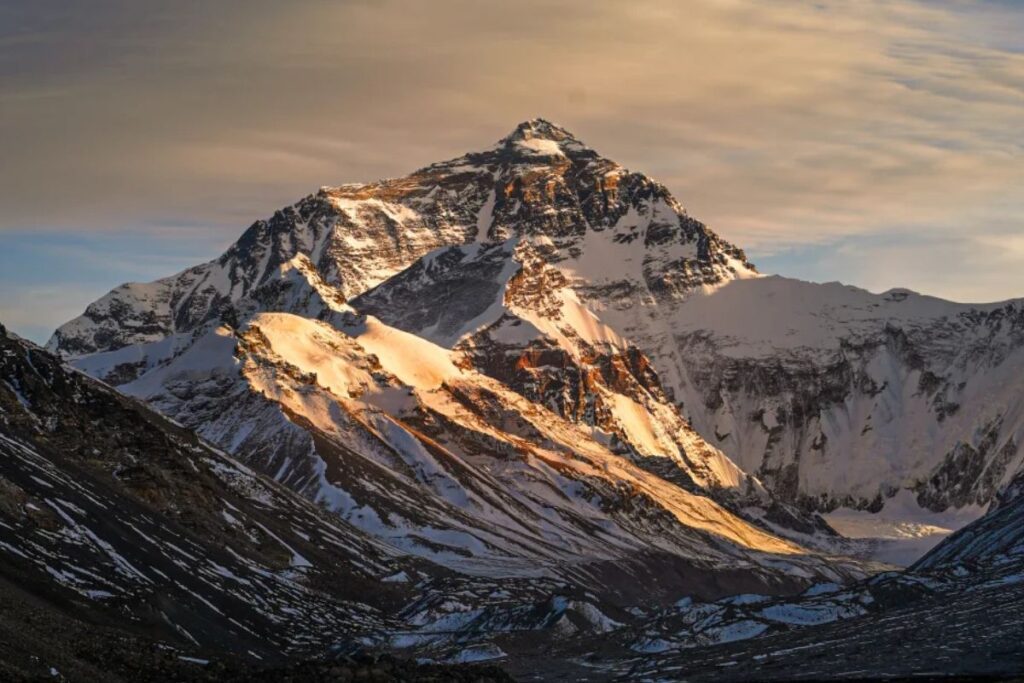
This is not a scenic spot — it is a place that lets you re-measure yourself. At Gawula Pass you can see five 8,000m peaks including Makalu and Lhotse all at once. Rongbuk Monastery is the highest monastery in the world. At sunset, golden light washes over the mountain top, and at night the Milky Way with no light pollution hangs above the tent — many say this is the most unforgettable night of their lives.
Region 07
Ali Region
Altitude: 4,500m and above
Ali is the Tibet within Tibet. Mount Kailash is the shared sacred mountain of four major religions — Tibetan Buddhism, Hinduism, Bon, and Jainism. Pilgrims from Hong Kong, Taiwan, Malaysia, Singapore and around the world come to circumambulate its 52km circuit. Manasarovar is known as the "King of Holy Lakes," its clear waters reflecting the divine silhouette of the mountain. The colorful desert, ancient Guge Kingdom ruins, Tholing Monastery — all of this is for those who have already been to Tibet and want to go one layer deeper.
Region 08
Nagqu Altitude
Altitude: ~4,500m
Nagqu is the vast high plateau grassland in northern Tibet, where the northern grasslands stretch endlessly to the horizon. Lake Siling Co is the largest lake in Tibet and an important resting ground for black-necked cranes. Every August, the Nagqu Horse Racing Festival is the largest traditional festival in Tibet — horse racing, tent villages, singing and dancing, and prayers — this is the most authentic expression of nomadic culture. It is not on typical tourist routes, and precisely because of that, its rawness and remoteness make it all the more unforgettable.
Region 09
Chamdo
Altitude: ~3,240m
Chamdo is located in eastern Tibet and is the first stop on the Sichuan-Tibet Highway (National Highway 318) entering Tibet, as well as an important center of Kham Tibetan culture. The Karuo Site is a major discovery of prehistoric civilization in Tibet, bearing witness to over 4,000 years of human history on this land. Leiqiong Monastery is an important monastery of the Kagyu school of Tibetan Buddhism. Chamdo has complex terrain with deep valleys — the Lancang River, Nu River, and Jinsha River all converge here, making it one of China's famous World Heritage landscapes.
Tibet Ali Manasarovar Lake, Mount Kailash and Everest Base Camp (EBC) — Tibet Tour Ali & Everest Advanced Route
Tibet Ali Mount Kailash, Manasarovar Holy Lake and Everest Base Camp EBC, China2Go Tibet Tour Group

Time determines depth, depth determines feeling

Five Tibet tour routes, matching five travel rhythms. It's not about which one is better, only which one suits your current state.

Top pick for those worried about altitude sickness
Tibet Nyingchi 7 Days: Skip Everest, Enjoy Tibet with Ease
Altitude sickness is one of the main reasons many people hesitate to enter Tibet. The design logic of this route is simple: keep the entire journey at a relatively low altitude, skip Everest, let your body fully acclimatize in Nyingchi before heading to Lhasa. You can still see the Potala Palace, Jokhang Temple, Sera Monastery debates, Yamdrok Lake — none of Tibet's most essential highlights are missing.
Day 01
Arrive in Nyingchi, Take It Slow
24H airport pickup, altitude 2,900m, Tibet's most gentle entry point. No sightseeing arranged on the first day — let your body rest well. Stroll the old streets, sit in a Tibetan-style teahouse, feel the slow pace of plateau life.
Day 02
Sejila Mountain · Namcha Barwa Peak · Lulung Horseback Archery
Ascend to Sejila Mountain Pass at 4,728m, watch the sea of clouds, gaze at "the father of Tibetan mountains" Namcha Barwa in the distance. In the afternoon, try horseback archery on Lulung grassland — the most relaxed and carefree moment of the entire trip.
Day 03
Soku Ancient Fort · Basum Tso · Arrive in Lhasa
A 1,600-year-old fort ruin, carrying the historical memories of the Ancient Tea Horse Road. Basum Tso with its emerald waters, a thousand-year-old ancient temple quietly sitting on Zhaxi Island. Enter Lhasa in the evening, altitude rises from 2,900m to 3,600m.
Day 04
Ganden Monastery · Sera Monastery Debate
Morning at Ganden Monastery, Lhasa's most spiritually powerful wealth temple, a truly authentic Tibetan daily life of faith. Afternoon Sera Monastery debate — that sound of vigorous clapping is clear and resonant. Standing in the courtyard listening, you will suddenly understand the phrase "faith needs no oxygen."
Day 05
Potala Palace · Barkhor Street · Jokhang Temple · Afternoon Tea at Bumo
First the Jokhang Temple, then Lhasa City. Take Route A of the Potala Palace (Corridor of Resting Palace + Administrative Hall), walk the Barkhor Street circuit, watch Tibetan people chanting at Jokhang Temple. After visiting the Potala Palace, specially arranged Tibetan-style teahouse scenic afternoon tea, overlooking the red palace.
Day 06
Yarlung Valley · Yamdrok Lake · Karola Glacier
Cross Nagarze Mountain Pass, overlook Yamdrok Lake — one of Tibet's three holy lakes, the "Jade Lake." Karola Glacier at 5,600m is disappearing — see it while you still can up close. Return to Lhasa in the evening.
Day 07
Depart from Lhasa
24H hotel-to-airport transfer, no shared vehicles, private car only. Can extend to Chengdu, Chongqing or other cities. Travel agency can assist with arrangements.
Nyingchi Low-Altitude EntryNo EverestPotala Palace Route ASera Monastery DebateYamdrok LakOxygen-Supplied Hotel Throughout
For those who want to see Everest but have limited time
Tibet Hilton Classic 8 Days: Enter via Lhasa, Everest, Shannan, Shigatse — All in One Go
Enter Tibet through Lhasa, stay at Hilton throughout. Complete Lhasa's religious core, Shannan's magnificent holy lake, and Everest Base Camp at 5,200m in 8 days. Take the Lhasa-Shigatse Railway on the return so the route never backtracks. The most efficient choice for those who want to see Everest but have limited time.
Day 01
Arrive in Lhasa, Give Your Body One Day
Fly into Lhasa, 24H airport pickup, check into Hilton oxygen-supplied hotel. Lhasa is already at 3,600m — the only thing that matters on day one: rest.
Day 02
Ganden Monastery · Sera Monastery Debate
The female wealth deity temple with incense always burning — a genuine glimpse into everyday Tibetan faith. Afternoon Sera Monastery debate, a centuries-old unbroken tradition, the sharp clapping echoing throughout the courtyard.
Day 03
Potala Palace · Barkhor Street · Jokhang Temple · Afternoon Tea at Bumo
Route A covers the Resting Palace + Administrative Hall. Walk the Barkhor Street circuit, feel the atmosphere of faith at Jokhang Temple. Specially arranged Tibetan-style teahouse scenic afternoon tea after the visit.
Day 04
Yarlung Valley · Yamdrok Lake · Karola Glacier · Baiju Monastery · Shigatse
The deep blue of the Jade Lake, the crystal white of the glacier, the grandeur of the Ten Thousand Buddha Pagoda — the scenery along this stretch is one of the most breathtaking moments in many people's lives. Arrive in Shigatse and check into Hilton five-star oxygen-supplied hotel.
Day 05
Gawula Pass · Rongbuk Monastery · Everest Base Camp
View five 8,000m peaks at once from the 5,198m mountain pass. Rongbuk Monastery is one of the highest monasteries in the world. At sunset the mountains turn golden, at night the Milky Way hangs right above the tent.
Day 06
Gyatso La Pass · Sakya Monastery
Highest point on the road at 5,252m, clear days allow a distant view of Everest. Sakya Monastery is known as the "Tibetan Dunhuang," with 80,000 scrolls of scripture as its most prized treasure.
Day 07
Tashilhunpo Monastery · Lhasa-Shigatse Railway Back to Lhasa
The Panchen Lama stupas adorned with pearls and jade, magnificently precious. Take the 2.5-hour Lhasa-Shigatse Railway back, snow mountains and pastures flowing past the window.
Day 08
Depart from Lhasa
24H hotel-to-station transfer, Hilton throughout (except Everest). Can extend to other city itineraries.
Lhasa EntryHilton ThroughoutEverest Base CampYamdrok LakSakya MonasteryLhasa–Shigatse Railway
December 15 – February 28 · Winter Limited
Winter Nyingchi Glacier 8 Days: The Blue Ice Realm, Only Visible Off-Peak
Nyingchi in summer is beautiful, but winter Nyingchi has something no other season can offer — the Yalong Blue Ice Glacier. Sunlight penetrates through thousands of years of ice, refracting colors like sapphire gemstones. Winter also has fewer clouds and higher visibility, making it the best season to view Namcha Barwa Peak. This route is designed for those who don't want to follow the crowds and want to see things others can't.
Day 01
· Arrive in Nyingchi, Adapt to the Plateau Rhythm
24H airport pickup, check into Nyingchi city hotel. Winter daytime temperature 5–15°C, below zero at night — layering is key. Rest on the first day, let your body slowly acclimatize.
Day 02
Sejila Mountain · Lulung Forest Scenic Terrace · Namcha Barwa Peak
Winter air is dry and clear with fewer clouds — the highest chance of Namcha Barwa Peak "unveiling its face." Lulung forest covered in frost, like a fairy-tale forest, a winter-exclusive healing landscape.
Day 03
Ranwu Lake · Laigu Glacier · Yalong Blue Ice Glacier
Ranwu Lake's milky white glacial meltwater reflects the forest like a dream. Laigu Glacier is the largest glacier group in Tibet, silver-white and magnificent year-round. The Yalong Blue Ice Glacier is the highlight of the entire trip — ice melted to a deep translucent blue, dubbed the "Wild Blue Ice Planet." Cave entry conditions subject to official announcements.
Day 04
Naleng Lake · Lulung Snow Mountain Pasture · Return to Nyingchi
Naleng Lake in winter reflects snow-covered trees — a rare "water-mirror snow scene." Lulung Snow Mountain Pasture blanketed in snow, silent forests, leisurely yaks — a highland winter painting come to life.
Day 05
Soku Ancient Fort · Basum Tso · Arrive in Lhasa
Winter Basum Tso is exceptionally quiet, lake surface clear as a mirror reflecting snow-capped mountains, the ancient temple on the island standing serenely by the frozen lake, poetic and picturesque. Enter Lhasa in the evening.
Day 06
Potala Palace · Barkhor Street · Jokhang Temple · Afternoon Tea at Bumo
Winter Barkhor Street has fewer tourists, plateau sunlight warm and gentle, Tibetan people sitting quietly in devotion, prayer wheels spinning slowly — winter is the best time to experience the everyday faith and culture of Lhasa.
Day 07
Yarlung Valley · Yamdrok Lake · Karola Glacier
Winter Yamdrok Lake has deeper and more translucent colors, clear lake surface like a mirror reflecting the sky, showing a gradual blue tone from deep to bright. Karola Glacier in winter is crystal clear white, like jade hanging before your eyes.
Day 08
Depart from Lhasa
24H hotel-to-station transfer. The Blue Ice journey ends here, taking away a Tibet only visible in winter.
Winter Limited 12/15–2/28 ·Yalong Blue Ice GlacierLaiku GlacierNamcha Barwa (Himalayan mountain)Winter Basum TsoOff-Peak No Crowds
Want to see all of Tibet in one trip
Tibet Hilton Full Tour 10 Days: Departing from Nyingchi, Covering the Complete Outline of Tibet
If you only plan to visit Tibet once, use 10 days to see it completely. Enter Tibet at low altitude through Nyingchi, visit Soku Ancient Fort, Basum Tso, Lhasa's religious core, Shannan's magnificent scenery, Everest Base Camp at 5,200m, and Sakya Monastery's Tibetan heritage — return by Lhasa-Shigatse Railway. Hilton throughout.
Day 01
Arrive in Nyingchi, Take It Slow
24H airport pickup, acclimatize at 2,900m, explore the old streets and Tibetan teahouses, feel the slow plateau lifestyle.
Day 02
Sejila Mountain · Namcha Barwa Peak · Lulung Horseback Archery
Watch the sea of clouds and sunrise from the 4,728m mountain pass. Horseback archery on Lulung grassland, experience Tibetan tradition, National Highway 318 monument.
Day 03
Soku Ancient Fort · Basum Tso · Arrive in Lhasa
1,600-year-old fort ruins, turquoise lake with Zhaxi Island in its heart. Enter Lhasa in the evening, altitude rises from 2,900m to 3,600m.
Day 04
Ganden Monastery · Sera Monastery Debate
Female wealth deity temple, monks debate every afternoon at 3pm, the sharp clapping echoing throughout the courtyard.
Day 05
Potala Palace · Barkhor Street · Jokhang Temple · Afternoon Tea at Bumo
Route A covers Resting Palace + Administrative Hall, Barkhor Street circuit, Jokhang Temple. Bumo scenic afternoon tea — exclusive and limited.
Day 06
Yarlung Valley · Yamdrok Lake · Karola Glacier · Pelkor Chode Monastery
The Jade Lake panorama, 5,600m glacier, Ten Thousand Buddha Pagoda. Arrive in Shigatse, check into Hilton five-star oxygen-supplied hotel.
Day 07
Gawula Pass · Rongbuk Monastery · Everest Base Camp
Five 8,000m peaks, world's highest monastery, 5,200m base camp — tent stay watching sunset on golden mountains and the Milky Way.
Day 08
Gyatso La Pass · Sakya Monastery
5,252m viewpoint, Sakya Monastery the "Tibetan Dunhuang," home to 80,000 scrolls of scripture.
Day 09
Tashilhunpo Monastery · Lhasa-Shigatse Railway Back to Lhasa
Panchen Lama stupas, take the 2.5-hour train back to Lhasa, snow mountains and pastures flowing past the window.
Day 10
Leave Tibet, Take the Memories
24H hotel-to-station transfer. Can extend to Chengdu, Chongqing or other cities.
Nyingchi Low-Altitude EntryHilton ThroughoutEverest Base CampSejila MountainSakya MonasteryLhasa–Shigatse RailwayAll 9 Regions Covered
Advanced Itinerary · Ali Pilgrimage
Mount Kailash Circuit 14 Days: A Pilgrimage Journey to the Deepest Place of Faith
This is not an ordinary tour. Mount Kailash is the sacred mountain recognized by four major religions — Tibetan Buddhism, Hinduism, Bon, and Jainism. The 52km circumambulation circuit is one of the most famous pilgrimage routes in the world. You don't have to be a believer, but walking that path, it is hard not to be moved by a sense of quiet awe. This route is for those who have already been to Tibet and want to go one layer deeper.
Day 01
Arrive in Lhasa, Tibetan Meaning "Land of the Gods
24H airport and train station pickup, check into Lhasa oxygen-supplied hotel. Lhasa is the starting point of every Tibet route, and the place where the flame of faith burns brightest.
Day 02
Ganden Monastery · Sera Monastery Debate
Female wealth deity temple with incense always burning. Sera Monastery debate has continued unbroken for centuries — the clapping sound is the most iconic audio of Tibetan Buddhism.
Day 03
Potala Palace · Barkhor Street · Jokhang Temple · Afternoon Tea at Bumo
Route A covers the Resting Palace, Barkhor Street circuit, Jokhang Temple religious core, Bumo scenic afternoon tea.
Day 04
Yarlung Valley · Yamdrok Lake · Karola Glacier · Baiju Monastery · Shigatse
A full day of Shannan's finest scenery. Arrive in Shigatse oxygen-supplied hotel, process travel permits for Everest and Ali.
Day 05
Gawula Pass · Rongbuk Monastery · Everest Base Camp
Five 8,000m peaks, world's highest monastery, 5,200m base camp — sunset golden mountains and Milky Way night.
Day 06
· Xiaxabangma Protected Area · Peiku Tso · Jilon
National-level protected area with grazing yaks on the slopes. Peiku Tso with dreamlike blue glacial reflections. Jilong sits on the China-Nepal border where Tibetan and Nepali cultures intertwine.
Day 07
Pelbar Monastery · Nyalam Village Scenic Pasture · Saga
Pelbar Monastery blends Tibetan and Indian architectural styles with precious murals. Nyalam Village is known as the "Back Garden of Xiaxabangma," yaks roaming freely amid majestic mountain scenery.
Day 08
Rainbow Desert · Manasarovar · Zhongba · Coqên
The rainbow desert shimmers in dazzling colors under the plateau sun. Manasarovar is the "King of Holy Lakes," its clear waters reflecting the silhouette of Mount Kailash.
Day 09
Mount Kailash Circuit Day 1 (13km)
Transfer by vehicle to the starting point. 13km with gentle slopes — the key acclimatization stretch. Five-colored prayer flags flutter in the wide open space at Darpoche, Choku Monastery offerings of conch shells flying overhead.
Day 10
Mount Kailash Circuit Day 2 (23km)
整段转山最艰难的一天,翻越海拔5,630m的卓玛拉垭口。途中有乱石、急坡,体力消耗大。撑过今天,就是迈向圆满的开始。
Day 11
Mount Kailash Circuit Day 3 (12km) · Saga
The final day of the circuit, relatively flat, a peaceful return. After completing the full circuit, head back to Saga — hot shower, good rest, let the body come back to life.
Day 12
Saga · Return to Shigatse
Long drive crossing highland grasslands, yak herds and Tibetan villages — let your heart slowly settle from the fatigue of high-altitude walking.
Day 13
Tashilhunpo Monastery · Lhasa-Shigatse Railway Back to Lhasa
Panchen Lama stupas, magnificently precious. Take the Lhasa-Shigatse Railway 2.5 hours back to Lhasa, snow mountains and pastures flowing past the window.
Day 14
Depart from Lhasa
24H hotel-to-station transfer. 14 days, departing from Lhasa, passing Everest, Jilong, Ali, the Sacred Mountain — a journey that makes you completely different inside and out.
Mount Kailash Circuit 3 DaysManasarovar Holy LakeEverest Base CampPeiku TsoJilong China-Nepal BorderRainbow DesertSmall Group of 4
2 people minimum to inquire · Best value from 4 peopl
Considering a Private Group? With 2 to 4 People, You Deserve Your Own Tibet
If you have 2 to 4 people, it's worth considering a private group departure. No need to match other people's schedules, no need to share a vehicle with strangers — pick your own dates, set your own pace, the whole vehicle is yours. Tibet's vast openness deserves to be truly felt, not just rushed through from one attraction to the next.
♦ You Decide
Departure dates and number of days
Which route to choose
Travel pace — fast or slow
Where you want to spend more time
♦ We Handle
Letter of Admission and All Permits
Full oxygenated accommodation arrangements
Professional Chinese tour guide
VIP Transportation
♦ 西藏可以衔接的大陆旅程
CITS National Travel has branches in major cities across China. After Tibet, you can seamlessly continue to:
Chengdu(food, pandas)· Chongqing(mountain city nightscape) Yunnan(Lijiang, Dali, Shangri-La)
Xinjiang(Silk Road, Tianshan) Guizhou(Huangguoshu, Miao villages) Zhangjiajie(Avatar Mountains)
Hong Kong & Macau travelers enter withHome Return PermitTaiwan travelers enter withTaiwan compatriot cardMalaysia & Singapore travelers enter withPassportTravelers from all countries worldwide can apply for Tibet entry — all related permits handled entirely by us.
2 people minimum to inquire · 4 people to confirm departureChoose your own departure dateCustomized routesPrivate car no sharingOpen to global travelersConnectable to all mainland China provinces
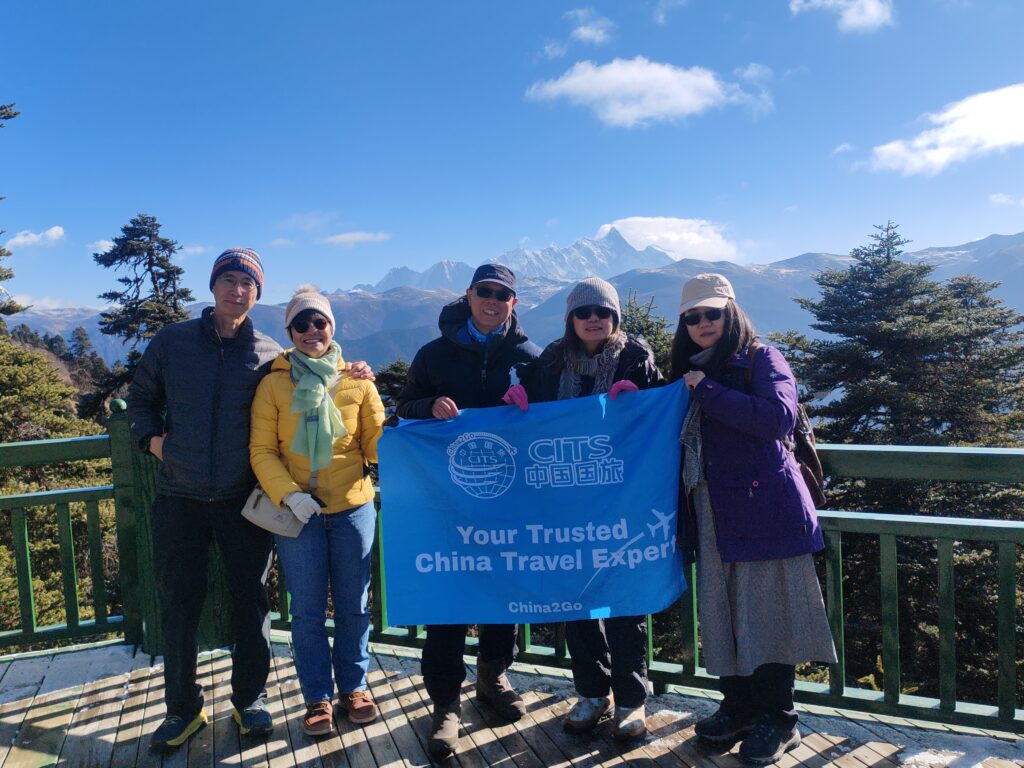
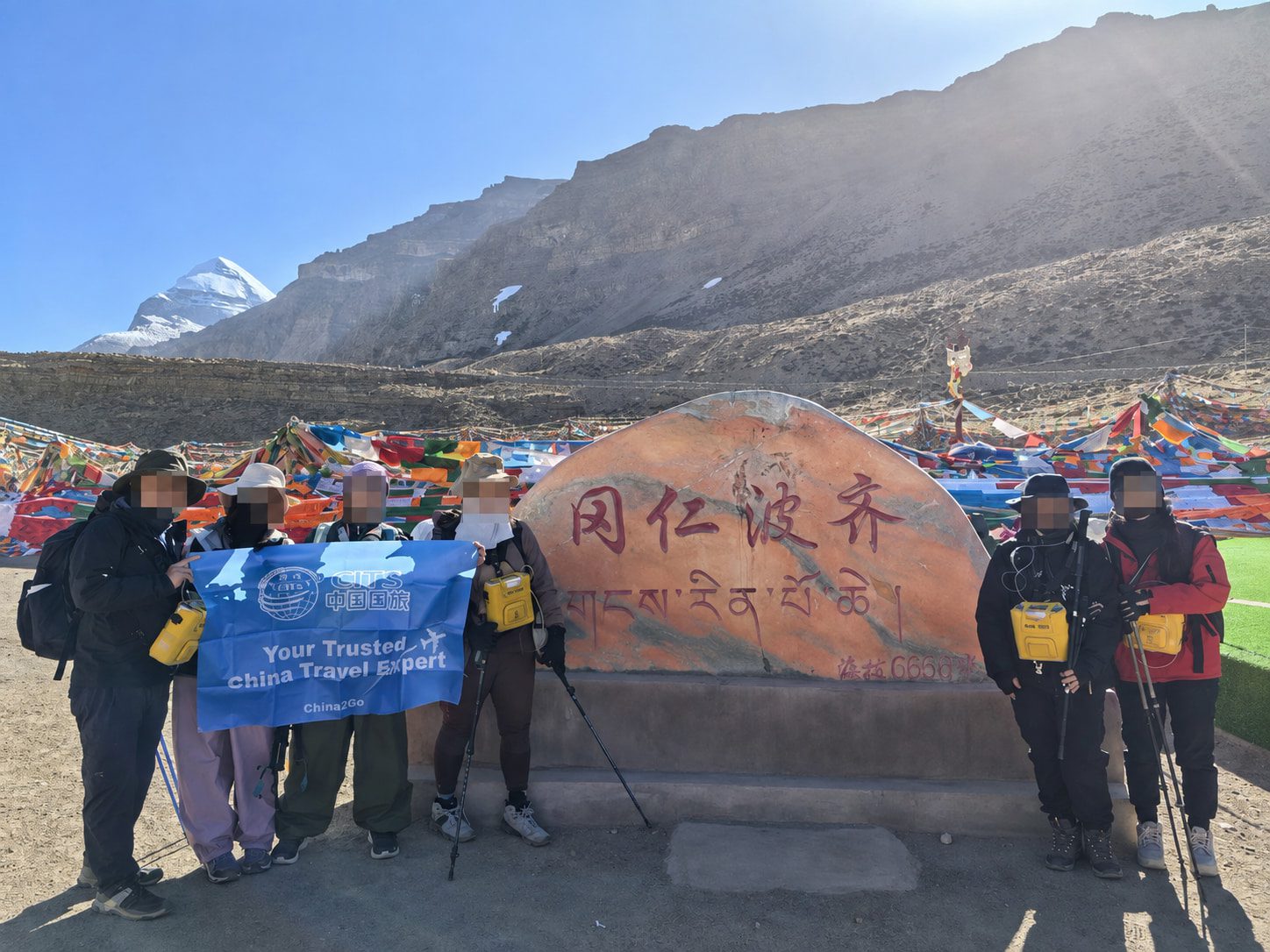
CITS China National Travel guests holding flags at Sejila Mountain Pass with Namcha Barwa Peak in the background — the most memorable moment of the Tibet journey

Five Tibet Tour Routes — Which One Suits You?

How many days for Tibet? Five routes, matching five timeframes and travel rhythms.

Attraction / Region
7 Days Nyingchi
8 Days Classic
8 Days Winter
10 Days Full Tour
14 Days Kailash Circuit
Entry Point
Nyingchi
Lhasa Entry
Nyingchi
Nyingchi
Lhasa Entry
Sejila Mountain
Lulang Township
✓Horseback Archery
✓ Snow Edition
✓Horseback Archery
Basum Tso
✓ Winter Edition
Xuba Fortress
Ranwu Lake · Laigu Glacier
Yalong Blue Ice Glacier (Winter Only)
Lhasa (Potala Palace · Jokhang Temple · Barkhor Street)
Sera Monastery Debate
Yamdrok Lake · Karola Glacier
✓ Winter Edition
Pelkor Chode Monastery Ten Thousand Buddha Pagoda
Tashilhunpo Monastery
Sakya Monastery (Tibetan Dunhuang)
Everest Base Camp EBC
Manasarovar · Mount Kailash Circuit
Lhasa-Shigatse Railway Return
Best Suited For
Afraid of altitude sickness, first-time visitors
Want to see Everest, limited time
Winter travelers, photography lovers
Only going once, want to see everything
Advanced pilgrims

Will You Definitely Get Altitude Sickness in Tibet?

Altitude sickness varies from person to person and has little to do with age or fitness level. However, there are a few things you can do before traveling to Tibet that will significantly reduce the chance of severe altitude sickness.

Two Weeks Before Departure
Avoid late nights, alcohol, and intense exercise. Consider aerobic exercise to improve lung capacity.
Choose Nyingchi as Entry Poin
At 2,900m, it is the most gentle starting point — giving your body more time to acclimatize compared to flying directly into Lhasa (3,600m
First Two Days After Arrival
Drink plenty of water, walk slowly, avoid showering (first 24 hours), avoid intense activity — let your body quietly adjust.
Medication Consultation
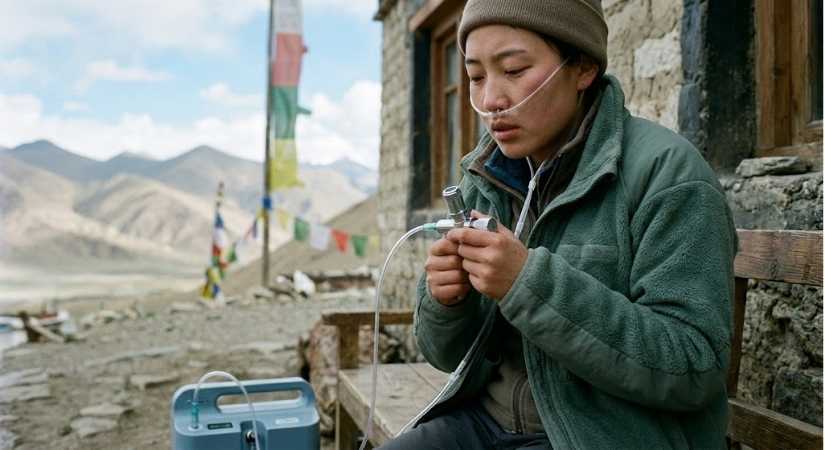
Consult a doctor in advance about using Rhodiola or Diamox. Keep medical oxygen canisters and glucose on hand.
Common symptoms: headache, fatigue, insomnia, nausea, loss of appetite — these are normal. Do not push through. If you feel severely unwell, inform your guide immediately for assistance.
→ Complete Altitude Sickness Prevention Guide
A traveler experiencing altitude sickness using an oxygen canister at Everest Base Camp in Tibet
China2Go · CITS China International Travel Service
Not Sure Which One to Choose?
Tell us your available dates — we'll figure it out for you.
All five routes include a dedicated guide and oxygen-supplied accommodation throughout
Minimum 4 people to confirm, maximum 10 people limited small group, full purchase protection with contractual guarantee
Join a group — max 10 limited small group Private group customisation available The local Tibet team that knows you best
WeChat: china2go-cits
Tibet Tour Group FAQ

Q: What documents do Taiwan, Malaysia, and Singapore travelers need to visit Tibet?

A: All non-local travelers (except Hong Kong and Macau) entering Tibet must obtain a "Tibet Travel Permit" — this is Tibet's unique entry permit, used alongside a valid passport (visa required if applicable), and Taiwan travelers must also carry a valid Taiwan Compatriot Permit. For those visiting Everest Base Camp, an additional "Border Travel Permit" and Military Area Permit must be processed in Shigatse. All documents are handled by our licensed travel agency — travelers only need to provide valid ID documents. We recommend submitting at least 45 days before departure; peak season requires even earlier arrangements.
In addition, you will need to apply for a Border Travel Permit and a Military Area Permit in Shigatse for Everest Base Camp. All these documents are handled by our qualified travel agency, and travelers only need to provide valid documents and information, which are recommended to be submitted 45 days before departure, and need to be arranged earlier during peak season.


Q: What is the best season to visit Tibet?

A: May to October is the main travel season. September to October has the most stable weather and highest visibility — the golden period for viewing Everest. April to May sees Nyingchi's peach blossoms in full bloom, and Sejila Mountain's flower sea is Tibet's most magical spring scenery. July to August is the rainy season — some roads may be affected, but the grasslands are at their most lush. Winter (December to February) has fewer crowds and is off-peak — the best season to view Namcha Barwa Peak and Nyingchi's blue ice caves, and the top choice for those who prefer peaceful travel.

Q: Is Everest Base Camp really worth visiting?

A: Absolutely. Everest Base Camp (EBC) sits at approximately 5,200m and is the closest point ordinary travelers can reach to Qomolangma. The evening "golden mountain" — where the setting sun turns the entire peak a deep red — and the undisturbed Milky Way stretching directly above the tent are scenes no five-star hotel can replicate. The only thing to mentally prepare for: tent accommodation is relatively basic, with temperature swings of up to 20°C between day and night — bring a down jacket.

Q: Is the Mount Kailash Circuit difficult? Is mountaineering experience required?

A: No mountaineering experience is required, but a certain level of physical and mental preparation is needed. The circuit is approximately 52km, completed over three days, with the highest point at Drolma La Pass (approximately 5,630m). Crossing the pass on day two is the hardest part — rocky terrain, steep slopes, and dramatic altitude changes. Those with weaker physical condition can hire a horse or porter locally at additional cost. We recommend strengthening aerobic training beforehand and ensuring your body has fully acclimatized to the altitude in Tibet before starting the circuit.

Q: How many days is ideal for a Tibet trip?

A: If you only want to experience Lhasa's religious core, 7 days is sufficient. To add Shannan and Everest, 8 to 10 days is ideal. To cover all of Tibet's highlights including Nyingchi, Shannan, Shigatse, and Everest, at least 10 days is recommended. For those with the wish to pilgrimage at Ali, 14 days or more is needed. Plateau travel should never be rushed — every change in altitude requires time to acclimatize. Only with a relaxed itinerary can you truly enjoy Tibet.

Recommended Tibet Itineraries

Tibet Lantern Festival 9 Days - Upgrade Hilton|November 29th|Xining, Lhasa, Shannan, Shigatse
This 9-day Tibet Butter Lamp Festival journey begins at Ta’er Monastery, the birthplace of the festival tradition, and leads you into the heart of Lhasa’s Butter Lamp celebrations, including offerings at Ganden Monastery and prayer walks along Barkhor Street. The journey continues to Shigatse and Shannan, with Hilton hotel upgrades and small-group travel, offering a deeper understanding of the true spiritual meaning of the Butter Lamp Festival.

China International Travel Service-China2Go (CITS)

China2Go is our newly established inbound travel division, specializing in creating in-depth China travel experiences for global Chinese, Hong Kong, Macau and Taiwan travelers, and Malaysian and Singaporean VIPs. Whether you want to explore the magnificent highlands of Tibet, the colorful ethnic groups of Yunnan, the historical footsteps of the Silk Road, or the slow life of the water towns of the South China Sea, we offer customized itineraries for individuals, families and corporate groups. Combining CITS's over 70 years of professional travel experience and national ground transportation resources, the new division is committed to providing travelers with more intimate, reassuring and exciting China travel solutions with the latest service concepts. Contact us now to experience a different kind of in-depth China tour!