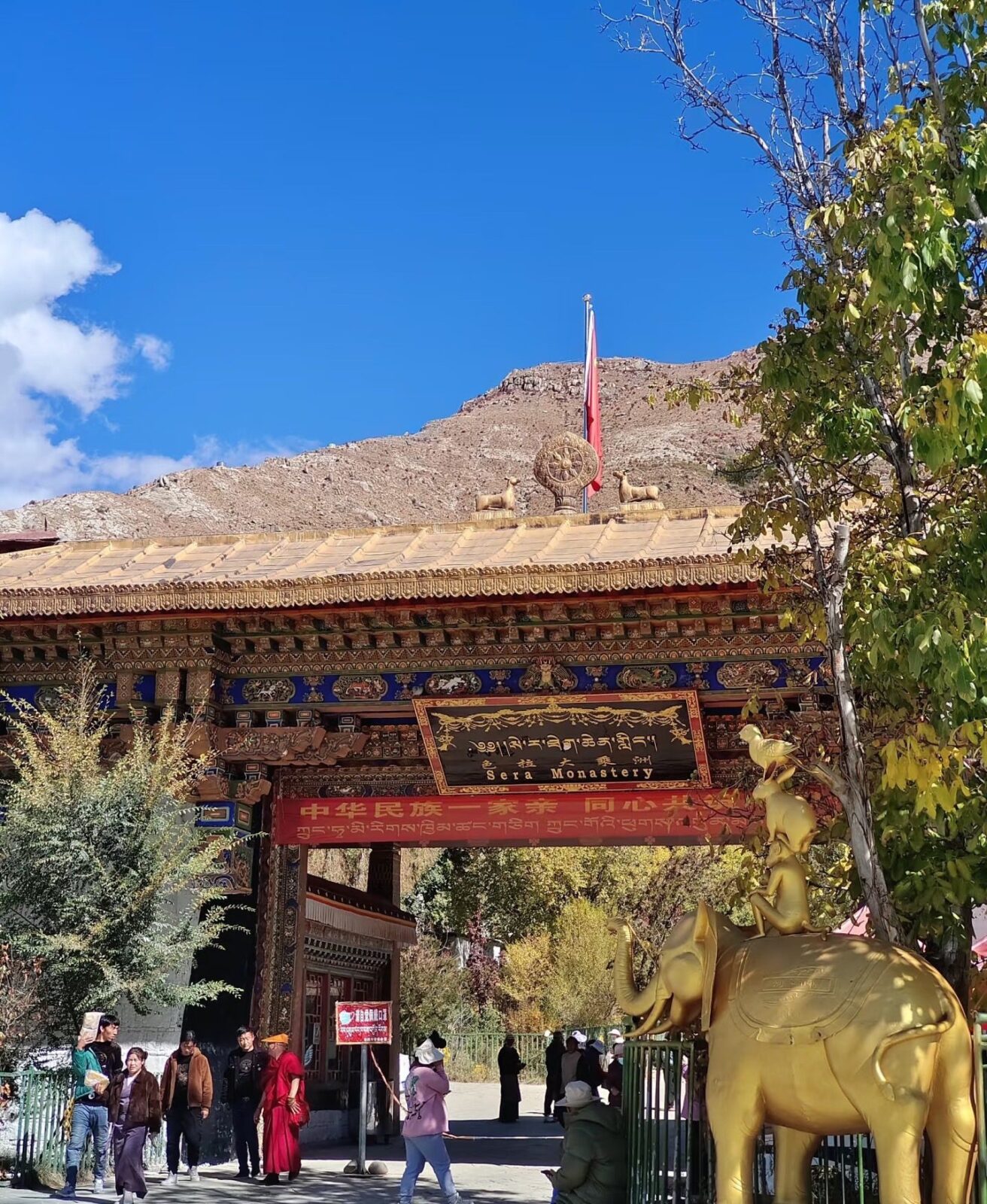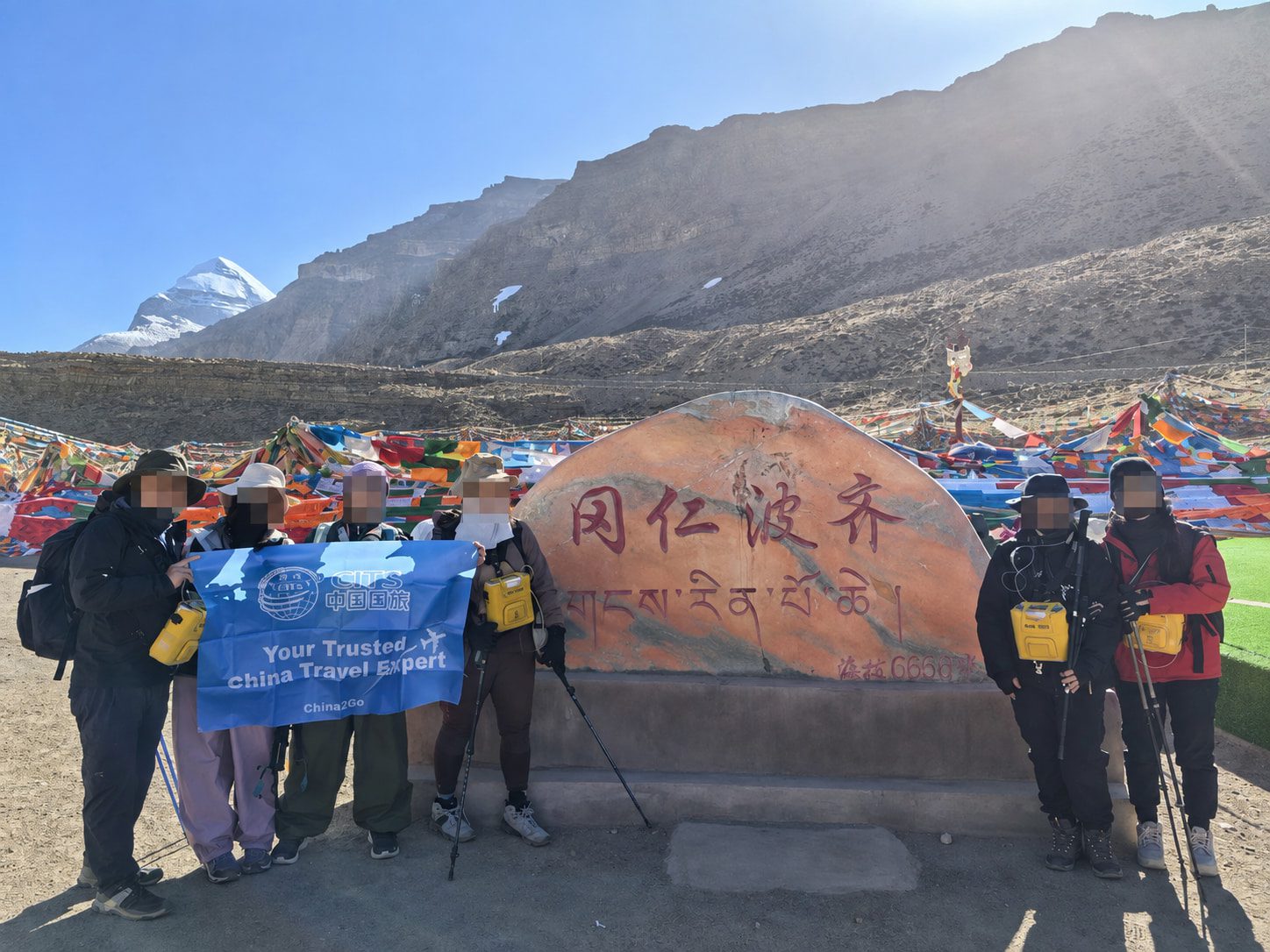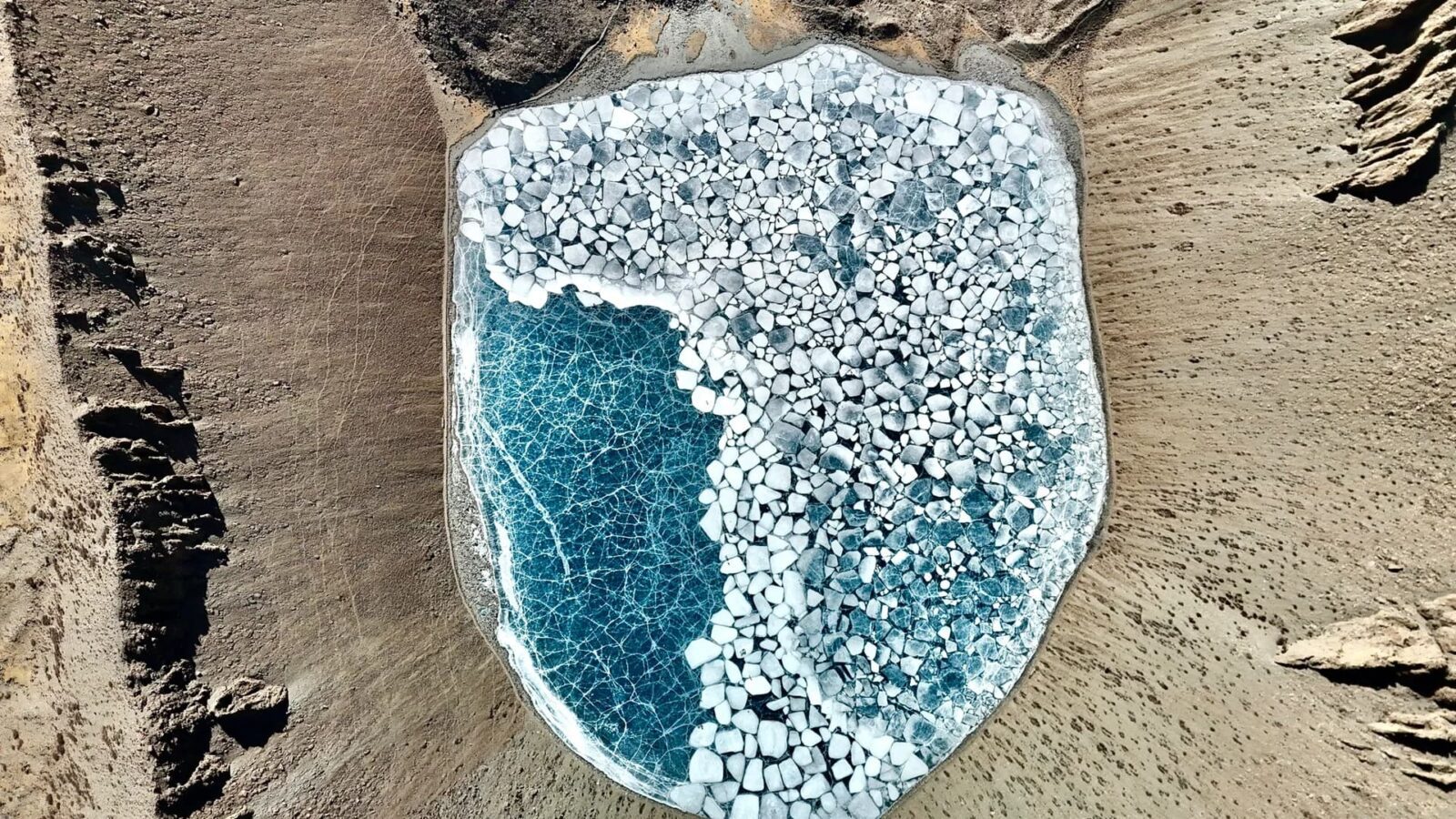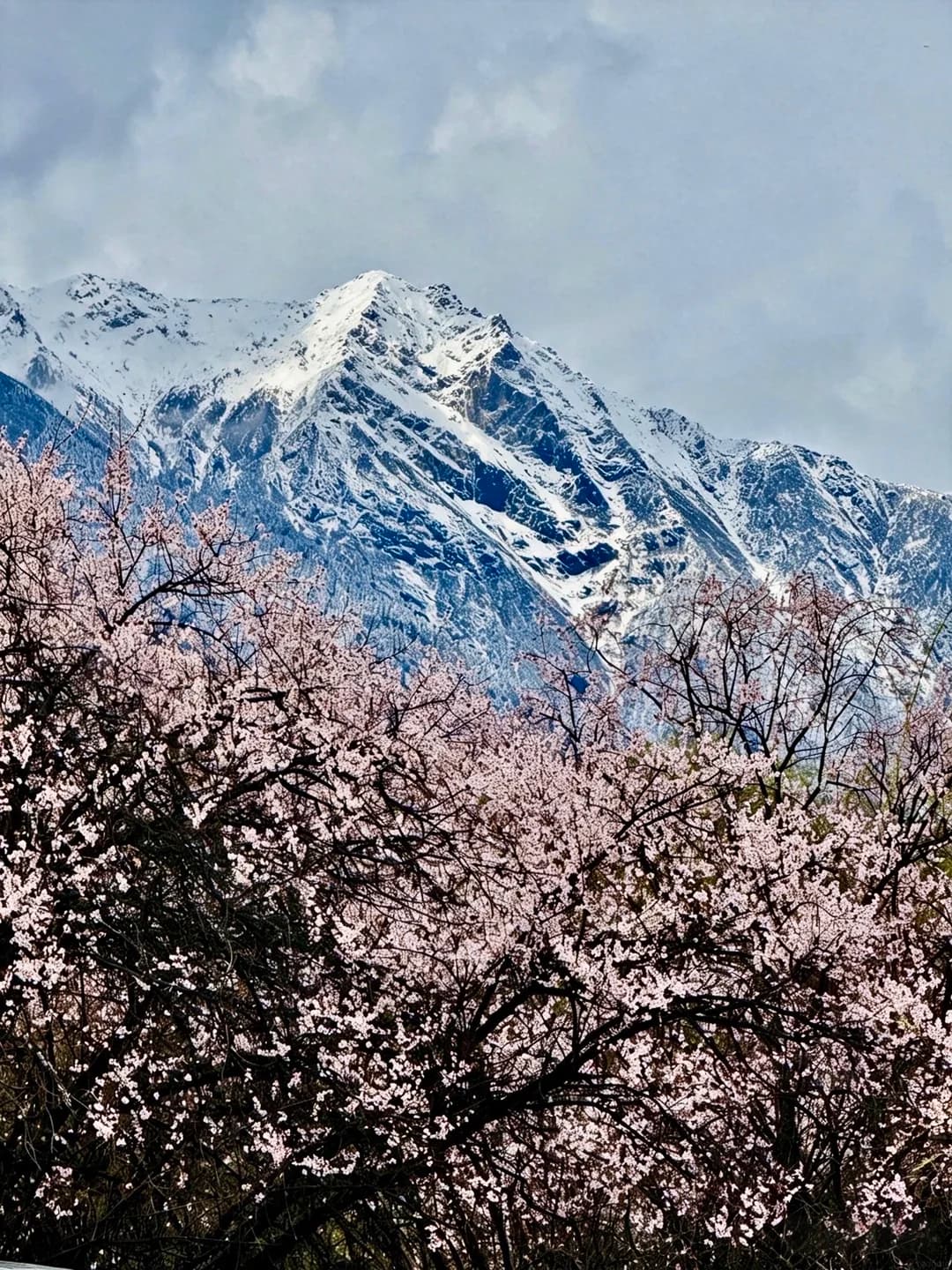
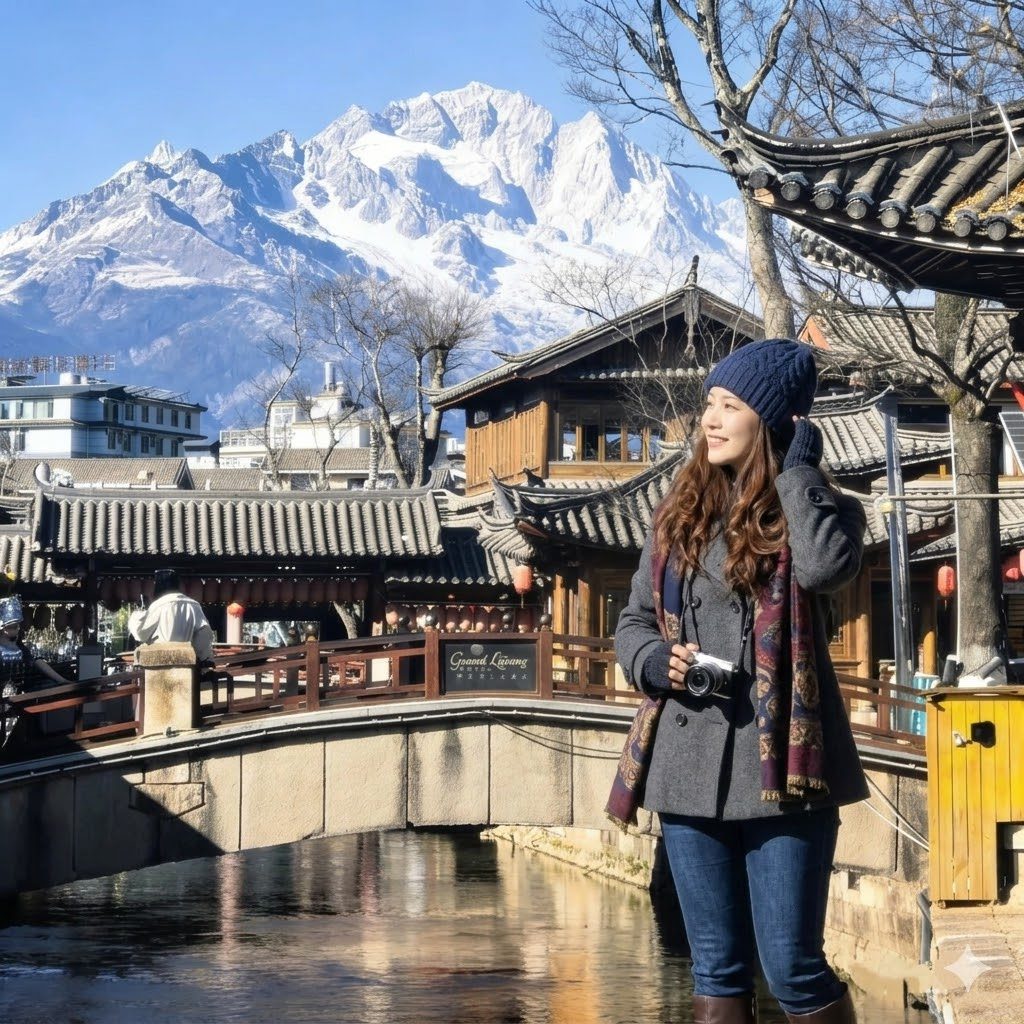
Yunnan is home to snow-capped mountains, highland lakes, ancient towns, ethnic cultures and breathtaking natural landscapes. From the ever-spring city of Kunming to the scenic Erhai Lake in Dali, the historic charm of Lijiang Old Town, and the "Pearl of the Plateau" — Lugu Lake, Yunnan brings together the most iconic natural and cultural scenery of Southwest China.
Many first-time visitors planning a Yunnan trip share the same common questions:
What is the best month to visit Yunnan?How much does Yunnan travel cost?What are the must-see attractions in Yunnan? How many days should I plan for a Yunnan trip?
If you are planning a trip to Yunnan, this article coversYunnan travel costs,, the best travel seasons, must-see attractions and classic routes — everything you need to plan your perfect Yunnan journey. Whether it's your first visit or you're looking to explore deeper, we hope this guide helps you plan with confidence.
1. Yunnan Travel Tips & Things to Know
Yunnan Travelcosts increase accordingly — but the depth and breadth of the experience far surpasses any standard route. Ideal for travellers who truly want to understand the full diversity of Yunnan.
Altitude & Altitude Acclimatisation
The altitude of Yunnan's most popular cities is as follows:
- Kunming: approx. 1,900m
- Dali: approx. 2,000m
- Lijiang: approx. 2,400m
- Lugu Lake: approx. 2,700m
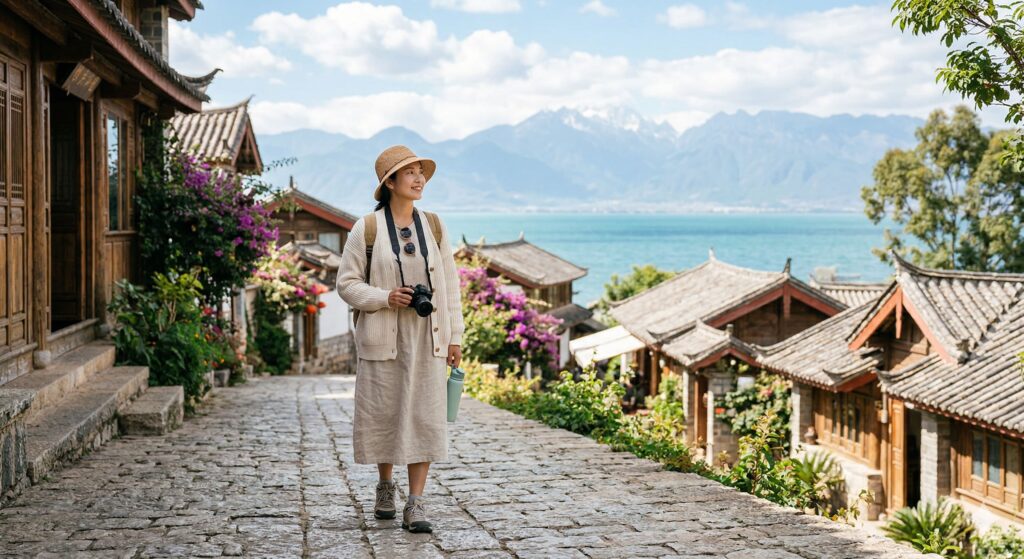
Most visitors will not experience severe altitude sickness, but may feel mildly fatigued or less active than usual. We recommend keeping your first day in Yunnan light — rest well and stay hydrated to allow your body to adjust. If needed, consult your doctor before departure about altitude medication, as this is one preparation cost that is easy to overlook when budgeting for yourYunnan Travel.
Strong UV Rays
Yunnan is a highland region with intense UV radiation. Even on cooler days, sunburn can occur easily. Pack sunscreen, sunglasses, a hat and a UV-protective jacket — especially around Erhai Lake, Lugu Lake and the snow mountain areas where sunlight reflection is stronger.
Large Temperature Swings Between Day and Night
Many parts of Yunnan experience significant temperature differences between day and night. While daytime weather is generally pleasant, temperatures can drop noticeably after dark. Bring a light jacket, windbreaker and long-sleeved clothing — particularly for Lijiang and Lugu Lake where evenings can get quite cold.
Cobblestone Streets in Ancient Towns
Most areas in Dali Old Town, Lijiang Old Town and Shaxi Ancient Town are paved with cobblestone. Wear comfortable, non-slip shoes such as trainers or walking shoes. High heels or footwear not suited for long walks are not recommended.
2. Yunnan Travel Cost: Independent Travel vs Group Tour
8 nights 7 days|Independent Travel vs CITS Small Group Tour|Costs in RMB (CNY)
| Cost Item | Independent Travel | CITS Small Group Tour |
|---|---|---|
| Tour Guide | Self-arranged | IncludedProfessional guide assigned for groups of 4 or more |
| Driver & Vehicle | Self-arranged | IncludedDrivers Specializing in High-Altitude Areas + Certified Tour Vehicles |
| Attraction Tickets | Approx. CNY 1,000-1,800 | Included |
| Accommodation (7 nights) | About CNY 2,400-4,800 | IncludedShared twin room, included in tour fee |
| Inter-city Transport | Approx. CNY 500-1,000 | Included |
| Meals | Approx. CNY 800-1,600 | Daily breakfast includedLunch & dinner at own expense |
| Travel Insurance | Self-arranged | IncludedAgency liability + seat insurance + personal accident. Travel inconvenience insurance recommended |
| Return Flights | Separate | Separate |
| Tour Fee (excl. flights) | About CNY 5,700-10,200 | About CNY 8,000-10,000Minimum 2 pax to depart, max 10 pax per group |
Recommended Additional Budget
8 days approx. CNY 640–1,200
Independent Travel vs Group Tour — Which is Better Value?
From a cost perspective, both options are similar in price. However, the real differences come down to the following:
- Trip PlanningIndependent travellers must research routes, book accommodation and purchase attraction tickets themselves — time-consuming and labour-intensive. Group tours handle everything in one go.
- Attraction Ticket Discounts: Travel agencies can usually secure discounted ticket prices, while walk-in visitors pay full price at the gate.
- Handling Unexpected SituationsFree travelers need to cope with traffic delays and closure of scenic areas on their own; tour guides will help them make adjustments when they are with the group.
- Language & Communication: For travellers from Hong Kong, Macau, Taiwan and overseas, having a professional guide significantly enhances the overall travel experience.
In summary: while the cost difference between independent travel and a group tour is minimal, group tours offer clear advantages in itinerary efficiency, service support and overall experience — making them especially suitable forfirst-time visitors to Yunnanorinternational travellers from Malaysia, Singapore, the United States, Australia and beyond who are less familiar with travelling in mainland China..
3. What is the Best Month to Visit Yunnan? Best Travel Seasons
Many travelers will ask us: what month is good to go to Yunnan? Will there be a difference in price between peak season and low season?
To address this issue we will first look at the attractions that are featured in different months!
What is the Best Season to Visit Yunnan?
Yunnan is a year-round destination, but each season has its own character. Choosing the right time to travel not only ensures the best experience but also helps manage yourYunnan Travelcosts.
Spring (March–May) | One of the Best Travel Seasons
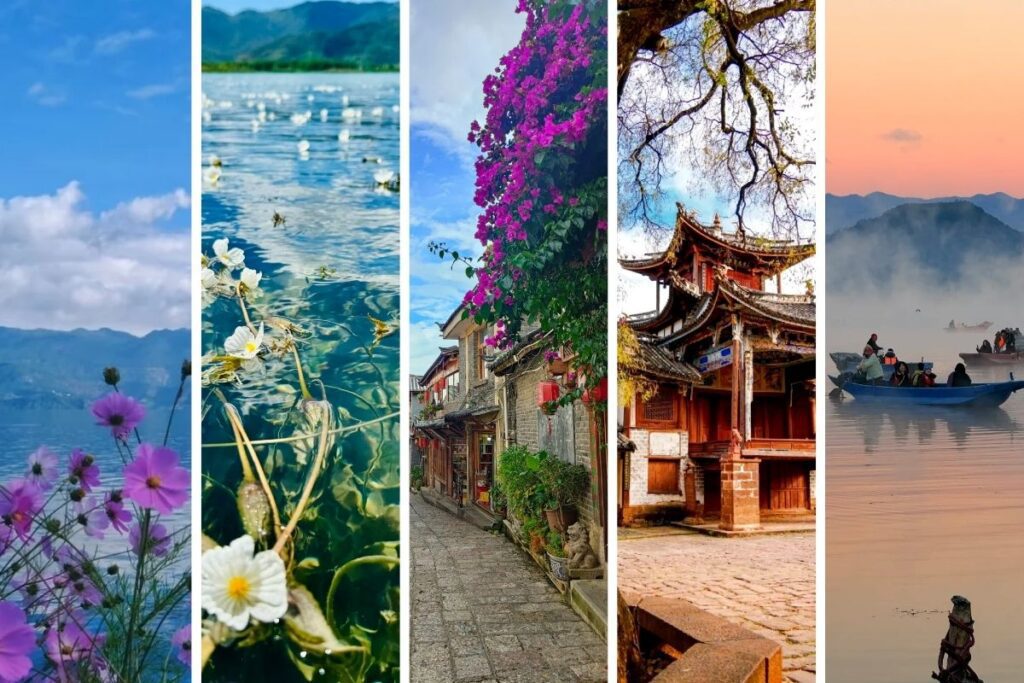
Spring is Yunnan's most popular travel season. The weather is mild and flowers are in full bloom, with Kunming's "Spring City" character at its finest. The Luoping rapeseed flower fields (late February to March) stretch endlessly, Erhai Lake in Dali is crystal clear, and Lijiang Old Town basks in warm sunshine. Crowds are relatively smaller during this period, andYunnan travel costsare lower than during Golden Week holidays — making it one of the best value seasons to visit.
Summer (June–August) | Cool Escape, Rainy Season Scenery
Yunnan enters its rainy season in summer. Rainfall increases, but the forests turn a deeper green, waterfalls run full and the landscape becomes richly layered. Kunming's average summer temperature is around 20°C, making it a well-known cool-weather retreat. Some mountain roads may be affected by weather conditions — we recommend keeping your itinerary flexible.
Autumn (September–November) | Best Visibility for Photographing Snow Mountains & Lakes
After the rainy season ends, Yunnan's skies turn a deep blue with exceptional visibility — the best time to photograph Jade Dragon Snow Mountain and Lugu Lake. Lugu Lake's autumn reflections are stunning, and the climate in Lijiang Old Town is at its most pleasant. The National Day Golden Week (early October) brings large crowds andYunnantravel costs are relatively higher — early booking or off-peak travel is recommended.
Winter (December–February) | Lowest Off-Season Costs, Most Dramatic Snow Mountain Scenery
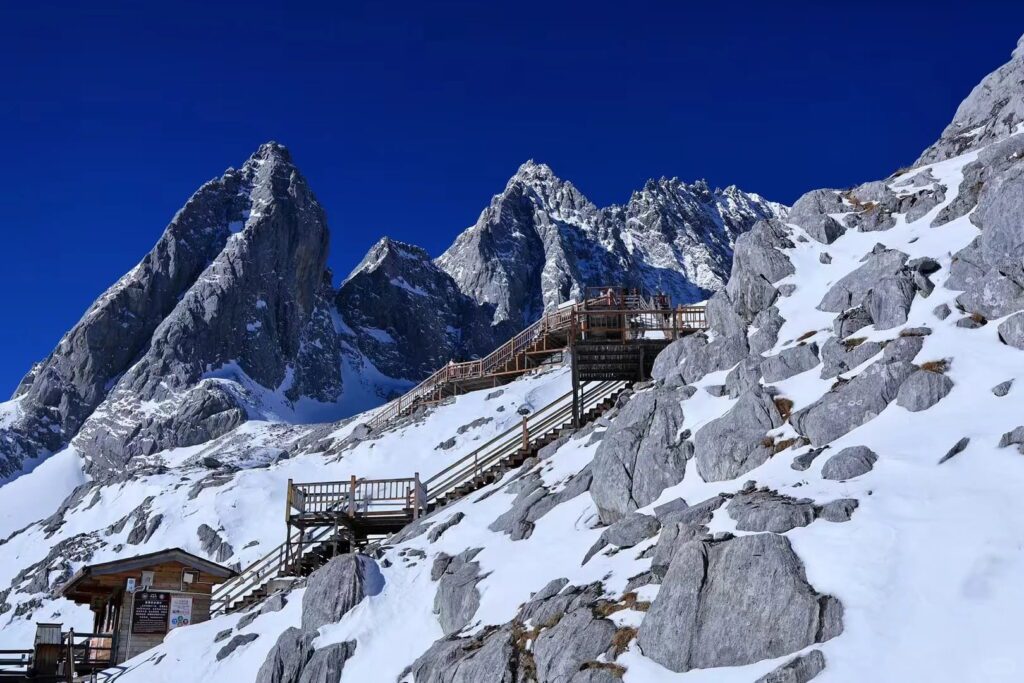
Winter is Yunnan's low season. Temperatures are cooler but sunny days are frequent. Jade Dragon Snow Mountain is at its most spectacular with thick snowfall — a top pick for photography enthusiasts. OverallYunnantravel costs are at their lowest during this period, with noticeable discounts on flights and hotels. Ideal for travellers who prefer a quieter, more peaceful trip.
4. Must-See Attractions in Yunnan
Yunnan is vast and diverse, covering everything from UNESCO World Heritage ancient towns to highland lakes, from ethnic minority villages to glaciers and snow-capped mountains — encompassing almost every type of travel experience. The following introduces the key attractions of each city along the route, all of which are the most worthwhile places to include when planning yourYunnan Travelitinerary.
Kunming | Gateway to Yunnan, Spring All Year Round
Kunming is known as the "City of Spring", with an altitude of about 1,900 meters and an average annual temperature of about 10°C to 25°C. With plenty of sunshine and a comfortable pace of life, it is the main gateway city for travelers entering Yunnan.
- Kunming Old Street City Walk.A vibrant neighbourhood blending historic architecture with modern daily life. Wander through the lanes to find traditional shops, cafés and local street food. Over-the-bridge rice noodles, er si and steam pot chicken are must-try Yunnan classics.
- Green Lake Park (Cuihu Park):Located in the heart of Kunming, this lakeside park surrounded by lush greenery is the most accessible spot to experience the everyday charm of "Spring City" life.
- Stone Forest (Shilin).A UNESCO World Natural Heritage Site featuring spectacular karst limestone formations. The towering stone pillars are one of Yunnan's most iconic geological landscapes.
Dali | Cangshan Mountain & Erhai Lake, Bai Ancient City
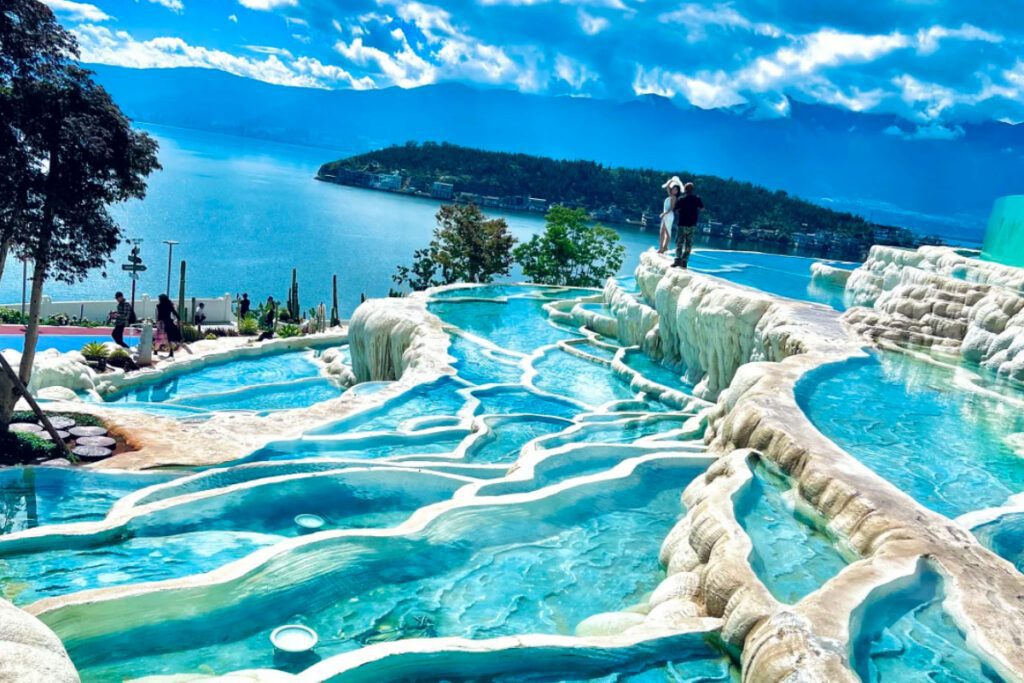
Dali sits at an altitude of approximately 2,000m and is the heartland of Bai ethnic culture, offering a perfect blend of natural scenery and cultural heritage. Travelling in Dali is not about rushing from one attraction to the next — it is about slowly wandering through ancient towns and villages between the Cangshan Mountains and Erhai Lake.
- Erhai Ecological Corridor :The lake, mountains and farmland unfold in layers, offering wide-open, relaxing views. Walking along the corridor allows you to experience the subtle changes in the lake's colour as the light shifts throughout the day. An afternoon lakeside tea is arranged along the way, letting the pace of your journey naturally slow down.
- Dali Old Town:A well-preserved Ming Dynasty ancient town where grey-tiled white walls and intricately carved wooden windows showcase fine craftsmanship. Water channels run through the town's lanes, perfect for a leisurely stroll and sampling Bai cuisine. In the evening, the setting sun falls gently on the walls and rooftops, giving the town a warm and settled atmosphere.
- Xizhou Old Town :Located on the northern side of Dali Old Town, Xizhou is one of the most intact Bai ethnic settlements. Golden rice fields and traditional Bai residences interweave to form a quiet, unhurried landscape — ideal for slowing down and experiencing the most authentic side of everyday Yunnan life.
- Fengyangyi Village :A Bai ethnic village nestled at the foot of the mountains, with a genuine and peaceful everyday atmosphere. It is an important stop for understanding what local life in Dali truly looks like.
- Three Pagodas of Chongsheng Temple :Dali's most iconic landmark. The three pagodas were built during the Tang Dynasty and stand against the backdrop of Cangshan Mountain, making them a classic photography spot for capturing Yunnan's scenery.
Shaxi Ancient Town | Hidden Gem on the Ancient Tea Horse Road
Shaxi is located between Dali and Lijiang at an altitude of approximately 2,200m. It is one of the most intact ancient market towns preserved along the Ancient Tea Horse Road, and for many travellers it is the place that feels "least like a tourist attraction — yet most worth staying in."
- Sideng Street :The entire village is built around Sideng Street. The ancient opera stage, lanes and surrounding traditional residences form the core landscape of the town. Strolling through, you can feel the quiet, settled atmosphere that has accumulated over centuries.
- Yujin Bridge:Where the stream and ancient stone bridge reflect one another — the most iconic and characteristic scene in all of Shaxi.
- Shaxi makes no effort to create a tourist atmosphere, preserving the original street layout and way of life from the Ancient Tea Horse Road era.
Lugu Lake | Pearl of the Plateau, Mosuo Culture
Situated on the border between Yunnan and Sichuan, at an altitude of about 2,700 meters, Lake Tanggu is one of the best-preserved highland lakes in China. The lake's water is as clear as a mirror, reflecting the sky and the mountains, and every moment carries the power of tranquility.
- Lovers' Beach:Where the lake water laps gently at the shore, this is the softest and most serene spot to experience Lugu Lake.
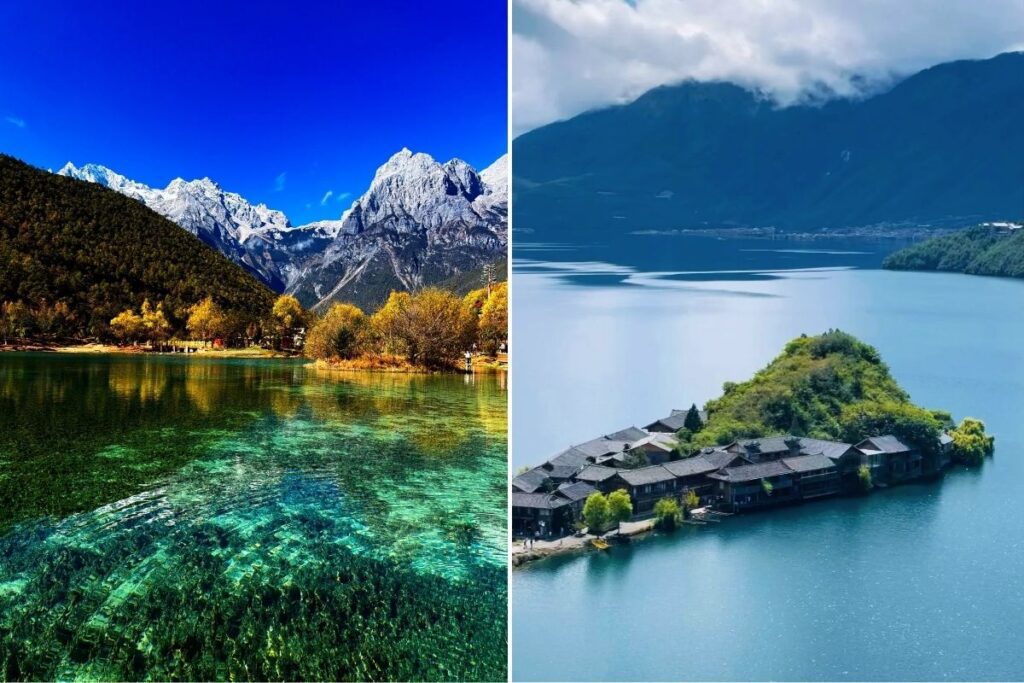
- Lige Peninsula :The peninsula extends deep into the lake, surrounded by water on three sides with layered, open views. It is also an important Mosuo cultural settlement where lake scenery and ethnic heritage coexist.
- Pig Trough Boat Experience :Ride a traditional pig trough boat across to Liwubi Island. The lake water is crystal clear; in spring and summer you can see water hyacinths floating on the surface, while autumn and winter bring shimmering golden light reflections.
- Bonfire Gathering :Join a traditional lakeside bonfire in the evening, where firelight, music and dancing unfold naturally — a warm and authentic glimpse into life around Lugu Lake after dark.
- Mosuo Culture:A matrilineal society with traditions well preserved to this day. The "walking marriage" custom is the most distinctive cultural feature of the local community and is an unmissable stop on any Yunnan ethnic cultural experience.
Lijiang | UNESCO World Heritage Site, Snow Mountain Grandeur
Lijiang sits at an altitude of approximately 2,400m and is the heartland of Naxi ethnic culture, as well as Yunnan's most popular destination among international travellers. Lijiang Old Town is built along the hillside with waterways running throughout — it is a living ancient town where people still make their home.
- Lijiang Old Town:A UNESCO World Heritage Site. Cobblestone streets, Naxi timber-framed buildings and water channels weaving through the town create a uniquely charming cityscape. The town comes alive at night with warm lantern light and a one-of-a-kind atmosphere.
- Black Dragon Pool Park :The classic spot for viewing the reflection of Jade Dragon Snow Mountain. On clear days, the snow-capped peaks mirror perfectly in the clear pool water alongside ancient bridges and pavilions, creating a beautifully layered scene.
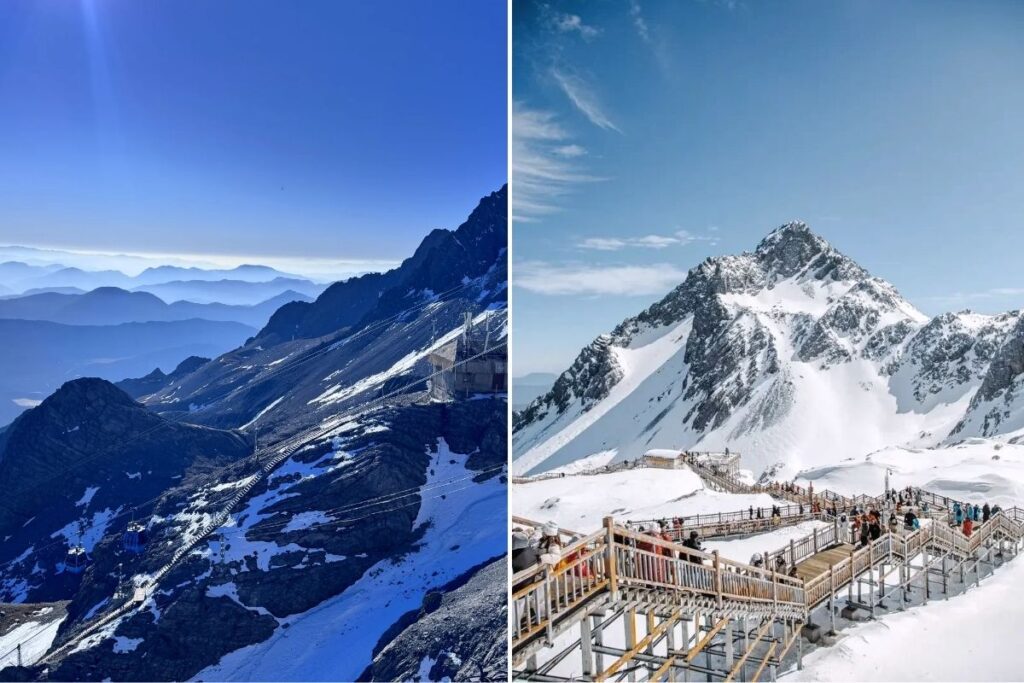
- Jade Dragon Snow Mountain.Rising to 5,596m and permanently snow-capped, a cable car can take you up to the Glacier Park at 4,506m. Looking back at the snow mountain's silhouette from different elevations, this is Yunnan's highest accessible attraction.
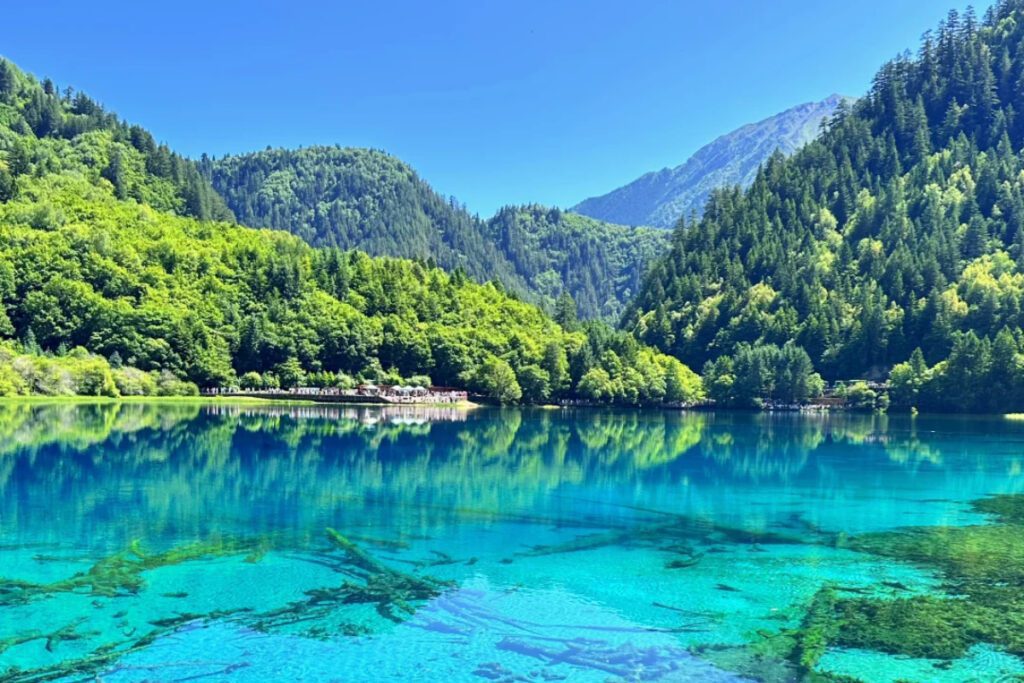
- Blue Moon Valley :The crystal-clear lake water surrounded by snow mountains displays stunning layers of blue and green. It is the most visually striking section of the Jade Dragon Snow Mountain experience.
- Impression Lijiang Show :An outdoor performance set against the backdrop of the snow mountain, combining highland landscapes with Naxi, Tibetan and other local cultural elements. Daily life, labour and song and dance are woven into the natural valley, giving the snow mountain scenery a cultural warmth.
- Shuhe Old Town :One of the earliest Naxi settlements in the Lijiang basin and an important well-preserved town along the Ancient Tea Horse Road. Quieter than Lijiang Old Town, with more of its original way of life intact.
Tip | Glacier Cable Car vs Yak Meadow Cable Car — Which Should You Choose? The Glacier Cable Car (Big Cable Car) reaches an altitude of approximately 4,506m, taking you directly to the Glacier Park for a close-up view of the ice and snow peaks — the top choice for most visitors. Early booking is recommended during peak season. The Yak Meadow Cable Car reaches approximately 3,356m, offering panoramic views over the Lijiang basin and sea of clouds, with a lower ticket price and shorter waiting times. If you can only choose one, go for the Glacier Cable Car. If time and energy allow, combining both gives you the most complete perspective.
5. Classic Yunnan Itinerary Recommendations
Yunnan's attractions are spread across a vast area — from Kunming to Lugu Lake spans over 500 kilometres. The number of days you choose directly affects both the depth of your travel experience and yourYunnan travel budget..
The following three routes are provided to help you choose flexibly based on your available holiday time.
Route 1 | 5 Days 4 Nights: Kunming → Dali → Lijiang (Essential Highlights)
Ideal for travellers with limited time or those visiting Yunnan for the first time. Starting from Kunming, head to Dali to explore the Erhai Ecological Corridor and Dali Old Town, experiencing the relaxed rhythm of Bai ethnic culture. Then travel north to Lijiang to visit Lijiang Old Town and Jade Dragon Snow Mountain, taking the cable car directly up to the Glacier Park for a panoramic view of the snow peaks. The itinerary covers Yunnan's most iconic natural and cultural attractions at a brisk but comfortable pace.Yunnan Travelgroup tour costs are relatively lower on this route — making it the best entry-level choice for first-time Yunnan explorers, and a great way to decide whether you'd like to return for a deeper trip.
Route 2 | 8 Days 7 Nights: Kunming → Dali → Xizhou → Shaxi → Lugu Lake → Lijiang (Classic Full Tour)
This is the most popularYunnan Travelitinerary length among visitors from Hong Kong, Macau, Taiwan and overseas. The pace is well-balanced, and it offers the best combination of travel costs and experience quality. The CITS Kunming-Dali-Lijiang-Lugu Lake 8-day small group tour is designed around this route — departing from Kunming, passing through Xizhou Ancient Town and the hidden gem of Shaxi on the Ancient Tea Horse Road, then heading deep into Lugu Lake for a Mosuo bonfire gathering, followed by Lijiang Old Town, Jade Dragon Snow Mountain and Blue Moon Valley, before returning to Kunming by high-speed train. The full package includes:
- Professional licensed guide (for groups of 4 or more; otherwise driver doubles as guide) + highland specialist driver
- Licensed tour vehicle (7-seat / 9-seat / 17-seat depending on group size)
- Full-trip accommodation with daily breakfast, including one night at a Lugu Lake lake-view room
- Major attraction tickets and Lijiang to Kunming high-speed train (second class) ticket
- Travel insurance (agency liability insurance + seat insurance + personal accident insurance)
- Complimentary Erhai lakeside afternoon tea experience
- Guaranteed no-shopping-stop policy, with a CNY 5,000 penalty for any breach of contract
Groups can be formed with as few as two people, with a maximum of 10 people per group. This is ideal for families, couples, or small groups of friends traveling together.
Route 3 | 10 Days or More: Deep Yunnan (Extending to Shangri-La or Xishuangbanna)
Ideal for travellers with more time who wish to explore Yunnan in greater depth. After completing the classic Kunming-Dali-Lijiang-Lugu Lake route, you can choose to extend in two very different directions. Heading north toShangri-La (mythical location)the altitude rises to approximately 3,200m — the ancient town of Dukezong, the highland meadows of Pudacuo National Park and the Tibetan Buddhist atmosphere of Songzanlin Monastery present a completely different, more majestic side of Yunnan. Heading south toXishuangbanna,you enter a tropical rainforest zone where Dai ethnic culture, Wild Elephant Valley and the ecosystems along the Lancang River form a striking contrast with the highlands of northern Yunnan.
The itinerary becomes far richer in content, andYunnan Travelcosts increase accordingly — but the depth and breadth of the experience far surpasses any standard route. Ideal for travellers who truly want to understand the full diversity of Yunnan.
Not sure which route to choose?
Tell us your available dates — we'll figure it out for you.
5-Day, 4-Night Highlights Express Tour, or 8-Day, 7-Night Classic Tour of Kunming, Dali, Lijiang, and Lugu Lake
Professional tour guide throughout the trip, drivers experienced in high-altitude driving, and certified tour vehicles
Daily breakfast, lake-view rooms at Lugu Lake, afternoon tea at Erhai Lake—no shopping required, as specified in the contract
WeChat: china2go-cits