Tibet Travel FAQ
An essential Tibet travel FAQ guide for international travelers from the USA, Singapore, Malaysia, Canada, and New Zealand, covering permits, transport, altitude sickness, packing, and travel seasons.
Tibet Travel Q&A
The 41 most common questions about Tibet: best season, adapting to the plateau, entry letter and documents, flights/trains, food and accommodation, religious etiquette, photography and drones, relatives and elders, insurance and equipment, and more. Click on the questions to open the answers.
Tibet Tourism Q&A
What is the best season to go to Tibet?
The best season is April-November, in which early April is the famous Tibetan Peach Blossom Festival, 5-6 spring flowers bloom and there will not be too many people, July-August is rich in scenery, but it is also the peak season of Tibetan tourism, occasionally there will be rain; autumn Tibet is cooler part of the region will be the beauty of the Golden Autumn, the winter of November-February, the less crowded atmosphere is pure and there are rare Blue Ice Cave.
Will I suffer from altitude sickness? How to prevent it?
Altitude sickness is a "body reaction process" and most people experience only mild discomfort (headache, insomnia or nausea). Remember the need for adequate rest before the trip, before the trip to stop strenuous exercise (anaerobic exercise), to Tibet to avoid excessive agitation, as well as to let the body fatigue, and the need to follow the instructions of the tour guide to avoid shampooing and bathing, and do a good job to keep warm and get enough sleep, can be effective in alleviating the symptoms of altitude sickness, if you are worried about the travelers can choose to go to Tibet in Linzhi, or to consult a doctor in advance of your area to prepare for the plateau travel medication on the way to the Tibet. Any problems we have professional tour guides can guide you how to mitigate, there is no need to inject or buy expensive oxygen!
What documents and procedures are required to enter Tibet?
Passport or Taiwan Compatriot Permit + valid Chinese visa (visa waiver can be waived within the validity period), and a letter of entry to Tibet will be arranged by the travel agency (us) on behalf of the traveler; some border/sensitive areas will require additional military zone approval. Taiwan and foreign travelers must be arranged through a qualified travel agency. All these procedures need to be done 45 days in advance.
How to get to Tibet?
You can take the airplane or the Qinghai-Tibet Railway. Flights are time-saving and can alleviate altitude sickness, which is the way we recommend for foreign guests.
Is it suitable for children or elders?
Yes, subject to health assessment. For those who are worried, we can arrange an independent tour to allow for more rest.
What are the accommodation conditions in Tibet?
In Lhasa/Linzhi, there are 4-5 star hotels; in the remote areas, there are mainly inns or simple hotels, which are clean and safe but with simple facilities. The hotels selected by CITS China Travel are all newer hotels with better reputation and reviews, except for the remote areas!
Do you have trouble with meals?
Sichuan and Tibetan cuisine are the mainstay, with spicy or oily flavors; larger cities may choose light or southern Fujian cuisine. Most of our itineraries are designed "without lunch and dinner", which means that we give you the right to choose your own meals.
What kind of clothing and equipment should I prepare?
Layering: warm jacket/fleece, sweat layer, windproof jacket; plus sunscreen, sunglasses, hat, lip balm and thermos.
What are the rituals and taboos of religious temples?
Please take off your hat when entering the temple, don't make a lot of noise; photography is prohibited in many places; the Buddha circumambulation will be clockwise and counterclockwise according to different matches (please ask the tour guide before showing); don't touch the statue of the Buddha and the offerings, don't wear skirts, and be sure to respect the local believers.
Is mobile payment convenient?
Most merchants in Lhasa and Linzhi use WeChat/Alipay; in remote areas, please prepare cash.
Do I need to bring an oxygen cylinder?
Generally do not need to carry; most hotels/vehicles have oxygen. If you want to go to places above 5000m, we have medical oxygen cylinders on board, and provide one portable oxygen bottle for each person. If you really need it, you can rent one of the popularized portable oxygen machines (not the very expensive old oxygen canisters promoted by other bad travel agencies).
Will there be any free time on the itinerary?
The conference guests are not allowed to have free time in Tibet, but arrangements will be made for them to explore the important areas such as Barkhor Street on their own.
How is Tibet's internet access and communications?
Wi-Fi is often available in urban areas, but signals are weaker in remote areas. Since Hong Kong, Macau, Taiwan and international travelers use different internet environments, it is recommended to prepare an eSIM or a physical network card that can access the internet.
How do I protect myself from the sun's strong UV rays?
Protect yourself from the sun all year round: SPF 50+ sunscreen, sunglasses, sunhat and long-sleeved thin jacket; moisturize your lips and skin.
Is Tibet safe?
Most of the major cities in Tibet have good law and order; however, the plateau environment is special and unsafe for altitude sickness brought about by the high altitude, so please travel according to your ability and avoid traveling to remote areas alone.
Can I photograph monks or residents?
Please ask permission first; some temples do not allow photography. Respect is the first and foremost principle.
Can a drone take it?
Flying is prohibited in many areas (temples, military, border); if you wish to use it, you must declare it in advance and follow local regulations.
Will the trip be too tiring?
We control the amount of walking and driving each day and arrange very suitable rest stops; it is a very in-depth itinerary that is acceptable to foreign guests and does not involve a lot of sightseeing.
Do I need a vaccine?
No mandatory requirements; assess routine and seasonal vaccines based on individual circumstances and carry personalized medications.
What are some must-have souvenirs?
Ghee tea or small gold cards from Zaki Temple are good souvenirs! Remember that most countries and regions have customs controls on meat, so you can't bring it back.
Can I use an international credit card?
Some hotels/ shopping malls can be swiped, but the popularity rate is not high; it is recommended to tie up WeChat/Alipay and bring a small amount of cash.
How is the food hygiene?
Overall safe; recommend choosing a restaurant with good ratings, avoiding cold food, and drinking plenty of hot water.
Will there be traffic jams during the peak season?
The peak seasons such as May Day Labor Day and National Day are prone to congestion; we will stagger departures and adjust routes to allow for flexibility. The highland area is a natural area, may be "blocked cattle", please forgive us.
What about flight delays?
The first time to tell us, we will immediately adjust the transfer and shunshifted attractions, if necessary, to help change the ticket/refund; will be able to successfully enter and exit Tibet and then come back to be the most time-saving and money-saving as a matter of principle.
What kind of travel insurance do I need?
Recommended to include overseas medical, personal liability and plateau travel inconvenience insurance and other emergency rescue coverage; we have included local travel insurance and additional free plateau travel insurance!
Can foreigners enter Tibet by themselves?
No, you need to go through a travel agent to get a letter of entry to Tibet and make travel arrangements.
What are the must-see attractions?
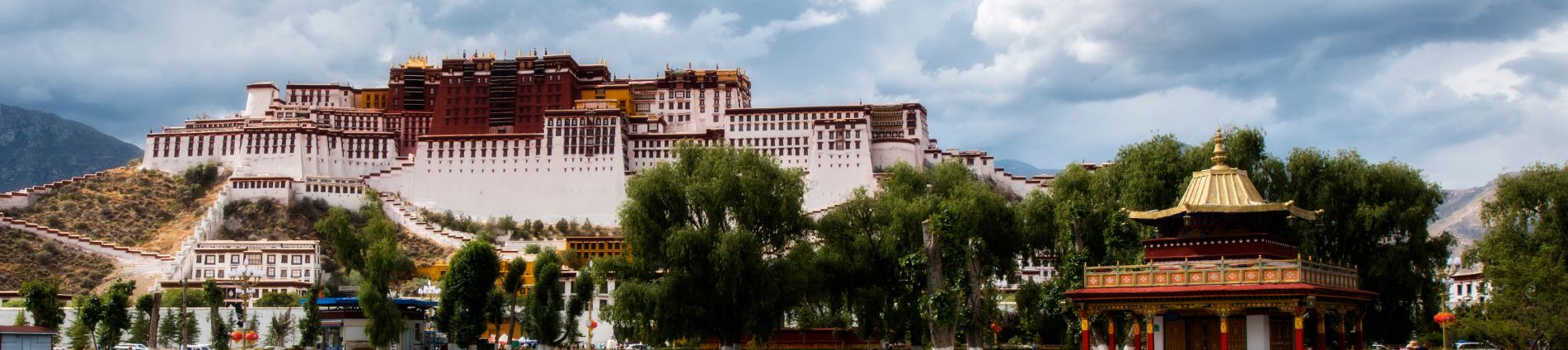
Potala Palace, Da Zhao Monastery, Zaki Monastery, Sera Monastery, Yangzuo Yongwu, Everest Base Camp, Batson Tso, Linzhi and so on. After Tibet is Rikaze, Zashilunbu Monastery, Gyirong, Naixia Village and other places can be in-depth travel!
Can I go to Tibet if I have high blood pressure/have a stent in my heart/are too old?
Consultation with your doctor is recommended, and being well-prepared will give you more peace of mind!
Can I drink the water directly? Do I need to boil it?
Tap water is not recommended; please drink bottled water or boil it. Mineral water will be provided on the tour.
What is the best way to pack my luggage and clothes?
Luggage should be lightweight: warm layer, windproof jacket, comfortable walking shoes, sunscreen, personal medication and wet wipes; please bring valuables and medication with you. It is recommended that you bring a backpack and a small carry-on bag, depending on the length of time you will be at the site!
How many days are suitable for Tibet?
It is generally recommended to arrange a [5 to 8 days] itinerary so that you can visit the main attractions such as Lhasa and Linzhi. If you have more time, you can also plan an in-depth [10-15 days] trip to Shigatse, Everest or Namtso. In addition, because of the long round-trip flight time, it is recommended to reserve one day before and one day after the trip as a buffer, so as not to be too rushed.
What is "Oxygen Intoxication"? How to recognize it? What should I do if I encounter it?
"Oxygen intoxication" is a condition in which the body inhales too much oxygen at once and becomes temporarily unwell. This condition usually occurs after returning from the Tibetan plateau to the flatland or after inhaling oxygen for a long time in the plateau area. After returning to Chengdu from Tibet, or even after returning home, some people may feel dizzy, sleepy, slower to react, or have a stuffy chest or numbness in their arms and legs. In fact, these are all temporary reactions of the body adapting to the increase in oxygen, so don't worry too much. What should I do if I really experience this? Rest more, usually it will get better in a few minutes or days. If you still feel uncomfortable, we recommend you to see a doctor to allow your body to fully adjust.
Who is prone to altitude sickness?
Altitude sickness is caused by the high altitude of Tibet and the scarcity of oxygen, and it can happen to anyone. Generally speaking, people who are going to the plateau for the first time, do not have enough sleep or have a cold, are too nervous, or have too much activity are more prone to high altitude sickness.
It is recommended to drink plenty of water, relax, and refrain from strenuous exercise when you first arrive in Tibet, as most people's bodies will adapt naturally within a few days.
Is there an airport in Tibet?
There are. Tibet currently has a number of airports, the most important of which is the [Lhasa Gonggar International Airport], with flights to and from cities such as Chengdu, Chongqing, Xi'an and Kunming. There are also airports in Linzhi, Rikaze and Ali, making it easy for travelers to enter and exit Tibet from different regions.
What should I pay attention to when I go to Tibet?
The most important thing to do when you first arrive in Tibet is to let your body slowly adapt to the plateau environment. It is recommended that you rest a lot in the first few days, don't run or jump, don't take hot baths or drink alcohol, and drink a lot of water to maintain your physical strength.
Prepare warm clothing, sunscreen and medication before departure, observe local religious customs, respect temple regulations, and do not take photos or touch the Dharma weapons.
Does Tibet belong to China?
Yes, Tibet is an autonomous region of China, officially known as the Tibet Autonomous Region, with Lhasa as its capital. Visitors traveling to Tibet from other cities in China are considered domestic travelers and do not need to apply for a visa, but foreign travelers need to apply for a Tibet entry permit.
Is Tibet dangerous?
Overall, Tibet is a safe place to visit, with good security and friendly people. The most important things to be aware of are the high climate change, strong ultraviolet rays and high altitude reaction.
As long as you travel with the group, follow the instructions of your tour guide and medical staff, and avoid being alone, you can enjoy your trip without worrying.
Can Taiwanese travelers visit Tibet freely?
Currently, Taiwan travelers cannot enter Tibet on their own, but must apply for a "Letter of Entry" through a legitimate travel agency that arranges group entry into Tibet.
Most of the travel agencies will assist with the relevant procedures, and the inbound and outbound tours are currently the most convenient and safe way for Taiwanese to travel to Tibet.
Does Tibet speak Chinese?
It is possible. The official language of Tibet is Tibetan, but residents of most cities such as Lhasa, Linzhi and Rikaze can communicate in Chinese.
Most of the tour guides, hotel staff and restaurant waiters speak Mandarin, so there is no problem in communicating with the tourists.
Who can't go to Tibet?
Travelers with serious heart disease, lung disease, high blood pressure, anemia, or those who are pregnant are not recommended to travel to Tibet as the high altitude environment may cause discomfort.
If you have recently had a cold, surgery or are in poor health, it is safer to wait until you have recovered.
What kind of medicine should I prepare for Tibet?
It is recommended to prepare some common medicines, such as headache medicine, gastrointestinal medicine, cold and flu medicine, vitamin C, glucose powder.
To prevent high altitude sickness, you may bring Rhodiola Rosea capsules, Salvia divinorum drops, or Plateau On. If you are chronically ill, please bring enough medication and take it according to your doctor's advice.
Need to customize your trip or slow down your pace? Contact us: china2go-cits|LINE @315xvpvi|WhatsApp +886 911 607 167.