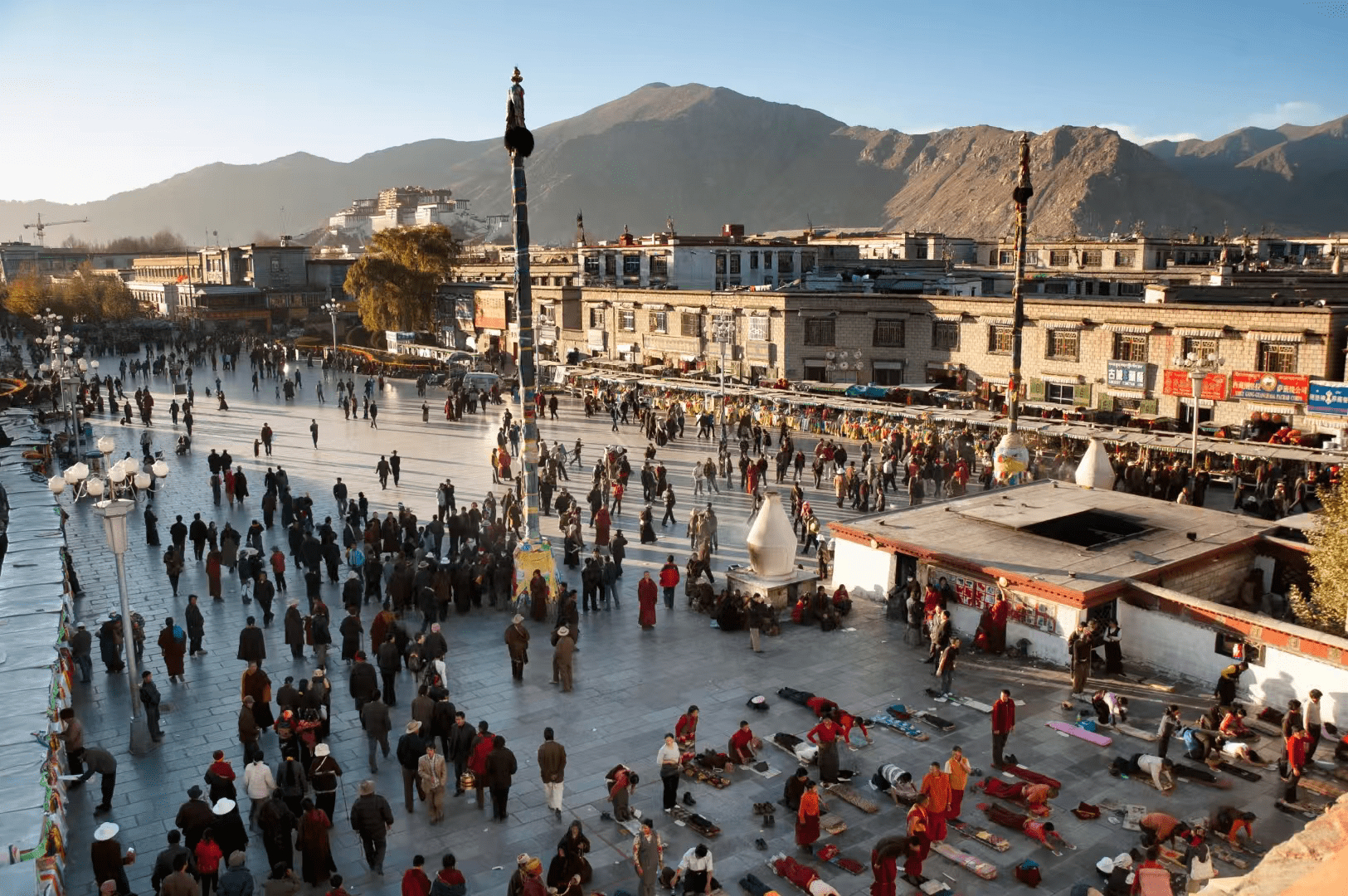
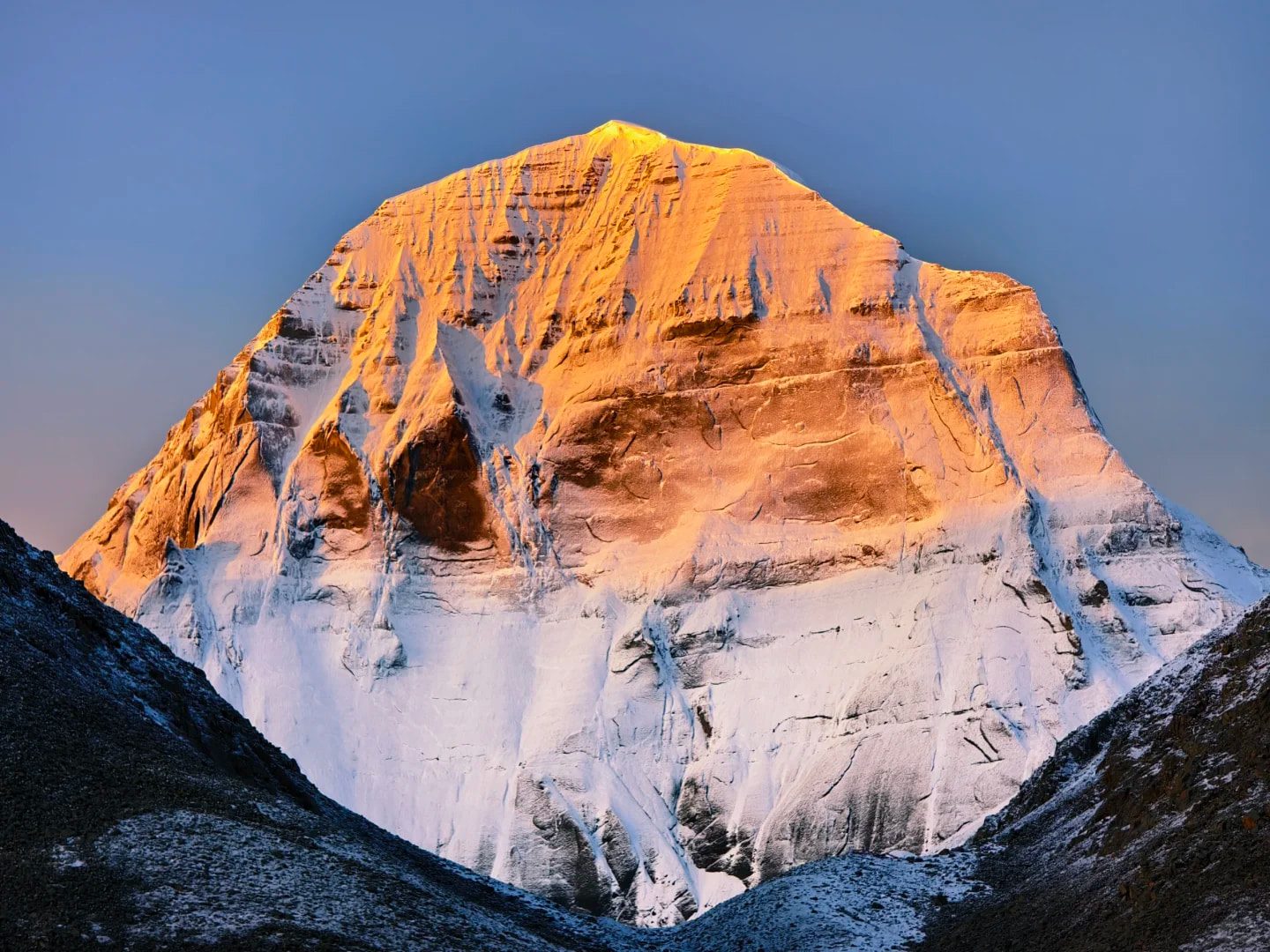
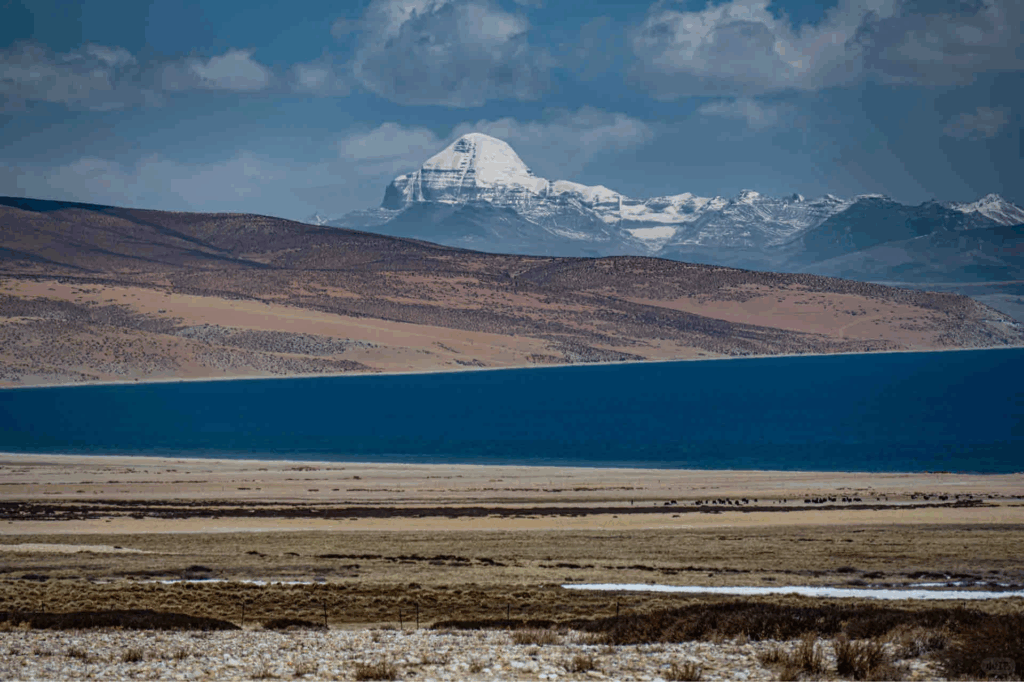
Located at an altitude of 6,638 meters in Pran County, Ali, Tibet, Gang Rinpoche is known as the "Center of the World". This sacred mountain is revered by Tibetan Buddhism, Hinduism, Jainism and Bön Buddhism, making it the ultimate destination for highland travelers and pilgrims. In this article, we will introduce the geographic and religious background of Gang Rinpoche, the must-visit attractions around the area, the best travel seasons, and the travel itinerary of Ali to help you complete a spectacular and safe trip to Ali, Tibet.
Introduction and Location
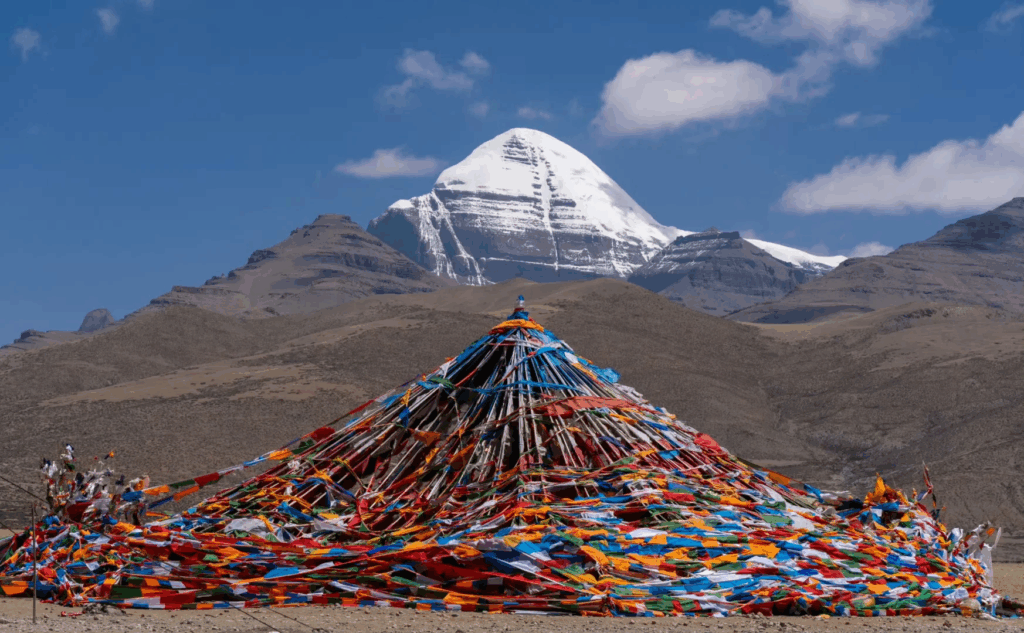
Mount KailashPulan County, located in the Ali Region of Tibet, is situated in the area where the Himalayas and the Gangdis Mountains meet. The mountain is in the shape of a pyramid, with precipitous walls and year-round snow. The surrounding natural environment is pristine and magnificent, and is considered by many religious traditions to be the symbol of the center of the universe.
Topography and Visual Features
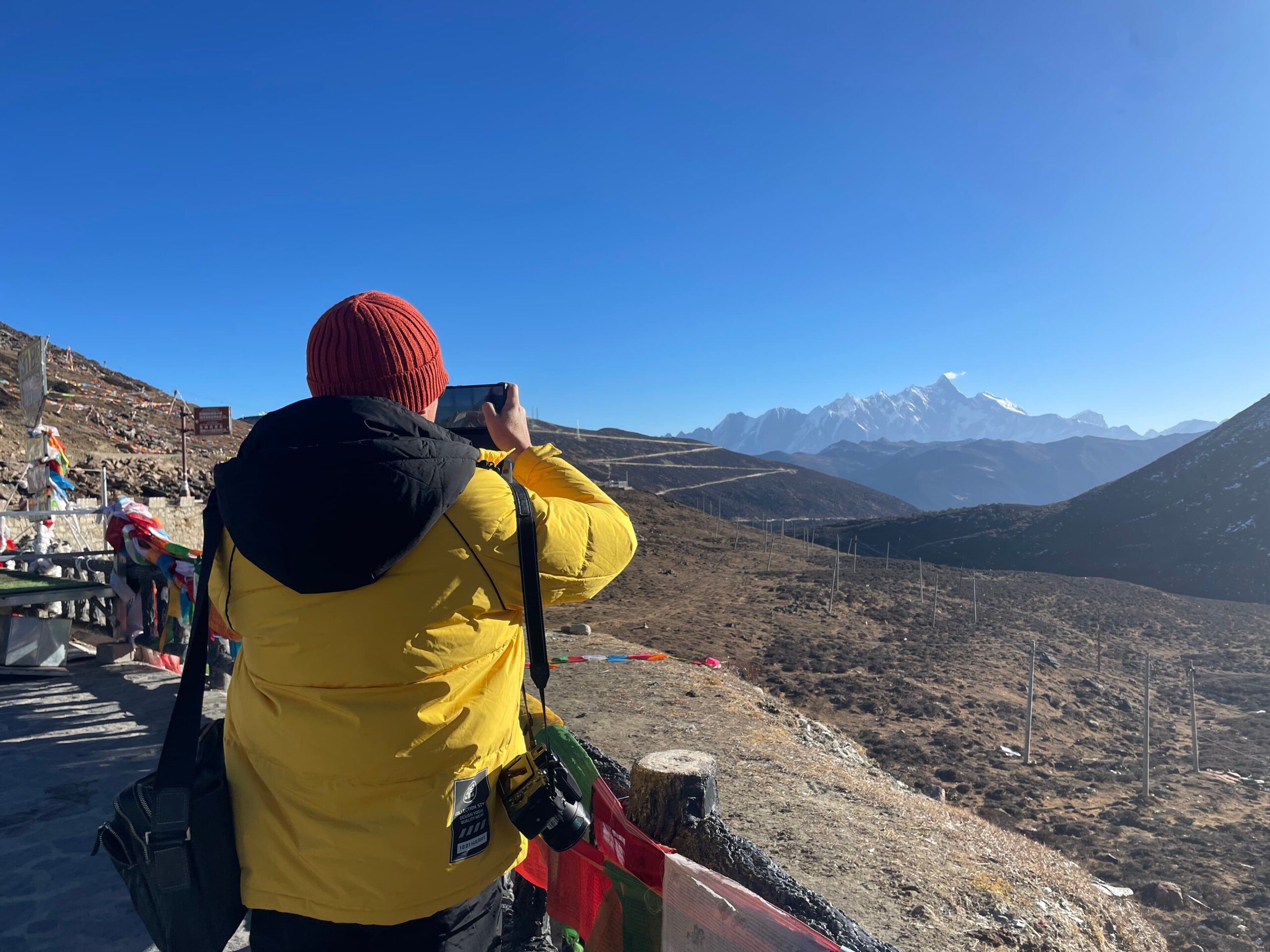
The mountains of Gang Rinpoche have clear ridges, distinct rock layers and a cold sense of light under sunlight; the contrast between the blue sky, sea of clouds and snowy peaks is strong on clear days, making it an ideal subject for photography.
Transportation and Accessibility
The majority of travelers fromLhasaDeparture, along the New Tibet Route or the Ali Southern Route to the west; due to the long distance and increasing altitude, it is recommended to travel in sections and arrange for stopovers to facilitate adaptation. (However, foreign guests are not allowed to enter Tibet, so we need to follow the tour).
Why Mountains Are Considered Sacred: Beliefs and Symbols
Gonzalo González is in theTibetan BuddhismIt is regarded as the Vajra Dojo of Seungrak; in theHinduismIt is regarded as the abode of Lord Shiva;Jainism..IslamIt is also regarded as a sacred place. The inter-religious veneration makes it a place of pilgrimage, practice and spiritual healing.
Cultural Experience Proposal
Respecting local customs, following trail rules, and keeping the environment quiet and clean are the basic etiquette for getting close to the sacred mountain. It is recommended to shoot in the villages or monasteries within the periphery of the activity area to avoid interfering with the religious activities.
Overview of mountain climbing: routes, distances and altitudes
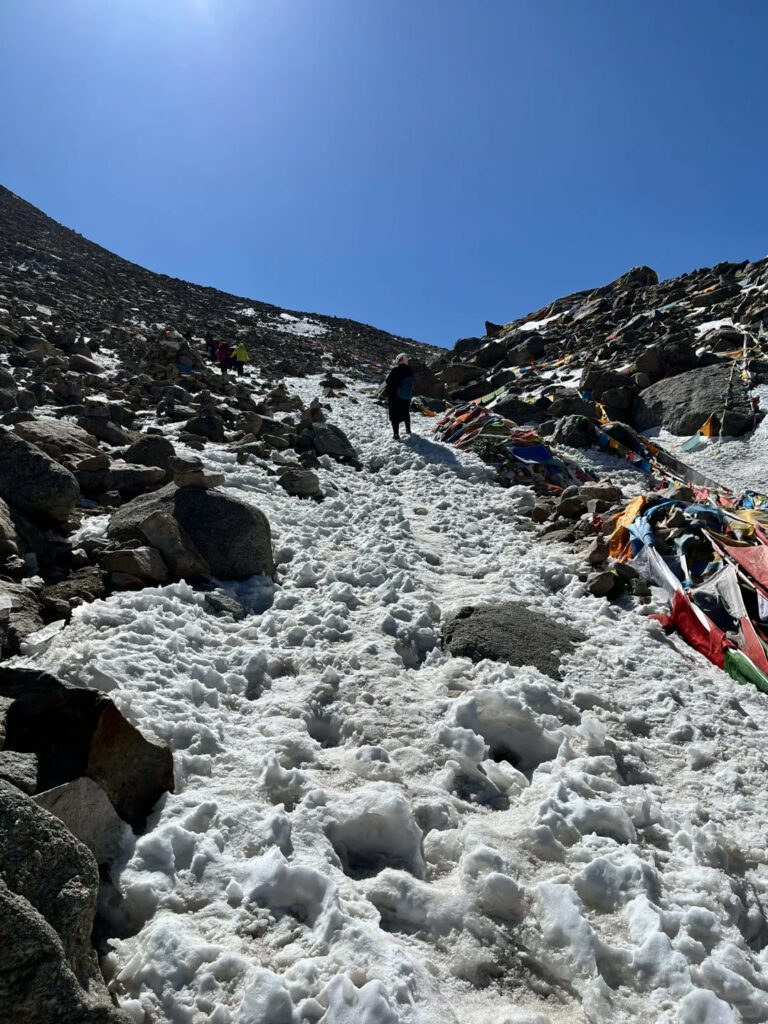
The total length of the Outer Circle Trail of the Gang Rinpoche is about 1,000 meters.52 kilometersMostly in the form ofTachin (about 4,675m)The trail begins and ends at a point where the trail follows valleys, glacial rivers, and mountain passes.Dromola PassThe highest point is about5,648mThe General Recommendations2-3 daysFinish, emphasize on rhythm and safety; one-day speed spinning for top athletes is a high-risk behavior and not recommended for most travelers.
Visual Highlights
- Sutra Square and Stone Sutra Pile: Symbolizing prayers and protection.
- Glacier River Valley: The water is clear and fresh, reflecting the snowy peaks.
- Alpine passes: the weather can be very changeable, and the clouds and ridges create an epic depth of field.
Shooting Suggestions (Equipment and Composition)
Wide-angle lens is good for incorporating sea of clouds and streamers; telephoto lens can compress the layers of mountains. Strong UV rays at high altitude.Remember to use UV or CPL filters.And spare batteries.
Security alerts (highly reactive)
Walking at high altitude, please adopt the principle of "slow, short and steady", and take plenty of fluids and warmth; if you experience symptoms such as severe headache, nausea and unsteady gait, you must retreat or seek medical attention.
Surrounding Scenery:Mabunyongmo, Jilong
The Ali region is characterized by high tensions in the landscape, and it is recommended to include the following attractions in the itinerary to complete the overall experience:
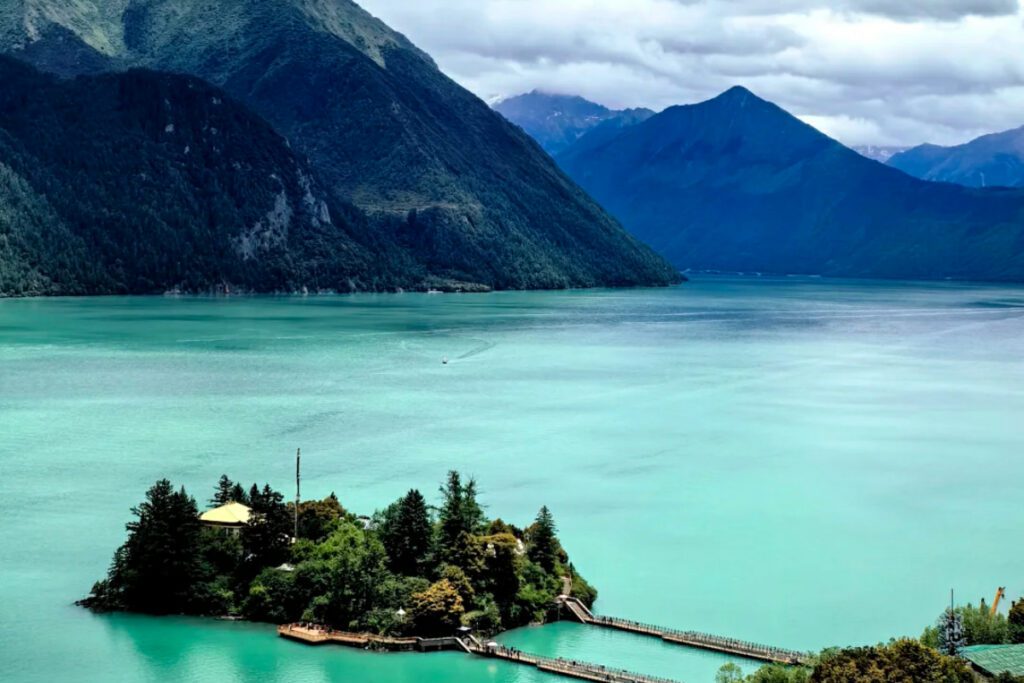
Mabunyonchu (Sacred Lake)
The lake is as clear as a mirror, and the reflection is especially beautiful at dawn and sunset, making it a hot spot for praying and photography.
Jilong (Green Valley on the Sino-Nigerian Border)
Located in Gyirong County, Rikaze City, Gyirong is one of the most important ports of entry from Tibet to Nepal. Compared to the Ali Plateau, Gyirong has a lower altitude, dense forests, and a temperate climate, making it the most beautiful green valley in the Himalayas. The snow-capped peaks, clouds and streams overlap with the valleys, presenting a green landscape that is very different from that of the plateau.
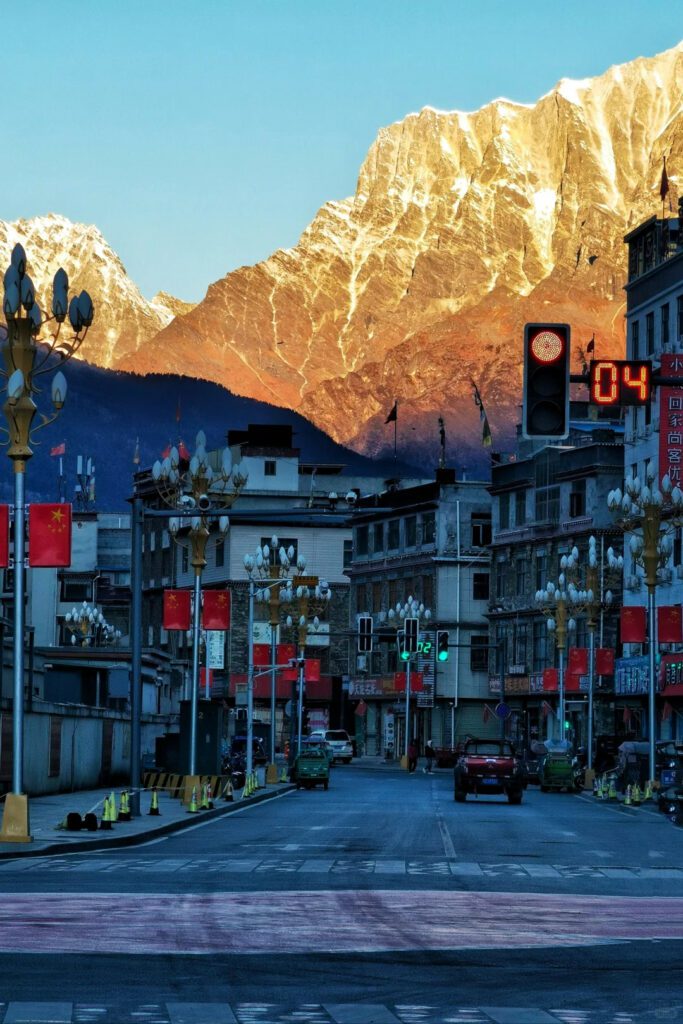
- Featured:Jilonggou cloud forest, Tibetan and Nepalese style elements mixed with the cityscape, border market atmosphere.
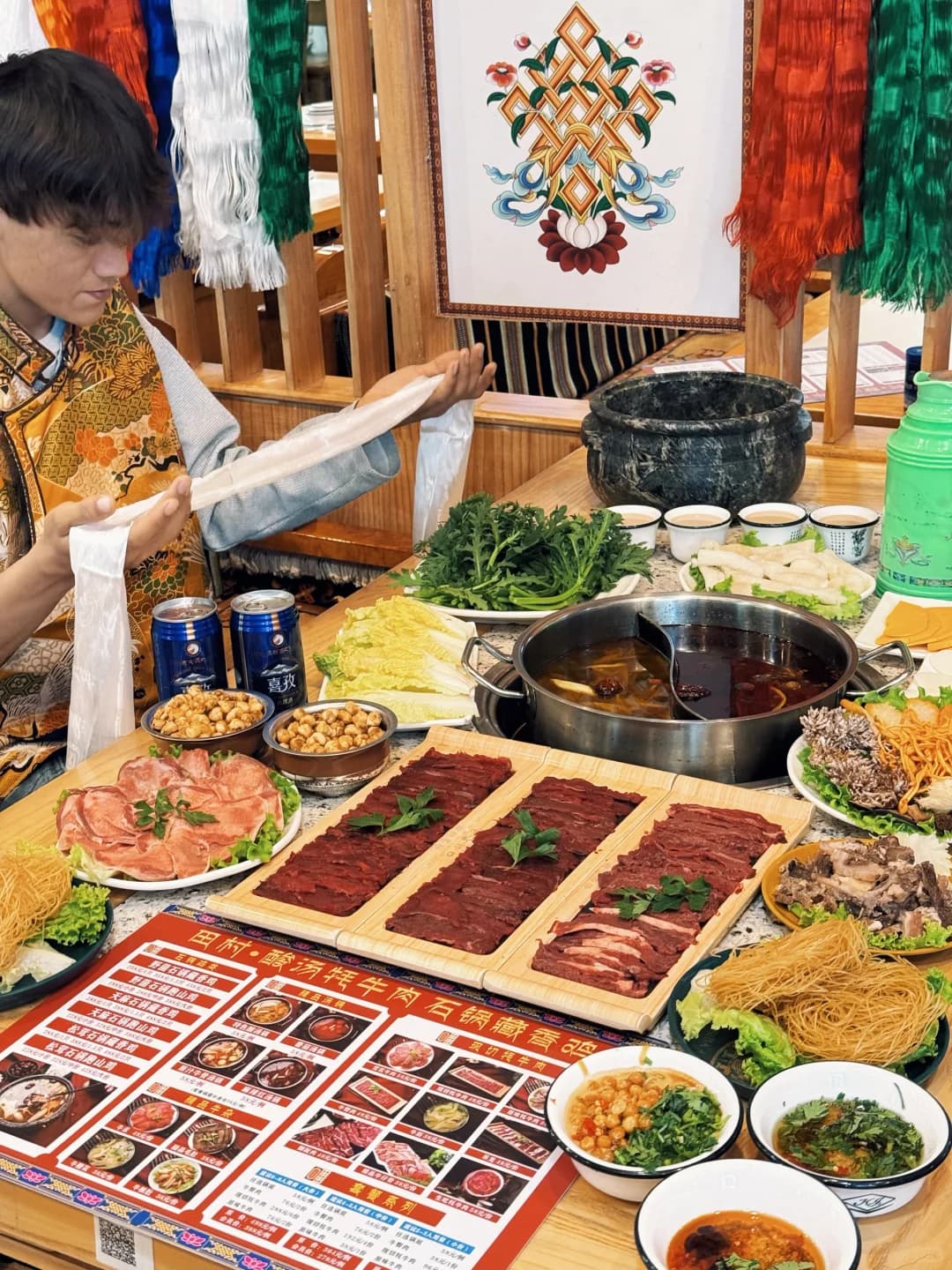
- Experience:Stroll through the old streets of Geelong town and taste snacks with the flavor of Indonesian spices; take photos of the suspension bridge and terraced villages along the valley trail.
- Photography Advice:Sea of clouds and fog are more likely to appear in the early morning or after a rain; long exposures for streams, wide angles to incorporate valley levels and cloud dynamics.
- Trip Tandem:The Ali route can be planned as "Gangrenpoqi-Marbunyongcho-Saga-Jilong-Lhasa" or in the opposite direction; flexible adjustments will be made according to port policies and road conditions.
Attentions.
- Border Management:Ports and border control areas are governed by policy, so please follow the regulations and have valid documents.
- Climate and equipment:The humidity in the valleys is high, so be prepared with a waterproof jacket and non-slip shoes; be aware of the risk of rockfalls and flash floods during the rainy season.
- Cultural Etiquette:Consult before photographing residents or religious facilities, and avoid interfering with local religious activities.
Best Travel Season and Weather Features
- May – June:With the snow and ice gone and the view clear, it's a great time for sightseeing and photography.
- July – August:During the rainy season, the roads are muddy and the chance of thunderstorms increases; it is necessary to do a good job of assessing lightning protection, skid prevention and water wading.
- September – October:Autumn's high temperatures, low cloud cover, and contrasting colors make it ideal for photography and in-depth travel.
- Winter:Low temperatures, cold temperatures and possible closure of the mountain are recommended for experienced professional teams only.
Transportation and Accommodation
- Roads:Long distances on the plateau and gravel roads go hand in hand, so watch out for falling rocks and standing water during the rainy season.
- Vehicles:Smaller vehicles are recommended for a smoother and more suitable trip.
- Accommodation:Conditions in the county are relatively stable, while those around the scenic areas are mainly basic, so bring your own warmth and cleaning supplies.
Rhythmic Arrangement
by "Gradual elevation, segmented adaptation"Avoid long walks or ascents on the first day; daytime driving, early closing and early resting are preferred.
Equipment and Plateau Adaptation Highlights
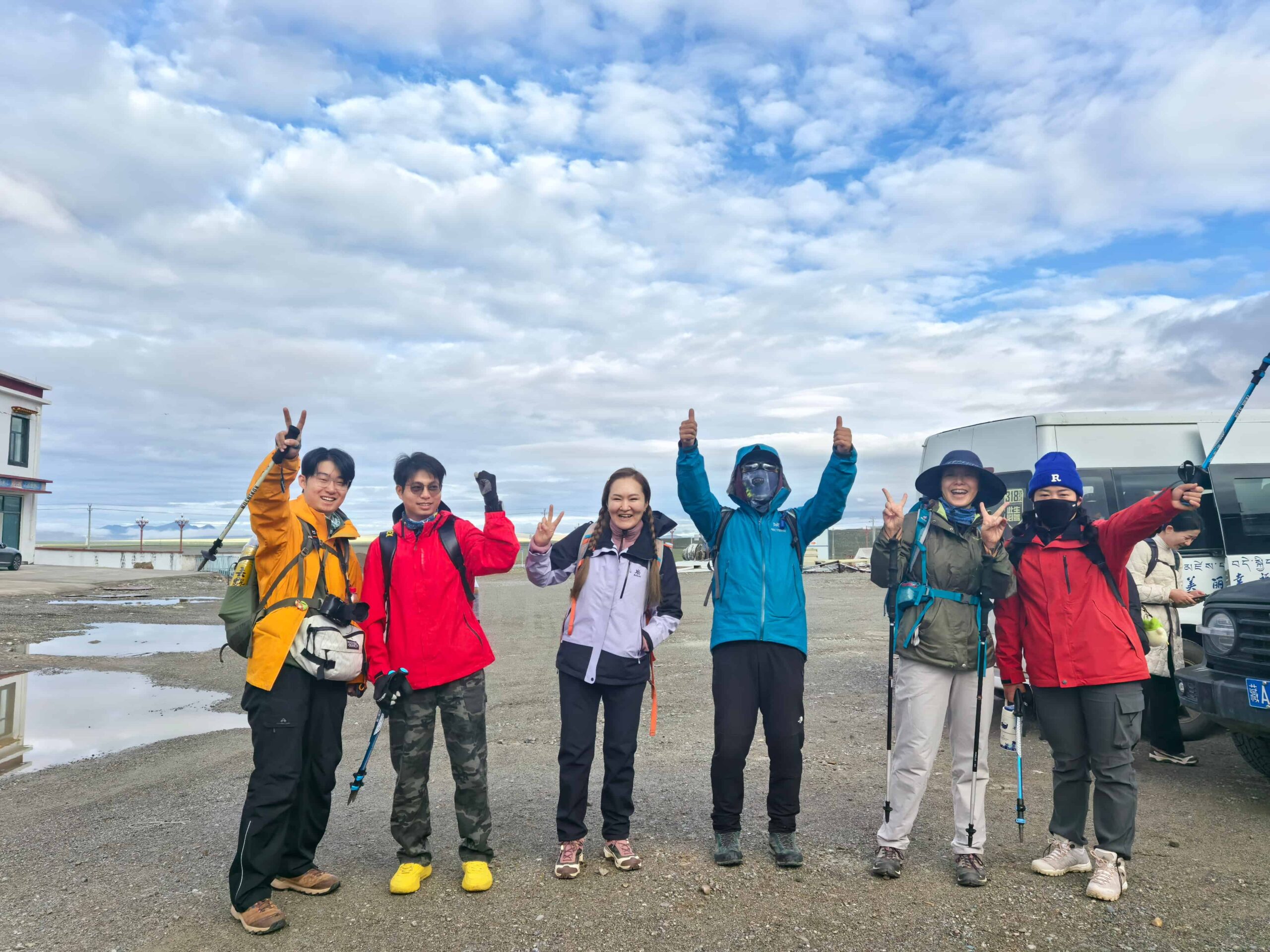
- Layering clothes:Wicking layer + warm layer + windproof and waterproof jacket.
- Footwear:Non-slip hiking shoes and spare socks; trekking poles can reduce the burden on knees and ankles.
- Supplies and power:Thermos, glucose or energy bar, mobile power and plug (rechargeable at some stations).
- Daylighting and Care:High-performance sunscreen, lip balm, sunglasses (UV/CPL recommended).
- Plateau Response:Stay in Lhasa for 1-2 days and travel according to your ability; if necessary, prepare high altitude medicine and portable oxygen as advised by your doctor.
Faith in Ali
Gang Rinpoche is a landmark where landscape and faith meet, and also the most shocking entrance into Ali, Tibet. Taking safety as the premise and rhythm as the core, the tour includes Marbunyongtse, Layangtse, Guge Dynasty and Zada Tulin in the itinerary, and you will be rewarded with a trip to the plateau that is both visually and spiritually fulfilling.