What are the glaciers in Tibet? Can I see the Blue Ice Cave in winter?
If you're planning a winter trip to Tibet, glaciers are a natural wonder not to be missed.
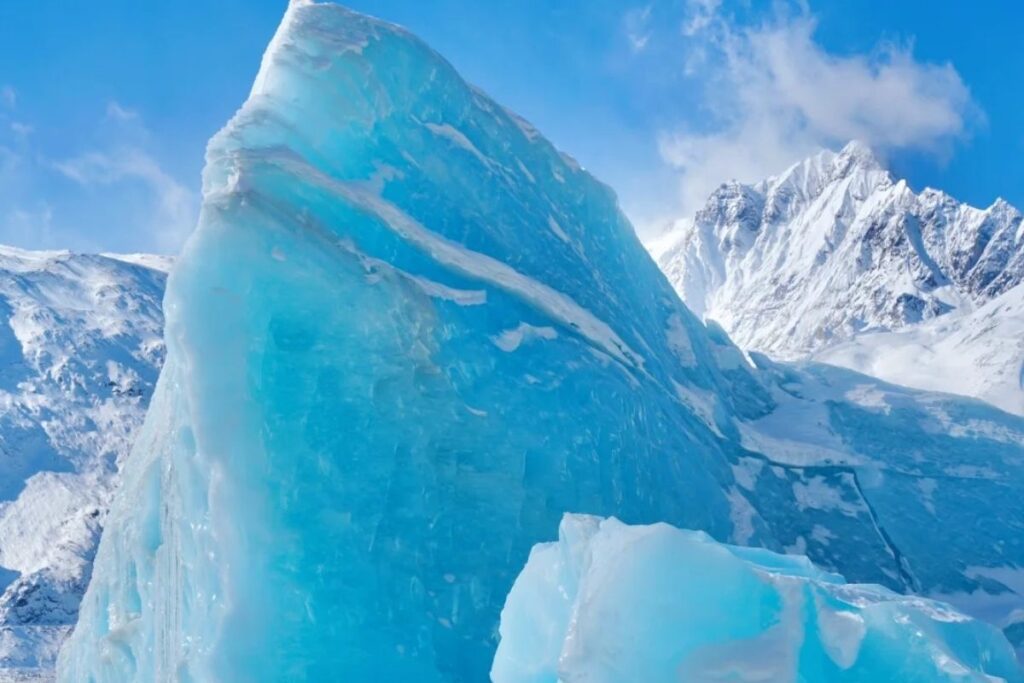
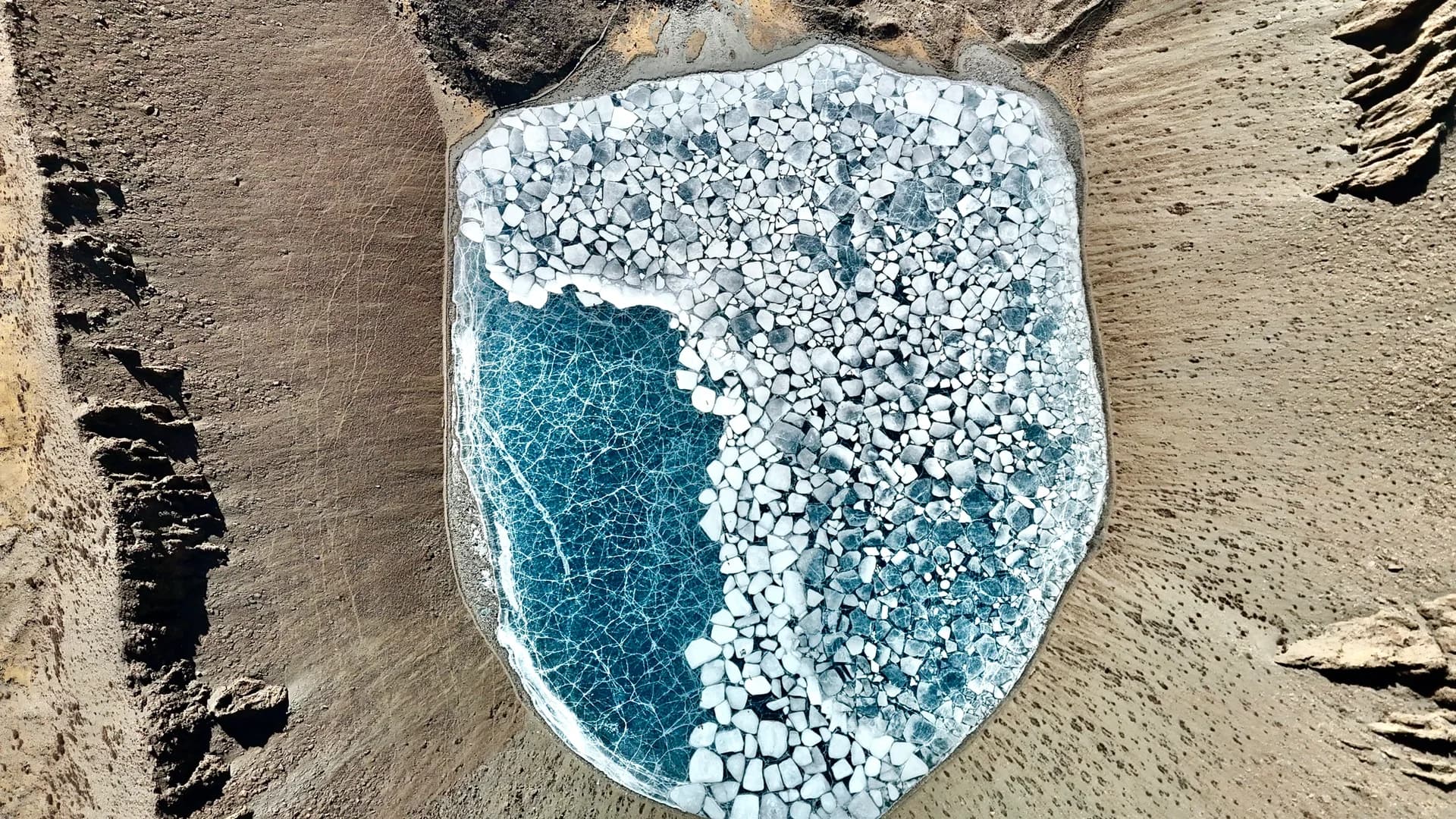
Tibet, located on the Tibetan Plateau, is one of the regions with the highest concentration of glaciers in the world. In winter, the glaciers present the purest and most shocking scenery, with blue ice, ice caves, ice waterfalls and ice lakes forming a landscape like an alien world.
This article is organized Four Glacier Scenic Spots to Visit in TibetIncludes Karola Glacier, Midu Glacier, Laiku Glacier and Rinlungpa Glacier, and introduces the altitude, landscape features, the best season to visit, and photography highlights to help you plan a truly stunning winter glacier tour in Tibet.
Why is winter especially good for seeing Tibetan glaciers?
Many people think that Tibet is suitable for traveling in summer, but in fact, it's not. Winter is the best time to see glaciers..
There are three main reasons for this:
1. Glacier color is the purest
In winter, when temperatures are low, the ice is more stable and the colors of blue ice, ice caves and icefalls are more vivid.
2. Stable weather and high visibility
In winter, the air in Tibet is dry and the skies are clear, so the success rate of photographing snow-capped mountains and glaciers is much higher.
3. Fewer tourists for a purer experience
Winter is the low season in Tibet, so you can avoid the crowds and enjoy the quieter highland scenery.
If you enjoy photography, natural landscapes or adventure travel.Tibetan glaciers in winter are definitely worth seeing.
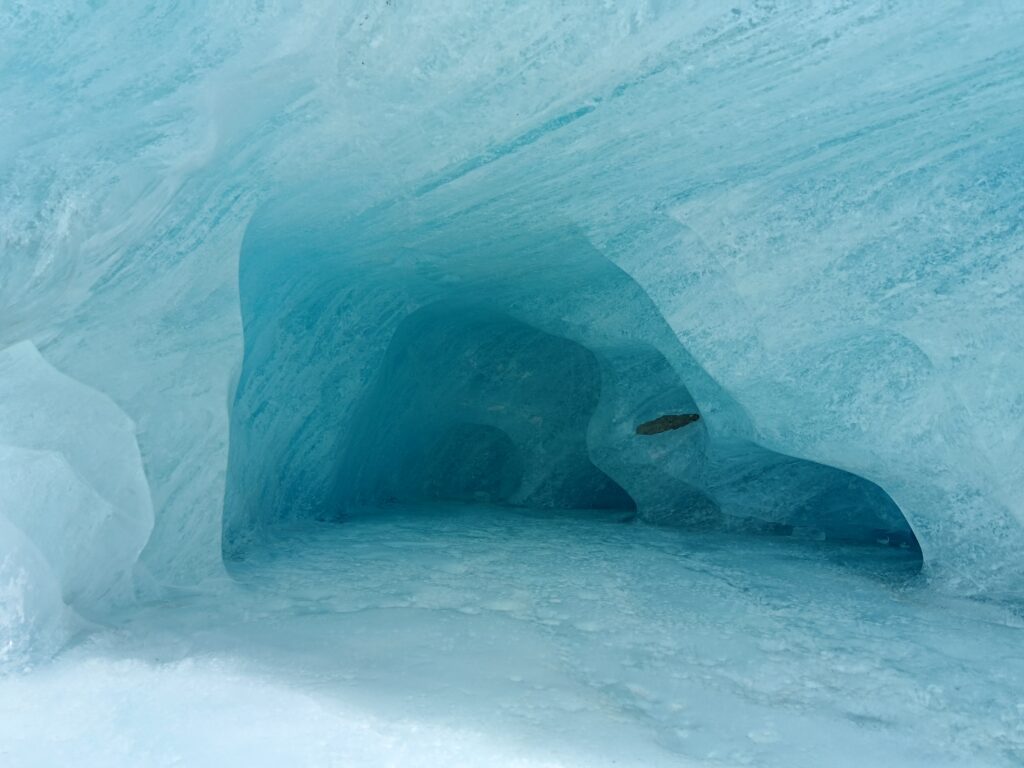
Four recommended glacier attractions in Tibet
Tibet has a large number of glaciers, but four of the following are The most iconic and worthwhile glacier attractions for your itinerary.
Recommendation 1: Karola Glacier
The Karola Glacier is located in Between Shannan and ShigatseThe altitude is about 5600 metersIt is one of the most accessible glaciers in Tibet and the first place where many tourists see a real glacier.
Huge bodies of ice pour down from the snow-capped mountains, creating spectacular icefalls.
Unlike many alpine glaciers, the Karjola Glacier is so close to the highway that visitors can view it almost directly from the viewpoint.
In addition, it is also the filming location of the movie "Red River Valley", so it is well known in Chinese tourism circles.
Scenic Features
A huge waterfall of ice falling straight down.
The ice wall is clearly defined
Close to the highway, easy to reach
Best time to visit
Suitable for spring, fall and winter.
Recommendation 2:Migdui Glacier
Migdui Glacier is located in Linzhi Bomi CountyThe average elevation is about 2400 meters.It is one of the rare low altitude glaciers in China.
The best feature of this glacier is the Forests, villages and glaciers coexist.
In the distance, snow-capped mountains and glaciers extend into the forests and lakes, creating a very unique natural landscape.
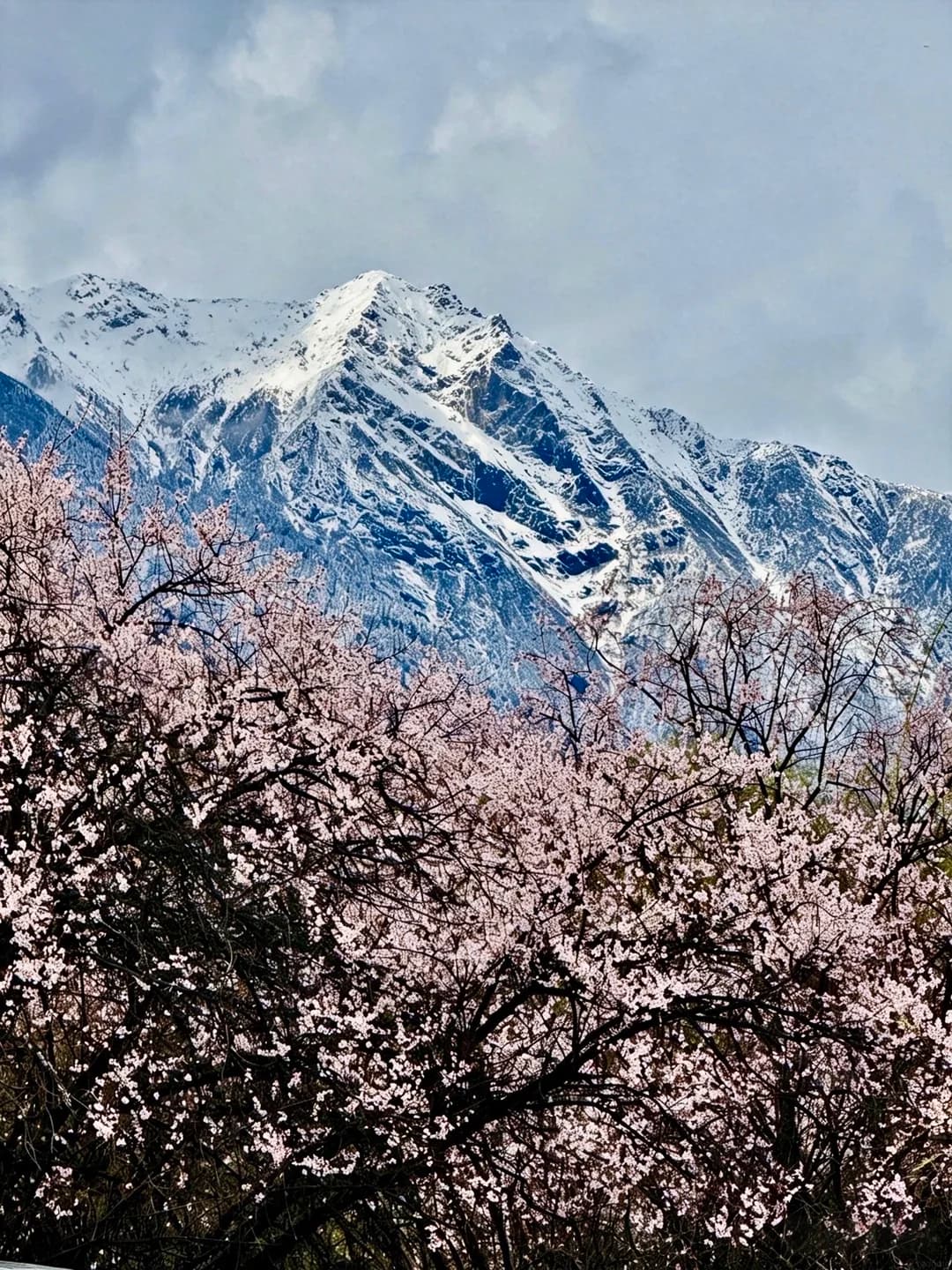
If there is a change in the Peach Blossom Season in Linzhi Go to, there is still a chance to see Peach Blossom and Glacier in the same frame The image is a dream come true for many photographers.
Scenic Features
Forest and glacier at the same time
Village and lake views
The peach blossom season is particularly spectacular
Best time to visit
All year round.
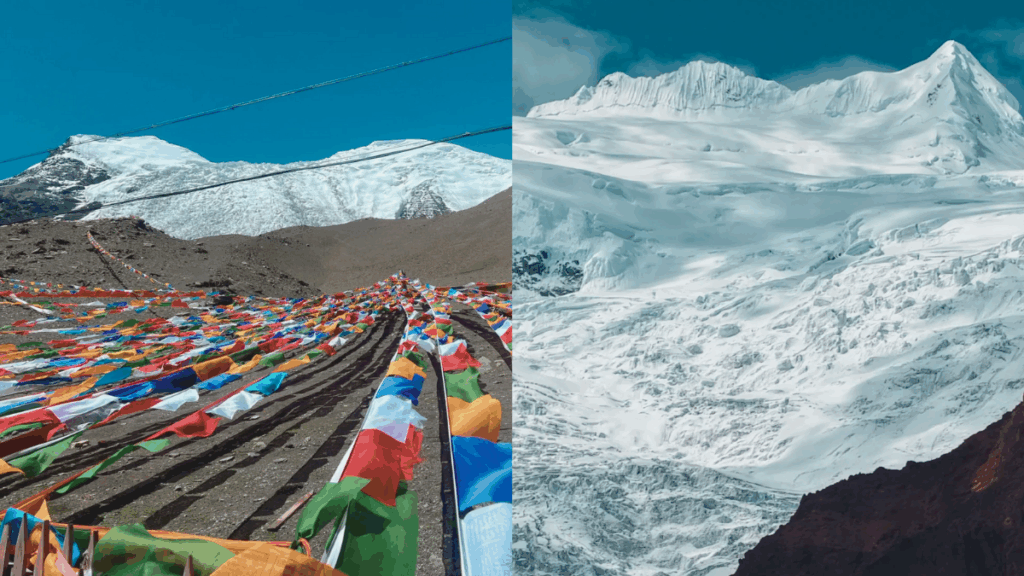
Recommendation 3: Laiku Glacier
Laiku Glacier is located at Near Ranwu LakeThe altitude is about 4500 meters.It is one of the largest glacier groups in eastern Tibet.
The best features here are Many glaciers converge to form a spectacular glacier complex..
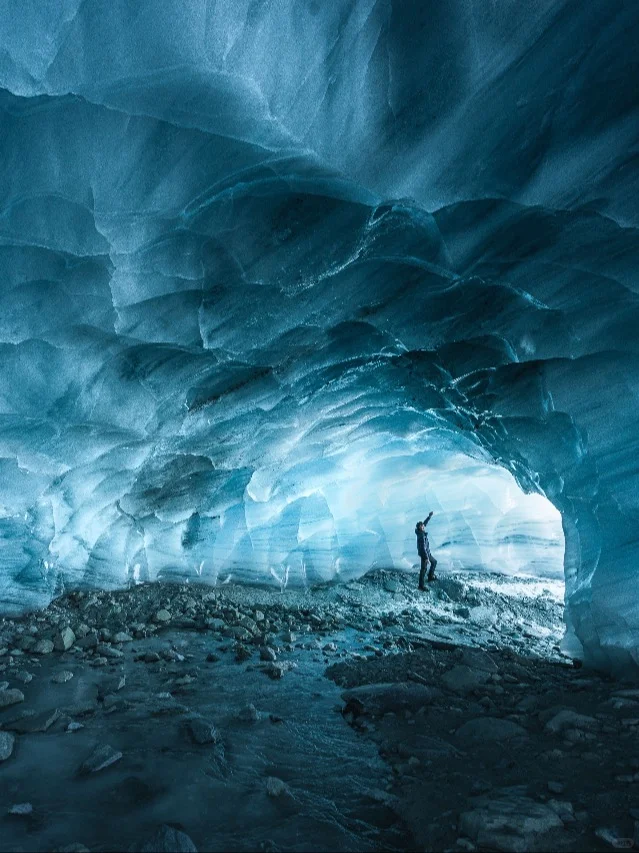
During the winter months, some of the ice caves appear to be dreamy Blue Ice CaveIt is a great attraction for photography enthusiasts.
Scenic Features
Convergence of multiple glaciers
Ice Lakes and Glaciers
Tibet Winter Blue Ice Expedition
Best time to visit
Winter
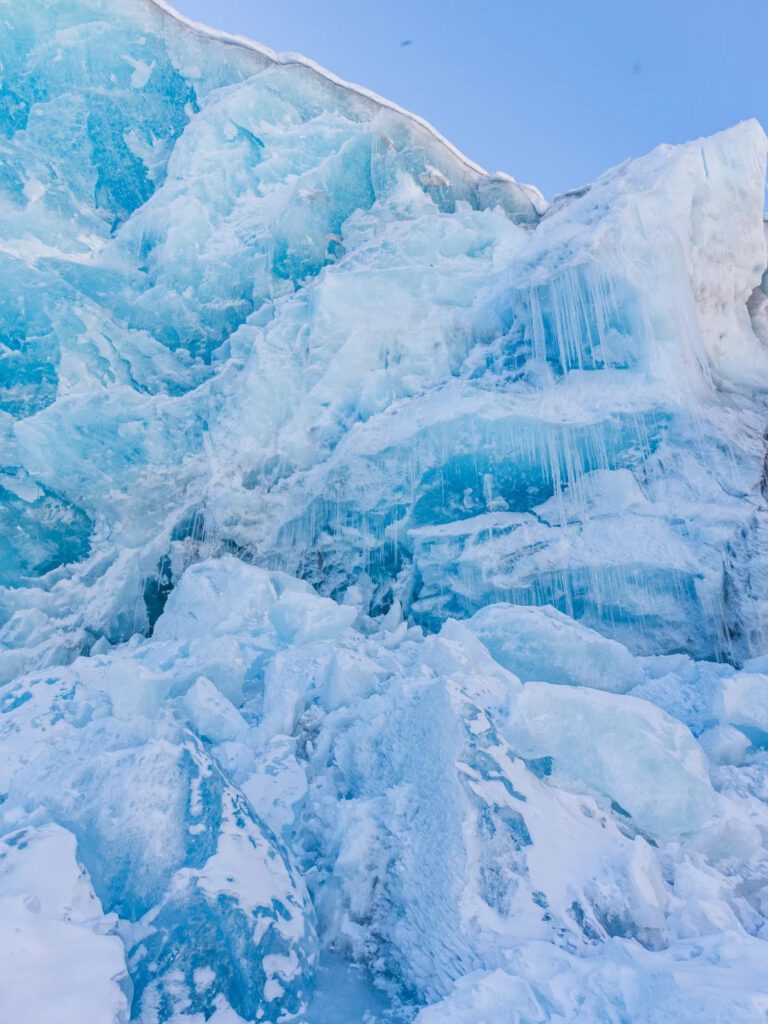
Recommendation 4:Rinlungpa Glacier
Rinlungpa Glacier is located at Alpine area around Bomi, Linzhi.The altitude is about Above 4500 metersIt is one of the more pristine and spectacular glacier landscapes in eastern Tibet.
Here the glacier from the high mountain slides down, the ice body is huge and pure, surrounded by snowy mountains and primitive forests all the year round, forming a clearly layered plateau landscape. Compared with some popular glacier attractions, Rinlungba Glacier has relatively fewer tourists, and you can feel the most natural and primitive appearance of Tibetan glaciers.
In clear weather, glaciers, snow-capped mountains, and blue skies create powerful images, making it an ideal destination for travelers who enjoy spectacular natural scenery and photography.
Scenic Features
Huge Glaciers and Alpine Snow Peaks
Well-preserved pristine natural environment
Magnificent highland glacial landscapes
Best time to visit
Winter, spring, maybe a little more.
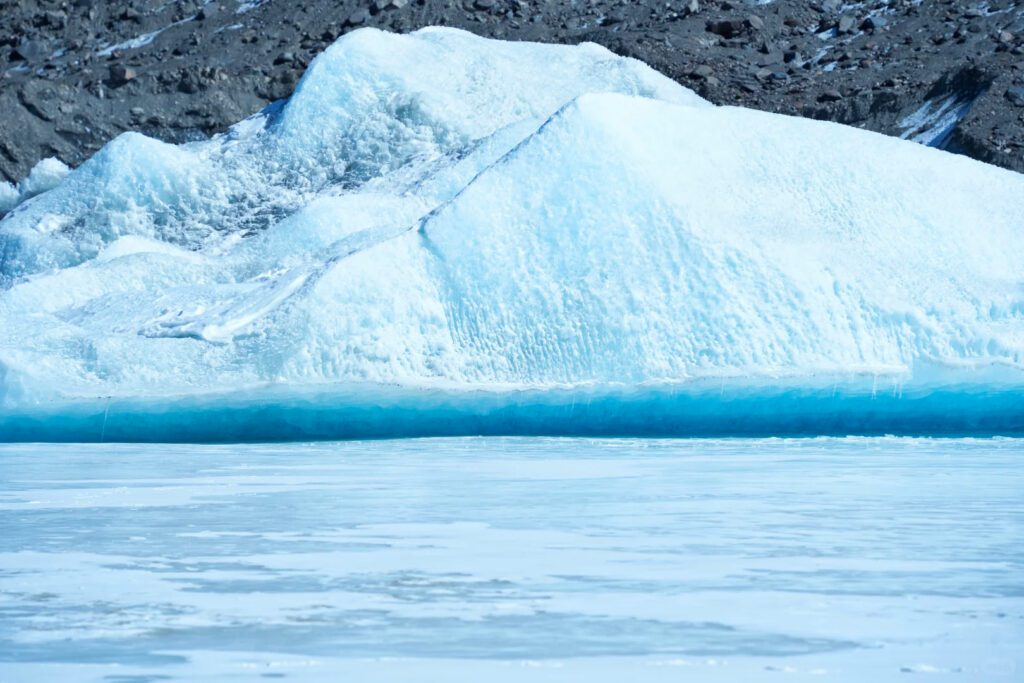
Comparison of four major glaciers in Tibet
| Name | height above sea level | Scenic Features | physical demand | Best For | Best Season | Photographic Value |
|---|---|---|---|---|---|---|
| Karjola Glacier | Approx. 5600m | Vertical icefalls, close to major highways, easy to reach | Low | First-time Tibetans, time-constrained travelers | Spring, Fall | Gao: The ice wall and sutra structure are very impressive. |
| Migdui glacier | Approx. 2400m | Forests, villages and glaciers coexist in a rich landscape. | Low | Elderly, parents and children, photography beginners | Spring (Peach Blossom Season) | High: Peach blossom or green landscape with glacier in the same frame |
| Laiku Glacier | Approx. 4500m | The glaciers, glacial lakes and winter blue ice caves are the famous glacier landscapes in Tibet. | Moderate | For advanced photographers and travelers who like glaciers and secret places. | Winter, Fall | Very high: blue ice, ice caves and frozen lake reflections are visually stunning. |
| Rinlungpa Glacier | Approx. 4600m | Pristine alpine glacier landscapes, a small secret area where glacial lakes and huge glaciers coexist. | Moderate | For those who like to explore secret places and take photographs. | Winter, Spring | High: Glaciers, glacial lakes and snow-capped mountains make for a spectacular scene. |
👉 Extended reading:Notes on Highland Travel