As the aroma of barley wine rises in the highland air, Tibetan New Year—Losar—quietly arrives. It is the most important festival in Tibet, beginning with a warm bowl of Guthuk soup, followed by sweet ginseng rice and fragrant barley wine. Each traditional dish carries wishes of blessing and renewal. Step into the festive spirit of Tibet and experience the warmth and faith of the plateau.
Travel should be more than sightseeing—CITS China International Travel Service takes you deeper into the real Tibet.
1.The Beginning of Tibetan New Year: Guthuk Soup
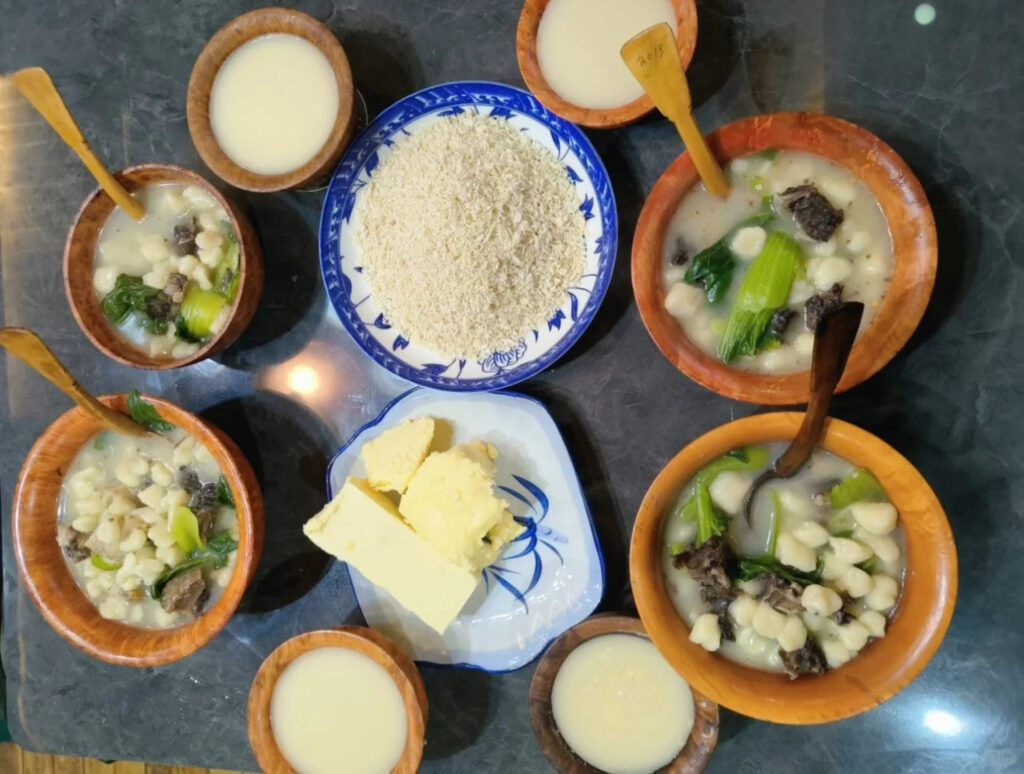
On the eve of Tibetan New Year, known as Nyi Shu Gu,every household prepares a pot of soup calledGuthuk.This soup is a ritual dish symbolizing farewell to the old year and welcome to the new.
It is made with barley dough, beef or mutton, butter, and vegetables.
What makes it special is the hidden symbolic items inside:
charcoal represents misfortune from the past year,
cotton symbolizes a gentle heart,
chili signifies a straightforward and fiery personality,
and a coin represents good fortune and prosperity.
As they eat, everyone laughs and guesses the meaning of what they find.
No matter what is bitten into, it is spat out,
symbolizing the leaving behind of bad luck in the old year.
this night—called the Night of Guthuk—is the most ritual-filled moment in the hearts of Tibetan families. By the hearth, laughter blends with rising smoke. Mothers忙忙 at the stove, while children wait eagerly for their own small prophecies. With a spoonful of warm, fragrant Guthuk, adults shed their grown-up restraint and return, once again, to the playful children in their parents’ arms.
2. Qianggu — The First Meal of the New Year
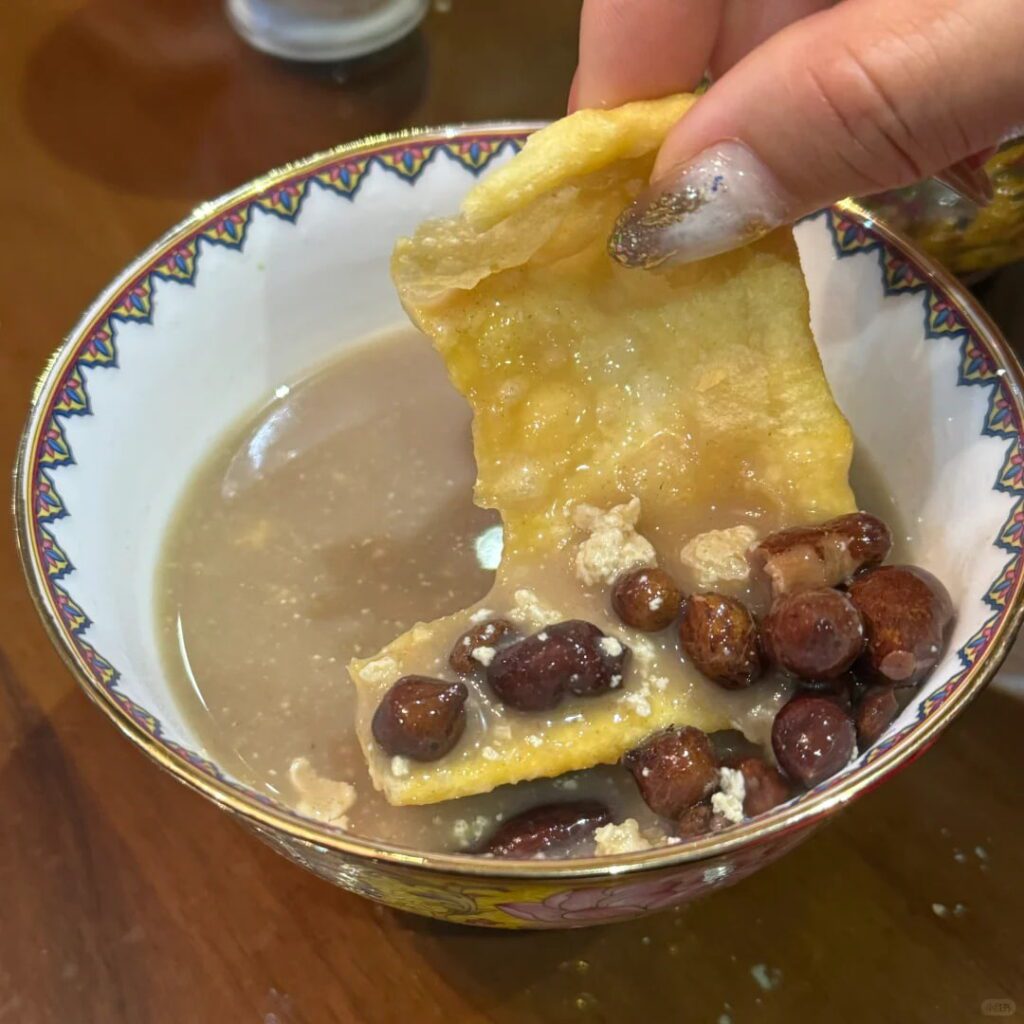
As dawn rises over the snow-capped mountains,on the morning of the first day of the Tibetan New Year,every household prepares a steaming bowl ofQianggu—the very first food of the year and the beginning of blessings.
Made with barley wine as its base,
Qianggu is slowly simmered with dried cheese, ginseng fruit, and brown sugar.
Tibetan mothers wake before the rest of the family,
and before anyone leaves their bed,
they bring out the fragrant bowl filled with warmth.The slight bitterness of ginseng fruit
blends with the sweetness of brown sugar.
With the first sip,warmth flows from the mouth straight to the heart.
Qianggu is a sweet soup eaten only once a year, symbolizing purification and rebirth.Tibetans believe that drinking this bowl marks a brand-new beginning—allowing the fatigue and worries of the past year to fade away with the rising steam.
3.Losar (Tibetan New Year)Losar — The Tibetan New Year Ritual
Tibetan New Year (Losar)
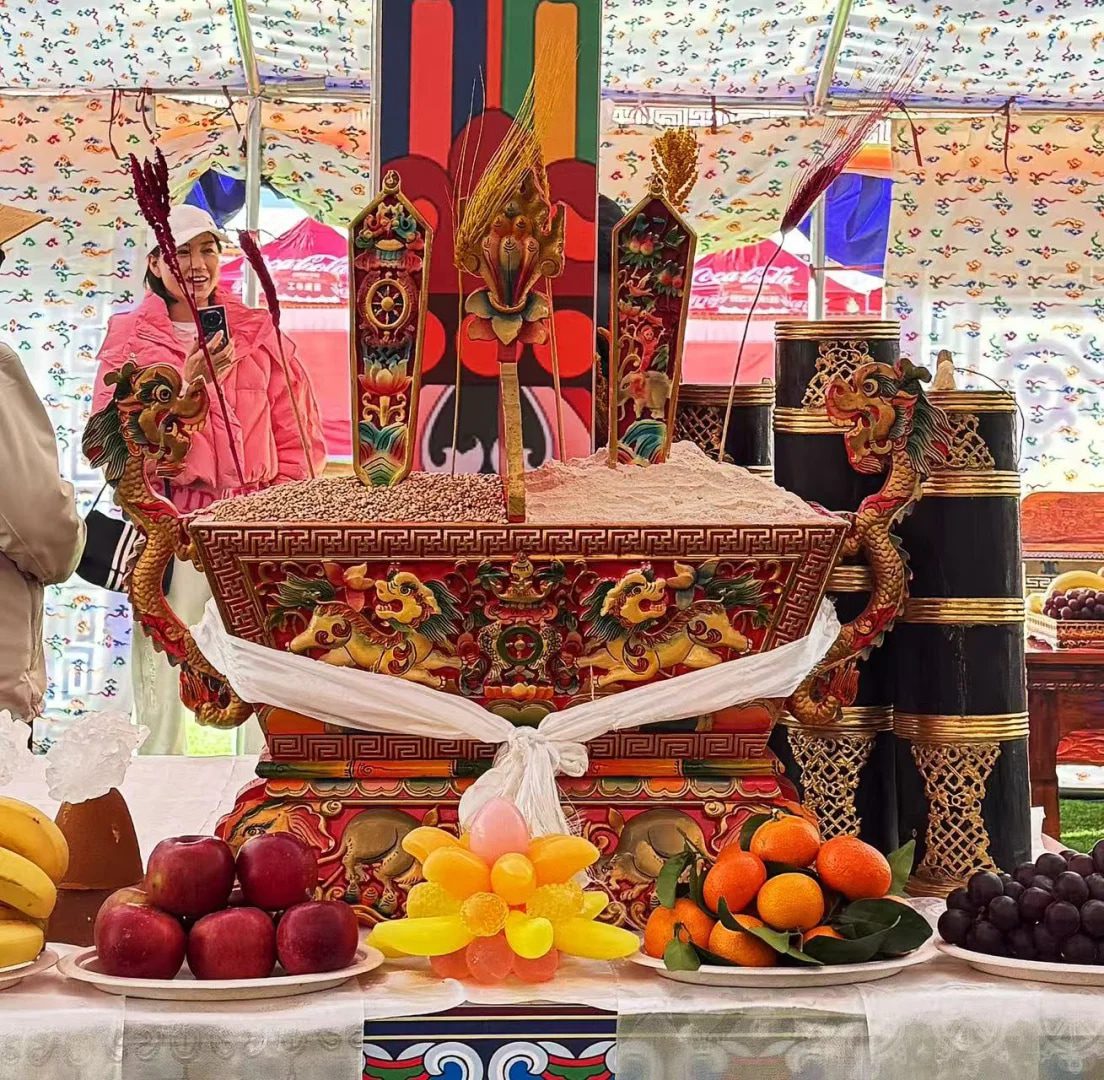
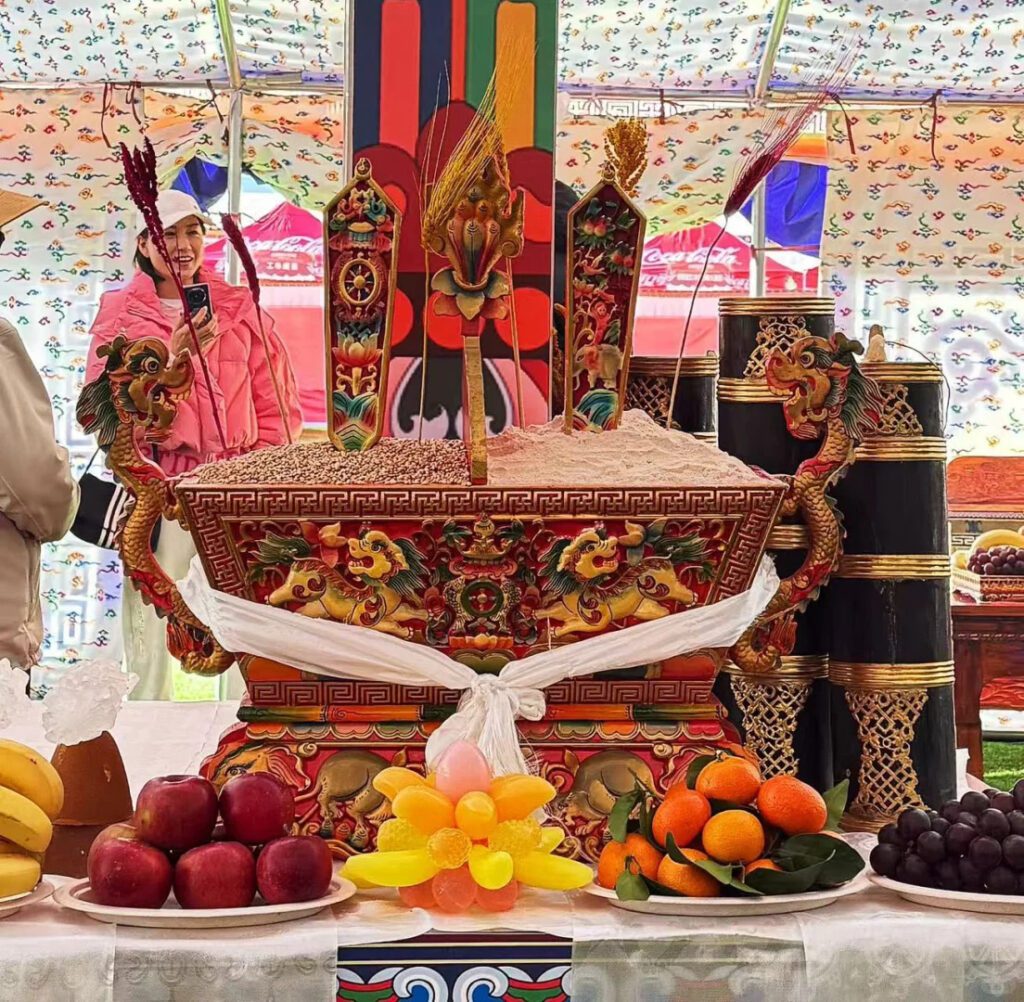
usually falls in February or early March and is the most important festival of the year for Tibetan people.Before the festival, families thoroughly clean their homes, replace white felt carpets and colorful window hangings, and decorate the walls with pine branches and barley ears—symbols of renewal and abundance.
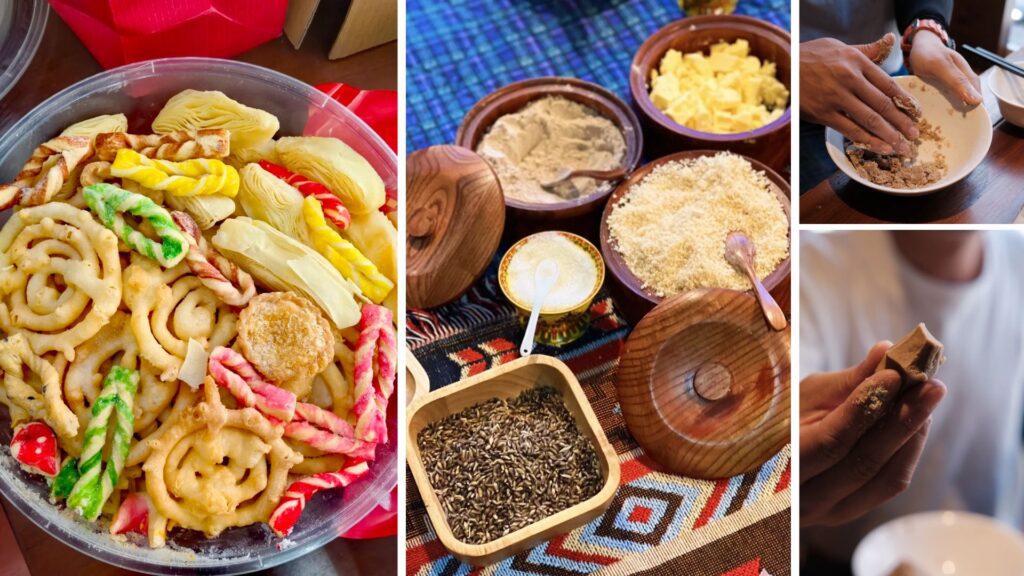
Every household prepares aChema box,filled with roasted barley, butter, and tsampa flour. When guests arrive to pay New Year visits, hosts present the Chema box with both hands and greet them with the words “Tashi Delek,” meaning good fortune and blessings.
All of these practices—cleaning, offering prayers, and serving tea— share a common core: gratitude and blessings. And food is the most essential language through which this New Year ritual is expressed.
4. Choma Dresil — The Most Beloved Festive Sweet Rice
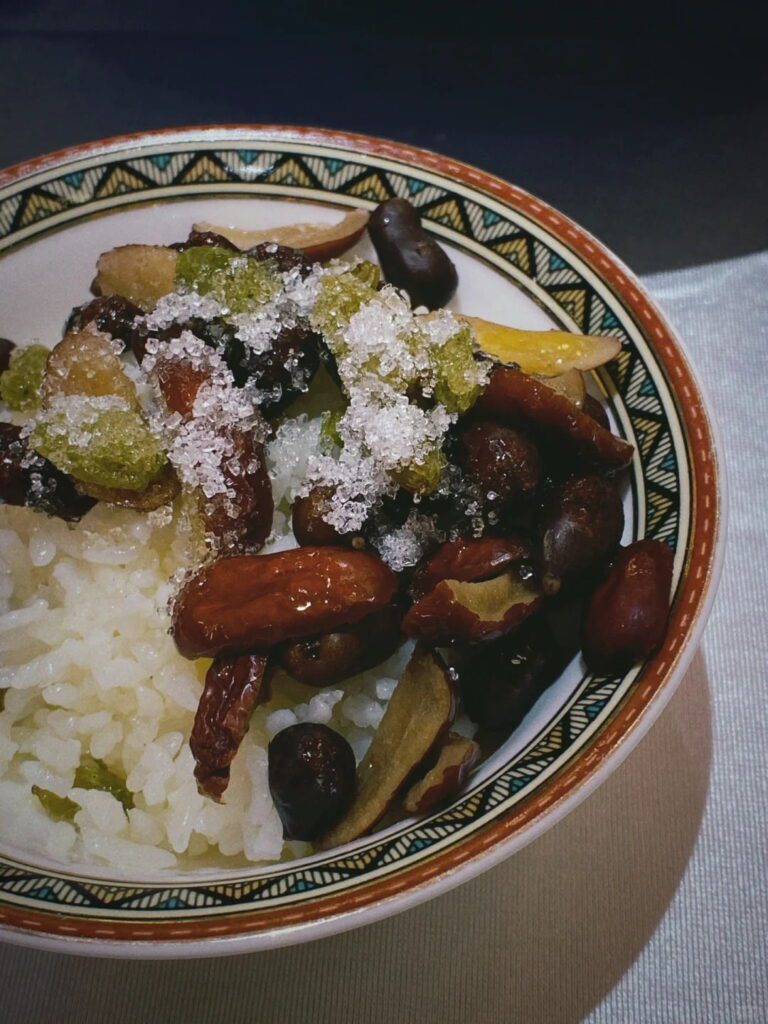
During Losar,the must-have sweet dish for Tibetan families is Choma Dresil,
one of the most popular and auspicious foods of the festival.
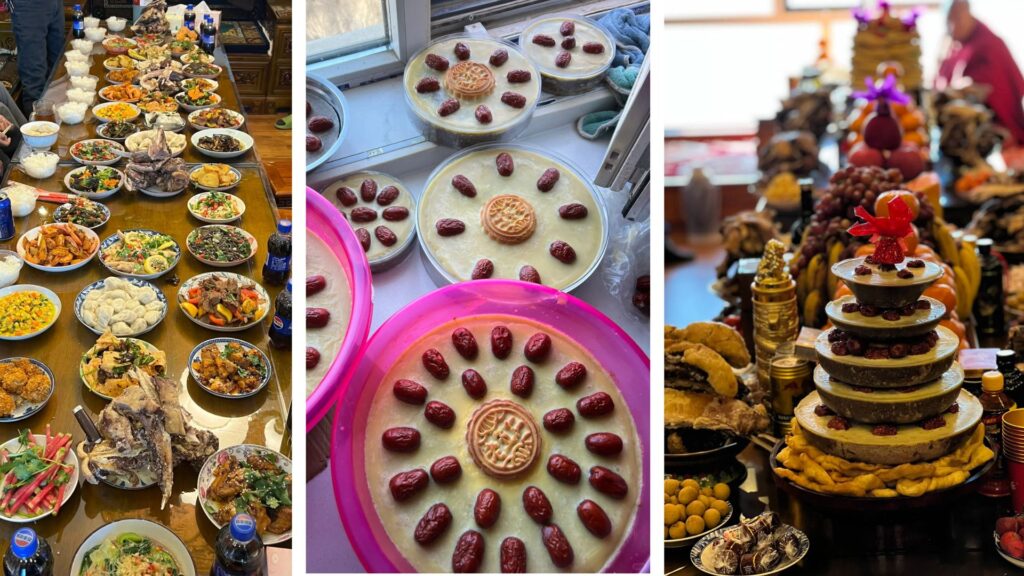
The preparation is simple yet rich: glutinous rice forms the base, mixed with ginseng fruit, raisins, sugar, and assorted nuts,
then finished with a generous pour of hot melted butter. The aroma is rich and creamy,
with a sweetness balanced by gentle fruity notes.
More than a treat for the palate,
this sweet rice carries a blessing—
symbolizing a sweet and prosperous year ahead.
On the morning of the first day of the Tibetan New Year,elders first offer Choma Dresil to the Buddha,
then share it with the family.
Children eat with butter-smeared faces, filling the home with laughter.This sweetness is not only tasted,but felt as a heartfelt wish for the year to come.
Simply put, Choma Dresil is the traditional Tibetan New Year ginseng sweet rice.
5. Air-Dried Beef — A Flavor Shaped by Wind and Snow
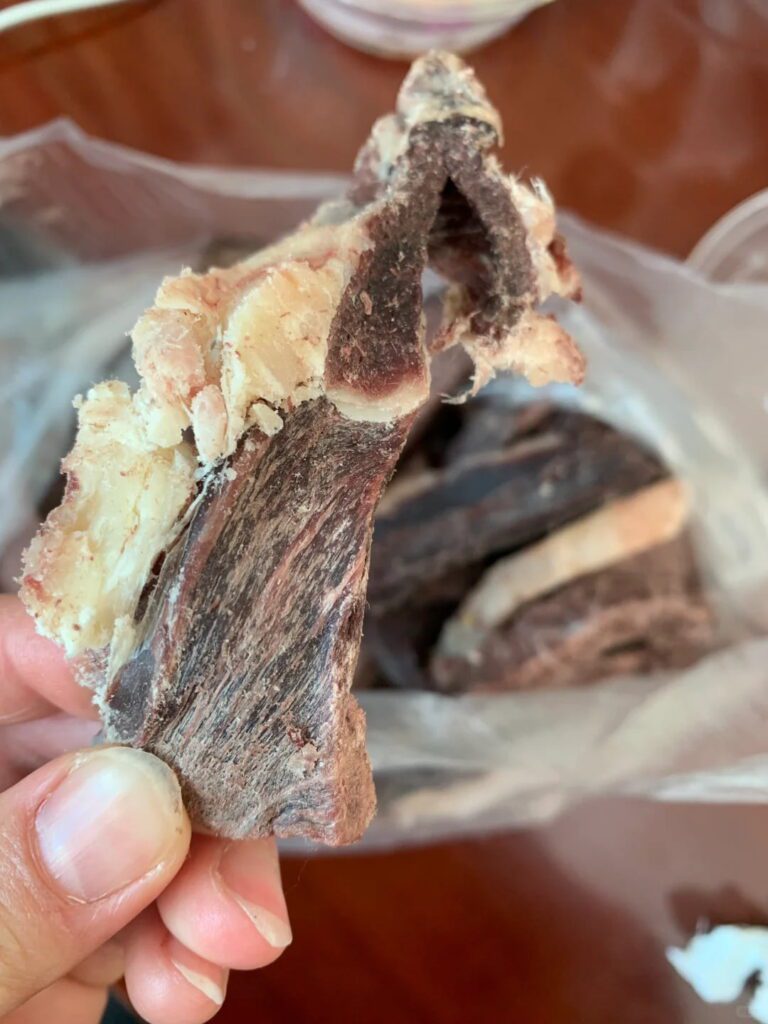
On the harsh Tibetan plateau, the way food is preserved often defines its character.Air-dried beef (Tsasha Gampo) is a perfect example of this relationship between nature and taste.
Each winter,herders select strong and healthy yaks.Its aroma is subtle, yet the texture is both crisp and chewy when bitten into. This unique mouthfeel— somewhere between beef jerky and shredded meat— is a flavor found only in Tibetan regions. No seasonings are added. Preserved solely through natural air-drying,the beef retains a pure and concentrated meat aroma. For Tibetans, it symbolizes resilience and endurance— much like their way of life: simple, direct, and full of strength.
No seasonings are added.Preserved solely through natural air-drying, the beef retains a pure and concentrated meat aroma.For Tibetans,it symbolizes resilience and endurance—much like their way of life: simple, direct, and full of strength.
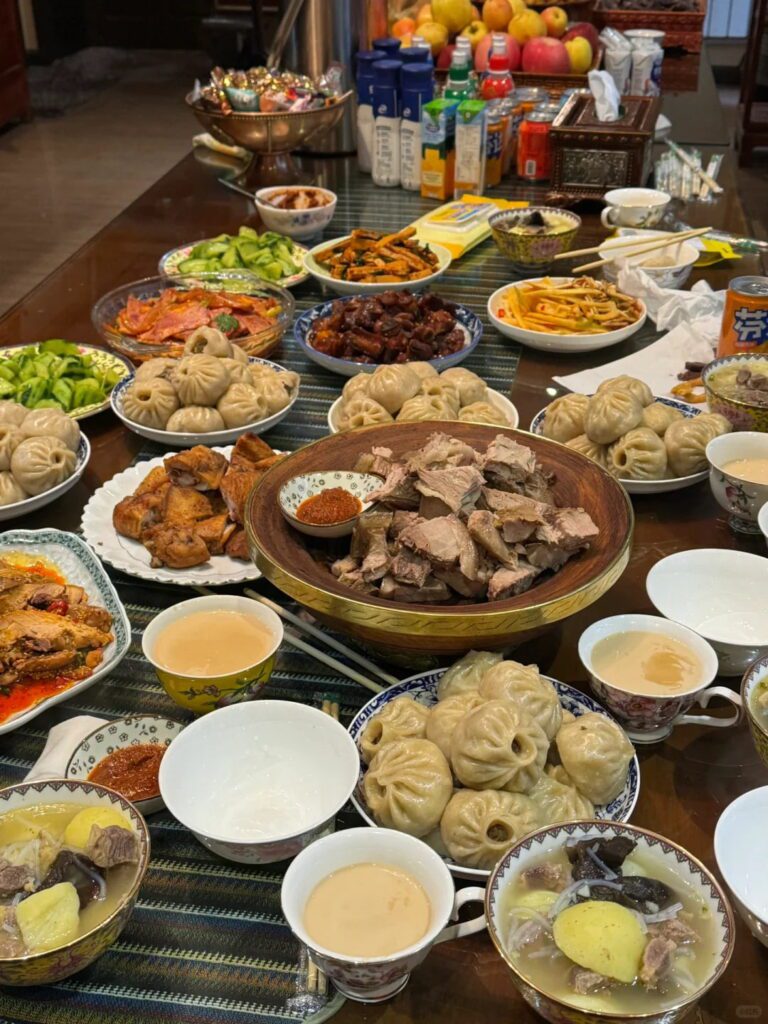
When paired with a touch of Tibetan chili sauce,the heat of the spice intertwines with the savory beef, instantly awakening layers of flavor. Many travelers frown at the first bite, only to become hooked moments later. It is a wild flavor born of the land— rugged, sincere, and impossible to imitate.
6. Khapse and Tsampa — Everyday Staples on the Tibetan Table
In addition to the symbolic festival dishes mentioned above,Khapse and Tsampa are also essential foods during Losar..
Khapseis an auspicious snack used for welcoming guests and making ritual offerings. Before the New Year arrives, families prepare them in advance and stack them neatly on household altars. With their golden color and rich aroma, Khapse is not only food,but also a festive decoration symbolizing abundance and good fortune.
Tsampa,on the other hand, is the staple food of daily Tibetan life. Made by mixing roasted barley flour with butter tea or water, it is kneaded by hand and eaten directly. Though simple in appearance, it provides the most direct and reliable source of energy on the plateau.
7. The Tibetan Philosophy of Taste
At its core, Tibetan cuisine reflects a wisdom of living in harmony with nature.
Barley, butter, and air-dried meat—on a land of limited resources,
Tibetans transform the simplest ingredients
into flavors rich with life and meaning.
Every bite of food, every cup of drink,is more than nourishment. It is a quiet prayer, and a form of daily practice.
8. A Sip of Barley Wine, A Year of Blessings
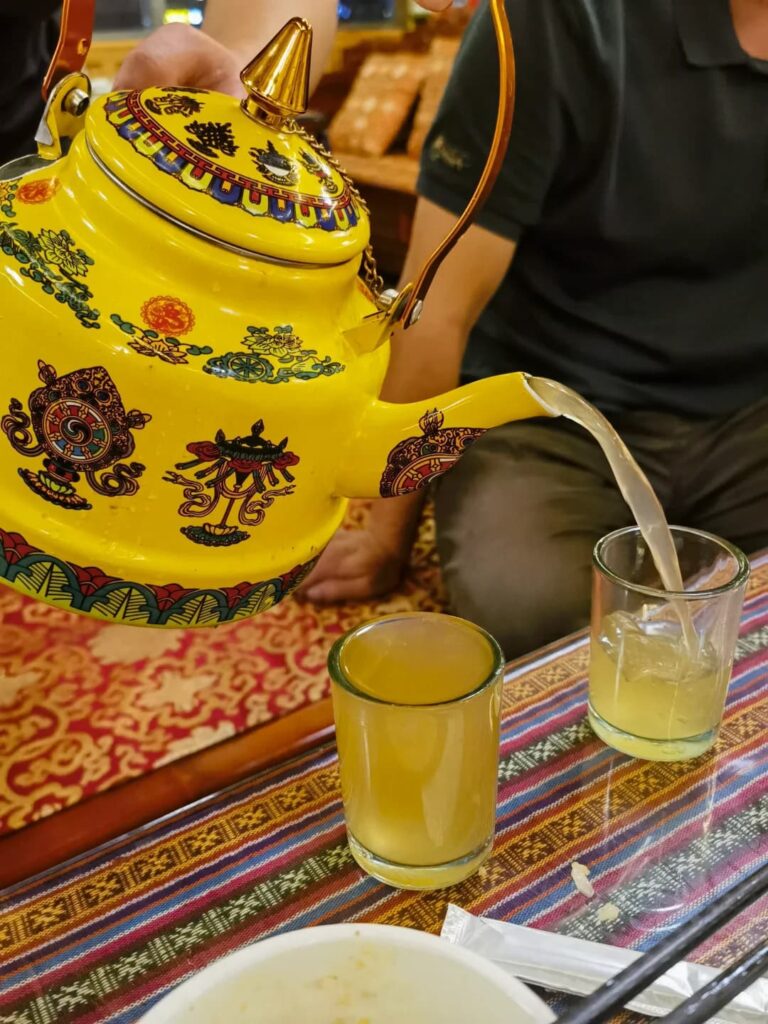
When the festive fireworks fade, the aroma of pastries softens, and the bottles of barley wine run empty, the warmth of the season still lingers in the winds of the plateau.
Tibetans believe that the meaning of the New Year
lies not in the passage of time, but in a change of heart and mindset.
When people raise their cups, smile, and share a meal together, that moment is where happiness quietly begins.
The fragrance of barley, the gentle sweetness of ginseng fruit, the savory resilience of beef— these flavors are Tibetans’ timeless interpretation of life, and the most tender blessings of the snow-covered highlands.
9. Taste and Faith — The Beginning and Continuation of the Tibetan New Year
The Tibetan New Year is not merely a festival,
but a ritual— a dialogue between people and the heavens.
From the laughter shared over Guthuk soup
to the blessings carried in barley wine,
these foods weave together memories of time
and bind human life with spiritual belief.
As butter lamps flicker softly by the window,
and hands come together with a whispered “Tashi Delek,”
the words become more than a greeting—
they are a gesture of reverence toward life itself.
On the snow-covered plateau,food has long transcended the need for sustenance.
It is a vessel of culture, a symbol of faith,
and the most humble form of poetry in the Tibetan heart.
Every bowl of soup,every bite of food, reminds us that—
no matter how the world may change,
as long as gratitude remains,
and loved ones can still gather by the hearth,
life will continue
to be warm and full of light.
Tibetans do not say “Happy New Year.”
Instead, they say — “Losar Tashi Delek!”
It means “auspicious blessings for the Tibetan New Year,”
a gentle wish carried across the snow-covered plateau.