Tibet Tours 2027
The Potala Palace, Everest Base Camp and Nyingchi's peach blossoms are what most first-time visitors come to Tibet for; those who return usually head on to Mt. Kailash and the Ngari Grand Loop. CITS China2Go runs its Tibet tours mainly as small join-in groups of 4–10 travelers, and since June 2026 every group departs with just 4–6 guests at no extra cost.
Every tour is guaranteed shopping-free, and if you'd rather set your own pace, we can arrange a fully customized private tour.
The preferred itinerary for the Year of the Horse, the guide of a small group of 6 people is more informative to, unlike the itinerary on the market, allowing you to play a more in-depth! This is the real back to Tibet trip!
????
CNY
+
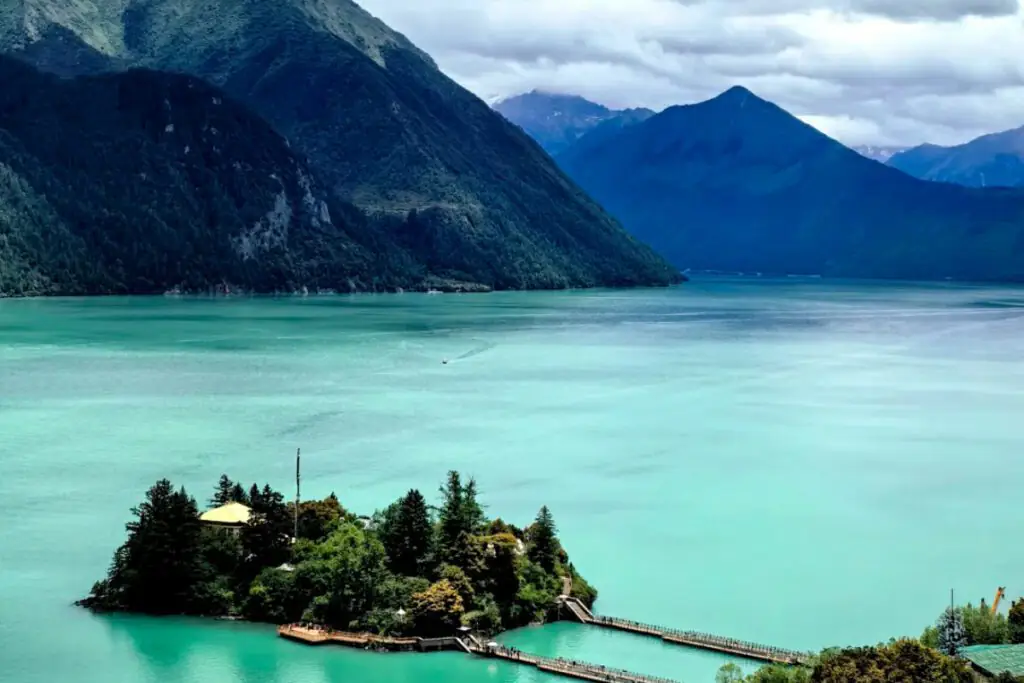
8-day Nyingchi Hilton tour, skipping Everest Base Camp, with in-room oxygen at every hotel. Low-altitude entry via Nyingchi, plus Xiuba Fort & Basong Lake.
8,580
CNY
+
Backed by CITS's 70-year heritage, CITS China2Go arranges Tibet group tours and private tours for travelers from Hong Kong, Macau and Taiwan, as well as Malaysia, Singapore, the United States, Australia and Canada.
Our join-in tours are small groups of 4–10 travelers; today every group departs with just 4–6 guests, accompanied throughout by a professional guide. Routes include:
- Classic highlights: Lhasa's Potala Palace, Jokhang Temple and Yamdrok Lake, on 6-day and 8-day tours.
- Everest & Nyingchi: reach Everest Base Camp, or enter Tibet via lower-altitude Nyingchi to reduce the risk of altitude sickness.
- Seasonal tours: the 2027 Nyingchi Peach Blossom Festival in spring, the Shoton Festival in summer, and the Butter Lamp Festival and blue ice caves in winter.
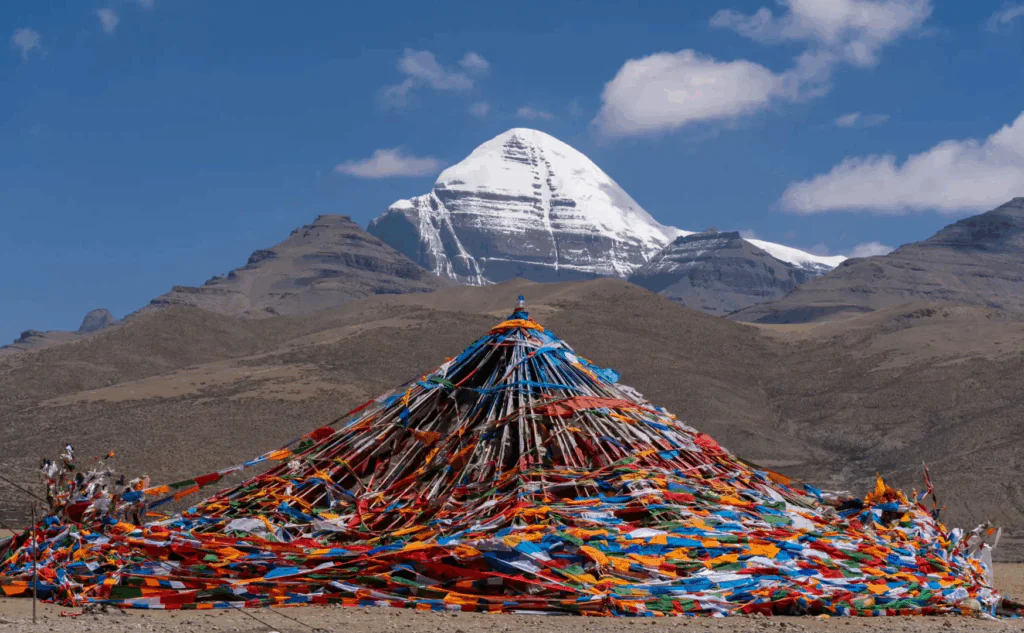
- Pilgrimage route: the 15-day Ngari Grand Loop (Northern + Central routes), with the Mt. Kailash kora, the Guge Kingdom ruins and the three holy lakes, plus a visit to Wenbu Nanchun village on the shores of Dangra Yumco. Now open for booking.
Every tour is guaranteed shopping-free, with a CNY 5,000 penalty if we break that promise. We travel in new-model touring vehicles, stay in selected oxygen-supplied hotels (such as Hilton) in Lhasa, Nyingchi and Shigatse, and our guides are experienced in high-altitude first aid.
Whether you're traveling solo and want to join a group, or prefer a private tour with family and friends, we can arrange it.
Tibet Travel FAQ: Quick Answers for 2027
A: The best months are April–June and September–October, with stable weather and clear views of Everest and the sacred lakes. For peach blossoms, Nyingchi's flower season runs from late March to early April. July–August is the rainy season, but Lhasa and Shigatse are less affected, and you may catch the Shoton Festival's giant thangka unveiling at Drepung Monastery and Tibetan opera. For the Mount Kailash kora in Ngari, go in May–September, as mountain passes are often snowbound at other times. November to February has the fewest crowds and the best prices, with thousands of butter lamps during the Butter Lamp Festival and blue ice caves to explore.
A: Our boutique small-group tours start from about CNY 6,980 for 6 days and CNY 8,280 for 8–11 days, and the Ngari Grand Loop (14–15 days) starts from about CNY 25,800. Prices vary by season, and international flights are extra. These CITS China2Go prices include hotels, transport, guide, entrance tickets and Tibet permits. All tours have no shopping stops, so you won't be taken to shops outside the tour price. Contact our consultants for an exact quote.
A: We recommend 6–8 days for a first visit. Six days covers Lhasa's Potala Palace, Jokhang Temple, Barkhor Street and Yamdrok Lake, ideal if you have limited time. Eight days adds Shigatse and Everest Base Camp, the most complete highlights route for first-timers. With more time, choose a spring peach-blossom tour that enters via lower-altitude Nyingchi, or the 8-day Blue Ice Cave tour in winter.
A: Yes. Solo travelers can join a CITS China2Go Tibet group tour and travel with other guests in a small group. Our group tours are boutique groups of 4–10, and since June 2026 every group departs with just 4–6 travelers at the same price. If you'd rather travel with just family or friends, private tours are available for groups of 2 or more, fully customized.
A: Travelers with a Taiwan Compatriot Permit or a foreign passport (e.g. from Taiwan, Malaysia or Singapore) must have a Tibet Travel Permit (TTP). Restricted areas such as Everest and Ngari also need a border permit, and Ngari requires extra permits that take longer to approve. The TTP can only be obtained through a licensed travel agency, not by individuals. Travelers from Hong Kong and Macau don't need a TTP but still need a border permit for Everest, Ngari and other border areas. CITS China2Go handles all of these for you. For most tours, please send your documents 30–45 days before departure, and earlier for Ngari.
A: Most visitors feel mild symptoms such as headaches, shortness of breath and poor sleep, which usually ease after a day or two of rest. Lhasa sits at about 3,650 m, so rest for the first 24 hours, drink plenty of warm water and avoid strenuous activity; some people also take rhodiola in advance. Several CITS China2Go tours enter Tibet via Nyingchi (about 3,000 m), letting you acclimatize at lower altitude before heading to Lhasa, and we use oxygen-supplied hotels in Lhasa, Nyingchi and Shigatse. Ngari averages over 4,500 m, the highest route in Tibet, so we recommend it for travelers who have been to Tibet before or are in good physical condition.
A: Travelers with a Taiwan Compatriot Permit or foreign passport cannot travel independently in Tibet. You must apply for a TTP through a licensed agency and be accompanied by a licensed guide throughout, whether you're from Taiwan, Malaysia or Singapore. Travelers from Hong Kong and Macau don't need a TTP but still need a border permit for Everest and Ngari, so a tour is still the easiest option. Since a tour is required, a small group is far more relaxed than a big one: CITS China2Go groups now depart with 4–6 travelers, with more flexibility and no rushing for photos or rest.
A: The Butter Lamp Festival falls on the 25th day of the 10th Tibetan month, usually between November and December, marking the passing of Je Tsongkhapa, founder of the Gelug school. That night, monasteries and homes light butter lamps, and the Jokhang Temple and Barkhor Street glow with light. Our 9-day Butter Lamp Festival tour starts at Kumbum Monastery in Xining, Tsongkhapa's birthplace, takes you to Ganden Monastery, which he founded, for the lamp offering on the festival day, then visits historic monasteries in Shigatse and Shannan, a pilgrimage route that tells the whole story. Winter means fewer visitors, and you'll stay in Hilton-level oxygen-supplied hotels, ideal for anyone wanting to see a Tibetan festival for the first time. The date changes each year with the Tibetan calendar, so ask our consultants for departure dates.
A: The Ngari Grand Loop is best for travelers who have been to Tibet and want to go deeper. Known as "the roof of the roof of the world," Ngari takes you to sacred Mount Kailash, holy Lake Manasarovar and the ruins of the Guge Kingdom in the Zanda Earth Forest. Drives are long, the altitude is high and lodging is much simpler than in Lhasa. The full Kailash kora is about 52 km and crosses the 5,600 m+ Drolma La Pass; our itinerary includes a highlights kora of about 24 km, which is far less demanding, and guests who prefer not to trek can wait at the foot of the mountain and still see it. Choose between the 14-day Kailash Kora tour and the 15-day Ngari Grand Loop via the northern and central routes, staying at Wenbu South Village on the shore of Dangra Yumco.
A: When choosing a Tibet group tour, check three things: a written no-shopping guarantee with compensation, oxygen-supplied hotels, and guides with high-altitude first-aid experience. CITS China2Go guarantees no shopping stops, with RMB 5,000 compensation if we break this promise. We use Hilton-level oxygen-supplied hotels in Lhasa, Nyingchi and Shigatse, and our guides and drivers are our own team, never outsourced, backed by CITS's 70-year reputation.
Quick Answers – 2027 Tibet Tours FAQ
A: We most recommend April–June and September–October, when the weather is stable and visibility is great for Everest and the holy lakes. For peach blossoms, late March to early April is the Nyingchi flower season. July–August is the rainy season, but Lhasa and Shigatse are less affected, and you can catch the Shoton Festival with the giant Buddha unveiling at Drepung Monastery and Tibetan opera. For the Kailash kora in Ngari, aim for May–September, as passes are often snowbound in other months. November to February has the fewest crowds and the best prices, with thousands of butter lamps at the Butter Lamp Festival and blue ice caves inside the glaciers.
A: Our small-group Tibet tours start from about CNY 6,980 for 6 days and CNY 8,280 for 8–11 days, and the 14–15-day Ngari Grand Loop starts from about CNY 24,900. Prices vary by season, and international flights are extra. CITS China2Go tour prices include hotels, transport, guide, entrance tickets and Tibet permits. All tours are no-shopping, so you'll never be taken to shopping stops outside the tour price. Please contact our consultant for an exact quote.
A: For a first trip, we recommend 6–8 days. 6 days covers the Potala Palace, Jokhang Temple, Barkhor Street and Yamdrok Lake, ideal if your holiday is short. 8 days adds Shigatse and Everest Base Camp, the most complete highlights route for first-timers. With more time, choose the spring Peach Blossom tour entering Tibet via low-altitude Nyingchi, or the 8-day Blue Ice Cave tour in winter.
A: Yes, solo travelers can sign up for a CITS China2Go Tibet group tour and travel together with other guests in a small group. Our group tours are mainly small groups of 4–10, and from June 2026 every group is upgraded to 4–6 people per departure at the same price. If you'd rather travel with family or friends only, we can also arrange a fully customized private tour.
A: Travelers with a Taiwan Compatriot Permit or foreign passport (e.g. from Taiwan, Malaysia or Singapore) must obtain a Tibet Travel Permit (TTP). Restricted areas such as Everest and Ngari also require a border permit; Ngari needs more permits with longer processing times. The TTP can only be applied for through a licensed travel agency, not by individuals. Hong Kong and Macau travelers don't need a TTP, but still need a border permit for Everest, Ngari and other border areas. CITS China2Go handles all these documents for you. For most tours, please submit your documents 30–45 days before departure, and earlier for Ngari tours.
A: Most people experience mild altitude sickness in Tibet, usually headaches, shortness of breath and poor sleep, and adjust within a day or two of rest. Lhasa is at about 3,650m. In the first 24 hours, rest well, drink warm water and avoid strenuous activity; some people also take Rhodiola in advance. Several CITS China2Go tours enter Tibet via Nyingchi (about 3,000m) to acclimatize at lower altitude before heading to Lhasa. If you're worried about altitude sickness, we recommend the 8-day Nyingchi low-altitude tour. Hotels in Lhasa, Nyingchi and Shigatse all have oxygen supply. Ngari averages over 4,500m, the highest route in Tibet, so we recommend it for guests with previous Tibet experience or good fitness.
A: Travelers with a Taiwan Compatriot Permit or foreign passport cannot travel independently in Tibet. You must apply for a TTP through a licensed travel agency and be accompanied by a licensed guide throughout, including travelers from Taiwan, Malaysia and Singapore. Hong Kong and Macau travelers don't need a TTP, but still need a border permit for Everest, Ngari and other border areas, so joining a tour is the easiest option. Since a tour is required, a small group is far more comfortable than a large one: CITS China2Go now departs with just 4–6 people per group, giving you more flexibility and no rush for photos or rest.
A: The Butter Lamp Festival falls on the 25th day of the 10th Tibetan month, usually between November and December, and commemorates the passing of Tsongkhapa, founder of the Gelug school. That night, monasteries and homes light butter lamps, and the Jokhang Temple and Barkhor Street glow with light. The CITS China2Go 9-day Butter Lamp Festival tour starts at Kumbum Monastery in Xining, Tsongkhapa's birthplace, joins the lamp offering on the day at Ganden Monastery, which he founded, and then visits monasteries of his lineage in Shigatse and Shannan, a pilgrimage with a clear story from beginning to end. Winter means fewer tourists, and you'll stay in Hilton-level hotels with oxygen supply. It's ideal for first-timers wanting to experience a Tibetan festival. Please check this year's departure date with our consultant.
A: The Ngari Grand Loop is best for travelers who have been to Tibet and want to go deeper. Known as "the roof of the roof of the world," Ngari takes you to sacred Mount Kailash, holy Lake Manasarovar and the ruins of the Guge Kingdom in the Zanda Earth Forest. Drives are long, altitudes are high, and accommodation is simpler than in Lhasa. The traditional Kailash kora is over 50km and crosses the Drolma La Pass at over 5,600m. The CITS China2Go 15-day Ngari Grand Loop uses a highlights kora of about 24km over two days, with shuttles at both ends, and guests who don't want to do the kora can wait at the foot of the mountain and still see Kailash. We offer the 14-day Ngari Kailash Kora and the 15-day Ngari Grand Loop via the North and Central Routes, with a night in Wenbu Village on the shore of Dangra Yumtso. 2027 is the Tibetan Year of the Sheep, a major year for pilgrimages to the holy lakes.
A: When choosing a Tibet group tour, check three things: a written no-shopping guarantee with compensation, hotels with oxygen supply, and guides with high-altitude first-aid experience. CITS China2Go guarantees no shopping, with CNY 5,000 compensation if we break this promise. You'll stay in Hilton-level hotels with oxygen supply in Lhasa, Nyingchi and Shigatse, and our guides and drivers are our own team, never outsourced, backed by the 70-year reputation of the CITS brand.