Decoding Tibet tour costs can be so confusing!Even for similar 8 to 10-day itineraries covering classic routes like Lhasa, Everest, and Yamdrok Lake, prices can fluctuate from ¥4,000 to over ¥20,000. If you're planning a Tibet trip,
you likely have these concerns: 👉 Do I misunderstand the market? Should I avoid budget tours? Are expensive tours just better at branding?
As the local experts at CITS China National Travel Service Group - China2Go , we won't just tell you to "choose the expensive one." Instead, we want to help you deconstruct the truth behind these price gaps and analyze where the differences really lie, step by step.
💡 2026 Tibet Budget Snapshot (Based on an 8-day itinerary):
- Reasonable Budget: Premium non-shopping small groups range from ¥7,000 to ¥12,000..
- Key Pitfalls: Beware of budget tours that recover costs through "overpriced oxygen and medical injections."
- Quality Indicators: Look for hotels built after 2022 and 2025 model tour vehicles. .. ..
- 全含预算: Including major transportation (flights/trains), we recommend a total budget of f ¥18,000 to ¥25,000..
Tibet travel is no longer a mystery. Why are some tour fees so low? What defines a "reasonable" cost? Let's start by breaking down the basic components of Tibet tour fees.
A Comprehensive Guide to Low, Mid, and High-Budget Tours: Identifying Reasonable Tibet Travel Costsexpense or outlay
「How much does a Tibet tour cost?」
This is usually the very first question for anyone planning their first trip to Tibet.
. However, you will quickly notice a massive discrepancy in prices.Some tours are listed for a few thousand yuan,
while others reach twenty or thirty thousand,
, even though the itineraries look almost identical, covering classic spots like Lhasa, Everest, and Yamdrok Lake.
The question then arises—is the difference in Tibet tour fees really just about the price?
Tibet travel is no longer a mystery. CITS China National Travel Service Group - China2Go is here to help you understand the truth behind the costs.
- How Tibet tour fees are structured.
- Where budget Tibet tours usually cut costs.
- How to ensure high-end Tibet tour fees are not overpriced.
- Why are travelers from Taiwan, Hong Kong, Macau, and foreign countries (including ethnic Chinese from Singapore, Malaysia, the USA, Australia, etc.) not suited for "Domestic-Only" (Mainland Chinese) joined groups?
- How to determine if a Tibet tour fee is truly "reasonable."
1. What are the Basic Components of Tibet Tour Fees?
Before discussing whether a price is high or low,, it is essential to understand that Tibet tour fees are not arbitrarily set.
A complete, legal, and professionally operated Tibet tour reflects a commitment to quality and safety. An all-inclusive quote from CITS China National Travel Service Group - China2Go typically includes the following core costs:
- Transportation Costs: Tour buses, drivers, fuel, and specialized insurance for high-altitude driving risks.
- Accommodation Costs: Priority is given to premium hotels designed for altitude acclimatization (e.g., properties built after 2022).
- Guides & Operations Staff:
- Itinerary Design & Risk Management: Includes emergency oxygen supplies and 24/7 logistical support.
- Administration & Permit Processing: Essential Tibet Travel Permit processing for travelers from Taiwan, SE Asia (Singapore/Malaysia), and global Chinese.
- Main Transportation: Major travel expenses for flights or the Qinghai-Tibet Railway to reach Tibet.
- .
As long as any one of these items is "minimized", the tour price will naturally become cheaper.
But the price is often borne by the travelers themselves.
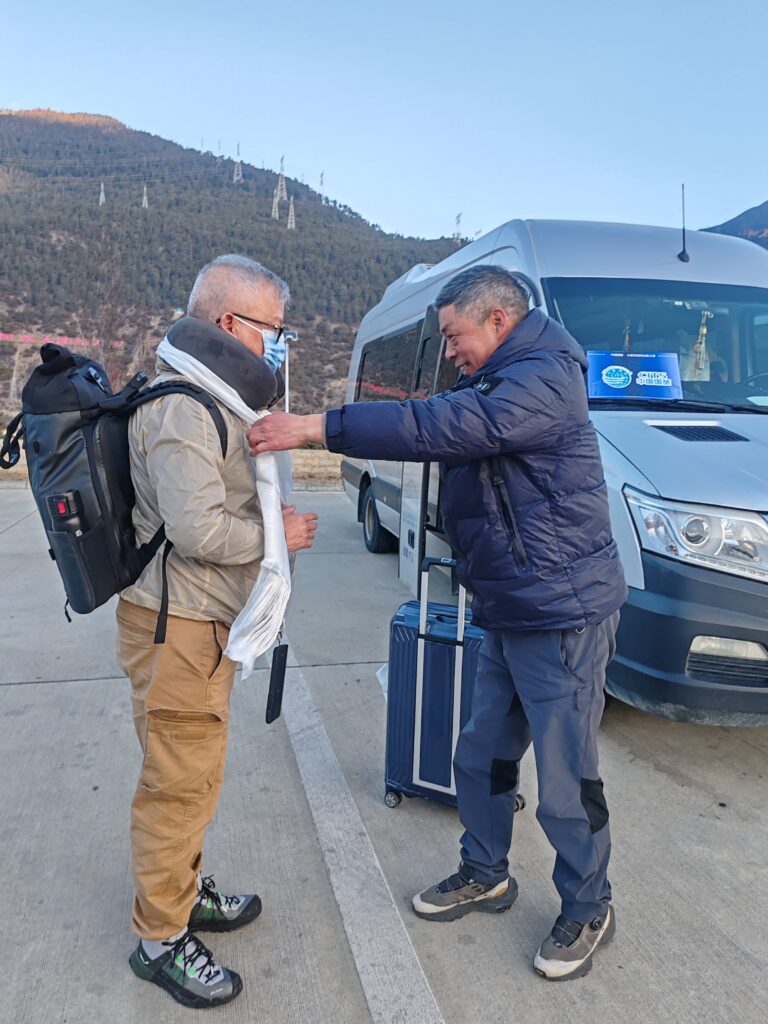
2. Are Budget Tibet Tour Fees Really Worth It?
Many people searching for "Tibet tour costs" are looking for the cheapest option.However, when traveling in mainland China—especially in the Tibet
region—one must be extremely cautious about "low prices." Most budget tours are not "non-profit"; instead, they shift their revenue sources to hidden costs not listed on the itinerary.
1. Shopping stops are the most common way for budget Tibet tours to recover costs.
Most budget Tibet tour fees are not "non-profit";instead, they shift revenue sources to hidden.
常见的实际操作包括:
- Not explicitly listed on the itinerary, but actually arranging numerous visits to shopping stores
(Dzi beads, Thangka, silverware, Tibetan medicine, high-priced oxygen, etc.) - Entering shops under the guise of "cultural visits"
(Dzi beads, Thangka, silverware, Tibetan medicine, high-priced oxygen, etc.) - Time spent at shops far exceeds that of actual attractions, often including many "remote and fake packaged attractions."
Combining these with explanations, pulse readings, or fortune-telling
to ensure your time and tour fees are spent on "shopping behaviors."
❗ Doctor Checkups ≠ Legitimate Medical Care
Many budget tours advertise "doctor checkups," but the reality is often quite different:
- The "doctor" checks your blood oxygen and immediately recommends an injection,
- costing about ¥500 to ¥800 per shot.
- This practice is actually irregular or even illegal according to standard tourism and medical regulations.
Of course, there are "legitimate" tours that include medical staff—but they are never budget tours!!! Don't spend money on injections from unknown sources...
A truly reasonable Tibet itinerary
,应该是通过行程节奏与高度安排来降低风险,并且会协助安排合法的就医诊所~
It shouldn't rely on "post-arrival medical sales" to fix problems while charging extra fees. (Do you really know what is being injected into your body?)
Professional guides are trained in high-altitude safety and always carry first-aid kits and pulse oximeters!
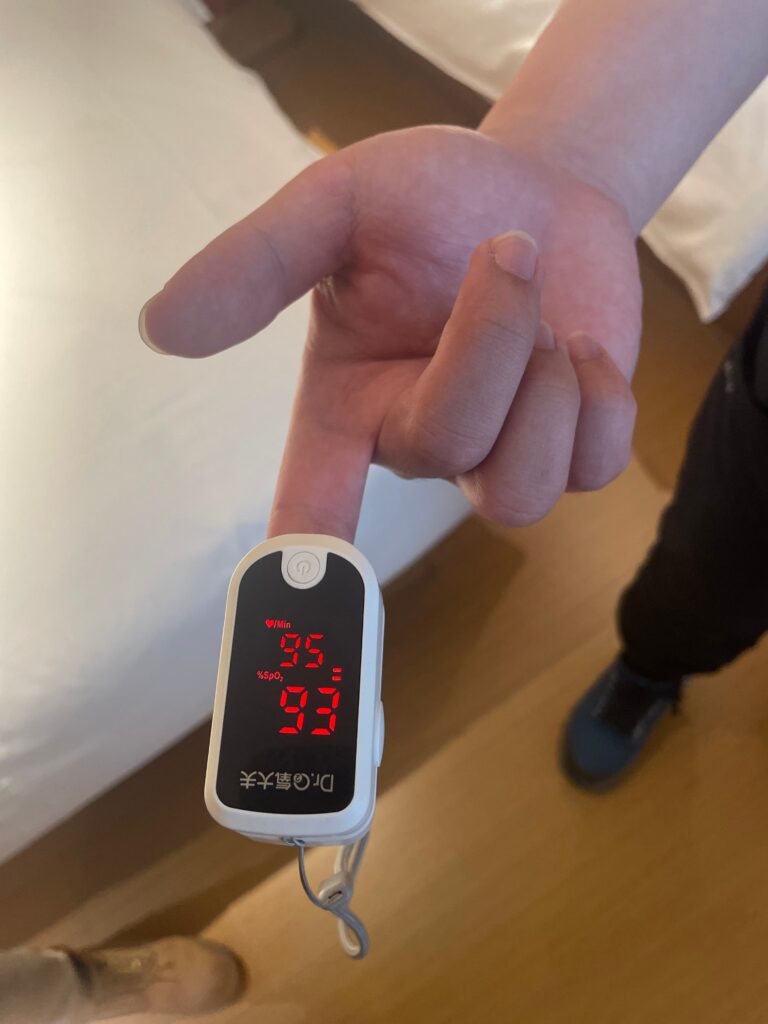
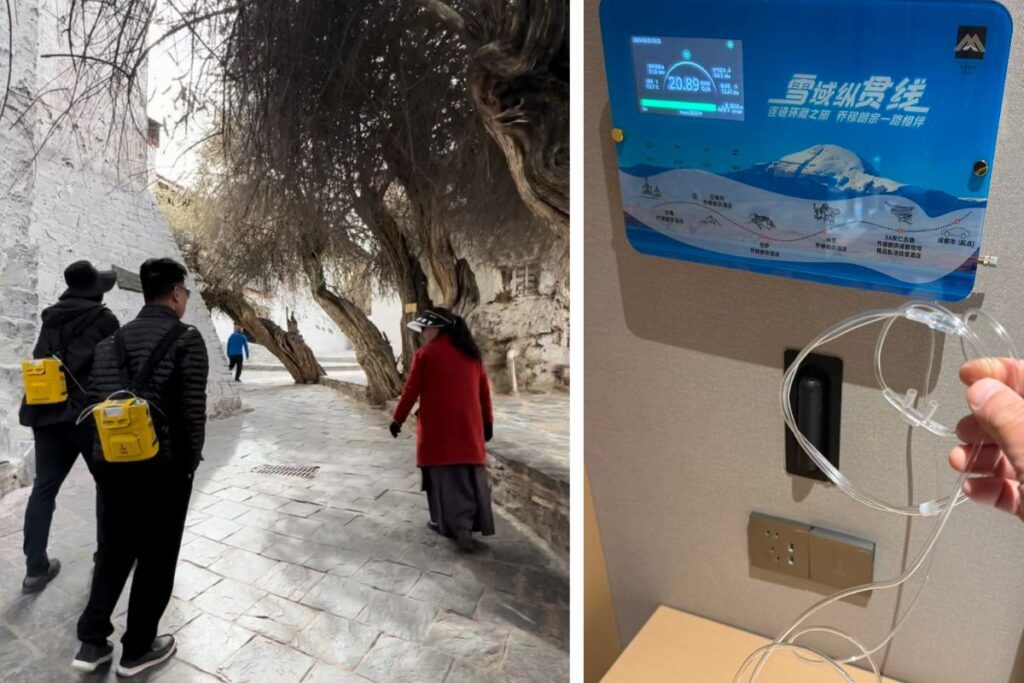
❗ Oxygen is not expensive; it is "overpriced" by design.
- They bypass affordable or even shared oxygen options (roughly ¥100 per day).
- Instead, they lead you to buy oxygen canisters for ¥500–¥700 each,
- often hinting that "one is not enough" to make you buy multiple.
The total cost of these extras often farexceeds the initial savings on your tour fee.
Not to mention the psychological toll—being manipulated, emotionally blackmailed into shopping, or subjected to unsolicited sales pitches ruins your travel mood and wastes your precious time.
2. Joining "Domestic Groups" is a key reason for low-cost Tibet tour fees
Another factor that keeps Tibet tour fees extremely low is:: joining domestic-only (Mainland Chinese) groups.
The core logic of domestic groups is:
- High volume to drive down prices
- 行程密集,没必要的景点一堆堆
- An extremely fast pace—sometimes even bathroom breaks are rushed
- An emphasis on "covering many spots" - military-style sightseeing
- Group meals focused on filling stomachs rather than quality
While this model successfully lowers individual costs,
it is unsuitable for travelers from Taiwan, Hong Kong, Macau, Malaysia, or Singapore...
Tibet is a rare journey, and you may never have the chance to return. You don't necessarily need a luxury experience... but at the very least, ""sightseeing should be fulfilling, and meals should be enjoyable."
3. Vehicles and Accommodation: Ambiguous details on the itinerary
Common practices in budget tour operations also include:
- Vehicles:: Using older models with poor comfort levels
Average vehicle condition leading to high fatigue during long drives.... - Accommodation:Only listed as"Budget, Comfort, 3-star, 4-star, 5-star, etc.,"without specifying the exact hotel name.
But... the actual hotels are outdated and old!!!!
As long as the rating matches the label, travelers find it hard to complain successfully—even if the stay is poor—because the itinerary wasn't technically wrong.
Remember, the specific vehicle and hotel used must be clearly labeled! Who would want to stay in a dilapidated hotel on the plateau where the oxygen supply keeps failing?
3. Why travelers from Taiwan, HK/Macau, and international guests are not suited for the pace of domestic groups?
This is the most critical yet least discussed point regarding the difference in Tibet tour fees.This is the most crucial point but the one that has been made the least clear.
❌ ❌ Common issues with domestic groups:
- Daily driving times are excessively long
- 几乎没有高原适应缓冲
- Forced to keep up with the group even if feeling unwell
- Groups are too large to provide individual care
For many domestic travelers, this is a "familiar way to travel," but for international guests, this pace turns the trip into an "endurance test."
Lifestyles also differ; habits like using serving chopsticks and general communication styles are distinct. It's not about which is better, but since you are on the plateau, wouldn't you want an itinerary that suits you better?
4. Does the price include entrance tickets? Are they refundable? You must clarify this!
When comparing Tibet tour fees,
ticket issues are often overlooked but are the most common source of additional costs.
You must confirm:
- 团费是否已包含所有景点门票
- if discounts/exemptions are refunded,
- or if fees are collected locally.
Many budget tours lower their surface price by excluding tickets—remember to factor those in first!
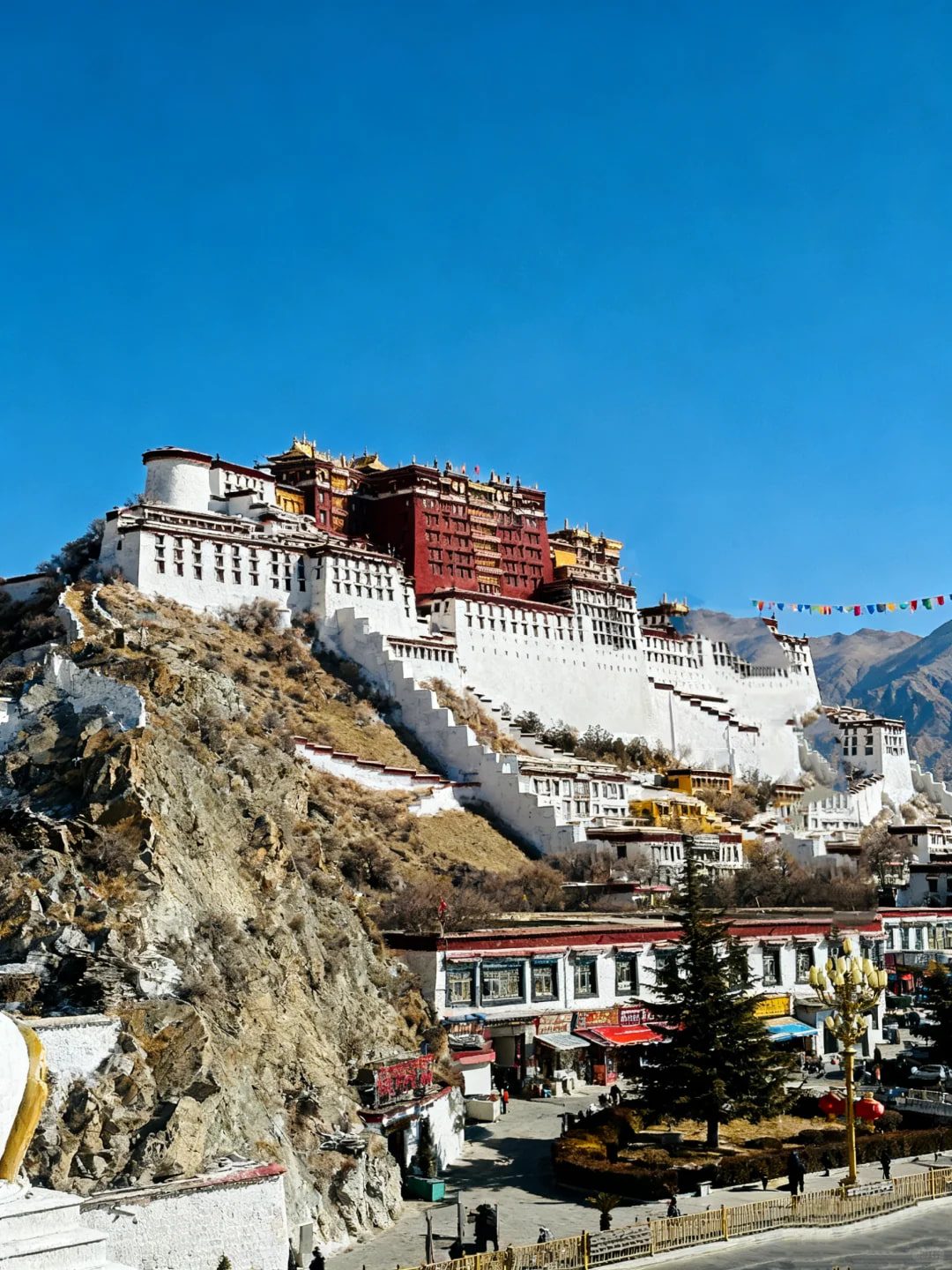
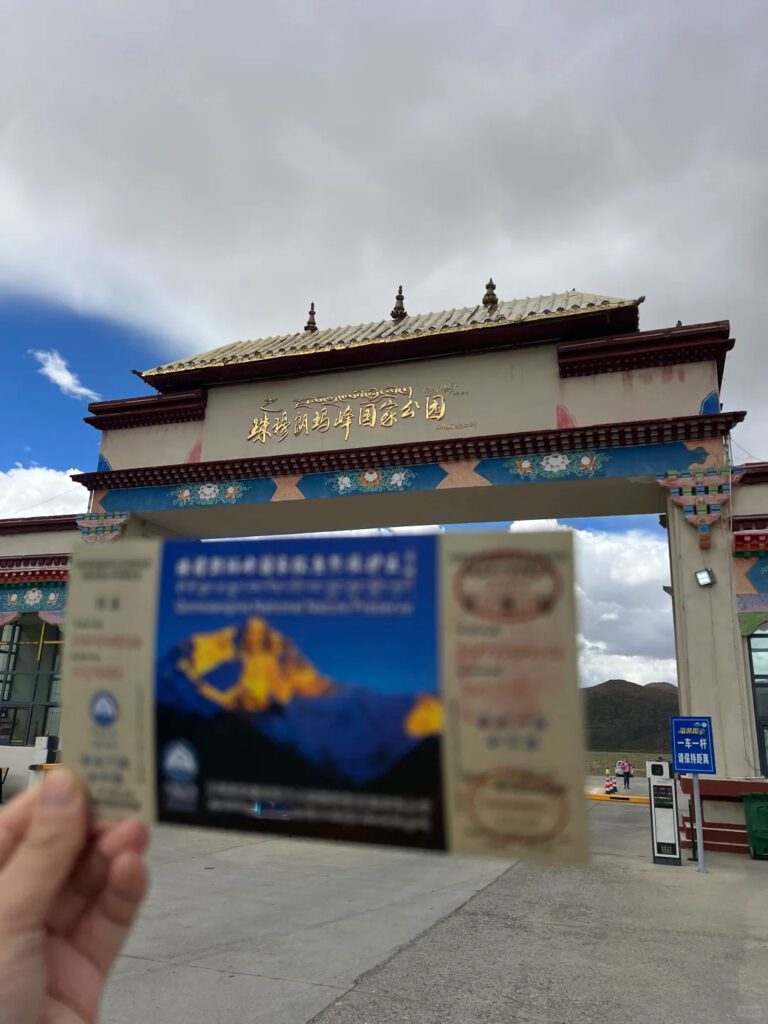
Be extremely careful!! Some agencies, failing to secure Route 1 (Line A) for Potala Palace because they didn't purchase tickets in advance, may use other routes to deceive you!!!
5. "4-Diamond / 4-Star Hotels" can have huge discrepancies in quality
In Tibet tour feesAccommodation descriptions are where the most "gray areas" in wording exist.
★ Common complaints due to unclear labeling:
1. Only listing "4-Diamond Hotel" without stating the actual hotel name
: As long as the rating is "4-Diamond," even if it’s old or remote,your complaint won't hold up because the description wasn't technically wrong.
: 2. Changing hotels due to unforeseen factors, but "downgrading" the quality
Tibet does have many uncertainties, such as hotels being requisitioned or weather issues, But in these cases, legitimate agencies should provide the "designated hotel" equivalent or an upgrade!
Imagine Agency A labels "4-Diamond Hotel," while Agency B labels "Hilton Garden Inn." Who will provide a better alternative if an issue arises?
There are 4-diamond hotels for ¥100, and others for ¥400.. Budget tours will absolutely give you the lowest possible option! Tibet is not as underdeveloped as you might imagine; some urban areas offer very high-quality stays now.
★ How to truly protect yourself:
Clearly list "Designated Hotel Name or Equivalent."
Below is an example; legitimate travel agencies will always provide clear details.
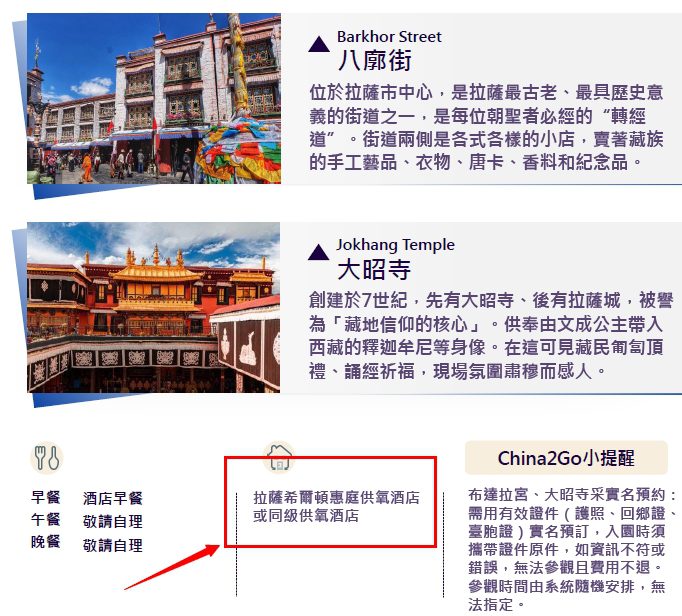
- In the event of full occupancy (sold out)
- We must arrange an alternative hotel of equivalent grade, standard, and price
- rather than making arbitrary substitutions
6. High-end Tibet tour fees: How to ensure they are not overpriced?
A truly reasonable high-end Tibet tour fee typically features the following:
- Small group travel; no joining with domestic-only groups
- No shopping stops or oxygen "traps" used to recover costs
- tinerary design follows a logical pace for altitude acclimatization
- Hotel selection prioritizes the habits and comfort of international guests
- Operations team understands the international pace—no rushing and no forced group meals
A higher price doesn't mean you're overpaying;it means the cost is invested in crucial, hidden details.
7.Why you must specifically check the "Hotel Year" and "Vehicle Year"?
In Tibet tour feeshotels and vehicles are the most easily overlooked yet critical factors affecting safety and comfort.
Remember! While this might not be necessary for major cities, it is a must for Tibet, Xinjiang, and Western Sichuan, where development is more recent.
As mentioned before, the itinerary must clearly state:
For hotels usedTRIP.comrenovation or construction date yourself on Trip.com.
Tibet has updated legal vehicle regulations in 2025, so you must specify the vehicle year or condition standards.Do not try to save money on these essential items!!!
1.Are "too old" hotels unsuitable for the plateau?
Common issues with aging hotels include:
- Aging oxygen systems with unstable output
- Poor insulation leading to significant temperature drops at night
- Poor soundproofing that affects sleep quality
On the plains, these might just be
"uncomfortable,"but on the plateau, sleep quality directly affects your physical condition the next day.
2. How to choose the right hotels for your Tibet itinerary?
Looking at Tibet's development in recent years,
there was a clear turning point in the travel
and accommodation environment around 2022,. following the pandemic.
- As tourism restarted post-pandemic,
- a large number of newly built or renovated hotels were put into operation.
- Infrastructure, supply chains, and staff training have gradually fallen into place.
Hotels completed around 2022 or those operating continuously since then have now accumulated sufficient practical hospitality experience and operational stability...
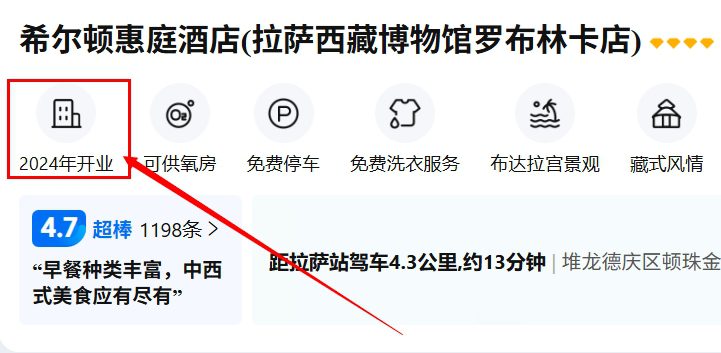
3. Group-managed hotels in Tibet offer more stability and peace of mind:
When comparing Tibet tour fees,
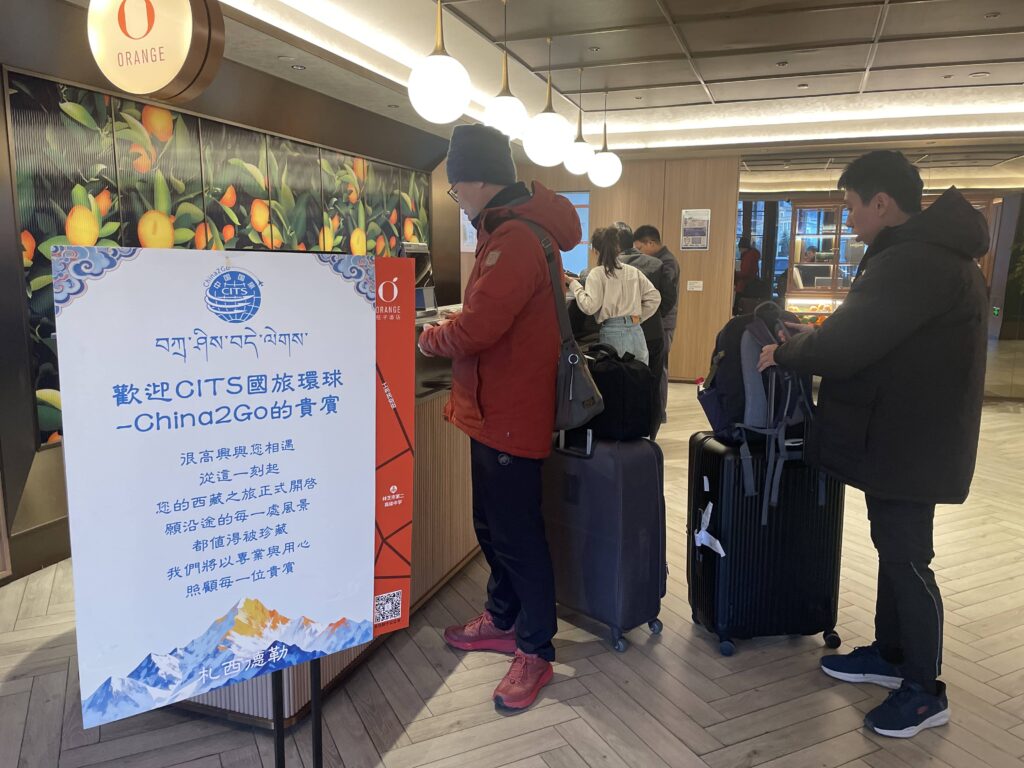
Some itineraries specifically highlight stays ingroup-managed chain hotels,.
such as Orange Hotel, Ji Hotel, or the Hilton Group. etc.
This arrangement isn't just about brand prestige;
it's because in high-altitude regions like Tibet,
centralized management and standardized
operations typically offer higher stability.
Group-managed hotels typically provide:
- consistent cleaning and service standards,
- fixed maintenance procedures for oxygen, hot water, and heating systems,
- and well-established staff training and management.
For travelers, this means more predictable accommodation quality and fewer "luck-based" lodging experiences.
4. What about accommodation in remote areas like Everest Base Camp or the Ngari Grand Loop?
In Tibet'sremote itineraries.
, the criteria for choosing accommodation differ from cities like Lhasa or Nyingchi.
The priority is not whether it is a "chain hotel,"
" but whetherit meets the actual local environmental conditions..
For example, special attention must be paid to:
- Stable oxygen supply (some low-altitude areas may not provide it)
- Whether the bathroom has a wet-dry separation to avoid nighttime cold and dampness
- Whether the overall cleanliness and hygiene standards are maintained
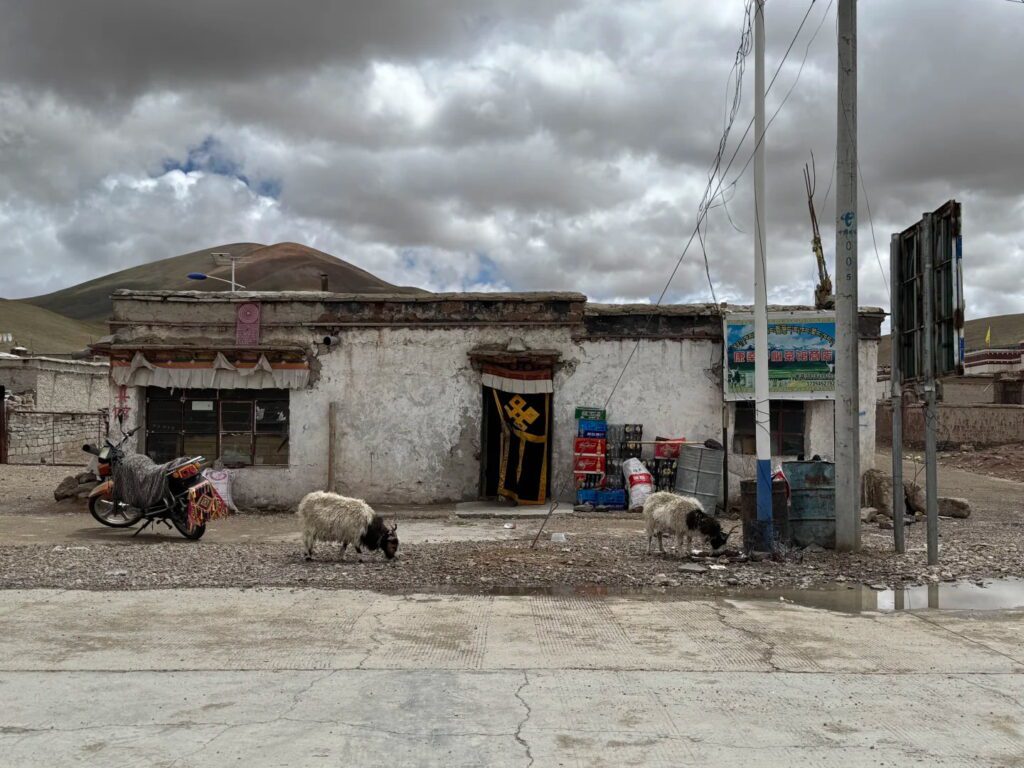
For example, Ngari Grand Loop are inherently
challenging, making the choice of accommodation even more critical.
When local conditions are already tough, choosing a hotel with insufficient facilities, poor hygiene,or inadequate heating creates a massive physical burden for travelers.
8. Checklist: Is your Tibet tour fee reasonable?
By now, you may have realized that the key to Tibet tour fees is not the price itself,f, but whether the information is transparent and the operational logic is reasonable..
Take a moment to check for yourself.
The table below will help you quickly evaluate a travel agency's practices before you sign up.
西藏旅游团费自我检查表(8 天为例)
This practicalTibet tour you're consideringa low-price high-risk option,,是低价高风险,.boutique/premium small group tour..
Tibet is a must-visit destination in a lifetime. Choose the security of CITS China2Go, , a brand with a 70-year heritage.
We insist on: No domestic group merging, no shopping stops, and no high-priced oxygen sales. Click the chat icon in the bottom right corner now to get your exclusive 2026 premium small group quote!
and connect with our travel consultants!