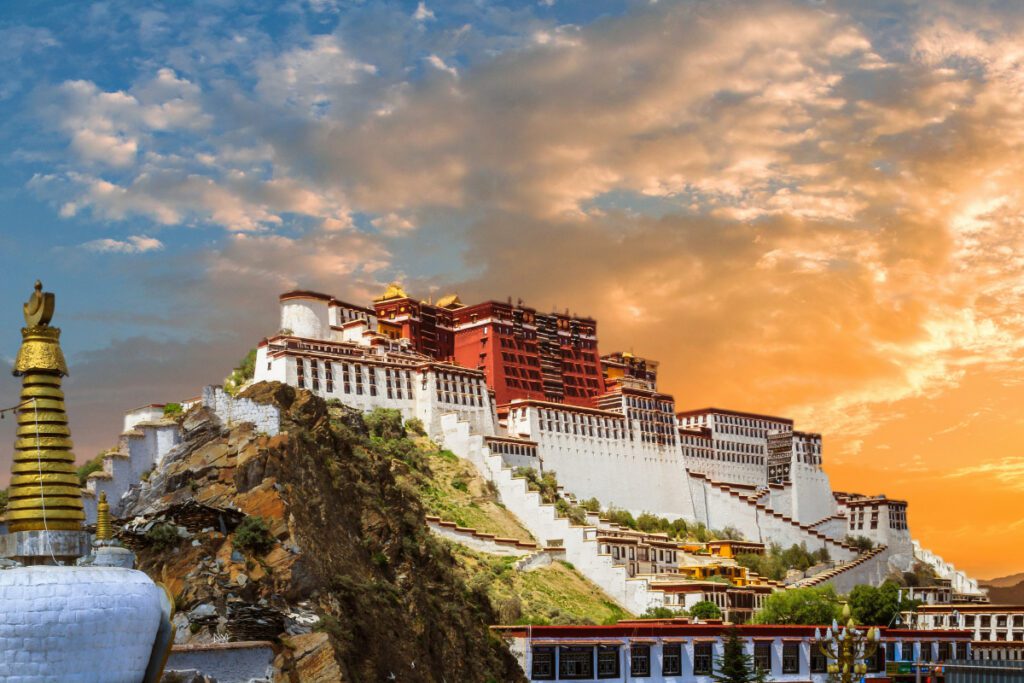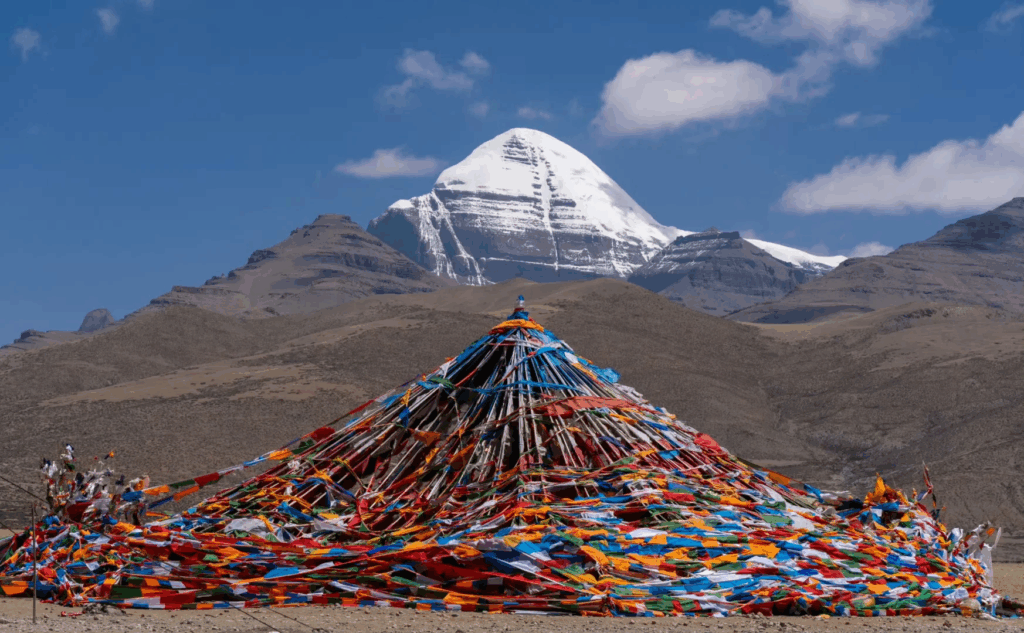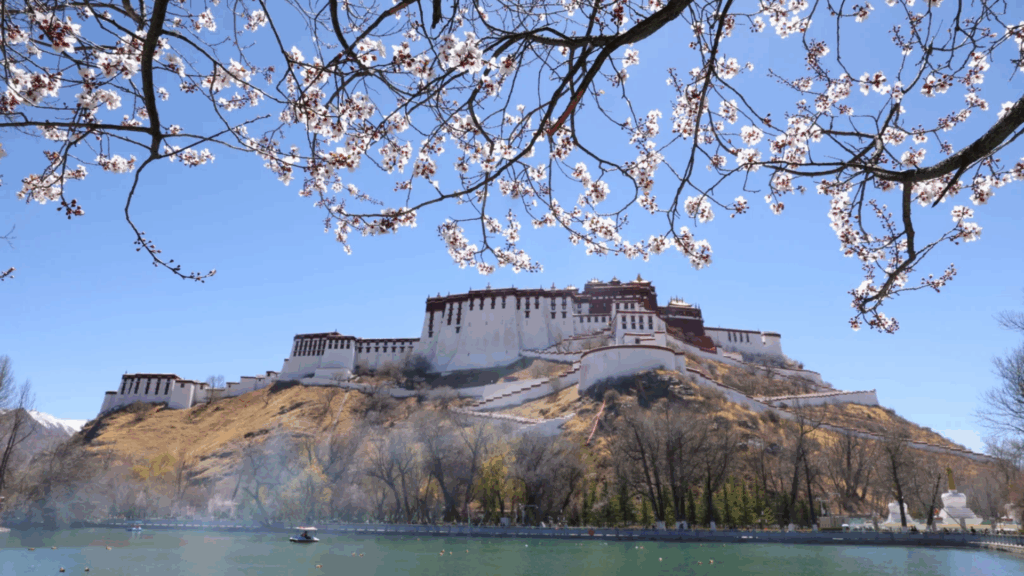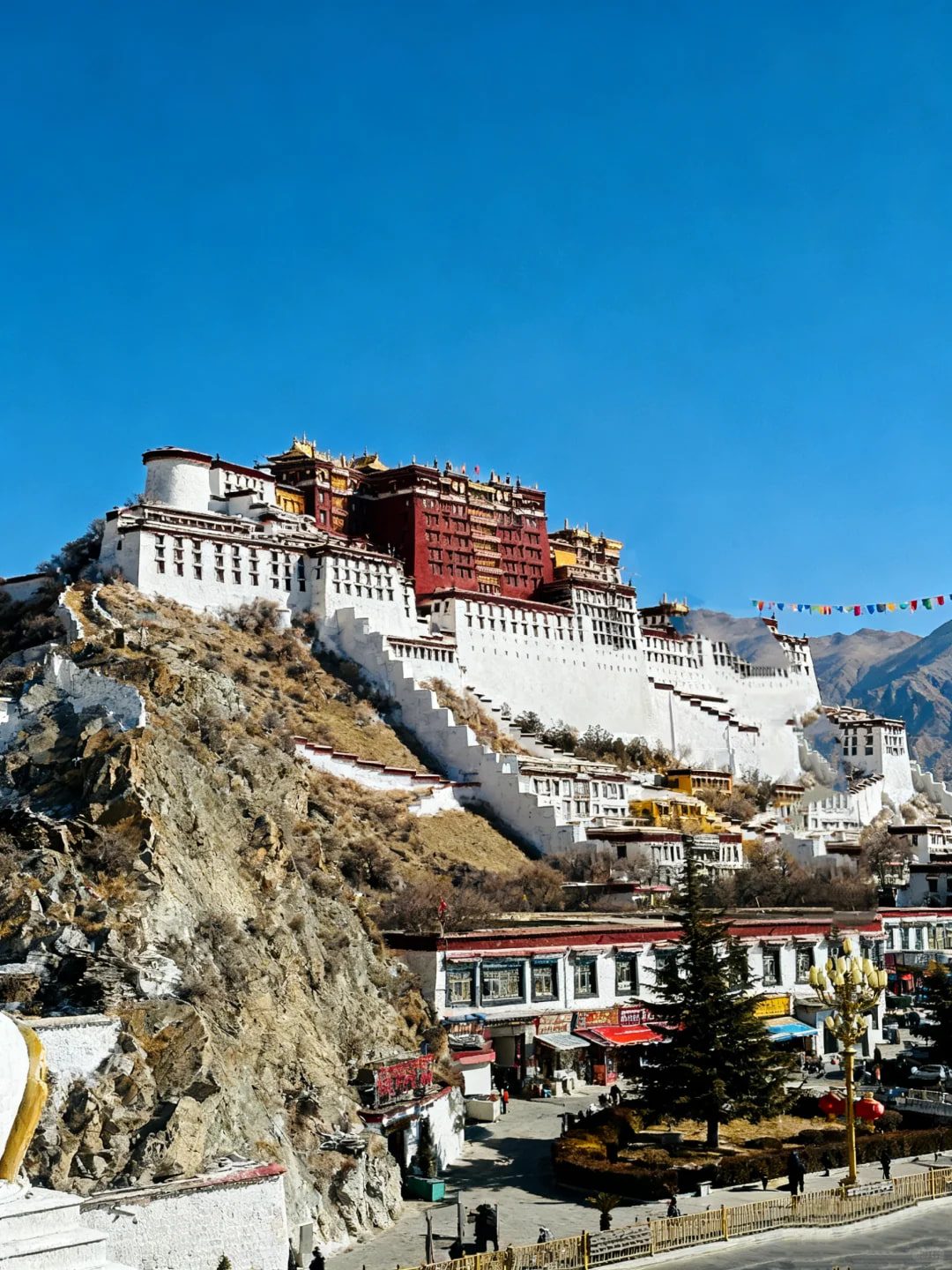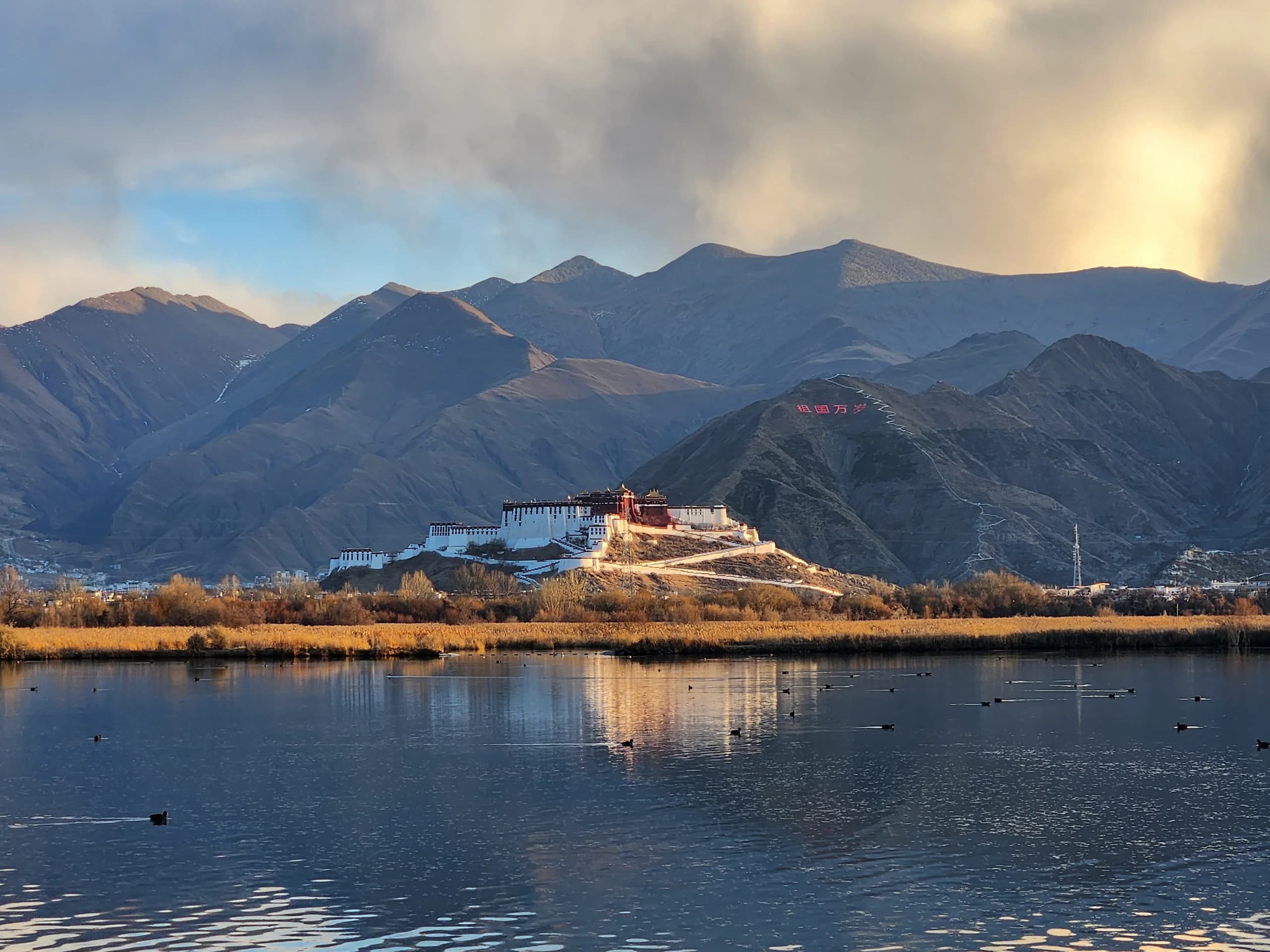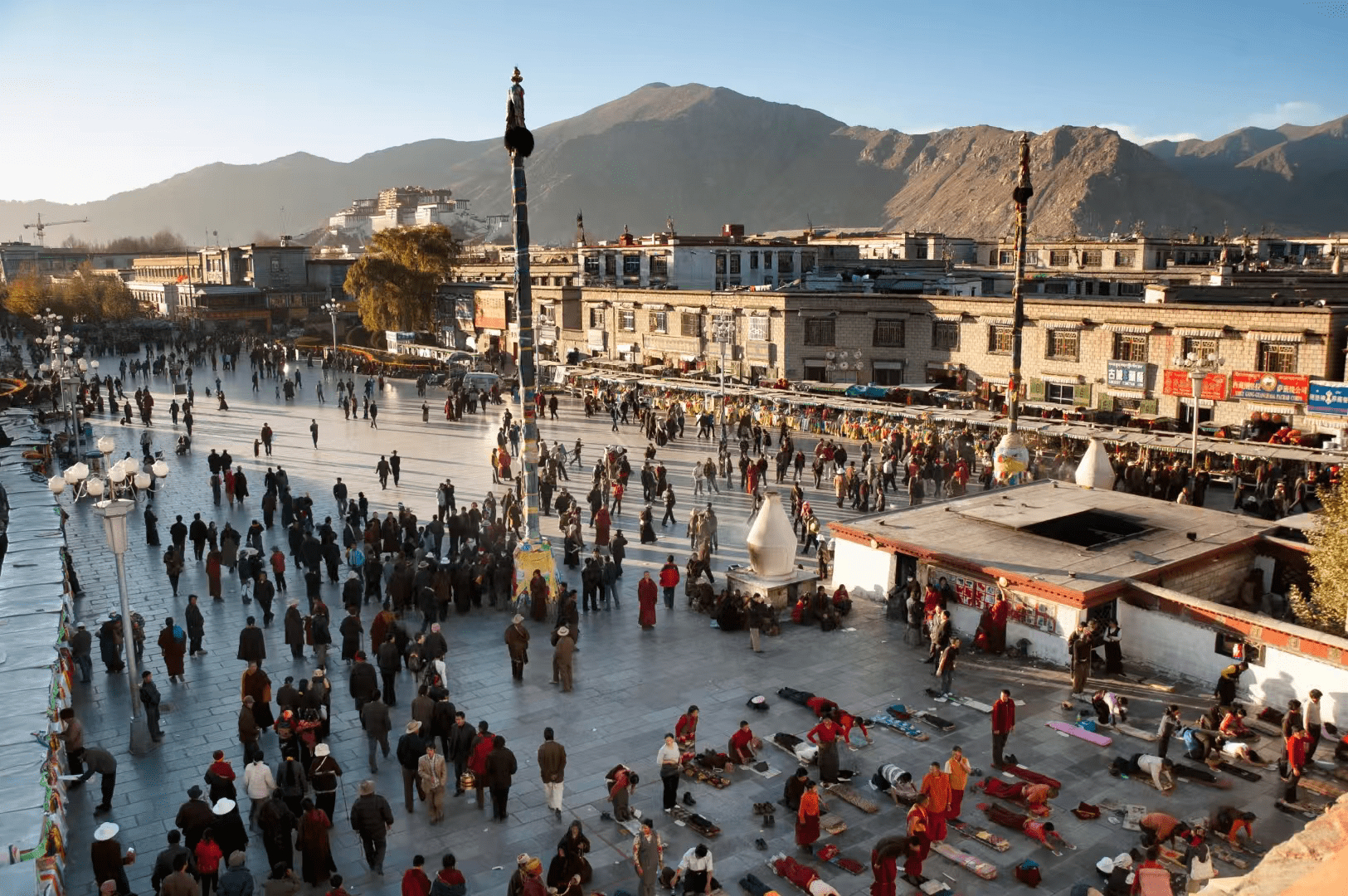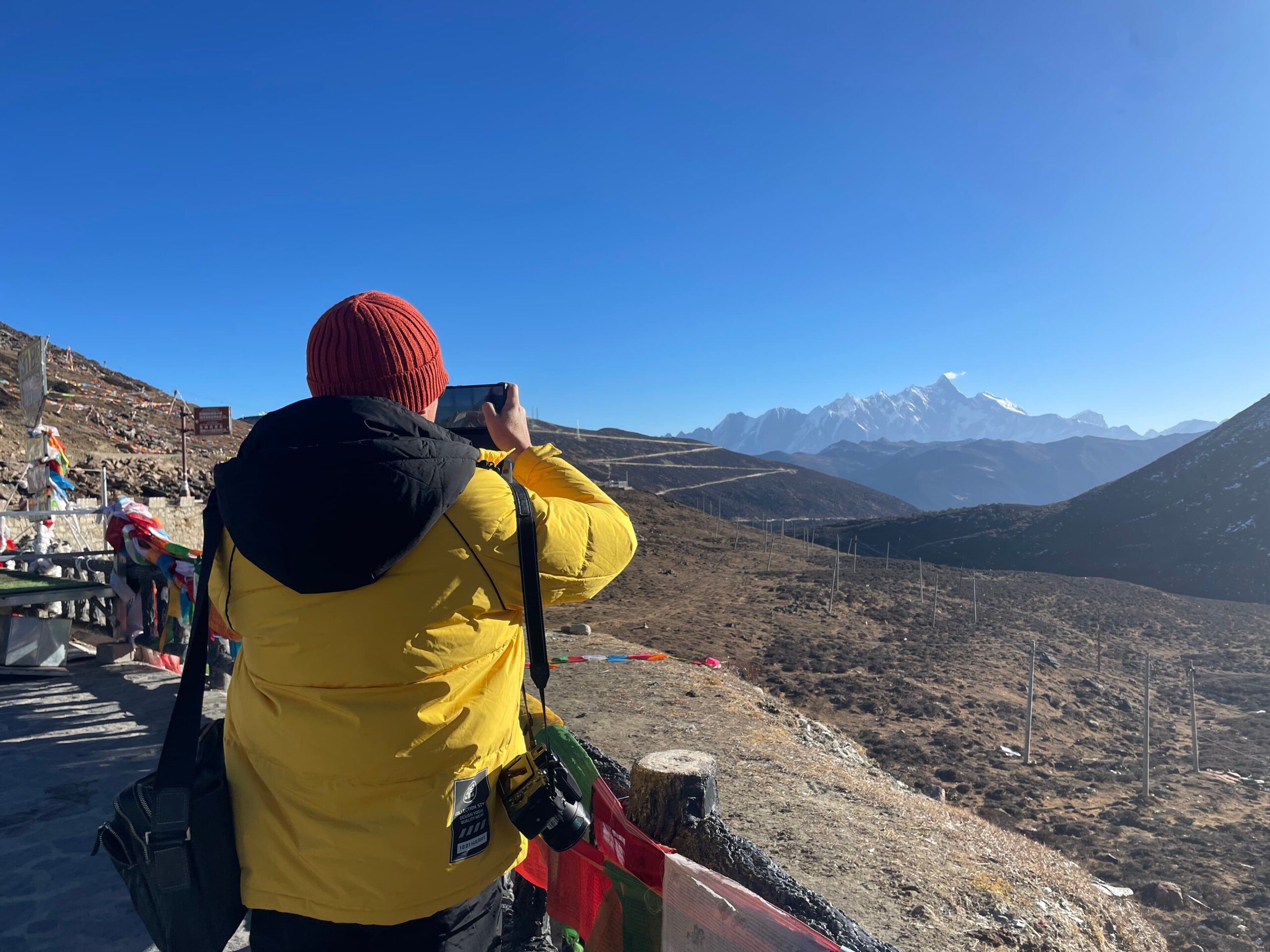
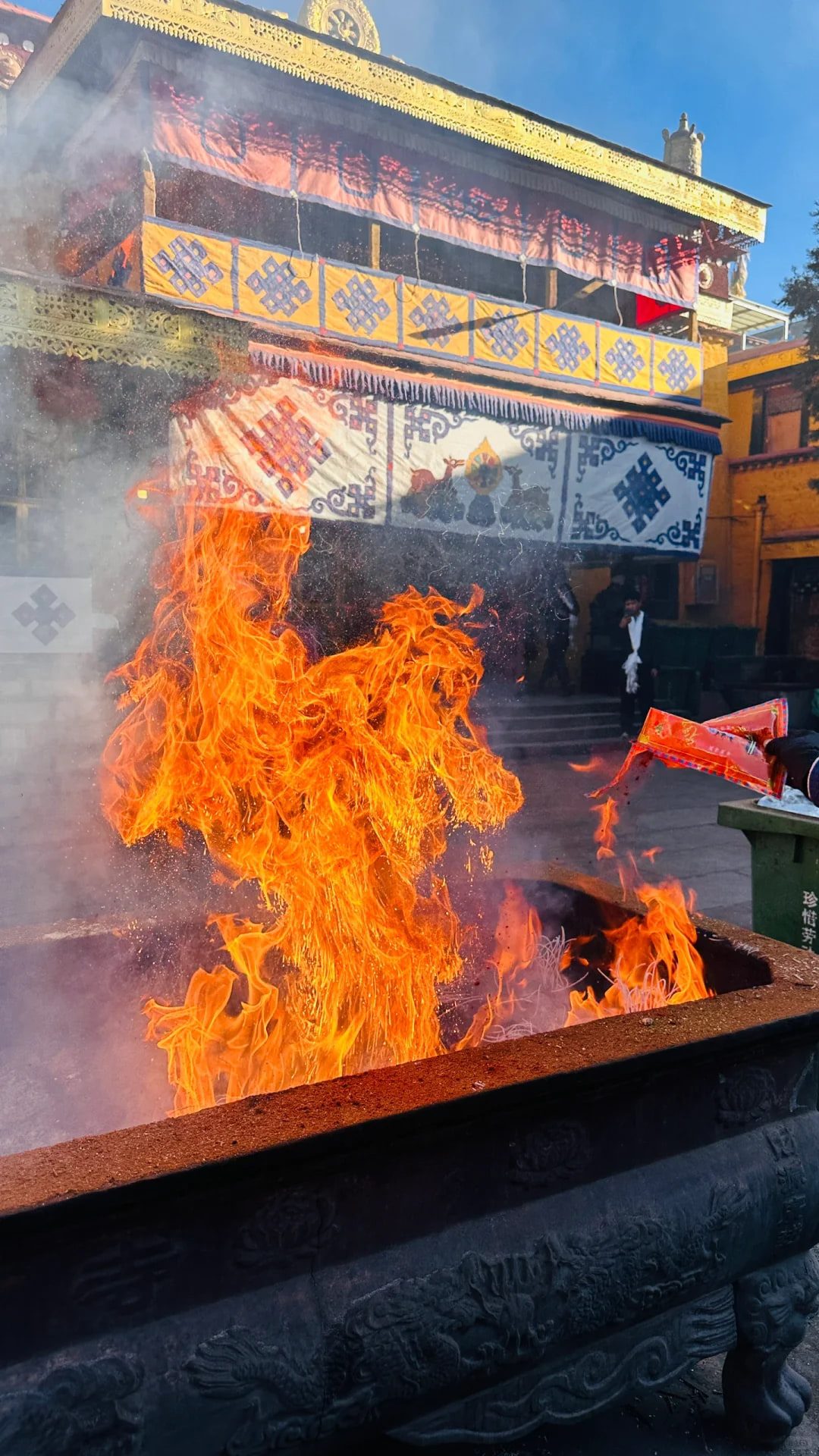
In the city of Lhasa, more than 3,000 meters above sea level, the sun is white, the sky is blue, and the air is filled with the faint scent of ghee and cypress smoke.
This is not an illusion, but the most unique smell of Tibet - from the ancient Tibetan blessing ceremony "simmering".
And when you follow this white smoke, you will enter the place where the incense is the strongest and the wealth is the most spiritual.Zha Ji SiYou will find that the simmering here is not just about burning incense and making offerings, it is also a conversation with heaven and earth, the gods, and the human heart.
This article will bring you a complete understanding of the cultural meaning of "simmering", the step-by-step process, and teach you how to worship, how to seek wealth, and how to let your wishes rise with the smoke at Zaki Temple.
What is Simmering? The Language of Prayer in Tibetan Smoke
The word "bsang" is derived from the Tibetan word "bsang", meaning "to simmer".Purification by smoke, offering by incense.
Long before the introduction of Buddhism, the native Tibetan Benzite religion had a tradition of burning cigarettes to offer to the heavens to drive away evil spirits and pray for blessings. Later, this ritual was absorbed by Tibetan Buddhism and became a daily custom of prayer for the Tibetans.
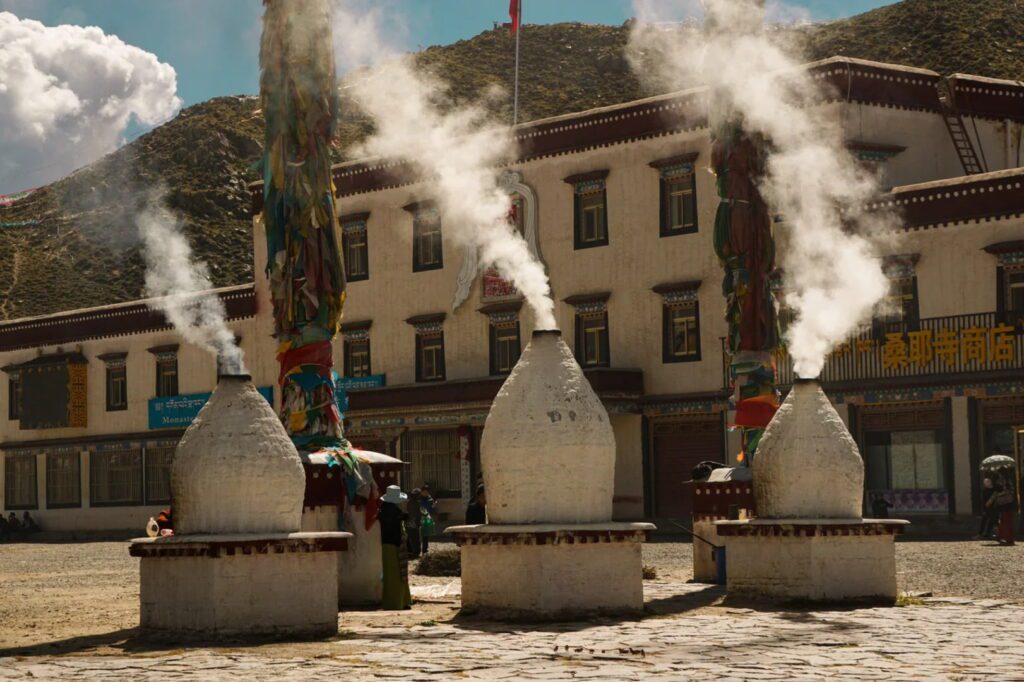
In the early morning in Lhasa, you will see a wisp of smoke rising from the roofs of houses, the sides of mountain passes, and the courtyards of monasteries. It is not a chimney, but a simmering fire of juniper, cypress branches, tsampa and ghee that Tibetans light.
The direction in which the smoke rises is seen as a bridge to the gods.
They believe that the purer the smoke and the more sincere the heart, the more their wishes will reach heaven.
Symbolic meaning of simmering
- Purifying space and hearts: To drive away the bad luck and bring everything back to clarity.
- Gratitude and Prayer: Honoring nature, mountain gods, protector gods, and ancestral spirits.
- Gathering "pull"Simmering is considered to be a way to gather blessed energy, which means "good fortune" and "luck" in Tibetan.
- Access to WishesSmoke is a carrier of wishes, allowing them to be carried by the wind to the heavenly realm.
Ingredients for simmering mulberry
| Material | Symbolism |
|---|---|
| Cypress branches, juniper | The main ingredient, with its clean scent, symbolizes life force and purifying energy. |
| Tsamba (barley flour) | Representing food offerings and thanksgiving for the gifts of heaven and earth. |
| ghee | The continuous flame and aroma symbolize abundance and good fortune. |
| Tibetan incense powder with herbs (licorice, cypress, etc.) | Strengthened aroma to expel evil spirits and bring clean energy. |
| Tea, Fruit, Sugar | As an additional offering, express sincerity and wish for sweetness. |
Contraindications: Do not use anything spicy, thorny, rotten, or pungent in the simmering of the sangs, as the smoke is considered to be a bridge for the transmission of messages and must be kept clean and pure.
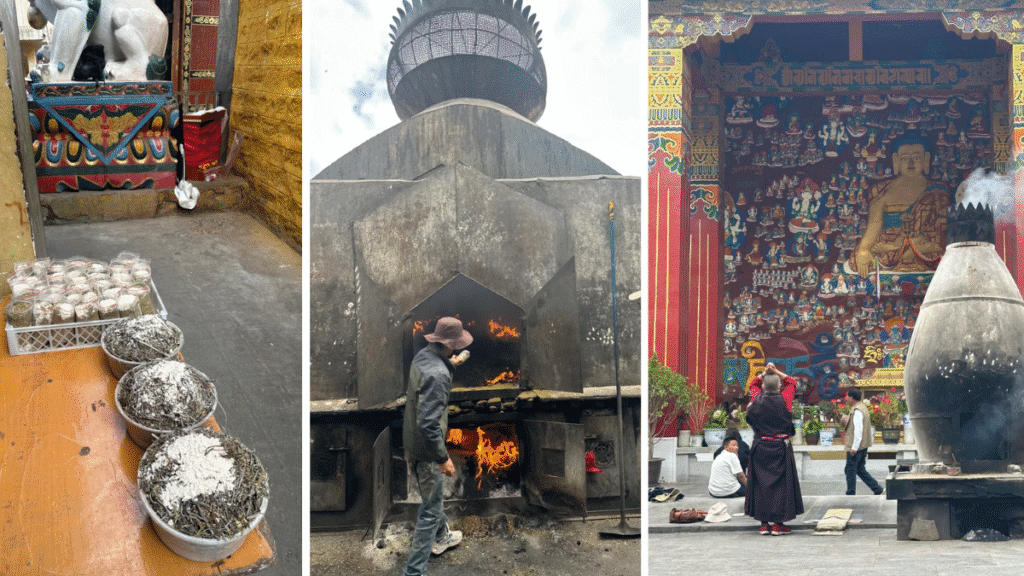
In Lhasa, known as "the plateau where gods and men live together," the white smoke of simmering sangs is not only wafted from temple to temple, but has also long been integrated into the daily beliefs of the locals.
If you would like to witness the power of this piety and blessing for yourself.
Founded in 1954, China International Travel Service (CITS) A visit to Zaki Temple, the most popular and spiritual temple of the God of Wealth, is specially arranged in the itinerary.
This is the first stop for many Tibetans every morning.
You have the option of purchasing a "simmering ingredient kit" (usually containing cypress branches, Tibetan incense, tsampa, etc.) on-site.
Experience the simmering ceremony by throwing your hands into the incense burner.
Watching the white smoke rise, whether you are praying for fortune, peace or a wish come true, will be one of the most sacred and unforgettable moments of your journey.
Thirdly, Zaki Monastery is the most spiritual "Goddess of Wealth" in Tibet.
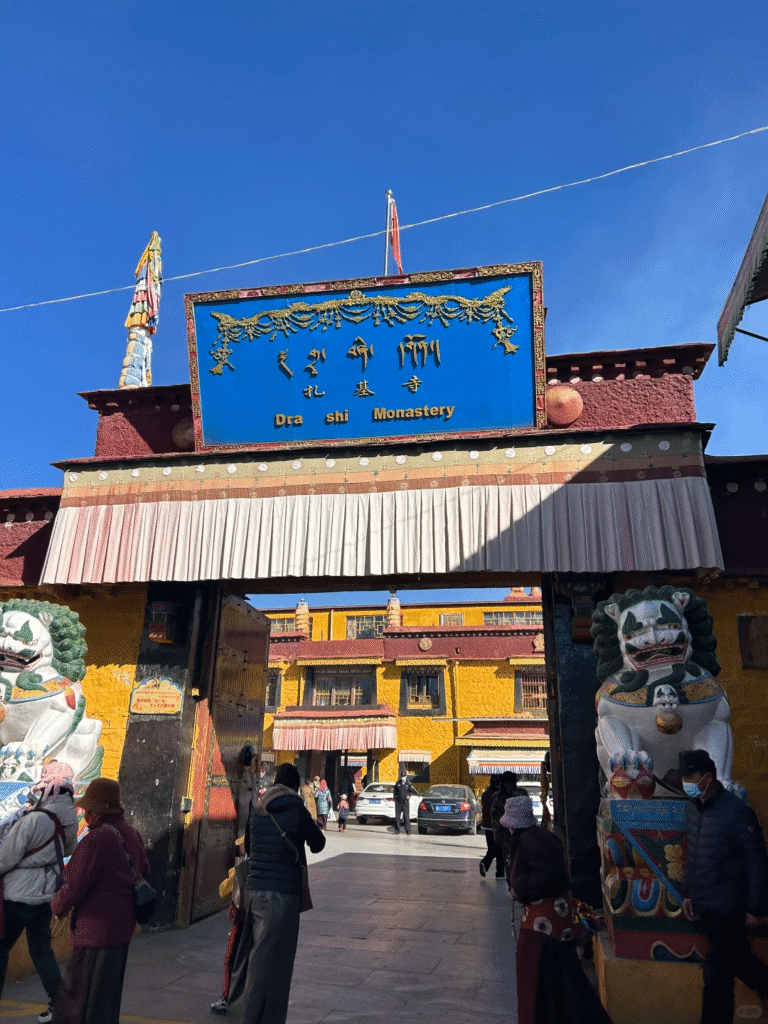
Halfway up the mountain in the north of Lhasa, there is a small temple packed with devotees with a constant flow of incense - theZha Ji Si.
The main deity worshipped here isZha Ji LhamoIt is also known as the "Goddess of Wealth" and is the only Buddhist temple in Tibet where the God of Wealth is the main deity of worship.
The Legend of Zaki Temple
According to legend, Zakiram was originally a queen of the world, but later transformed into a goddess of protection, vowing to guard the wealth and peace of all beings. She has an imposing appearance - a black face and a spitting tongue - but a compassionate heart, and is regarded as the goddess of wealth, who is "clear in her rewards and punishments".
Tibetans believe that as long as they are sincere, Zakiram will bless people's career and wealth.
Why are Wednesdays the best?
There is a local saying: "Worship Zaki on Wednesdays and money will come naturally."
Wednesday is traditionally considered to be the most "awake" day for Zakiram, so every Wednesday morning, devotees and tourists flock to the monastery and line up to offer incense, simmering sangs, libations, and khaddar. The incense is very strong, and the atmosphere is shocking.
The whole process of worship and simmering at Zaki Temple
The following is a "complete step-by-step" approach that integrates local customs, experiences and cultural backgrounds, and can be used directly in guided tours or actual worship:
Arrival time
Suggested morning 6:00-8:00 Avoid the crowds and experience the purest of atmospheres.
If you want to feel the most powerful incense, challenge yourself to the "Fortune Day" on early Wednesday morning.
Purchase of Offerings
The following offerings are available at the main entrance or at the temple you enter, and are not too expensive, so you don't need to buy a bunch of things all the way here!
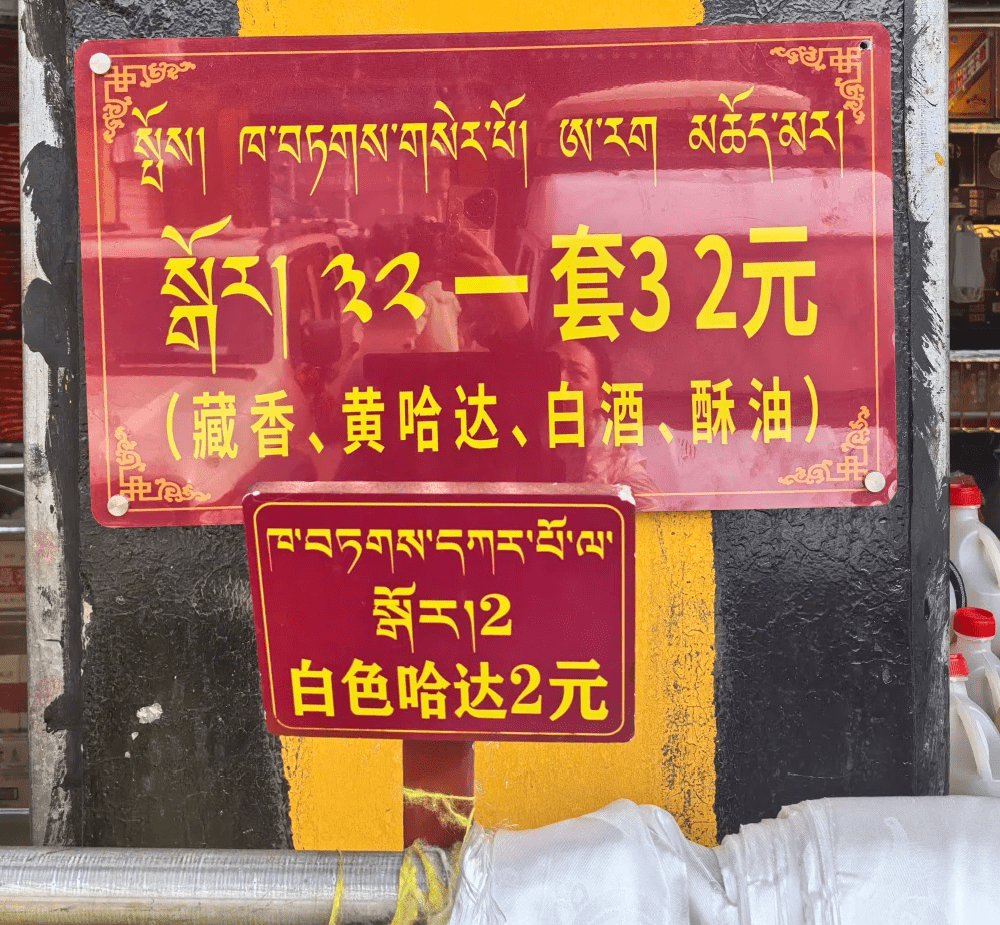
Must have "Three Treasures" + optional:
| goods | utility | Recommendation/Necessity |
|---|---|---|
| white spirit | Zakiram's preference for spirits symbolizes sincerity and the flow of wealth. | ★Must have (core offerings for the Goddess of Wealth) |
| Haddad (white or yellow) | To express our gratitude and prayers to God. | ★Required (to be presented when entering the temple) |
| Tibetan incense | It is used for simmering and offering incense, connecting wishes and spirits. | ★Necessary (for simmering and incense burning) |
| Ghee (optional) | A ghee lamp or a smoker can be added to increase the aroma and sincerity. | Optional (for those who are sincere) |
| Small-denomination RMB banknotes | Used for Buddhist rituals, merit box or alms giving. | ★Must-have ($1, 50 cents is the most practical) |
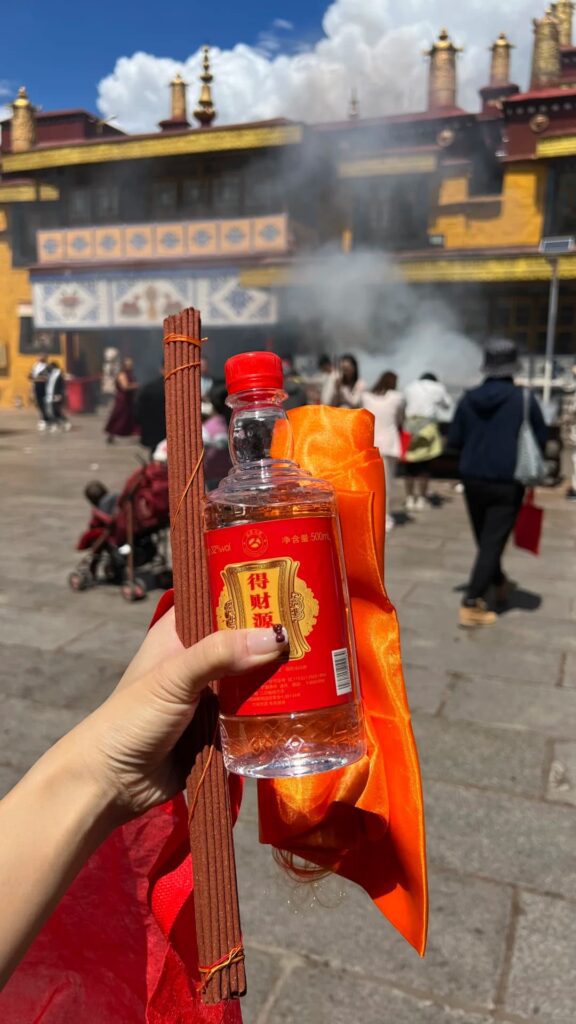
Simmering Ceremony - The Beginning of Prayer and Purification
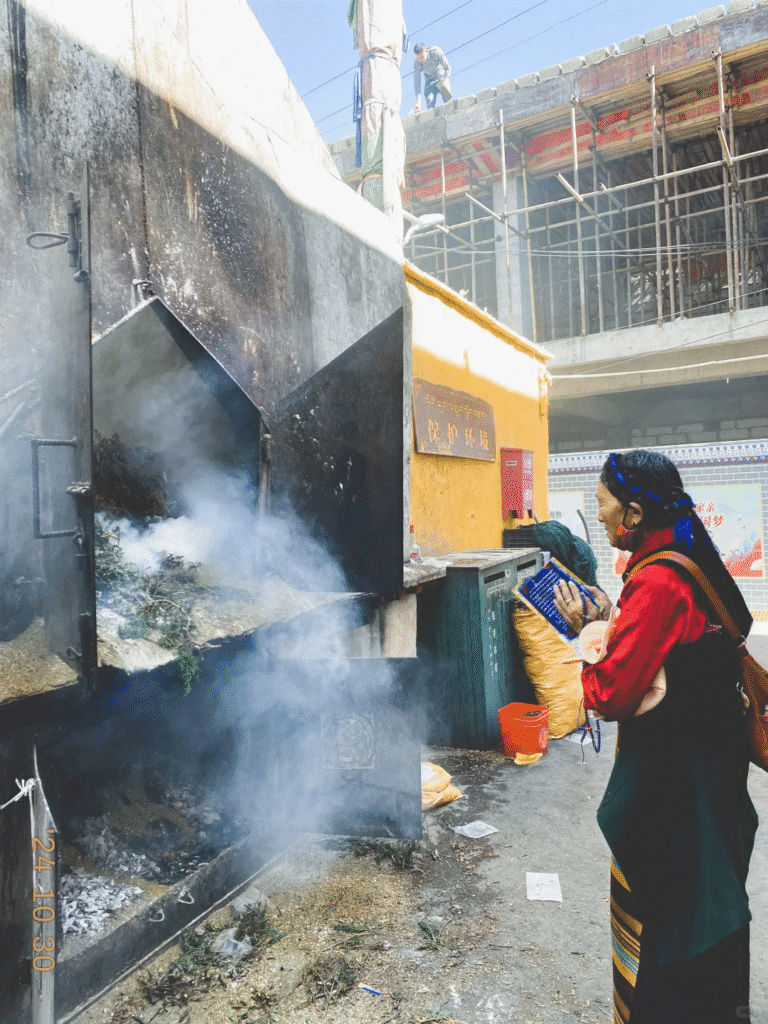
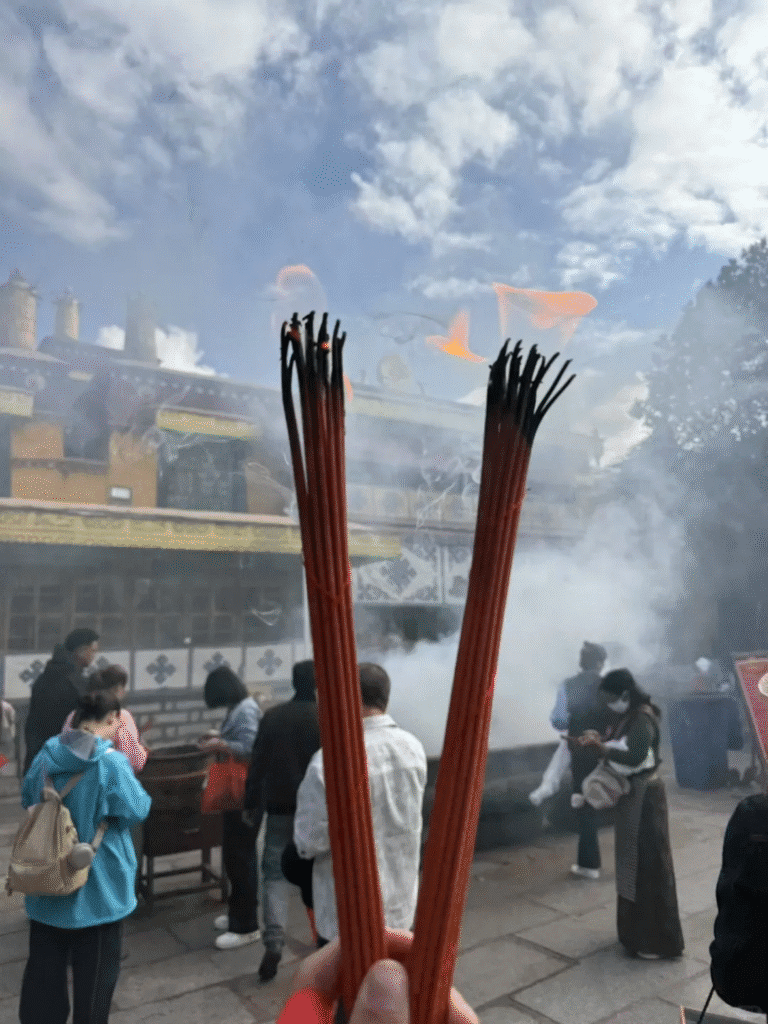
Before entering the temple, you will see a large simmering furnace on the right side.
This is the "starting point" of the whole worship process, symbolizing praying to heaven and welcoming blessings and making oneself dirty.
1. Take out the Tibetan incense and cypress sticks and put them into the stove to burn.
2. Take a small amount of tsampa or spice powder and sprinkle it into the fire.
3. Wave a cypress branch dipped in water three times towards the fire (to expel evil spirits and purify them).
4. Put your hands together or pray in front of your chest, and meditate on your wishes - for wealth, health, career, or peace for your family.
5. Feel the smoke rising and take a deep breath of the Tibetan aroma.
👉 Trivia: The whiter and higher the smoke rises during the simmering of the sangsang, the easier it is for wishes to be conveyed.
Worshipping Goddess Zakiran - Pilgrimage Process
1.Pilgrimage
Facing the direction of the main hall, light the Tibetan incense without having to break up the bundle.
Worship the four directions of east, south, west and north three times in a clockwise direction.
2.Enter the main hall and serve the wine.
After queuing up to enter the temple, the white wine will be handed over to the specialized monks, who will pour it into the offering barrels to symbolize the "sharing of wealth".
3.Hatha Offering and Bowing
Follow the team as they move to the main idol, the black-faced and tongue-spitting Goddess Zakiram.
Pass the hatha to the monks to hang or place it in front of the table by yourself, with hands folded and forehead touching the table as a sign of respect.
4.Rituals and Sutras
Make a clockwise circuit of the temple and stick a small value bill in front of the Buddha statue along the way (stick it on your forehead first before putting it in the merit box).
This action symbolizes the "giving of wealth to gain wealth".
5.Visiting other halls
Outside the main hall, you can visit the White Tara Hall, Guanyin Hall and the second floor Buddha Hall. If you are carrying jewelry or souvenirs, you can go to the Dharma Circulation Office to ask the monks to bless them (donations are welcome).
💰 Zaki Temple Koginka|Favorite Souvenir of the Enlightenment
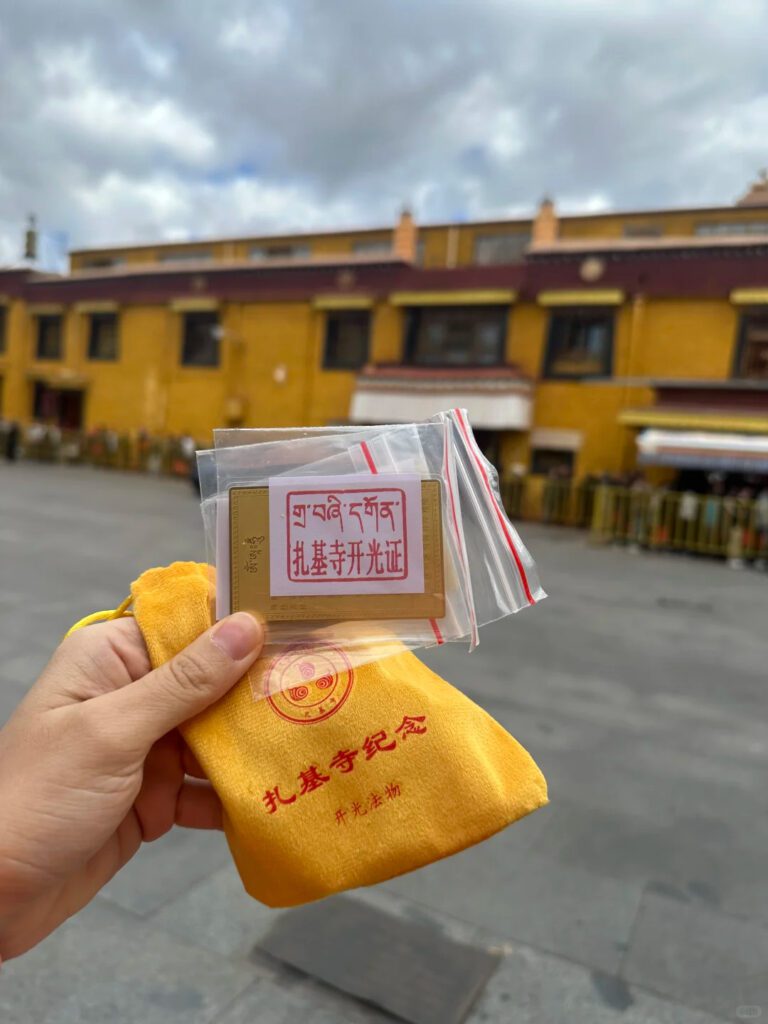
After visiting the main temple, you may wish to go to the temple's Office of Legal Affairs(visible to the right of the entrance), where all kinds of zakirām-related blessings are sold. "Little Gold Card.".
This gold card is printed with Zakiram idol of the goddess of wealth The cards are made of Tibetan scriptures, symbolizing the protection of wealth and good fortune on the go. Each card has been blessed by the monks of the temple, and is considered to be able to protect wealth, gather wealth, and ensure peace of mind when carried in a purse, bag, or on a desk at work.
Purchase method:
- Place: Dharma Circulation Office in Zaki Temple (next to the main hall)
- Price: about RMB 30~50 (depending on material and style)
- Suggestion: Invite a monk to bless you on the spot, or ask for a blessing by reciting the sutra as you wish.
Suggested Use:
- Carry it in your wallet, name card holder or bag as a talisman of wealth.
- Placed at the cashier's desk, desk or safe, it symbolizes gathering wealth and keeping luck.
- If you have any old cards, you can bring them back to the temple for incineration or hand them over to the monks for disposal, symbolizing the fulfillment of your merits.
🔸 The Little Gold Card is not just a memento, it is a continuation of faith and blessings. Let the blessing of the God of Wealth go with you.
Prayers and Supplications
- Sincerity is the most spiritual thing.No matter how much money is involved, sincerity is the key.
- Let's be clear.: Say in your heart, "May my career be smooth, my wealth roll in, and my family be well".
- be generous with one's helpTibetan beliefs emphasize the importance of "casual giving", where the amount of money is not the most important thing, but the thought is the most important thing.
- You can take Hatha or ash with you.: Symbol of good luck, can be placed in a wallet or home shrine.
- Irreversible order of worshipPlease follow the clockwise direction when walking around the temple.
V. Tips and Cultural Reminders after the Visit
- take a picture: Photography is strictly prohibited in the main sanctuary; photography is allowed in the outer courtyard and the incense burner area but should be respectful of others.
- Attitude: Keep quiet, don't jump the queue or touch the statue.
- DressingAvoid tank tops, shorts and skirts; long sleeves and long pants are recommended.
- Acute Mountain Sickness (AMS)Tibet is a high plateau area, and so is Zaki Temple, so remember to move slowly and avoid strenuous exercise.
- Prepare for change: Bring enough $1 and 50-cent bills. You can ask the tour guide if you can exchange them.
- Best TimeThe most popular is Wednesday morning, and there are many visitors on weekends, while weekday afternoons are relatively quiet.
- Don't ask for form, ask for peace of mind: Fortune, health, wisdom, love - may it all be as you wish.
Simmering and Zaki Monastery: The Symphony of Fortune and Smoke
At Zaki Monastery, simmering is not only a sign of purification and prayer, but also a symbol of "opening up one's fortune".
Tibetans believe that smoke is a symbol of wealth. When the smoke rises and the aroma disperses, it is like sending blessings, good wishes and fortune to the heavenly realm at the same time.
So you'll see:
- Local merchants come early in the morning to simmer and pray for good business;
- Travelers everywhere silently clapped their hands together and wished for a smooth future;
- The old man sits quietly by the cigarette, just to give thanks for the past and peace.
This sincerity and purity makes "simmering" no longer just a religious ritual, but the epitome of Tibetan spirituality - honoring the heavens, loving others, and cherishing blessings.
Let wishes rise with smoke, let fortune come with your heart.
Walking into Zaki Monastery, you will feel the other side of Tibet - the
This place is not only sacred, but also has the power to let go of one's desires and reconnect with oneself.
The smoke of the simmering mulberry reminds us:
If your heart is pure, your wishes will be heard;
If you are sincere in your behavior, you will naturally be blessed.
Let go of your worries in the smoke.
Make a wish before the Goddess of Wealth.
Bring back your share of good luck and peace in the sunshine of Lhasa.
Simmering and praying at Zaki Monastery - a conversation with heaven and earth.
Wherever the smoke rises, may fortune follow the wind, and wealth and blessings rise together.