CITS China2Go A 70-Year Brand · In-Depth Small-Group Tours Across China
Welcoming travelers from Taiwan, Hong Kong, Macau, Malaysia, Singapore, the United States, Canada, Australia, and beyond.
Trusted by
Travelers

Your Dedicated Travel Consultant
From itinerary planning to travel insights, we provide thoughtful support to take care of every detail
Flight & Train Ticket Assistance
We recommend suitable flights, Qinghai–Tibet Railway options, or special trains based on your needs, with flexible options for advice-only or full booking services.

More Dining Freedom
No mandatory group meals—enjoy local cuisine at your own pace.

Guaranteed No Shopping
Transparent pricing with zero shopping stops and no hidden costs—so you can travel with complete peace of mind.

Exclusive Service for International Guests
Comfortable accommodations, private drivers, and attentive care—exclusive services designed for international guests by CITS Global Travel.

70 Years of CITS Expertise
With branches across China, decades of professional experience, and a highly experienced support team of guides and drivers, we safeguard your journey every step of the way.
Solo Travelers Welcome
We can pair you with a roommate, or you can pay a single supplement

Group Travel Savings
The more you travel together, the better the value.

Trusted Industry Partner
Reliable group operations, stable supply, and one-stop solutions for all your inbound travel and reception needs.
Book a Travel Consultant
Tibet2Go – Your Trusted Tibet Travel Expert
99% Tibet Travel Permit (TTP) Success Rate
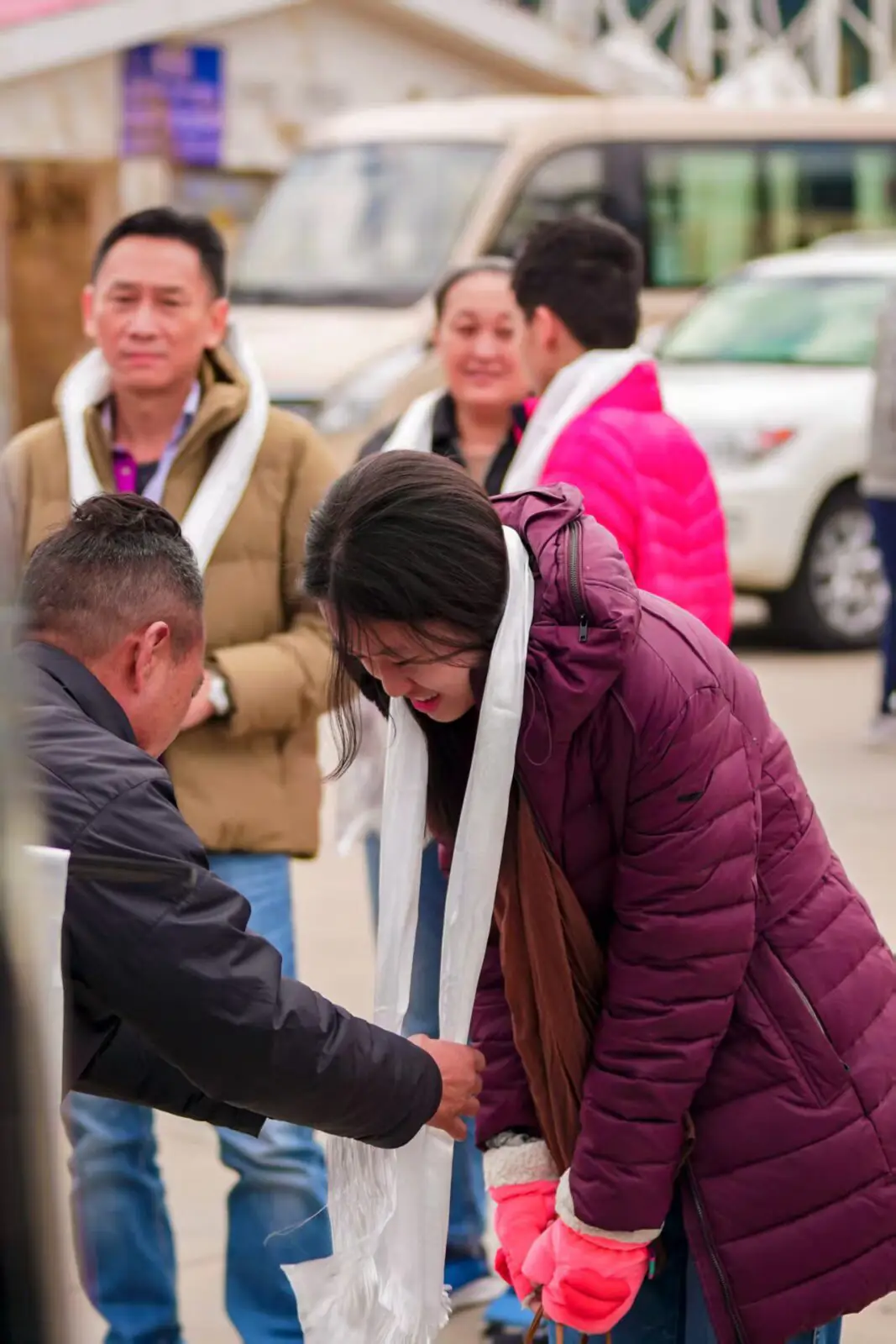
Professional Local Guides & Drivers
Licensed, experienced, and caring — travel safe and stress-free.
No Shopping, No Oxygen Sales, Free Insurance
Medical-grade oxygen is provided on all tour vehicles, with free plateau travel insurance included.
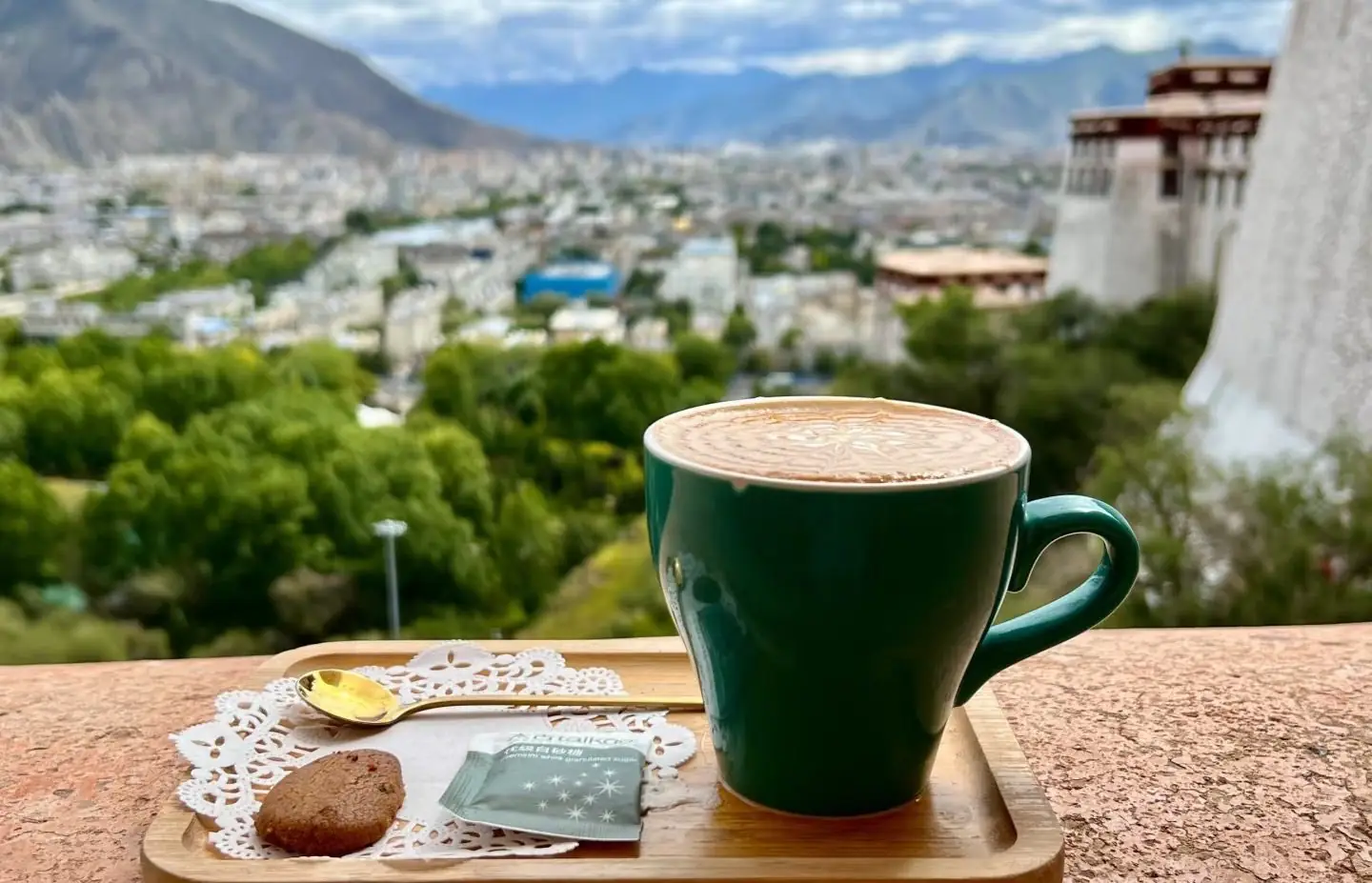
Rich Travel Experiences
Enjoy diverse experiences like afternoon tea, incense making, monk debates, and the Princess Wencheng show—with plenty of free time to explore.
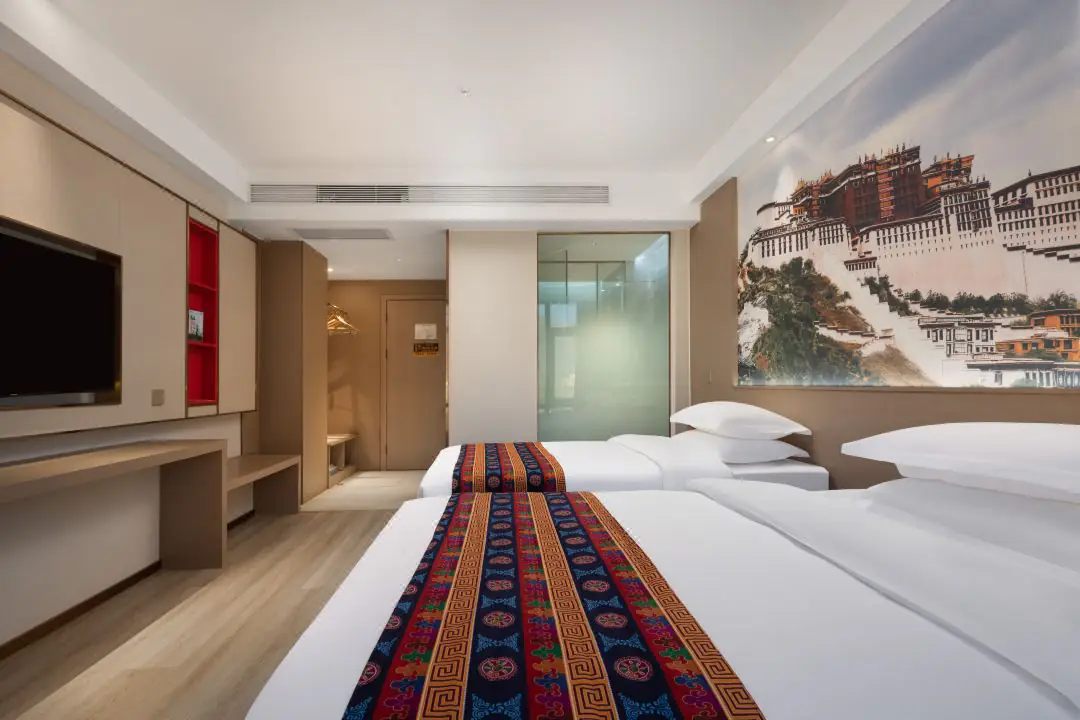
Comfortable Stays
Lhasa and Nyingchi tours are fully upgraded to Hilton hotels with in-room oxygen, and in Shigatse you'll stay at the 5-star Hilton. In areas with limited facilities, such as Everest and Ngari, we arrange the best local accommodation available, so you sleep well at high altitude and have plenty of energy for each day.
Frequently Asked Questions About Group Tours in Tibet, Beijing, Yunnan, and Other Destinations in China
Travelers holding a Mainland Travel Permit for Taiwan Residents or a foreign passport need a Tibet Travel Permit (TTP) to enter Tibet. We handle the entire application for you at no extra charge. All you need to provide is a copy of your Taiwan Compatriot Permit or passport, plus your China visa (not required if you are from a visa-free country). We recommend submitting your documents 30–45 days before departure to avoid any impact on your trip. Travelers from Hong Kong and Macau do not need a TTP; the Border Permit required for Everest and other border areas will also be arranged by us.
Not at all. Our itineraries are deliberately paced, with plenty of rest time each day. We never rush through several sights in a single day. Distances in Tibet can be long, so we use 2025-model vehicles throughout: a 9-seat VIP van for groups of 4–6, and a coach with spacious 2+1 seating for groups of 7–10, so even long drives stay comfortable. Some itineraries enter Tibet via lower-altitude Nyingchi, or return by the Lhasa–Shigatse Railway, to make the journey easier on your body.
Of course! Solo travelers can join a group tour, which departs once 4 people sign up. From June 2026, group tours in Tibet, western Sichuan and Xinjiang are upgraded free of charge to 4–6 people per group at the same price, and you’ll meet like-minded travelers from all over. Yunnan tours depart with just 2 people, up to 10. We’ll arrange a same-gender roommate for you; if that’s not possible, only a single supplement applies.
Beijing and Shanghai–Suzhou–Hangzhou tours are private tours that run daily with a minimum of 2 people, led by your own dedicated guide, never combined with strangers. For a more private Tibet or other trip, we can also arrange a private tour.
Most healthy travelers can join. As long as you don't have cardiovascular or respiratory conditions, Tibet is not as dangerous as many people think.
We currently do not accept travelers aged 75 or above, and we recommend that older travelers get a health check before departure. Travelers aged 65 or above holding a Taiwan Compatriot Permit must provide a hospital-issued health certificate when applying for the Tibet Travel Permit. We also do not recommend high-altitude tours for children under 4, as they cannot yet clearly describe how they feel.
Our tours do not include round-trip flights or trains, so you can freely plan your time before and after the tour.
If you need flight or train tickets, we can recommend suitable options based on where you're departing from, and we're happy to book them for you. For larger groups, we can also secure discounted fares through our partner companies.
We don't assign dedicated medical staff to each vehicle, but every group comes fully equipped for high-altitude safety: each vehicle carries a 4L medical oxygen cylinder, and every traveler receives a portable oxygen canister. Our guides are experienced in recognizing and handling altitude sickness, will respond immediately if anyone feels unwell, and will take you to the nearest hospital if needed. For Tibet tours, every traveler is also covered by high-altitude travel insurance of up to RMB 500,000.
We believe in letting your body adapt naturally to the altitude. We never "recommend" injections, and we never push overpriced oxygen. All safety equipment is included in the tour price, with no extra charges along the way.
Some tours on the market look cheap, but many of them are "shopping tours": they include shopping stops, guides earn commissions, and sightseeing time often gets cut short.
Watch out for "fake no-shopping tours" too. The itinerary says no shopping, but once the trip starts, they find other ways to make you spend. Common tactics include:
・Telling stories on the bus or in temples to sell dzi beads, Tibetan medicine, or "blessed" accessories
・Taking you to "the guide's friend's shop" or "a local family's home," which turns into a sales pitch
・Presenting expensive optional activities as "too good to miss," so it feels awkward to say no
・Selling overpriced oxygen or recommending injections at high altitude
CITS China2Go guarantees no shopping stops and no sales tricks, and it's written into your contract: if we break this promise, we'll compensate you RMB 5,000. Every tour is led by a licensed professional guide, with quality accommodation and transport. Our prices may not be the lowest, but your whole journey will be free of pressure and sales pitches, just peace of mind.
Yes. Travelers holding a Taiwan Compatriot Permit or a foreign passport can currently enter Tibet only on a tour arranged by a licensed travel agency, which applies for the Tibet Travel Permit and provides a licensed guide throughout the trip. Travelers from Hong Kong and Macau do not need a Tibet Travel Permit, but a Border Permit is still required for areas such as Everest Base Camp, so joining a tour is the easiest option.
Since a group tour is required, you can choose our small groups: departing with 4 and capped at 10, upgraded free of charge to 4–6 people per group from June 2026, and solo travelers are welcome. If you’d rather travel with family and friends, we can arrange a private tour with no strangers, at your own pace.
CITS (China International Travel Service) was founded in 1954 and is one of China’s oldest state-owned travel brands. It was listed on the Shanghai Stock Exchange in 2009, and its parent, China Tourism Group, is a Fortune China 500 company.
China2Go is the inbound travel brand that CITS Global (Beijing) International Travel Service created for overseas travelers. Our head office is in Shanghai, with service points in Chengdu and other transit cities for Tibet to help with flight connections and trip arrangements.
We specialize in hosting Chinese-speaking travelers from Taiwan, Hong Kong, Macau, Malaysia, Singapore and around the world. Our main routes include Tibet, Xinjiang, Qinghai–Gansu, western Sichuan, Yunnan and Beijing.
We do things differently: group tours depart with 4 and are capped at 10, upgraded free of charge to 4–6 people per group from June 2026 at the same price, and solo travelers are welcome. No shopping is written into our contract, with CNY 5,000 compensation if we break it. Our guides and drivers are our own team, never outsourced or transferred to another operator.
Our full brand name is "CITS China2Go," operated by CITS (Beijing) Travel Service Co., Ltd., Shanghai Branch.
Yes. The Forbidden City requires real-name reservations, and popular time slots often sell out as soon as they open. After you sign up, we'll book your tickets in advance using your ID details, so you don't have to compete for tickets yourself. On the day, just bring the same ID used for the reservation to enter.
Not necessarily. Sichuan food is indeed spicy, but Tibetan cuisine tends to be savory, and Yunnan dishes are often tangy and aromatic, so not every dish is spicy.
Most of our tours include breakfast only, so you can choose lunch and dinner to suit your own taste, and your guide can recommend restaurants with mild or light dishes. If you're vegetarian or have other dietary needs, just let your travel consultant know before departure and we'll help arrange it.
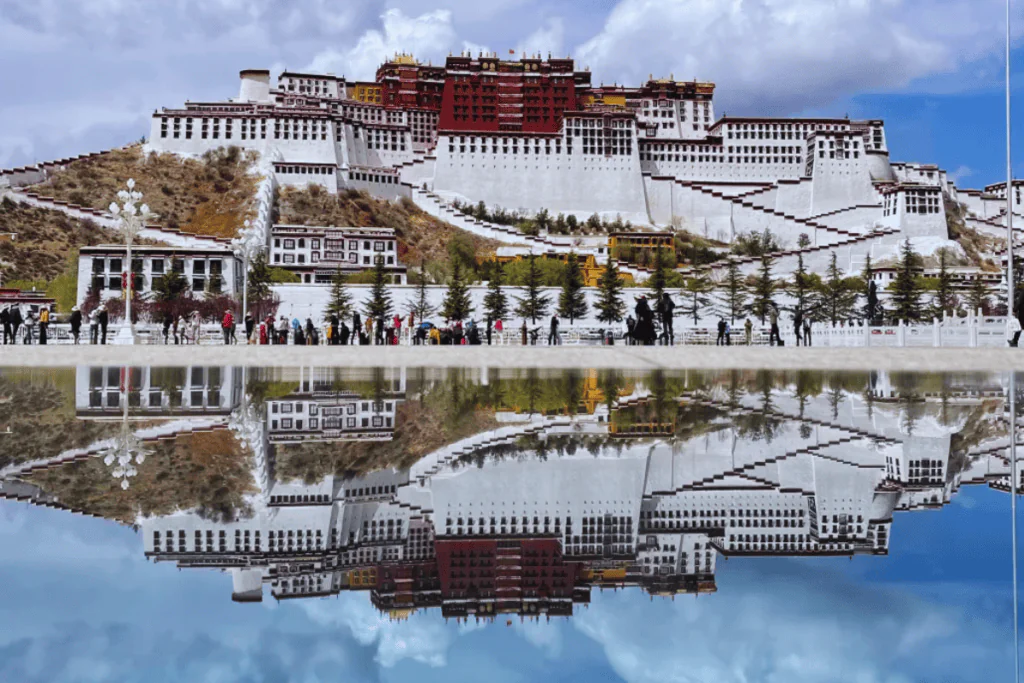
Yes. If your holiday is short, choose the 6-day Lhasa highlights tour or the 8-day classic Everest tour. If you’re worried about altitude sickness, there’s an 8-day tour entering Tibet via low-altitude Nyingchi with no Everest. With more time, there are 9–11-day Nyingchi Peach Blossom tours, a 10-day Nyingchi + Everest tour and the 15-day Ngari Grand Loop with the Kailash kora. Pick by travel month and holiday length.
Please note there are currently no direct flights to Lhasa from Taiwan, Hong Kong, Macau, Southeast Asia, Europe, the Americas or Australia. You’ll usually connect via Chengdu, Chongqing or Xining, so remember to add travel days at both ends when planning your leave! Our consultants can recommend flights from your city and book them for you.
Possibly. Altitude sickness is a normal part of your body adjusting to high altitude, not an illness, and most people feel it to some degree. For most travelers, symptoms ease within a day or two with proper rest and preparation.
All accommodation on our Tibet tours has oxygen-supplied rooms, including the Rongbuk guesthouse at Everest Base Camp (the only exception is Drirapuk Monastery on the Ngari kora). The 9-seat VIP vans for groups of 4–6 have a built-in oxygen system, so the whole cabin works like a mobile oxygen chamber and you can top up on oxygen during long drives. Each vehicle also carries a 4L medical oxygen cylinder, every guest gets a portable oxygen can, and Tibet tours include CNY 500,000 high-altitude travel insurance per guest. If you have a chronic condition or health concerns, please consult your doctor before departure.
Our group tour rule is a minimum of 4 and a maximum of 10 people.
From June 2026, all Tibet group tours are upgraded free of charge to 4–6 people per group at the same price, travelling in a 9-seat VIP van where everyone gets a window seat.
With fewer people, the guide can look after everyone, and it’s easier to stop for photos. Some routes, such as Qinghai–Gansu and Ngari, are already 4–6-person tours. To form your own group, we can arrange a private tour for any group size.
Depending on the number of days and the season, the 2027 group tour prices for Tibet are roughly as follows (in RMB, starting prices for the off-season): 6 days at the Lhasa Hilton starting at 6,980 RMB; 8 days at the Everest Hilton starting at 8,280 RMB; 8 days in Nyingchi (without visiting Mount Everest) starting at 8,580 RMB; 8-day Winter Blue Ice Tour starting at 9,580 yuan, 10-day Nyingchi + Mount Everest Tour starting at 10,780 yuan, 9-day Nyingchi Peach Blossom Festival Tour starting at 11,080 yuan, 11-day Peach Blossom Festival Tour starting at 13,800 yuan, 15-Day Ali Grand Loop Pilgrimage starting at 25,800 yuan.
The tour fee includes accommodations, transportation, admission tickets, a tour guide, assistance with obtaining the Tibet Entry Permit, and high-altitude insurance. It does not include round-trip transportation to and from the destination, lunch, or dinner. The tour is strictly sightseeing with no shopping stops, and there will be no additional charges along the way.
It depends on what you want to see and when you can take time off. Tibet is great to visit all year round!
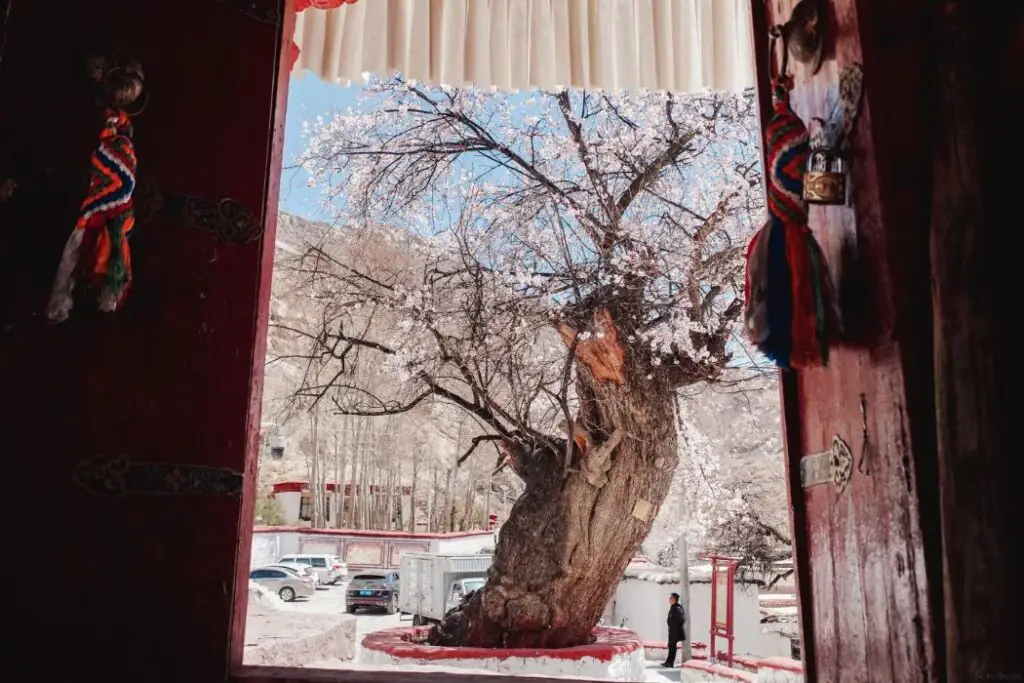
Late March to early April is the Nyingchi Peach Blossom Festival. May to June has stable weather and fewer crowds, and is a good time for Ngari and the Kailash kora. July and August are peak season for mainland Chinese tourists, when the landscape is at its greenest. The Shoton Festival in August features the giant Buddha unveiling, but Lhasa is at its busiest, so join our Shoton tour to see it or travel at another time to avoid the crowds. From September to early October, just avoid the National Day Golden Week and you won’t have to worry about crowds! Mid-October to early March is low season, with the best prices and the bluest skies. From mid-December to late February there’s a limited Winter Blue Ice tour, and in winter there are also festival tours such as the Tibetan Butter Lamp Festival. Dates follow the Tibetan calendar, so please check this year’s departures with our consultant.
In short, Tibet is huge. As long as you avoid the mainland May Day and National Day holidays, you’ll have a great experience! Tibet has a high-altitude climate: winter days in Lhasa are sunny and not as cold as you might think, but the temperature difference between day and night is large!
2027 is the Tibetan Year of the Sheep, a major year for pilgrimages to the holy lakes. If you want to visit the three holy lakes, this is the year to go.
Yes. Beyond choosing the right itinerary, we’ve set up every group with travelers worried about altitude sickness in mind:
Hotels: Hilton hotels in Lhasa and Nyingchi, upgraded to the 5-star Hilton in Shigatse, with diffused oxygen in the rooms, so you sleep well and have energy the next day.
Vehicles & oxygen: Groups of 4–6 travel in a 9-seat VIP van with a built-in oxygen system, so the whole cabin works like a mobile oxygen chamber and you can top up on oxygen during long drives. Everyone gets a window seat with plenty of room. The van also carries a 4L medical oxygen cylinder and glucose, and every guest gets a portable oxygen can.Pace & care: With fewer people, the guide can look after every member. The itinerary is deliberately relaxed, never rushing through several stops in one day, and if anyone feels unwell, the guide responds right away.
Protection: Every guest receives CNY 500,000 high-altitude travel insurance. We never sell overpriced oxygen or take you to roadside clinics for dubious injections. If you really feel unwell, our team takes you straight to a proper major hospital, with no delays and no detours. All safety equipment is included in the tour price, with no extra charges along the way.
If you’re especially concerned, we recommend the 8-day Nyingchi low-altitude tour: you enter Tibet via Nyingchi at about 2,900m, spend two nights adjusting, and never go up to Everest Base Camp at 5,200m. It’s the easiest choice for first-time visitors or those travelling with older family members.
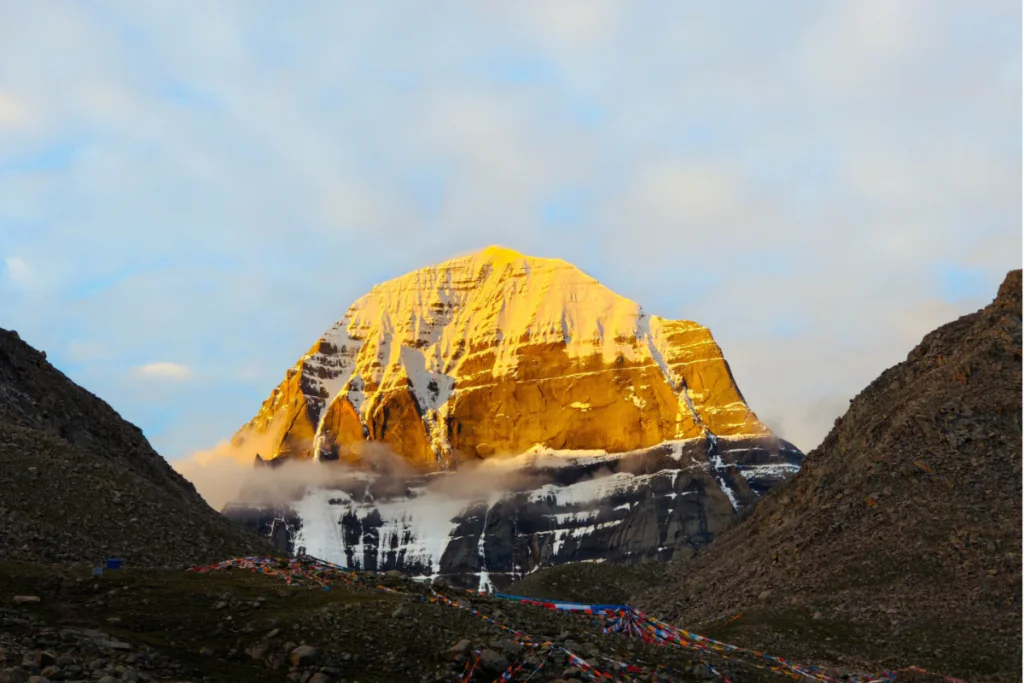
The Ngari Grand Loop is a circular route from Lhasa via Everest, sacred Mount Kailash and the Guge Kingdom, then across the lake region of northern Tibet back to Lhasa. Our 15-day Ngari tour goes in via the south and out via the north with no backtracking. It includes a 2-day Kailash kora, takes the North and Central Routes to stay in the ancient Zhangzhung village of Wenbu, and covers all three holy lakes, Yamdrok, Manasarovar and Namtso, with time at the shore of each. The Tibetan saying goes, “Circle the mountain in the Year of the Horse, circle the lake in the Year of the Sheep,” and 2027 is the Tibetan Year of the Sheep, a major year for lake pilgrimages.
On the Ngari route, the group must be small. The kora crosses the Drolma La Pass at 5,630m, and in northern Tibet you can drive hundreds of kilometers a day with no shops and no signal, so the guide needs to watch everyone’s breathing, pace and condition.
That’s why this tour is strictly 4–6 people with one guide per group, never merged into a larger group. Shuttles run at both ends of the kora, and except for Drirapuk Monastery on the kora, every night is in a hotel with oxygen supply or oxygen concentrators, so even first-time Ngari travelers can go with peace of mind.
A full circumnavigation of the sacred lake involves hiking all the way around it, which often takes several days. Accommodations and supplies along the route are limited, and the trek is physically demanding—it’s not suitable for every traveler. Our itinerary is designed to help more people fulfill their wishes in the Year of the Sheep: a single trip that covers all three sacred lakes—Yamdrok Tso, Mapam Yumco, and Namtso—with stops at each to get close to the water and experience the pilgrimage atmosphere along the lakeshores in the Year of the Sheep; plus a two-day highlights circuit of Mount Kailash, along with visits to the Guge Kingdom, the Northern Tibet Lake Region, and Wenbu South Village—allowing you to experience both sacred mountains and holy lakes in a single journey.
Except for the Zhi Re Temple during the Kora, all accommodations are at hotels that provide oxygen or have on-site oxygen generation facilities, balancing the significance of the pilgrimage with physical comfort. If you wish to complete the full Kora around the lake, please contact a representative to arrange a private group tour.
Fill in the “Book a Personal Travel Consultant” form on this page, or add our LINE official accoun @china2goor WeChat china2go-cits. A dedicated consultant will contact you as soon as possible during office hours and recommend tours based on your travel month, group size and needs. Travelers with a Taiwan Compatriot Permit or foreign passport need a Tibet Travel Permit (TTP), which must be applied for 30–45 days before departure, so we recommend booking 2–3 months ahead. If you haven’t heard from us within 48 hours, you can reach a consultant via LINE, WeChat or WhatsApp.
CITS China2Go Featured Tibet Tours
From Lhasa, Nyingchi and Everest Base Camp to Mount Kailash in Ngari: small groups of 4–10, upgraded free to 4–6 people from June 2026, no shopping