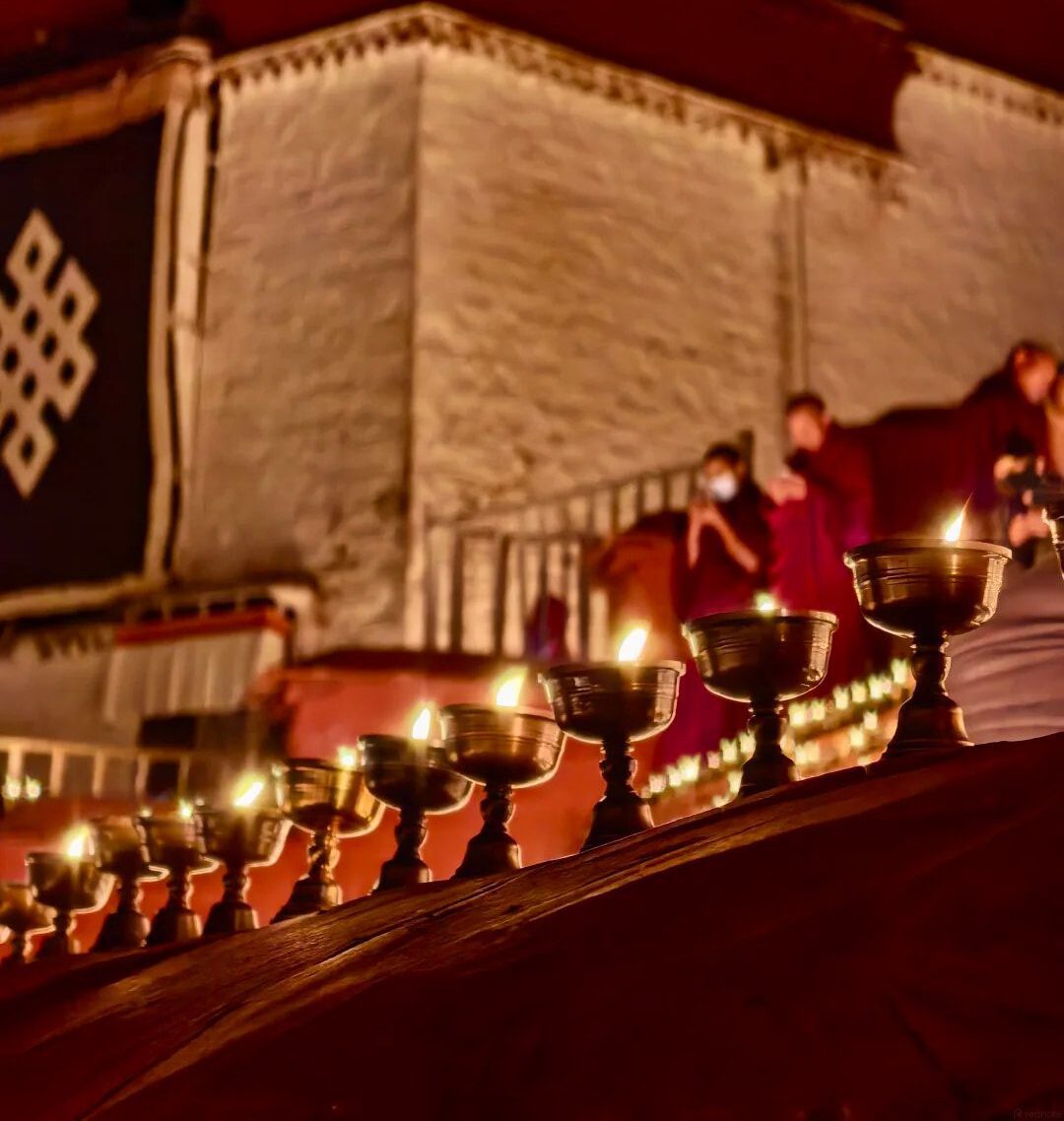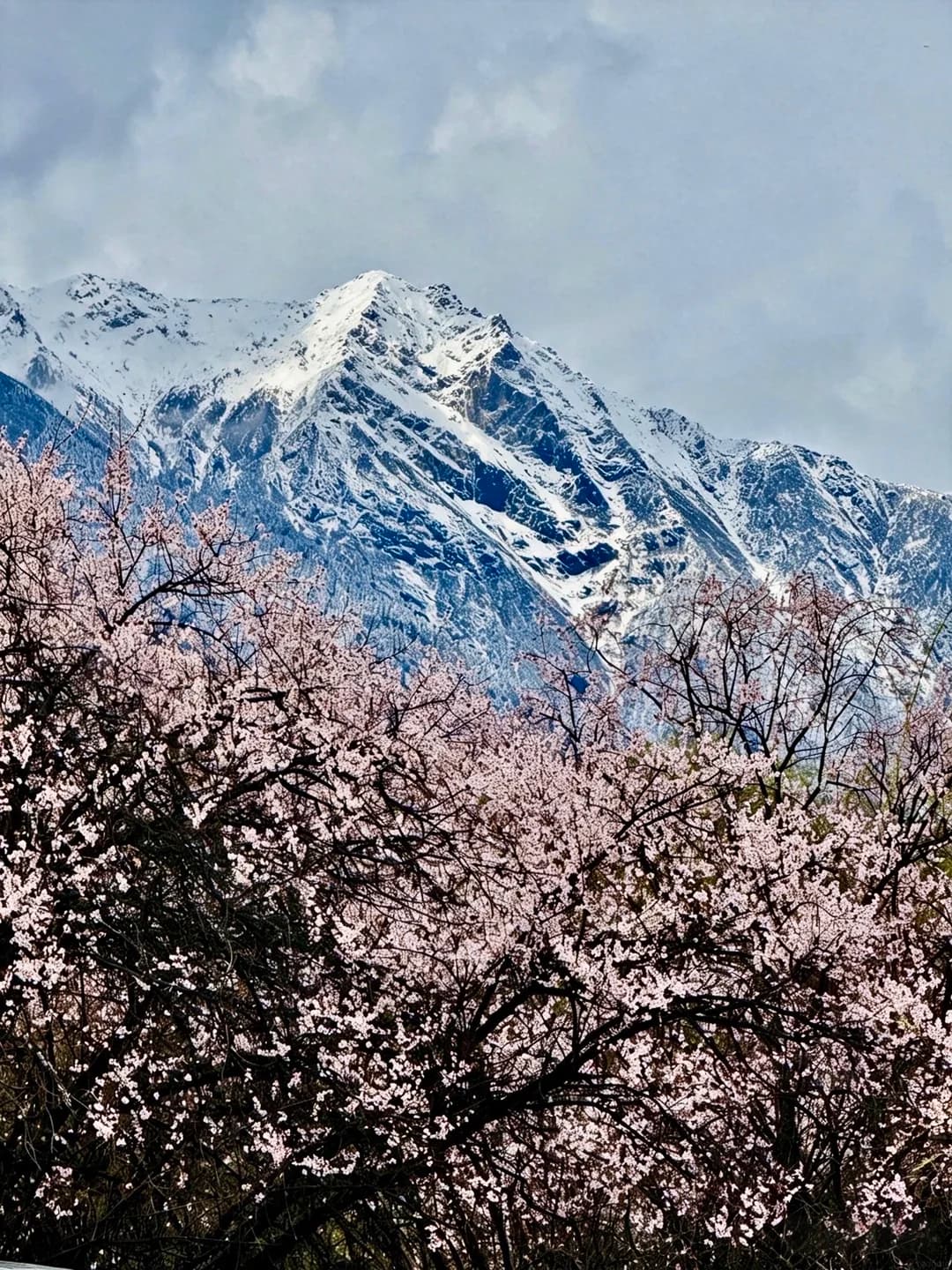
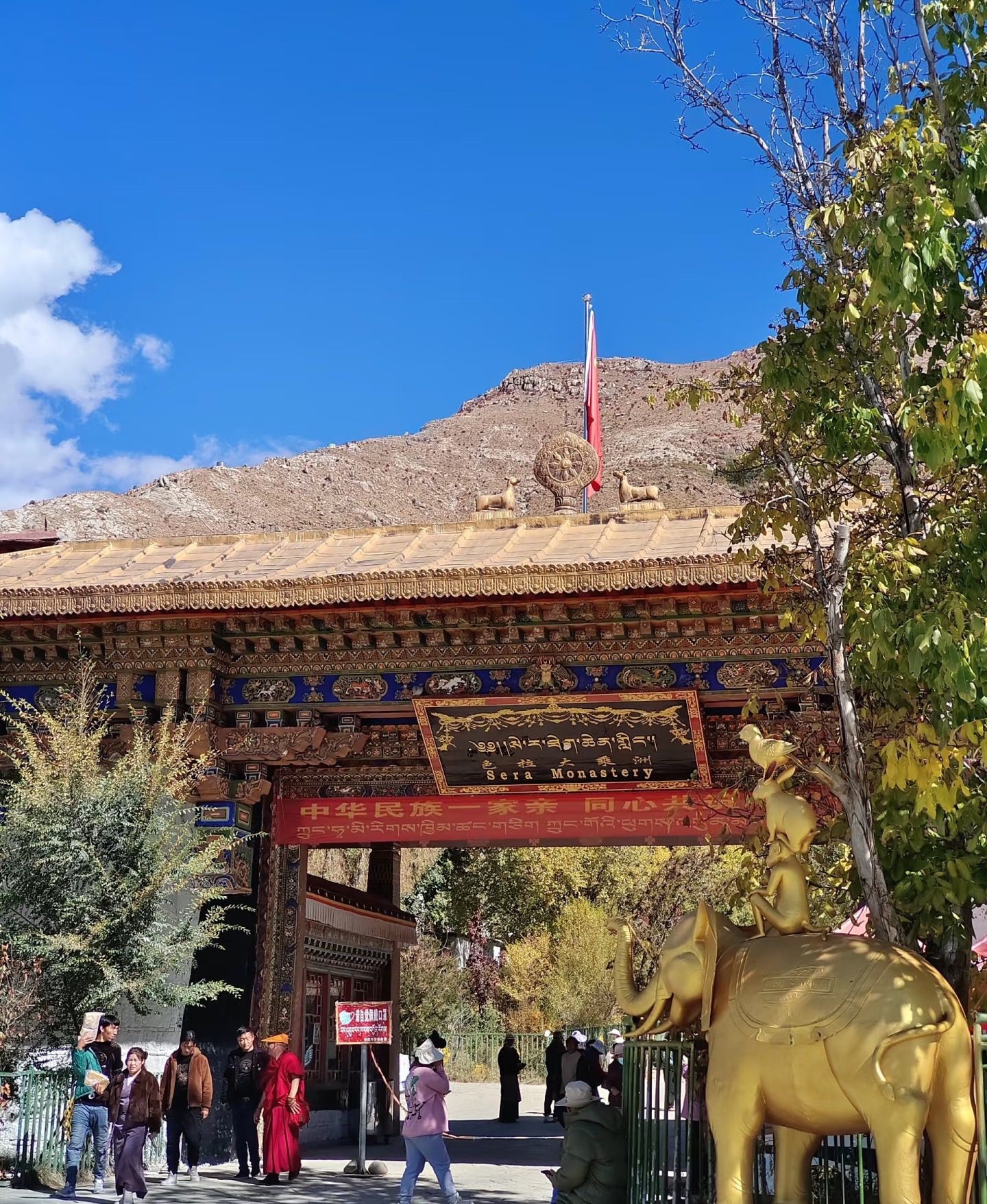
Arriving atTibet, If you want to immerse yourself in the culture and spiritual atmosphere of Tibetan Buddhism,"Sera Monastery"Definitely add this to your must-visit list! As one of Lhasa’s three major Gelugpa monasteries, this place not only houses precious Buddhist artifacts but also offers a firsthand glimpse into the authentic daily spiritual practices of the monks. Filled with a deep sense of devotion and a genuine feel for local life, it’s considered by many to be a temple well worth taking the time to explore at a leisurely pace.
Many first-time visitors often ask: What’s the best time to go? How should I pay my respects on my first visit so as not to be rude? What exactly is “debating the scriptures” all about? What are the highlights of the prayer wheel path on the back mountain? This article will help you figure outHighlights of the Attractions, Pilgrimage RouteIt's all laid out for you! We'll help you easily understand the temple culture here—even if it's your first time, you won't be at a loss, and you're sure to come away with a wealth of new insights after a full tour!
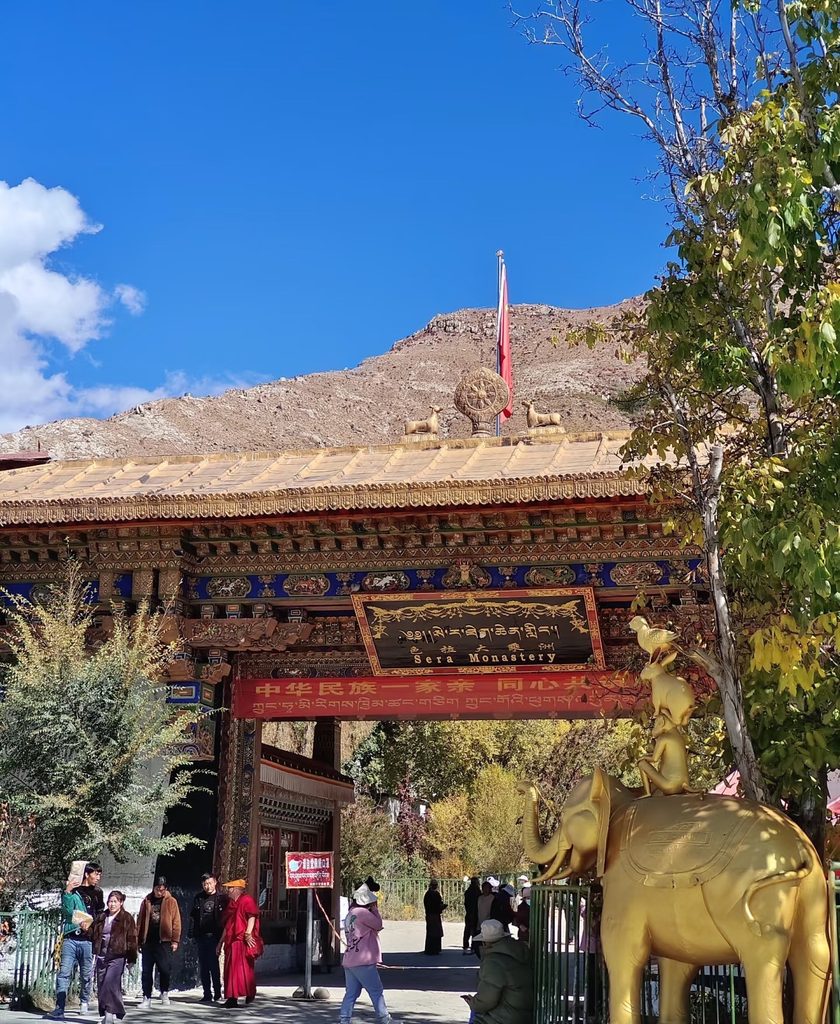
The Origin of the Salad's Name and Its Architectural Features
Sera Monastery (Tibetan: སེ་ར་དགོན; Wylie: se ra dgon; Tibetan Pinyin: Sêra Gön)It is one of the three major Gelug monasteries in Lhasa; the other two are:Ganden Monastery, Drepung Monastery", was founded in the early 15th century by Tsongkhapa's disciple, "His Holiness the Great Compassionate King" Jangchub Chöje. This temple is very large, covering an area of approximately 11.5 hectares, and is known as "Tsochin Main Hall" and major "Dzé-chung(meaning “Buddhist college”)” at its center, with many “Kang Village(“Monks’ Quarters”). The buildings here are constructed of stone and wood. A unique feature is that the roofs are covered with traditional Tibetan “aga” clay, which provides protection against moisture and water. The tops of the white walls are edged with a ring of purple-black Pema grass, which is very light yet sturdy, helping to reduce the weight of the walls while absorbing moisture and allowing air to circulate!
Why is it called "Salad" Temple?
In Tibetan, “Se Ra Dgön"This term has two main interpretations, each imbued with deep sentiment and magical legends:
Top Routes and Visitor Tips
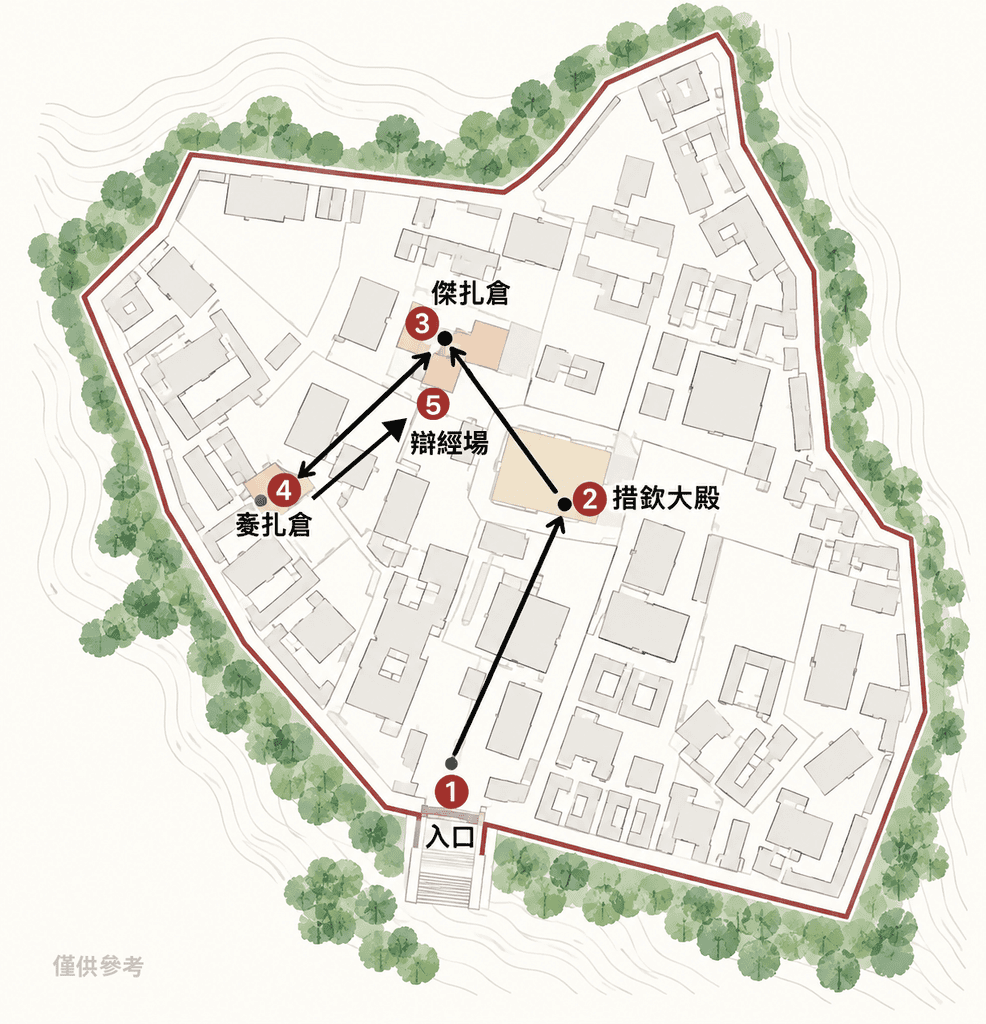
I’ve put together a highlights itinerary that covers all the must-see spots, offering a one-stop experience that combines blessings, sightseeing, and cultural immersion:
Enter the Park → Tsochin Main Hall “Core Worship and Viewing of National Treasure Artifacts” → Jéza Hall “Warding Off Misfortune and Evil Spirits” → Méza Hall “Prayers for Academic Success” → Debate Ground “Popular Photo Spot: Debate” → Back Mountain Prayer Path “Scenic Views and Meditation” → Return Down the Mountain
- Hours:9:00 a.m.–5:00 p.m. (Ticket sales end at 4:30 p.m.).
- Fare:Full-price tickets are 50 RMB per person; students, people with disabilities, and seniors can purchase discounted tickets for 25 RMB per person upon presentation of valid identification.
- How to Purchase Tickets:You can simply buy tickets on-site; no advance reservation is required.
- Transportation:It takes about 20 minutes to drive there yourself or take a taxi from downtown Lhasa. The one-way fare is approximately 20–30 RMB.
- Donate Your Change:You can prepare some small bills—such as 1-yuan and 5-yuan notes—or loose change in advance, so you’ll have them on hand to make a donation when entering the temple to pay your respects. The amount is up to your personal preference and generosity.
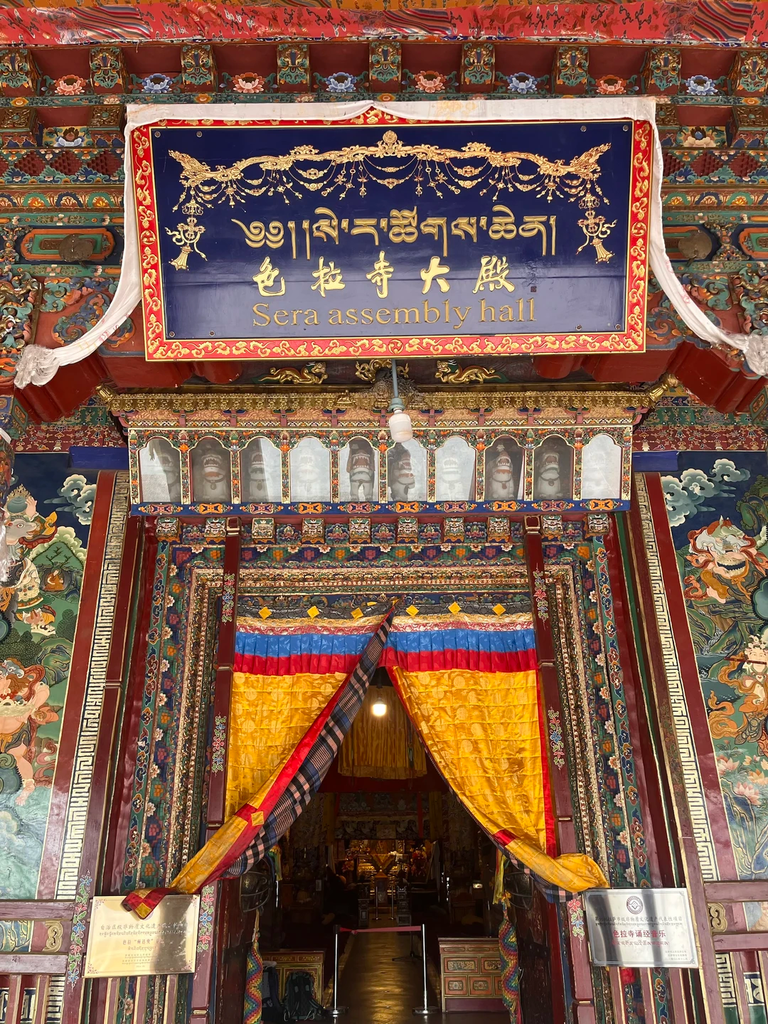
Must-See Attraction: The Tsokchen Hall
Tsochin Main HallIt is the heart of the entire temple, and all major religious ceremonies are held here. The main hall is supported by 108 massive wooden pillars; in Buddhism, the number “108” symbolizes perfection, and the hall appears truly magnificent and solemn. Three national treasures are housed here, so be sure to take a closer look when you enter: the *Kanjur* bestowed by the Ming Emperor Chengzu, a large, colorful, embroidered silk portrait of the Great Compassionate Dharma King from the Ming Dynasty, and a large statue of Jampa Buddha (Maitreya).
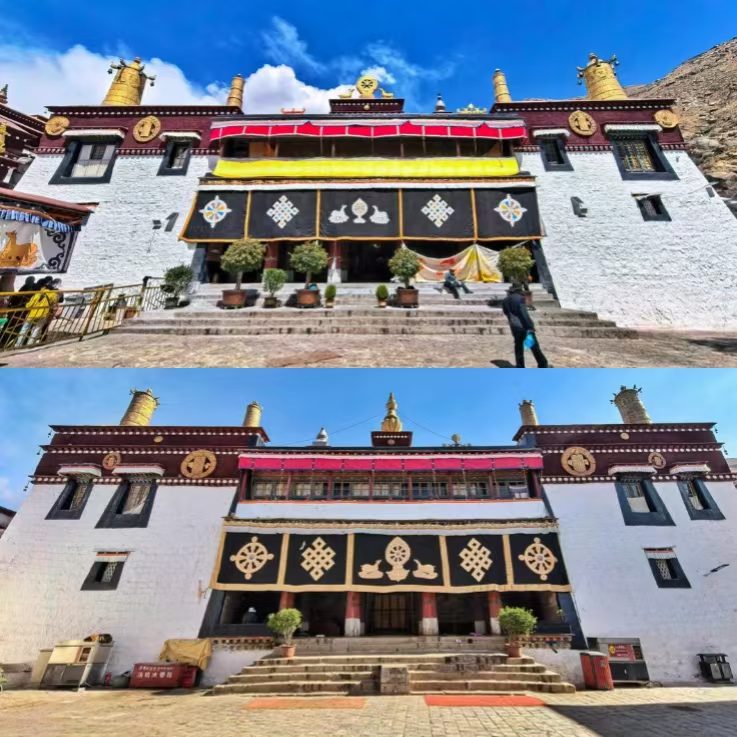
Must-See Attractions:The Two Great Zangchaks—Jé Zangchak and Mé Zangchak
"Zha Cang"Simply put, they are the colleges within the monastery. The three oldest structures in this monastery are the three major colleges: the most popular “Jé Tsang,” the oldest “Mé Tsang,” and the only Tantric college, “Aba Tsang.” The colleges also have under their jurisdiction"Kang Village", which refers to the “monks’ quarters.” The quarters are organized by hometown; monks from the same region live together and are administered by the nearby college. The quarters on the west side are primarily administered by the Meyazang College, while those on the east side are administered by the Jeyazang College.
When visiting, it’s best to start with the most popular site, [Jezang], as there are often long lines; we strongly recommend going on a weekday morning. After that, head to [Meizang].If you have time, I also highly recommend visiting Abazha Tsang to experience the unique, serene atmosphere of a Tantric monastery.
Jezha Tsang—The Sacred Site of Horse-Headed Vajra
Jezha CangThis is the largest and most popular area of the temple, where the temple’s most prized treasure—the wrathful copper statue of Horse-Headed Vajrapani (Horse-Headed Myō-ō)—is enshrined. It is one of the three most famous wrathful guardian deities in Lhasa. Horse-Headed Vajra is one of the most important protective deities in Tibetan Buddhism and is a wrathful manifestation within the Amitayus lineage. When paying respects, visitors bow down and gently touch the base of the statue with their foreheads, praying for the removal of bad luck and for the health and safety of children.
Meizang—The Oldest Seat of Learning
MeizacangIts full name is “Maiwen Si Treasure Garden Zhaqang.” It is a college of exoteric teachings, built in 1419. It was the oldest structure on the temple grounds but was later destroyed by a lightning strike and rebuilt in 1761. The main hall houses a bronze statue of Shakyamuni Buddha; its assembly hall is supported by 100 columns, and the walls are adorned with exquisite murals and thangkas. To the west and north of the assembly hall stand five chapels, which house numerous stupa shrines of living Buddhas and Buddhist statues. As part of the Exoteric College, monks engage in systematic study of Buddhist scriptures here.
Guide to the Sela Monastery Debate Ground: Times, Highlights, and Photography Rules
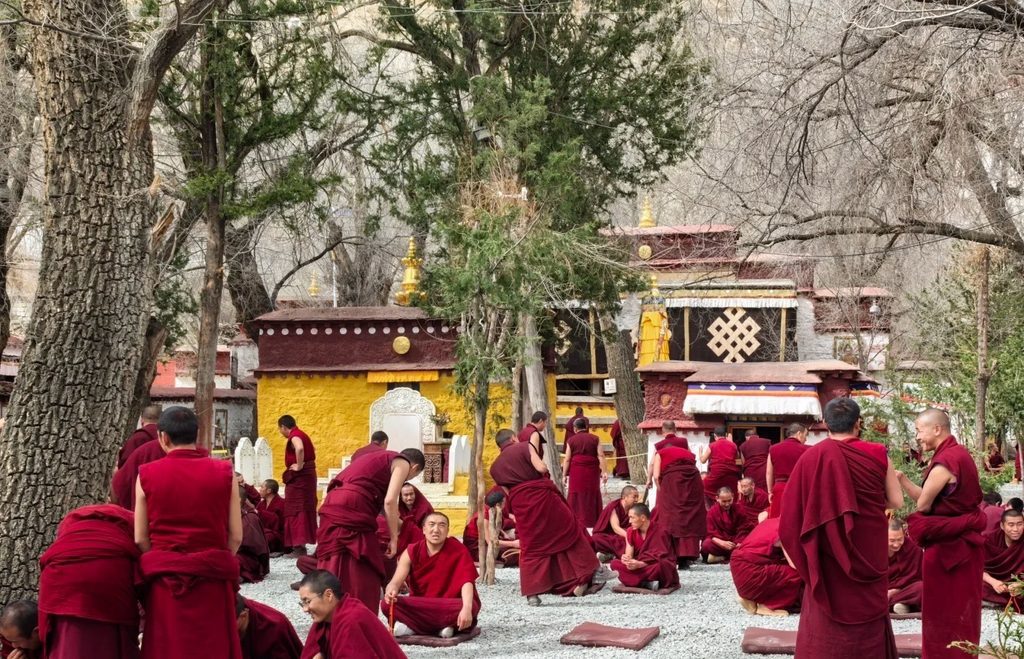
At 3:00 p.m., the liveliest and most distinctive[Debate on the Sutras]Here we go! The debate sessions here are the most famous; many tourists come here specifically to watch them.
In the gravel-covered courtyard, several hundred monks would gather. Those standing ask the questions, while those seated provide the answers; the topics of their debates cover a wide range of subjects, from Buddhist logic to the philosophy of the universe and human life. During these debates, the monks clap their hands and pull on their prayer beads in a highly dramatic manner… every gesture carries profound meaning:Raise your right arm and clap your hands vigorously, symbolizing the use of wisdom to overcome ignorance and stubbornness;Pull hard on the prayer beads, symbolizing the rescue of suffering beings from the sea of suffering;Turning His Body to Confront Her...while the other involves using rigorous logic to discern the truth. These seemingly intense practices are, in fact, unique methods of learning in Tibetan Buddhism!
This temple has four debate courts; the one I most recommend visiting is the 【Main Debate Court】 near 【Jé Tsang】.The debate sessions are held from 3:00 p.m. to 5:00 p.m. (Monday through Saturday). They are usually closed on Sundays and major religious holidays. Please note the schedule to avoid arriving when the sessions are not in session.You can only take photos with your phone at the venue, but please don't use the flash~
The Pilgrimage Path Behind Sela Temple: A Hidden Viewing Platform and Recommended Pilgrimage Route
Behind the temple, “Sera Uzi Mountain” hides a pilgrimage trail on the backside of the mountain that’s a favorite among locals. There are almost no typical tourists here, and you can always hear the crisp sound of prayer wheels spinning. On a clear day, hiking up there offers a panoramic view of the entire Lhasa cityscape and the Potala Palace in the distance—the view is absolutely spectacular!
3 Must-See Attractions
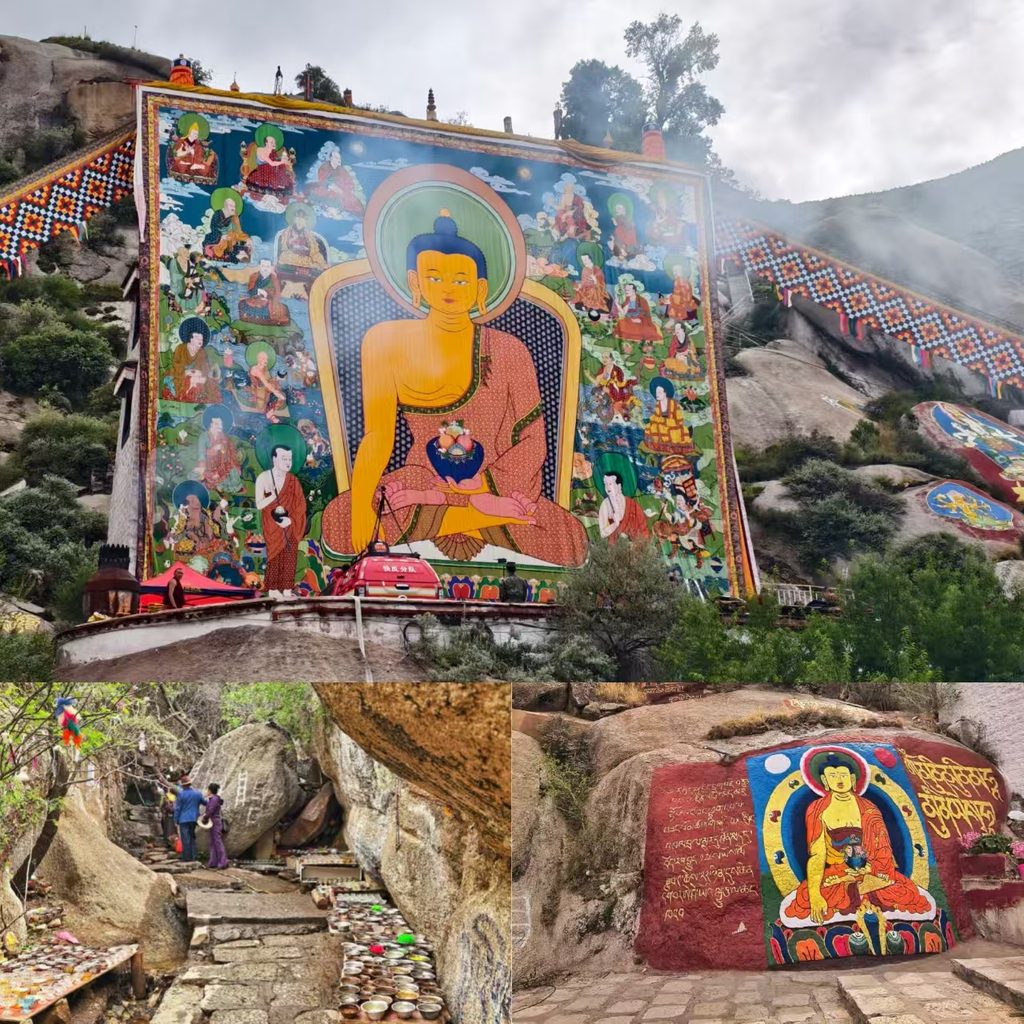
The rocks along the way are covered with vividly colored images of Buddha and the Six-Syllable Mantra. These rock carvings date back as far as When the temple was built in the 15th century...Thanks to several generations of continuous repainting, the colors still look vibrant and truly stunning today!
The first half of the pilgrimage trail consists mostly of natural mountain paths. When you reach the highest point in the middle of the trail, you’ll come across a sacred spring where locals often come to fetch water; the second half passes by a simple little mountain shrine, where you can experience the most authentic local folk beliefs.
The latter part of the mountain trail passes by the temple’s Buddha-unfolding platform. During Lhasa’s grand “Shoton Festival,” a solemn Buddha-unfolding ceremony is held here, just as it is at Drepung Monastery, where a giant Buddha thangka is unfurled on the hillside for devotees to venerate.
In summary, what makes this place truly remarkable isn’t the architectural heritage, but the vibrant Tibetan culture that permeates the area. Whether it’s the lively debates among monks or the devout figures you see everywhere, this makes it the temple in Lhasa most worth exploring at a leisurely pace. When planning your trip to Tibet, I strongly recommend setting aside half a day for this place! Follow the tips in this guide, and I’m sure you’ll easily experience the most authentic Tibetan Buddhist faith and way of life!If you’re concerned about altitude sickness and the cumbersome entry procedures for Tibet, but still want to enjoy the most authentic Tibetan experience with ease, please feel free to contact CITS Global Travel! We are committed toHigh-quality "pure sightseeing" itineraries with no shopping and no hidden costs...and with our team of experienced local Tibet experts and dedicated advisors, we can create a customized, authentic, and hassle-free in-depth tour of Tibet just for you!
This article references the following sources:Sera Monastery – Wikipedia, the free encyclopedia