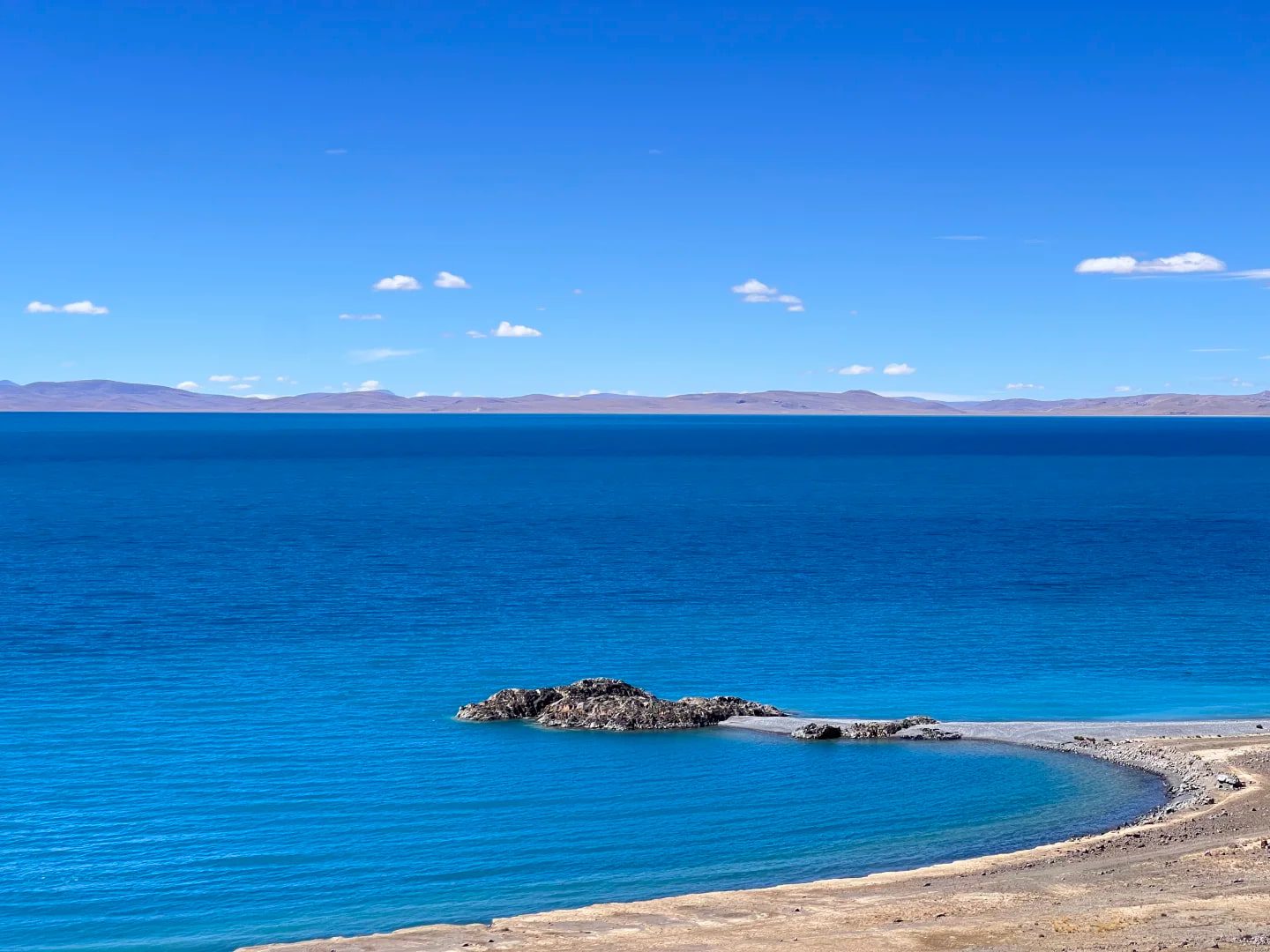
Namucuo. Deep in the plateau north of Lhasa, there is a lake so blue that it doesn't look like a human being.
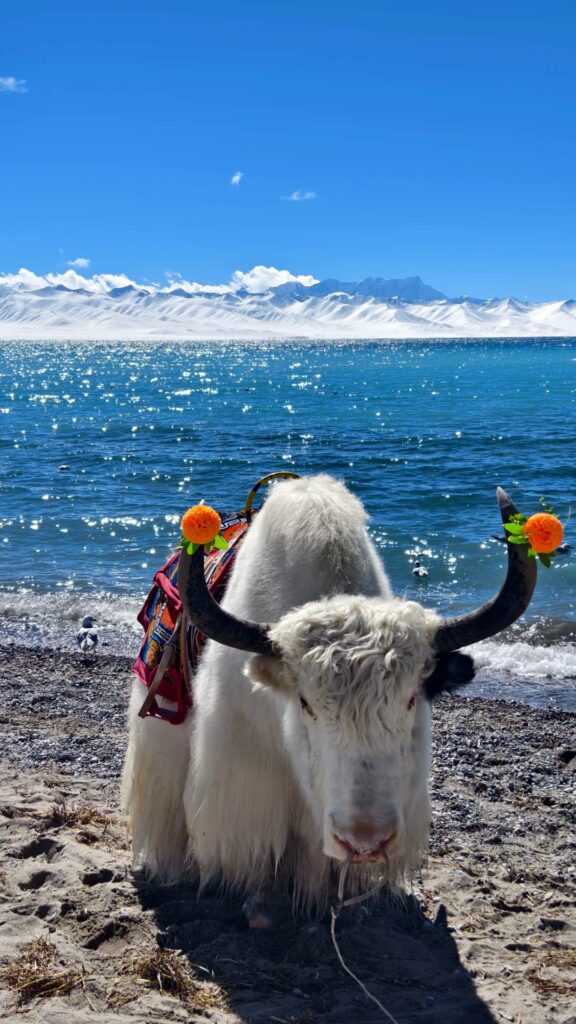
When the sunlight sprinkles on the lake, the reflection of the snow-capped mountains and the color of the sky merge into one, as if entering another world.
Although it takes about 3-4 hours to drive from Lhasa city, many people still make the trip.
Because ... for Tibetans, this is not just a lake, but a starting point of faith;
For travelers, this is the closest place to heaven.
Namucuo Scenic Spot Overview
Namtso.It means "Heavenly Lake" in Tibetan.It is located at the junction of Dangxiong County, Nagchu City and Lhasa City in the Tibet Autonomous Region.
Elevation of about 4,718 meters.One of the highest salty water lakes in the world..
Namucuo is one of the three sacred lakes in Tibet, along with Yamdrok and Marbunyongmo, with the Nyingchi-Tanggula Mountains to the south and the Qiangtang Grassland to the north. The lake is vast and colorful.
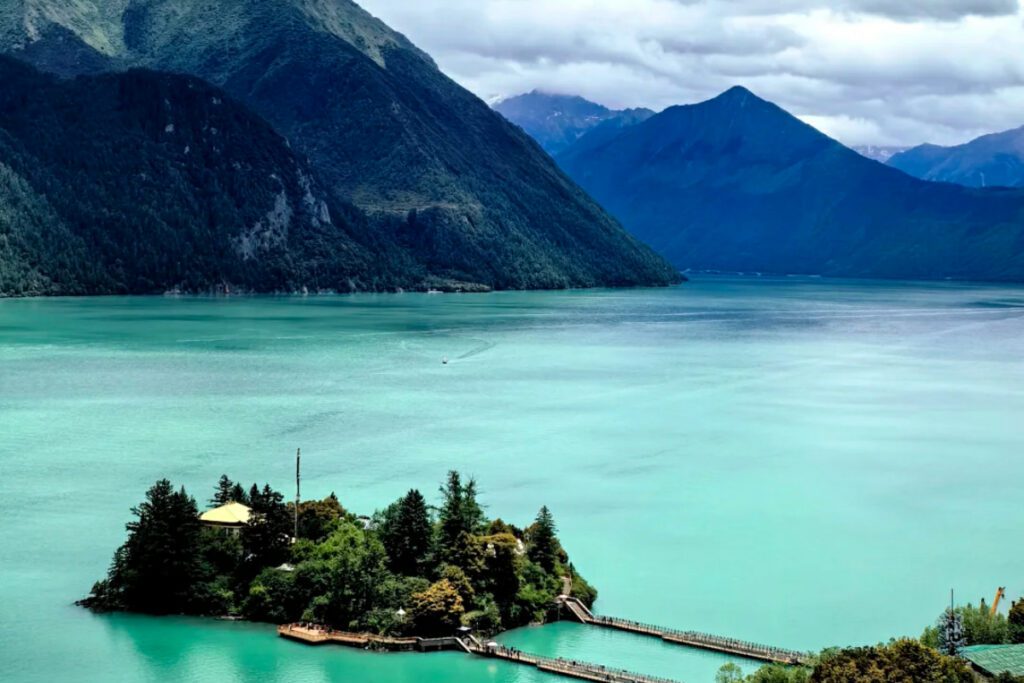
On sunny days, it is as blue as a jewel, while on cloudy days, it has a mysterious luster of deep blue and silver gray.
It is not only a natural wonder, but also a holy place of Tibetan Buddhism.
Devotees call it the "Lake of Heaven", symbolizing the embodiment of purity and compassion.
Second, Tibetan legend: Namtso and Nyingchi Tanggula love story
In Tibet, the myths of Namucuo and Nyingchi-Tanggula Mountains have been passed down.
Legend has it.Nyingchi-Tanggula is the "God of the Grassland" and Namucuo is the "Goddess of the Heavenly Lake".".
The two were originally a divine couple, but they were forced to separate when they angered the god of the underworld.
Nyenching Tanggula was sent to the ground and was rescued by a mortal woman. When he regained his memory, his beloved Namucuo had turned into a lake of tears.
Since then, Nyenching Tanggula has become a mountain range, guarding the blue of Namucuo for the rest of its life.
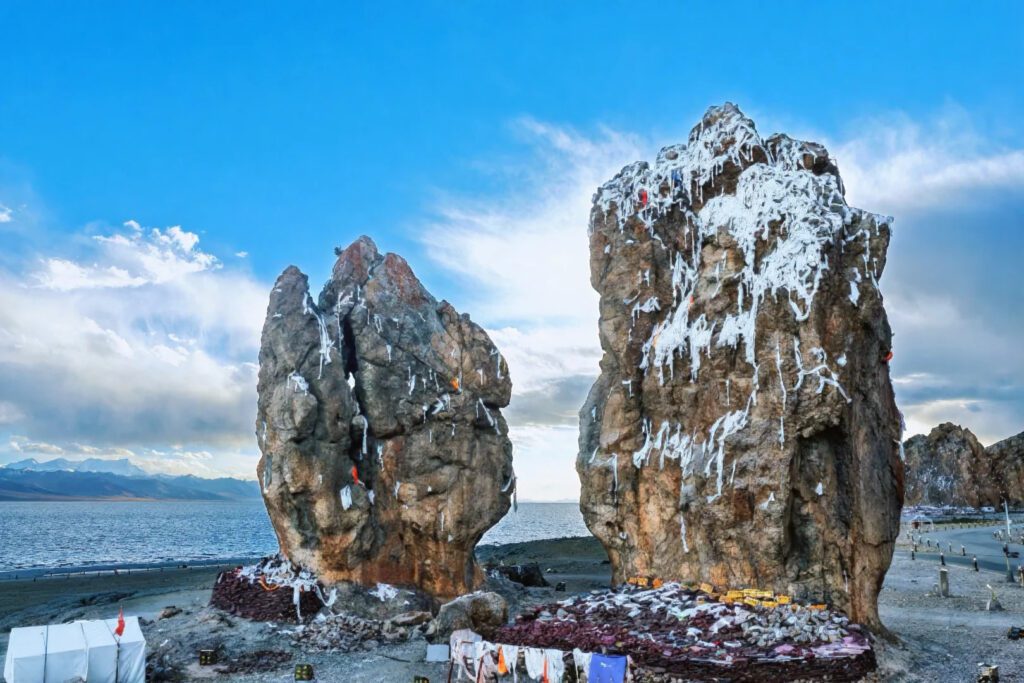
lakesideThe "Palm Stones", also known as the "Parent Stones", are regarded as their incarnation.
The symbol of eternal love has made Namucuo the most romantic sacred lake in Tibet.
Religious Beliefs and Spiritual Meaning
Tibetan believers believe that Namucuo is "Namchoman", the daughter of Dishu Heaven.
It is also the spouse of the sacred mountain Nyenching Tanggula, symbolizing the fusion of yin and yang, compassion and wisdom.
lakeside Tashi Dor There are ancient monasteries and grottoes.
It is a spiritual retreat for monks and pilgrims.
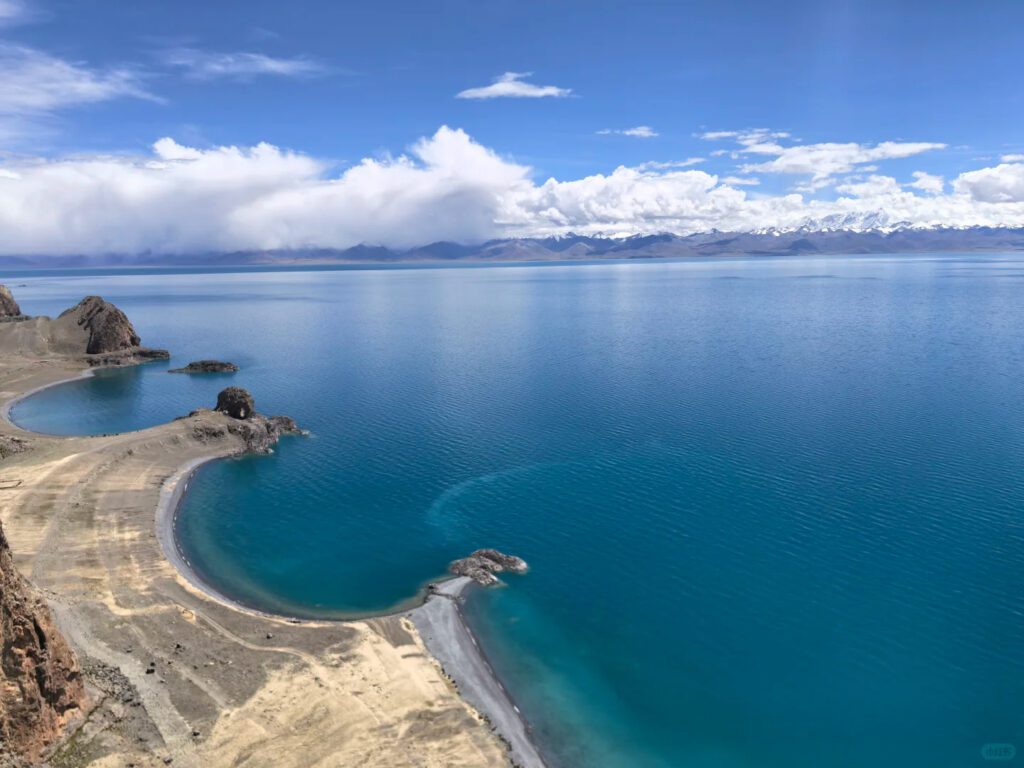
Pilgrims believe that circling the lake for a week cleanses them of their sins and increases their merit and longevity.
As a result, countless worshippers come to the lake every year to worship the water as nectar to purify their souls.
Pilgrimage and Folklore in Namtso
🔵 Turning Lake Pilgrimage
In Tibetan Buddhism, there are"In the year of the goat, the lake, in the year of the horse, the mountain, and in the year of the monkey, the forest."The tradition.
The Tibetan Year of the Goat is considered to be the most auspicious year, and circumambulating Namucuo for a week will increase your merit by 100,000 times.
The lake is about 190 kilometers long and it usually takes a few days or even weeks for the believers to complete it.
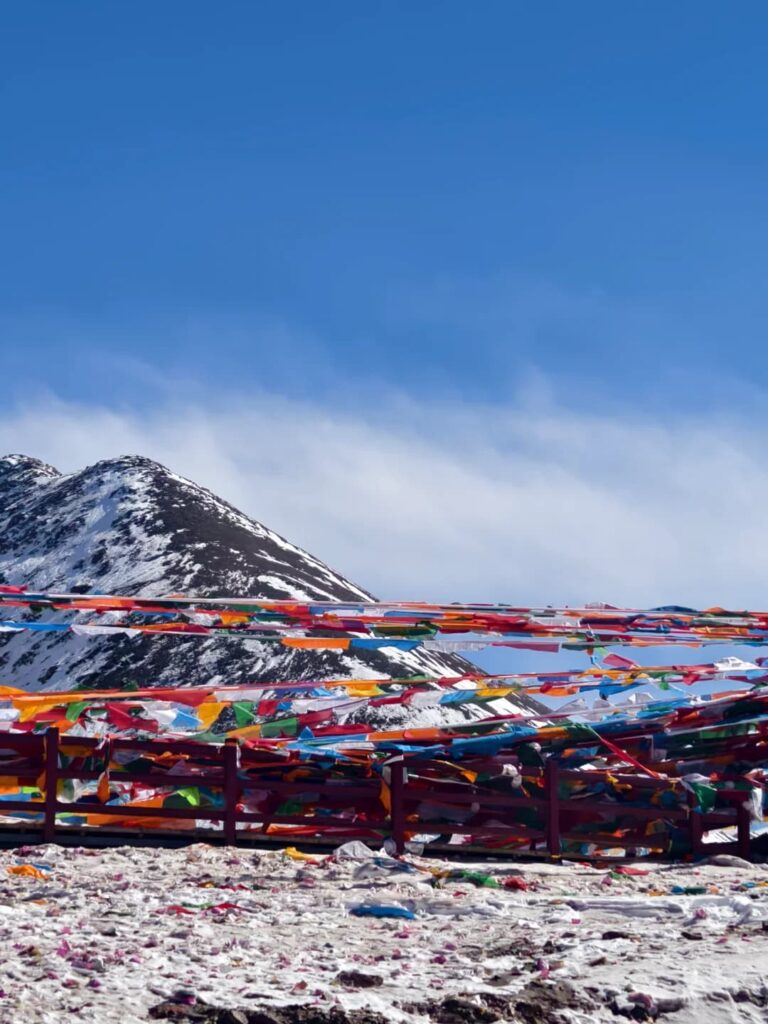
Chanting, bowing, and praying along the way, the lake is dotted with Buddhist scripture tubes and white khaddars, making for a solemn scene.
⚪ Bathe in the Sacred Lake
Namucuo.A place called "Bath Gate".It is said that bathing here can wash away sins and pray for a long and safe life.
The believers will put the Haddad gently into the lake.
If the hatha sinks quickly into the water, it symbolizes good luck and the fulfillment of one's wishes.
🟡 Sacrifice to the water god "Lu"
Tibetan herdsmen believe that the lake is inhabited by the water god, Lu Wang.
He is the ruler of wealth and fortune.
People carry "Ruben" clay pots containing grains and precious stones and throw them into the lake as a sign of respect and to pray for a good harvest.
Namtso in Four Seasons
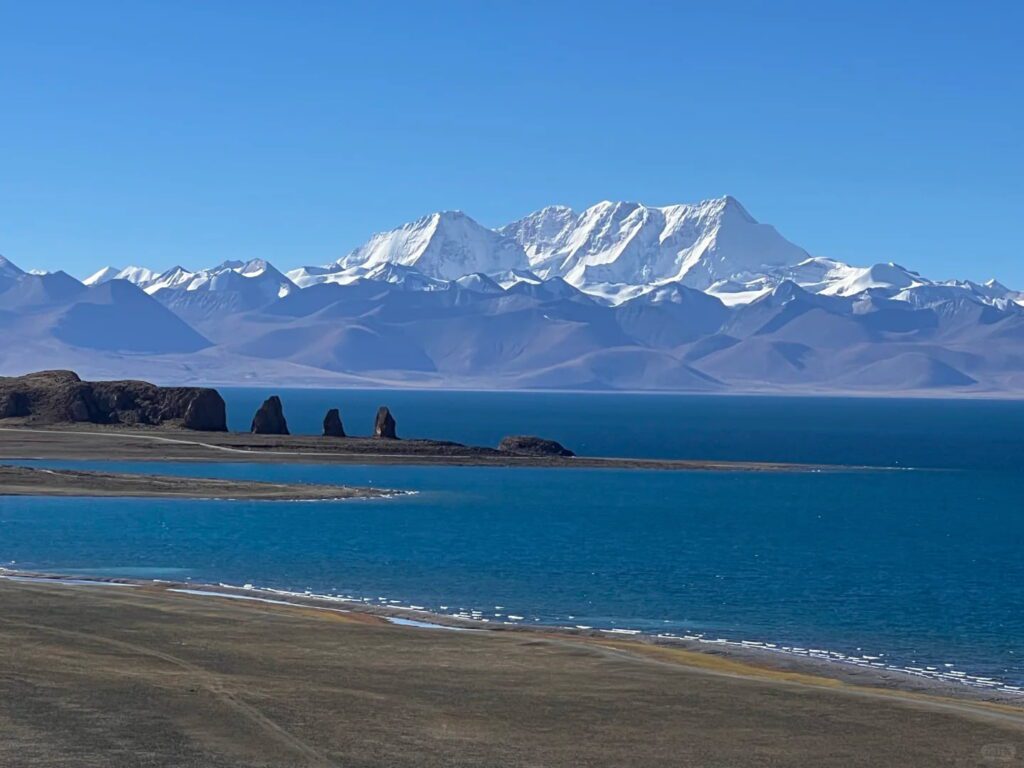
Namucuo's beauty varies with the seasons, from the clear blue of spring to the frozen white of winter.
Each time of the year is characterized by a unique highland landscape and tranquility.
Spring|Clear Lake with the first melting of snow and ice
April through May each year.The frozen lake is starting to melt.The snow pools into the lake.
In the distance, the Nyenching Tanggula Mountain is still covered with snow, and the pasture by the lake is green.
Namucuo at this time is like a newborn gem, transparent and quiet.
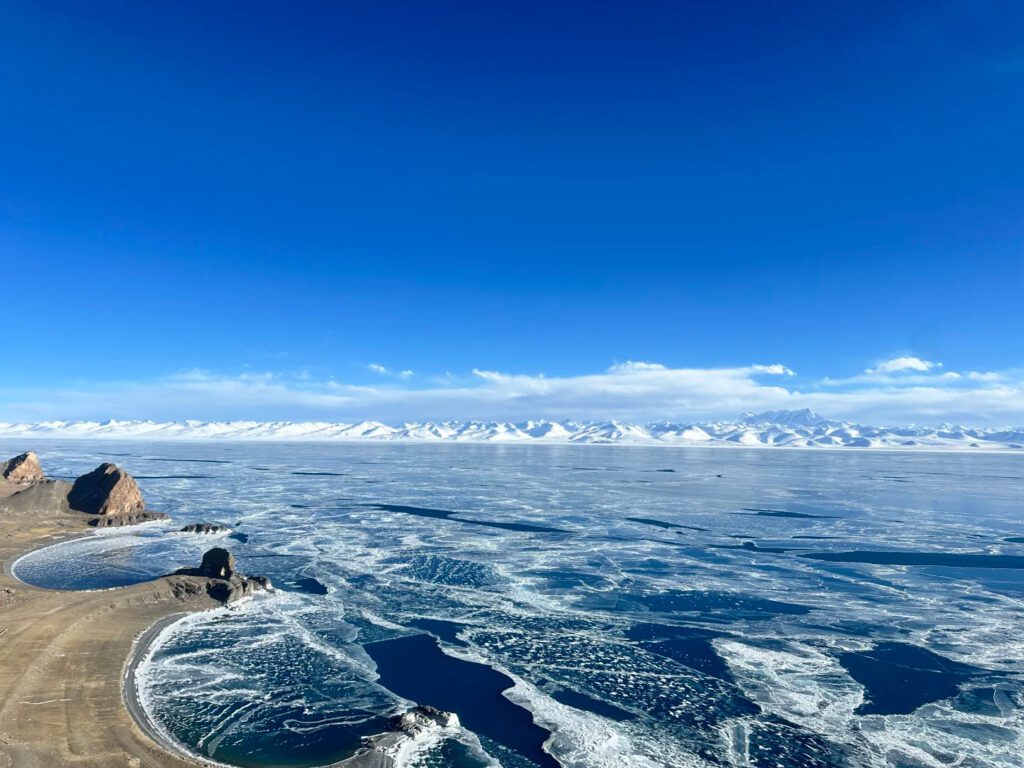
However, because of the high altitude, there is still a thick layer of ice on Namucuo at this time.
Summer: The bright blue season of life
June to August is Namucuo's hottest season.
The sky is flawless and the lake is as deep blue as a mirror.The snow on the distant mountains shines in the sunlight.
Cattle roam on the grassland, herdsmen set up tents, and the Tianhu Lake shows its most vibrant side at this time.It is the "most beautiful Tibet" in the hearts of many people.
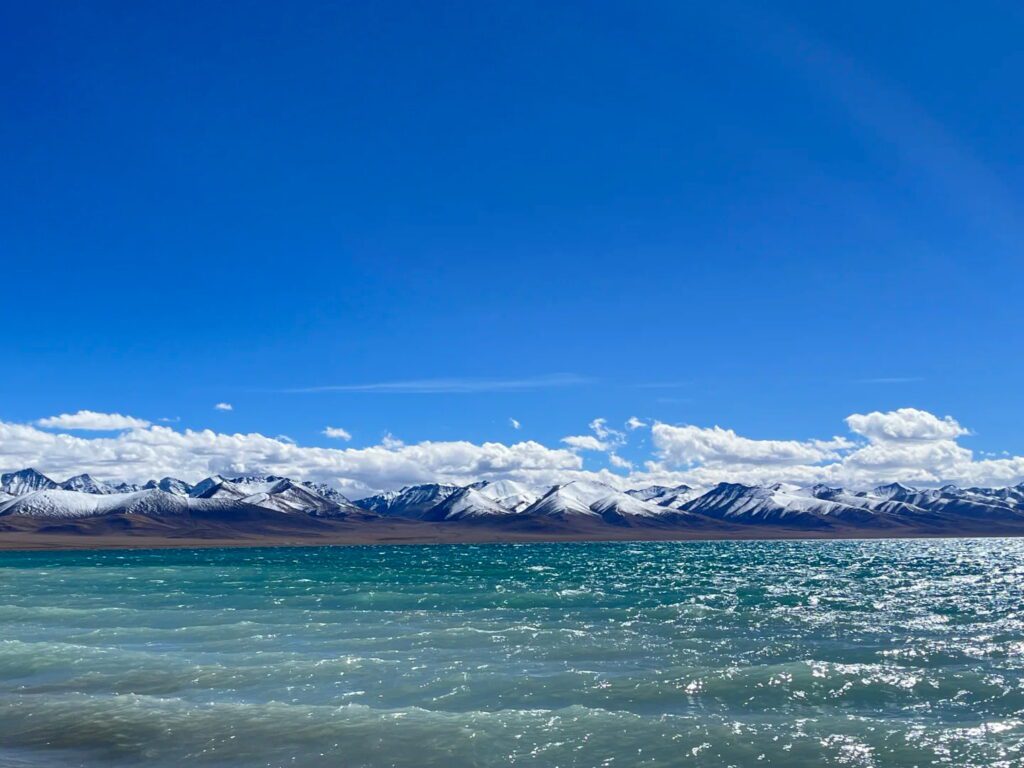
Autumn|The quiet time when the golden light reflects the snow.
From September to October, the air in Namucuo is crisp and the light is soft.
The sunlight pours over the lake, the waves and the sunlight, and the lake takes on a deep blue and amber-like luster at sunset.
This is the quietest time of the year in Namucuo, with fewer crowds, more wind and the echo of prayers.
Winter: Sacred Tranquility in the Frozen Snowy Landscape
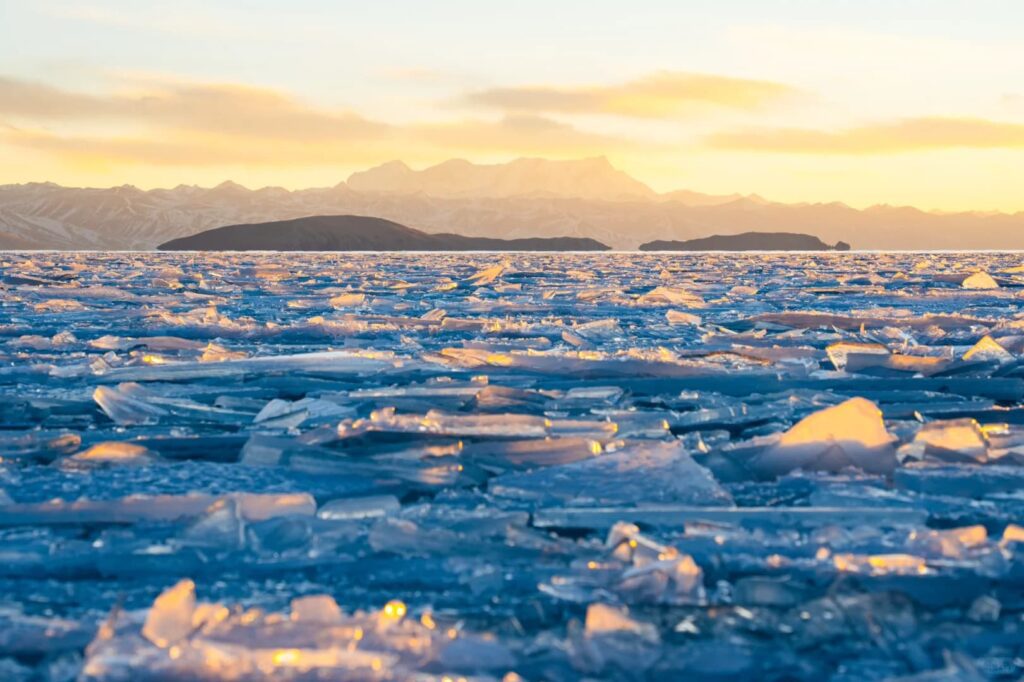
From November to March, Namucuo goes into a long winter hibernation.
The surface of the lake is covered with thick ice, the wind echoes in the valleys, and the whole lake area is as white and flawless as if it had entered the heavenly realm.
Although cold and difficult, Namucuo at this time of the year has the purest beauty of silence...
VI. Code of Conduct
- The lake area is at a high altitude, please avoid strenuous activities and take care of the cold.
- Respect the beliefs of the sacred lake and do not wash, collect water or discard trash in the lake.
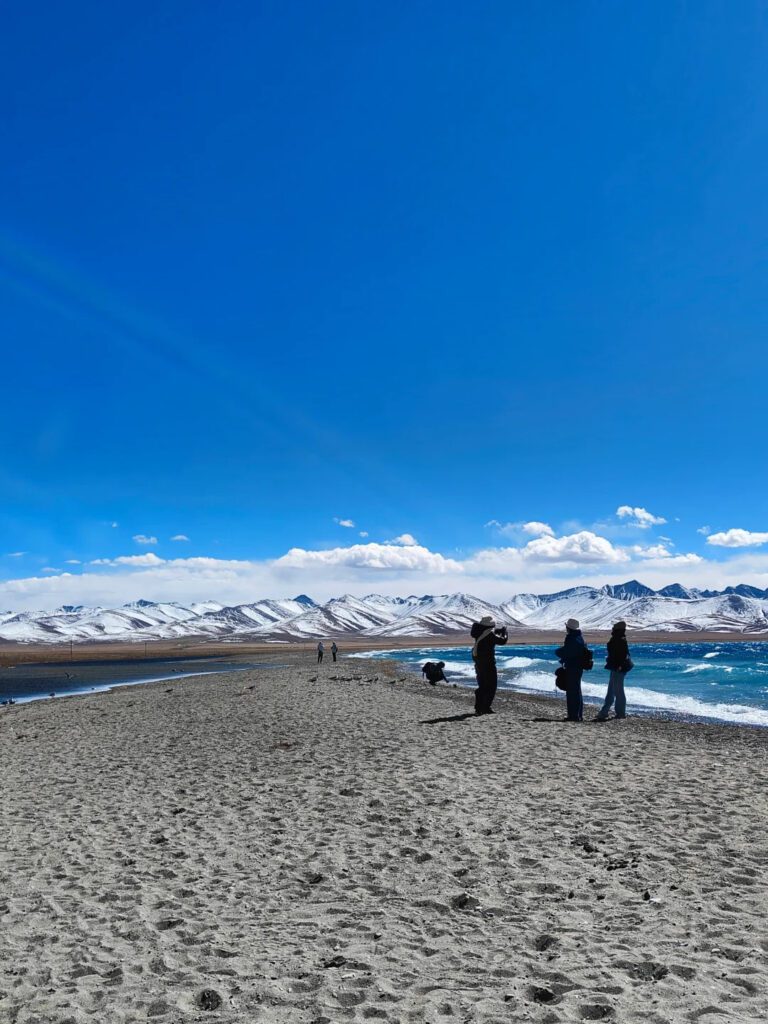
- Do not disturb the pilgrims while taking pictures.
- Drones are not allowed to fly over monasteries or pilgrimage areas.
VII. Address information
📍 addressNamucuo Scenic Area, Dangxiong County, Nagchu City, Tibet Autonomous Region, China (about 240 kilometers from Lhasa)
🕐 Opening Hours: Year-round access (some areas may be closed due to snow in winter)
💰 Ticket InformationAdults: RMB 120 (including the park shuttle)
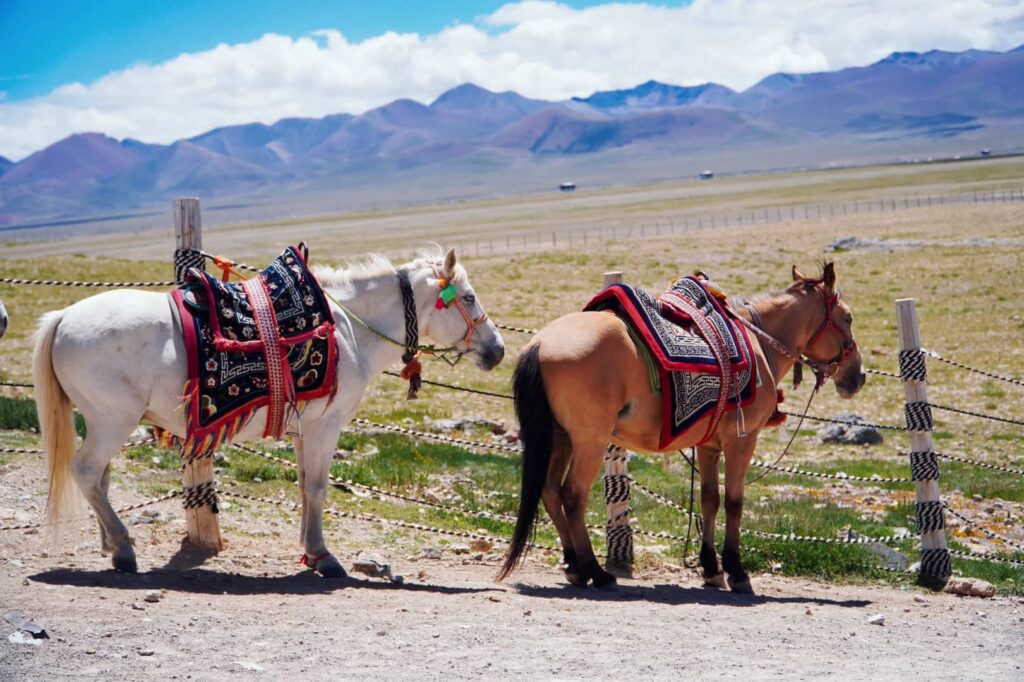
Horseback riding is available for those who need it, but the price must be killer!
VIII. Summary of view characteristics
- One of the three sacred lakes in Tibet, meaning "Heavenly Lake" in Tibetan.
- The legendary love symbols of Namucuo and Nyingchi-Tangula.
- The Lake is a place of pilgrimage in the Tibetan Year of the Goat, which doubles the merit of the lake.
- Lake and snow shadow spectacular, starry sky photography perfect location
- A highland sanctuary rich in religion, folklore and natural wonders.