
Potala PalaceThe Potala Palace, standing on top of the Red Mountain in Lhasa, is an eternal symbol of Tibetan Buddhism and Tibetan culture.
This 3,700-meter palace-like structure combines religion, art, and political power.It is known as the "Palace of Souls at the Peak of the Snowy Landscape".
No matter from which angle you look up, it looks like a miracle floating in the clouds, shining with the light of Tibetan faith.
I. Overview of the Potala Palace: the most representative landmark in Lhasa
The Potala Palace, located on top of Red Mountain in the Chengguan District of Lhasa City in the Tibet Autonomous Region, is one of the highest-altitude ancient palaces in the world and an important sacred site of the Gelugpa School of Tibetan Buddhism.
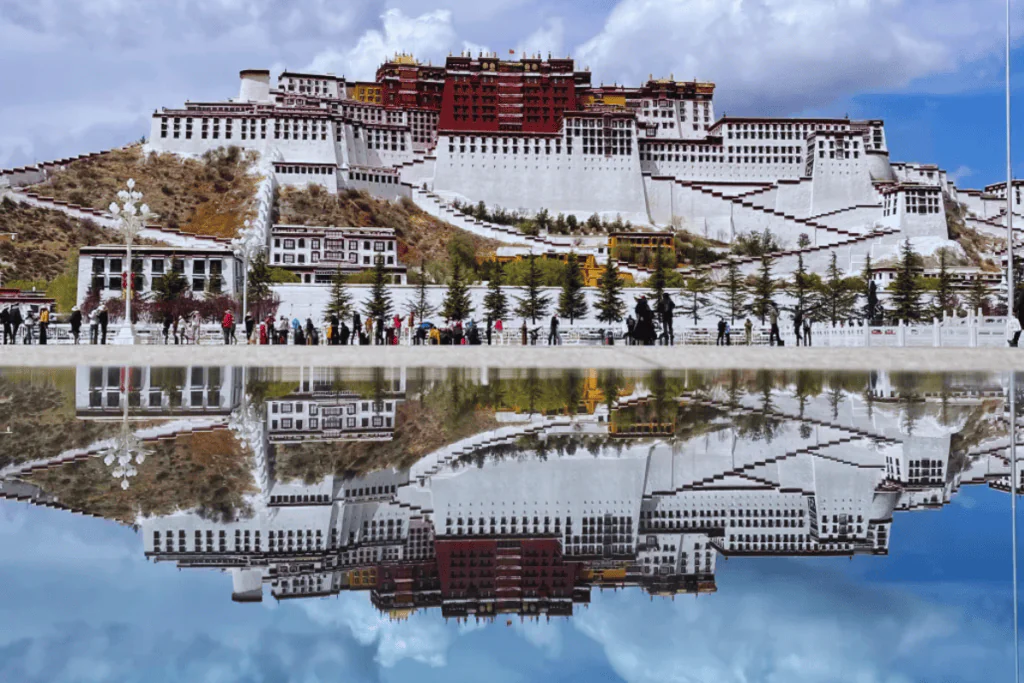
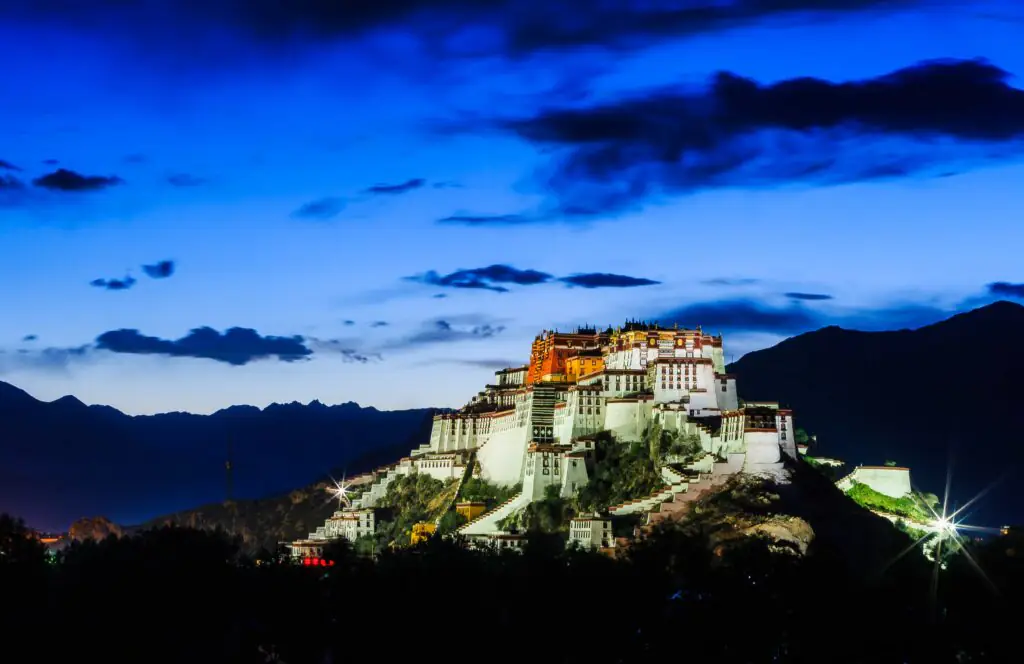
This magnificent complex, consisting of the White House, the Red House and its annexes, is so majestic that it looks like a golden castle covered with snow from afar.
Originally built by King Songtsen Gampo in the seventh century to marry Princess Wencheng of the Tang Dynasty, the current scale originated from an extension built by the fifth Dalai Lama in the 17th century.
In 1994, the Potala Palace was inscribed on the UNESCO World Cultural Heritage List, making it a spiritual symbol of Tibet and the most sacred destination in the hearts of travelers.
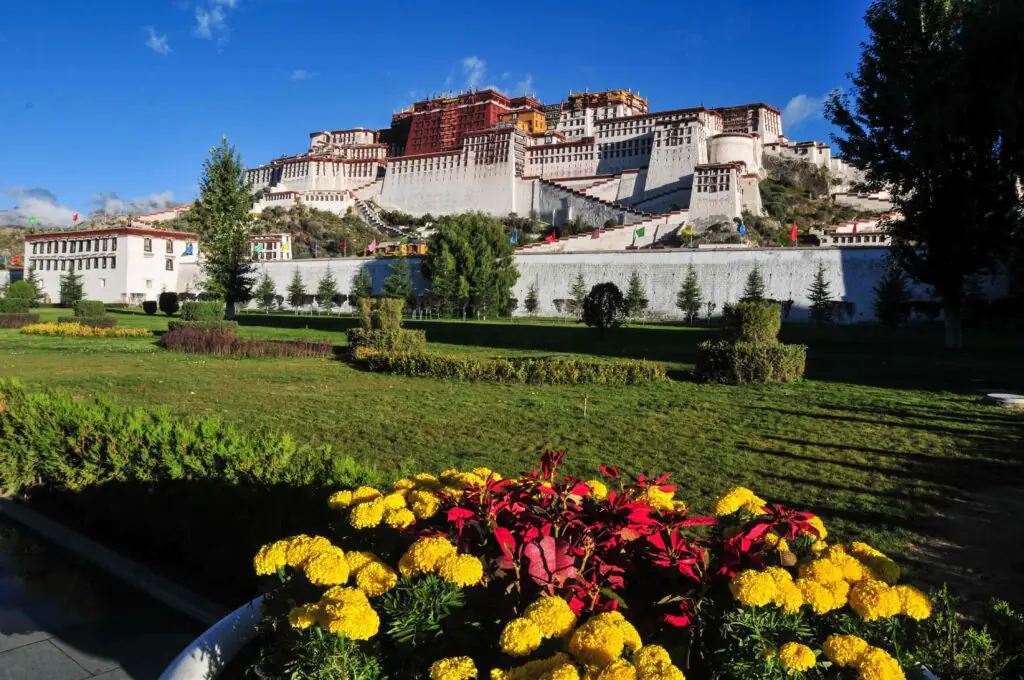
History and Origin of the Potala Palace
According to the History of Turfan, the history of Potala Palace can be traced back to the seventh century, when Songtsen Gampo built the palace to marry Princess Wencheng of the Tang Dynasty. At that time, it was not only the residence of the royal family, but also the hub of politics and religion.
The present building was first constructed in 1645 by the fifth Dalai Lama, Lobsang Gyatso, and took half a century to complete.
Since then, successive Dalai Lamas have taken this place as their residence and center of government and religion, witnessing the glory of Tibetan history and the continuity of their faith.
The word "bhuttara" comes from Sanskrit. PotalaIt means "Avalokiteshvara's Pure Land," symbolizing the fusion of compassion and wisdom, and suggesting the Dalai Lama's religious significance as an incarnation of Guanyin.
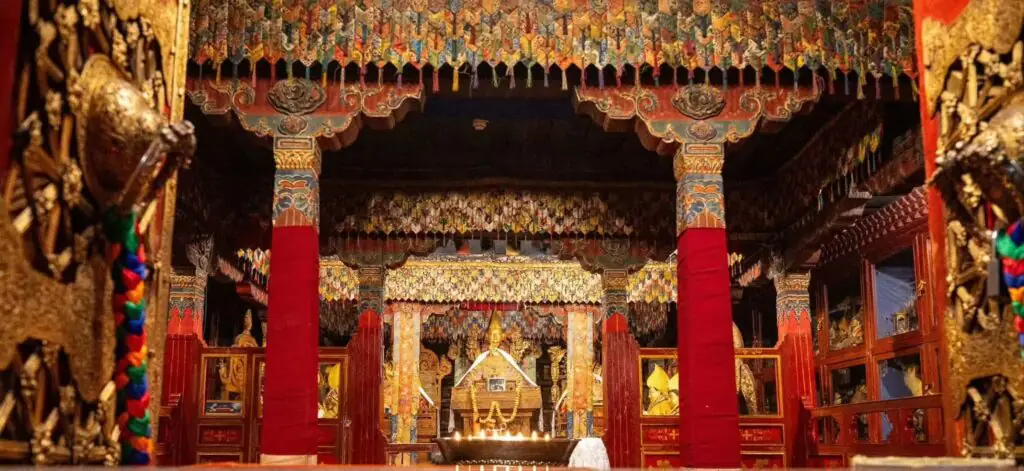
Architectural Pattern and Artistic Characteristics
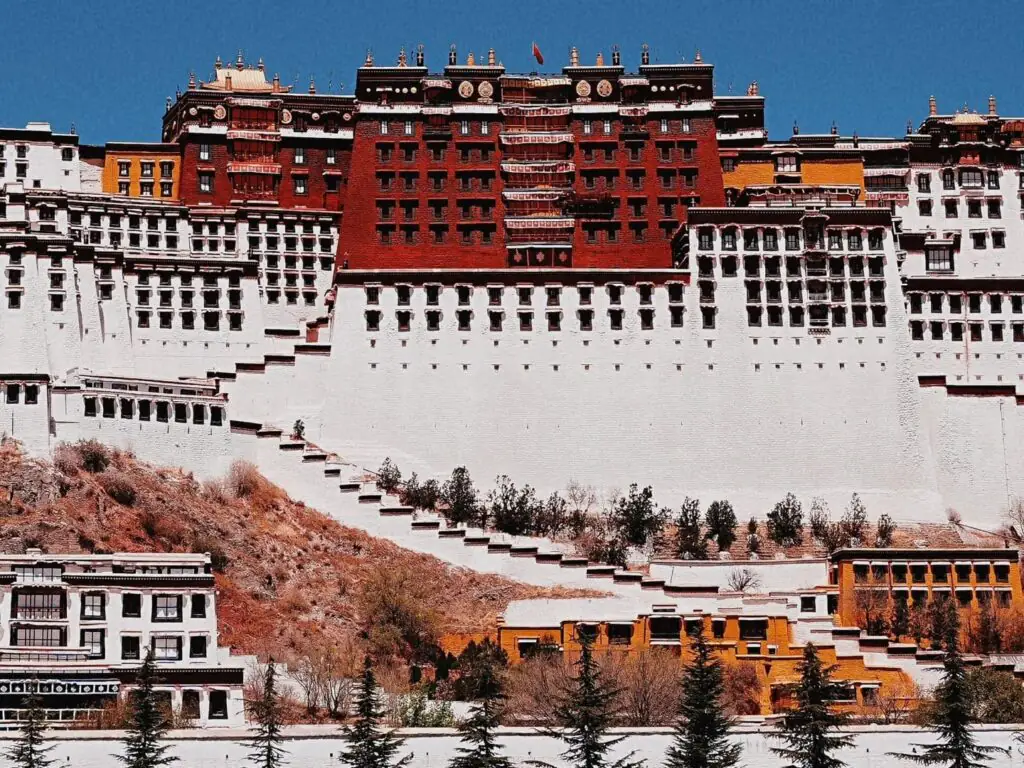
Potala Palace built according to the terrain of the Red Mountain, the appearance of red and white, rising layer by layer, up to thirteen floors, a total height of more than one hundred and seventeen meters, such as suspended in the distance above the clouds, majestic.
The building is divided into three main areas:
The White House (Foreign Affairs)The Dalai Lama's living and administrative place is the political center of the Potala Palace, with a reception hall, a monastic house and a throne hall.
Red Palace (religious area)The spiritual core of the entire palace, enshrining Buddha statues, scriptures and stupas of Dalai Lamas, is the center of Tibetan Buddhist practice and pilgrimage.
Subsidiary ComplexesIt includes a Buddhist academy, a treasury, a monastery and a small Buddhist temple, all of which surround the main building in a strict and harmonious layout.
The murals in the palace are full of color and smooth lines, covering Buddhist traditions, the life of Tsongkhapa, Tibetan history and cosmology;
The Golden Peak area is the best place to see the panoramic view of Lhasa. At sunrise and sunset, the golden light falls between the snow-capped mountains and the ridge of the roof, constituting the most symbolic picture of Lhasa.
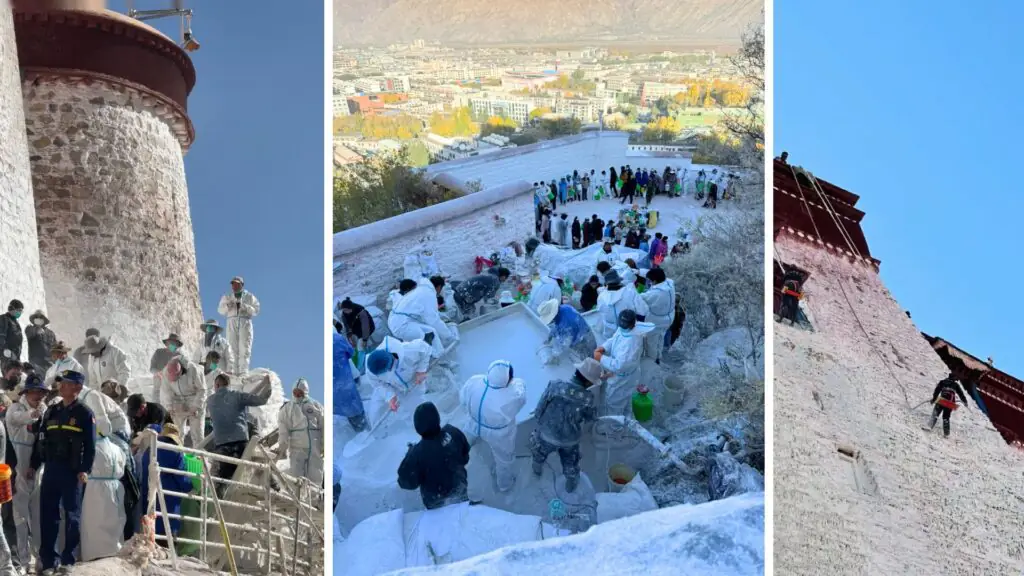
Potala Palace Pink Wall Ceremony: Reinventing Sanctity with Milk and Faith
Every year before winter, when the sunlight in Lhasa becomes softer and the climate becomes dry and cooler, the Potala Palace holds an annual festival.Wall Painting Ceremony.
This tradition, which has been going on for centuries, is a unique cultural practice that combines religious rituals with building maintenance.
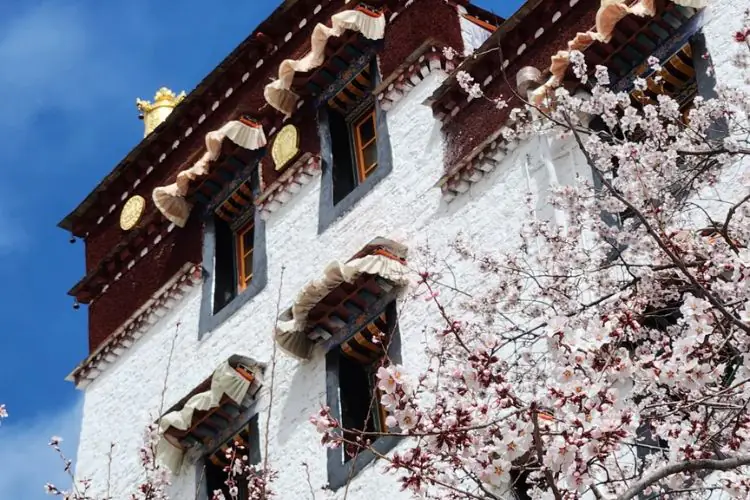
Hundreds of monks and volunteers worked together to repaint the palace walls with a special white paint.
This coating consists ofquicklime, milk, honey and syrupMilk symbolizes purity and compassion, while honey signifies good fortune and nectar.
It is believed that such anointing will purify the palace, renew its spirituality, and bless all beings with peace.
During the painting process, monks recited prayers and residents made offerings of ghee and khaddar at the foot of the Red Mountain.
When the sunlight falls on the newly painted white walls, the entire Potala Palace seems to be reawakened.
The white walls reflect the light of the snowy landscape, symbolizing "purification, continuity and blessing".
This ceremony is not only a restoration of the building, but also a faith event for all.
For Tibetans.Wall painting is not just a cosmetic repair, but a tribute to heaven and earth and faith., where you can
It is also a way of guarding the continuity of the soul of this temple.
IV. Religious Culture and Symbols of Belief
The Potala Palace is not only the residence of successive Dalai Lamas, but also a symbol of religious and political power in Tibet.
The Red Palace enshrines the relics of the Dalai Lamas' stupas, and believers walk around the Red Mountain, clockwise, reciting the Six Character Truth as a sign of devotion.
During major festivals in the Tibetan calendar, such as Shoton or Saga Dawa.
There are many Buddhist events in Lhasa, although the main ceremonies are held at Drepung Monastery and Dazhao Monastery.
butThe Potala Palace remains a spiritual symbol on the pilgrimage route..
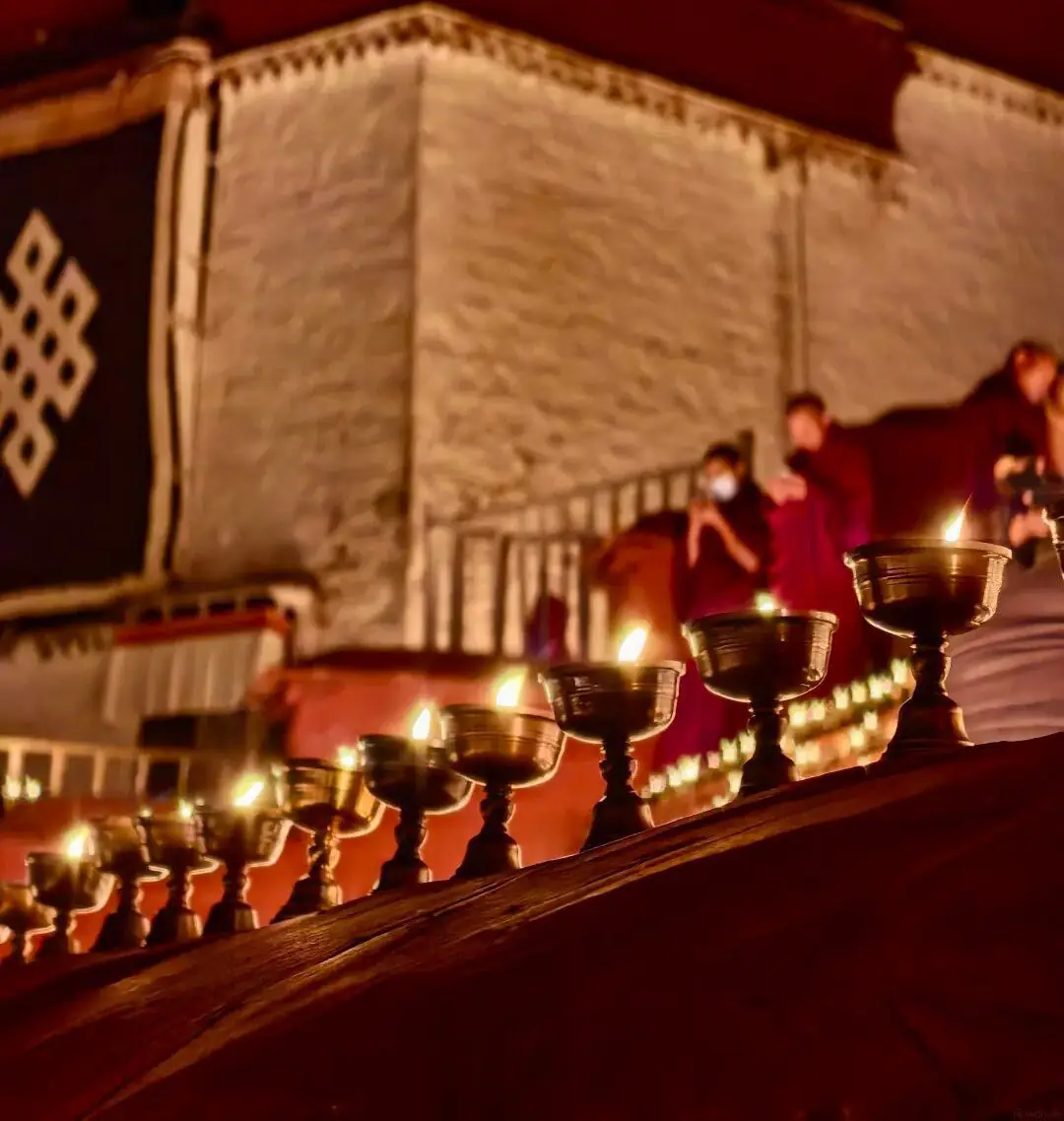
At the foot of the Red Mountain, worshippers burn incense, turn to the scriptures, and look toward the top of the palace to pray, a solemn and touching scene.
For Tibetans, the Potala Palace is the "Pure Land of Guanyin" in their hearts.
It not only symbolizes the fusion of faith and wisdom, but also carries the spiritual height of Tibet's thousand-year religious heritage.
V. Collected Artifacts and Artistic Value
The Potala Palace houses more than 100,000 artifacts including:
- Gilt-bronze Buddhas, Gold and Silver Vessels and Thangkas
- Dalai Lama's Stupa and Statue of Buddha
- Tibetan Ancient Books, Sutras and Handwritten Documents
- Silk, Porcelain and Jade Gifts from the Imperial Court during the Ming and Qing Dynasties
The fifth Dalai Lama's stupa is made of gold inlaid with jewels and weighs several tons, making it the most precious religious artifact of the Potala Palace.
The mural paintings have a wide range of themes and are not only the pinnacle of religious art, but also an important basis for the study of Tibetan history.
Suggestions and Travel Reminders
- Photography and video recording are prohibited inside the palace, so please follow the designated route.
- Hats off, quiet inside, no food, drink or smoking.
- Due to the high altitude and many stairs, please slow down your pace and be aware of altitude sickness.
- Advance ticket reservation is recommended for high season (May-October)Daily traffic limit. (CITS tours will help you buy tickets ~ make reservations for you, so you don't have to worry)
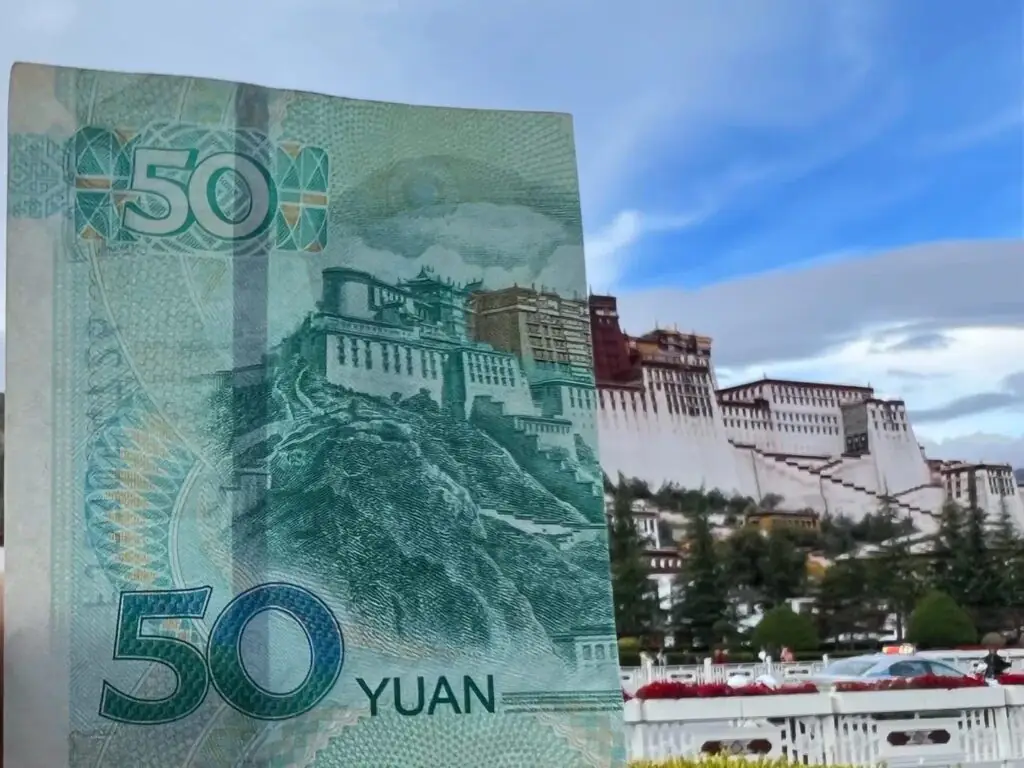
- The best places to take photos are at the Potala Palace Square and the Medicine King Mountain Observation Deck, which offers a panoramic view of the entire palace. You can also take a panoramic photo for 50 dollars!
VII. Transportation and location
📍 addressNo. 35, Peking Middle Road (above Red Mountain), Chengguan District, Lhasa, Tibet Autonomous Region, China.
🕐 Opening Hours: 09:00-17:00 (advance reservation required during peak season)
💰 Ticket InformationThe hotel is located in the center of the city, and is approximately RMB 200 in the high season and RMB 100 in the low season, and can be booked online or purchased on-site.
VIII. Summary of view characteristics
- Tibet's Most Representative World Cultural Heritage Site
- Tibetan Buddhism and the Dalai Lama's Religious Center
- The majestic palace-like buildings demonstrate the beauty of Tibetan architectural art.
- Collection of 100,000 pieces of precious artifacts and pagodas of the past
- The best place to see the city of Lhasa and the Red Mountain.