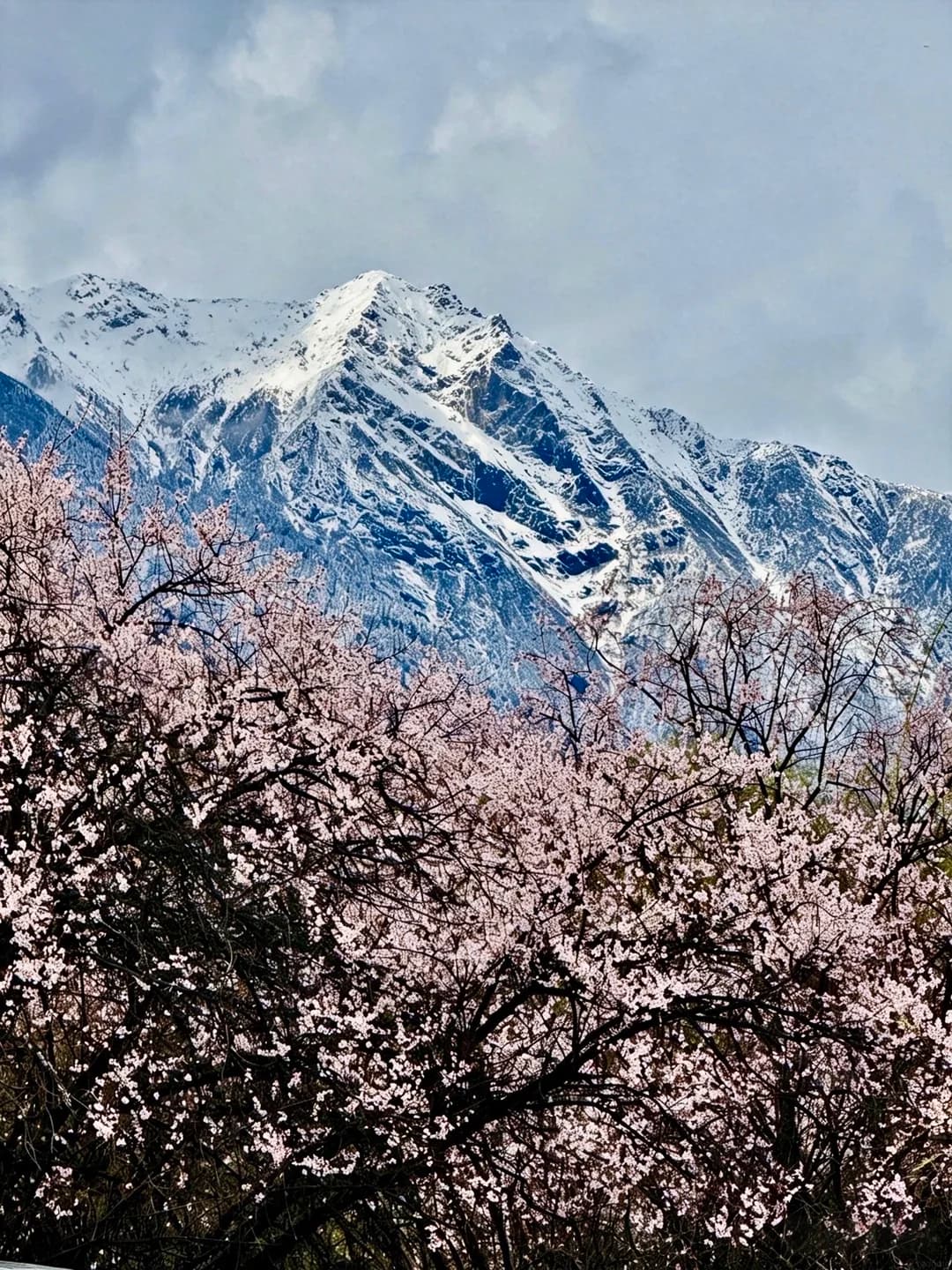
There are actually several types of peach blossoms in Nyingchi: there are man-made scenic areas, ancient wild peach trees preserved in Tibetan villages and along the countryside, as well as some newly developed wild peach orchards.For example, the famous Gala Peach Blossom Village is a planned tourist attraction....the peach blossoms, rapeseed fields, observation decks, and walking trails form a specially designed flower-viewing route,Flowering conditions are relatively stableIt is also the first stop where most travelers are introduced to the Nyingchi Peach Blossom Festival;If you continue on to Bomi and Nyingchi along the way, the peach blossoms there come from genuine, old wild peach trees....No one goes out of their way to prune them, and there’s no set blooming season—whether they bloom at all depends entirely on when the snow falls that year and how quickly spring warms up. Come mid- to late March each year, these two spots are practically a must-see on every itinerary!
—But it would be a bit of a shame if the entire trip revolved solely around these two points, because the peach blossoms’ blooming season is very short; often, a single heavy rain or snowfall is enough to make them all wither away. In previous years, the blooming season generally fell between mid-March and mid-April, though the timing can vary by one or two weeks across different regions of Tibet, and the actual dates are still subject to the weather conditions of that particular year.
So, if you want to visit Tibet, the first step is to familiarize yourself with the various locations and their blooming seasons.
Classic Flower-Viewing Spots at the Nyingchi Peach Blossom Festival
Classic Recommendation #1: Gala Peach Blossom Village
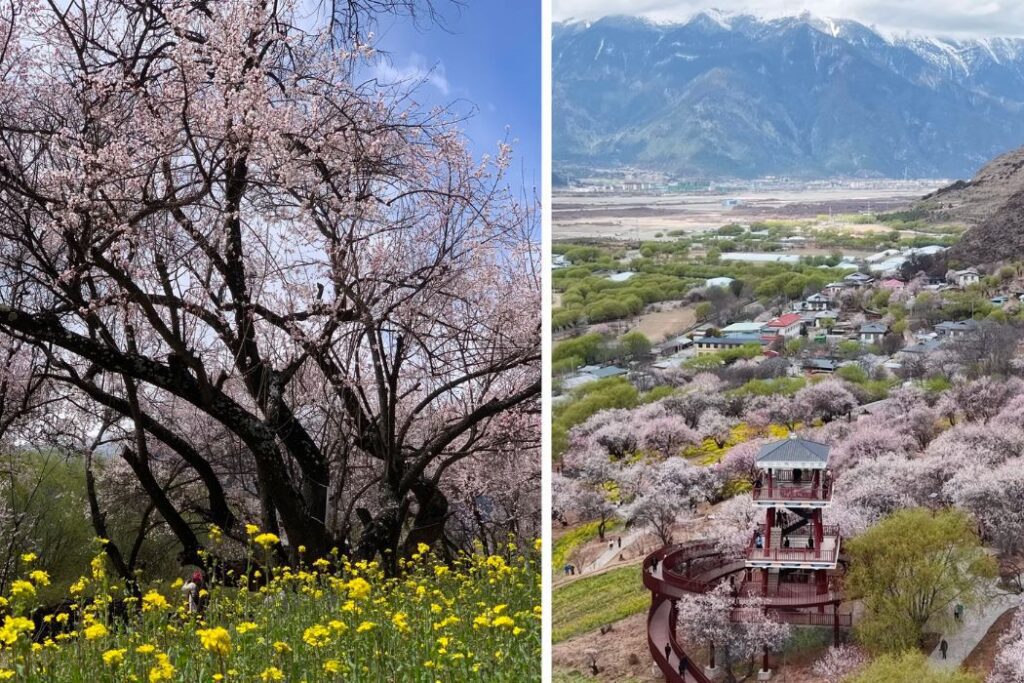
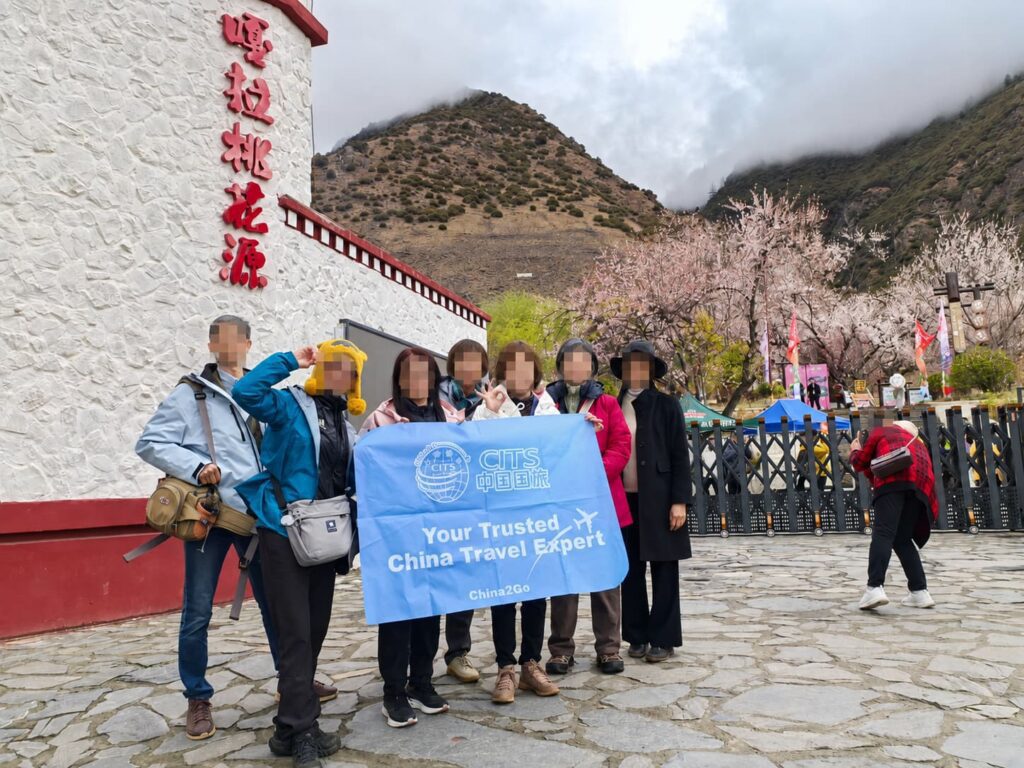
It’s the closest spot to downtown Nyingchi and is known to most travelers as the first stop for viewing peach blossoms in Nyingchi. This is a man-made scenic area and is somewhat commercialized, featuring a designated archery range, horseback riding stalls, cafes, and small shops. However, peach blossoms remain the main attraction. Combined with the rapeseed flower fields and snow-capped mountains in the distance, along with the relatively concentrated clusters of peach blossoms, the view is still quite beautiful. This spot is often designated as the official main venue for the Nyingchi Peach Blossom Festival and is usually the liveliest area during the peak blooming season each year. Visitors typically spend about 2 to 3 hours here. Although it can get crowded, the scenic area itself is quite spacious, so it won’t feel as packed as you might imagine.
Classic Recommendation #2: Bodu Peach Blossom Valley + Bomi Peach Blossom Gorge
Guinness World RecordsCertified as “China’s Largest Peach Blossom Valley”...Wild peach blossoms stretch for 30 kilometers along the Zangbo River valley, where tens of thousands of century-old peach trees bloom across the mountainsides. Rugged, ancient branches support delicate blossoms, set against a backdrop of glacier-capped snow-capped peaks. This is a true valley of wild peach blossoms; within the same ravine,The blooming period for this tree and the peach grove in the neighboring village may differ by a week or two due to differences in elevation and weather.. And that's why,This itinerary really puts a travel agency’s capabilities to the test—it relies on experienced, courteous drivers and tour guides, as well as the agency’s local presence....that’s the only way to find the peach blossom grove that’s “actually in bloom” without too much trouble. The vast expanse of this attraction is both its strength and its weakness—the drive is indeed quite long. But remember: when coming to admire the wild peach blossoms, don’t approach it with the mindset that “I absolutely must see them,” or you might end up returning home disappointed by the unpredictable highland weather!
Classic Recommendation #3: The Yarlung Tsangpo Grand Canyon and Sosong Village
This offers another vantage point for viewing Mount Namcha Barwa; no additional border documents are required, as this is a section of the route you’ll actually travel through. Mount Namcha Barwa is shrouded in clouds and mist year-round, and the chances of seeing it in its entirety are actually less than 20 percent. Even if the peak isn’t visible on a given day, the sea of clouds at the Seji La Pass and the sea of forests around Lulang are, in themselves, highlights that many photography enthusiasts particularly enjoy spending time at.
Note: The sight of peach blossoms in the village framed alongside Mount Namcha Barwa is one of the most frequently mentioned scenes during peach blossom season in the Nyingchi-Bomi area, which is why Sosong Village is often referred to as “China’s most beautiful peach blossom village.” Whether the snow-capped peak is visible depends on cloud cover; Mount Namcha Barwa is shrouded in mist and clouds year-round, and the chances of seeing it in its entirety are actually less than 20 percent.
A Hidden Peach Blossom Paradise Exclusively for CTS Global Travelers
The worst thing about the Nyingchi Peach Blossom Festival is… not being able to see any peach blossoms—a snowfall leaves behind nothing but the bare, barren landscape of Gala Peach Blossom Village or Bomi Peach Blossom Gorge!
In Tibet, a single snowfall or rain shower can cause the blooming conditions to change in an instant....If you’re banking your entire trip on just these two places, it’s no big deal if you’re unlucky and don’t get to see the peach blossoms—but since the only thing worth seeing at these two places is the peach blossoms, it’s easy to end up feeling a bit down...
We’ve been organizing peach blossom season tours in Tibet and Nyingchi for many years; our tour guides and drivers are all part of our own team, and they’ve long been familiar with the changing bloom conditions in each valley,When the flowers aren't in full bloom, you can easily head to another spot instead.; We’ll also include a few hidden gems in the itinerary that most travel agencies don’t typically arrange—if the flowers are in bloom, that’s a bonus, but even if they aren’t, these sights alone are worth the entire trip.
Peach Blossom Paradise #1: Galang Lake and the Ruins of Galang Palace
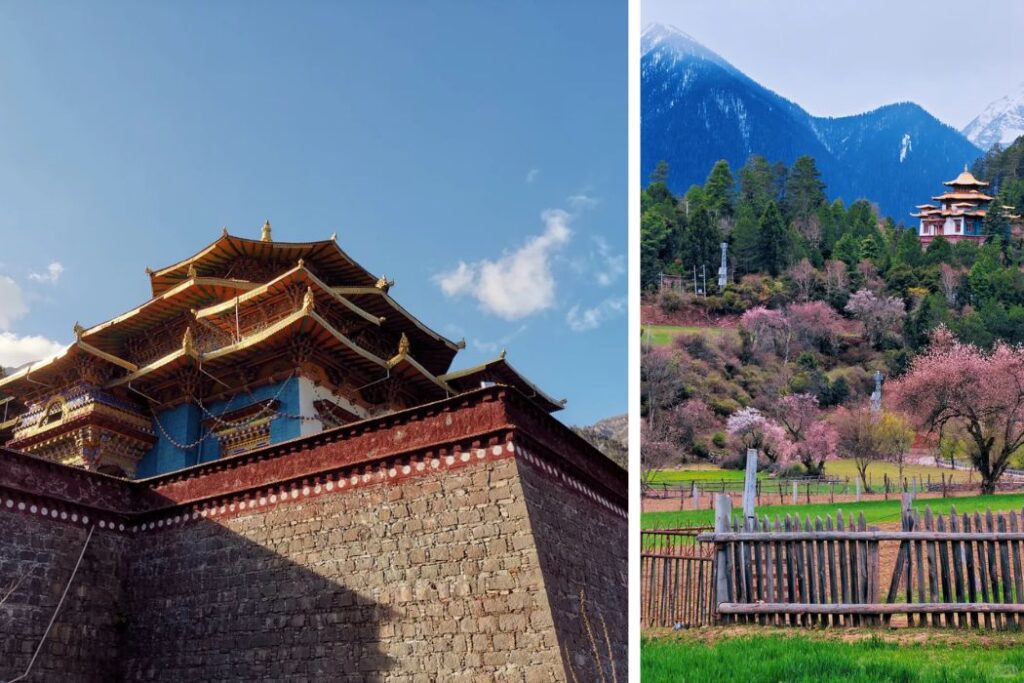
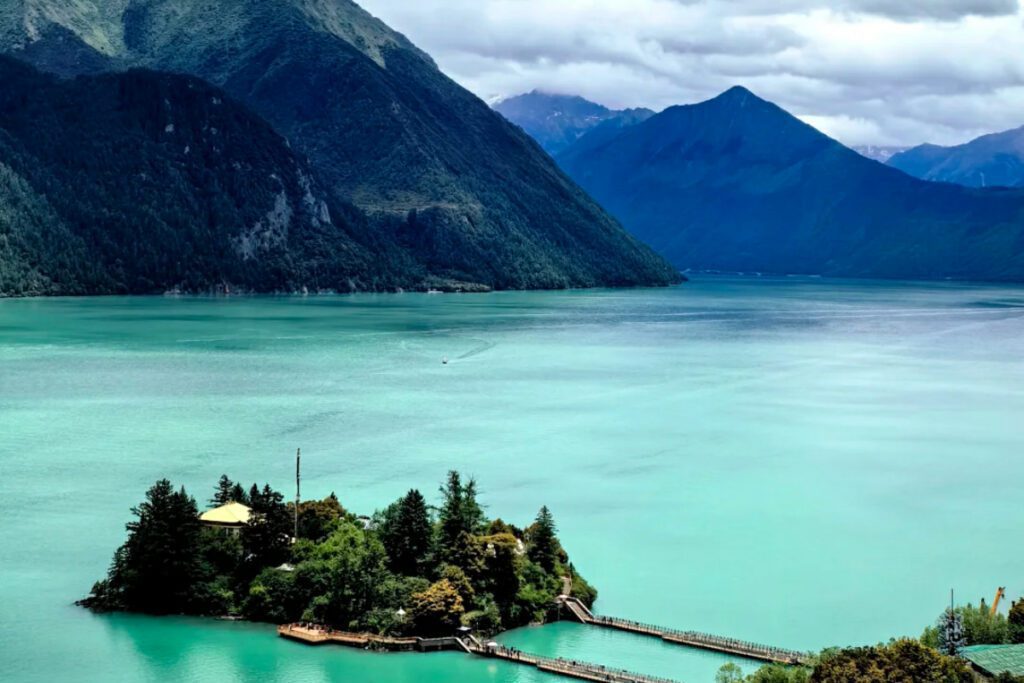
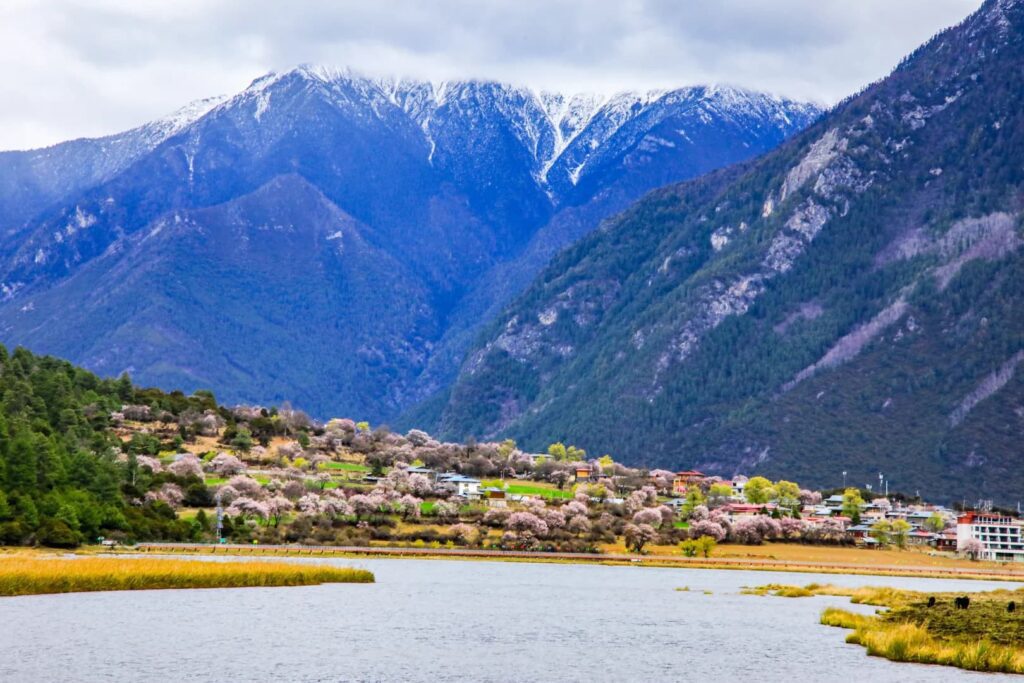
In the village, wild peach trees grow all around the lake, reflecting the snow-capped mountains and the vast forest;Standing at the ruins of the royal palace and looking down, the entire village of Galing and the valley blanketed with peach blossoms come into view all at once.. Even if the clouds and fog hide the snow-capped mountains that day, this panoramic view alone is worth making a special detour for. And the unique architecture of the Galang Palace is also well worth a special trip!
Peach Blossom Secret Realm II: Xiuba Ancient Fortress
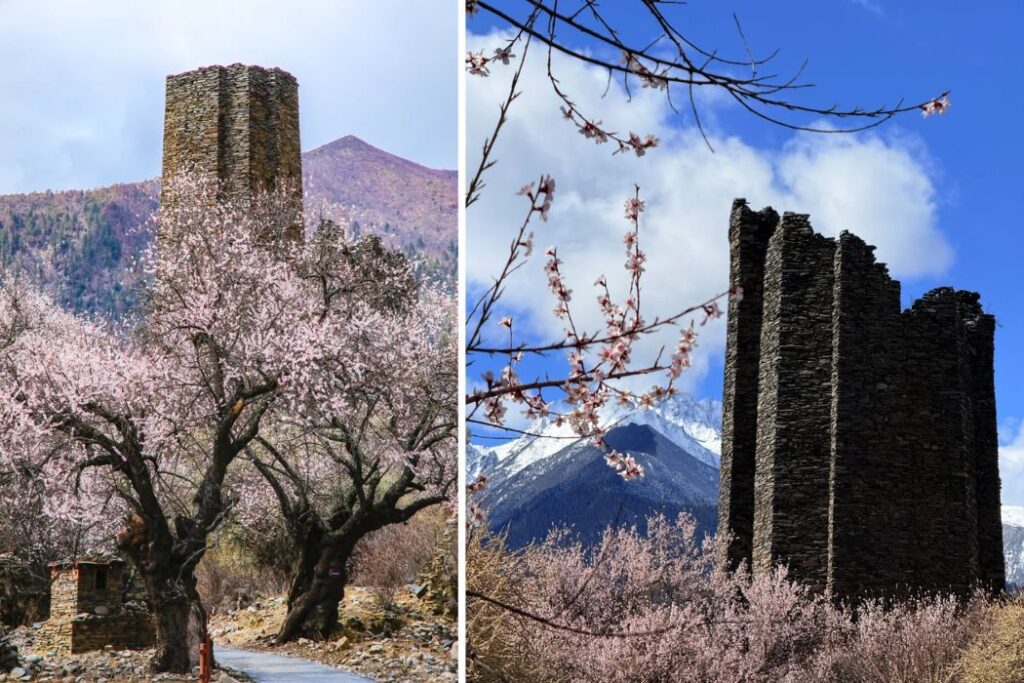
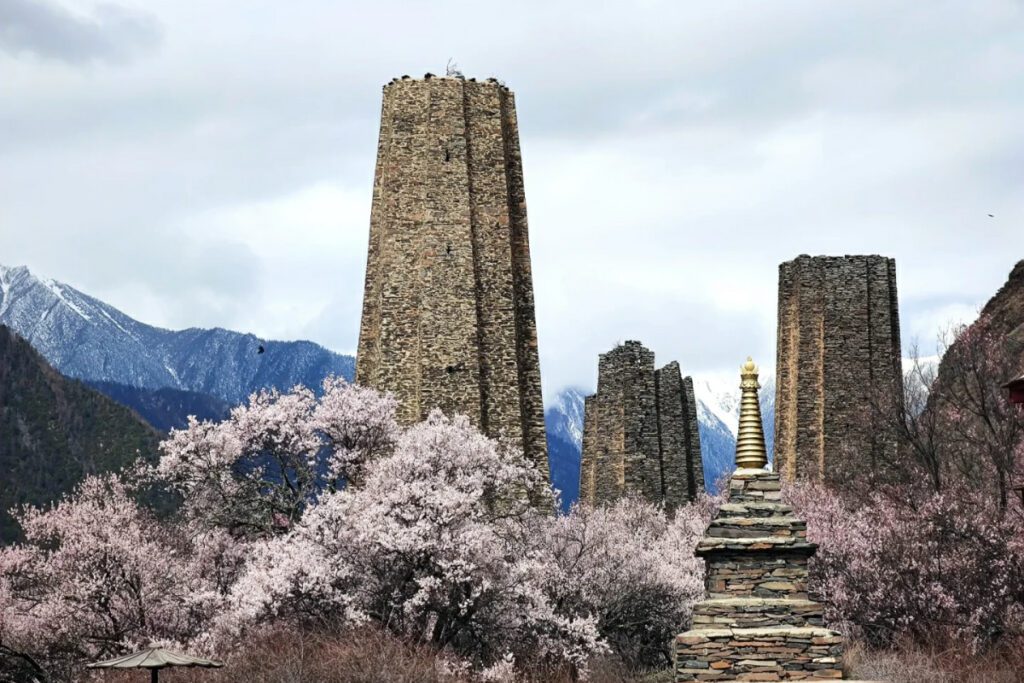
Nyingchi is home to the best-preserved ruins of a millennium-old watchtower,Having weathered 1,600 years of ups and downs...Five ruined castles are scattered throughout the peach blossom grove, arranged according to the constellation of the Big Dipper. Spring, when the peach blossoms bloom along the castle walls, is the most beautiful time to visit, but even after the blossoms have faded, the sheer grandeur of this castle alone is enough to make it worth a trip.
Peach Blossom Paradise Part 3: Pabongka Monastery (in Lhasa's Peach Blossom Paradise)
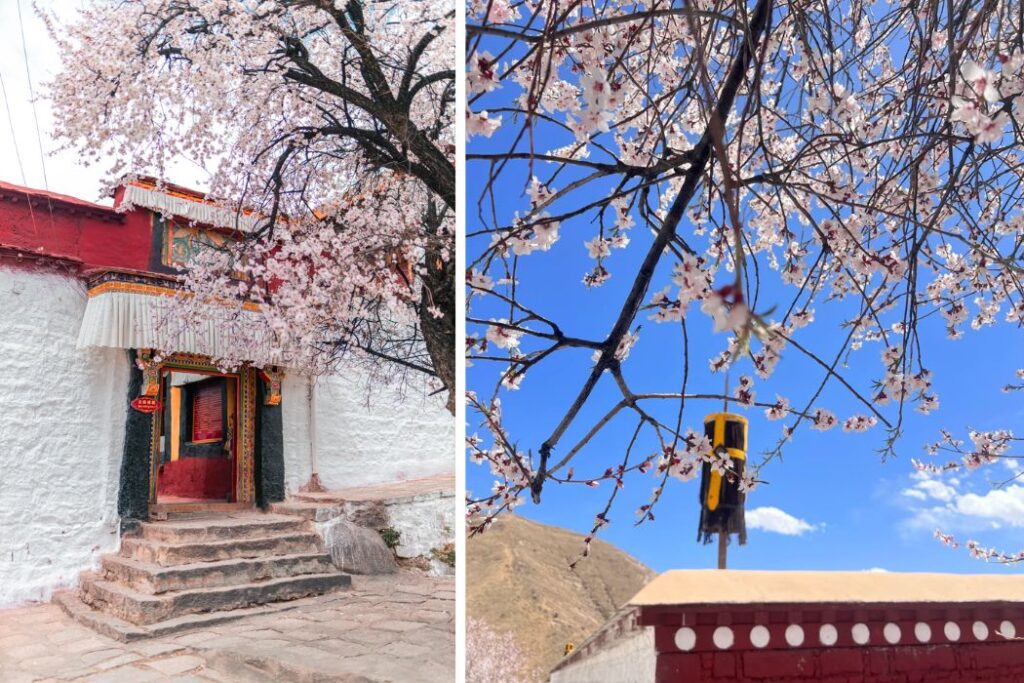
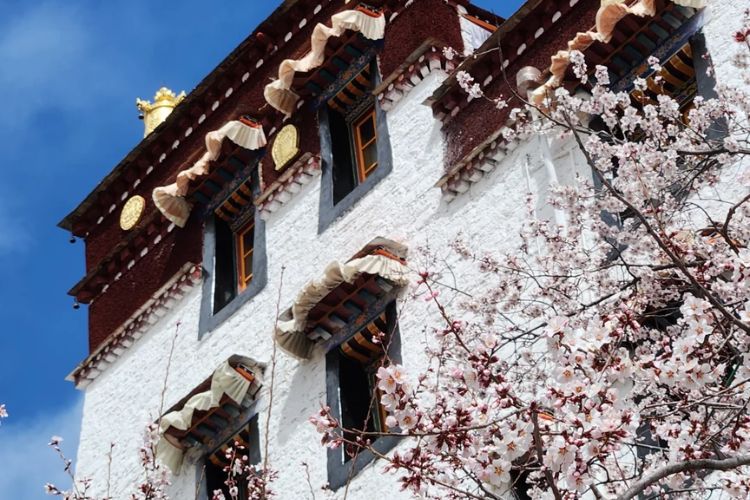
Hidden Gems in Lhasa, which means “Palace of the Giant Rock” in Tibetan, is built halfway up Mount Baoshan on the northern outskirts of Lhasa. It predates the Potala Palace, and legend has it that Songtsen Gampo once practiced meditation here. The sea of pink blossoms against the backdrop of this millennia-old temple makes this the perfect spot to continue enjoying the peach blossom season even after arriving in Lhasa. With its combination of a monastery, peach blossoms, and snow-capped mountains, this is the flower-viewing spot that best captures the authentic Tibetan atmosphere.
🌸 Three Key Design Elements for Secret Realms
There’s a high probability of seeing peach blossoms, and even if you don’t see any that day, it’s still worth a visit—this is the common design philosophy behind these three hidden gems.
Official Main Venues of the Nyingchi Peach Blossom Festival Over the Years
The Nyingchi Peach Blossom Festival, a major annual event, is organized by the government. The location and specific date of the opening ceremony are subject to change based on the year’s weather conditions and planning, so they are not the same every year. The following is a summary of the main venues for recent editions for your reference:
| Session/Year | Opening Date | Main Venue |
|---|---|---|
| 2021 | March 25 | Gala Taohua Village, Bayi District |
| 2022 | March 23 | Gala Taohua Village, Bayi District |
| 2023 (20th Edition) | April 2 | Gala Taohua Village, Bayi District |
| 2024 (21st Edition) | March 31 | Gongbu Tianjie Park, Bayi District |
| 2025 (22nd) | April 3 | Two Venues: During the day, Duotang Taohua Village in Bayi District; at night, Gongbu Park in the city center |
| 2026 (23rd) | April 3 | Gongbu Park, Nyingchi City |
※Starting in 2024, the main venue will no longer be fixed at Gala Peach Blossom Village but will move to Gongbu Tianjie Park in Bayi District; in 2025, it will evolve into a dual-main-venue model; and in 2026, it will return to Gongbu Park in Nyingchi City, located in the city center. The venue for the opening ceremony has changed significantly in recent years; the main venue and exact opening date for 2027 are subject to official announcements at that time.
Estimated Blooming Seasons for Three Major Attractions and Three Hidden Gems
During a spring trip to Tibet, flowers bloom in sequence according to the altitude gradient; even within the same peach blossom season, the optimal viewing period at different attractions may vary by one to two weeks. The flowering periods listed below are reference values compiled from recent official and local data; actual blooming times may occur earlier or later depending on the year’s weather conditions:
| Attractions | Type | Estimated Blooming Period |
|---|---|---|
| Bodu Peach Blossom Valley + Bomi Peach Blossom Gorge | Classic Attractions | Mid-March–Mid-April (core period: approximately March 19–April 9) |
| Gala Peach Blossom Village | Classic Attractions | Flowering begins around March 15, with peak bloom occurring from approximately March 22 to March 30. |
| Sejila Pass and the Lulang Forest Sea Viewpoint | Classic Attractions | Late March through mid-April; at higher elevations, the flowering period is somewhat later |
| Lake Garlang and the Ruins of Garlang Palace | Secret Realm | Approximately March 22–April 12 |
| Xuba Fortress | Secret Realm | Approximately late March through mid-April (estimated; no separate official announcement has been made) |
| Pabongka Monastery | Secret Realm | Approximately late March through mid-April (due to the higher elevation, the blooming season is generally later than in Nyingchi; this is an estimated date) |
※There are currently no official, standalone bloom forecasts for Shuba Old Fortress and Pabangka Temple. The information in the table is based on estimates derived from the location’s elevation and bloom periods in surrounding areas; however, we still recommend confirming the current bloom conditions with a travel consultant before departure.
Important Notes for the Peach Blossom Festival
Flights to Tibet:
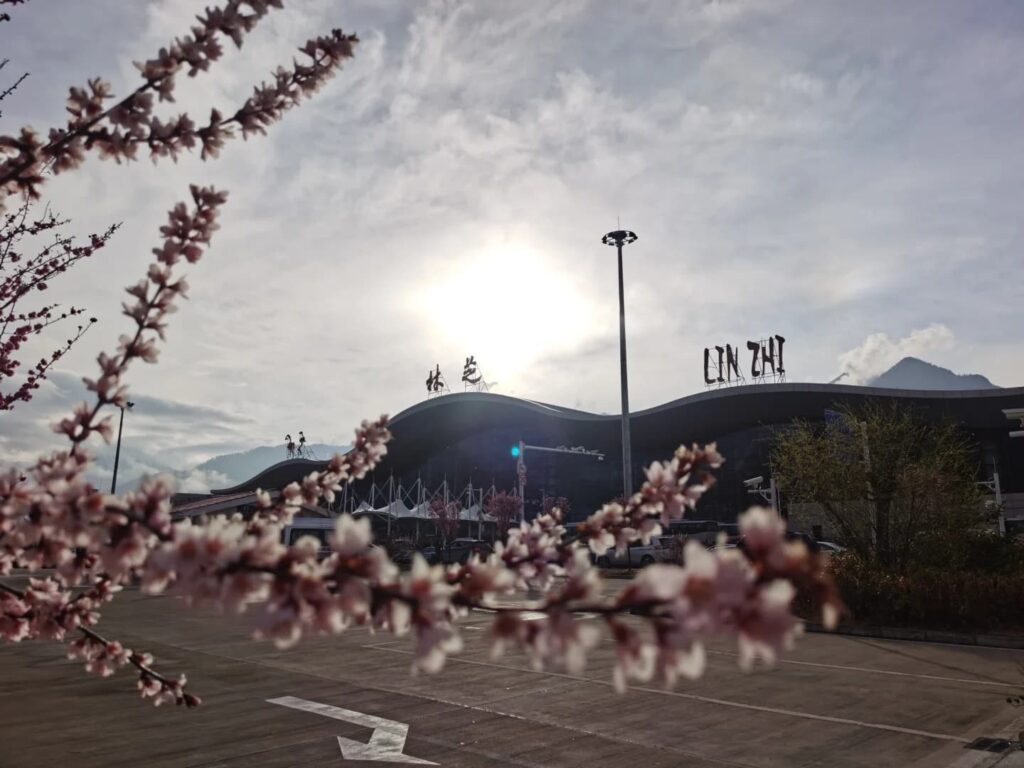
Most travelers fly to Nyingchi Milin Airport via hub cities such as Chengdu and Chongqing, which is the most direct way to reach Tibet;
I strongly advise against flying to Lhasa first and then traveling overland to Nyingchi—it’s really too exhausting!
And if a plane can fly at low altitudes, it should, of course, fly to airports at low altitudes.
Temperatures in Tibet in Late March and April
As for what to wear, spring has already arrived in Nyingchi in March and April, but there’s still a significant temperature difference between day and night. During the day, when the sun is out, temperatures can reach the teens, but as soon as the sun sets or the sky turns cloudy, it quickly feels much colder.
We recommend the "onion-layering" method.: A moisture-wicking base layer, a warm mid-layer, and a windproof outer layer—don’t forget to bring a hat and lightweight gloves, too; the weather in the mountains can change in an instant. It’s common to encounter rain during peach blossom season, and you might even experience a late-spring cold snap with snow. A waterproof jacket and a pair of shoes that can handle wet conditions are much more practical than stylish ones. We also recommend bringing rain gear!
In addition to its beauty, the Peach Blossom Festival also has the advantage of its high elevation.
The city of Nyingchi is located at an elevation of approximately 2,900 meters, which is relatively low among Tibet’s major cities. Additionally, as vegetation begins to flourish in the spring, oxygen levels are relatively higher, and the likelihood of experiencing altitude sickness is lower.
This is also why it’s recommended to “enter via Nyingchi and exit via Lhasa” —Spending a few days first in Nyingchi, where oxygen levels are higher, allows your body to gradually acclimate to the high-altitude environment. Then, moving on to Lhasa and Shigatse, which are at higher elevations, will be much more comfortable than going straight to Lhasa from the start. This sequence makes a significant difference, especially for first-time visitors to Tibet who are unsure how they’ll react to the altitude.
CTS Global's Exclusive Peach Blossom Festival Itinerary
We’ve organized the classic attractions mentioned above and our specially designed hidden gem routes into two itineraries, which differ in whether or not they include an extension to Everest Base Camp:
9-Day Itinerary
Nyingchi Peach Blossom Festival: Not Climbing Mount Everest
Traveling from Nyingchi to Tibet, after completing the Peach Blossom and Hidden Gems itinerary, take the Lhasa–Shigatse Railway back to Lhasa via Lhasa and Shigatse. This is the top choice for those with limited vacation time who want to focus on enjoying the flowers themselves.
View the 9-day itinerary →Itinerary for the 11th
Nyingchi Peach Blossom Festival · Mount Everest Base Camp
This itinerary extends from the 9-day route to Everest Base Camp and upgrades accommodations to the Rongbuk Lodge. It’s the perfect choice for those with ample vacation time who want to visit Tibet’s classic landmarks in addition to enjoying the cherry blossoms.
View the itinerary for the 11th →Both itineraries are purely sightseeing tours with no stops at shopping venues; the tour guides and drivers are all part of CITS’s in-house team.