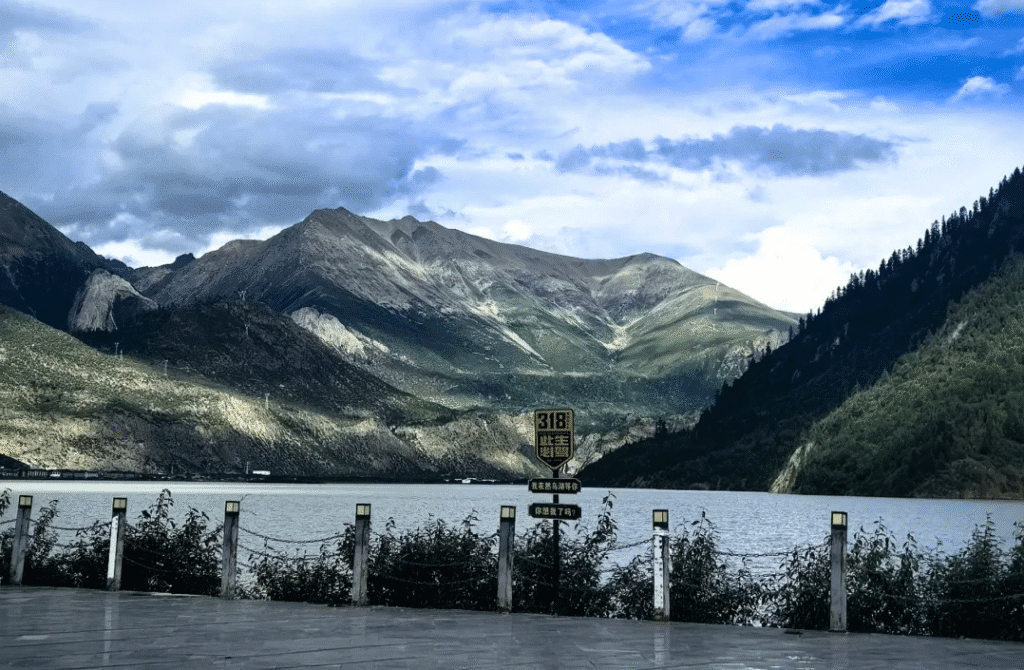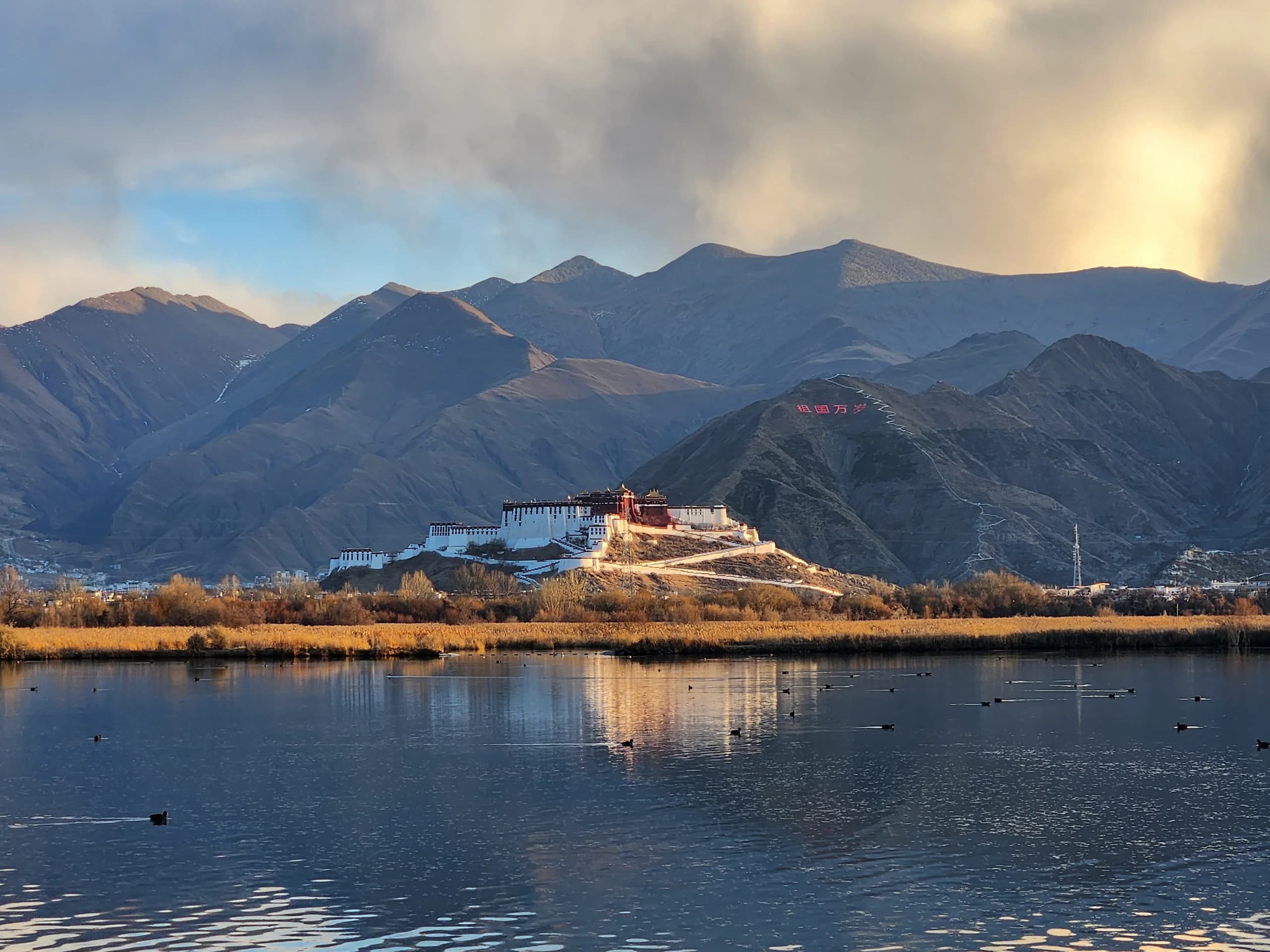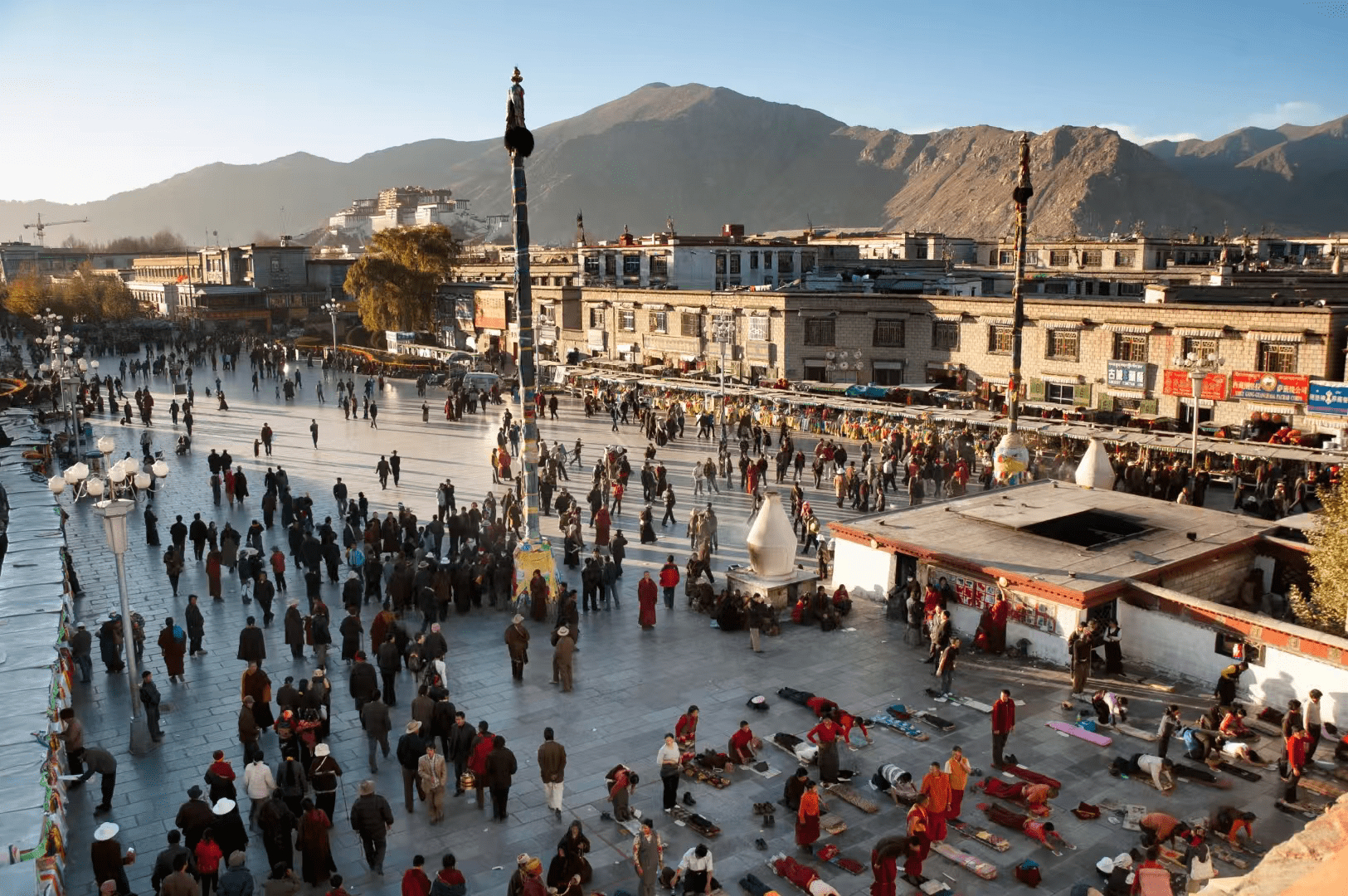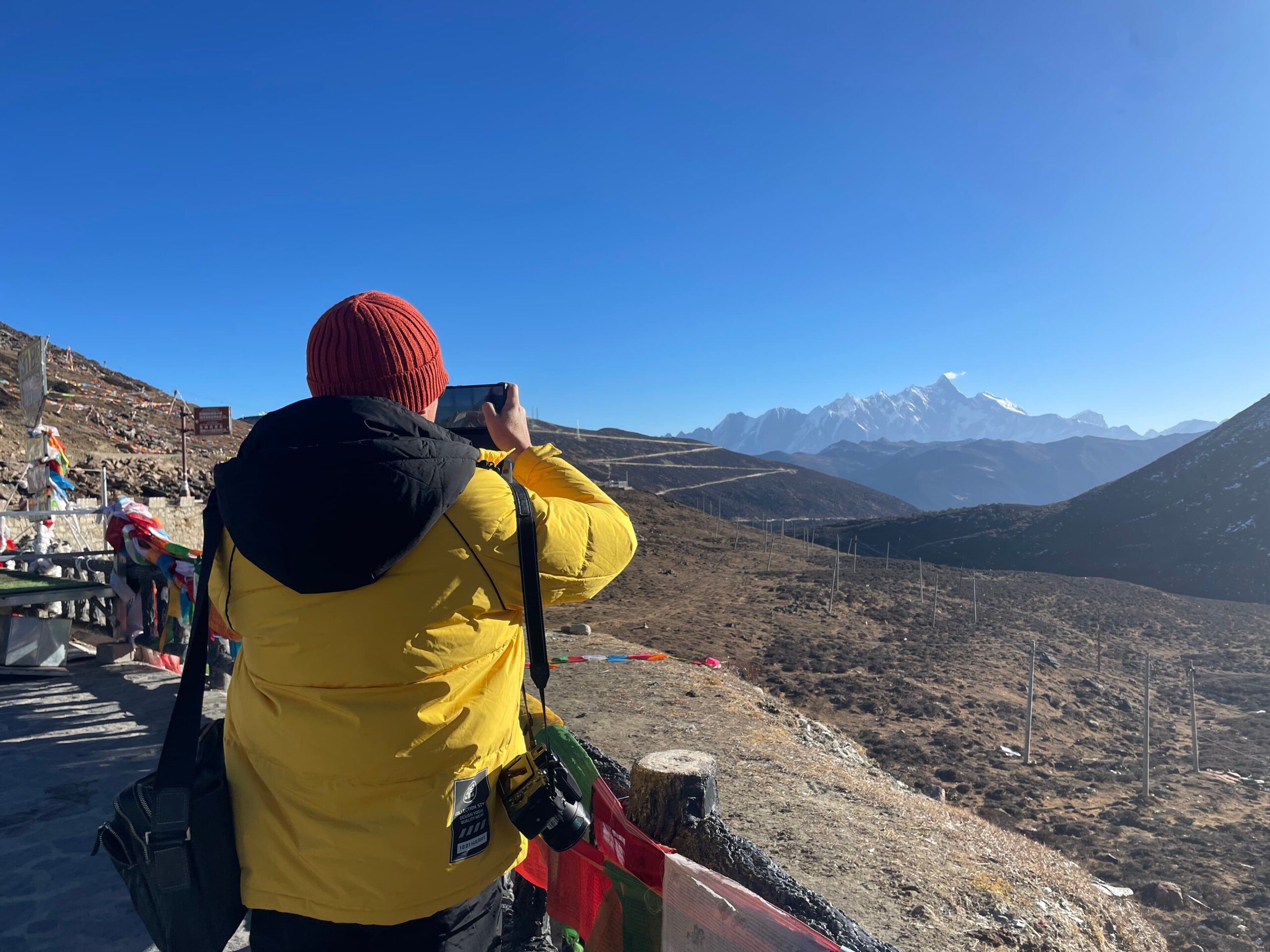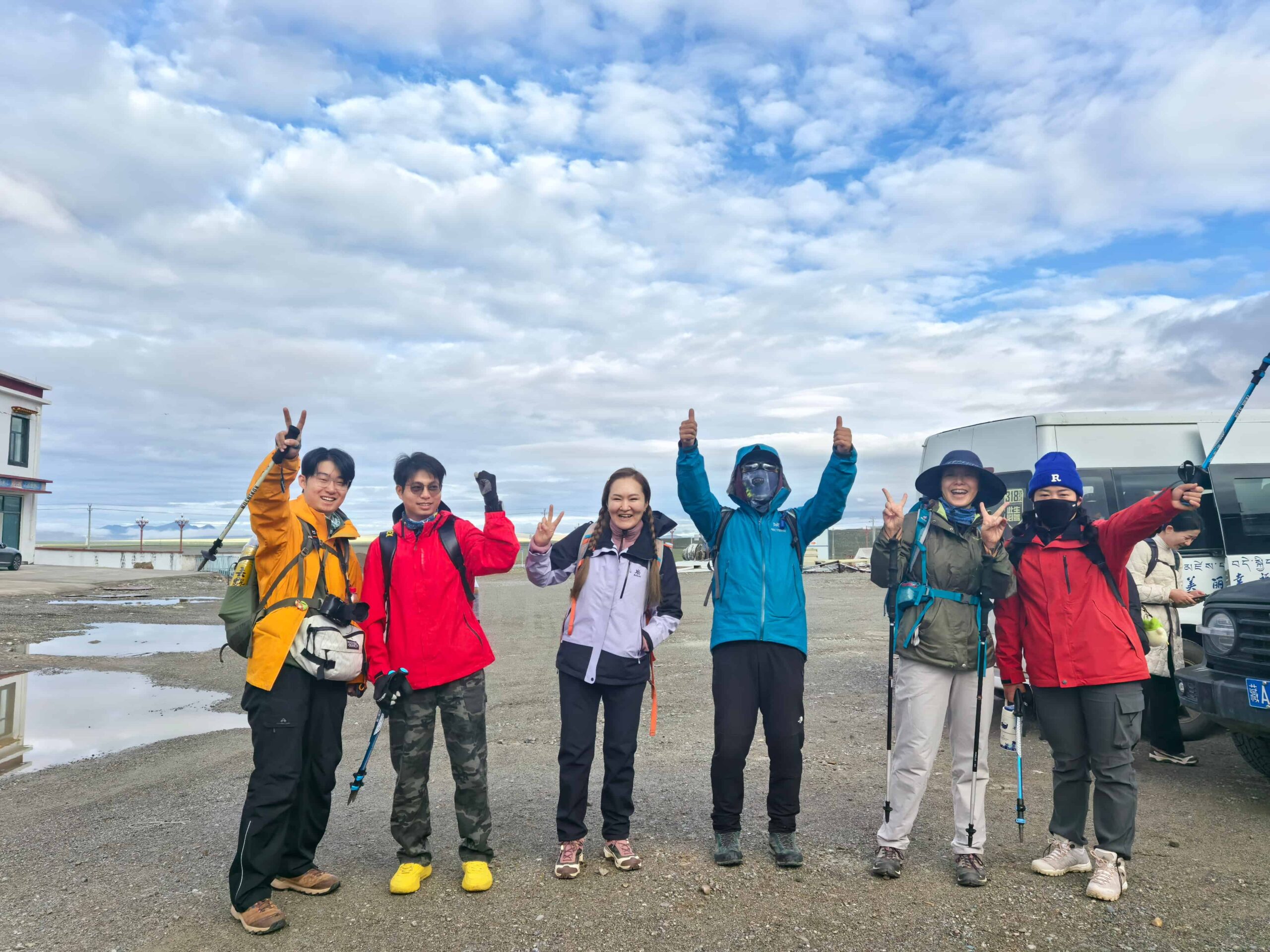
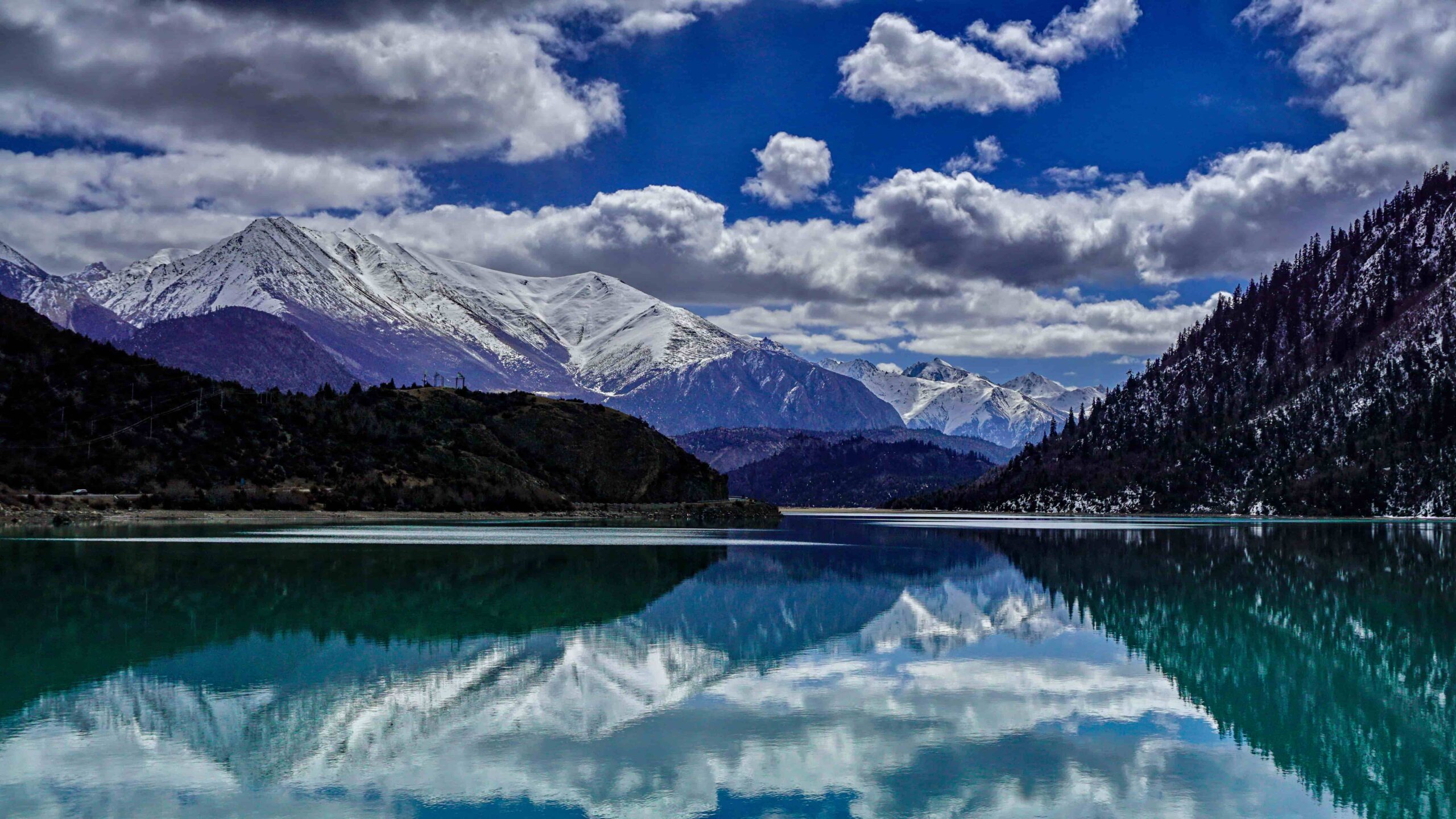
Ranwu Lakeརང་ཝུ་མཚོ་ is located at the junction of Bomi County in Linzhi and Zuogang County in Chamdo, Tibet, at an altitude of about 3,850 meters, and is one of the most spectacular highland lakes on the G318 National Highway (Sichuan-Tibet Southern Route).
The surface of the lake is as calm as a mirror, with snow-capped mountains, forests and glaciers reflecting in the light, which is honored as "the most worthwhile to see the lake on G318".
It's not just the Sichuan-Tibet Highway The classic section of the road is more Tibet Tourism It is a dreamy place that symbolizes the "mirror of the snowy region".
I. Overview of viewpoints
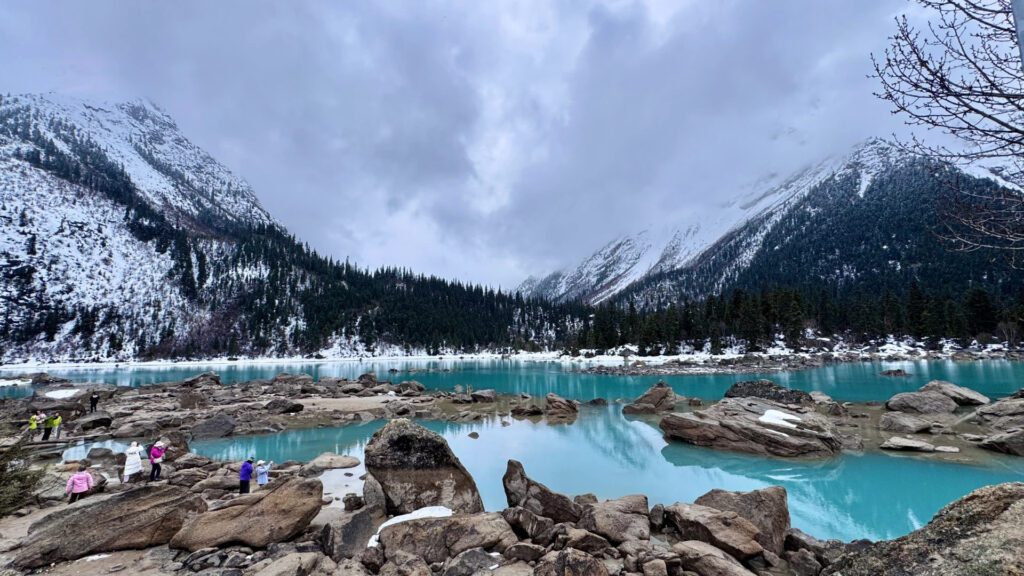
Ranwu Lake is located at the border of Zuogang County in Chamdo City, Tibet Autonomous Region, and Bomi County in Linzhi District, at an altitude of about 3,850 metersThe surface of the lake is about 22 square kilometers.
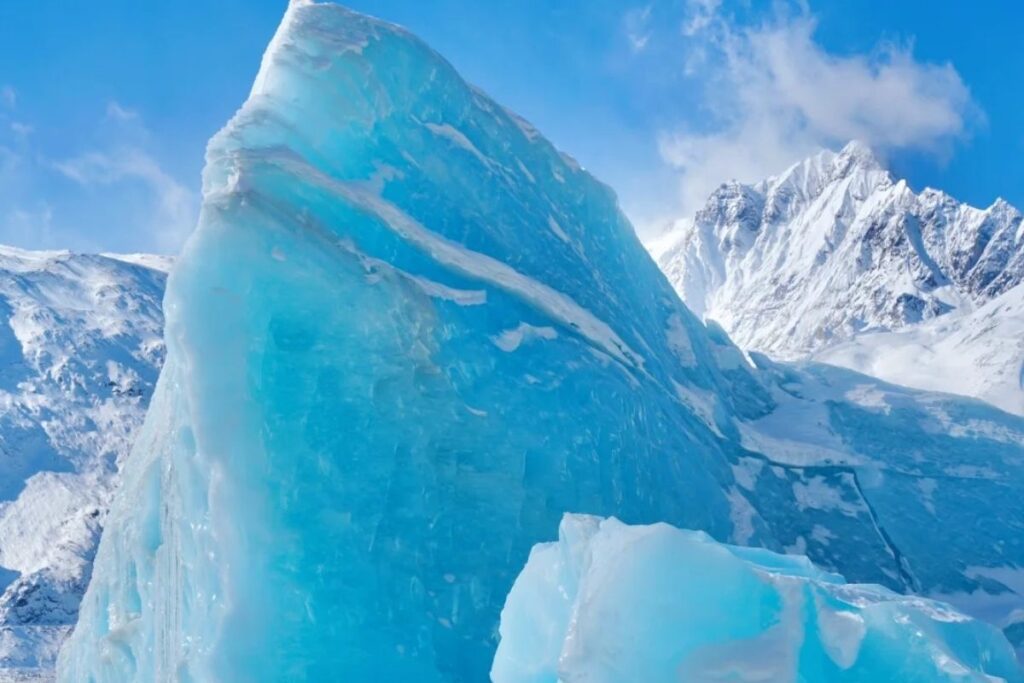
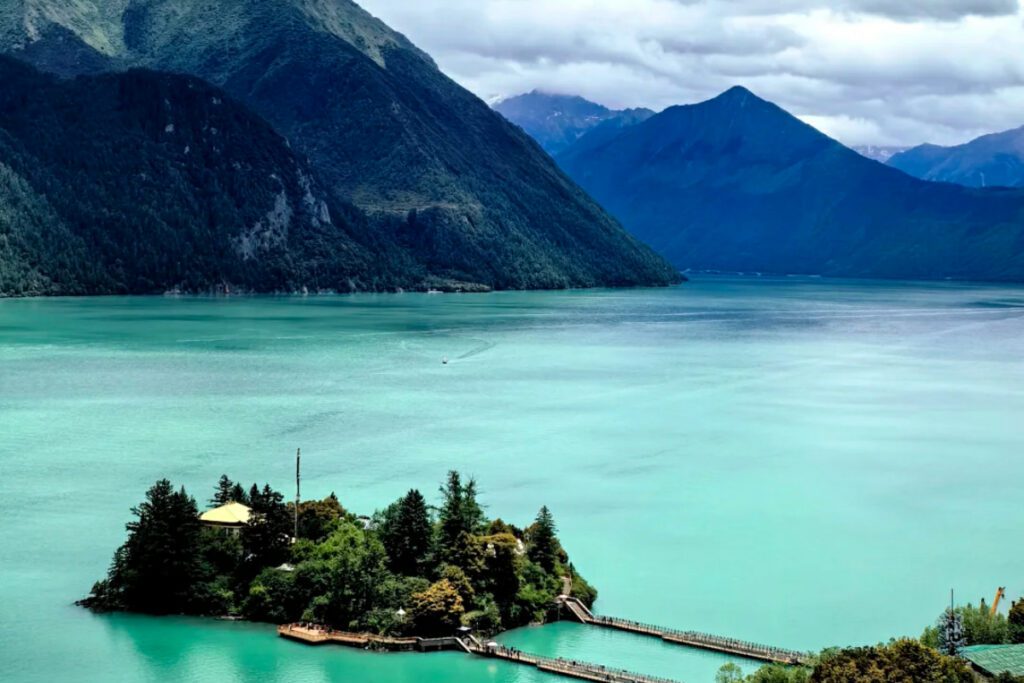
The lake is melted by the upstream glacier, surrounded by mountains and snowy peaks, the lake surface is like a mirror, which is honored as"One of the most beautiful lakes in Tibet.".
This is a landmark on the 318th National Highway, Sichuan-Tibet Route.It is also an important road to and from Linzhi, Bomi and Chamdo.
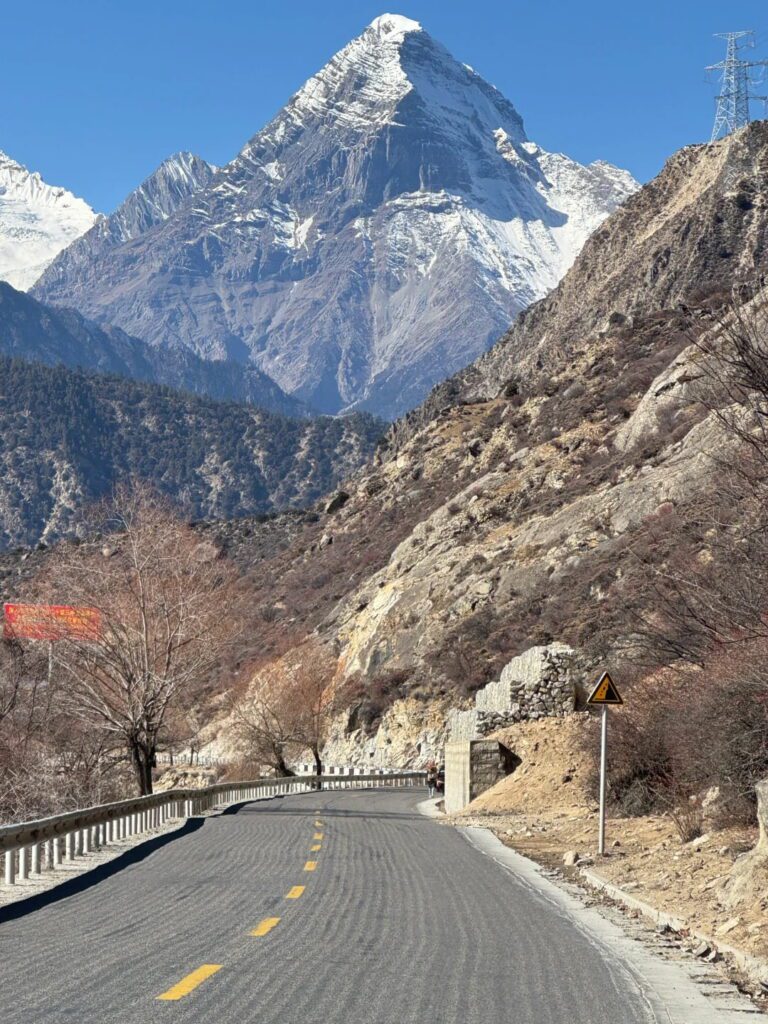
Geographic and Natural Characteristics of Ranwu Lake
Ranwu Lake consists ofUpper Lake, Middle Lake, Lower LakeIt consists of three parts:
- Shanghu, the northernmost lake of Taiwan: Closest to Azar Glacier, with blue water and clear reflections.
- mid-lakeThe lake is vast, the mountains are soft, and the depth of the landscape is rich.
- go to the bottom of the lakeRanwu is the best choice for sightseeing and lodging with convenient transportation.
The lake area is located between the Nyingchi-Tanggula mountain range and the Boshura mountain range, and the climate is influenced by glaciers and forests.
Wet and cool in summer, silver in winter, is a typical highland glacial lake.
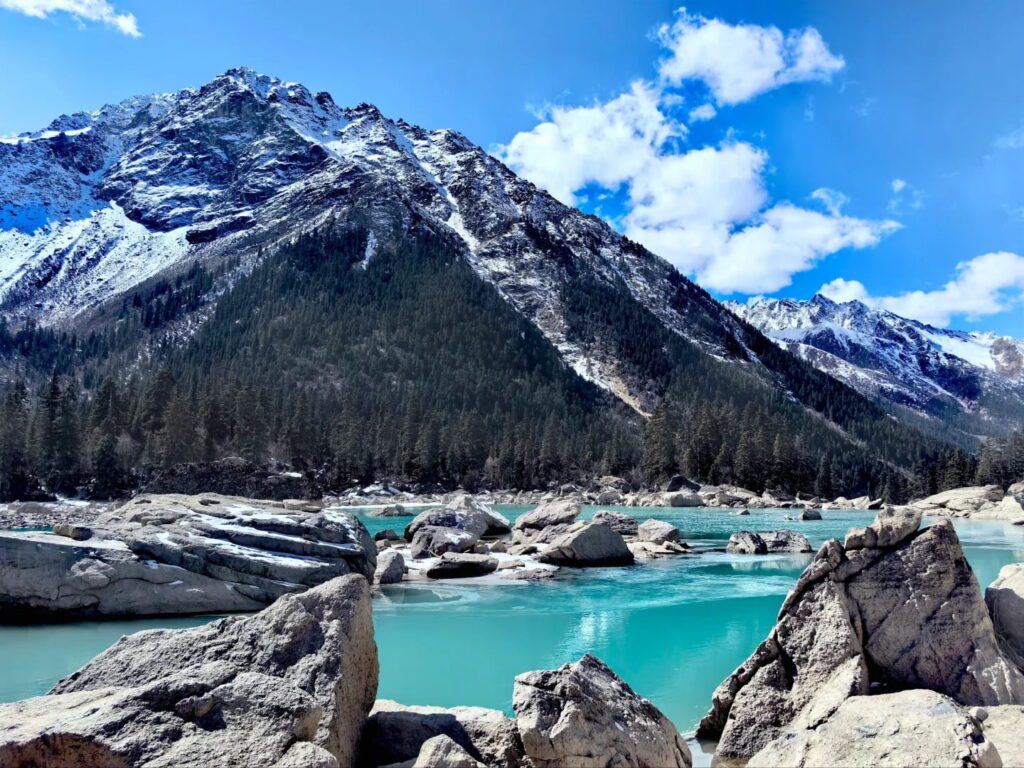
The Origin and Legend of the Chinese Character Ranwu
The word "Ranwu" is derived from the Tibetan word meaning "lake where corpses are piled up".
Don't let that scare you!It's just a legend from a long time ago.
Legend has it that a long time ago, there was a buffalo in the lake and a bull on the shore of the lake, and they wrestled for the land, and eventually they both died together and turned into two big mountains. Later generations believed thatThe lake sandwiched between two mountains is today's Ranwu Lake.
From a geological point of view, Ranwu Lake is in fact aplateau weirThis is due to the fact that the surrounding mountains have been damaged in ancient times. Because the surrounding mountains underwent an ancient period ofLandslides or mudslidesThe lake basin was formed when the river was blocked by the glacier. Glacial meltwater and snow were injected into the lake over the years, gradually expanding it to its present size.
Today, Ranwu Lake is alsoThe main source of the Parung Tsangpo RiverThe river valley is one of the most beautiful places in the world, and it has given birth to the rich ecology and pasture landscapes of the Bomi area.
Ranwu Lake Light and Snow Color: Highlight of Sightseeing
- morningThe lake is as calm as a mirror, with snow-capped peaks and clouds reflecting perfectly.
- twilightThe setting sun tints the mountains and clouds, and the lake glows with golden light.
- Four Seasons.
- Spring|First melting of snow and ice, azalea blossoms all over the slope
- Summer|Green grass and herds at the lake
- Autumn|Pictures of golden forests and reflections
- Winter: Ice-covered lakes and quiet poetry
📍Siu KinIf you are traveling along the Sichuan-Tibet route, you can arrange to stop in the morning or evening to capture the golden light of the sky, mountains and lakes.
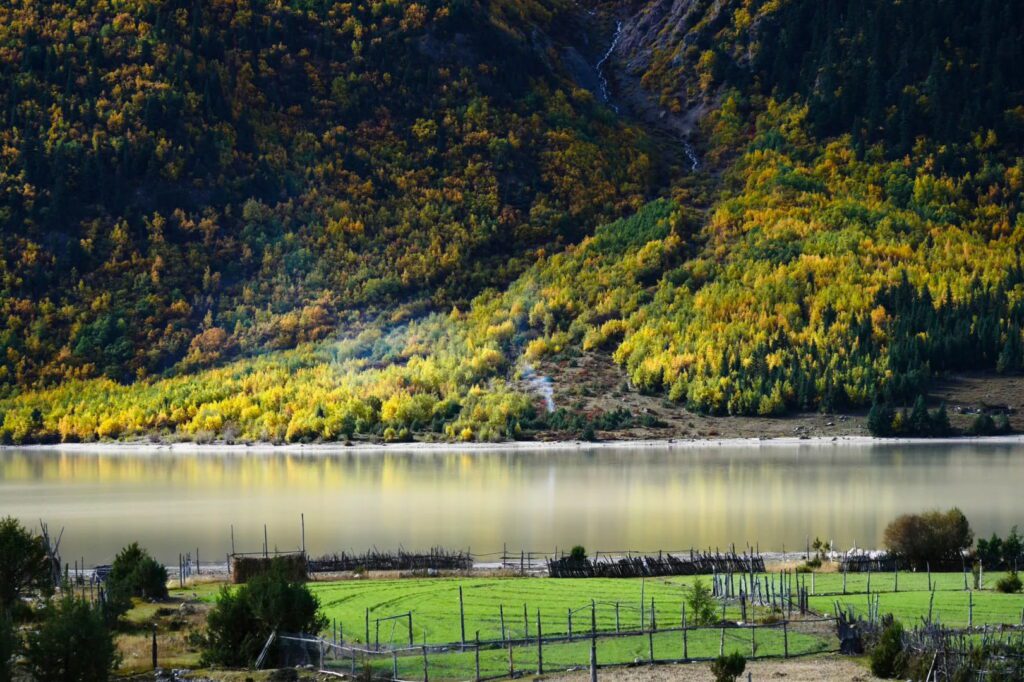
V. Ranwu Township and Lakeside Living
Ranwu Township is located on the west side of the lake and is an important rest stop along the 318 National Highway.
Inside the town, there are B&Bs and Tibetan restaurants with a slow pace and pleasant scenery.
The lake is surrounded by herds of oxen, white pagodas and streamers blowing in the wind, showing the purest and most primitive atmosphere of the Tibetan Plateau.
VI. Extension routes around Bomi
- Azar glacier, SwitzerlandIt is about 10 kilometers away from the upper lake and is the main source of supply for Ranwu Lake.
- Laiku GlacierThe lake is one of the most spectacular glacier formations in Tibet and can be viewed from a high altitude.
- Ranwu Viewing PlatformLocated along the 318 National Highway, you can see the snow-capped peaks and the reflection of the lake.
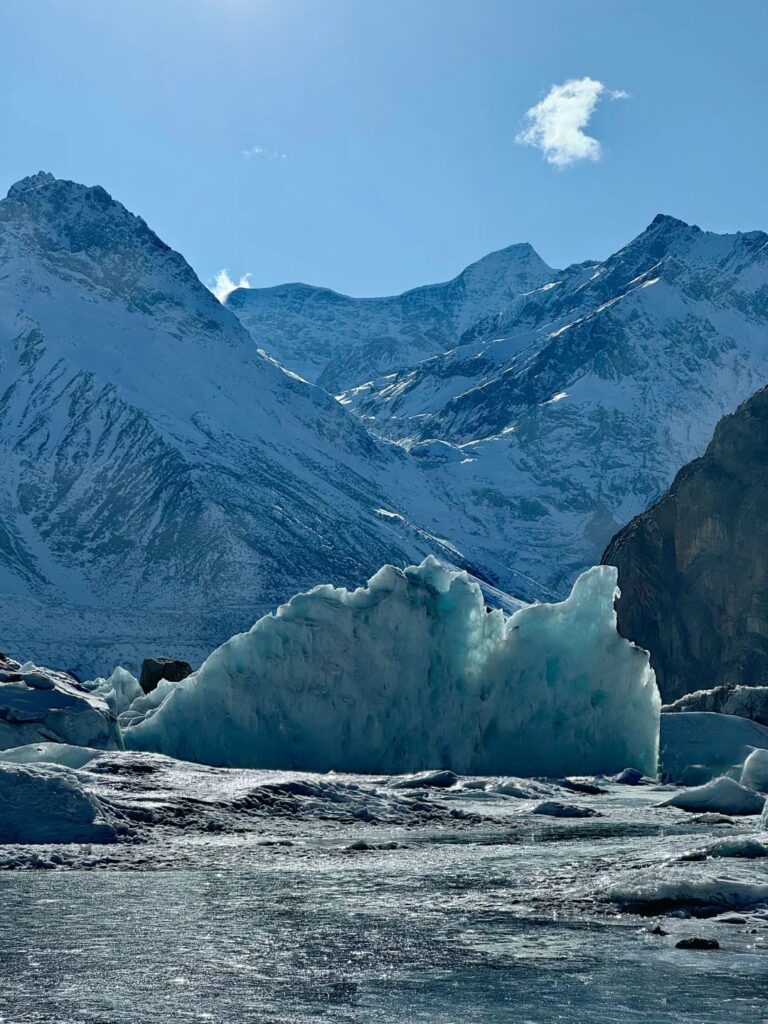
Best Season and Climate for Bomi Ranwu Lake
- Spring (March-May)The snow and ice are melting and everything is recovering.
- Summer (June-August)The temperature ranges from 12 to 22℃, humid and cool, and the grassland is verdant.
- Autumn (September-October)The weather is stable and the colors are the most vivid.
- Winter (November-February):-5~8℃,quiet snowy scenery and frosty lakes.
🌤 Travel TipsRanwu has a highland climate with a big difference in temperature between morning and evening, so it is recommended to bring a warm jacket, windproof clothing and sun protection throughout the year.
VIII. Code of Conduct
- The lake is partly a pasture, so please do not disturb the grazing animals.
- The lake is a sanctuary. Please do not play in the water, take stones or throw objects.
- Respect local beliefs and keep the environment clean and quiet.
- Temperatures in the highlands can change dramatically, so be sure to stay warm and safe.
Address and Transportation
📍 addressRanwu Township, Bomi County, Linzhi City, Tibet Autonomous Region, China Ranwu Lake Scenic Area (along National Highway 318)
transportation: From Lhasa along G318 Sichuan-Tibet South Route It takes about 8 to 9 hours to arrive;
You can also enter from the direction of Changdu Zuogang and enjoy the glacier and grassland scenery along the way.
X. Summary of landscape features
- Southeast Tibet's most spectacularHighland glacial lakesone (third, quarter, percent etc)
- Mirror-like lake, snow-capped peaks and cloud reflections
- Upper, middle and lower lake levels are clearly defined
- ConcessionaryLaiku Glacier, Azar Glacier
- Tibet Travel Recommendation..Must-See Attractions on National Highway 318