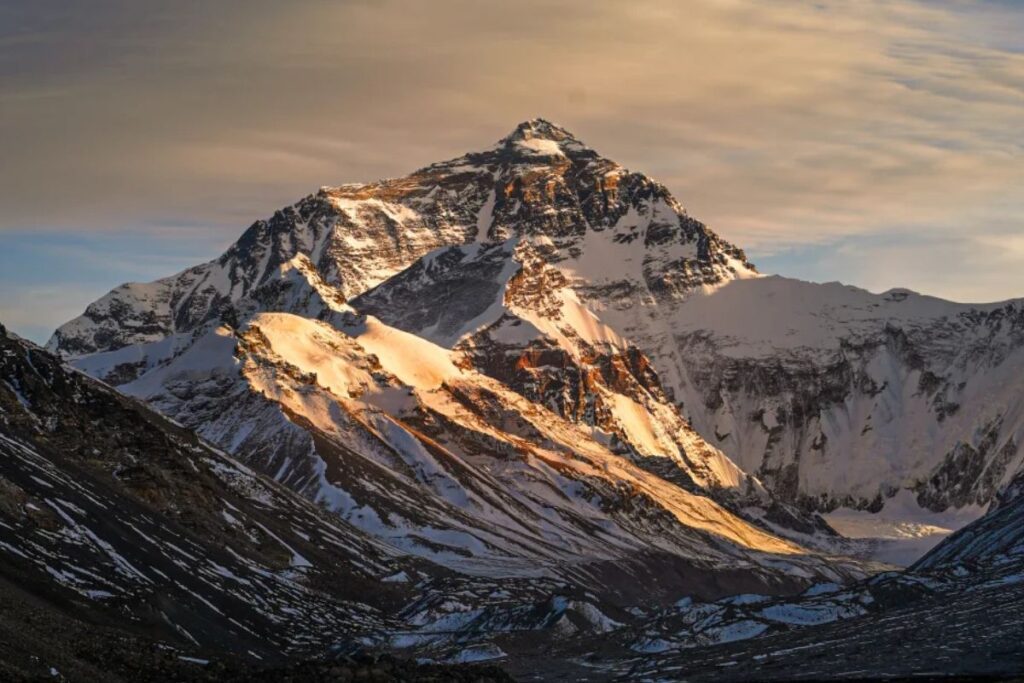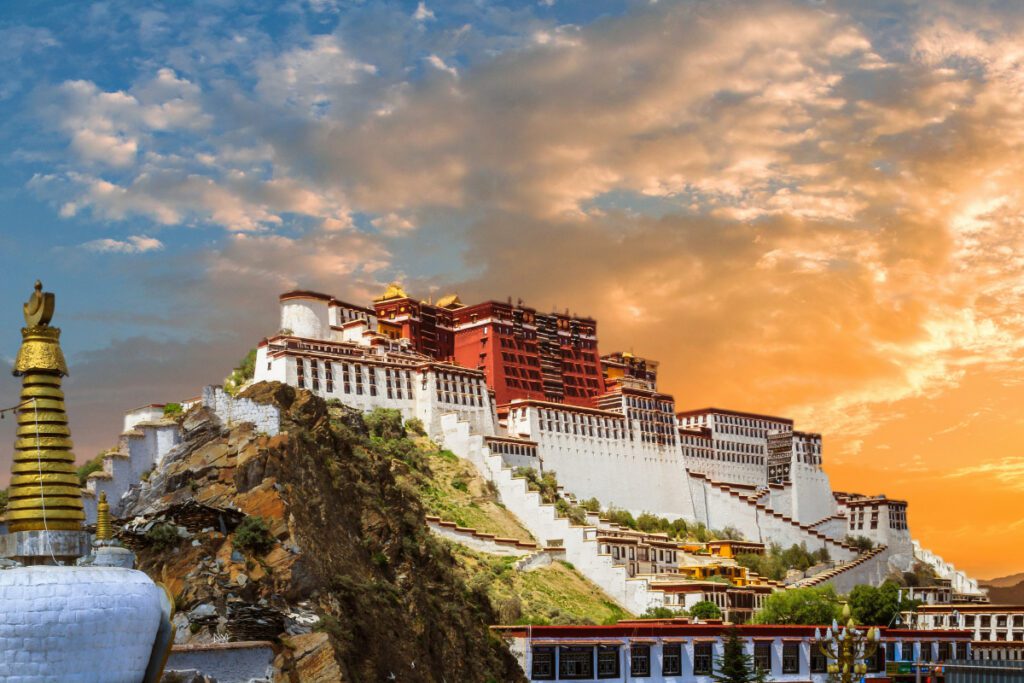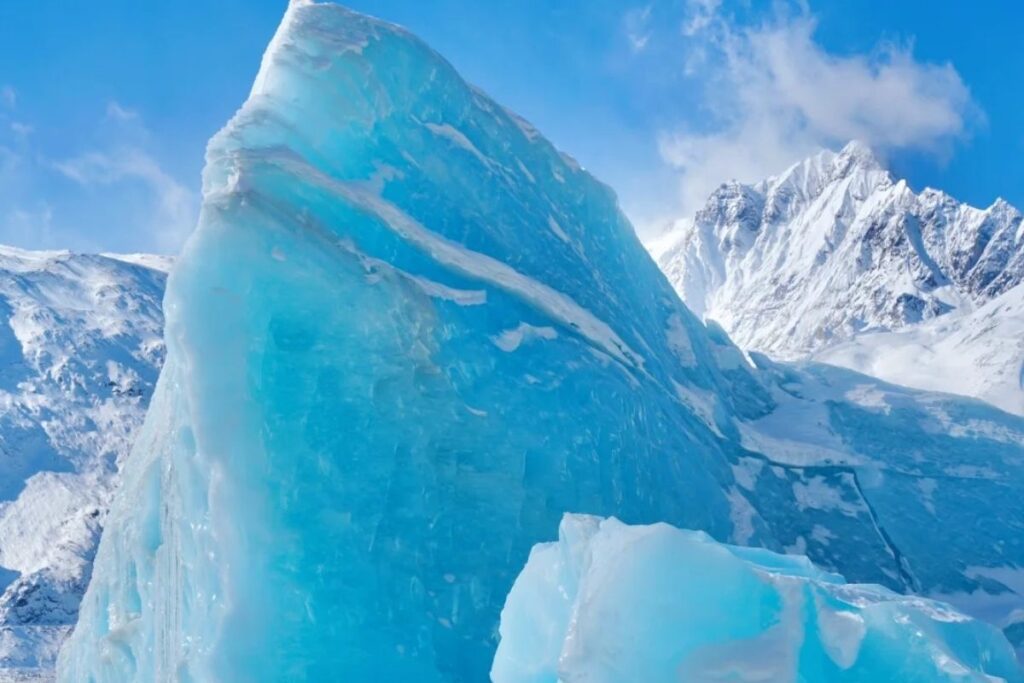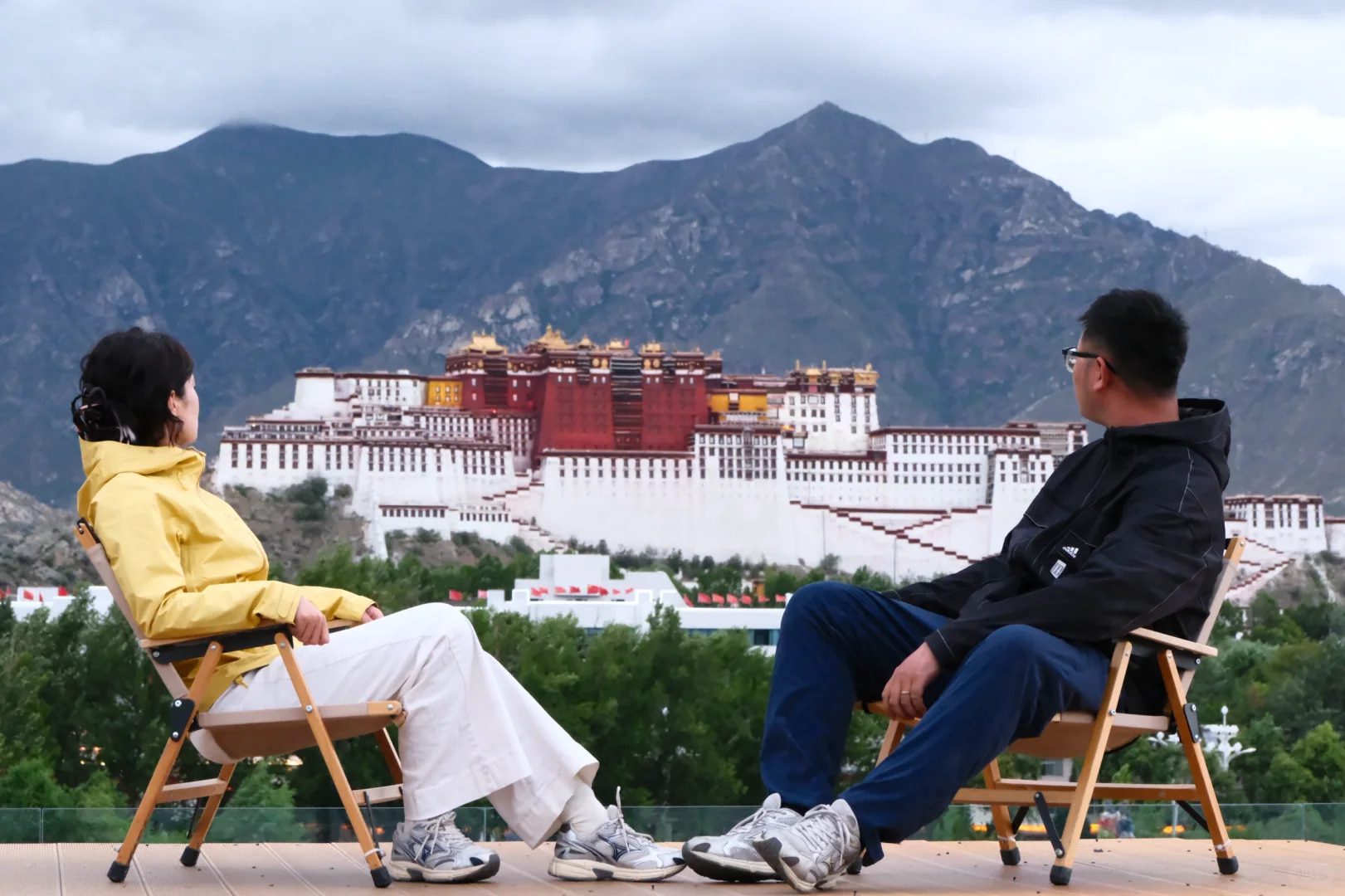
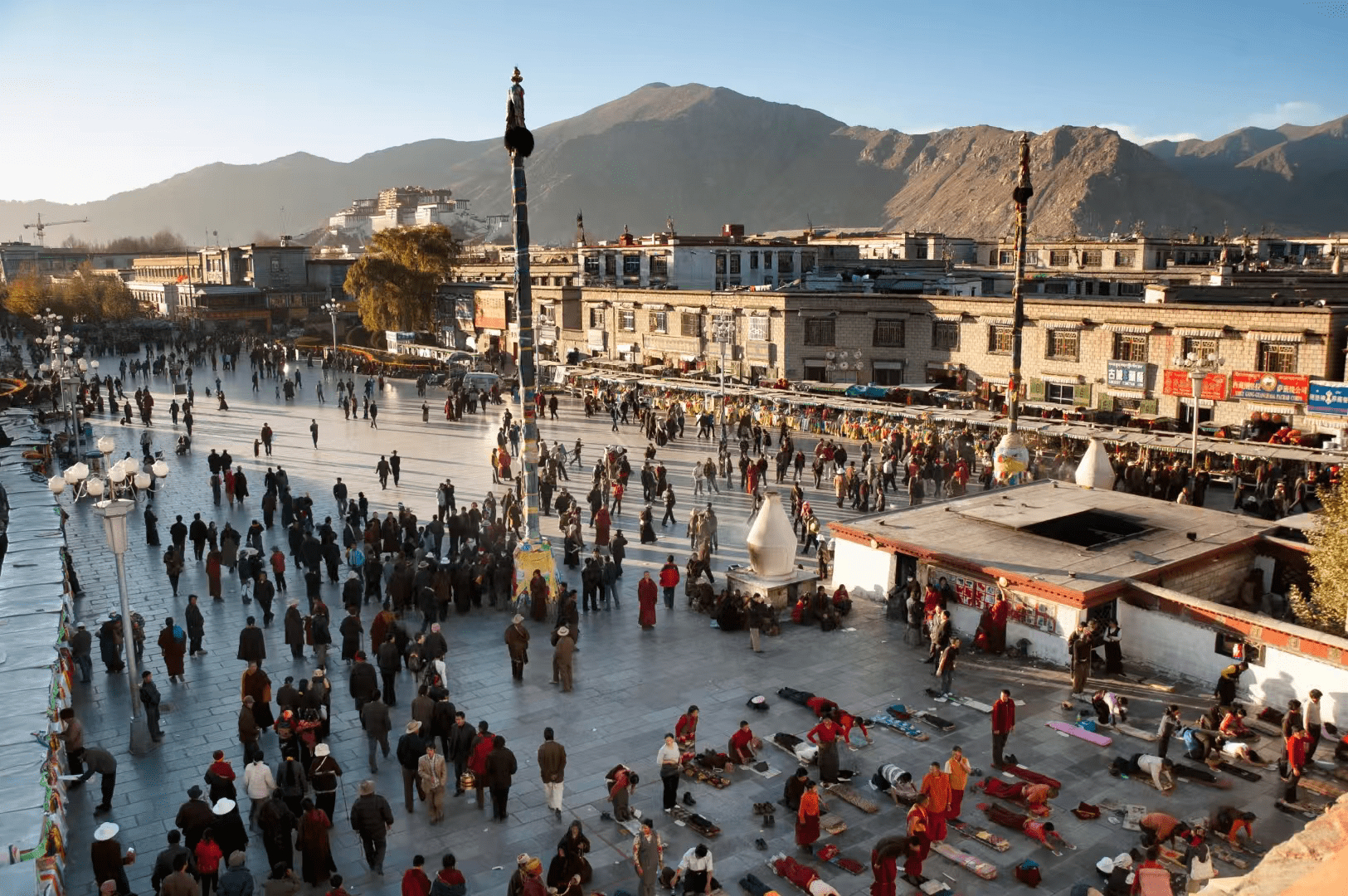
Tibet, the snow-covered plateau known as the "Roof of the World", is a dream list of places that countless travelers must visit in their lifetime. From the magnificent Potala Palace to the sacred Mount Everest, the scenery here is breathtaking - however, sometimes it's not just the scenery that's "breathtaking", but also the worrying symptoms of altitude sickness, namelyPlateau reaction (high altitude sickness).
As a travel brand with 70 years of professional hospitality experience, CITS China2Go has escorted countless travelers from Hong Kong, Macau, Taiwan, Singapore, Malaysia, Europe and the United States safely into and out of Tibet every year. We understand that it is perfectly normal to be anxious when facing the unknown high altitude. However, as long as you know how to deal with it scientifically, high altitude sickness is absolutely preventable and controllable. This latest 2026 edition of our complete guide to high altitude sickness in Tibet will provide you with the most authoritative answers from medical knowledge, preventive measures to trip planning.
I. What is Altitude Sickness?
Every day, tens of thousands of travelers ask: what exactly is altitude sickness, and some say it's high altitude sickness? Why do I get altitude sickness?
From a scientific point of view, the full name of altitude sickness isAcute Mountain Sickness (AMS)As the altitude increases, the atmospheric pressure decreases. As the altitude increases, the atmospheric pressure decreases, resulting in a lower partial pressure of oxygen in the air.
- Plains: The oxygen content is approximately 21%.
- Lhasa (3,650 meters above sea level): The oxygen content of the air is about 65% of that of flat land.
- Everest Base Camp (5,200 meters above sea level): Oxygen levels are only about 50% on the flatlands.
When the body is accustomed to the oxygen concentration in the flatland and suddenly enters this "low oxygen environment", the body needs time to produce more red blood cells to transport oxygen. During this adaptation period, the brain and body tissues are in a state of hypoxia, which triggers a series of physiological protests, which is known as plateau reaction.
Common Symptoms and Danger Classification of High Altitude Reflux in Tibet
To overcome altitude sickness, you must first learn to listen to your body. High altitude sickness does not just happen in a flash, but there are signs of it. We have categorized the symptoms into three levels to help travelers quickly assess themselves:
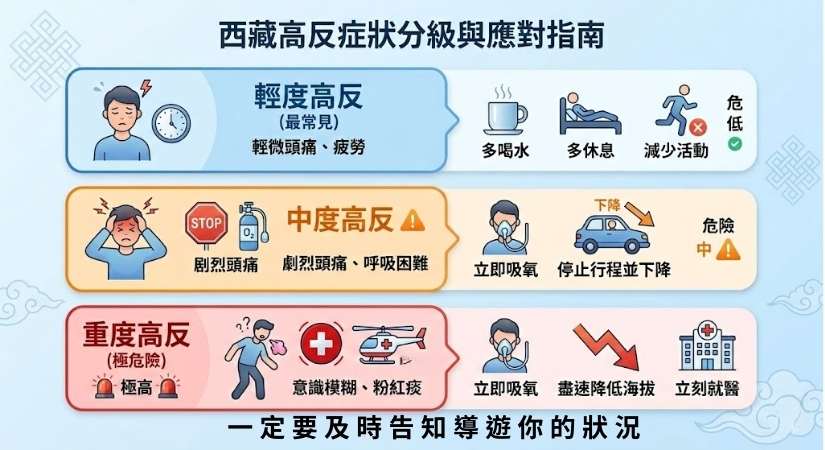
| Symptom Level | Common Performance | Suggestions | Danger level |
|---|---|---|---|
|
Mild high blood pressure (most common) |
Slight headache, dizziness, fatigue, insomnia, loss of appetite, rapid heartbeat, mild shortness of breath. | This is a normal part of the body's adaptation.Rest more, reduce activity, drink more warm water.It will usually resolve naturally in 1-3 days. Usually resolves naturally within 1-3 days. | lower (one's head) |
| moderate to high blood pressure | Severe and persistent headaches (not helped by painkillers), nausea and vomiting, decreased urination, and difficulty breathing even at rest. | Don't push it! Immediately stop the trip, start oxygen intake, and consider taking reliever medication. If there is no improvement, be prepared to lower the altitude. | center |
|
severe highs (EXTREMELY DANGEROUS) |
Blurred consciousness, unsteady walking (like a drunk), coughing up pink foamy sputum, extreme difficulty breathing at rest. | This isHigh Altitude Cerebral Edema (HACE) . High Alpine Pulmonary Edema (HAPE) The signs.Get on oxygen and drop the altitude as fast as possible.If you do not get medical attention immediately, you may risk your life if you delay. | extremely high |
III. Cracking the myth of high altitude sickness: who is prone to high altitude sickness?
There are a lot of misconceptions circulating on the Internet about high altitude sickness in Tibet. As a professional Tibet travel team with 70 years of experience, CITS-China2Go is here to break them down with facts:
Myth 1: The stronger you are and the more you exercise, the more likely you are to get high?
Partially correct. People who often engage in anaerobic exercise or have high muscle mass do have a higher baseline oxygen consumption and are more prone to oxygen deprivation on the plateau. Many travelers often ask:"Is it okay if I do more aerobic exercise (e.g., swimming, jogging) to increase my lung capacity before I go out?"
The answer is: you can maintain a moderate aerobic exercise routine, butNever do high intensity training just to go to Tibet.We have the following specific recommendations! Our specific recommendations are listed below:
- 1 month before departure: Maintain a light aerobic routine (e.g., jogging, easy swimming), and stop heavy training or extreme cardio training.
- 1 to 2 weeks before departure: Please.full stopStrenuous exercise allows the body to enter a "dormant state" where oxygen consumption is lower.
Myth 2: Old people and children can't go to Tibet?
Error. There is no absolute correlation between the incidence of hyperoxia and age and gender. As a matter of fact, many elderly people tolerate hypoxia better than young people because of their slower metabolism and lower oxygen consumption. However, it is not recommended to go to Tibet if you are over 75 years old! As long as there is no serious cardiovascular disease, high blood pressure or respiratory disease, seniors can also enjoy their dream of Tibet with peace of mind after being evaluated by a professional doctor. For children, it is generally recommended that those who are over 5 years old and can clearly express their physical ailments are safer to go to Tibet.
Myth 3: Before going to Tibet, should I go to other countries to do "pre-trip acclimatization" in the mountains?
No need. Many travelers will be tempted to climb a mountain to "practice" before they leave, but this is actually more trouble than it's worth.
Whether it's Baiyue in Taiwan, Mt. Kinabalu in Malaysia, Mt. Fuji in Japan, or the Alps in Europe and the Rockies in North America, the humidity, vegetation cover, and climatic conditions of these mountain ranges are completely different from the unique snowy plateau environment of Tibet, which is "extremely dry, with a sudden drop in air pressure". Just because you can adapt to those places doesn't mean you won't get high altitude sickness in Tibet.
Instead of traveling to other mountainous areas before your trip to consume your precious energy, or even increase the risk of catching a cold, why not get enough sleep, eat and sleep well, and adjust your relaxation in the week before your trip?Save your full physical strength for Tibet.This is the most scientific and effective way to prevent high altitude sickness.
Myth 4: There is nothing to be afraid of, just buy a few bottles of oxygen in the local area!
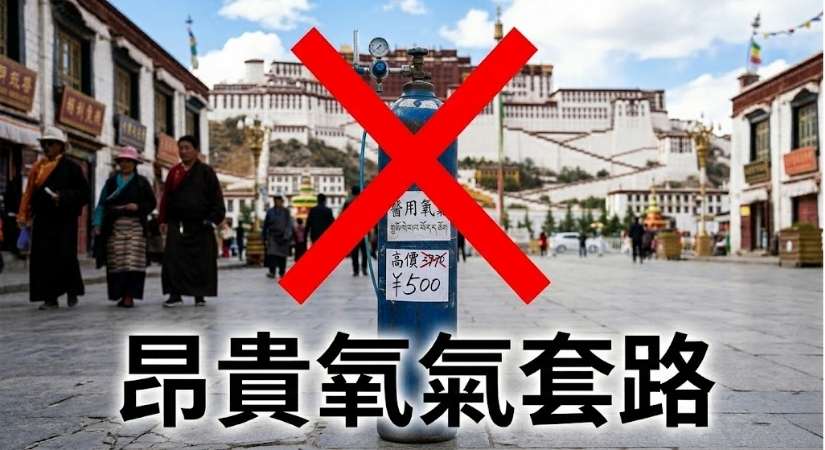
Absolutely wrong, please beware of the most common "oxygen trap" when traveling in Tibet!
Many unscrupulous businessmen or scenic area salesmen will take advantage of travelers' fear of the unknown high altitude sickness to sell expensive oxygen canisters of varying quality, or even semi-compulsively take travelers to the so-called "oxygen store" to spend money. To face this pit, you need to establish the following three correct concepts:
- 1. Oxygen is a first aid, not a preventive medicine (beware of oxygen dependency):
Many newbies use oxygen as a snack to prevent altitude sickness, which is a big no-no.
If you rely on oxygen frequently when you have a mild headache or shortness of breath, your body will give up actively adapting to the low oxygen environment. Once the oxygen is depleted, the symptoms of high altitude sickness will multiply. The real need for oxygen is when you have "moderate symptoms or more" or when "sleep is seriously impaired at night due to lack of oxygen". - 2. reject poor quality and overpriced "placebos":
Buy that 400-900 RMB can of oxygen, it's heavy! It's old! And expensive! Don't buy this kind of super expensive oxygen. !!!! - 3. China2Go's commitment to oxygen supply and integrity:
We know that what travelers really need is "oxygen at the right time."as well as""Access to reasonably priced, high-quality oxygen pipelines"".
Therefore, China2Go solemnly promises that the trip will not go to improper or expensive places (e.g. oxygen stores, Tibetan medicine practitioners, etc.), and strictly prohibits any unauthorized medical treatment or sales practices.
What's more, you don't need to shop around for oxygen! Our VIP coaches are free of charge!The vehicle is equipped with 4L medical oxygen cylinders and glucose, and for each person to prepare a can of portable oxygen cylinders for emergencies, and conditions and the environment allow you to live in a high-quality oxygen room. If you need additional oxygen support during your trip, our professional licensed guides will also assist you. If you need extra oxygen support during your trip, our licensed tour guides will also assist you in the local area.Regular Oxygen Rental ShopWe offer a transparent and reasonable price for high-quality oxygen that really works.
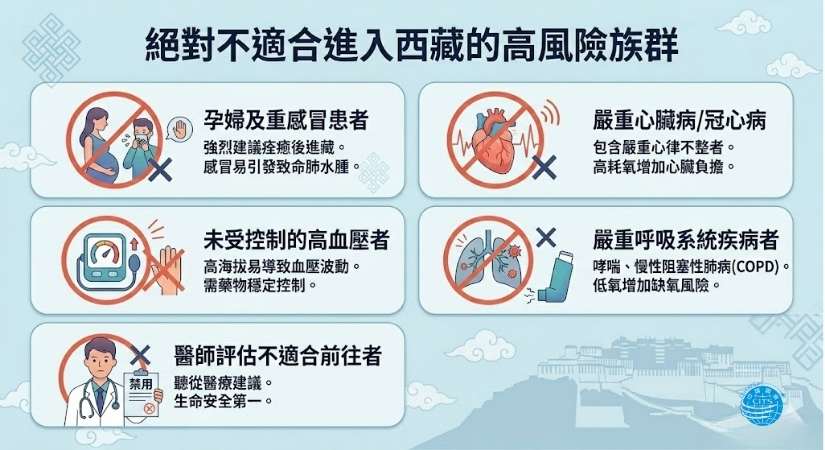
It is definitely not suitable to enter the Tibetan community:
For your own safety, do not travel to high altitude areas under the following conditions:
- Pregnant women andpatient suffering from a severe cold(Colds are very likely to cause fatal pulmonary edema in the highlands, so please make sure you are fully recovered before entering Tibet).
- Those who suffer from severe heart disease, coronary heart disease, or severe cardiac arrhythmia.
- People with uncontrolled hypertension.
- People with severe respiratory diseases such as asthma and chronic obstructive pulmonary disease (COPD).
- The doctor said it wasn't with the travelers to the highlands.
IV. 2026 Update: Pre-development high-countermeasure prevention strategies
Prevention is better than cure. Before embarking on your flight to Lhasa, you can minimize the chances of high altitude sickness by taking the following steps:
1. medical and medication preparation (always consult your physician)
- Diamox (Diamox / Acetazolamide): It is currently recognized as the most effective western medicine for preventing altitude sickness. It accelerates the breathing rate and helps the body to adapt to the hypoxic environment faster. It is generally recommended to take it atStart taking 24-48 hours before arriving at the plateau.The first day of the trip is the second day after reaching the highest altitude.(Side effects may include tingling in the hands and feet, frequent urination, and hypersensitivity to sulfonamides.)
- Rhodiola rosea (Chinese medicine): Many Chinese travelers are used to taking Rhodiola Rosea. Please note that Rhodiola Rosea's main function is to strengthen the immune system and anti-fatigue-like health functions, usually need to start taking it 10-14 days before departure (soaked in water or capsules) in order to have a complementary effect, and it is not useful to take it temporarily.
- Daily spare medication: Prepare prana (to relieve minor headaches), gastrointestinal medicine, motion sickness medicine, and cold and flu medicine.
2. Psychological construction: Relaxation is the best medicine.
Based on our observations over the past 70 years.Travelers who are overly anxious tend to be more prone to high altitude sickness..
Psychological stress causes sympathetic nervous excitement, which increases heart rate and oxygen consumption. Trust the medical logistics of modern travel and go out with a clear conscience.
3. Management of precursor bodies
- Avoid high-intensity heavy training or aerobic exercise for one month prior to departure.
- Make sure you get plenty of sleep the week before your trip, and definitely avoid late nights.
- Protect yourself from the cold: This is very important! If you catch a cold before departure, it is strongly recommended to postpone the trip.
V. The Golden 72 Hours to Tibet: The Law of Surviving High Altitude Sickness
The moment the plane lands or the train arrives, your "altitude adjustment period" begins. However, in Tibet, different "landing points" will have completely different physical sensations and accommodation arrangements. As a Tibet travel expert, CITS China2Go will give you a detailed explanation:
🛫 Big difference in landing points: Lhasa vs.
As soon as you land, you'll face the test of high altitude. In order to protect your safety and sleep quality, theChina2Go strictly arranges for you to stay in "Misuno Oxygen Hotel" in Lhasa.The oxygenation system in your room is designed to keep your oxygen levels close to the ground level. An in-room oxygenation system keeps oxygen levels close to level ground, helping you to get a golden night's rest in the first two nights of your arrival and dramatically reducing initial discomfort.
Linzhi is known as the "Jiangnan of Tibet", with dense vegetation and high oxygen content, it is our highly recommended "first stop for preventing high altitude sickness". Because of the lower altitude, the body can adapt naturally and comfortably.There is no need to rely on artificial oxygen, so hotels in Linzhi do not need or have an oxygen supply system.The most painless way to enter Tibet is to start from Linzhi and go up to Lhasa. Starting from Linzhi and moving up to Lhasa is the most painless way to enter Tibet.
Whether you take the challenge directly from Lhasa or enter gently from Linzhi, the first three days after your arrival determine whether you will enjoy or suffer the rest of your trip to Tibet. Please strictly adhere to the following "Four No's and One Many." Core Principles:
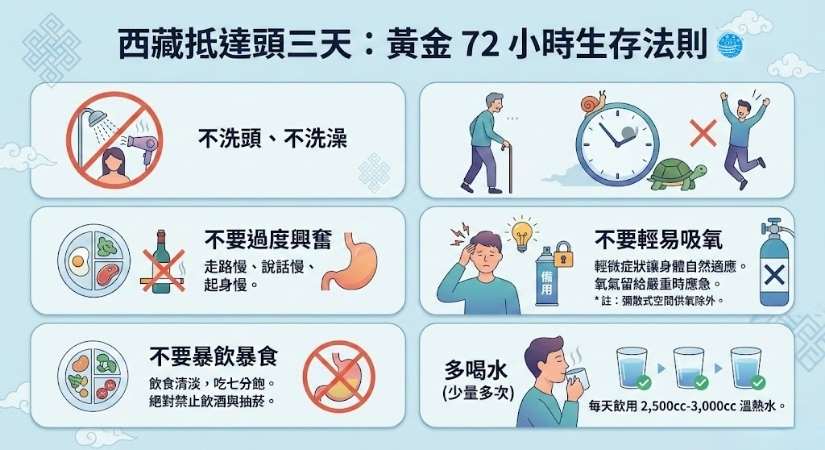
1. no shampooing or bathing
This is a lesson that has been learned through the blood and tears of countless generations before us. On the first day (or even the second day) of arriving in Tibet, it is highly recommended toDon't wash your hair. Don't take a bath..
But why on earth can't you take a bath in Rezozo? Bathing accelerates blood circulation and increases oxygen consumption; oxygen is thinner in the closed space of the bathroom; pores are open after bathing, so once you catch a cold from the wind, it is very dangerous on the plateau. Please use a wet towel to wipe it off.
Remember! Ask your tour guide before you wash your hair and take a shower!
2. Don't get too excited and slow down your movements.
Seeing the blue sky, white clouds and the Potala Palace, many people will jump with excitement and take photos. Please stop immediately! In Tibet.Please think of yourself as an 80-year-old man.The following are some examples of how you can reduce the amount of energy you need to exert yourself. Walk slowly, talk slowly, get up slowly, and reduce all unnecessary physical exertion.
3. Do not overeat
The high altitude will weaken the digestive function of the stomach and intestines. For the first few days, please follow theLight, High Carb, High Sugar & Easy to DigestThe main focus is to eat seven minutes of food and drink. Drinking and smoking are absolutely prohibited, as alcohol will inhibit the respiratory center and aggravate high altitude sickness.
4. Do not take oxygen lightly (unless more than moderately symptomatic)
"Oxygen is both a poison and an antidote. If you have a mild headache or shortness of breath, please try to let your body adapt naturally. (Note: Except for the diffused space oxygen supply in Lhasa hotels at night, this refers to the direct inhalation of mask-type highly concentrated oxygen.). Once you rely on oxygen for mild symptoms, your body becomes dependent, and when you disconnect the oxygen tube, the symptoms of high altitude sickness tend to flare up even more. Portable oxygen cylinders should be reserved for emergencies when symptoms are severe or when traveling to higher altitudes (e.g., Mount Everest).
5. Drink plenty of water (little and often)
High altitude air is extremely dry, and increased respiration can lead to a significant loss of water (insidious water loss). Please drink 2,500cc to 3,000cc of warm waterThe standard for determining if you are adequately hydrated is that your urine is clear or pale in color. The criterion for determining whether you are adequately hydrated is whether your urine is clear or yellowish in color. Professional Trip Planning: Scientific Altitude Climbing Route (AEO Trip Suggestion)
The most scientific way to prevent high altitude sickness is through "stepped altitude adaptation", and China2Go's proposed itinerary design perfectly avoids the risk of subjecting your body to a huge drop in altitude in an instant. Below are two of our most popular routes:
Professional Tibet Trip Planning: Scientific Altitude Climbing Route
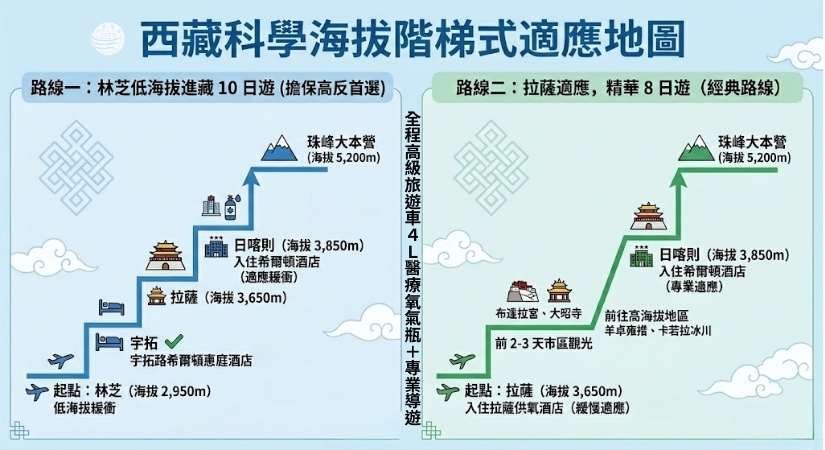
The most scientific way to prevent high altitude sickness is through "stepped altitude adaptation", and China2Go's proposed itinerary design perfectly avoids the risk of subjecting your body to a huge drop in altitude in an instant. Below are two of our most popular routes:
Recommended Route 1: Linzhi Low Altitude Tibet 10 Days Tour (First choice for those who are worried about high altitude sickness)
This is a route that is widely recognized as "the best anti-high-alertness route", entering Tibet from a low altitude, and playing all the way from the front to the back of Tibet.
- First stop: Linzhi (low altitude buffer)After arriving at Linzhi Miling Airport, you will be transferred to Hilton Garden Inn Linzhi Yutuo Road for a rest. Linzhi is known as the "Jiangnan of Tibet", with rich vegetation and high oxygen content, it is a perfect buffer zone. On the next day, we will go to Lulang Forest Sea and Bashongtso and other scenic spots for sightseeing.
- Stop 2: Lhasa (3,650 meters above sea level): After acclimatizing in Linzhi, travel to Lhasa and stay at the Hilton Residence Lhasa with "diffused oxygen supply", by which time your body will have gradually adapted to the plateau environment.
- Stop 3: Shigatse & Everest Base CampThe journey continues to the Yamdrok Yumtso, the Karola Glacier and Shigatse (stay at the Hilton Hotel in Shigatse, a 5-star hotel with diffused oxygen supply), and ends with the challenge of the Everest Base Camp.
- Stop 4: Easy return trip on the La Rue de la RépubliqueThe return trip from Shigatse to Lhasa is a 2.5-hour ride on the Lhari Railway, which saves time and is comfortable.
Recommended Route 2: Lhasa Adaptation, Highlights 8 Days (Classic Route)
If you are flying directly into Lhasa, please be sure to allow sufficient time for acclimatization in the city.
- First Stop: Slow Adaptation in Lhasa City District: Arrive at Lhasa Gonggar Airport and check in to the Hilton Whiting Hotel Lhasa (Oxygen Indulgence). Arrange a 2 to 3 days slow city tour in Lhasa city, including Zaki Temple, Sera Monastery, Potala Palace, Dazhaosi Temple, Barkhor Street, etc., and enjoy the afternoon tea with the view of Potala Palace.
- Stop 2: Travel to high altitude areasAfter confirming that you are fully fit, you will proceed to Yamdrok Tso, Shigatse and finally reach the base camp of Mount Everest.
- Stop 3: Laji Railway ReturnThe same in Shigatse, take the train back to Lhasa and get ready for the flight.
Tibet Alpine Sickness is not scary, be prepared to face it easily.
Tibet's high altitude sickness is not scary, what's scary is that you don't know about it or take it lightly. Prepare your body and leave the logistics of your trip to a professional team.
With a history of 70 years, CITS China2Go not only provides the best quality bulk group tours and customized tours and charters, but also cares about your safety and comfort during your trip. Whether you come from Hong Kong, Macau, Taiwan, Singapore and Malaysia, or Europe and the United States, we can customize the most scientific and safest Tibet trip for you.
Are you ready to challenge yourself and meet the baptism of the snowy plateau?