Many people who are planning a trip to Tibet for the first time are often most worried not about the itinerary, but about a very practical problem:What to eat in Tibet? Are you used to eating?
The Tibetan diet does differ significantly from that of the mainland, but this does not mean that you will not be able to "eat well" during your trip. As long as one understands the background of the plateau diet and the actual dining arrangements during the trip, most travelers will be able to cope with it.
In this article, we will look at theTibetan food culture, traditional food, actual meals during the trip, and common dietary questions.The Tibet Traveler's Guide to Tibet: What to Eat.
Why is the Tibetan diet so different from that of the Mainland?
The formation of the Tibetan diet is in fact closely related to the natural environment and lifestyle of the region! The following three are the main keys to the differences!
High Altitude, Regional Restrictions, Preservation Methods
- High altitude, cold climate, high physical energy consumption
- Limited agricultural conditions, mainly pastoralism
- Ingredients are not easy to obtain and need to be preserved and cold-resistant
As a result, the traditional Tibetan diet is characterized byHigh calorie, heavy fat, heavy proteinThis is the result of a long history of highland living. Understanding this will help travelers understand and adapt to the local diet more quickly.

What are some of the traditional diets in Tibet?
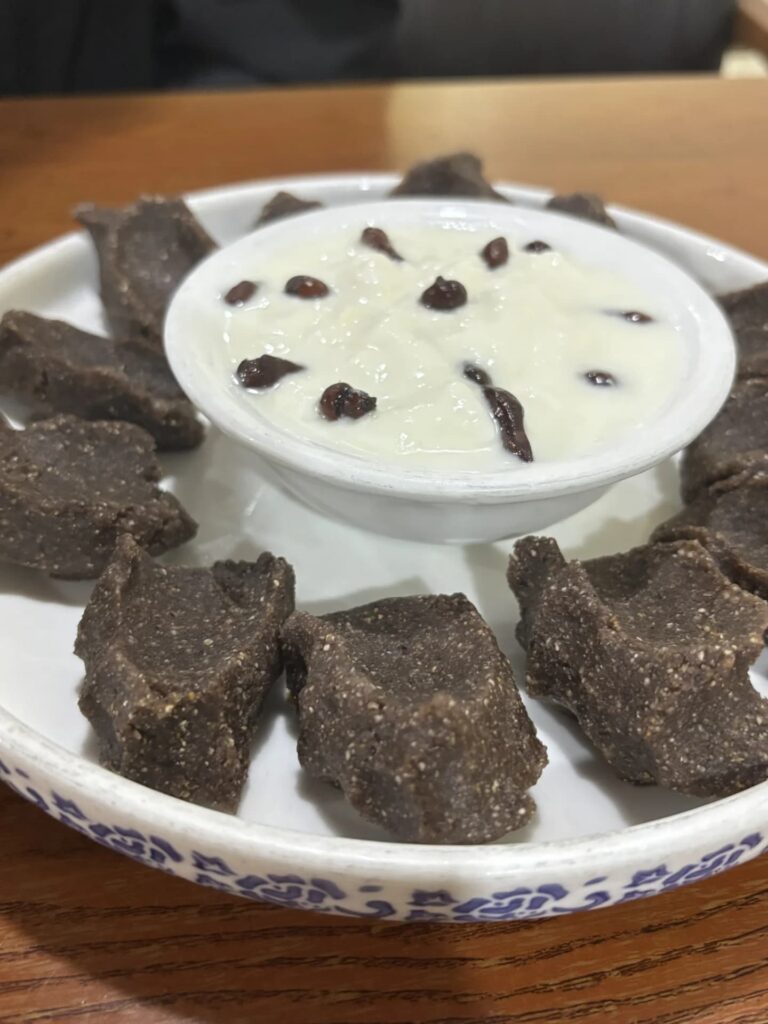
Tsampa: one of the most important staple foods of Tibetans
Tsampa, made from barley that has been fried and ground into powder, is a very important staple in the Tibetan diet.
The traditional way of eating tsampa is to add it to ghee tea and knead it into a ball for consumption, making it easy to carry and quick to replenish energy, which is especially suitable for life on the plateau.
For most travelers, tsampa has a dry taste and is often used as aCultural Experience TastingIt doesn't have to be a daily staple, but it's something you can try once and be impressed.
Ghee Tea: An Indispensable Energy Drink for Highland Life
Ghee tea is made from tea broth, yak ghee and salt, and has a completely different taste from ordinary sweet milk tea.
For Tibetans, ghee tea serves the important functions of keeping warm, replenishing calories and maintaining physical strength.
Many travelers may need a little time to get used to it the first time they drink it, but in a plateau environment, theDrinking in moderation helps the body adapt to the climate and altitude.However, there is no need to be over-exclusionary.
Yak meat: the most common source of meat in Tibet.
Yak meat is one of the main sources of protein in Tibet, and common ways to prepare it include:
- Dry Yak Meat
- Stewed Yak Meat
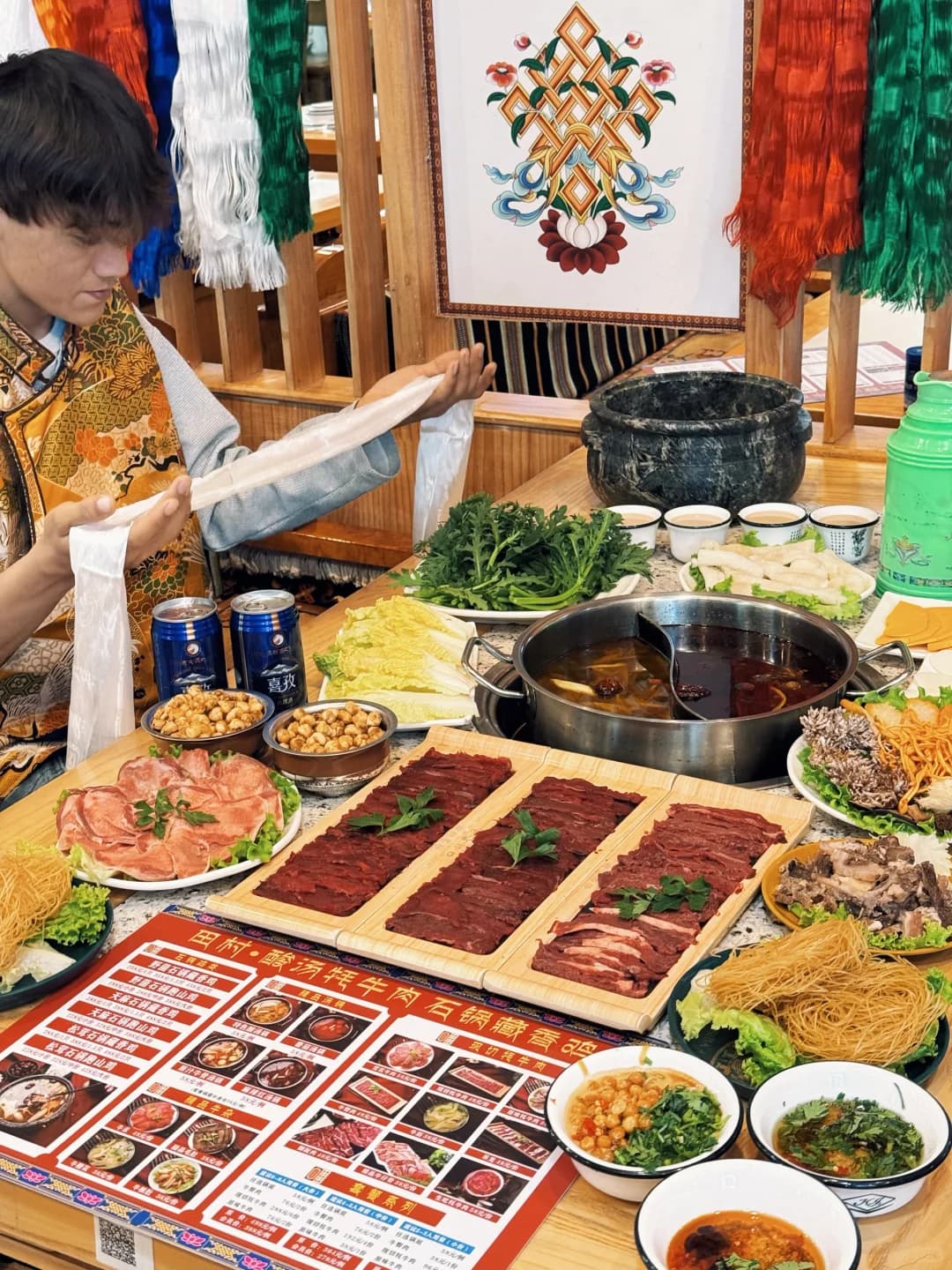
- Yak Meat Hot Pot
The meat is solid and full of flavor, and it is one of the Tibetan cuisines that many travelers are willing to try.
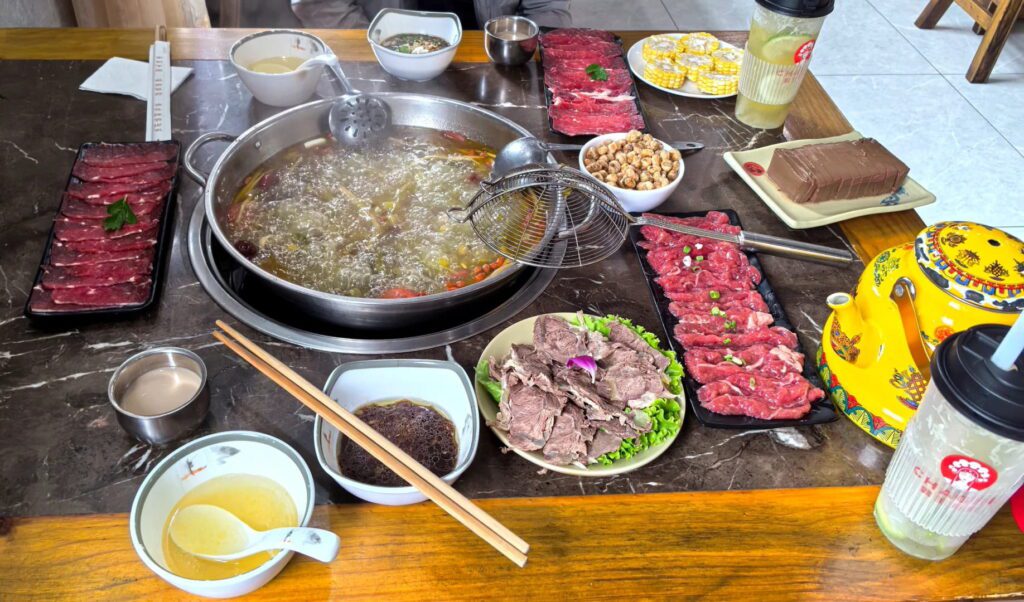
What if I don't eat beef? Are there other meat options in Tibet?
There are, and there are more options than you might think, so don't worry.
For travelers who don't eat beef, you can still find other meat choices during your trip to Tibet, for example:
- Tibetan Spice Pig: Tender meat and flavorful fat are highly rated by many travelers.
- Chicken: Commonly found in Chinese or modified restaurants, with lighter and more acceptable flavors.
- lamb dish: Available in some areas, usually presented in stews or hot pots
In major tourist cities and on tour itineraries, most restaurants are able to adjust their menu according to the needs of travelers.If you don't eat beef, are allergic to it, or prefer a lighter diet, you can communicate with us beforehand..
However, there are fewer fish in Tibet and generally Tibetans don't eat fish, but the few that are transported here can be eaten in Chinese restaurants.
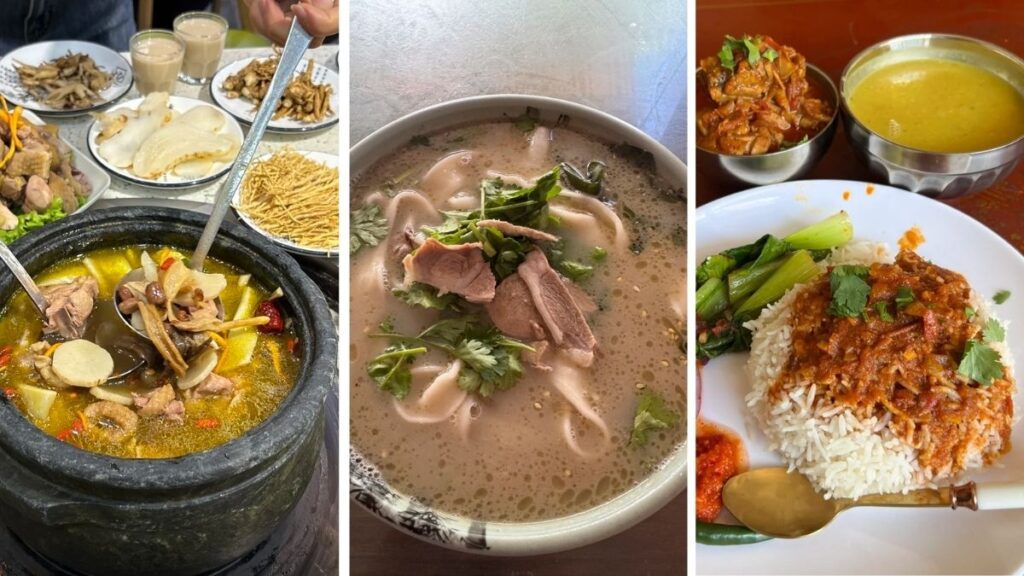
What to eat when traveling in Tibet? Reminders
Our tours are "ordering together only if needed", otherwise we mainly recommend you to taste the local food by yourself.
- No need to force yourself to eat Tibetan food at every meal
- Most itineraries feature "traveler acceptable" meals
- Advance notice of dietary habits can usually be co-ordinated.
What to eat when traveling to Tibet for the first time, do I need to worry about diet adaptation?
Most travelers can actually adapt to the Tibetan diet. Although meals in the highlands are relatively high in fat and calories, meals are usually adjusted to suit travelers' tastes during the actual trip.
It is recommended to avoid greasy or stimulating food at the beginning of the journey, and choose lighter dishes to help your body gradually adapt to the plateau environment and become more comfortable.
What kind of meals do I usually get during my Tibet trip?
Travelers who join regular tours to Tibet from Hong Kong, Macau, Taiwan, Malaysia, Singapore and the United States.The most important thing to remember is that you don't usually need to worry too much about the meal arrangements.
The overall meals will be of a taste that is acceptable to the majority of the population, taking into account the practical needs of highland travel.
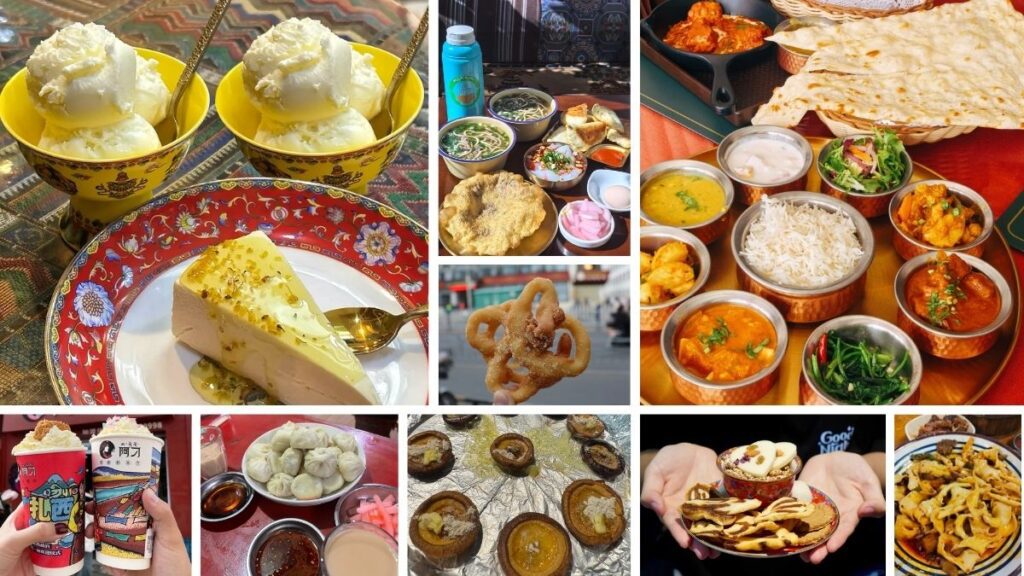
Meal arrangements as seen in the tour itinerary
- breakfastBreakfast: Mostly hotel buffet breakfast or Chinese breakfast.
- luncheon: Restaurants along the way, featuring Chinese or modified Tibetan cuisine.
- supper: A city restaurant with a wide variety of food choices
In major tourist cities such as Lhasa, Linzhi, and Rikaze, Chinese, Sichuan, and home-cooked food are quite common.
Are there any restaurants in Tibet that cater to the tastes of travelers?
In major tourist cities, many restaurants have already made adjustments to cater for the tastes of tourists.
These restaurants are relatively mild in flavor and can accommodate non-vegetarian, vegetarian, or other dietary needs, making them relatively safe for first-time travelers to Tibet.
Will I not have enough vegetables when traveling in Tibet?
In cities such as Lhasa, Linzhi, and Shigatse, hotels and restaurants usually provide common vegetables, not so much that they are completely out of reach.
However, due to the constraints of the highland environment, there are fewer varieties of vegetables than those in the Mainland and the prices are slightly higher, which is normal.
What should travelers with weak stomachs pay attention to in terms of diet?
For travelers with sensitive stomachs, it is recommended to avoid cold food and alcohol at the beginning of the trip, and to reduce greasy food intake.
Carry gastrointestinal medicine with you and eat a light diet for the first few days to help your body adapt smoothly to the plateau environment.
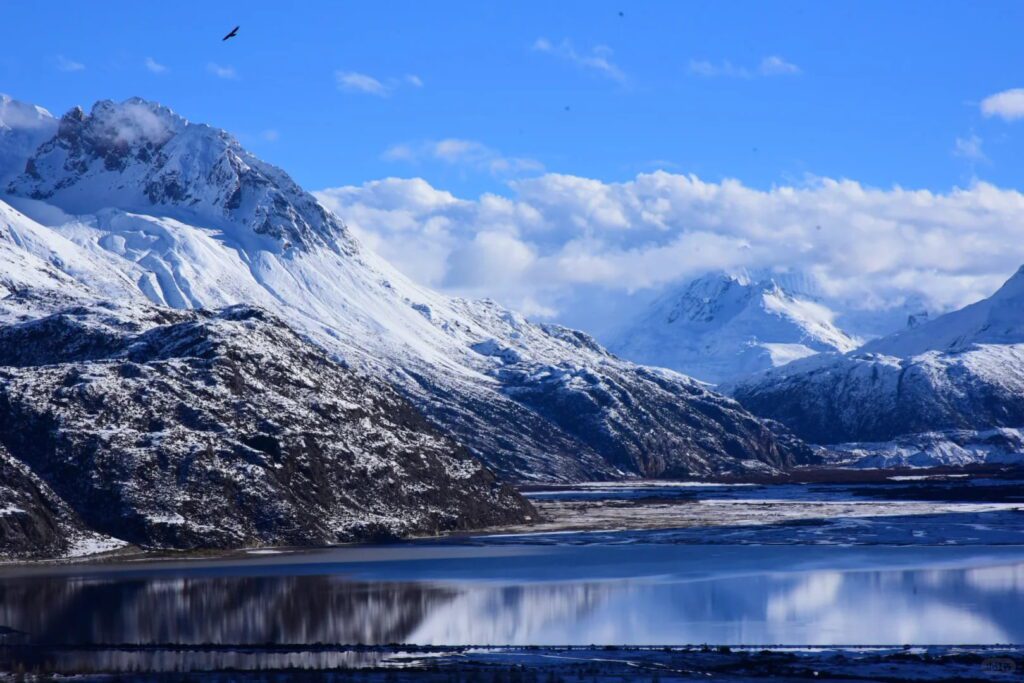
What are the differences in the dietary environment of different regions?
| District | Dietary Features | Representative Diets | Best For |
|---|---|---|---|
| Lhasa | With the largest selection of restaurants, Chinese food, Tibetan food and modified food coexist, the diet is diverse and easy to adapt to. | Tibetan hot pot, sweet tea, modified Tibetan cuisine, Chinese home cooking | Travelers who are sensitive to food and drink on their first trip to Tibet. |
| Nyingchi prefecture of Tibet, Tibetan: Nying khri, Chinese Linzhi | The weather is relatively mild, with more vegetables available, and the overall taste is light. | Chicken in stone pot, barley cake, seasonal vegetable dishes | Travelers with weak stomachs who prefer a light diet |
| Shigatse Tibetan: Gzhis ka rtse, city and prefecture in central Tibet | The traditional Tibetan diet has a high proportion of primitive flavors, but Chinese cuisine can still be found in tourist restaurants. | Tsampa, Ghee Tea, Yak Meat Cuisine | Travelers who want to experience the Tibetan food culture in depth |
| Border areas (e.g. Tingri area) | Influenced by Nepal and southern Tibet, the cuisine is a fusion of styles, with a more pronounced use of spices. | Nepalese Curry, Momo Dumplings, Spice Stews | Travelers who are interested in exotic flavors and want to experience diverse food cultures |
Diet for the first time in Tibet Siu Kin
- When arriving at the plateau, it is recommended to avoid overeating and to allow your body to adapt to the environment and climate.
- Remember to stay hydrated to help your body adjust and minimize discomfort.
- You don't have to try all the traditional Tibetan food, just choose what you are comfortable with.
- If there are dietary taboos or special needs, please inform the tour operator in advance of the trip and assistance can usually be provided.
If you really can't get used to it, is there a KFC or McDonald's in Tibet?
International fast food chains such as KFC can indeed be found in major tourist cities such as Lhasa, providing a psychologically reassuring option for travelers who want to eat familiar flavors on the spur of the moment.
However, during actual travel, most travelers still use hotel restaurants or Chinese cuisine, and instant meals are not the main form of dining.
The content of this article is organized by a professional team with many years of experience in Tibet travel planning and on-site tour leading. It is regularly updated according to the latest travel practices and feedback from travelers.
Last updated:January 2026