Many people often ask us, “Is it safe to travel to Tibet?”
But in reality, what you truly want to know may go beyond just safety —
- Is this destination right for me?
- Can I bring my family, elderly parents, or children along?
- Will altitude sickness be severe?
- Are there any policy restrictions or safety concerns?
- If my family is worried, how can I reassure them?
Tibet’s mystery and grandeur inspire admiration — yet also hesitation.
This guide examines Tibet travel safety in 2026 from six key perspectives: travel regulations, physical health considerations, public safety conditions, natural environment factors, transportation risks, and medical response capabilities — helping Australian travelers make informed decisions.
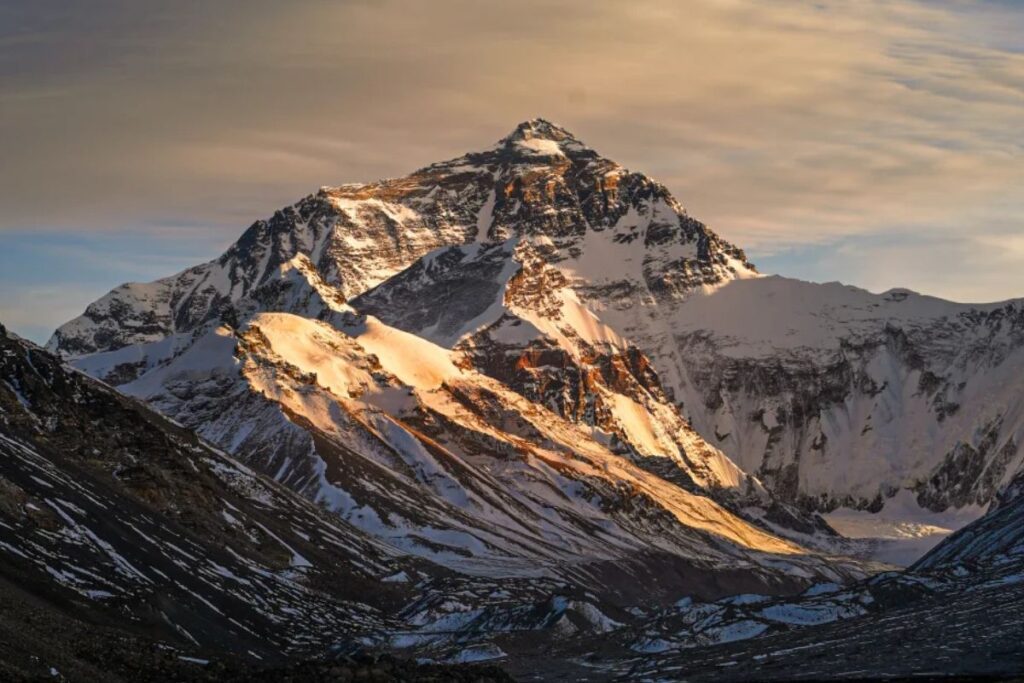
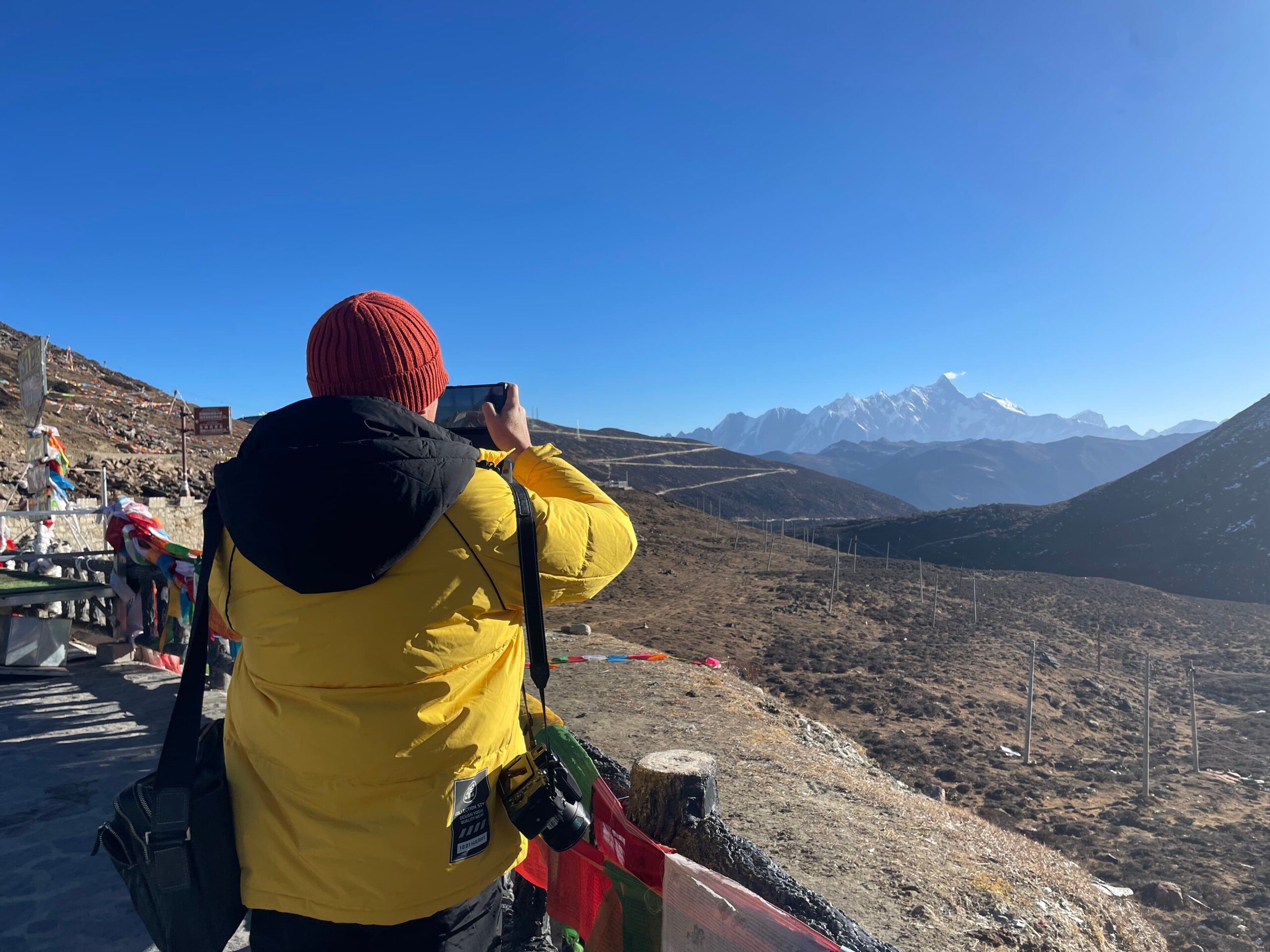
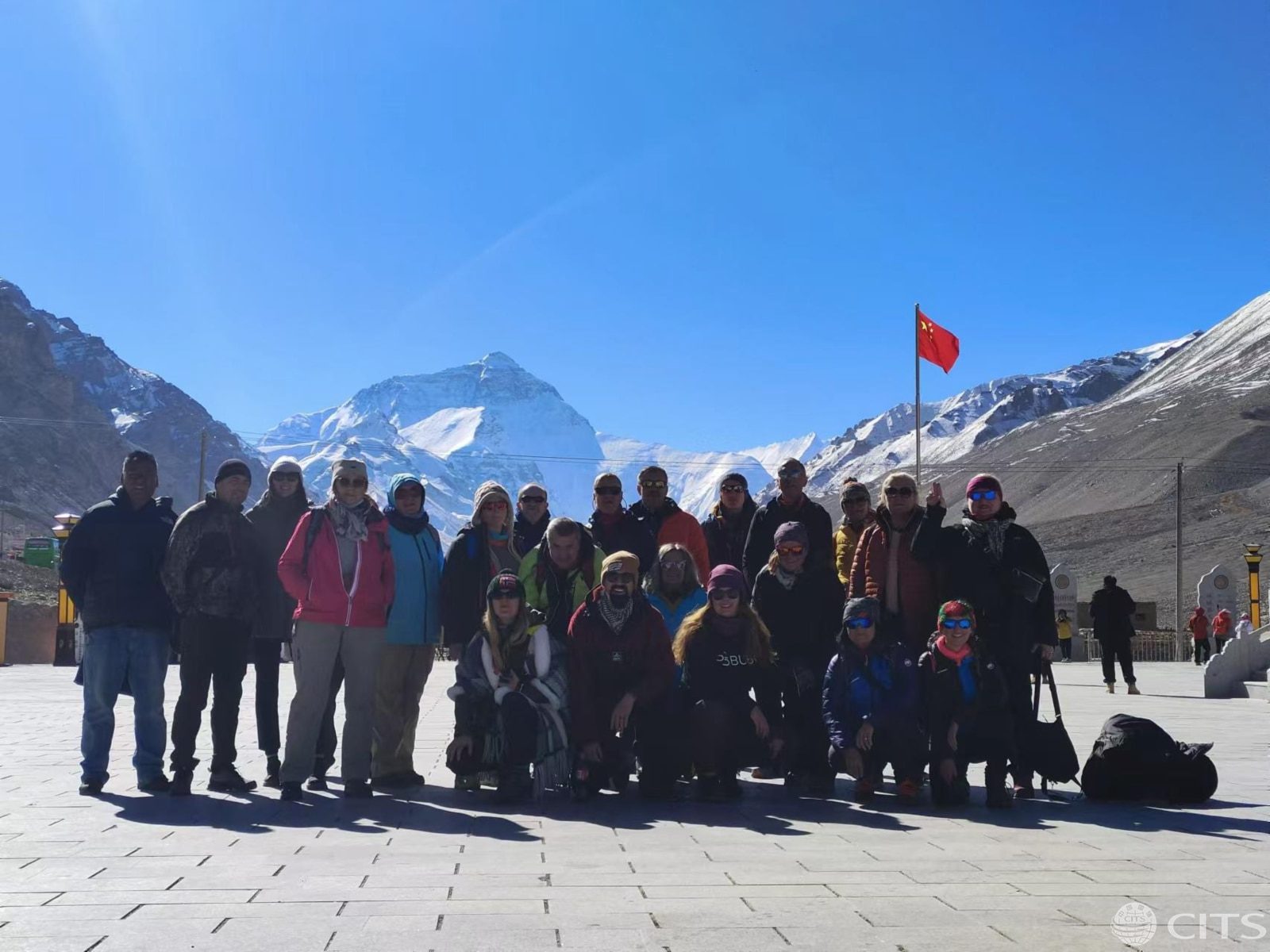
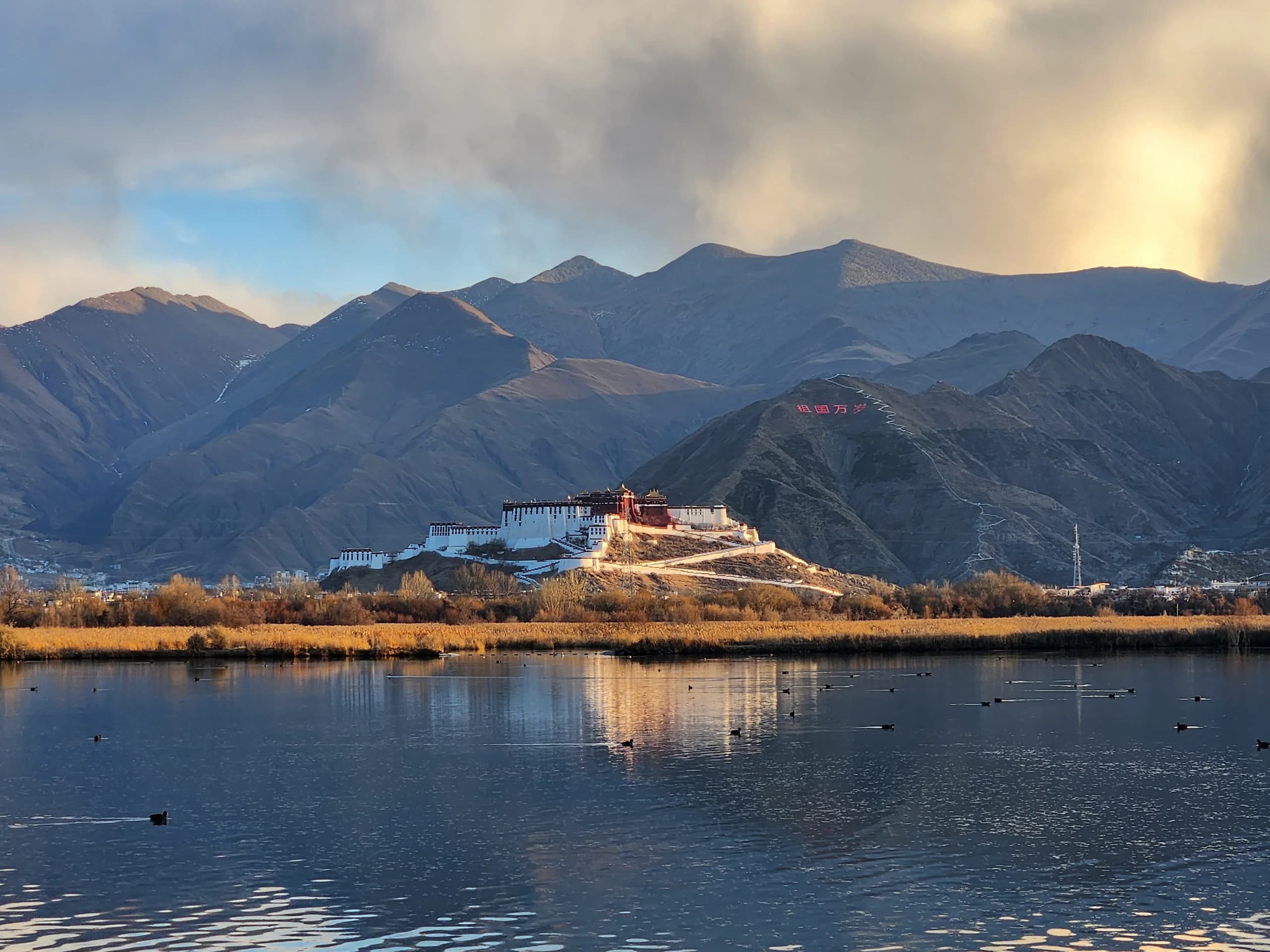
To begin with, Tibet sits at an average altitude of over 4,000 meters and is known as the “Roof of the World.” It is home to the magnificent Potala Palace, the centuries-old Jokhang Temple, the awe-inspiring Mount Everest, as well as vast grasslands and crystal-clear skies.
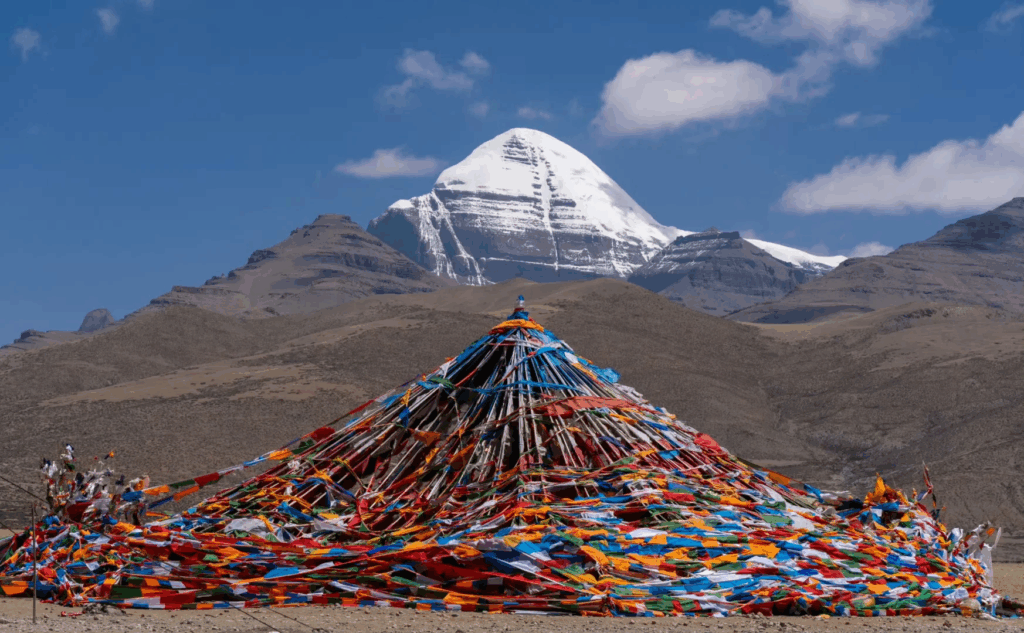
However, for many travelers, Tibet still carries a sense of mystery and the unknown. In reality, it is a region where Tibetan Buddhism forms the core of daily life and belief. For local residents, spiritual practice, the concept of karma, and the value of compassion are part of everyday living. This cultural foundation contributes to Tibet being regarded as one of the most socially stable and orderly regions in China.
What truly requires preparation is not public safety, but the high-altitude environment and Tibet’s unique travel regulations.
1.The Foundations of Safety in Tibet: Faith, Culture, and Social Environment
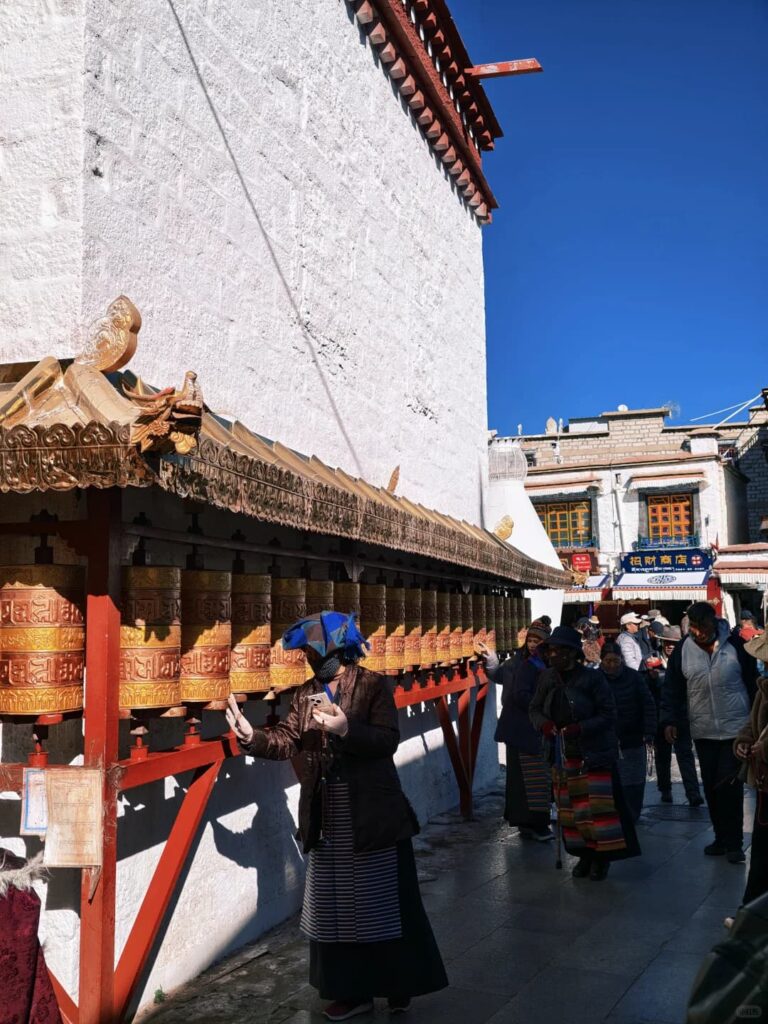
Most residents in Tibet practice Tibetan Buddhism.
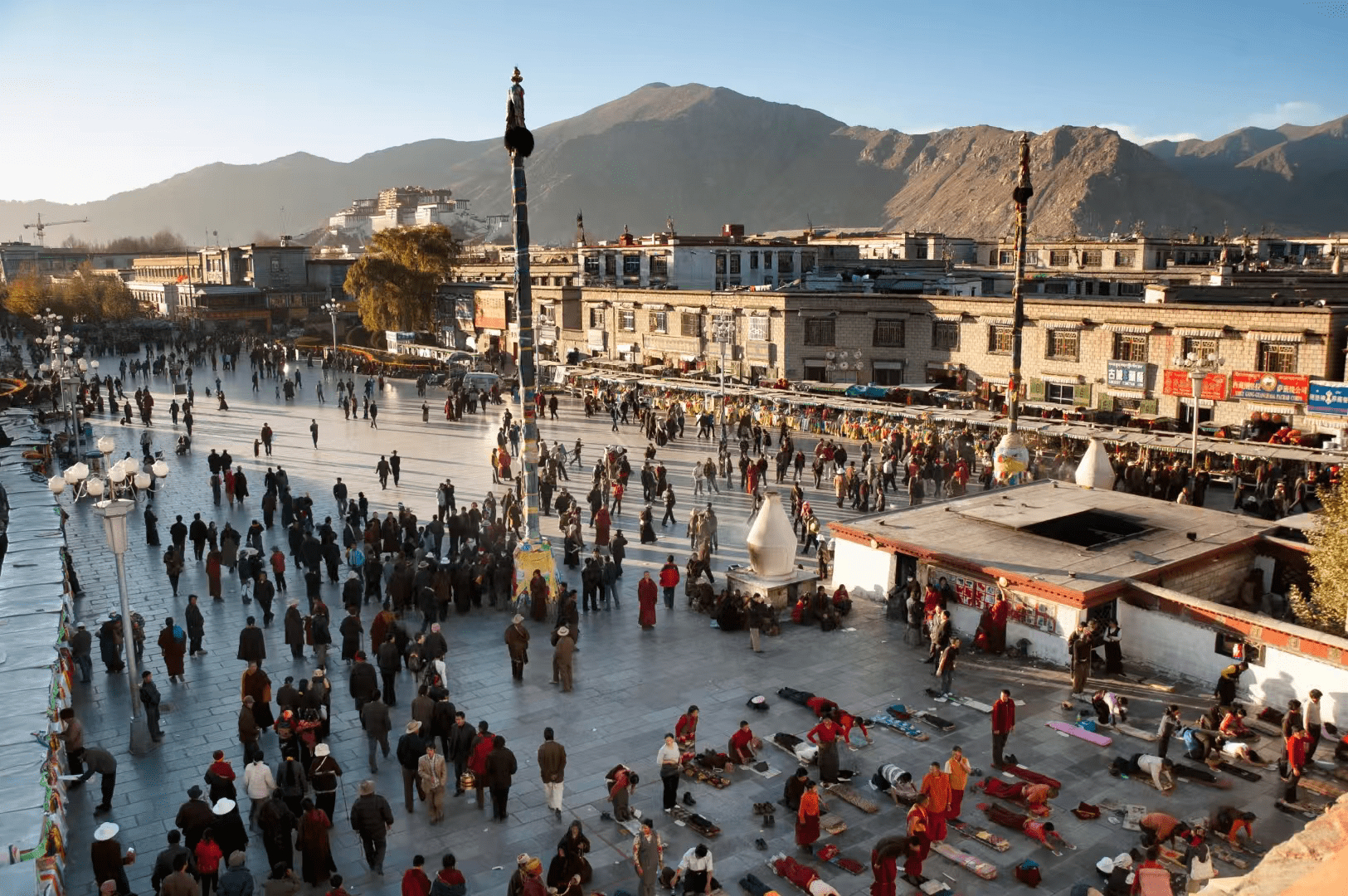
In the streets of Lhasa, you will see people walking in prayer circles, devoted pilgrims performing full-body prostrations, and elderly residents holding prayer beads. Religion here is not merely a ritual, but an integral part of everyday life. For many locals, the concepts of karma and doing good deeds are real and deeply rooted values.
This cultural foundation contributes to a generally calm and stable social atmosphere in Tibet.
For many international travelers, the sense of safety on the streets of Tibet often feels even more reassuring than in many major tourist cities worldwide. Lhasa’s urban areas are orderly, and key tourist zones are well managed. Evening walks around Barkhor Street are generally considered safe, and staying at legally operated hotels designated for international guests ensures both accommodation quality and basic security standards.
However, it is important to remember that Tibet is a high-altitude region. If you go out on your own without a guide, be mindful of staying warm and monitoring your physical condition, avoiding overexertion or exposure to cold in order to reduce the risk of altitude sickness.
In short, the primary risks of traveling in Tibet stem from its natural environment rather than from social security concerns.
2.Why Independent Travel Is Restricted in Tibet: A Structured Safety System
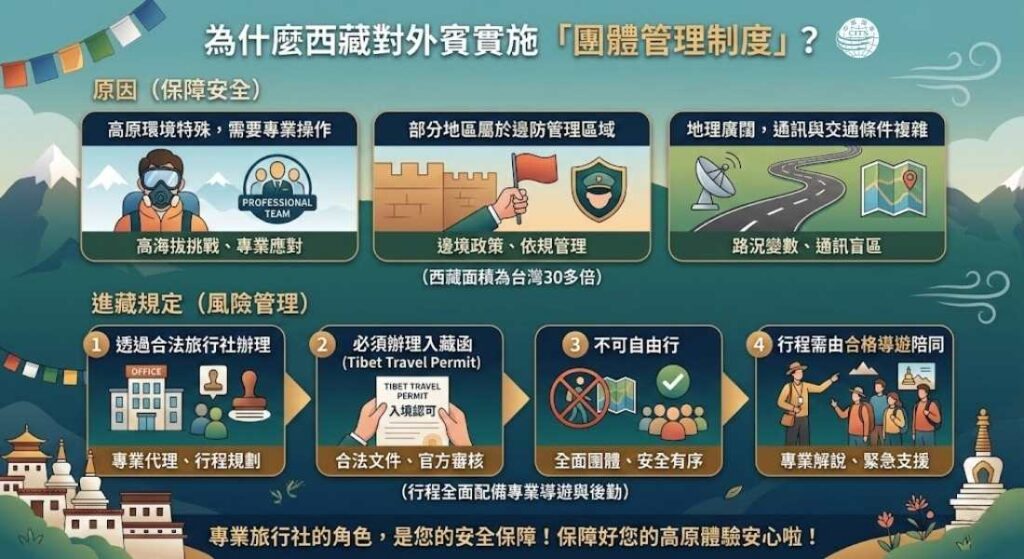
Many travelers from Australia, Malaysia, Singapore, and other international destinations often ask:
Why is independent travel not allowed in Tibet? Is it because the region is unsafe? In fact, the answer is quite the opposite.
Tibet applies a group-based travel management system to travelers who do not hold a mainland Chinese ID. There are three primary reasons for this policy:
- The high-altitude environment requires professional planning and operational support.
- Certain areas fall under border management regulations.
- The region is vast, with complex transportation routes and limited communication infrastructure in remote areas.
Entry requirements for Tibet include:
- Obtaining a Tibet Travel Permit in advance
- Applying through an authorized travel agency
- Independent travel is not permitted
- Travel must be accompanied by a licensed guide
This system is designed as a risk management measure. Tibet is more than 30 times the size of Taiwan, and if travelers venture into remote areas independently, dealing with altitude sickness or unexpected road closures can make emergency support extremely difficult.
A professional travel agency plays a crucial role in ensuring your safety..
In simple terms, the goal is to ensure a safe and well-managed high-altitude travel experience.
3.Tibet Travel Permit Application Process (2026)
The first step in planning a trip to Tibet is not booking your flight, but securing your tour arrangement and applying for the Tibet Travel Permit. For international travelers, the permit is a mandatory document required to enter Tibet. Without it, you will not be allowed to board a flight or access the Qinghai–Tibet Railway to Tibet.
2026 Permit Application Steps
① Confirm your itinerary at least 45 days before departure
Finalize your full travel plan, including entry and exit cities as well as accommodation arrangements.
② Submit required documents
Provide a clear copy of your passport (validity must meet the official requirements).
③ Application submission by the travel agency
A licensed travel agency will submit the permit application to the Tibet Tourism Bureau on your behalf.
④ Collect the permit before entering Tibet
The Tibet Travel Permit is typically issued for collection in cities such as Chengdu, Xi’an, or Chongqing.
Chengdu is often recommended due to its wider flight availability and smoother connections.
The Tibet Travel Permit is an official approval document issued by the Tibet tourism authorities and requires a formal review process. It is not issued instantly.
It is strongly recommended to confirm your itinerary and submit all required documents at least 45 days before departure, allowing sufficient time for approval and ensuring a smooth travel arrangement.
The Tibet Travel Permit is part of the region’s special travel management regulations. It cannot be applied for individually and must be arranged through a licensed local travel agency.
4.The Real Safety Factor in Tibet: Altitude Sickness
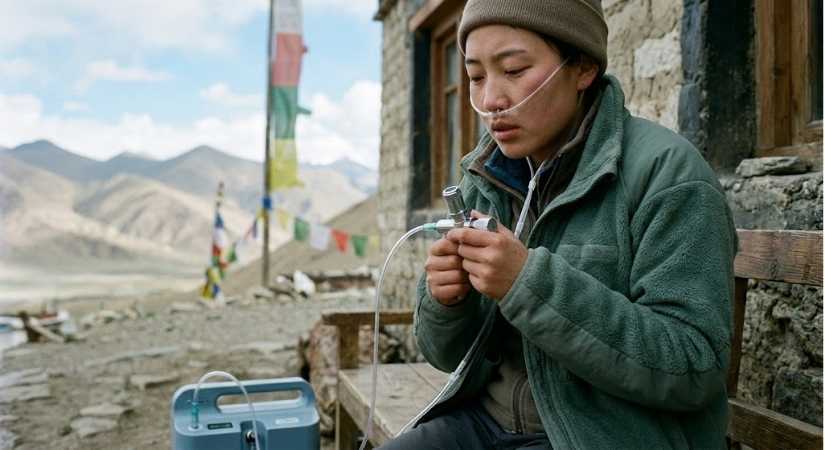
When discussing travel risks in Tibet, the primary concern is the high-altitude environment.
1.What Happens When You Arrive in Lhasa?
Lhasa sits at an altitude of approximately 3,650 meters above sea level.
Many travelers may experience:
- Mild headaches
- Increased heart rate
- Fatigue
- Difficulty sleeping
These symptoms are part of the normal acclimatization process.
Severe conditions such as High Altitude Cerebral Edema (HACE) or High Altitude Pulmonary Edema (HAPE) are rare, but they should never be ignored.
Complete Guide to Altitude Sickness Symptoms and Prevention in Tibet
2. How to Effectively Reduce the Risk of Altitude Sickness
Professional recommendations include:
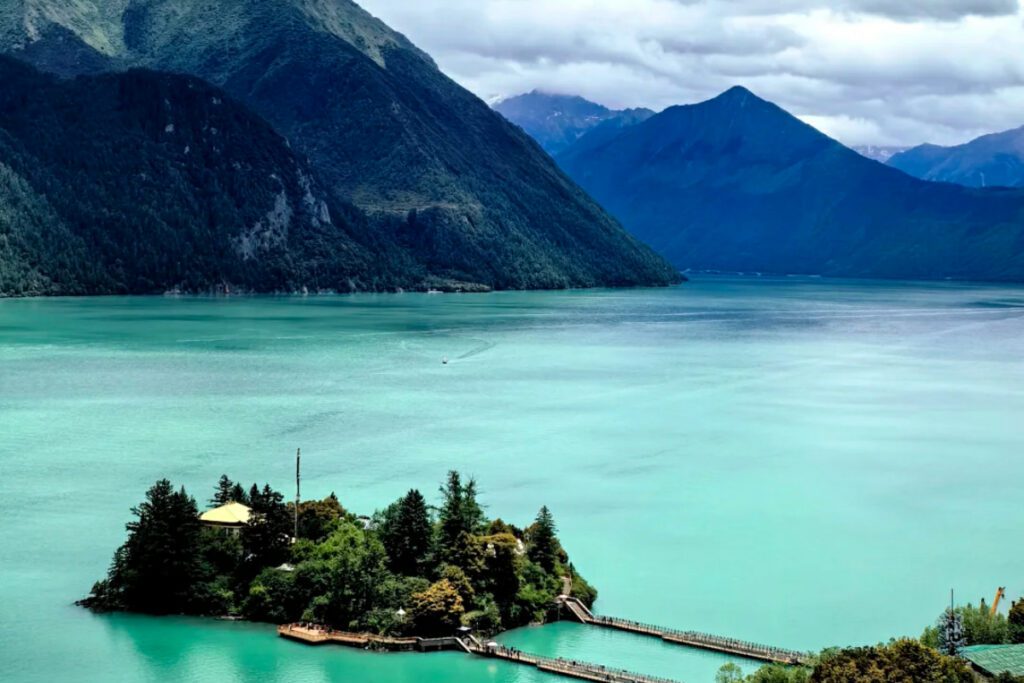
① Enter Tibet via Nyingchi
Nyingchi sits at an altitude of approximately 2,900 meters and has abundant vegetation, resulting in relatively higher oxygen levels. It is considered one of the best regions for gradual acclimatization.
The “Nyingchi entry, Lhasa exit” route is currently regarded as one of the safest and most stable travel options.
② Three Important Precautions on Your First Day
- Avoid taking hot showers
- Avoid alcohol consumption
- Avoid strenuous physical activity
Hot showers can accelerate blood circulation and place additional strain on the heart and lungs.
③ Get sufficient rest
Plan light and relaxed activities for your first day in Tibet.
④ Consult a doctor about carrying Diamox
Travelers are advised to consult a medical professional before departure to determine whether preventive medication such as Acetazolamide (Diamox) is appropriate. Medication should only be taken under proper medical guidance.
5.Public Safety in Tibet: Is It Safe to Visit?
The short answer is yes.
Tibet is widely regarded as one of the most stable regions in China in terms of public safety. Urban areas such as Lhasa, Shigatse, and Nyingchi are well managed, with established tourism infrastructure and very low crime rates. In practical terms, travel risks related to security are significantly lower than in many other destinations worldwide. For families and senior travelers, as long as the itinerary is well planned and includes proper altitude acclimatization, the overall safety level is considered high..
6. Natural Environment Safety Tips in Tibet
1. Extremely Strong UV Radiation
UV exposure at high altitude can be several times stronger than at sea level. Essential items include:

- SPF 50+ sunscreen
- Sunglasses
- Sun hat
- Lip Balm
Sunburn and cracked lips are among the most common issues travelers experience.
2. Large Temperature Differences Between Day and Night
Even in July, nighttime temperatures near Mount Everest can drop below 0°C.
Layered clothing is recommended,along with comfortable, non-slip walking shoes.
3. Route Safety Recommendations
If stability is your priority:
- Enter Tibet by flight
- No sightseeing activities are arranged on the first day after airport pickup.
The Sichuan–Tibet Highway offers spectacular scenery, but summer travel may occasionally be affected by landslides or road disruptions.
First-time visitors are advised to choose well-established routes.
7. Transportation and Road Risk Assessment
Tibet’s terrain is primarily composed of high-altitude plateaus and mountainous regions.
Professional transport teams must:
- Conduct regular vehicle inspections
- Strictly prohibit fatigued driving
- Undergo specialized high-altitude driving training
Stop for rest at least every four hours
Choosing an experienced travel agency is a key factor in ensuring safety.
8. Medical Support and Emergency Response Capacity
Medical facilities in central Lhasa are well established.
However, in remote areas such as Mount Everest Base Camp and Ngari (Ali), medical conditions are limited. Therefore:
- It is essential to include acclimatization days in the itinerary
- Vehicles must be equipped with supplemental oxygen
- Guides must have high-altitude experience and carry a high-altitude first-aid kit.
A professional team should be able to assess promptly whether descent to a lower altitude is necessary.
If anyone offers injections or medication during the trip, travelers should verify the individual’s identity, medical license, and the source and nature of the medication.
All medical treatment should be conducted in licensed medical institutions to ensure personal health and legal protection.
9. Overall Safety Assessment for Tibet Travel in 2026
The overall assessment is as follows:
Public safety: High
Political risk: Stable within tourist areas
Altitude-related risk: Manageable
Natural environmental risk: Predictable
As long as travelers follow the regulations and choose a licensed travel agency, the overall safety level can be considered high.
10. Why Choosing an Experienced Travel Agency Matters
Tibet is not a typical domestic tour.
It involves:
- Special travel permits
- Altitude acclimatization planning
- Border travel regulations
- Emergency response coordination
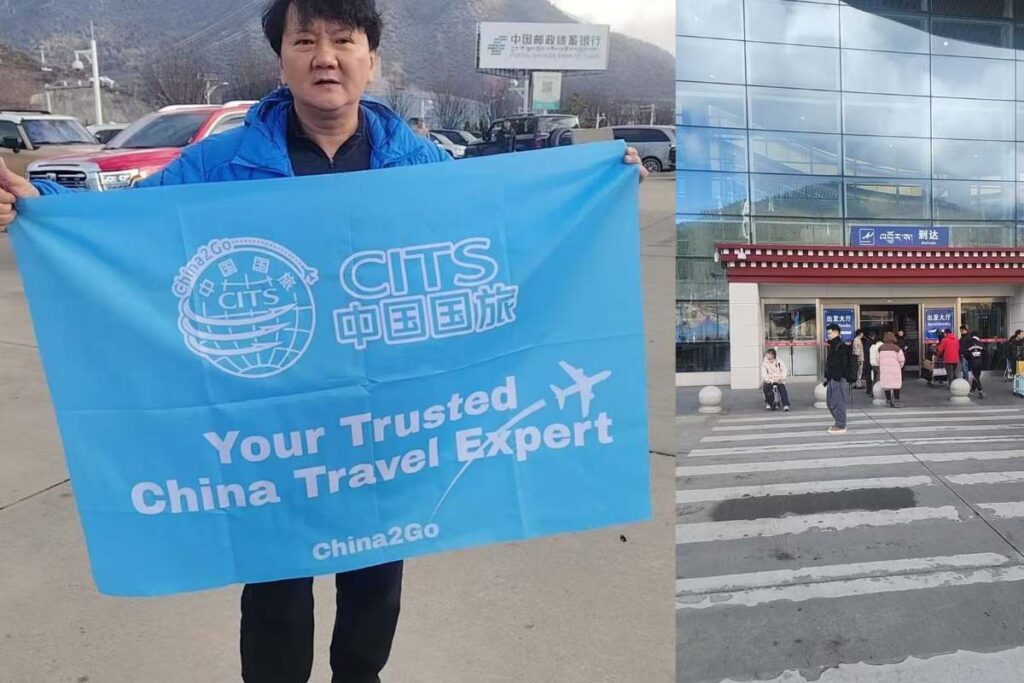
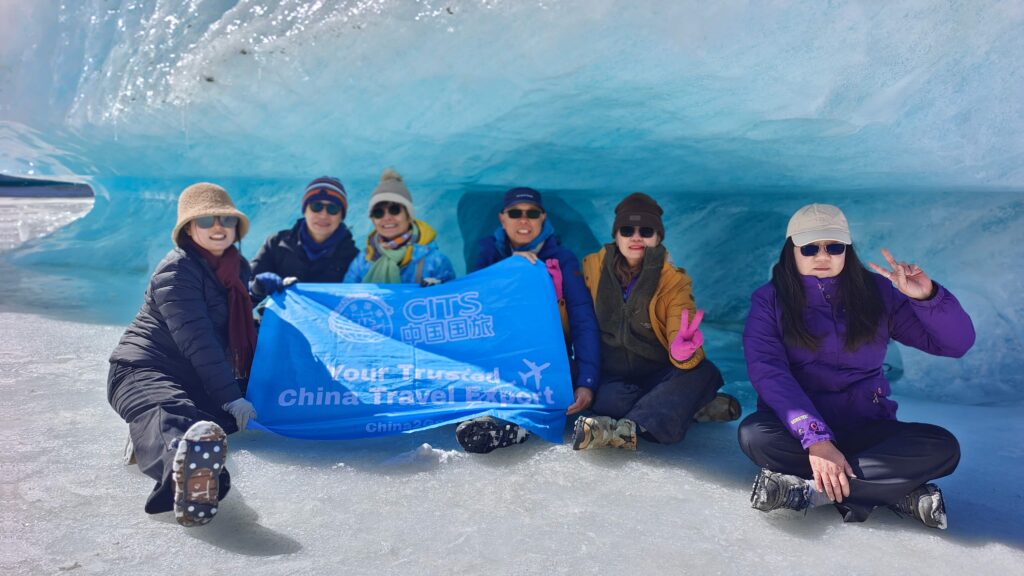
CITS China International Travel Service offers:
- 70 years of established brand history
- Extensive experience in international travel services
- A specialized high-altitude operations team
- Long-term partnerships with quality hotels and professional transport teams
Safety is not a matter of luck, but of experience.
Is Tibet safe to travel in 2026?
After reading this guide, you can confidently answer: yes.
Tibet is not a dangerous destination. It is a place that requires preparation and respect. The real risk comes from underestimating the high-altitude environment, not from public security concerns
With proper planning, a professional team, and respect for local regulations, Tibet can be a safe, awe-inspiring, and meaningful journey.