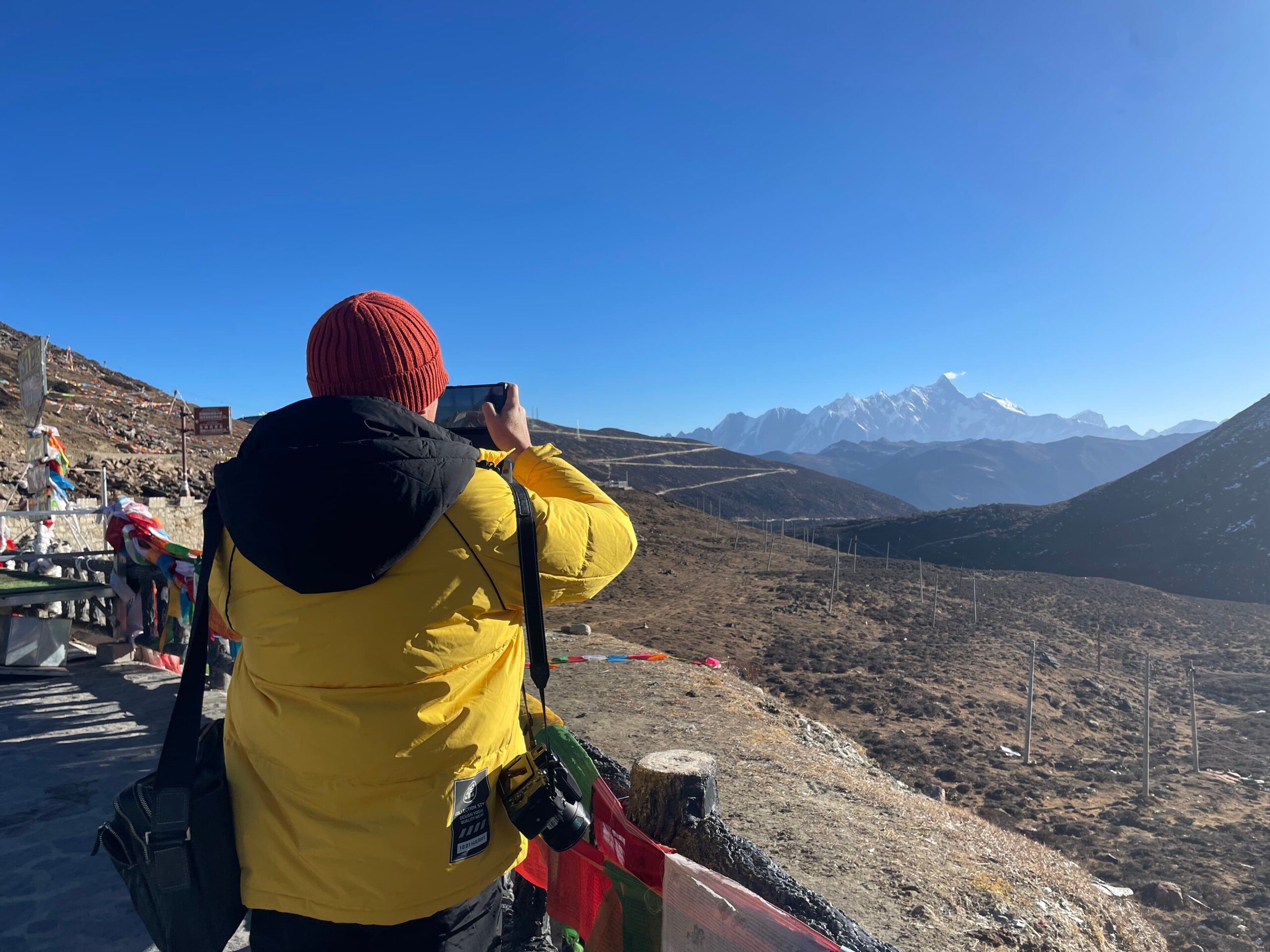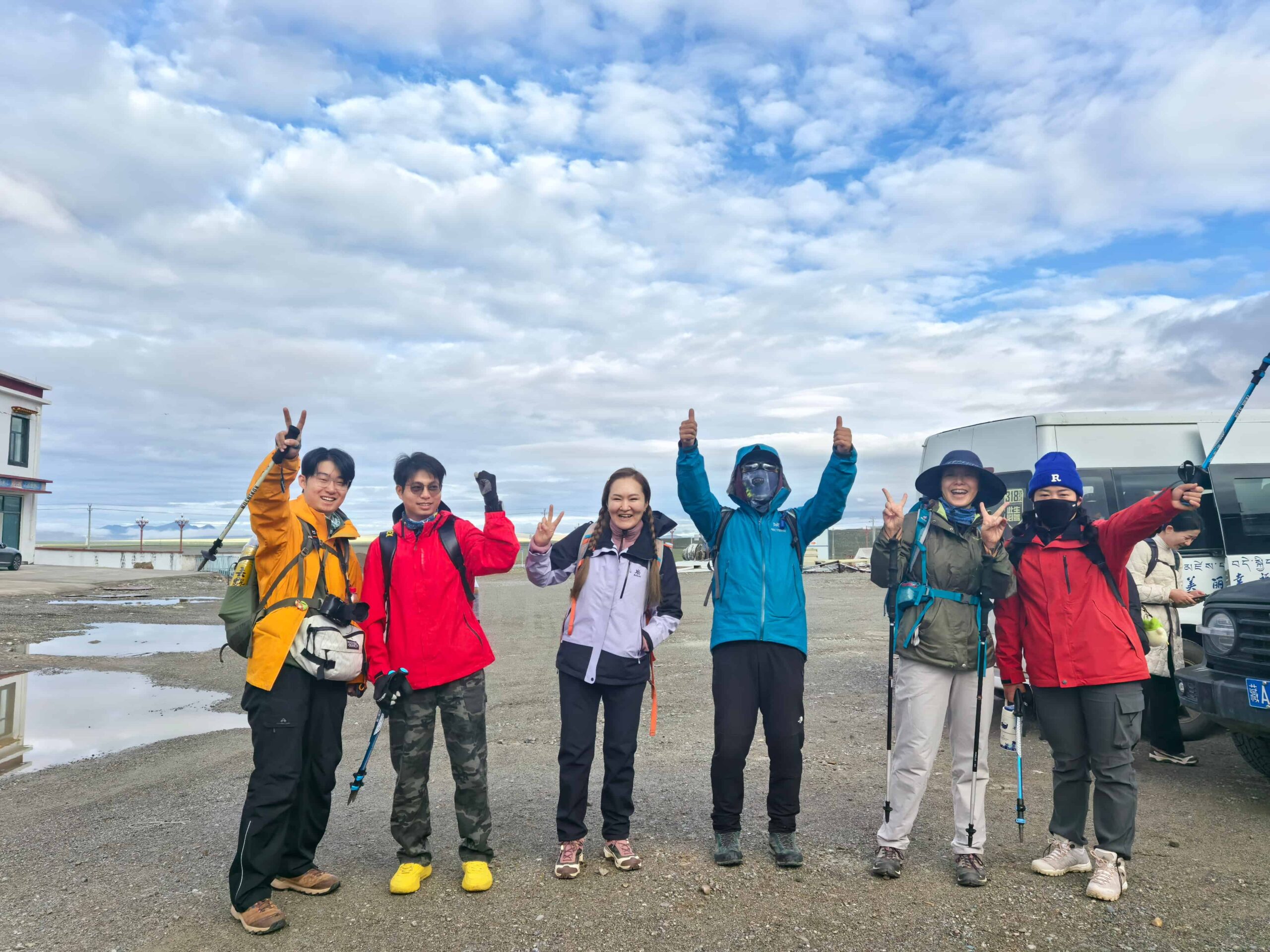
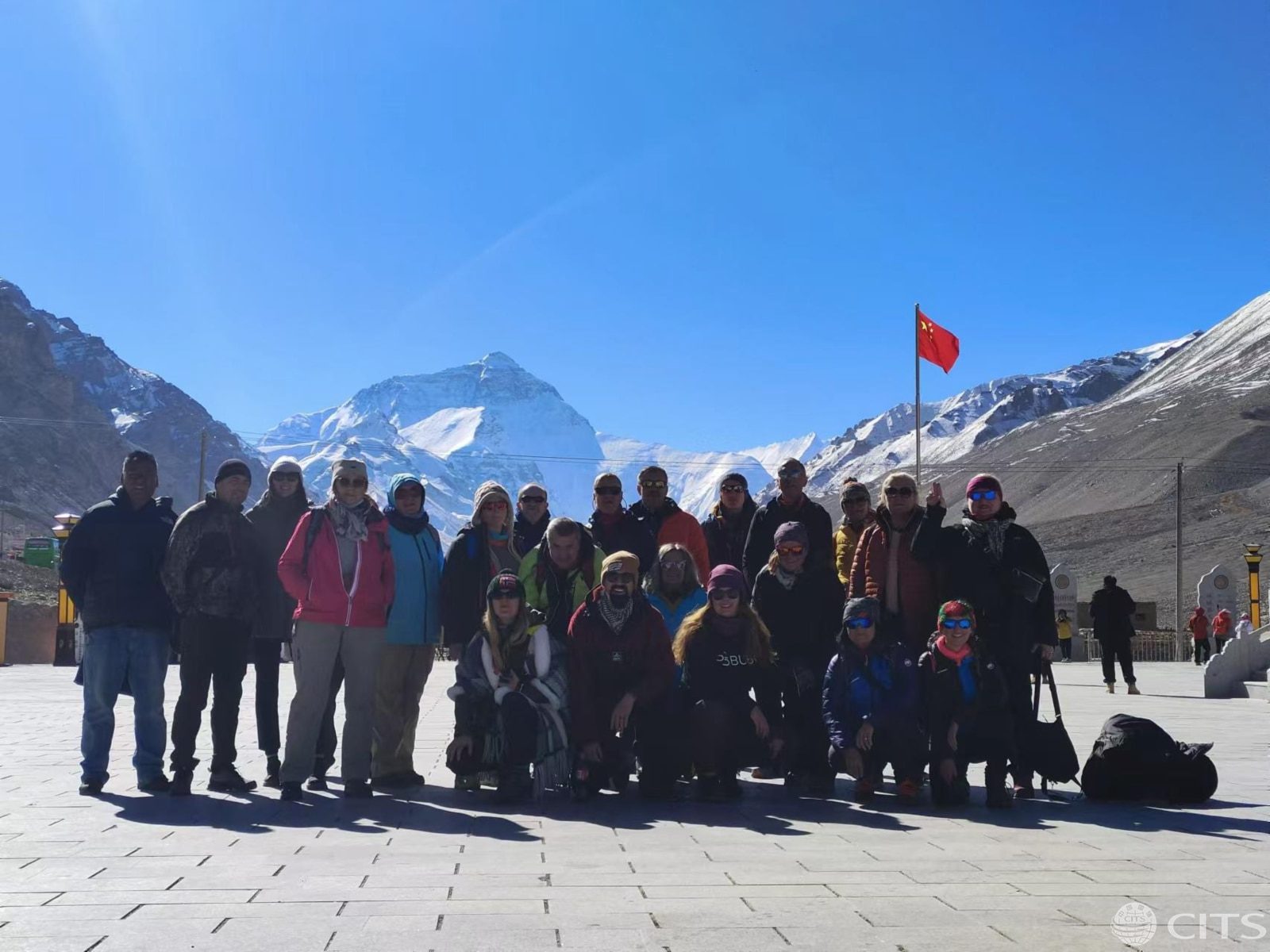
Tibet has long been one of the world’s most mysterious, pure, and unforgettable high-altitude destinations—a sacred land many travelers dream of visiting at least once in their lifetime. For many U.S. travelers, especially Chinese Americans, Tibet is not just a place on the map. It is a lifelong wish shaped by documentaries, films, and stories of Tibetan culture they grew up with.
So here’s the big question:In 2026, can U.S. passport holders travel to Tibet? Are there any restrictions, and what do you need to prepare before you go?
The answer is clear:yes—you can, and thousands of Americans are traveling to Tibet every year.However, Tibet is a specially regulated travel region of China. Foreign passport holders are subject to a fixed entry-permit system, so the key to “whether you can go” is not your nationality, but…whether you have secured all required Tibet entry documents and are traveling on a compliant, guided itinerary.
In other words:Americans can travel to Tibet. As long as you follow the rules, obtain a valid Chinese visa, and have a licensed travel agency arrange your Tibet Travel Permit (TTP) in advance, you can enter Tibet smoothly on a compliant guided tour.
And in 2026, with China–U.S. direct flights steadily resuming, smoother access to Tibet, and stable transport networks such as high-speed rail, the Qinghai–Tibet Railway, and the airports in Lhasa and Nyingchi, travel to Tibet is more convenient than ever.Getting from the U.S. to Tibet is far easier now than it was a decade ago.What most travelers truly worry about is choosing the right route, picking the best China gateway cities to start from, securing the Tibet Travel Permit (TTP) smoothly, avoiding altitude sickness, and combining “China travel + Tibet entry” into one seamless, content-rich journey.
1.U.S. Citizens Traveling to Tibet|2026 Latest Requirements + CITS Modular Tibet Entry Guide
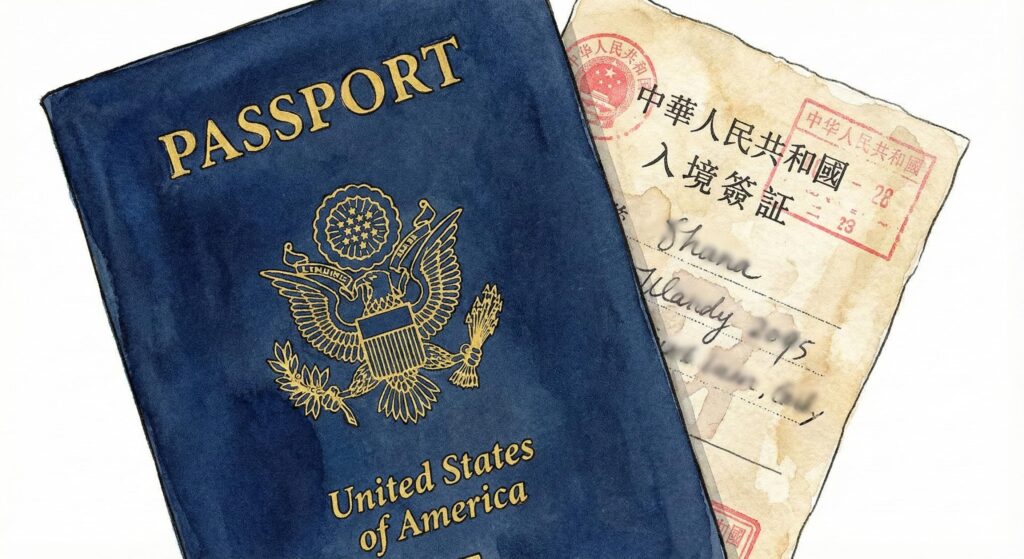
Following the compliant “enter Tibet via mainland China” route, the required documents for U.S. travelers are actually straightforward—but every single one is essential:
1. Valid Passport
Your passport should be valid for at least six months and have enough blank pages. This is the foundation for applying for both a Chinese visa and the Tibet Travel Permit (TTP).
2. China Entry Visa
Most U.S. travelers enter China with an L Visitor VisaIt is currently the most reliable visa type for applying for the Tibet Travel Permit (TTP), with the fewest document requirements.
If you hold other visa types such as M / F / Z / X / Q / S, you may still be able to apply for the Tibet Travel Permit (TTP). However, whether the permit can be issued and whether extra documents are requiredwill be reviewed case by case based on the latest policy and your current visa status.. Therefore, please inform us of your visa type before booking, so we have time to confirm eligibility and avoid last-minute document issues or policy restrictions.
3. Tibet Travel Permit (TTP)
This permit is the essential “entry ticket” for all foreign passport holders traveling to Tibet.
It is issued by the Tibet Tourism Bureau to verify that you are eligible to enter Tibet as a foreign traveler, that your itinerary is compliant, and that it is arranged through a licensed travel agency with a local guide.
Foreign travelers cannot apply for the Tibet Travel Permit (TTP) on their own; it must be arranged through a qualified local Tibet travel agency.

To apply, you only need to cooperate with three simple steps:
- First, confirm your Tibet tour dates and book your Tibet itinerary.
- Provide a scanned copy of your passport and Chinese visa.
(If any additional forms or supporting documents are required under the latest policy, we will notify you right away.) - Then we submit your application for review and wait for the Tibet Travel Permit (TTP) to be issued.
Only after the permit is issued can you travel in Tibet smoothly.
Once your Tibet Travel Permit (TTP) is approved, we will hand it to you at Chengdu Airport (or another agreed pickup point), or deliver it to your preferred location. If you will be in a city other than Chengdu, just let us know in advance and we will arrange the most suitable delivery method for you.
4. Ways to Enter Tibet

- When flying into Tibet, you will board a domestic flight to Lhasa or Nyingchi (there are no direct flights from the U.S. to Tibet).
- You can enter Tibet either by domestic flight or by taking the Qinghai–Tibet Railway.
5. Additional Permits (for restricted or border-controlled areas)
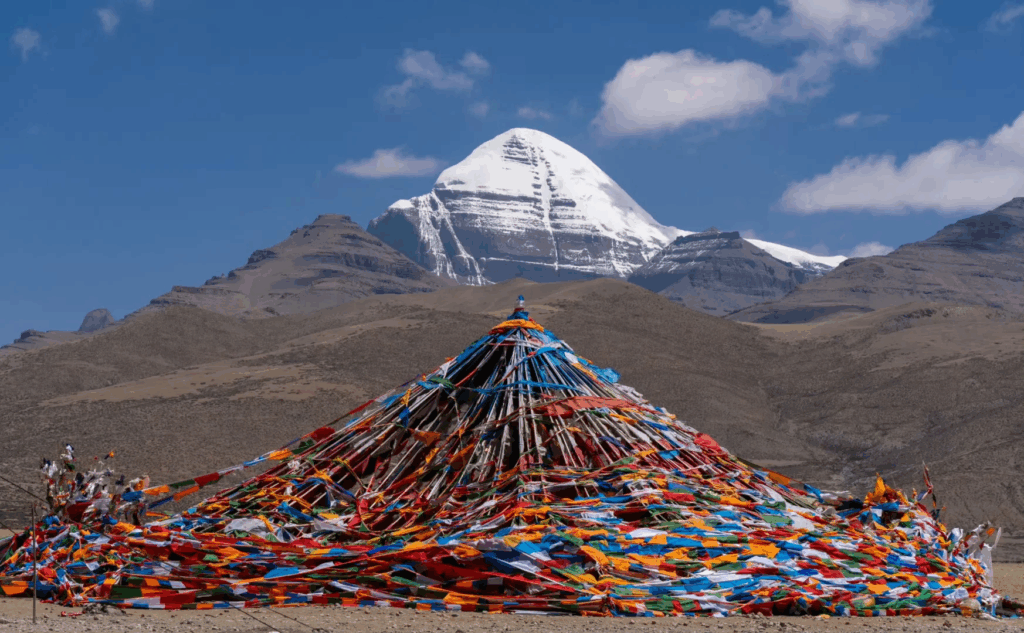
Many U.S. travelers don’t just want to see Lhasa—they also want to experience bucket-list regions like Everest Base Camp (EBC), Ngari (Ali), and Mount Kailash..
These areas are close to border or military-controlled zones, so additional permits—such as a Border Permit or military approval—are usually required.
Don’t worry—you don’t need to figure out which permit is needed or how to apply for it yourself.We will confirm everything based on your exact route and handle all permits for you in one go, ensuring every section of your Tibet journey runs smoothly.
2. How Long Does the Tibet Travel Permit Take? When Should You Submit Your Documents?
In 2026, the standard processing time is generally:
- For standard routes: about 30–45 business days to issue the Tibet Travel Permit (TTP).
- If your itinerary includes special regions such as Ngari (Ali) or Everest Base Camp (EBC), we recommend submitting your documents even earlier.
Because the Tibet Travel Permit (TTP) involves itinerary review and limited reception quotas,during the peak season (June to October), demand is high—so if you submit late, you may run into shortages for hotels, flights, or train tickets.especially since Chinese visa requirements may change with current policies and could involve extra documents to meet the latest application criteria.
The safest timeline is:
Once you confirm your travel month → we first secure your Tibet itinerary framework → you send us your passport and visa scans → and we immediately start processing your Tibet Travel Permit (TTP).
This way, you can stay flexible with which China gateway cities you visit and how many days you spend there,while your Tibet entry approval is already secured—so you won’t face the awkward situation of having no permit at the last minute and being unable to board your flight or train into Tibet.
CITS has offices all over China, and the "Combined Entry" is especially suitable for U.S. travelers.

CITS (China International Travel Service) has offices and directly operated branches across every province in mainland China, including all major capitals and key cities. With long-term experience serving international travelers, we provide reliable, well-established operations for flight connections, city stays, group joining, and high-altitude Tibet itinerary planning.
We truly understand how U.S. travelers like to explore. After flying halfway around the world to China, most people don’t want to “just check off Lhasa and leave.” Instead, they prefer to spend time in several Chinese cities first—visiting world heritage sites, experiencing local culture, and enjoying authentic regional cuisine—then entering Tibet in the most comfortable and smooth-paced way.
And because CITS has a nationwide service network and strong on-the-ground resources, we can integrate flights and travel elements across China into one unique system that is especially ideal for U.S. passport holders—
the “CITS Modular Tibet Entry Program” (a modular-style, build-your-own Tibet journey).
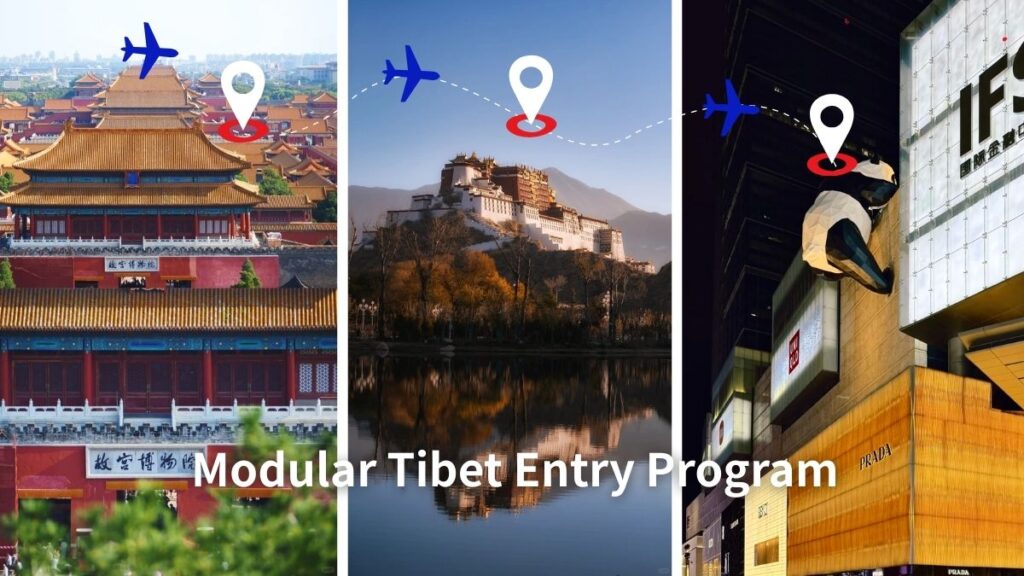
What Is the “Modular Tibet Entry Program”?
Simply put,we turn your “China pre- or post-tour” and your “Tibet entry tour” into flexible modules that can be freely combined..
Depending on your departure or return city, flight schedule, travel interests and vacation length, you can choose one or more cities in China to stop over, and then CITS will help you seamlessly connect to Tibet.
The core process is very clear:
You fly from the U.S. to the China gateway city that fits your flights and interests best → stay there freely for 2–5 days (or longer) → CITS helps with group joining, transfers, and your Tibet Travel Permit (TTP) application → then you take a domestic flight or train into Tibet (Lhasa / Nyingchi) → and begin your Tibet journey. After Tibet, if you still have time, you can also fly to another Chinese city for a few more days before returning home.
Why Is This Approach Especially Friendly for U.S. Travelers?
1. More China Gateway Flights, More Freedom to Start Your Trip
You don’t have to be limited to a single entry point like “only Chengdu first.”
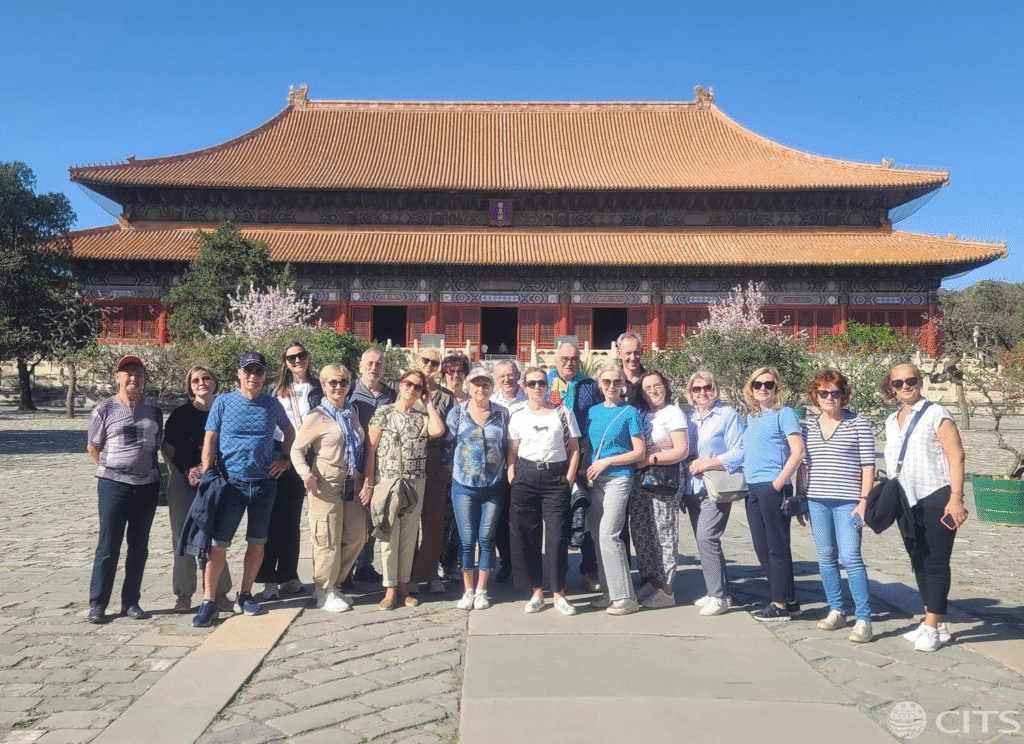
As long as you arrive in any major city in China—such as Beijing, Shanghai, Guangzhou, Chengdu, Xi’an, or Chongqing—CITS can support you locally with reception services and group joining, and help you connect to Tibet on the smoothest route and schedule.
For U.S. travelers, this meansfewer connections, lower baggage risk, and much greater flexibility in your travel plan..
2. A Modular Itinerary — You Set the Pace
Some travelers want to start with Beijing + Xi’an to explore China’s ancient civilization before entering Tibet:
See the Forbidden City and Great Wall in Beijing, explore the Terracotta Warriors and Tang Dynasty splendor in Xi’an; after finishing Tibet, exit through Chengdu to enjoy Sichuan cuisine and pandas—creating a smooth flow from “ancient capitals → high plateau → Sichuan culture.”
Others prefer to begin in Shanghai to experience modern China: stroll the Bund, the French Concession, and the city’s sleek urban vibe. After Tibet, exit via Chongqing to see Hongyadong’s night views, ride the Yangtze River cable car, and dive into the hotpot culture—so your trip unfolds with layers from “metropolis → plateau → mountain city.”
Some travelers who love dramatic natural wonders choose Zhangjiajie first, then Tibet: explore Tianmen Mountain, the Glass Skywalk, and the Avatar-style pillar landscapes. After Tibet, you can exit via Shanghai or Chengdu to rest at lower altitude before flying back to the U.S.—the most comfortable and well-paced route
Some travelers use Guilin / Yangshuo as a scenic prelude before Tibet: cruise the Li River and enjoy the iconic karst landscapes. After Tibet, they exit via Guangzhou or Hong Kong for dim sum, city night views, and an easy low-altitude finish—forming a full loop of “classic China scenery → Tibet plateau → southern city life.”
You choose the cities you want to explore and set your own travel pace,
and CITS takes care of seamlessly linking every part of your “China + Tibet” journey.
That’s the CITS Modular Tibet Entry Program—making your Tibet journey more flexible, more reliable, and more enjoyable from the very first stop.
4. Recommended Gateway Cities — U.S. Travelers’ Favorite Places in China
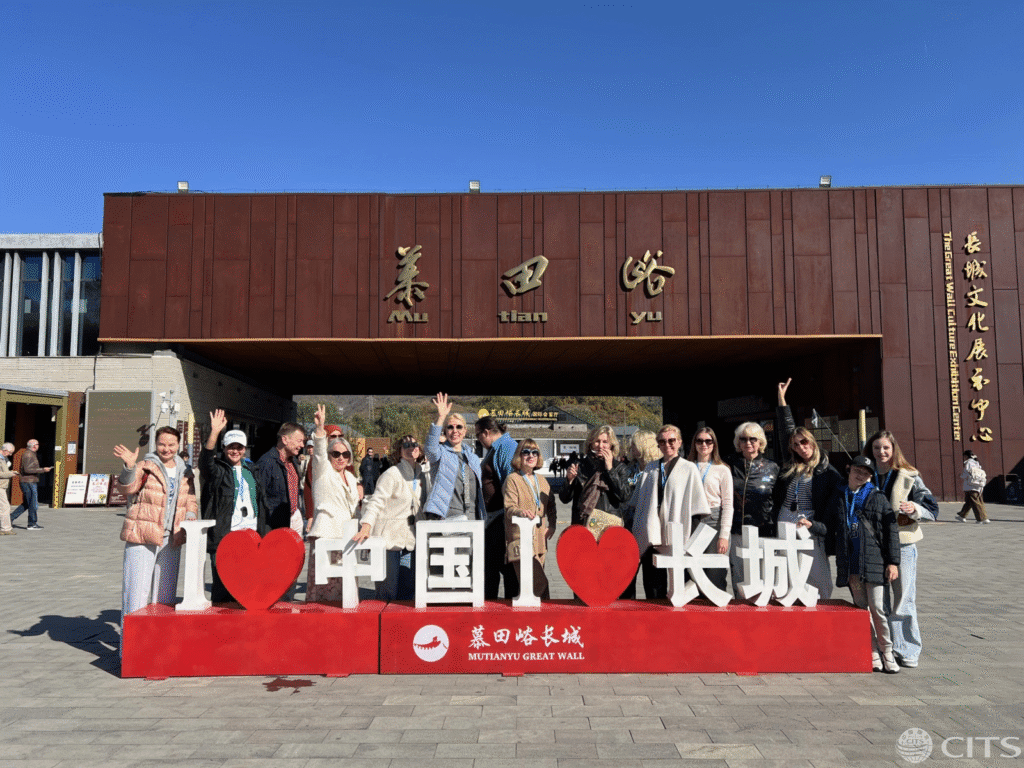
Here are the China gateway cities our U.S. travelers care about most—and choose most often.
Each one is rich in cultural identity and storytelling value, perfect for a solid 2–4 day stay before smoothly continuing on to Tibet.
Beijing — The First Stop of Chinese Civilization
Beijing is the defining symbol of China.
The Forbidden City, the Great Wall, the Temple of Heaven, the Summer Palace, and hutong life—each one lives vividly in the world’s imagination of China.
For many Americans visiting China for the first time, Beijing is a must—so they can “walk through the great civilization they’ve only seen in textbooks.”
After 3–4 days in Beijing, continuing on to Tibet creates a powerful cultural transition—from “Han Chinese civilization” straight into “Tibetan civilization”—and the contrast feels truly unforgettable.
Xi’an — Splendor of the Tang Dynasty & the Starting Point of the Silk Road
Xi’an’s greatest charm lies in its deep historical legacy.
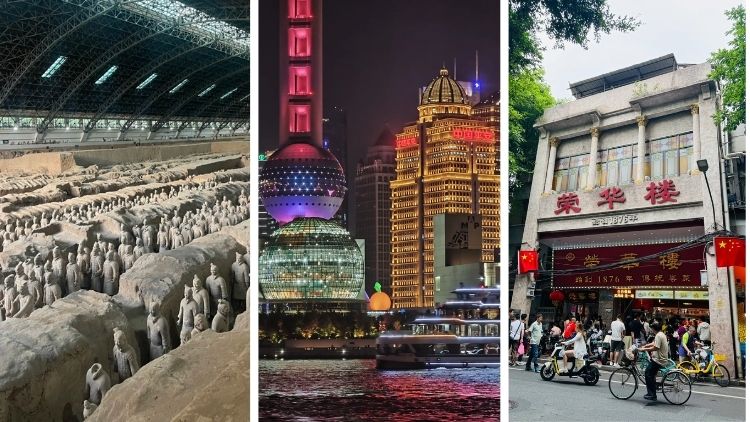
Here, the Terracotta Warriors deliver a “you only understand it when you see it” level of imperial-scale impact.
You can also experience the prosperity of the Tang Dynasty culture at the Ancient City Wall and the Tang Dynasty Night City.
The "Silk Road Story + Tang Culture" has a strong connection with Tibet's religion, art, and history of the ancient road, which makes the connection feel especially smooth.
Shanghai — International Metropolis + Jiangnan Lifestyle
Shanghai is the easiest Chinese city for travelers to adapt to
The Bund, Pudong, the French Concession, and Shanghai’s modern skyline give them a familiar big-city rhythm.
And with a short extension to Suzhou, Wuzhen, or Hangzhou, they can experience the elegance and gentle beauty of Jiangnan.
Using Shanghai as your China gateway city gives travelers a fuller picture of “modern China,” and often makes them even more excited to continue deeper into Tibet.
Guangzhou / Shenzhen — Southern Cuisine & Modern China
Guangzhou resonates strongly with both Chinese Americans and Chinese travelers from Southeast Asia.
Cantonese cuisine, morning tea, street culture, and the rhythm of life in Hong Kong and Macau will be very attractive to those who like to eat and travel in the city.
Chengdu-----The Primary Gateway to Tibet with the Densest Flight Network
Chengdu has long been one of the most stable and reliable gateway cities for entering Tibet.
It’s not only because of convenient transportation, but also because Chengdu naturally carries a cultural transition between Sichuan and Tibet.
With the panda base, Sichuan cuisine, a relaxed lifestyle, and Tibetan cultural elements everywhere,travelers are already “warmed up” by the Tibetan atmosphere even before entering the high plateau.
Many travelers choose Chengdu as their final stop before entering Tibet because the pacing feels naturally smooth.
Chongqing — Mountain City Magic & Hotpot Culture
Chongqing has become a dark-horse favorite among young American travelers and photography enthusiasts in recent years.
Hongyadong, Yangtze River night views, the city’s 8D terrain, and its hotpot culture create an incredibly strong visual and experiential impact.
Zhangjiajie — Avatar Landscapes & Sea-of-Clouds Wonderland
Zhangjiajie is considered a “must-see natural wonder” by many U.S. travelers.
Tianmen Mountain, the Glass Skywalk, and the pillar formations of Yuanjiajie (the filming inspiration for Avatar) deliver stunning visuals—far more breathtaking in person than in photos.
If you love nature, outdoor adventures, or photography—or want to experience world-class landscapes before entering Tibet—Zhangjiajie is the perfect add-on.

5. Must-Visit Attractions in Tibet
Imagine this—Standing before the vast plateau and ancient faith, you feel your entire being rearranged—an experience unique to Tibet.
1. Lhasa — City of Faith
Lhasa is the starting point of every Tibet journey—and the place that shocks travelers the moment they land.
You’ll see pilgrims bowing in full prostration day after day, monastery roofs shining under the sun, and the way faith, daily life, and commerce coexist in the streets.
Lhasa is not just a sightseeing spot—it is an immersive experience of an entire city sustained by faith.
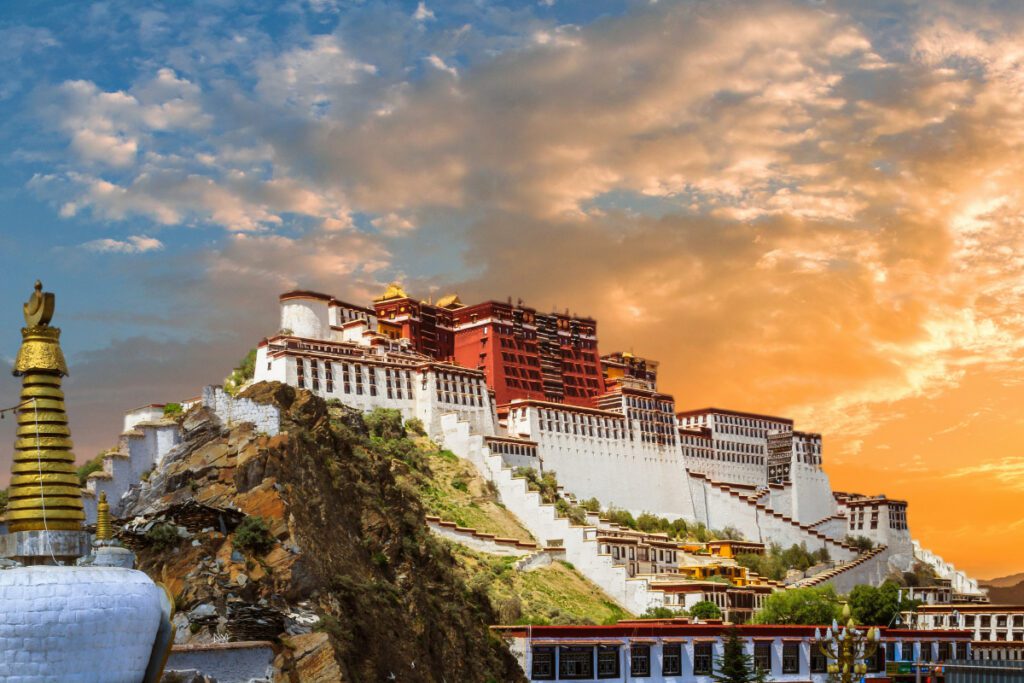
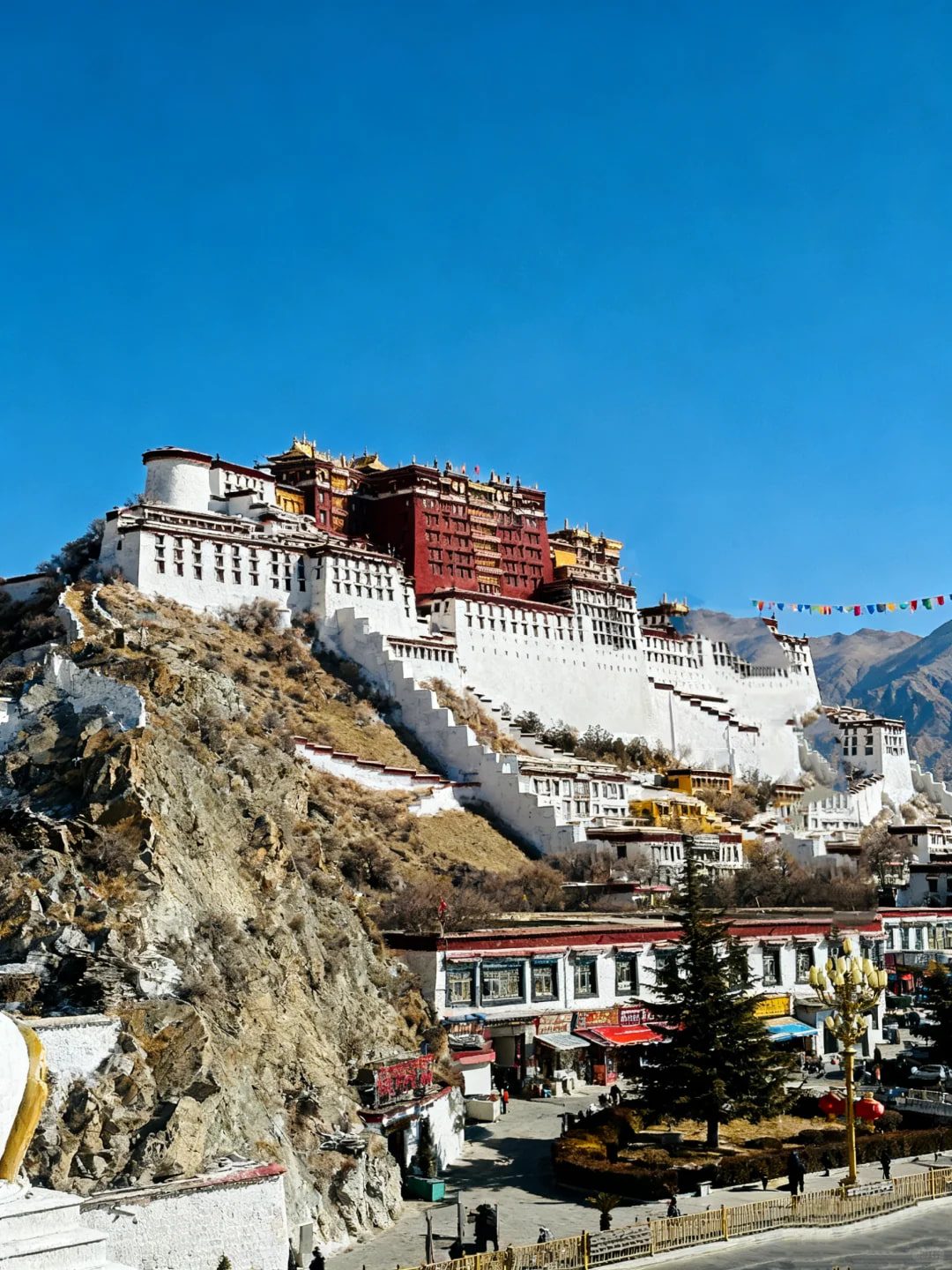
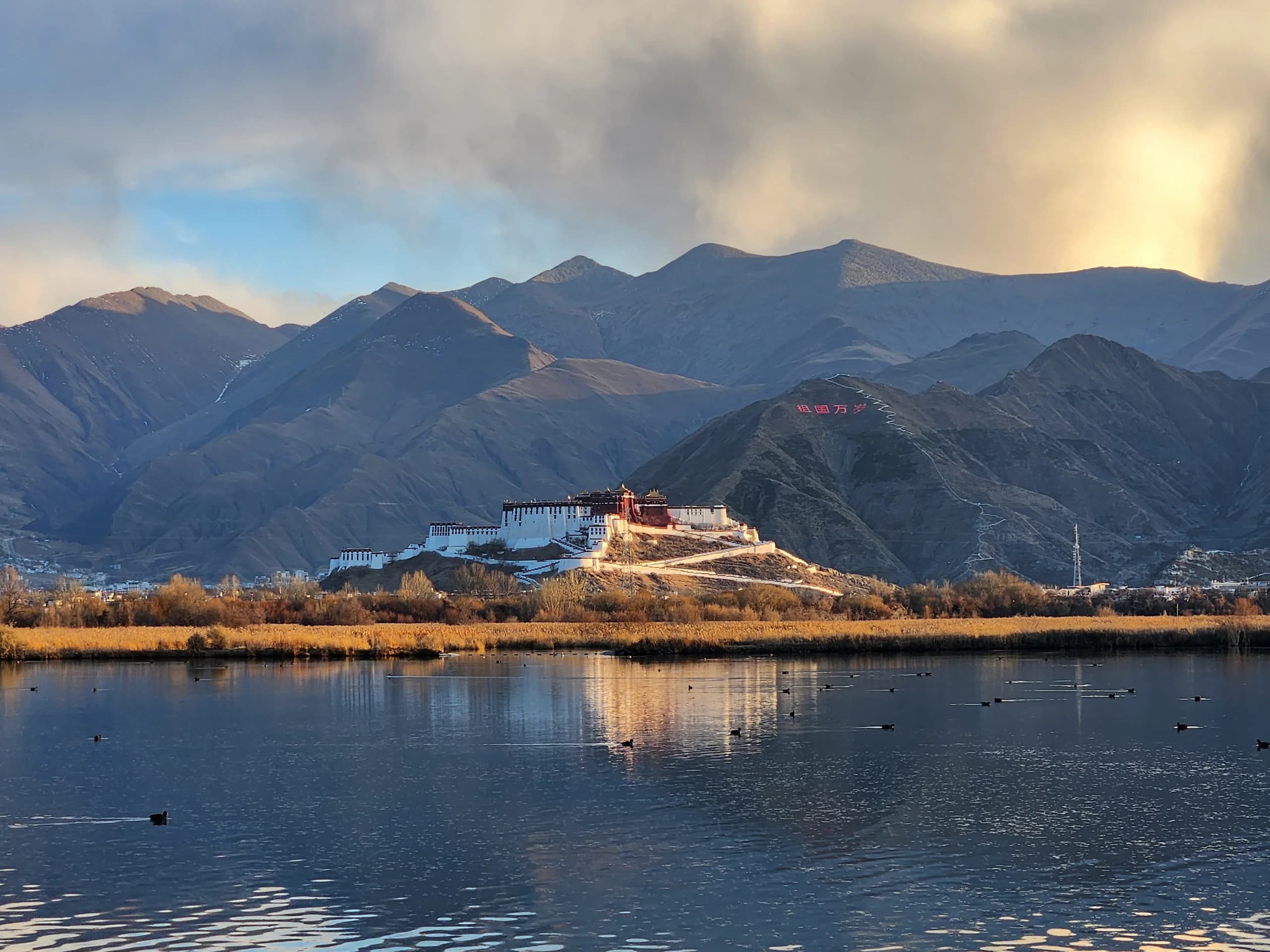
2. Potala Palace — A World-Class Cultural Wonder
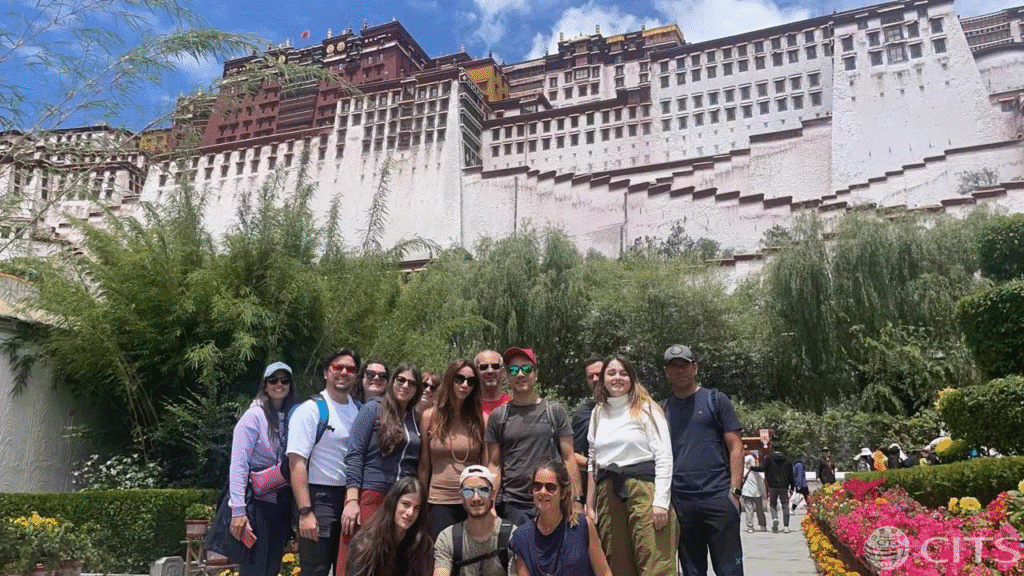
The Potala Palace is the soul of Tibet and the world’s most iconic image of the region.
Its impact comes not only from its height and scale, but from the moment you stand before the Red and White Palaces and suddenly realize:
This is not just a palace or a monastery—it is the spiritual and political axis of Tibetan civilization for centuries.
Most travelers end up staying here longer than planned, simply wanting to look slowly and absorb everything.
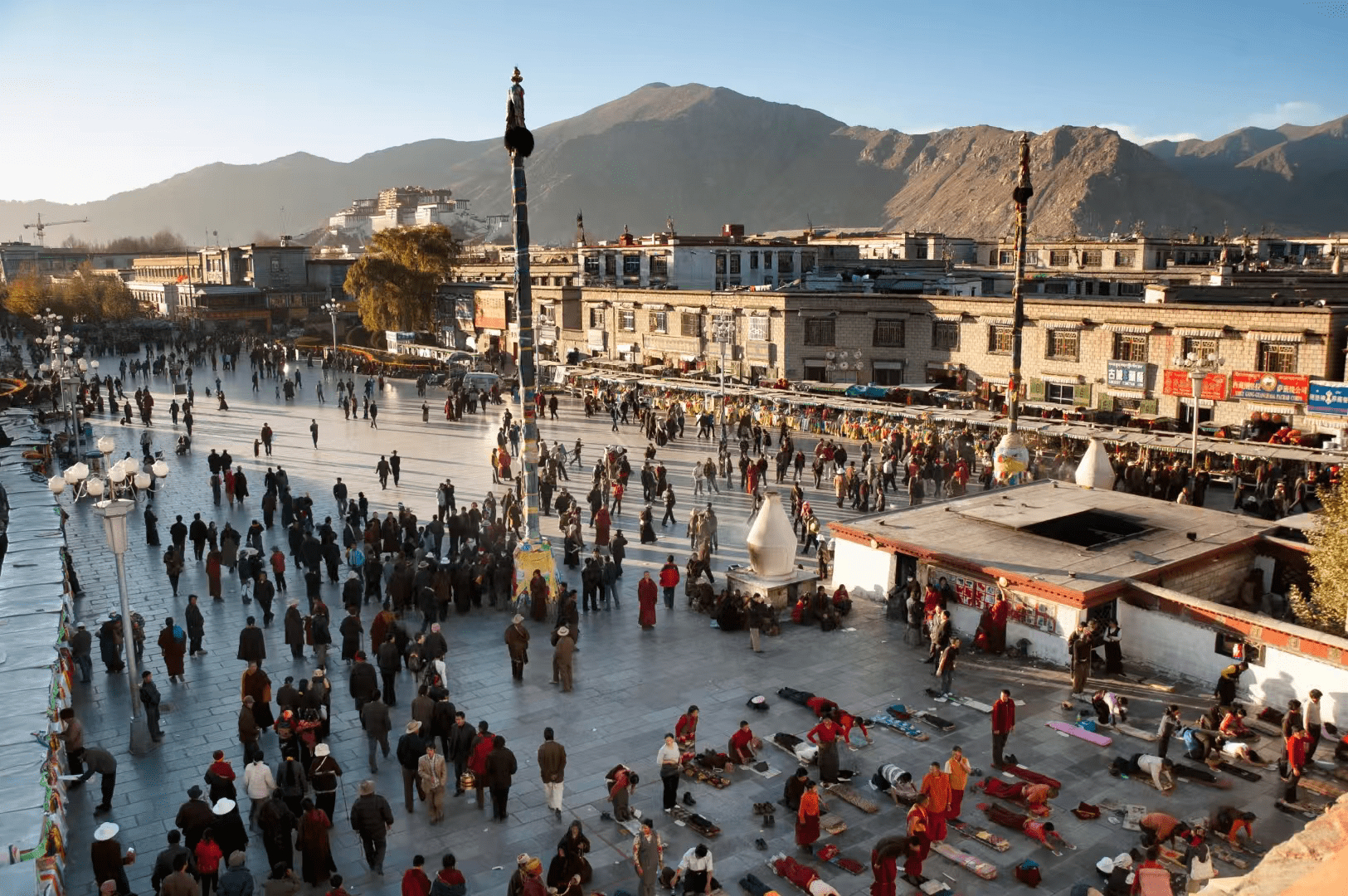
3. Jokhang Temple — The Heart of Lhasa
If the Potala Palace is the “external symbol of Tibet,” then Jokhang Temple is its “spiritual core.”
Pilgrims circle the temple outside, butter lamps burn endlessly inside—this coexistence of stillness and intensity leaves a deep impact on visitors:
You realize religion here isn’t a relic—it’s a living, breathing way of life.
4. Sera Monastery — Tibetan Buddhist Debate Grounds
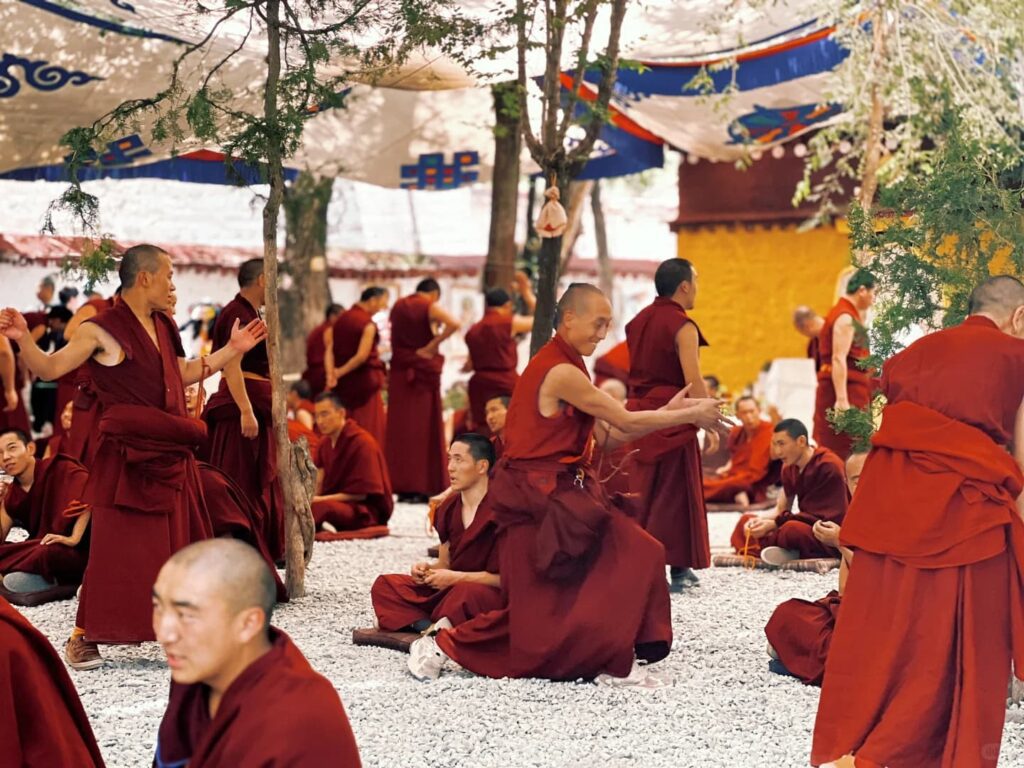
The debating monks at Sera Monastery are a highlight loved by many travelers.
Because it’s not just “viewing a monastery”—you’re witnessing Tibetan Buddhist philosophy in action:
Their gestures, claps, questions, and rebuttals feel like a powerful philosophical battlefield.
For Americans accustomed to Western-style logical training, this experience resonates deeply.
5. Zaki Temple — Folk Belief & Prosperity Blessings
Zaki Temple is especially popular among Chinese Americans.
It offers a more down-to-earth entry point into Tibetan belief, showing travelers that:
On the plateau, faith is not only transcendent—it is also a practical force in daily life.
6. Yamdrok Lake — The Blue Miracle of the Plateau
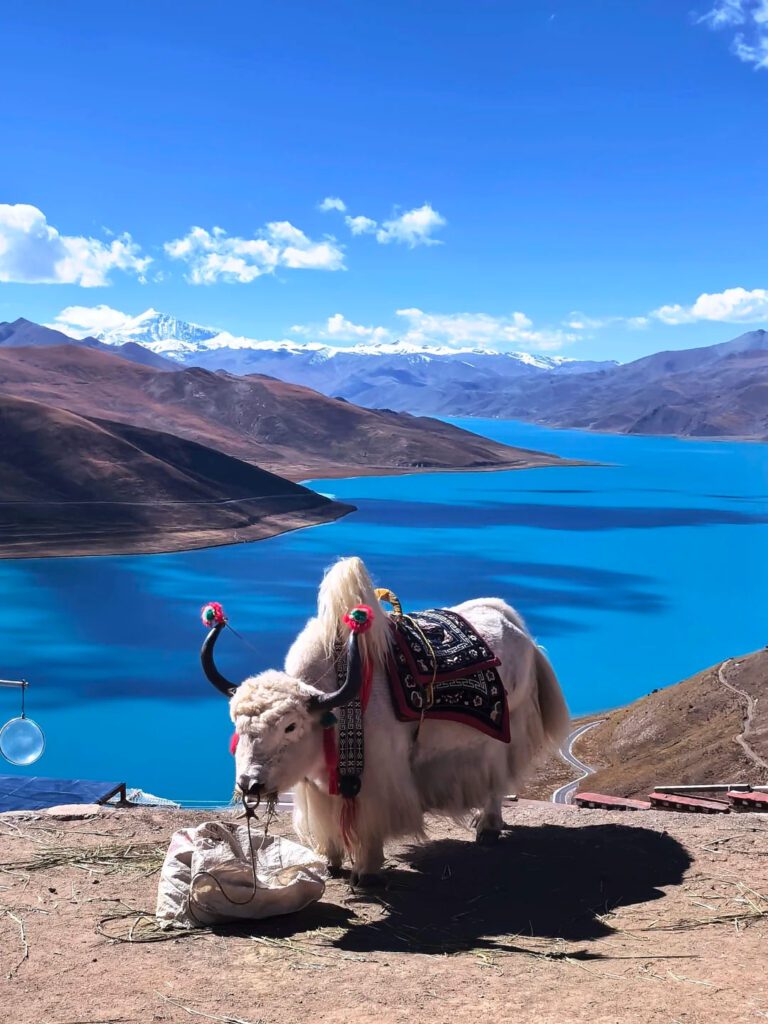
Yamdrok Lake looks stunning in photos, but in person it feels almost unreal.
Its blue is gemstone-like—so vivid that you can hardly believe this lake sits at 4,400 meters.
Yamdrok Lake is the place where many travelers first truly understand the beauty of the plateau.
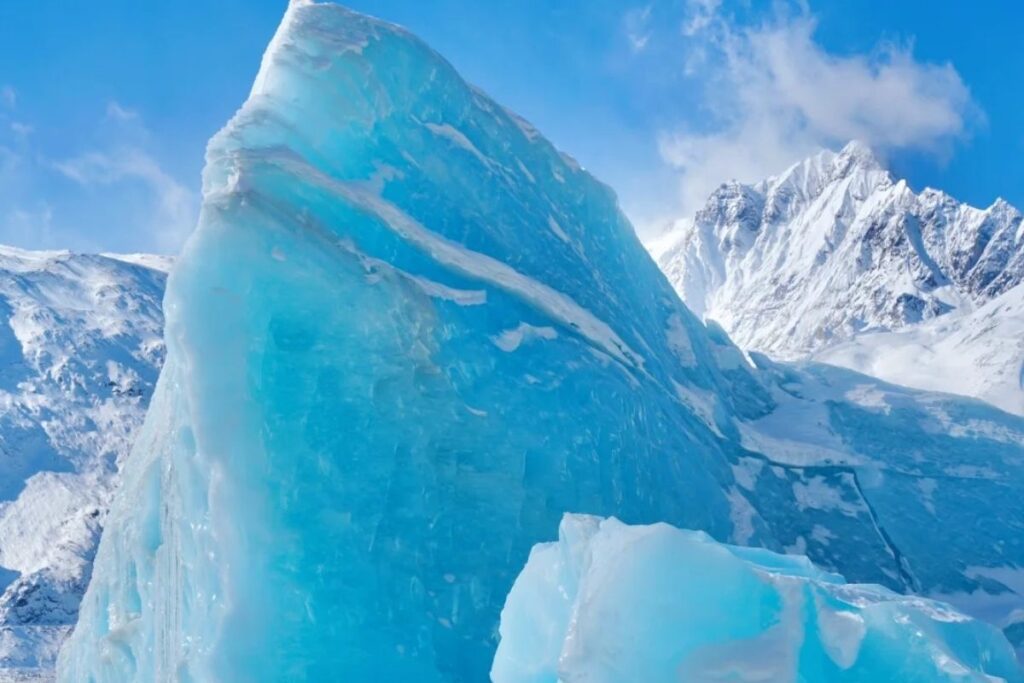
7. Karola Glacier — The Closest Roadside Glacier
Karola Glacier surprises U.S. travelers:
you don’t need to climb—this massive glacier wall rises right beside the road.
It is one of the most breathtaking natural highlights along the Sichuan–Tibet and Southern Tibet routes.
8. Palcho Monastery + Shigatse — Extension of Tibetan Civilization
The Ten-Thousand-Buddha Stupa of Palcho Monastery and Shigatse’s Tashilhunpo Monastery both show travelers that:
Tibet is not just Lhasa—it is a fully developed, deeply layered system of religion and art.
9. [Gyatso La Pass / Gawula Pass] — The Ultimate Snow-Mountain Viewing Point
These two mountain passes are the spots along the Everest route where travelers are most often moved to tears.
Because you will seethe Himalayan peaks lined up across the horizon,so overwhelming that you instantly feel how small you are and how immense the world truly is.
This immense “sense of land scale” is also a major reason many people are willing to travel so far to Tibet.
10. [Everest Base Camp + Rongbuk Monastery] — A Pilgrimage at the Edge of the World
For travelers, Everest is not just “the highest peak”—it is a symbol.
Standing at the 5,200-meter Everest Base Camp and seeing the peak rise like a massive wall against the sky, most people fall into silence for a long time.
The image of Jombo Monastery, where "there are still people keeping faith at the highest place in the world," is often an unforgettable highlight of a traveler's life.

6CITS Classic [Tibet 8 Days] Trip Recommendation
This route perfectly matches what our long-term European and American guests love: the “Lhasa cultural core + high-altitude lakes and glaciers + the ultimate goal of Everest” — a classic golden itinerary.
Day 1–3|Lhasa In-Depth — The Core of Culture & Faith
- Lhasa
- Potala Palace
- Jokhang Temple
- Sera Monastery Debate
- Zashi Lhamo Temple
These three days are designed to focus on:
First, let travelers acclimate steadily at Lhasa’s 3,650-meter altitude while entering the core narrative of Tibetan culture.
This is the moment when Tibet truly begins to enter a traveler’s heart.
Day 4|Yamdrok Lake + Karola Glacier + Palcho Monastery → Shigatse
- Yamdrok Yumtso (Sheep Lake)
- Karjola Glacier
- Palcho Monastery
- Overnight stay at Rikaze
As we head west from Lhasa on this day, the landscape jumps from urban beliefs straight into highland nature.
The blue of the Sheep Lake, the white of the glaciers, the gold of the monasteries and the colors of the pagodas, "each stop is like a reset of aesthetics".
More importantly:Gradual but comfortably paced elevation gain, with natural body acclimatization.
Day 5|Shigatse → Gyatso La Pass → Everest Base Camp → Rongbuk Monastery
- Gyatso La Pass Viewpoint
- Everest Base Camp
- Rongbuk Monastery
This is one of the most anticipated highlights of the entire journey.
The sweeping snow-mountain views at Gyatso La Pass set the emotional tone at full intensity;
then you continue all the way to the foot of Everest and see the world’s highest peak with your own eyes.
The overnight location varies by arrangement, but the essence of the experience is:
allowing travelers to feel a pilgrimage-like mix of smallness and power at the “edge of the world.”
Day 6|Sakya Culture + Gawula Peaks — Deep Reflection on the Everest Route
- Sakya Monastery
- Gawula Pass Viewpoint
- Return to Shigatse
Sakya Monastery represents “another face of Tibetan Buddhist civilization,” known for its strong historical depth and distinctive artistic style.
At Gawula Pass, you can see multiple 8,000-meter peaks lined up at once—often a visual shock even greater than Everest itself.
This day is designed to combine the “natural climax” and “cultural depth” of the Everest route into one ultimate peak experience.
Day 7–8|Tashilhunpo Monastery, Lari Railway Return to Lhasa — A Gentle Farewell to the Plateau

- Tashilhunpo Monastery
- Lari Railway (Shigatse–Lhasa Railway)
- Return to Lhasa
The advantage of returning to Lhasa by train is:
your body avoids excessive fatigue from long road travel, and you get to enjoy the landscapes of western Tibet from a different perspective.
During this segment, travelers naturally reflect on the entire journey, allowing their emotions to settle more fully.
This is a classic Tibet route chosen by many travelers from the U.S., Canada, and Europe—where culture, scenery, and the ultimate goal all come together perfectly.
VII. Important direct flight routes from the U.S.A. to China
You must first choose a China gateway city and receive your Tibet Travel Permit there before you can transfer to a flight to Lhasa or Nyingchi.
Los Angeles (LAX)
San Francisco (SFO)
Additional: Wuhan (WUH – limited service)
Seattle (SEA)
Detroit (DTW)
New York (JFK / EWR)
Chicago (ORD)
Dallas (DFW)
Washington D.C. (IAD)
Boston (BOS)
San Jose (SJC)
Flight policies may change every month. Always refer to the latest updates from airlines and official authorities.