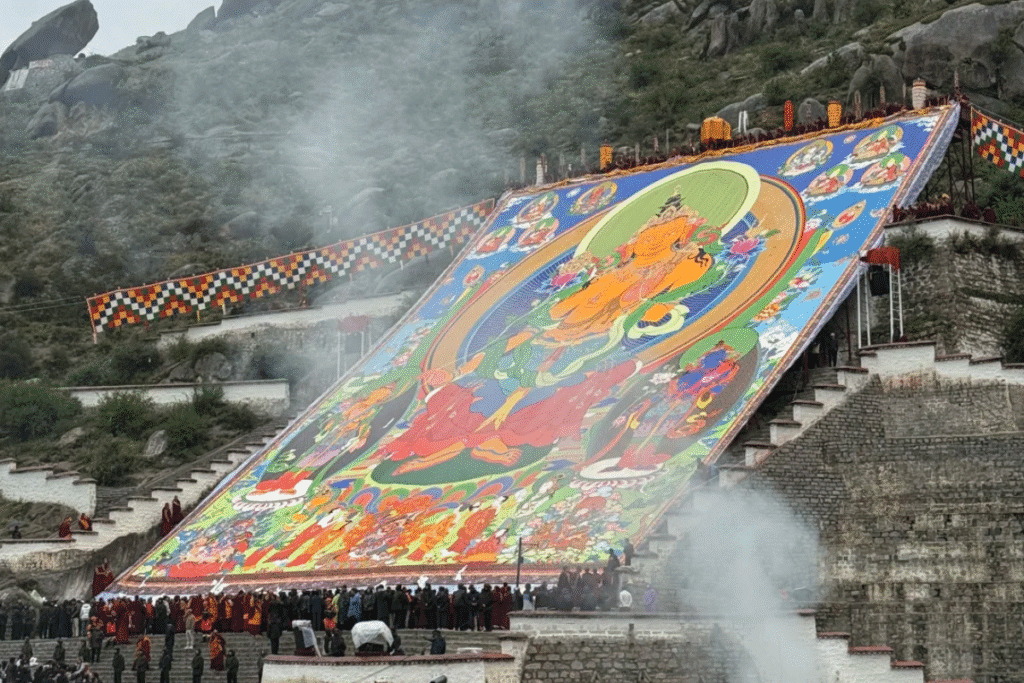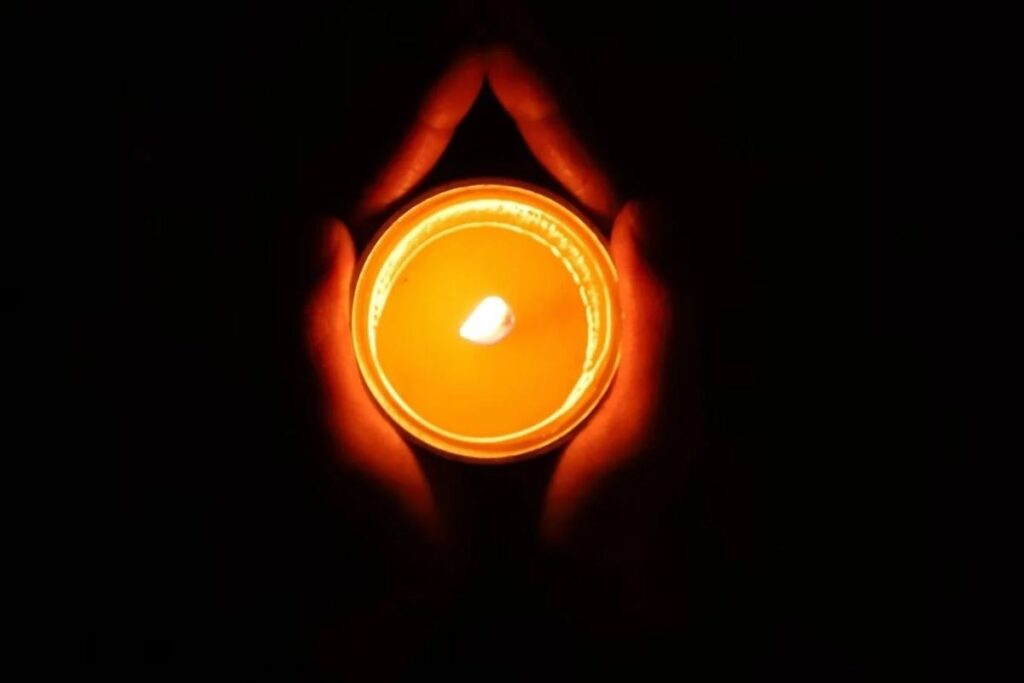
The Tibetan Festival of the Lamp, known in Tibetan as “Ganden Ngöch,” is a festival observed by the Gelug School to commemorate the passing of Master Tsongkhapa.It is fixed on the 25th day of the 10th month of the Tibetan calendar; in 2026, this falls on December 3 (Thursday), and the lighting of the lamps begins on the evening before December 2. The main venue is the Ganden Monastery east of Lhasa, while the evening’s peak activity takes place at the Jokhang Temple and Barkhor Street, where visitors can join in offering lamps and circumambulating the sacred sites.
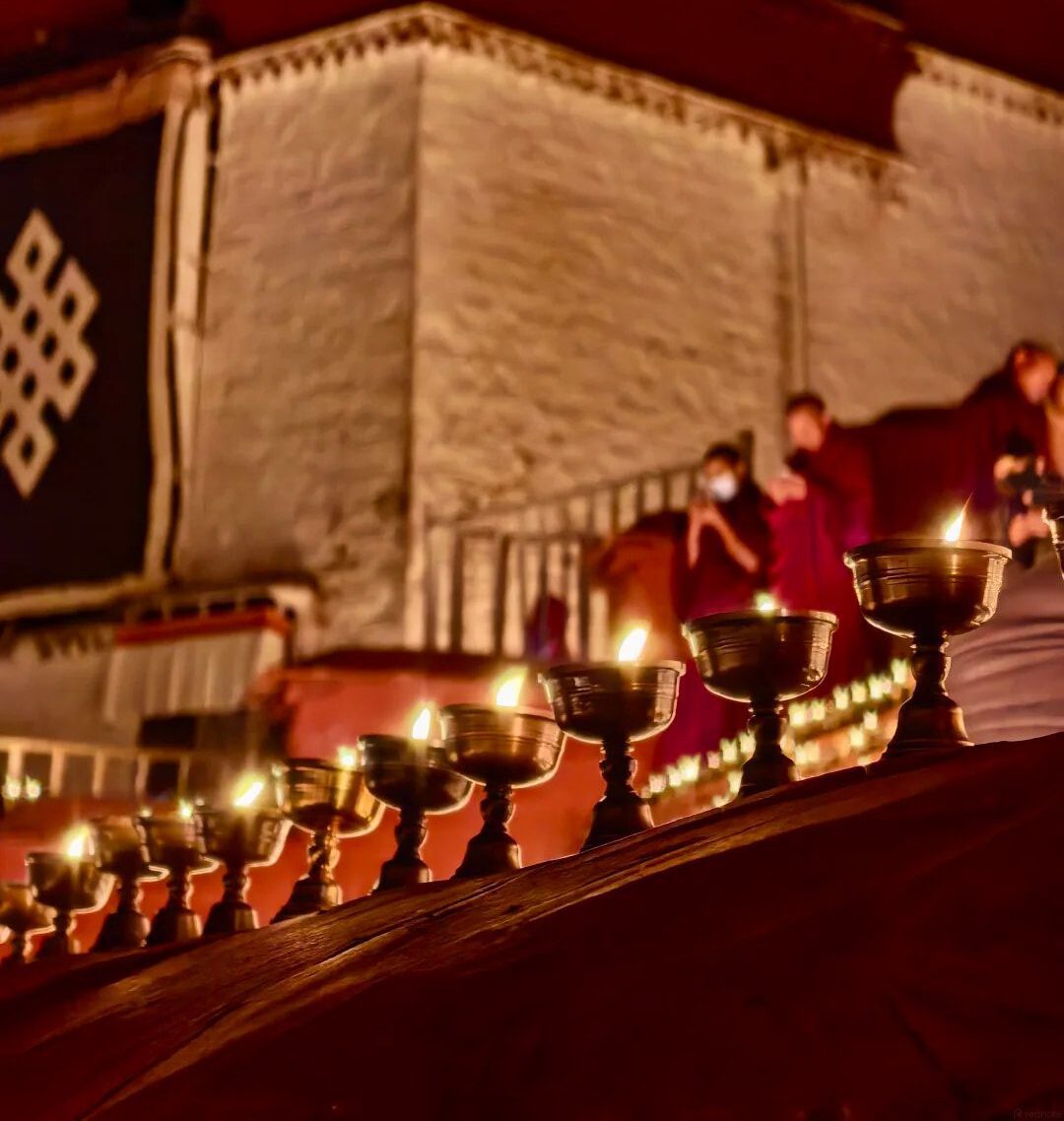
In early December, darkness falls early in Lhasa. As soon as the sun dips behind the Potala Palace, the windowsills, eaves, and entrances to the prayer halls throughout the mountain city of Ganden begin to light up one by one, and the flames of the butter lamps barely flicker in the sub-zero air. For Tibetans, this is not a festival, but a lighting ceremony held in honor of Master Tsongkhapa.
As a result, many travelers assume that the Festival of the Burning Lamps lasts only that one night. In fact, behind this festival lies a great master, a story, and a religious tradition—one that has left its mark from Qinghai to Lhasa, and from Lhasa to Shigatse and Shannan.
What Is the Festival of the Lamp? “Ganden Ngötser,” Commemorating the Passing of Master Tsongkhapa
The Festival of the Lamp is a Gelugpa festival commemorating the passing of its founder, Master Tsongkhapa. In Tibetan, it is called “Ganden Ngamchoe” (also transliterated as “Gaden Achu”), which means “The Five Offerings of Ganden Monastery”; therefore, it is also known as the “Festival of the Five Offerings.” It is not only celebrated in Lhasa but also in Tibetan-inhabited areas of Tibet, Qinghai, Sichuan, Gansu, and Yunnan. On the 25th day of the tenth month of the Tibetan calendar in 1419, Master Tsongkhapa passed away at Ganden Monastery. His disciples lit lamps as an offering and recited sutras in his memory. This tradition has continued for more than 600 years, becoming the quietest and most moving night in all of Tibet.
Many people confuse it with the Butter Lamp Festival (Chönga Chöpa), which takes place on the fifteenth day of the first month of the Tibetan calendar, but they are actually two separate events: the Butter Lamp Festival marks the conclusion of the Great Summoning Puja, where visitors view flowers and deities carved from butter; The Festival of Lights, on the other hand, focuses on the “lights” themselves—each one is lit for a specific wish or a specific person. If you want to see a sea of lights, either festival will do; but if you want to understand the Gelug tradition’s spiritual context, the Festival of Lights is the only one.
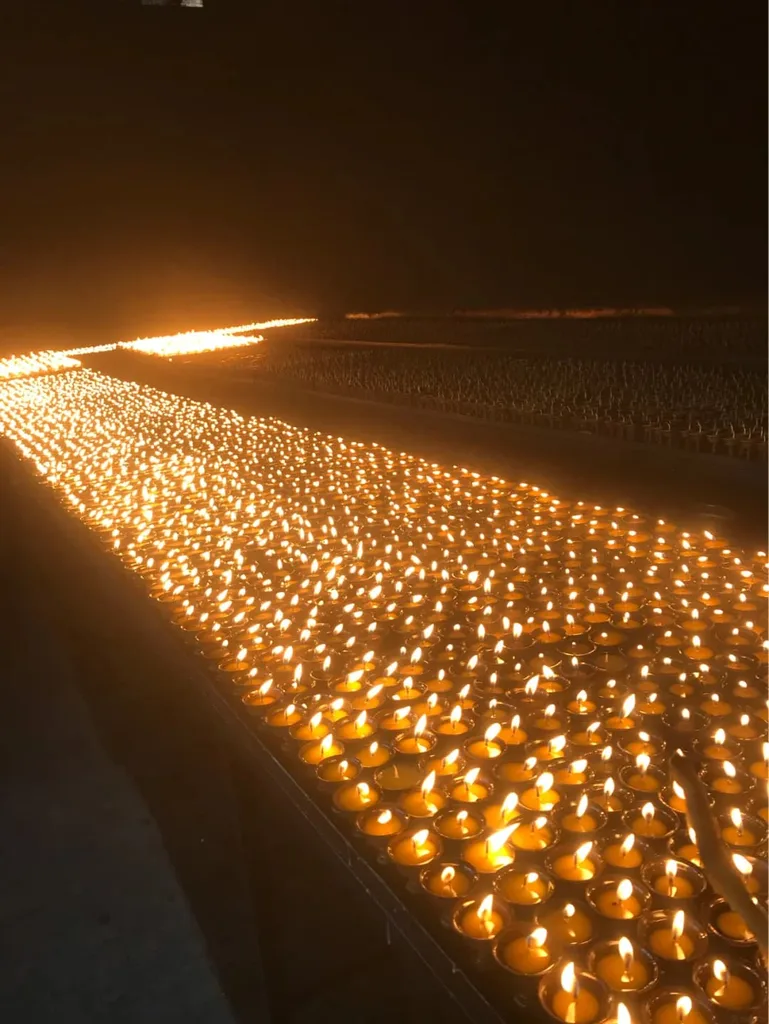
When is the 2026 Tibetan Lantern Festival? December 3
In 2026, the Lamp Festival Sunday falls on December 3 (Thursday), the 25th day of the 10th month of the Tibetan calendar; on the evening of December 2 (the 24th day of the 10th month of the Tibetan calendar), lamps began to be lit one after another in monasteries and homes throughout Lhasa.
The Festival of the Lit Lamps is held on the 25th day of the tenth month of the Tibetan calendar; when converted to the Gregorian calendar, the date varies each year, typically falling between late November and mid-December.
| Year | Gregorian calendar date | Day of the Week |
|---|---|---|
| 2024 | November 25 | Monday |
| 2025 | December 14 | Sunday |
| 2026 | December 3 | Thursday |
Since the Tibetan calendar occasionally includes leap months or duplicate dates, announcements from different monasteries may differ by a day. The safest way to plan your itinerary is to ensure you’re in Lhasa “on the 25th day of the 10th month of the Tibetan calendar, with one day before and one day after.” However, since the Entry Permit for Tibet must be applied for in advance, you can contact a local travel agency to confirm the dates for that year.Lantern Festival Itinerary.
Where is the Lantern Festival held in Lhasa? Ganden Monastery, Jokhang Temple, and Barkhor Street
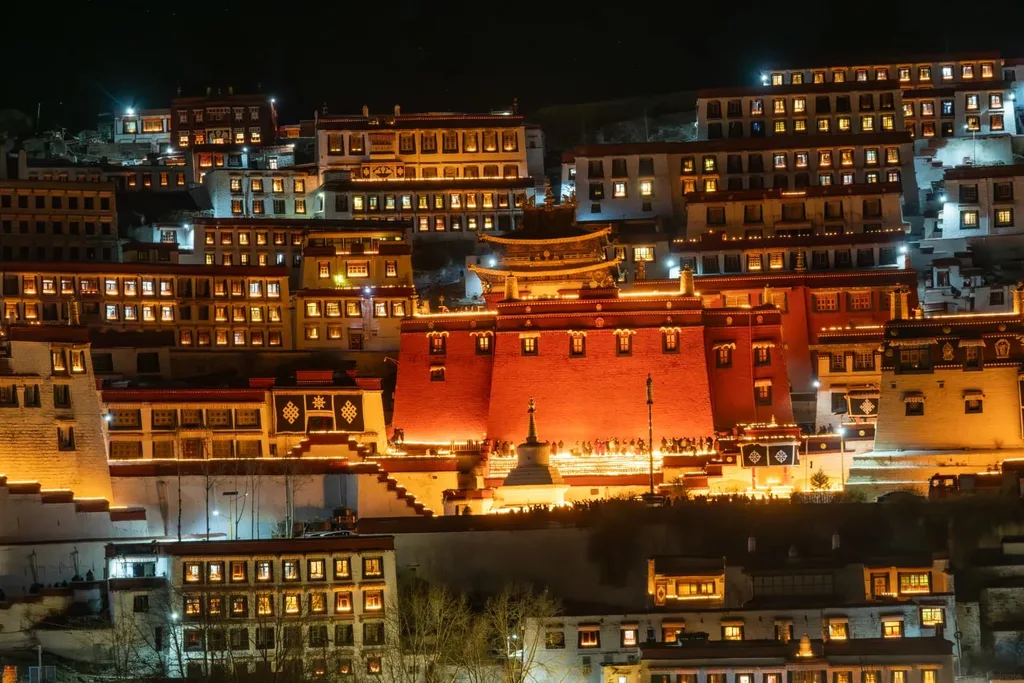
The Lantern Festival is held at Ganden Monastery, 45 kilometers east of Lhasa. After sunset, the crowds peak at the Jokhang Temple and Barkhor Street in the city center; you can visit all three places in a single day.
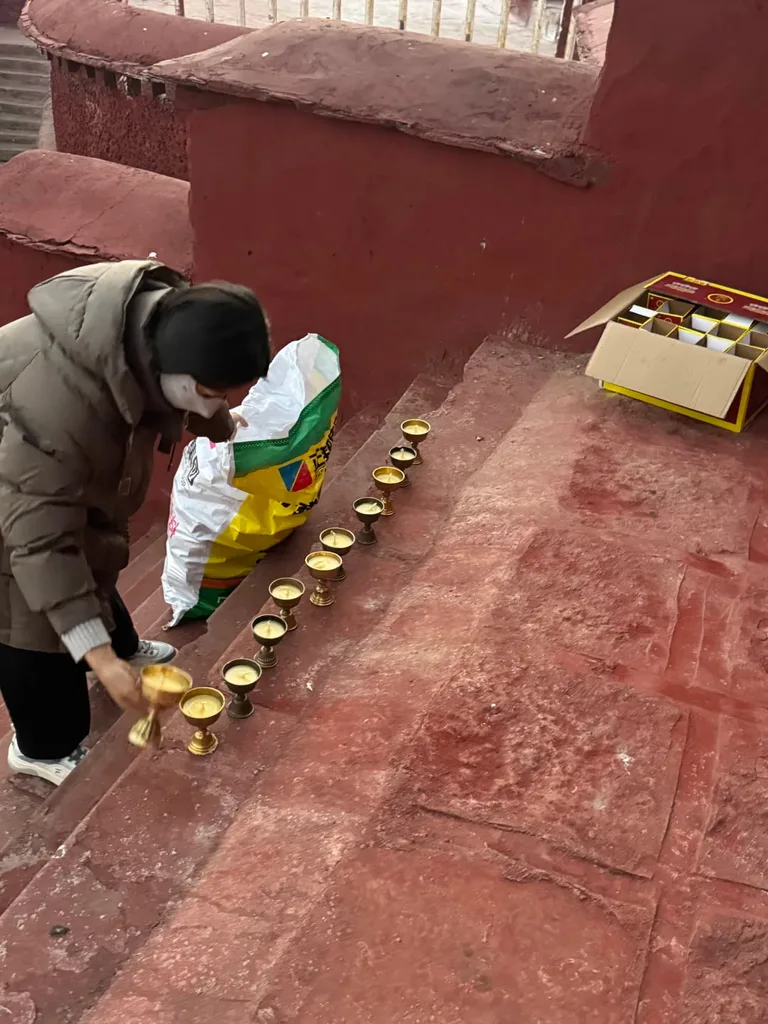
Ganden Monastery is the place where Tsongkhapa passed away....The stupa is also located here. Starting early that morning, Tibetans took buses from the city up the mountain to circumambulate the monastery, offer khatas, and light lamps. The wind was strong on the mountain, so most of the lamps were lit inside the halls and in the sheltered colonnades. Monks knelt in rows, pouring butter into the lamp bowls—a scene that captured the true spirit of the Festival of Lights even more than the night view did.
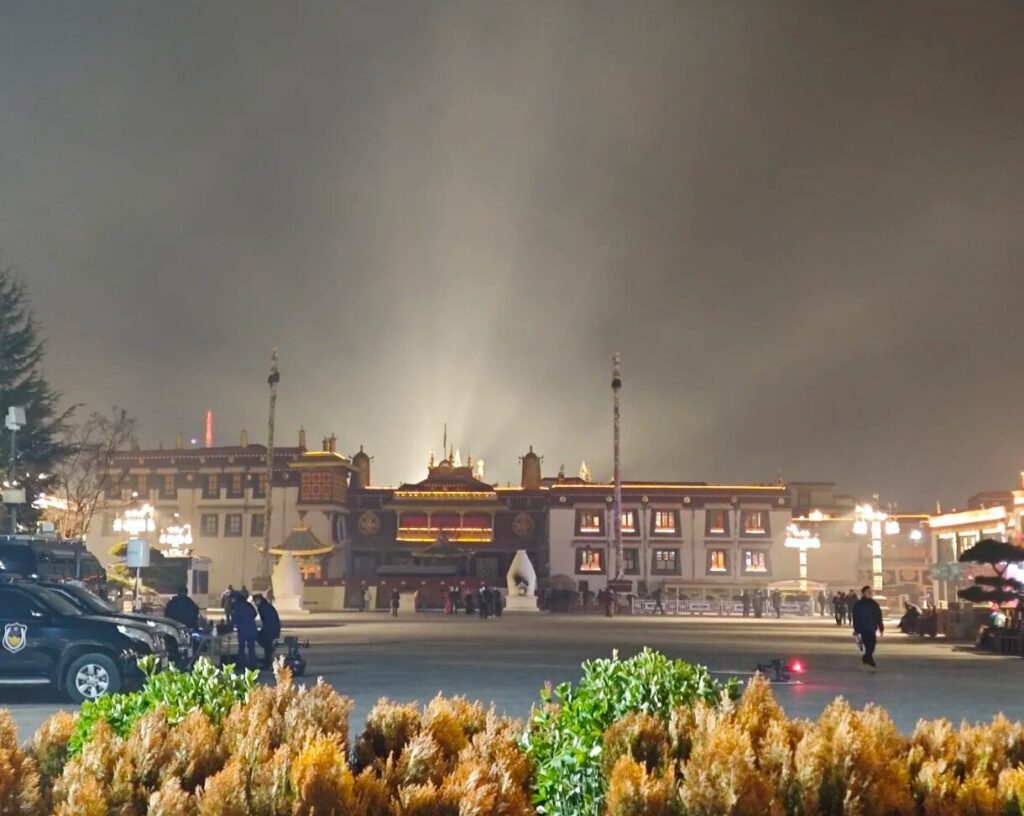
Starting in the evening, the Jokhang Temple is illuminated by thousands of lanterns.. In the area where offering lamps are placed in front of the Juewo Buddha statue, lamp oil was being replenished all afternoon, and after dark, the square was filled with people performing prostrations.
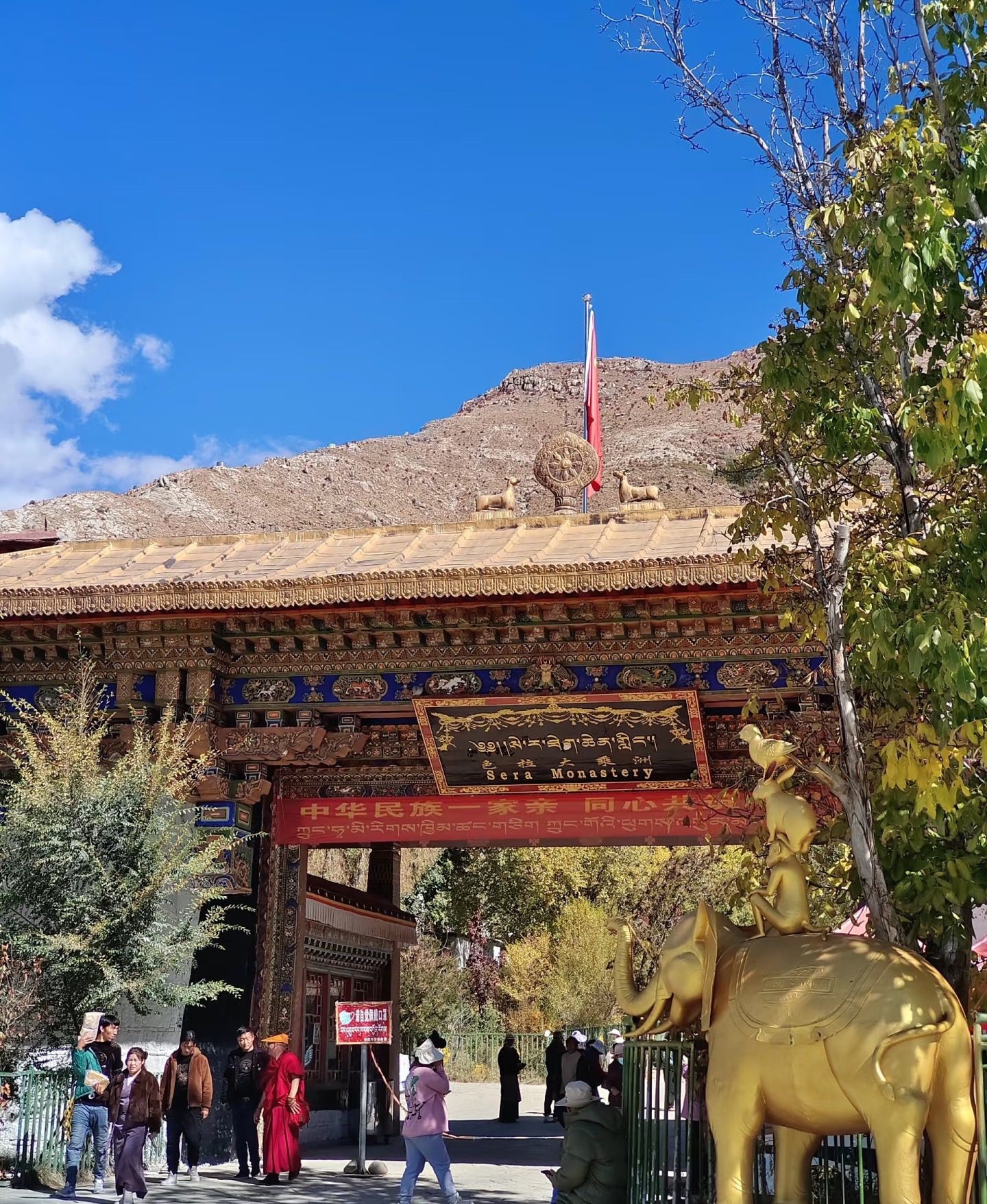
Barkhor Street is the highlight of the evening. Shops and residents along the entire circumambulation route place lights on their windowsills; take a clockwise walk around the street, following the flow of people at a leisurely pace. Sera Monastery and Drepung Monastery are also illuminated; with fewer people around, they’re ideal for those who want to take photos in peace.
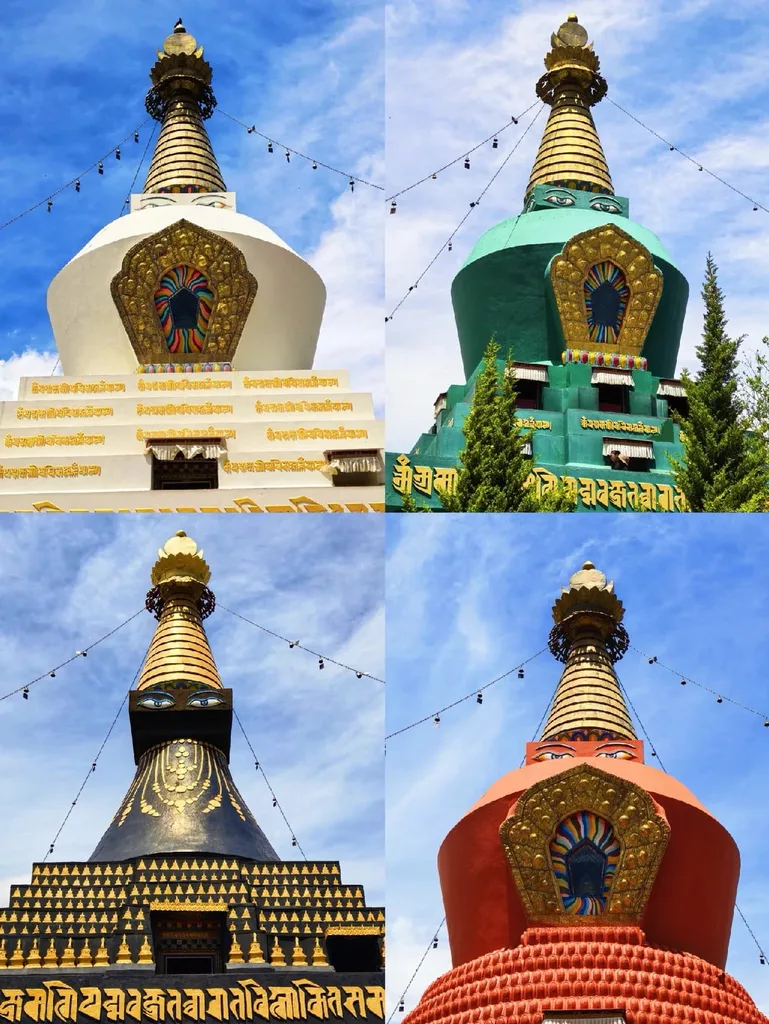
The Festival of Lights isn’t limited to Lhasa. Gelugpa monasteries all light lamps that evening, with the Ta’er Monastery in Qinghai, Labrang Monastery in Gansu, and Tashilhunpo Monastery in Shigatse each holding their own ceremonies. Among these, the Ta’er Monastery in Xining, Qinghai—the birthplace of Tsongkhapa—marks the starting point of the entire Lantern Festival route with the lanterns surrounding the stupa at the Great Golden Hall.
What is the connection between the Ta'er Temple and the Festival of the Lamp? The Birthplace of Tsongkhapa
The Ta’er Temple in Xining, Qinghai Province, is the birthplace of Master Tsongkhapa and the origin of the story behind the Festival of Lights. To truly understand whom the Festival of Lights commemorates, many people make a point of visiting the Ta’er Temple before traveling to Tibet.
In 1357, Tsongkhapa was born in Huangzhong, Qinghai. Legend has it that a bodhi tree sprouted where a drop of blood fell from his umbilical cord, and each leaf bore the image of a Buddha. At the age of sixteen, he left home for Tibet and never returned. As his mother grew old and missed him, he sent her a self-portrait, saying, “Build a stupa beside that tree; to see the stupa is to see me.” His mother did indeed build it,The stupa still stands in the Great Golden-Tiled Hall of Ta’er Temple; “The stupa came first, then the temple.”...That is how the Ta'er Temple got its name.
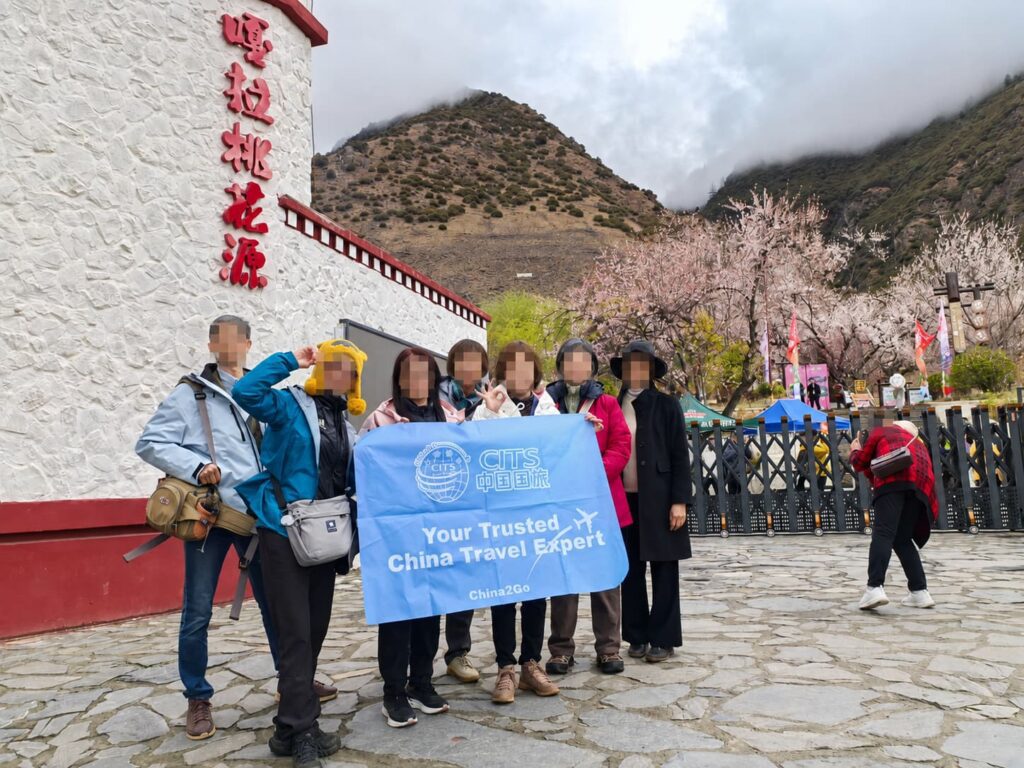
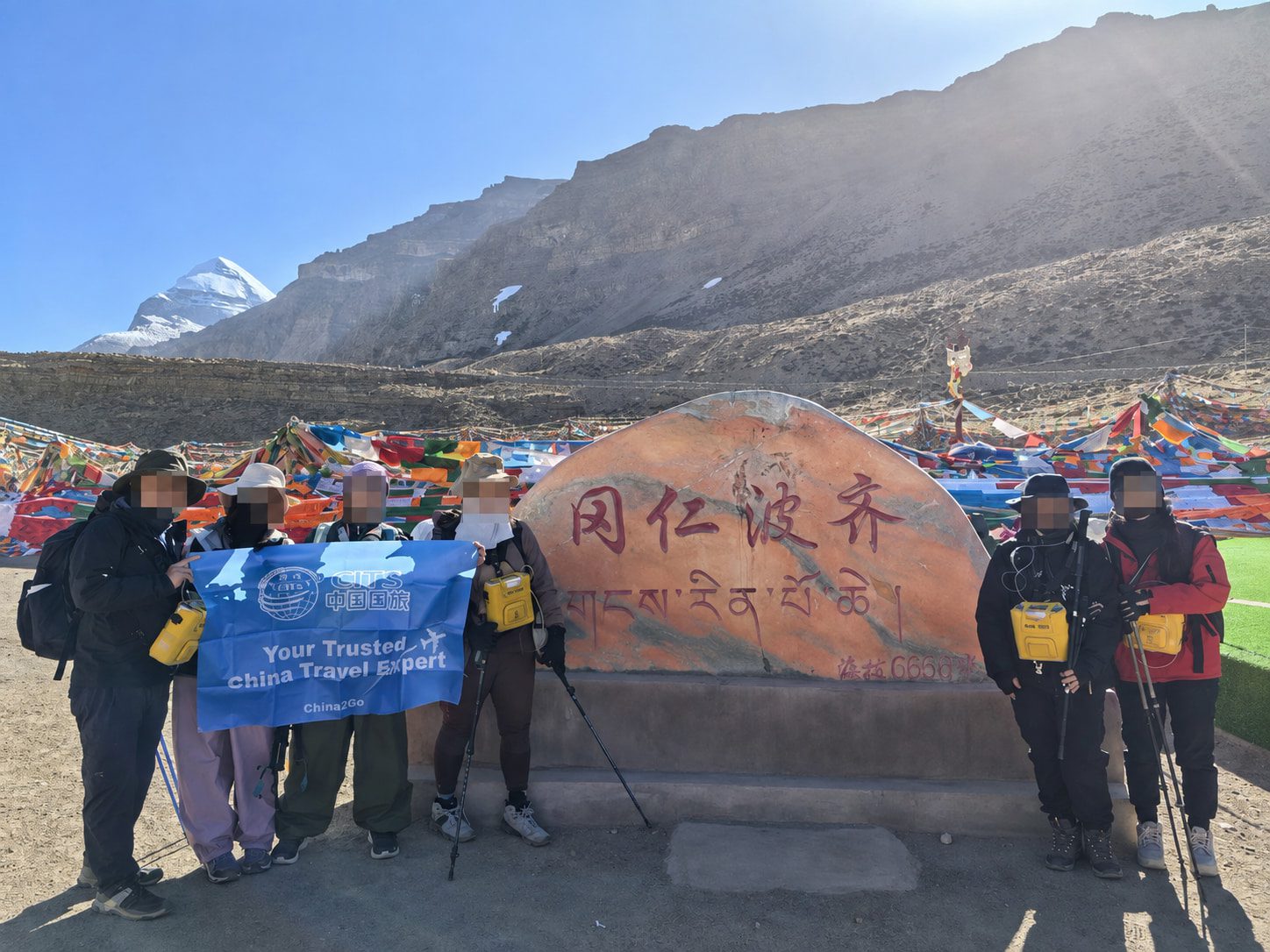
The Ta’er Temple is located 25 kilometers from downtown Xining. It lies right along the route from Xining to Lhasa via the Qinghai-Tibet Railway, which is why CITS Global Travel—China2Go arranged for our Lantern Festival trip to begin in Xining.
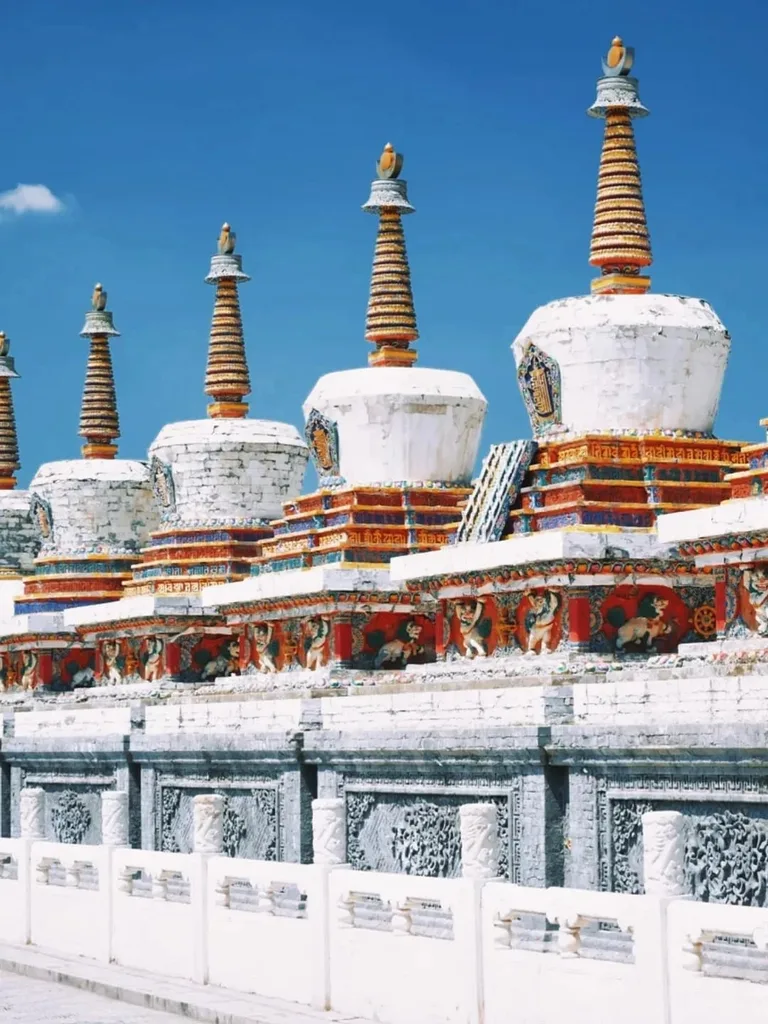
What can you do at Ganden Monastery on the Lantern Festival? Offer lamps, walk around the monastery, and pray for blessings.
On the day of the Festival of Lights, visitors to Ganden Monastery can join the Tibetans in circumambulating the monastery, offer khatas in the Tsokchen Hall, and light a butter lamp with their own hands. Participating in the rituals at the very birthplace of the Festival of Lights is a completely different experience from simply viewing the lanterns in the city.
Ganden Monastery was built by Tsongkhapa himself in 1409.The Founding Monastery of the Gelug School, where you canThe entire monastery is built into the mountainside; from a distance, it looks like a city suspended halfway up the mountain. Since it was crowded that day, I recommend heading up the mountain in the morning and taking your time. Inside the halls, do not photograph offerings or monks, and always walk clockwise when circling the monastery. After descending the mountain, spend the afternoon visiting the Jokhang Temple. The Jowo Buddha statue was brought here by Princess Wencheng, and Tibetans say that the Jokhang Temple predates the city of Lhasa. In the evening, join the crowd for a stroll around Barkhor Street—and your day will be complete.
Where else can you go after the Lantern Festival? Tashilhunpo Monastery in Shigatse, the seat of the successive Panchen Lamas.
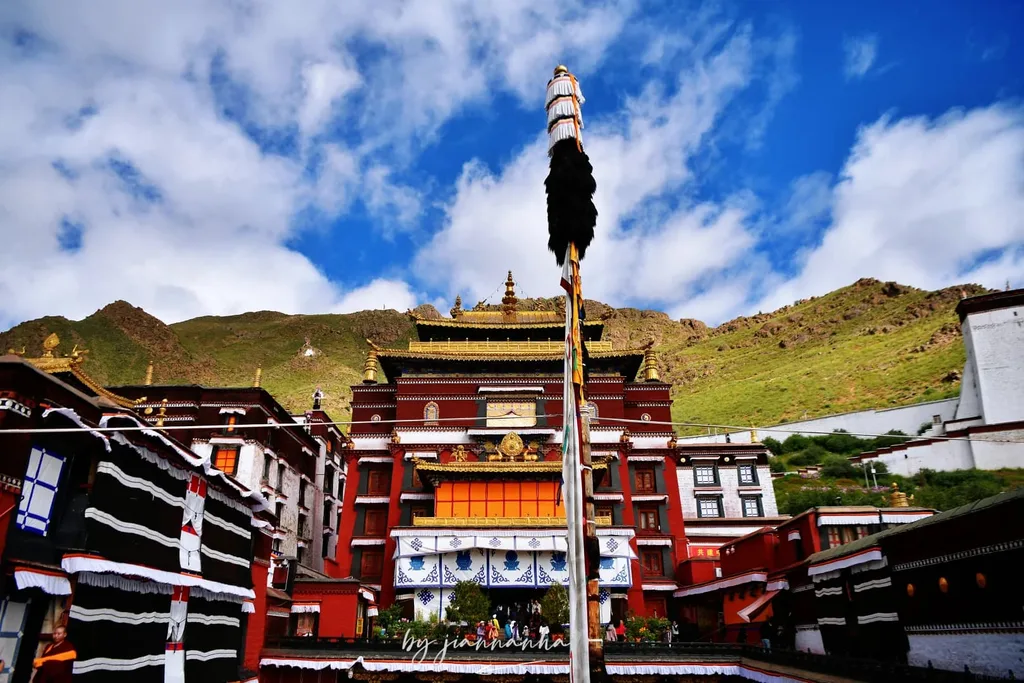
After the Lantern Festival ends, many people travel 270 kilometers west to another major city—Shigatse,Head to Tashilhunpo Monastery, the heart of this place.
It is the main monastery of the Gelug School in Back Tibet and the seat of successive Panchen Lamas. If you want to know how Tsongkhapa’s teachings were carried on after his passing, this is the most direct answer.
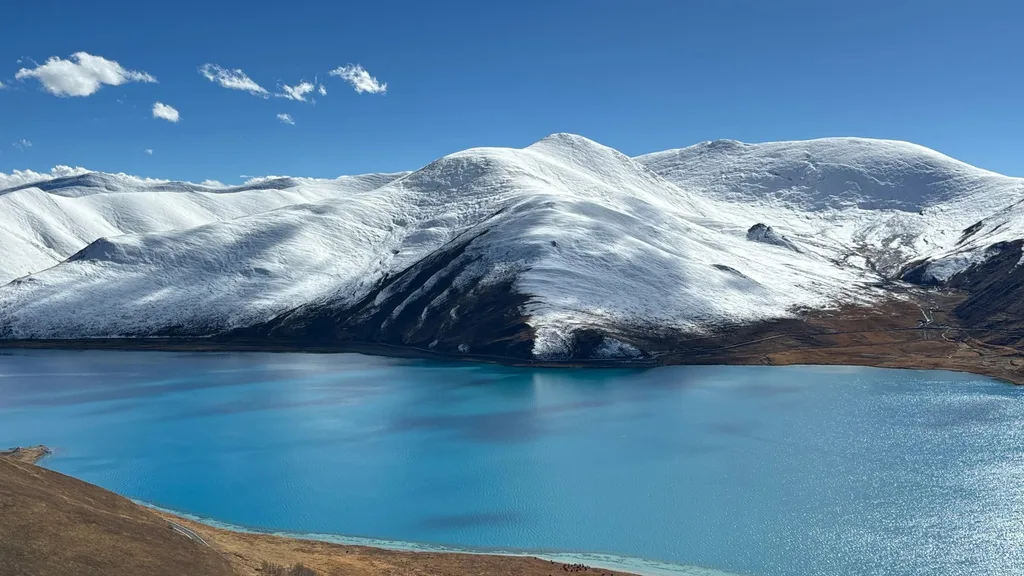
On the journey from Lhasa to Shigatse, you’ll cross the Gamba La Pass to view Yamdrok Lake, pass by the Karola Glacier, and then visit the Baiju Monastery in Gyantse. This monastery is home to the Sakya, Kadam, and Gelug schools of Buddhism—a rare occurrence in Tibet.
Tashilhunpo Monastery was founded in 1447 by Gendun Drub, a disciple of Tsongkhapa who was later posthumously recognized as the First Dalai Lama; after the Fourth Panchen Lama, it became the seat of successive Panchen Lamas. The monastery houses the stupa of each successive Panchen Lama and a 26-meter-tall statue of Maitreya Buddha, which is the world’s largest gilded copper seated Buddha.On the evening of the Lantern Festival, lanterns are lit here as well; the scale of the celebration is second only to that in Lhasa, and there are very few tourists in the winter..
Is Zetang in Shannan Worth Visiting? Get a Glimpse of What Tibet Was Like Before and at the Beginning of Buddhism’s Arrival
Shannan isThe Birthplace of Tibetan Civilization, located about 170 kilometers from Lhasa. If you schedule this visit to follow the Festival of the Light, you’ll get a glimpse of what Tibet was like before and at the very beginning of Buddhism’s arrival there, which will give you a better understanding of the background leading up to the Festival of the Light within the broader context.
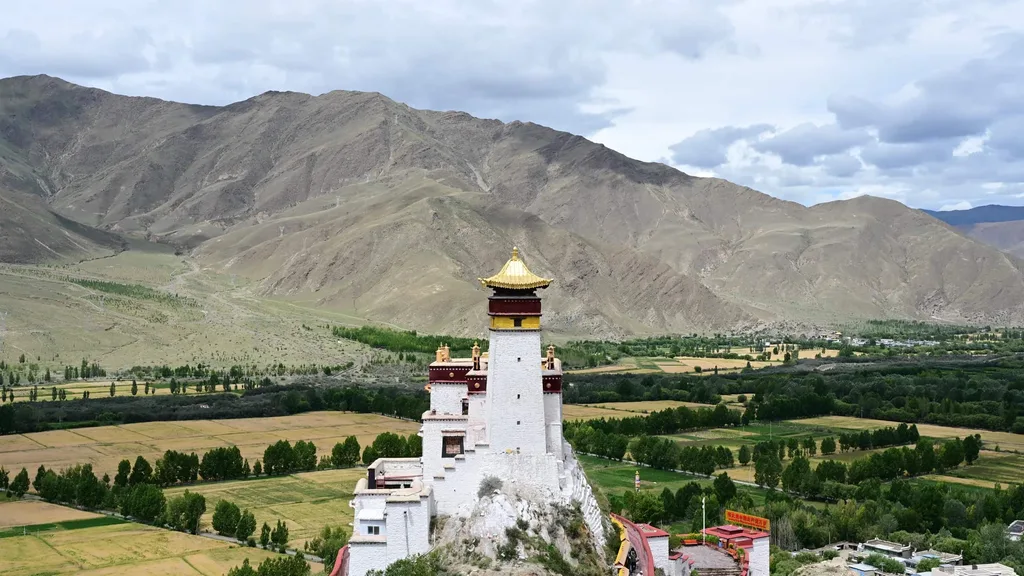
Yumbulagang is Tibet’s first palace, predating the introduction of Buddhism..
Changzhu Temple is one of the earliest Buddhist temples dating back to the reign of Songtsen Gampo....The temple houses a thangka woven from more than 20,000 pearls over 800 years ago.
And Samye Monastery was the first Buddhist monastery in Tibet...a fully-fledged monastery with both monks and lay followers, where Buddhism was first established as an institutionalized system. It was on this foundation that Tsongkhapa later organized the scattered teachings into the Gelug School.
The Ta'er Temple, Ganden Monastery, Tashilhunpo Monastery, and Shannan—visiting these four places in sequence provides a complete picture of the event commemorated by the Festival of the Lamp, from its origins and establishment to its continuation. The entire journey can be completed in about nine days.Currently, the only Lantern Festival tour package organized for the Hong Kong, Macau, and Taiwan markets is CITS Global Travel—China2Go’s “Lantern Festival · Hilton Blessings 9-Day Tour.”This tour is limited to small groups of 10 people and features Hilton hotels with oxygen supply throughout the entire trip.
Of course; no matter which one you choose, you can use this as a general guide. On the most important day of the Festival of Lights, I recommend offering a lamp in person at Ganden Monastery, or you can go to Barkhor Street to see the lanterns.
Winter Travel in Tibet: The Festival of Lights is always held in winter, so just how cold is it in winter?
People often ask, “Can I skip the Lantern Festival and visit Tibet at a different time?”
Of course, there are many festivals in Tibet.
But if you want to light a lamp yourself in Tibet to pray for blessings,The Lantern Festival is the only option, and it always takes place in winter, so below I’ll address the three most frequently asked questions about winter all at once.
Want to learn more about Tibetan holidays? Check outAn Overview of Tibetan Holidays: Dates for Shoton Festival, Tibetan New Year, and the Festival of Lights at a Glance
Is winter a good time to visit Tibet? Yes, it is—and it’s the season when the sky is clearest.
Every year, from November through February of the following year, is the off-season in Tibet—a time when the skies are clearest and there are the fewest tourists.
It hardly ever rains in Lhasa during the winter, and the days are long; the Potala Palace is much more clearly visible under the blue sky after a snowfall than it is in the summer.
There are no lines at the Potala Palace and the Jokhang Temple, and most of the people walking along Barkhor Street are Tibetans on pilgrimage. Compared to the Shoton Festival, the crowds during the Lhasa Festival are also relatively small.
Most importantly, prices during this time of year are actually the best of the whole year!
Many people say that Tibet in winter is best reserved for locals and travelers seeking an in-depth experience, and the Lantern Festival happens to fall during this time.
Is it very cold in Tibet in the winter? Daytime temperatures range from 8–12°C, and nighttime temperatures range from –5 to –10°C.
In Lhasa in December, daytime temperatures range from 8 to 12°C; a light down jacket is sufficient in the sun. At night, temperatures drop to between -5 and -10°C, and a daily temperature range of more than 15°C is common.
Temperatures in Shigatse and Shannan are two or three degrees lower, and strong winds at the Gangbala Pass and the Karola Glacier make it feel even colder.
Keep this in mind! Follow the three-layer rule: a moisture-wicking base layer, a fleece or down vest as the mid-layer, and a windproof down jacket as the outer layer. Be sure to bring a hat, gloves, and a scarf. When walking around Barkhor Street for two or three hours in the evening during the Festival of Lights, it’s not your body that gets cold—it’s your ears and fingers.
What Should You Pack for a Winter Trip to Tibet? Check Out This ArticleTibet Weather and Dress Code Guide: A Complete Overview of Seasonal Temperatures and Layering Tips
Is altitude sickness more severe in winter? Slightly so—the key is prevention and where you stay.
Some people may experience more severe altitude sickness in the winter,But the real key lies in how you take preventive measures, as well as in your itinerary and supporting arrangements!
Oxygen levels in Tibet are slightly lower in winter than in summer. Combined with the dry air and significant temperature differences between indoors and outdoors, it’s important to note that during the first two days after arrival, you’re more likely to experience headaches and have trouble sleeping than in summer.
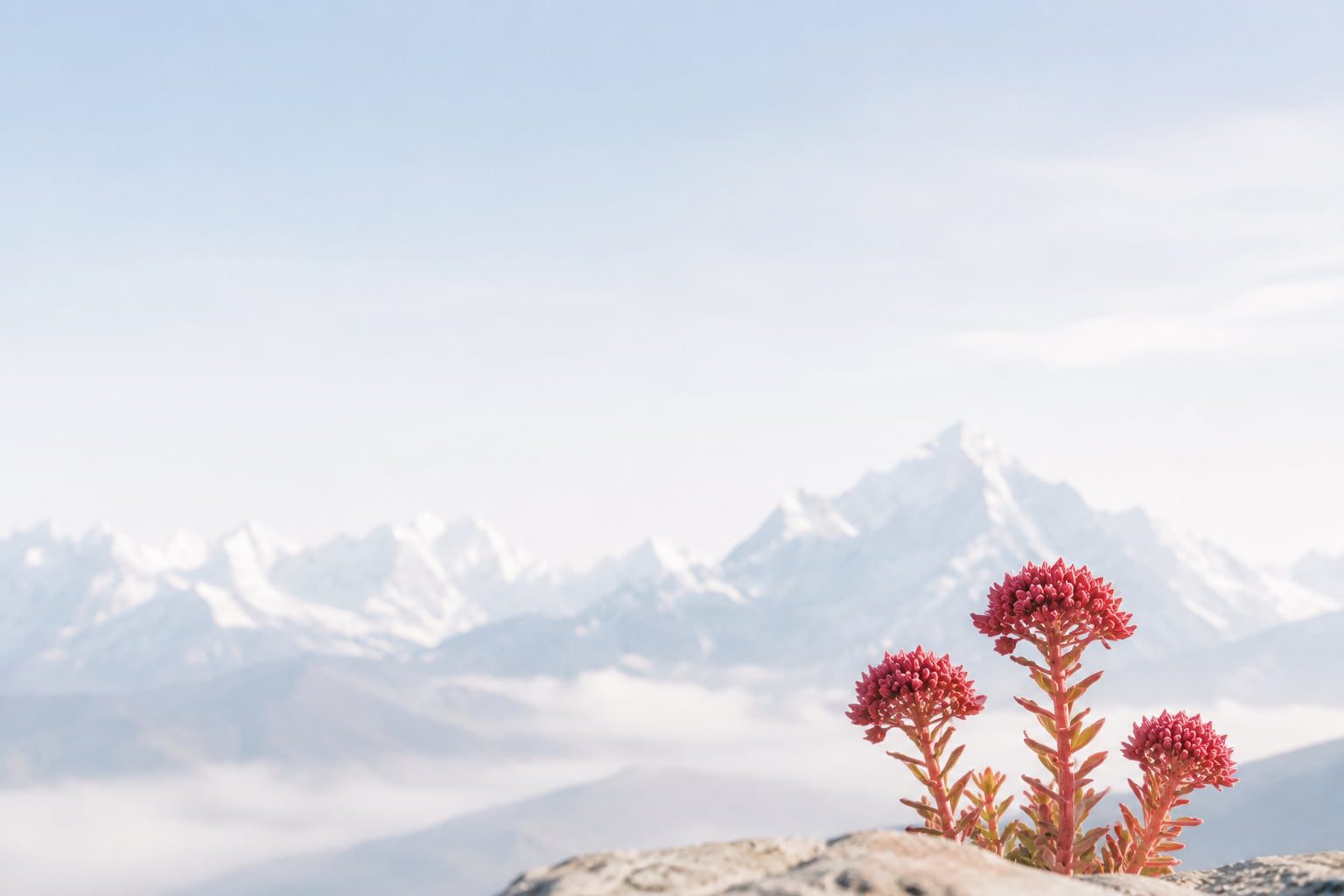
And the ways to reduce altitude sickness are pretty much the same as in the summer!For example, following the guidelines from the past two days—no showering, no running or jumping, drinking plenty of warm water, and starting to take rhodiola two weeks before departure—.
But the biggest difference is that in winter, in addition to choosing a hotel with oxygen supply, you must select a room with ambient oxygen—and it’s best to choose a hotel that’s less than five years old. This is because only by sleeping soundly at night can you recover more effectively. Places like Ganden Monastery or the Potala Palace require some climbing, so,The hotels in Lhasa, Shigatse, and Shannan selected by CITS Global Travel—China2Go—are now all Hilton-branded hotels equipped with oxygen supply systems..
How to Plan a Great Lantern Festival Itinerary? Consider These Three Things
I. Where to Go on Lantern Festival Day: Viewing the lanterns in the city and personally offering a lantern at Shanggan Dan Temple are two very different experiences.
II. Group Size: Barkhor Street was packed that evening, so a group of 20 to 30 people couldn’t walk the circuit together. The tour guide could only gather the group at the starting point and round everyone up at the end; groups of 10 or fewer were the only ones that could move smoothly.
III. Are There Any Shopping Stops? There are many itineraries that rely on shopping to cover tour costs during the winter off-season. The most straightforward way to check is to see if the itinerary states “no visits to any shopping stores” and what the compensation policy is in case of a breach of contract.
The Festival of Lights is not a festival for admiring a sea of lanterns; it is a festival that celebrates how a single lamp was carried from Qinghai to Lhasa and has been passed down for 600 years. From Ta’er Temple to Ganden Monastery, Tashilhunpo Monastery, and Shannan—CITS Global Travel’s China2Go has already paved the way for you. If you’d like to personally offer a lamp at Ganden Monastery on December 3, 2026, you should sign up now.