Tibetan festivals are chapters where faith and daily life are deeply intertwined.
From the beginning of the year with the Tibetan New Year (Losar) to the year’s end marked by the Butter Lamp Festival and Guthuk Night,
throughout the year, Tibetans express their devotion through prayers, chanting, horse racing, ritual dances, and acts of life release,
revealing religious beliefs and cultural traditions that have been passed down for centuries. Below is an overview of the most representative Tibetan festivals in 2026, along with their key features.
1.When Is the Best Time to Visit Tibet? Check This Calendar
2. Introduction to the Nine Representative Tibetan Festivals
1. Tibetan New Year (Losar)
- Tibetan Calendar Date: First day of the first lunar month
- Estimated Gregorian Date. February 18, 2026
- Featured: In 2026, the Lunar New Year falls on February 17, while the Tibetan New Year (Losar) is on February 18. With only one day between them, the festive atmosphere is continuous and especially vibrant.
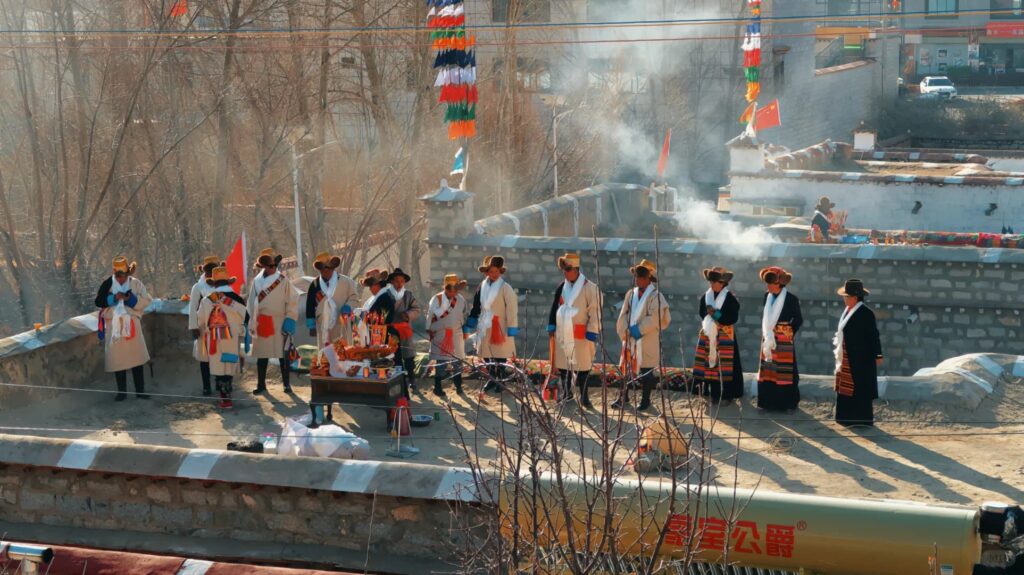
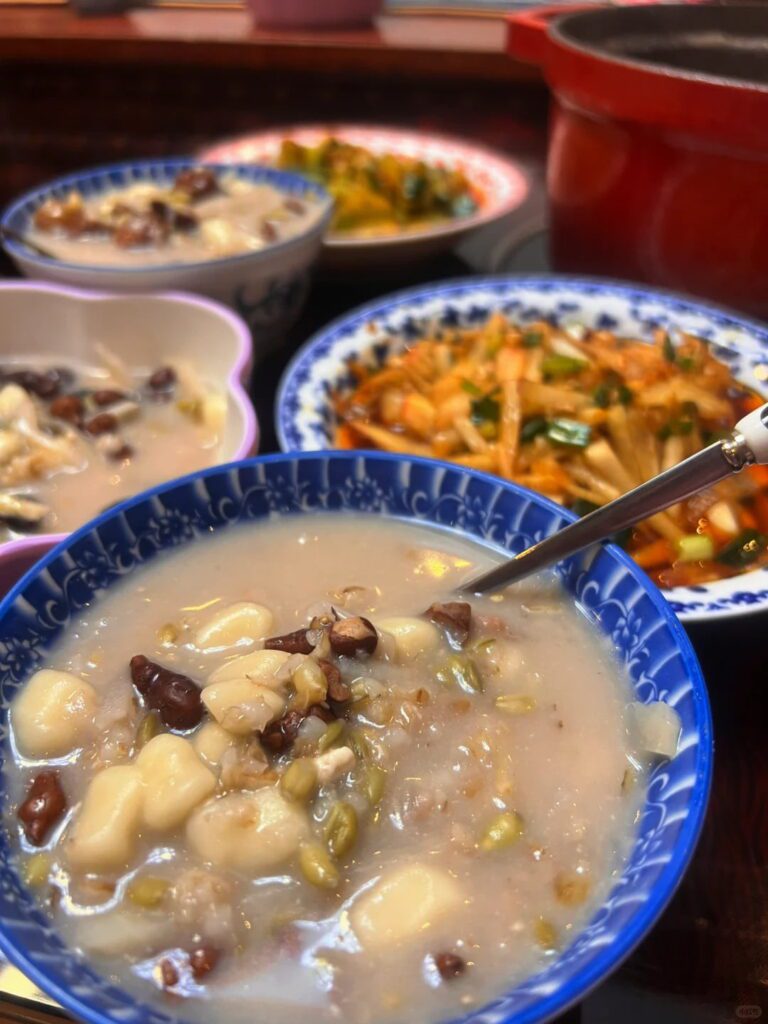
Losar is the most important festival for the Tibetan people. Families burn incense to pray for blessings, place auspicious symbols on their doors, and prepare “Guthuk” soup, while monasteries chant prayers and ring bells to welcome the new year. The entire city of Lhasa is filled with a strong festive atmosphere.
2. Butter Lamp Festival (Chönga Chupa)
- Tibetan Calendar Date: January 15
- Estimated Gregorian Date.. 2026/03/03
As the Great Prayer Festival (Monlam Chenmo) reaches its climax and conclusion, the city of Lhasa is illuminated by thousands of butter lamps at night. Monasteries display intricate butter sculptures of flowers, figures, and sacred deities, creating a stunning interplay of light and shadow that fills the city with a solemn yet mesmerizing atmosphere.
3.Saga Dawa Festival (Vesak Day)
- Tibetan Calendar Date: April 15
- Estimated Gregorian Date.. May 31, 2026
This festival commemorates the birth, enlightenment, and parinirvana of Buddha Shakyamuni. The entire fourth month of the Tibetan calendar is considered the “Month of Merit,” during which devotees perform good deeds—reciting prayers, freeing captive animals, and circumambulating sacred sites. The celebrations are especially grand in Lhasa and Shannan.
4. Gyantse Horse Racing Festival (Dama Festival)
- Tibetan Calendar Date: April 10–28
- Estimated Gregorian Date.. 2026/05/25-06/12
Originating in Gyantse, this traditional folk festival features horse racing, archery, dancing, and local trade fairs. It is one of the most representative community celebrations in Tibet, blending entertainment with religious devotion.
5. Mountain Pilgrimage Festival (Zhubatse)
- Tibetan Calendar Date: 4th day of the sixth month
- Estimated Gregorian Date July 18, 2026
Devotees carry food as they ascend the mountains to worship sacred peaks and recite prayers, symbolizing reverence for nature and the deities.In some regions, mountain worship rituals are also held, creating a solemn and dignified atmosphere.
6. Shoton Festival (Tibetan Opera / Yogurt Festival)
- Tibetan Calendar Date: From the 30th day of the sixth month to the 5th day of the seventh month
- Estimated Gregorian Date.. August 12, 2026 (main day)
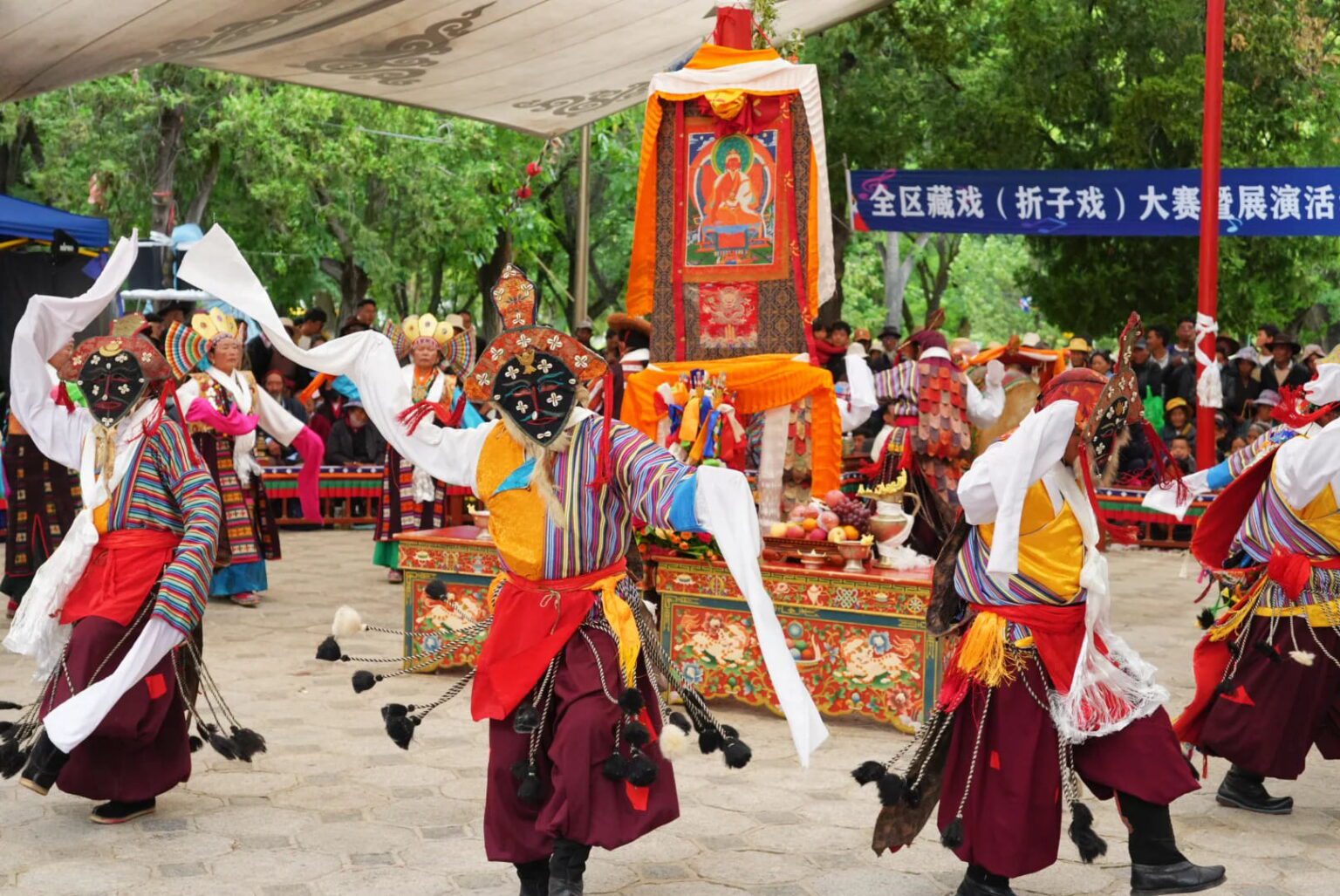
Also known as the “Yogurt Festival.” On the first day of the festival, a giant Buddha thangka is unveiled at Drepung Monastery, followed by Tibetan opera performances and butter-feast gatherings across Lhasa, making it one of the most vibrant summer festivals for the Tibetan people.
7. Bathing Festival (Gamariji)
- Tibetan Calendar Date: Early seventh month
- Estimated Gregorian Date Around mid to late August 2026
According to legend, divine nectar descends from the heavens at this time, and people bathe and wash clothes by the rivers to cleanse themselves, symbolizing the removal of illness and worries from the past year and welcoming renewed peace and health.
8. Tibetan Light Festival
- Tibetan Calendar Date: 24th–25th day of the tenth month
- Estimated Gregorian Date.. December 2–3, 2026
Commemorating the parinirvana of Master Tsongkhapa and his disciples. After nightfall, Ganden Monastery and local homes light thousands of butter lamps, symbolizing wisdom and compassion illuminating the world.
9. Ghost-Expelling Festival (Guthuk Night)
- Tibetan Calendar Date: 29th day of the twelfth month
- Estimated Gregorian Date.. February 16, 2026
On the eve of the Tibetan New Year, households perform the “Guthuk ritual,” eating a traditional nine-ingredient soup to expel negativity and welcome good fortune, symbolizing the removal of the old and the arrival of the new.
Dates are primarily based on the Tibetan calendar; any discrepancies are kindly appreciated.
3. Tibetan Religious Festivals (Prayer and Ritual Assemblies)
Tibetan festivals are closely connected with nature; from springtime mountain prayers to summer horse racing, each celebration carries gratitude toward heaven and earth, as well as blessings for life.
| Festival Name | Tibetan Calendar Date | Estimated Gregorian Date | Festival Highlights |
|---|---|---|---|
| Archery Festival | 1st day of the third month (Tibetan calendar) | Approximately early April 2026 | Originating from ancient hunting traditions, it has evolved into a popular competitive event. |
| Mountain Festival | 6th day of the third month (Tibetan calendar) | About mid-April 2026 | A ritual honoring mountain deities, praying for favorable weather and the safety of people and livestock. |
| Bird Welcoming Festival | 15th day of the third month (Tibetan calendar) | Approximately late April 2026 | Symbolizing good fortune through birds, the festival welcomes blessings and prays for a bountiful harvest.. |
| Nyungne Festival (Fourth-Month Assembly) | 14th day of the fourth month (Tibetan calendar) | Approximately late May 2026 | Commemorating the Buddha’s enlightenment, devotees chant the Six-Syllable Mantra to accumulate merit and pray for blessings. |
| Sangye Menla Festival | 5th day of the fifth month (Tibetan calendar) | Approximately mid-June 2026 | Known as the Medicine Buddha Festival, people gather herbs in the mountains and pray for health and well-being. |
| Xianglang Festival (Gannan Region) | 6th day of the sixth month (Tibetan calendar) | Approximately early July 2026 | Originating from firewood-gathering traditions, it has become a popular outdoor festival for all. |
| Linka Festival (Incense-Burning Festival) | 15th day of the fifth month (Tibetan calendar) | Approximately late June 2026 | People gather in parks and wooded areas to burn incense and relax, symbolizing happiness and a good harvest. |
| Northern Tibet Horse Racing Festival | During the sixth month (Tibetan calendar) | Approximately July to August 2026 | A major grassland horse racing event and the liveliest summer festival in northern Tibet. |
| Yarlung Cultural Festival | 15th day of the eighth month (Tibetan calendar) | Approximately mid-September 2026 | Showcasing the cultural origins of Tibet and the heritage of the Shannan region. |
Dates are primarily based on the Tibetan calendar; any discrepancies are kindly appreciated.
4. Regional and Seasonal Festivals (Unique Tibetan Cultural Events)
In addition to well-known festivals, many regions across Tibet preserve local celebrations that are closely tied to agricultural and pastoral life, making them popular themes for photography and cultural travel.
| Festival Name | Tibetan Calendar Date | Estimated Gregorian Date | Festival Highlights |
|---|---|---|---|
| Kangding Horse Racing Festival | 18th day of the fifth month (Tibetan calendar) | Approximately late June 2026 | An annual major event in the Sichuan–Tibet region, combining singing, dancing, and trade activities. |
| Ox King Festival | 8th day of the sixth month (Tibetan calendar) | Approximately early July 2026 | A ritual honoring the Ox Deity to give thanks for a good harvest and pray for healthy livestock and community well-being. |
| Langzha Rejia Festival | The fourth day of the fifth month of the Tibetan calendar | Approximately mid-June 2026 | A summer celebration in pastoral areas featuring traditional songs, dances, and competitive events. |
| Pabang Tangkor Festival | Tibetan Summer | Approximately summer 2026 | An ancient Kadam school religious ceremony and an important Buddhist event in the Lhasa region. |
| Tingri Horse Racing Festival | Held three times a year (spring / summer / autumn) according to the Tibetan calendar | About spring, summer, and fall, once each. | A traditional herdsmen's horse racing event in Tingri. |
| Winter Great Prayer Assembly (Cham Festival) | 23rd to 29th day of the eleventh month (Tibetan calendar) | Approximately December 2026 | Monks perform masked cham dances to pray for peace and good fortune in the coming year. |
Dates are primarily based on the Tibetan calendar; any discrepancies are kindly appreciated.
5.Understanding Tibet’s Spiritual Rhythm Through Its Festivals
Tibetan festivals are not merely markers of time, but living expressions of faith.
From the New Year’s celebrations of Losar to the light-filled Ganden Ngamchoe, from solemn prayer assemblies to vibrant horse races on the grasslands — every festival reflects the Tibetan people’s deep reverence for nature and their enduring love for life.
If you’re planning to visit Tibet in 2026, consider arranging your trip around the festival calendar.
Embark on a soulful journey that flows with Tibet’s festivals.