Tibet travel is often described as “the journey closest to the sky,” a mystical trip many travelers dream of taking at least once in their lifetime.And whether it's your first time on the plateau or you’ve visited many times, each arrival feels like opening a new door to the unknown.Or like beginning a new conversation with your own soul.
The CITS editorial team has compiled for you: The 10 must-visit attractions in TibetFrom UNESCO heritage sites to pristine lakes, towering snow mountains, ancient monasteries, and even lesser-known but fascinating fortresses and glaciers—each destination deserves a proper visit.
1. Potala Palace|A landmark you must pilgrimage to at least once in your life
A UNESCO World Heritage Site · The symbol of Lhasa
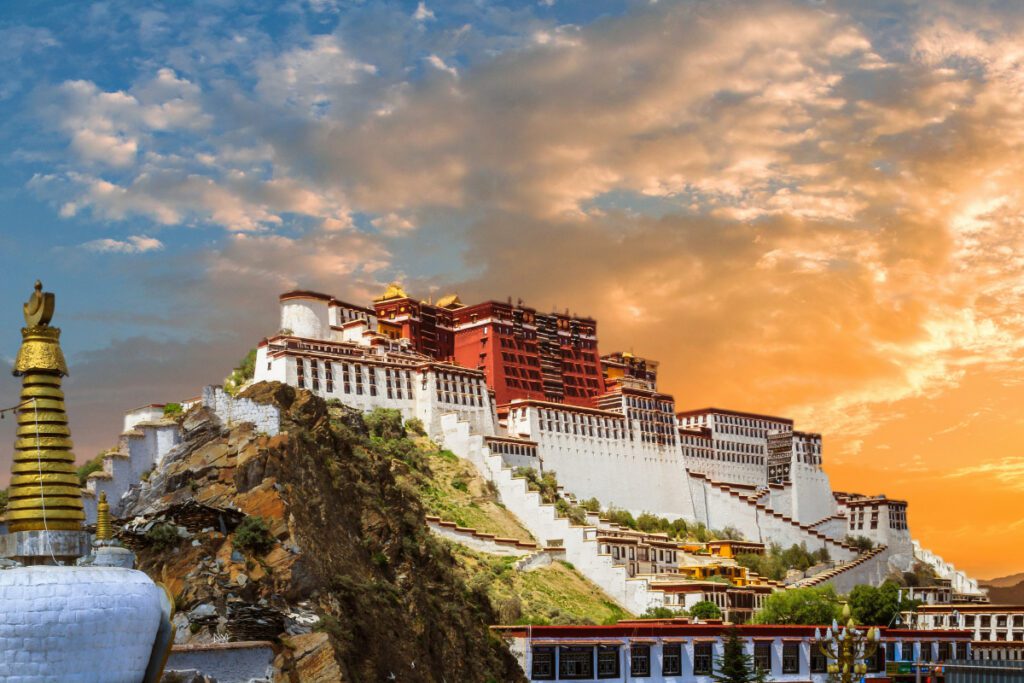
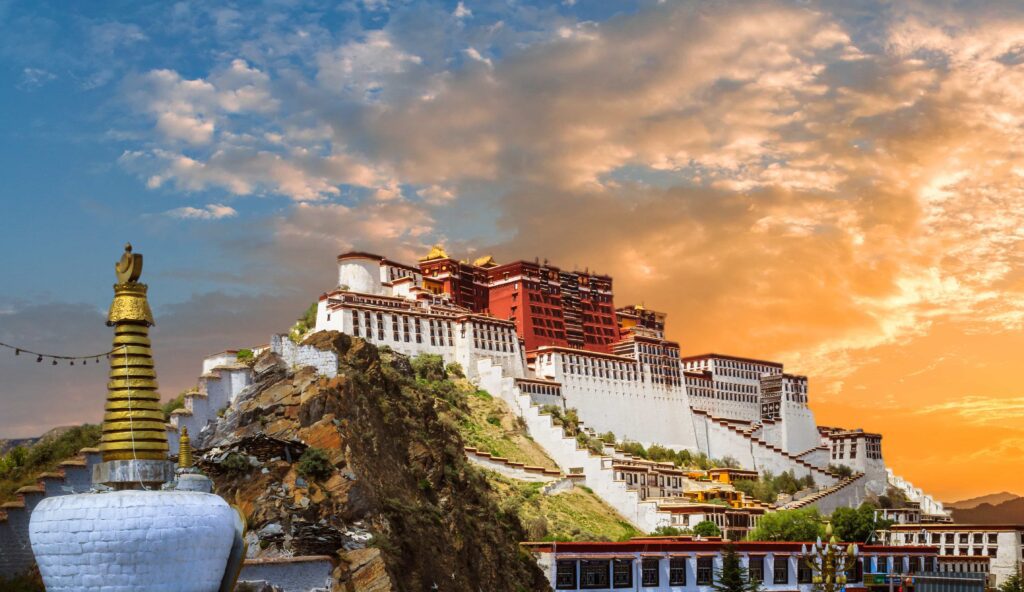
Potala PalaceFor most travelers, the Potala Palace is the “first image of Tibet” and one of its most iconic landmarks.It is the iconic landmark that represents the very first impression most people have of Tibet.
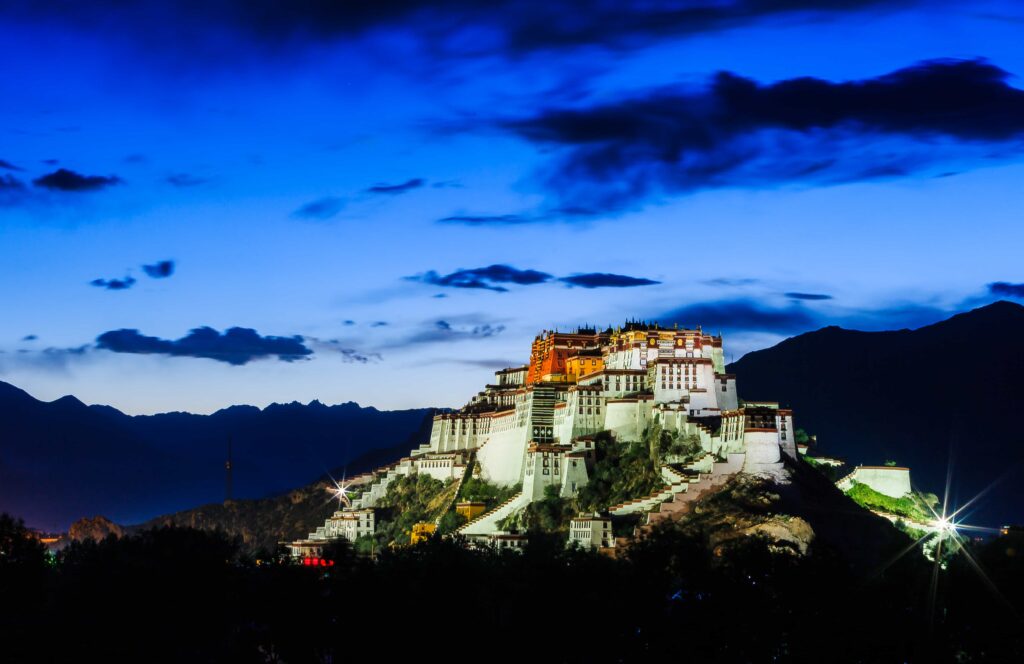
The White Palace and Red Palace rise tier by tier along Red Hill, appearing like a massive miracle growing out of the mountain—a core center of Lhasa’s faith and history.
Highlights of the Potala Palace
- The residence of successive Dalai Lamas, preserving the most essential religious and political history of Tibet.
- Inside the palace are vast collections of murals, thangkas, and sacred statues (photography is prohibited in most halls—visitors are encouraged to experience it mindfully).
- From the viewing terrace, you can overlook Lhasa—red and white palace walls blending with the high-altitude sky create the most iconic image of Tibet.
Why do we recommend visiting?
Because the Potala Palace is not just a “tourist attraction,” but a symbol that overwhelms you the moment you stand before it — a spiritual presence..
Here, you will truly feel the weight of faith, history, and human civilization.
2. Jokhang Temple | A Thousand Years of Burning Incense, the Beating Heart of Lhasa
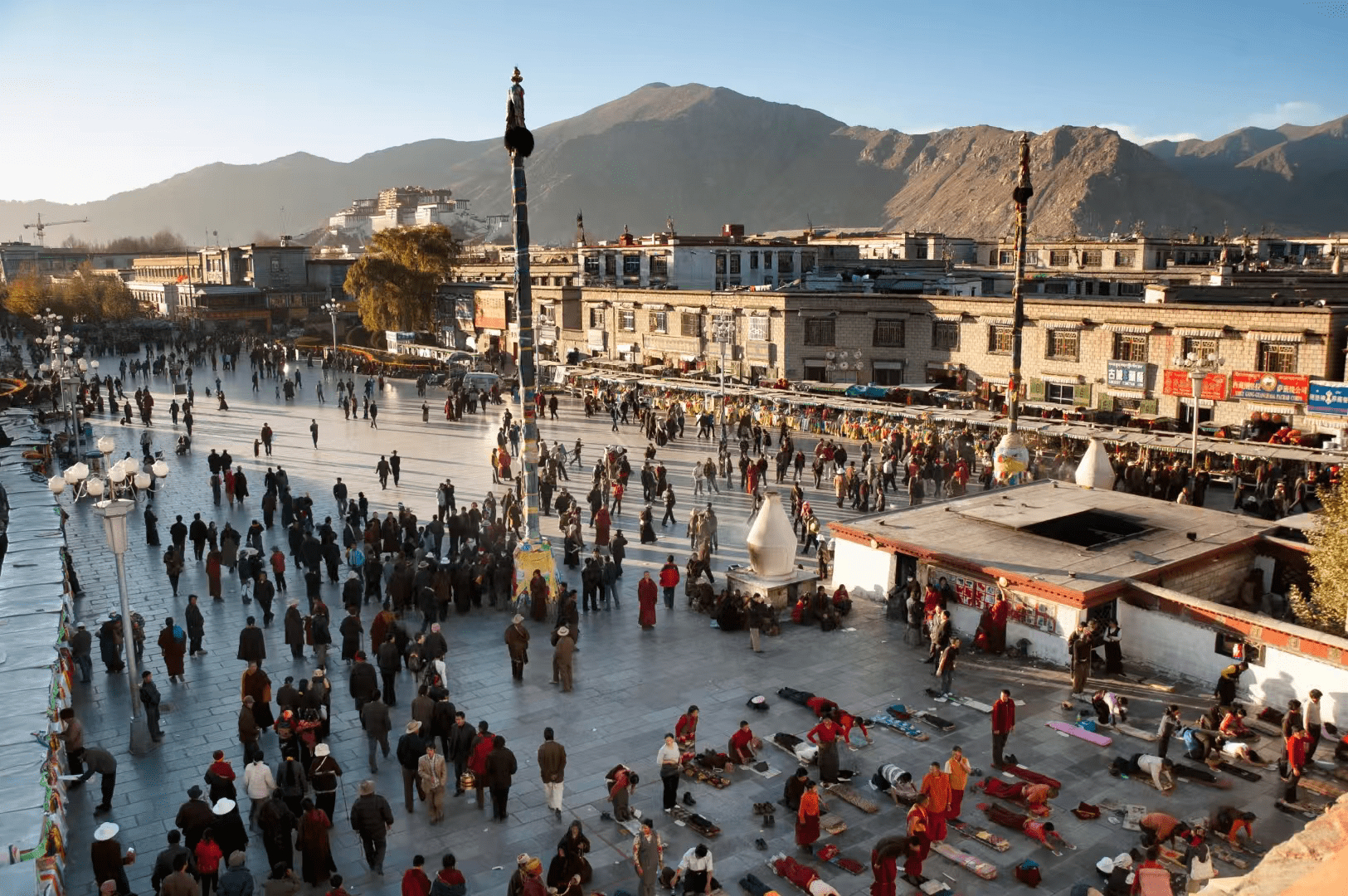
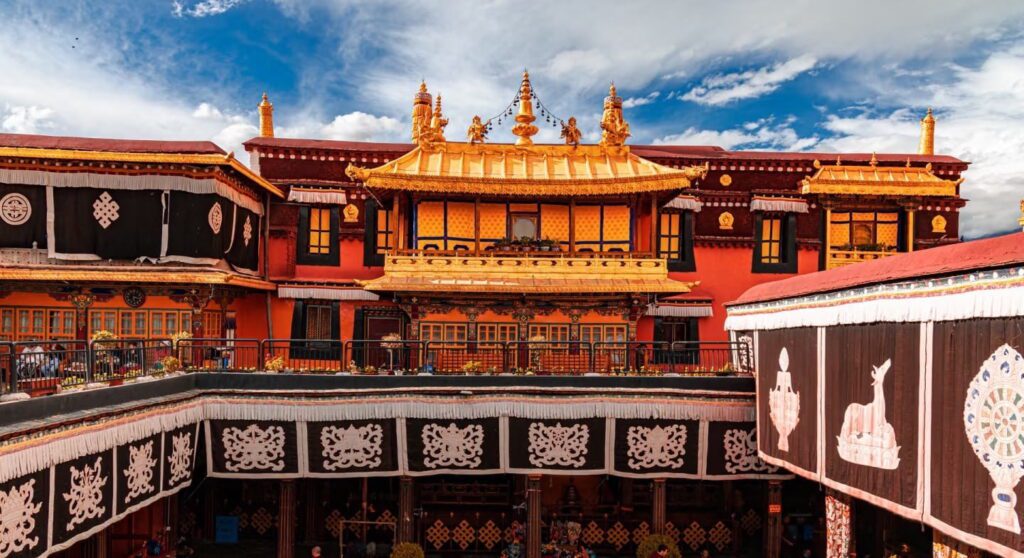
Jokhang Temple sits at the heart of Lhasa’s old city, known as“First came Jokhang Temple, then came the city of Lhasa.”It is a lifelong pilgrimage site for Tibetan Buddhists and the spiritual heart of Lhasa.
Highlights of Jokhang Temple
- The life-sized 12-year-old Shakyamuni statue brought by Princess Wencheng — the most sacred relic in the temple.
- The devotees performing prostrations year-round outside the temple reflect the truest daily expression of Tibetan faith.
- Connected with Barkhor Street, the kora route feels like walking into the heartbeat of Tibet.
The part that leaves the deepest, most unforgettable impression
What moves people most about Jokhang Temple is not its grandeur, but the way a thousand years of living faith still pulses vividly. .You will catch yourself thinking, “Ah… so this is what true faith looks like.
Even without any religious background, the sincerity here will move you deeply.
3. Xiuba Fortress | The Most Mysterious “Sky Castle of Tibet”
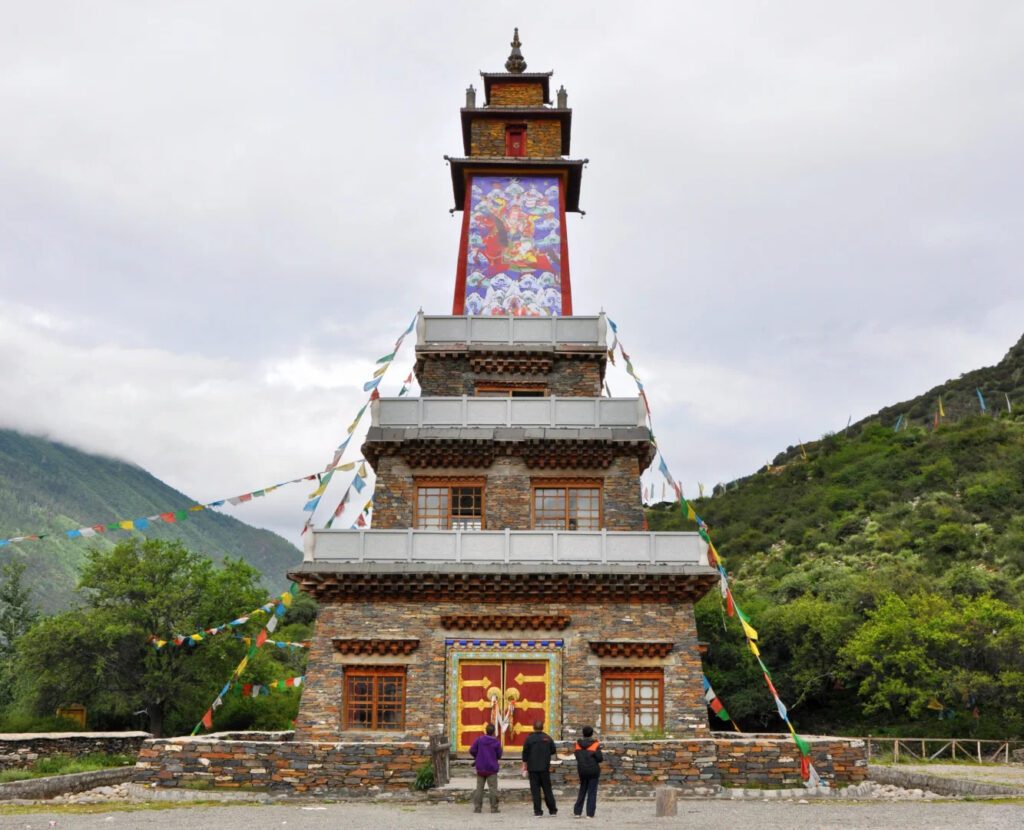
Xiuba Ancient Fortress in Nyingchi is a unique yet lesser-known thousand-year-old site.Here, stone-built fortresses rise layer by layer along the mountainside, resembling a thousand-year-old highland citadel from afar.Up close, their unique structure will truly amaze you!
Must-see Highlights of Xiuba Fortress
- A cluster of stone-stacked fortresses filled with a strong sense of ancient history.
- Ancient Tibetan tribal ruins that carry an aura of mystery.
- Photographs look epic—just like scenes from a movie.
- During peach blossom season, it becomes a hidden blossom paradise—fortresses surrounded by pink blooms create a dreamy scene.
Why is this Tibetan hidden gem worth visiting?
Because Xiuba Fortress preserves its original, quiet, and non-commercialized charm. It is a favorite hidden spot for travelers who love history and off-the-beaten-path places. Whether you visit during the peach blossom season or any other time, you’ll always discover something unexpected.
4.Yamdrok Lake | Known as “The Sapphire Spilled by God”
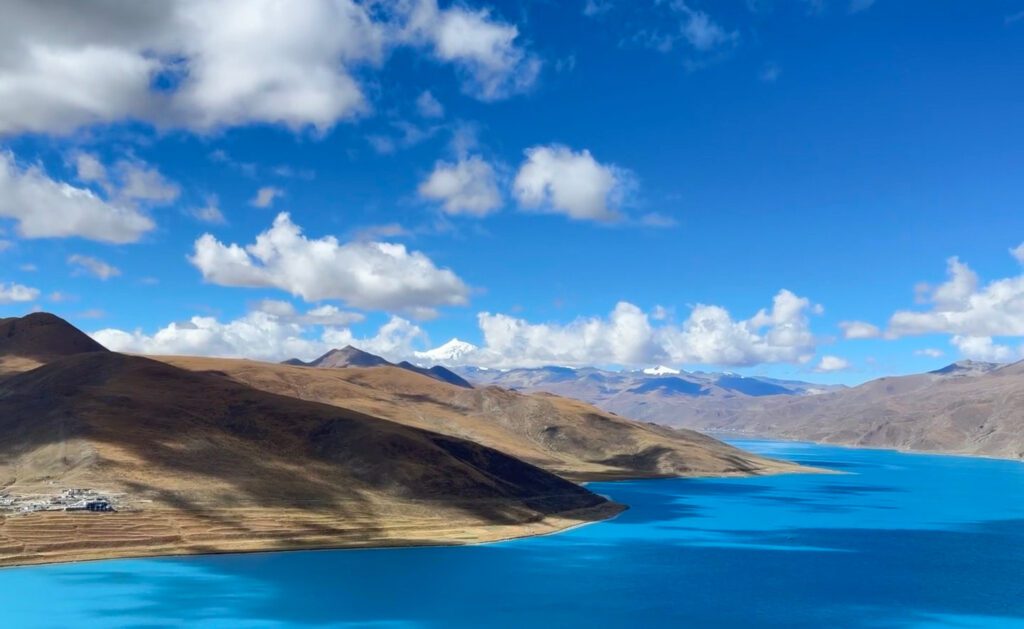
Yamdrok Lake is one of the three great sacred lakes of Tibet.It is also the most iconic and must-visit lake in the Shannan (Lhoka) region.
Its winding, irregular shape drapes across the plateau like a blue ribbon. With shifting light and seasons, the shades of blue become breathtaking. There is a special shade of blue here—Yamdrok Blue.
Recommended Experiences at Yamdrok Lake
- Enjoy a panoramic view of Yamdrok Lake from the Gampala Pass—its beauty is stunning at first sight.
- Take photos with yaks or lambs for a classic highland memory (note: this requires a small fee—don’t forget to bargain!).
- Stroll along the lakeshore and feel the unique tranquility and vastness of a high-altitude lake.
- You can also feed seagulls here—enjoy this special highland wildlife interaction up close.
The blue of Yamdrok Lake is the kind of blue that you can’t forget at first sight—and can’t stop photographing.It’s a beauty that becomes one of the most unforgettable memories of Tibet.
5. Sakya Monastery | The Tricolor “Mother Temple of the Sakya School,” Home to Scripture Collections Known as the Second Dunhuang
Sakya Monastery is located in Sakya County of Shigatse City, near the return section of the Everest route.Well-planned itineraries often include a visit to Sakya on the return journey, allowing travelers to experience a highland monastery unlike any other.
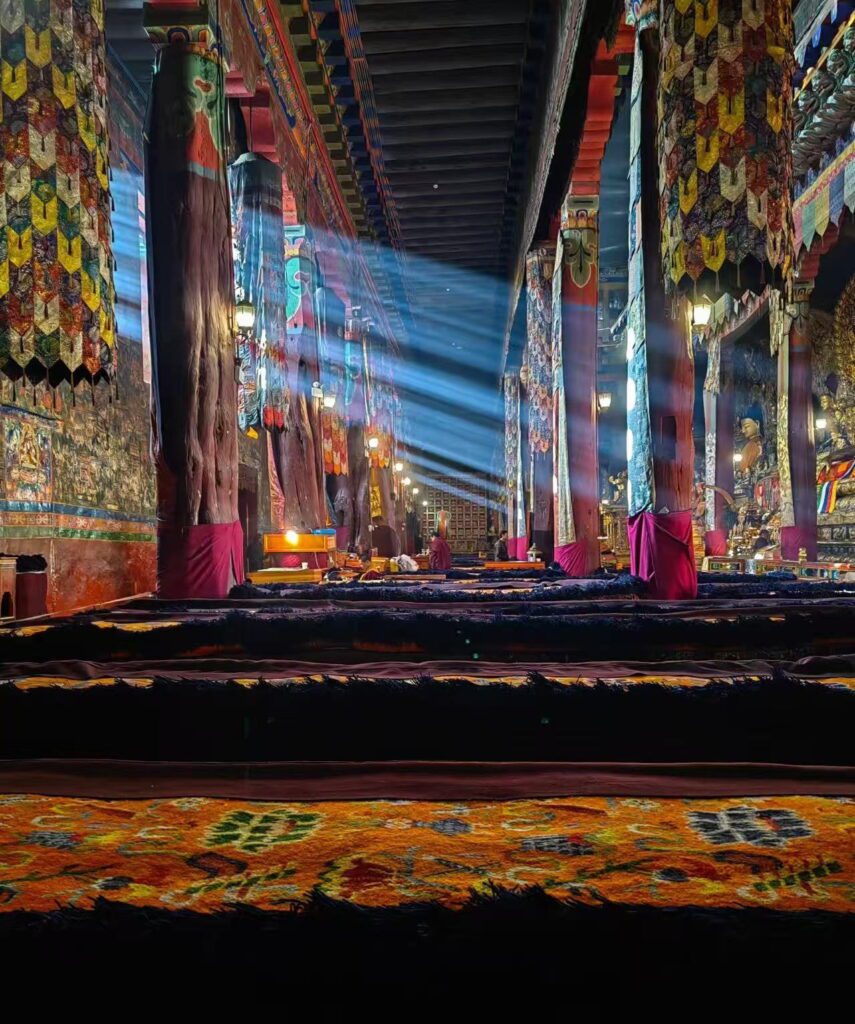
Sakya Monastery is the ancestral temple of the Sakya school of Tibetan Buddhism. .It is known for its grey, white, and red walls, which from afar resemble a majestic fortress—powerful and solemn.
Must See Highlights at Sakya Temple
- The principal monastery of the Sakya school—one of Tibetan Buddhism’s four major traditions.
- Its grey-white-red walls symbolize wisdom, purity, and strength.
- It houses a vast collection of handwritten scriptures—many of which are the only surviving copies—earning it the title “The Second Dunhuang.”
- It is not a lavish monastery, but a profound, ancient, and quietly powerful cultural stronghold.
The Unique Charm of Sakya Monastery
It is not a lavish monastery, but a profound, ancient, and quietly powerful cultural stronghold. .
Highly recommended for travelers who love history, religion, and deep cultural exploration.
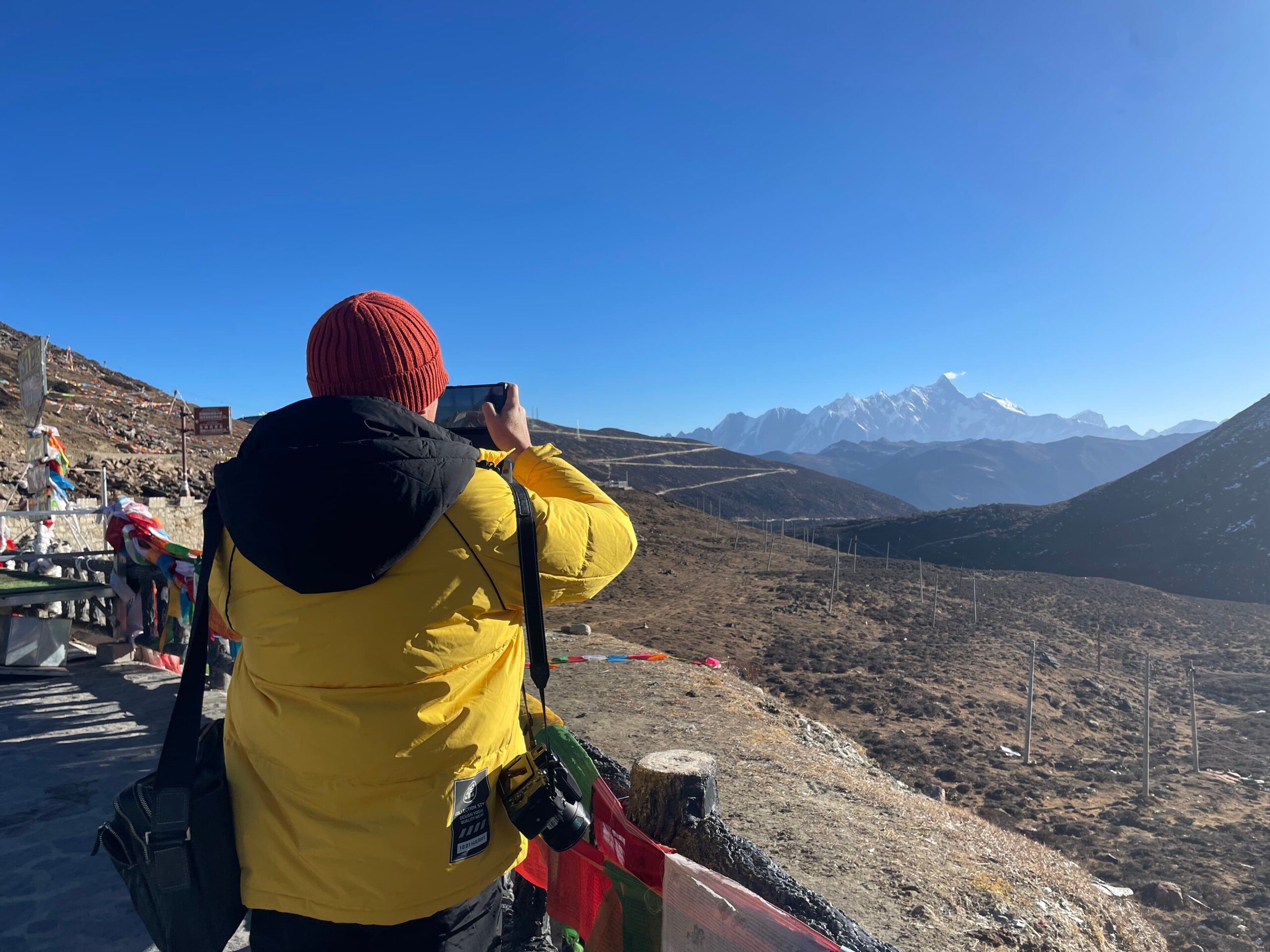
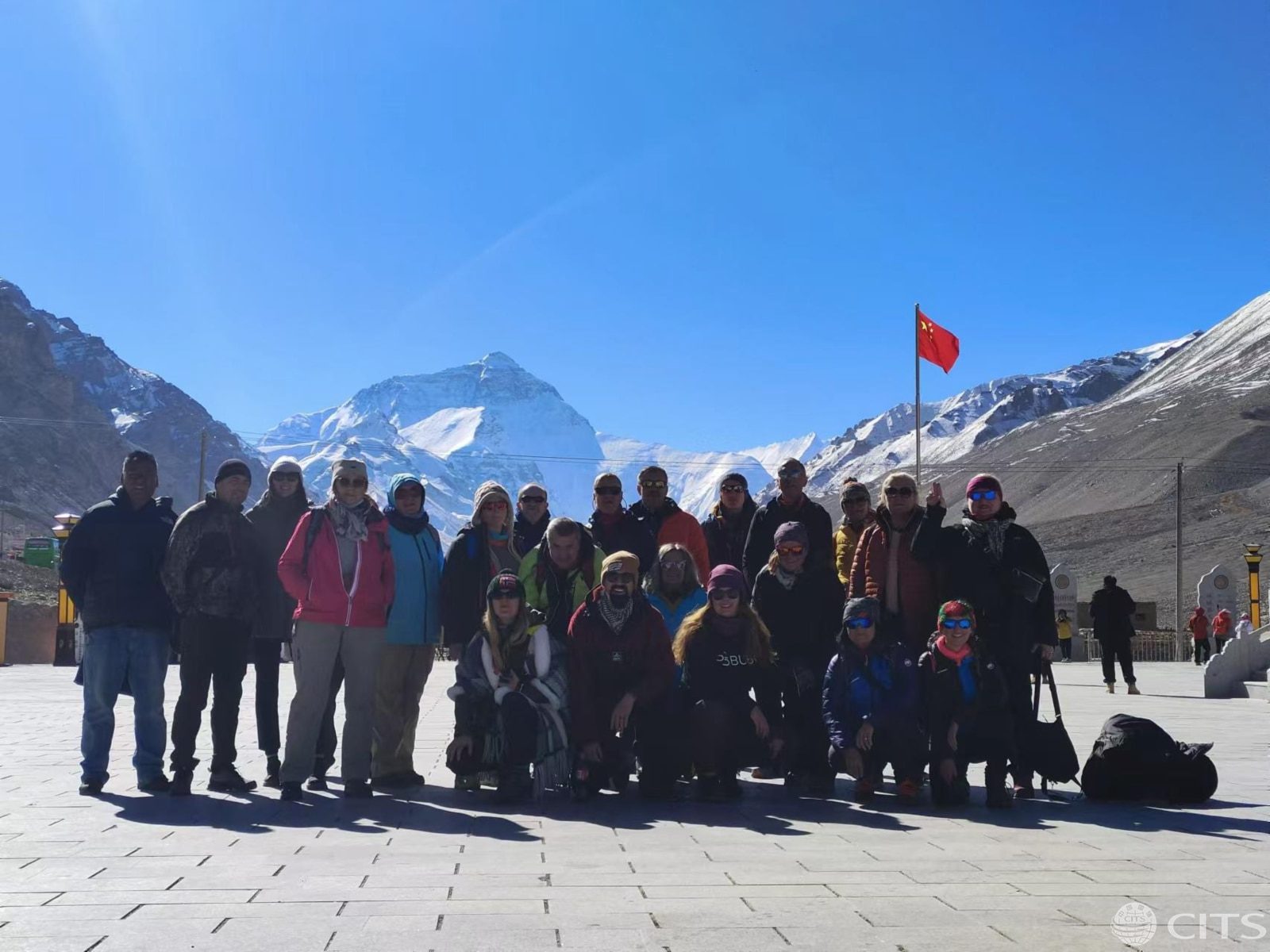
6. Everest Base Camp | Seeing Mount Everest Up Close Once Can Change Your Entire Outlook on Life
Mount Everest is the dream of travelers from all over the world.
Spending a night in a tent at Everest Base Campenjoying a dinner closest to the sky, gazing at the star-filled, light-pollution-free night, and witnessing the silent world’s highest peak—will become one of the most unforgettable moments of your life.
Must-See Highlights at Everest Base Camp
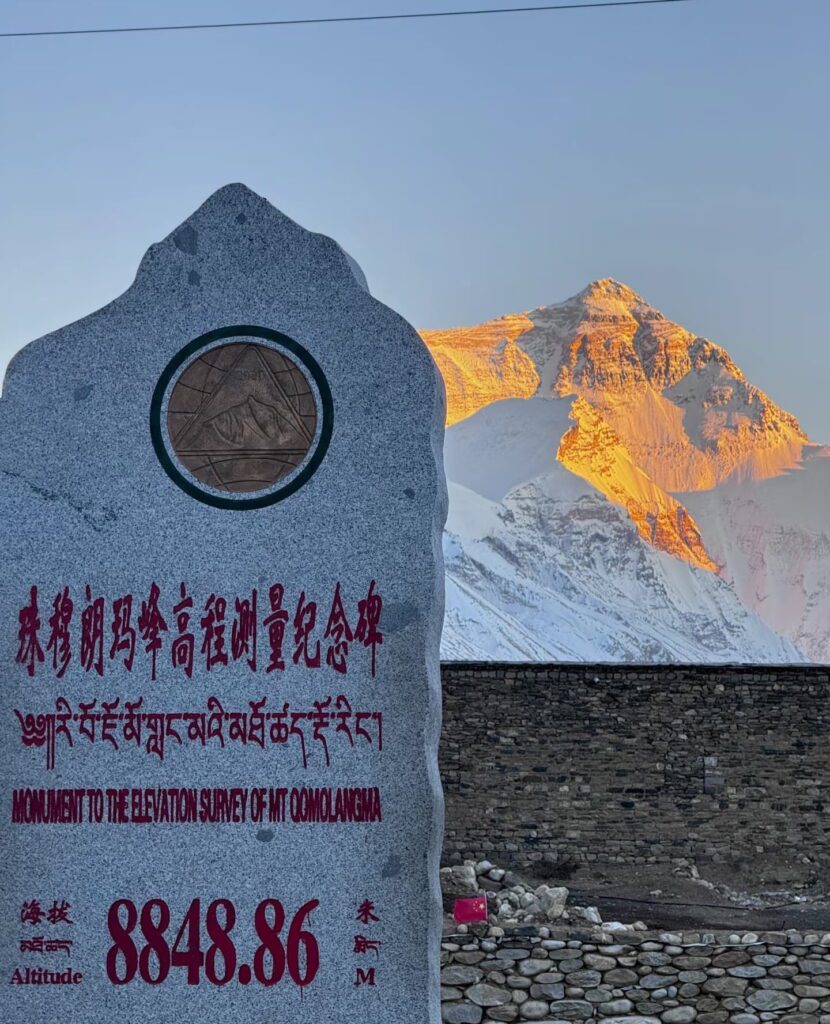
- See the majestic silhouette of the world’s highest peak with your own eyes.
- Both sunrise and sunset over Everest—known as the “Golden Summit Glow”—are once-in-a-lifetime sights.
- Everest beneath a star-filled sky is breathtaking beyond words.
- The nearby Rongbuk Monastery is also worth a visit.
- There are many special altitude markers here. If you stay overnight, you don’t need to squeeze with other travelers for sunset photos—you can take them easily the next morning.
Many people say
that the moment they see Everest, tears fall on their own.It’s an indescribable emotion that arises only when you stand before the overwhelming power of nature.
7. Tashilhunpo Monastery | The Largest Monastery in Tsang and a Major Center of Tibetan Buddhism
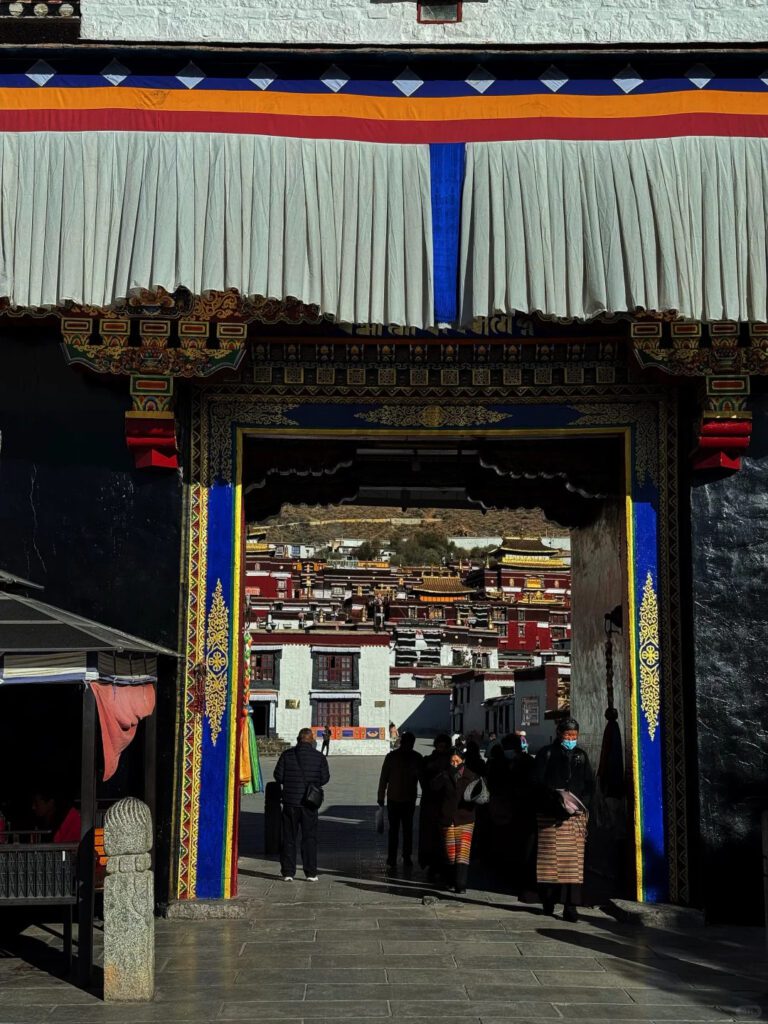
Tashilhunpo Monastery is located in Shigatse City,It is the most influential monastery in the Tsang region and the traditional residence of successive Panchen Lamas.Together with Lhasa’s Potala Palace and Jokhang Temple, it forms the three spiritual pillars of Tibetan religious culture.Built against the hillside, its striking red, white, gold, and black palette radiates dignity and strength under the sunlight, making it one of the most iconic architectural complexes on the plateau.
Highlights of Tashilhunpo Monastery
- The world’s largest bronze statue of Maitreya Buddha (the Future Buddha)
Standing 26 meters tall, the bronze Maitreya is gilded with gold leaf and exudes overwhelming presence — the most awe-inspiring centerpiece of the monastery. - Magnificent Golden Monastic Complex
The interwoven red and white palaces, crowned with gleaming golden roofs, perfectly showcase the majestic aesthetics of Tsang monasteries. - Daily Monastic Life
Monks practice Buddhist teachings daily, and with some luck, you may witness various religious ceremonies. - Red–White–Gold–Black Architectural Palette
Symbolizing wisdom, reverence, compassion, and strength, this palette forms the most harmonious color composition in Tibetan monasteries. - Stupa Halls of the Panchen Lamas
The stupas are adorned with gold and precious gems, radiating solemnity and holiness — a key place to understand Tsang culture.
Why You Should Not Miss This Place
Because this is far more than a monastery — it is the most concentrated embodiment of Tsang culture and Tibetan Buddhist wisdom..
Walking beside the red-and-white walls while hearing the sound of the ceremonial horns, you will feel Tibet’s deepest cultural essence right before your eyes.
8. Lhasa–Shigatse Railway Scenery | The easiest way to enjoy the purest plateau landscapes
The Lhasa–Shigatse Railway connects Lhasa and Shigatse,and is one of the most comfortable and characteristic transportation experiences in Tibet..
Many travelers want to experience the Qinghai–Tibet Railway but don’t have enough time. The Lhasa–Shigatse Railway becomes the perfect alternative—offering beautiful plateau scenery while greatly shortening the travel time between Shigatse and Lhasa.
Along the way, you will see
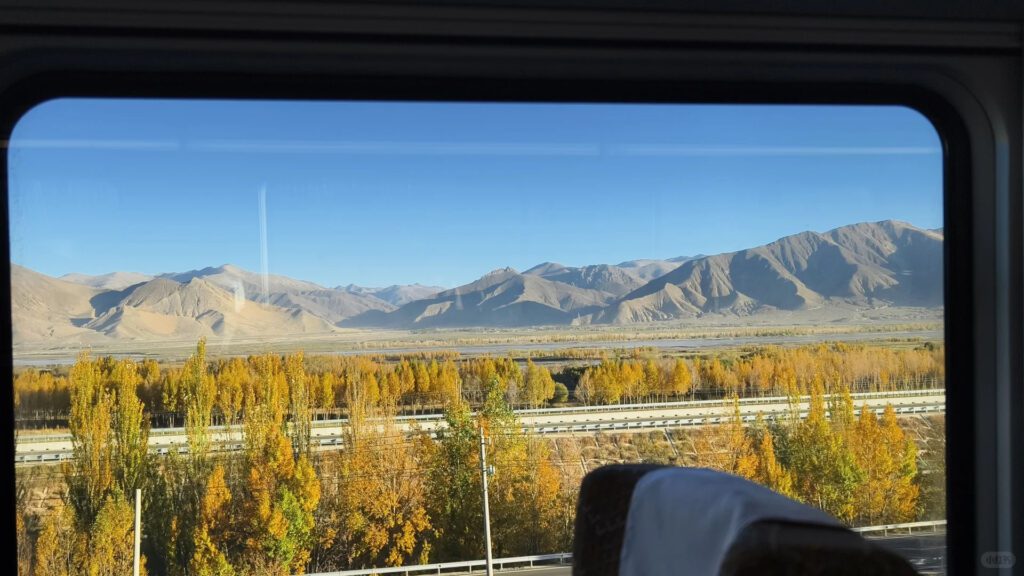
- vast grasslands and golden plains shifting with the seasons,
- with snow-capped mountains accompanying you the entire journey—creating a train ride that feels closest to the sky.
- As one of the world’s highest-altitude railways, the sky feels almost within reach.
- You may also spot groups of yaks, Tibetan antelopes, and other wildlife along the way.
Simply sit by the window, and the entire journey feels like watching a documentary about Tibet.
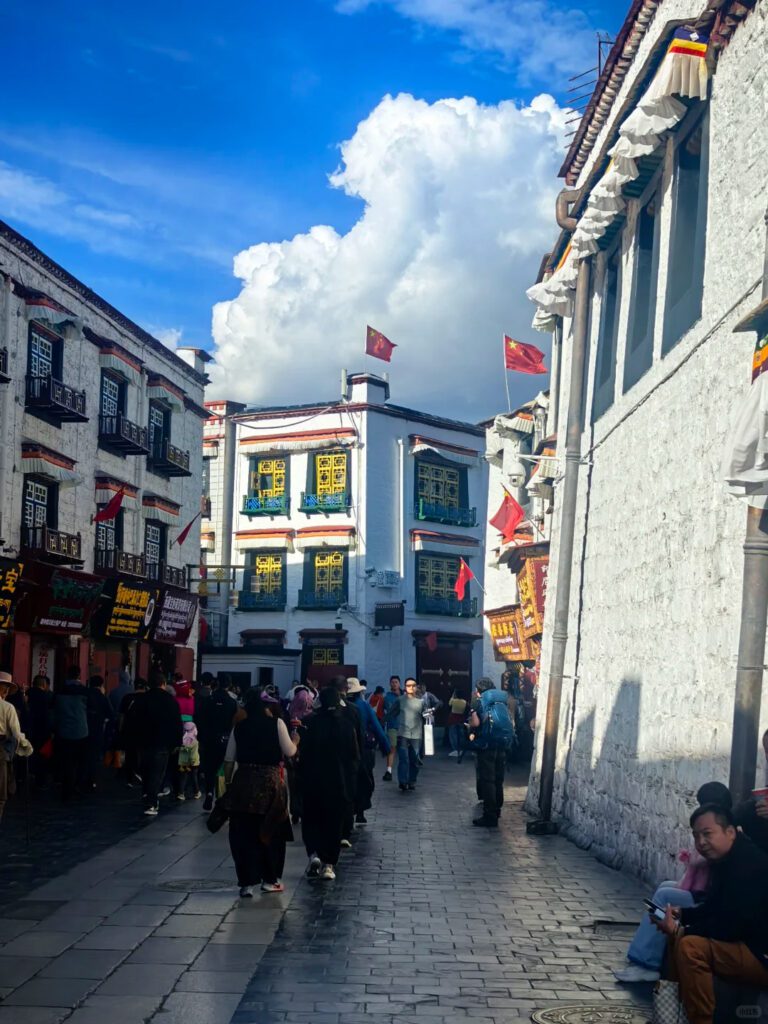
9. Barkhor Street | The best place to feel the daily life of Lhasa
Barkhor Streetis the soul of Lhasa—a place where faith and daily life coexist.
You’ll see prostrating pilgrims, locals chatting by the roadside, and travelers who, like you, have long dreamed of visiting Tibet.With photo studios, craft shops, religious stalls, and local snacks, it is one of the warmest and most vibrant corners of Tibet.
What Makes Barkhor Street Special
- Pilgrims walk the kora route, creating the most authentic scene of daily Tibetan religious life.
- The streets are lively but never chaotic, filled with a strong sense of everyday Tibetan life.
- Creative shops, souvenirs, traditional Tibetan clothing, religious items, and local snacks—everything is here! Just remember to confirm prices before taking travel photos.
- Walking around, you can see Lhasa in its original form.
If you want to truly experience what everyday life in Lhasa feels like, you must visit Barkhor Street.
10. Karola Glacier | The stunning glacier featured in the film Red River Valley
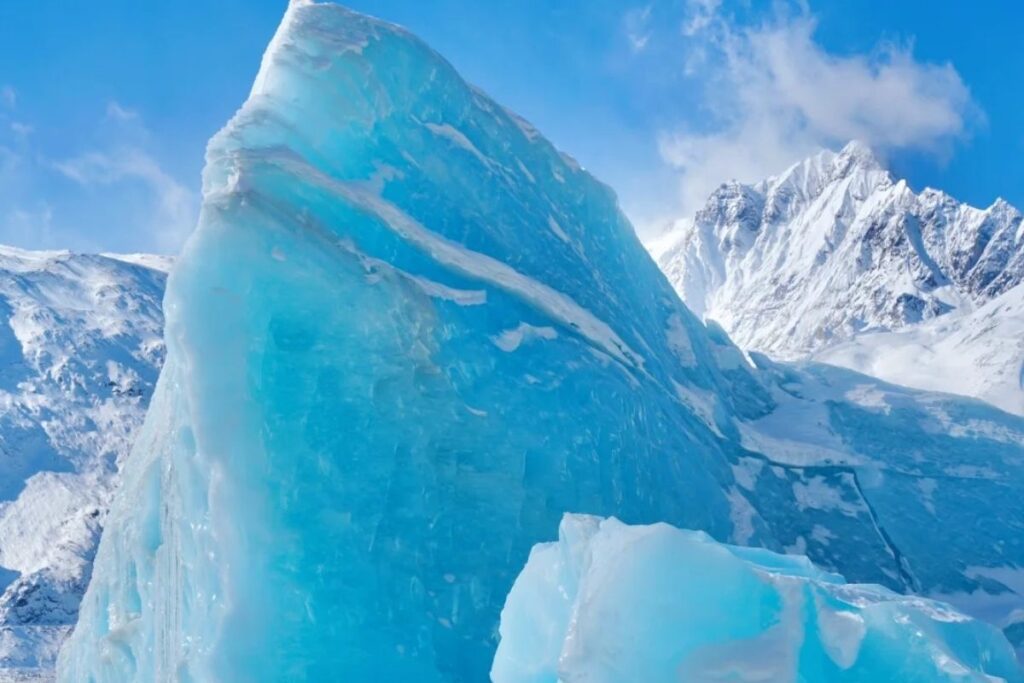
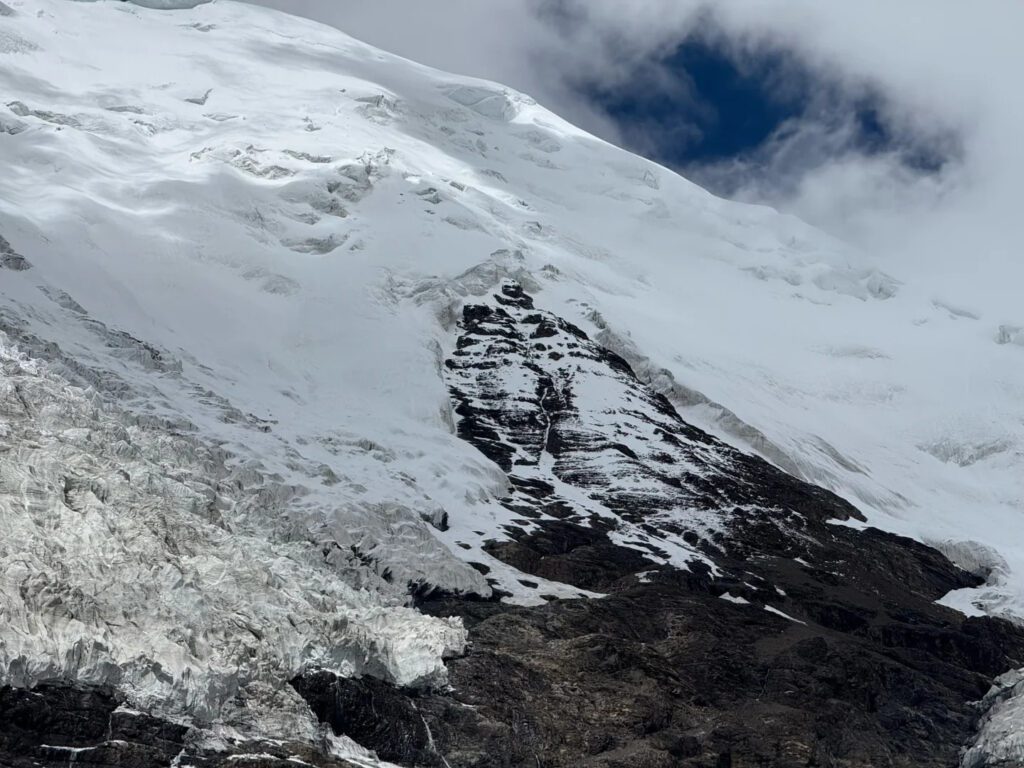
Karola Glacier is one of Tibet’s most accessible high-altitude glaciers. Its massive ice wall cascades down the mountainside like a frozen waterfall—so breathtaking that it leaves visitors speechless.
Highlights of Karola Glacier
- The giant ice wall looks like a frozen waterfall.
- Easily accessible right from the roadside—perfect for photography.
- Majestic in winter, crystal-bright in summer.
- Offers a close-up encounter with the glacier’s immense scale and profound silence.
As global warming accelerates its retreat, every chance to see this glacier becomes even more precious.
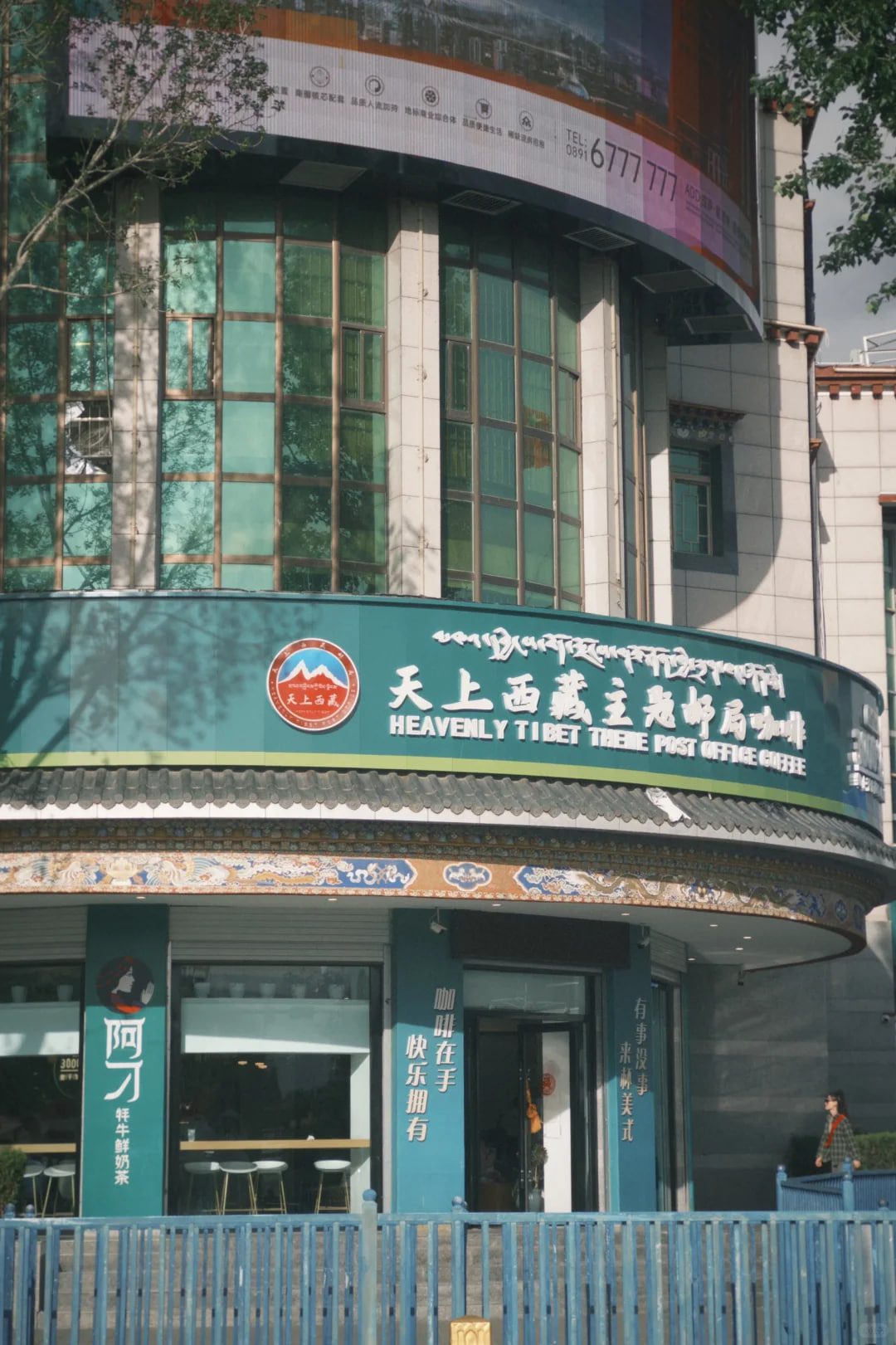
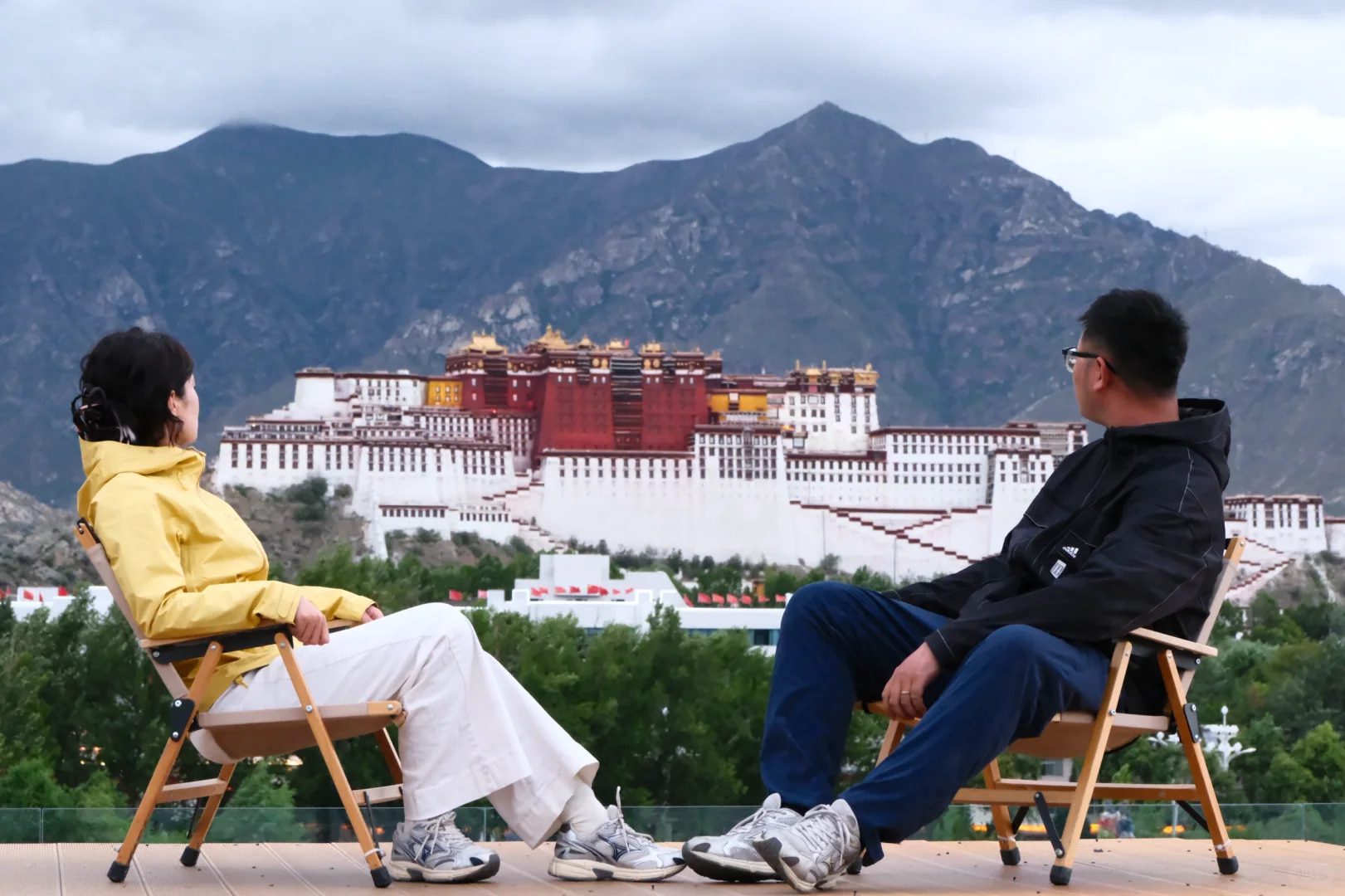
⭐ Special Experience | A must-do in every CITS group: Potala Palace Scenic Afternoon Tea
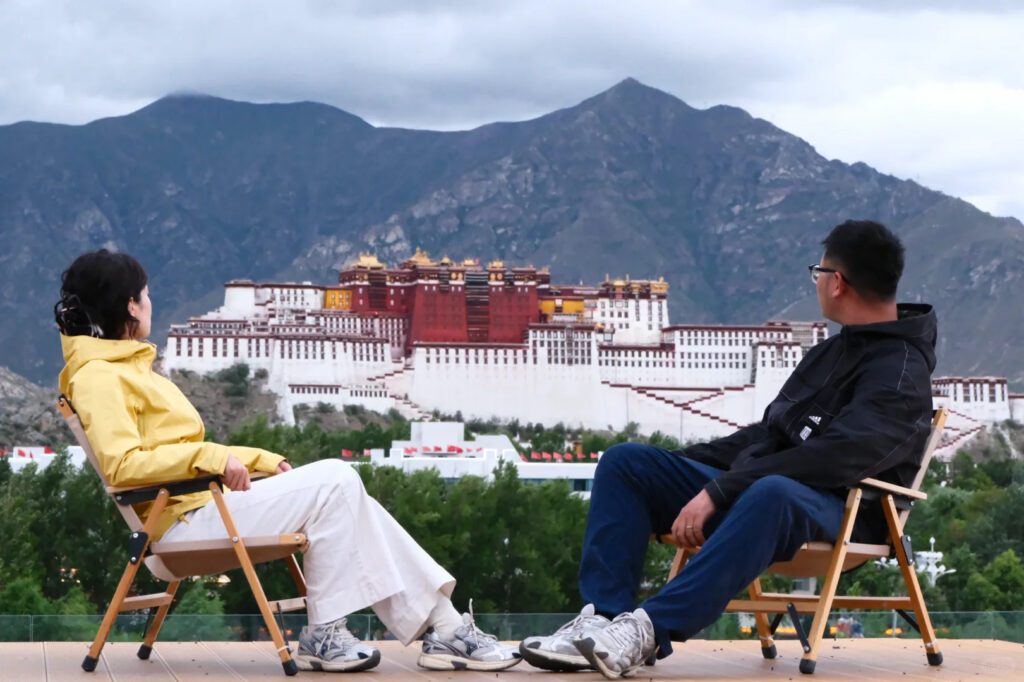
When visiting the Potala Palace, we don’t just take photos from afar.
For each tour, we will arrange for travelers to A famous viewpoint café — Lhasa’s most popular first-row café facing the Potala Palace.
Why is it a must-visit?
- The best frontal view directly facing the Potala Palace.
- Afternoon lighting is the most beautiful and perfect for photography.
- High-altitude afternoon tea makes your trip relaxing and enjoyable.
- You can even film the viral “jump shot” video as a fun souvenir.
This is where you’ll capture The most postcard-worthy moments—perfect for Facebook, IG, and everywhere else..
90% of travelers say: this cup of coffee is the happiest moment of the entire trip.
Recommended Tibet Itineraries
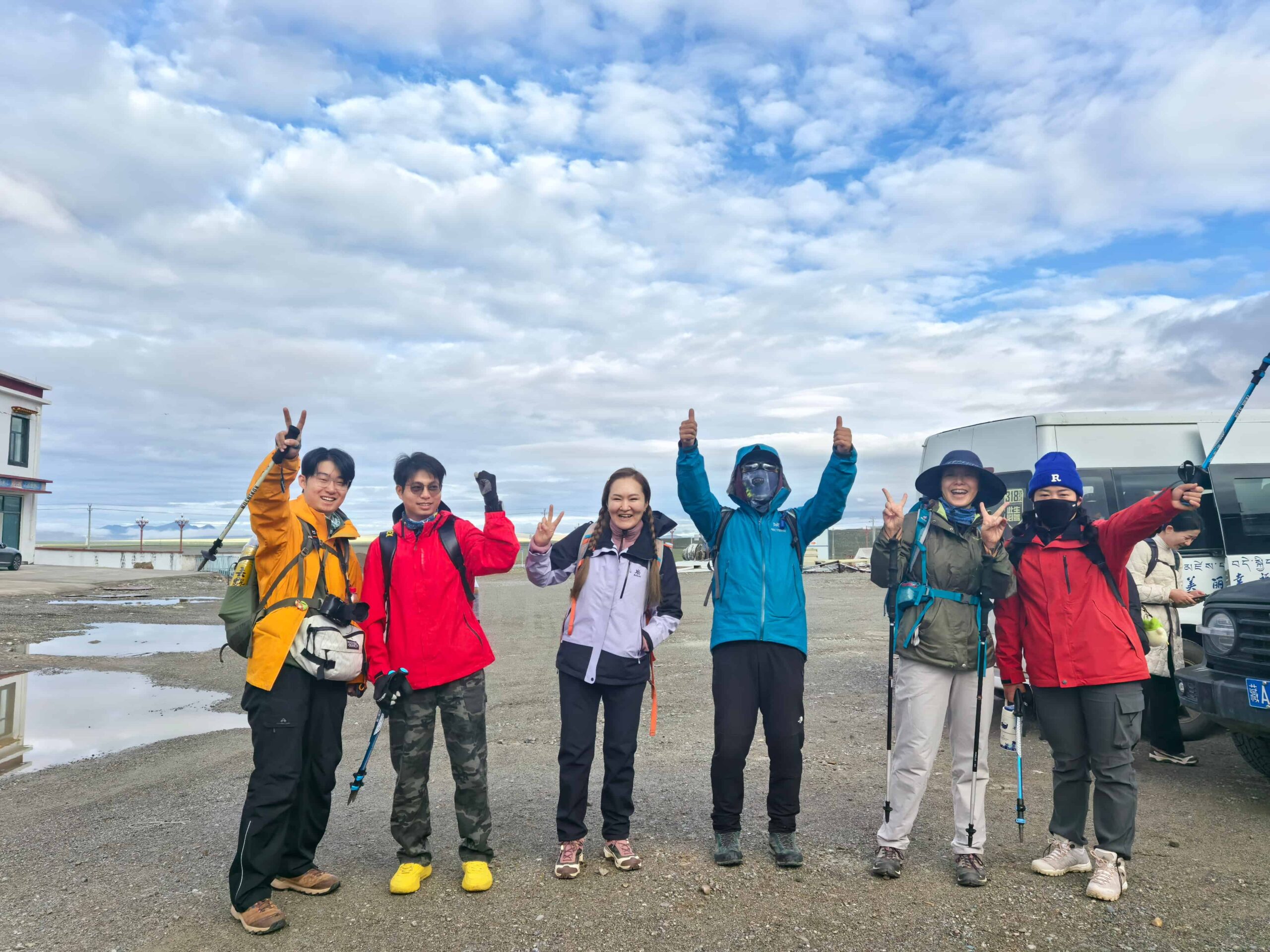
If you’re planning a trip to Tibet and want to cover the best of Lhasa, Shigatse, and Everest Base Camp in one journey, CITS can customize the ideal itinerary based on your schedule, duration, and preferred sights—ensuring smooth pacing and proper altitude acclimatization. Suitable for group tours and private tours!