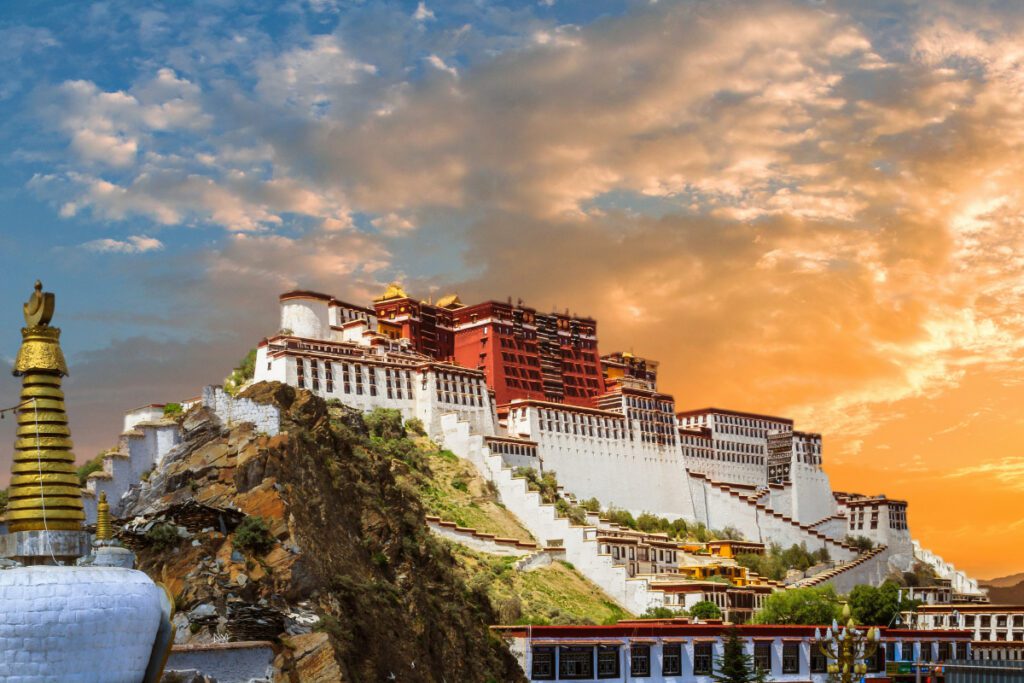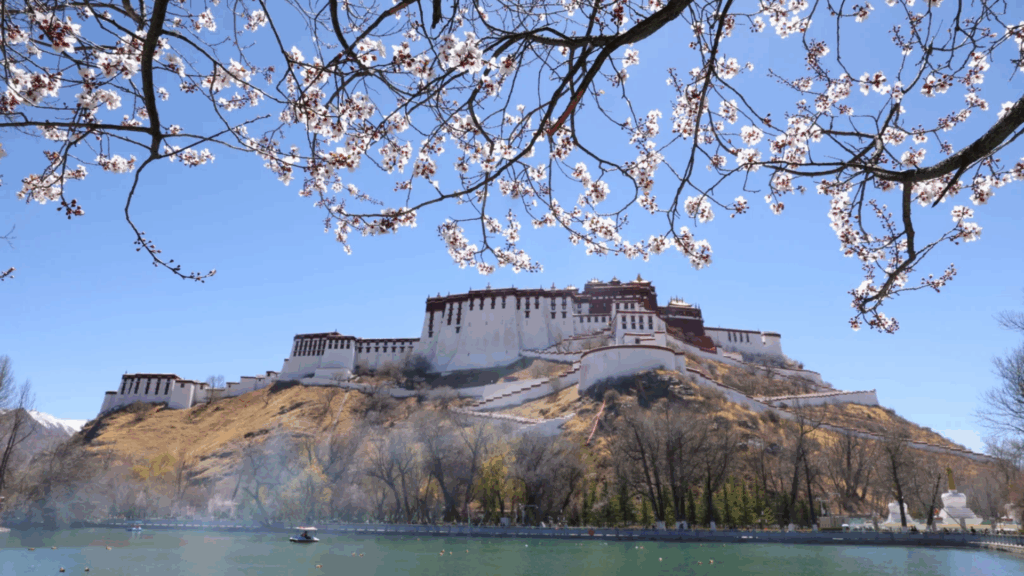
Located in the northern suburbs of LhasaSera monastery near Lhasa, TibetIt is a Tibetan Buddhist holy place that combines faith and rationality. As one of the three major monasteries of the GelugpaSera Monastery is famous for its monks' debates.The afternoon sun shines on the Golden Dome. As the afternoon sun shines on the golden dome, the monks clap their hands and debate the principles of Buddhism, their voices echoing through the valley, becoming the most profound memory of Tibet for travelers. It is not only a major town for Buddhist studies, but also a must-visit spot for experiencing the culture of Lhasa temples.
I. Introduction to Sera Monastery: One of the Three Great Monasteries of the Gelu School
Sera Monastery (སེ་ར་དགོན་པ།)Located at the southern foot of Sera Wutz Mountain in the Lhasa City District of the Tibet Autonomous Region, it is one of the three major monasteries of the Gelugpa (Yellow Sect) along with the Drepung Monastery and the Ganden Monastery.
The entire monastery is built on the mountain, with red and white buildings in a staggered pattern, and the gold-domed Buddha Hall shines brightly in the sunlight, showing the solemnity and purity of Tibetan-style architecture.
In its heyday, Sera Monastery had more than 5,000 monks and a rigorous religious education system, and was known as one of the "Three Great Universities of Lhasa". Today, the temple still retains the tradition of daily recitation of sutras, sutra debates and pujas, attracting countless pilgrims and travelers to explore the temple.
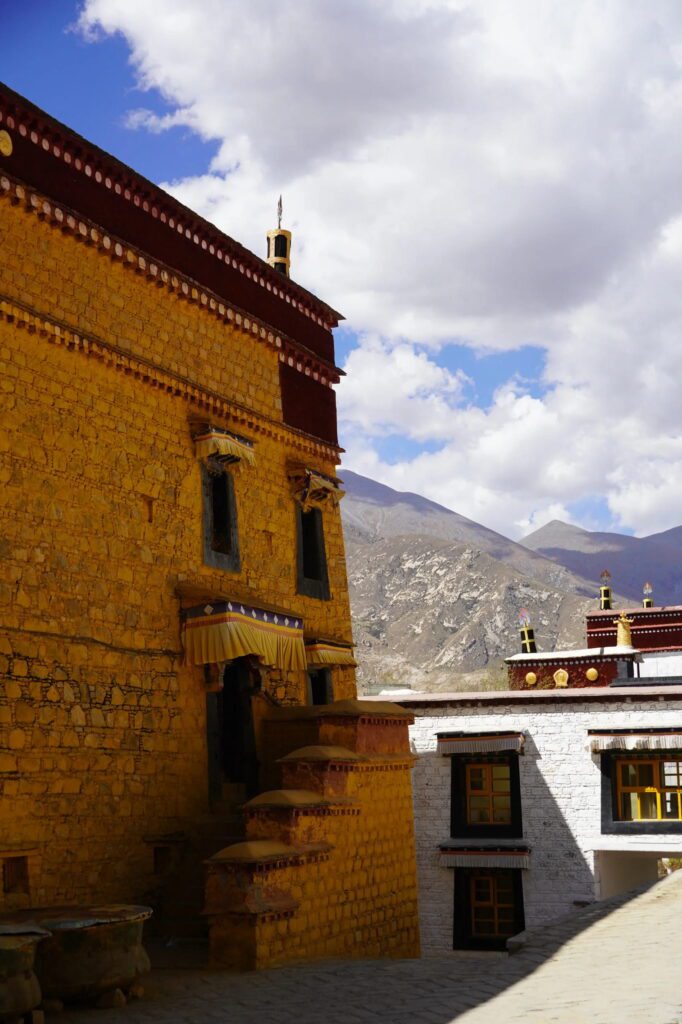
The Historical Origin of Sera Monastery: The Wisdom Inherited from Tsongkhapa
Sera Monastery was built in 1419 AD by theTsongkhapa Master (Tsongkhapa)disciple of sb.Jamchen Chöjé Shakya Yeshe, Saiwan Baba Yeshe ZebaPresided over the construction.
According to legend, "Sera" means "wild rose" in Tibetan, and was named after the rose bushes that covered the hillside when the temple was built.
Since its founding, Sera Monastery has been known for its rigorous teaching system and debating tradition. Together with Drepung Monastery and Ganden Monastery, it has supported Lhasa's position as the center of Tibetan Buddhism and has produced many outstanding teachers and apologists for Tibet.
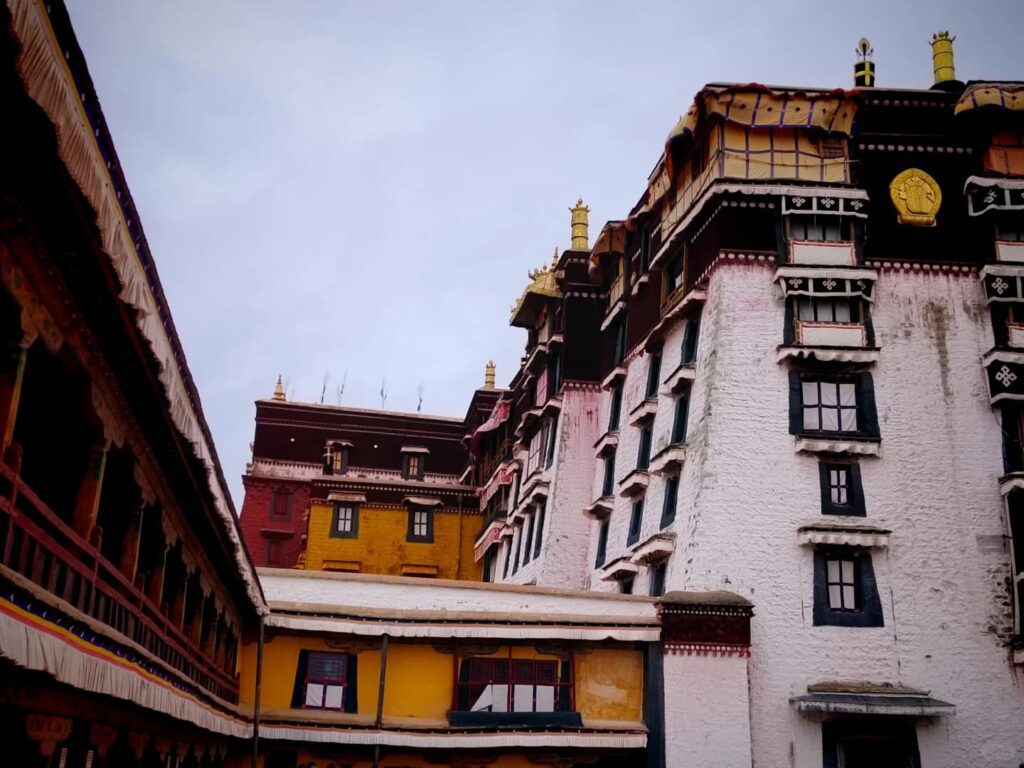
Architectural and Artistic Characteristics: A Buddhist Temple Built on the Mountain
Sera Monastery is built on the mountain, with a grand scale, consisting of three large zagangs and the main hall, each with religious and artistic value.
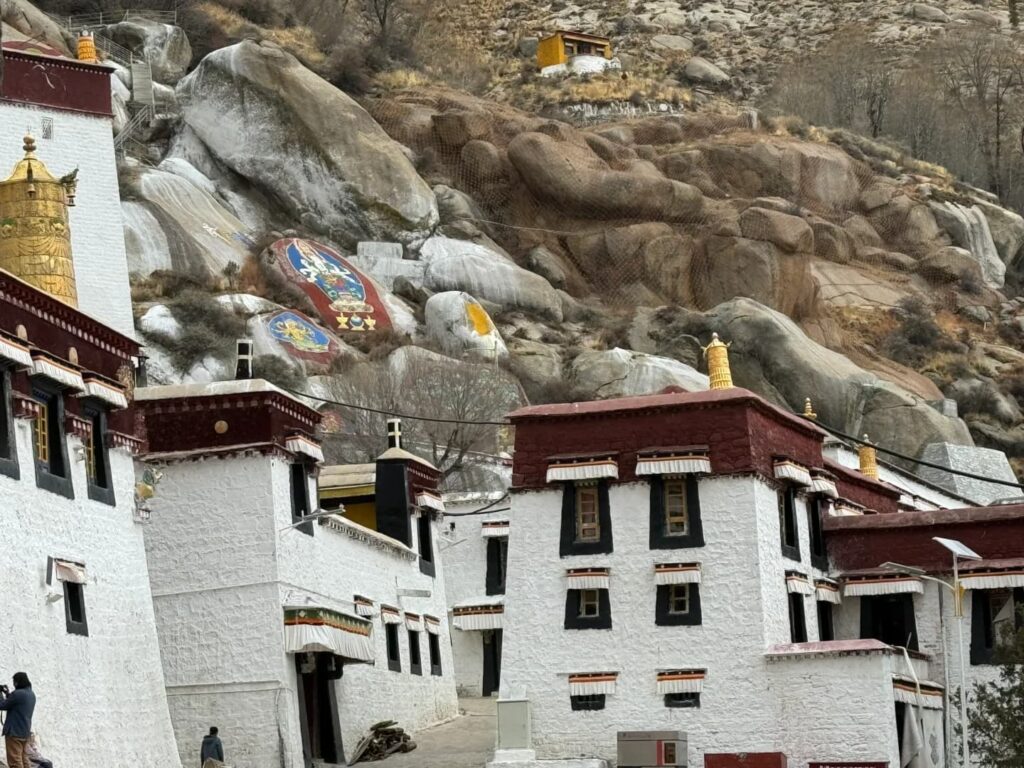
1. Mazhachang (monastery)
The well-preserved exterior walls and murals, with their vibrant colors and delicate details, are classic angles for many photographers. The afternoon light falls between the white walls and red windows, demonstrating the soft aesthetics of Tibetan architecture combined with natural light.
2. Abazakura (secret house)
As one of the earliest Zagangs in the monastery, the murals here are more than 600 years old, with delicate strokes and warm colors, full of the traces of time, showing the early style of Gelugpa art.
3. Chezakura (College of Philosophy)
It is the largest storehouse in Sera Monastery, and also the main venue for the monks to debate the sutra. The temple enshrines the statue of Horse-head King, which is regarded as the most powerful guardian deity to ward off evil spirits and keep peace. It is said that if a child wipes his nose with ghee ash in the temple, he will be blessed. Due to the large number of worshippers, there is always a long queue and public security officers in front of the temple to maintain order. If you do not want to enter the Ma Tau Ming Wang Hall, you can make a detour.
4. Tsagaing Hall (main hall)
The centerpiece of Sera Monastery, the hall is dedicated to the statue of the founding master Saiwanpa Yixi Zaiba and is supported by 108 giant pillars. On the shelves of the hall is the Great Tibetan Sutra, which was given by the Emperor during the Yongle period of the Ming Dynasty - it is the world's first Tibetan scripture to be printed by engraving, and is of great historical and cultural value.
Walking around the corners of Sera Monastery, the sunlight falls from the eaves, reflecting on the white walls and golden roof. Sitting under the shade of the trees and watching the figures of devotees and monks pass by, you can deeply feel the solemnity and power of faith of Tibetan Buddhism.
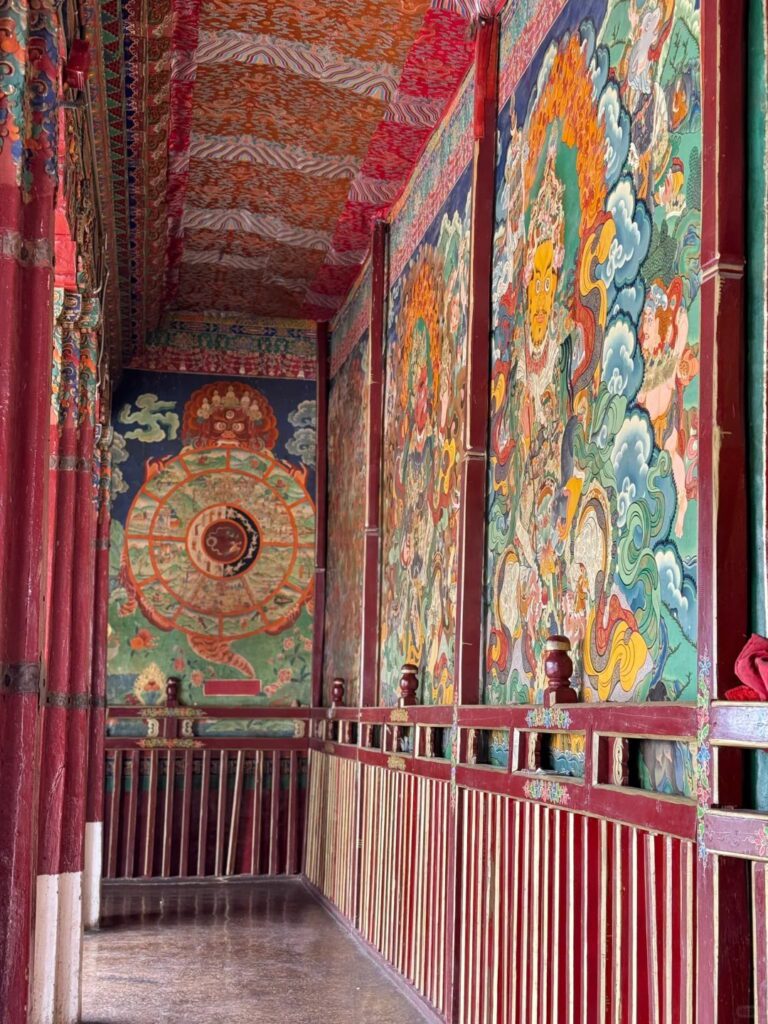
Introduction of Selat Monastery Debate Activities
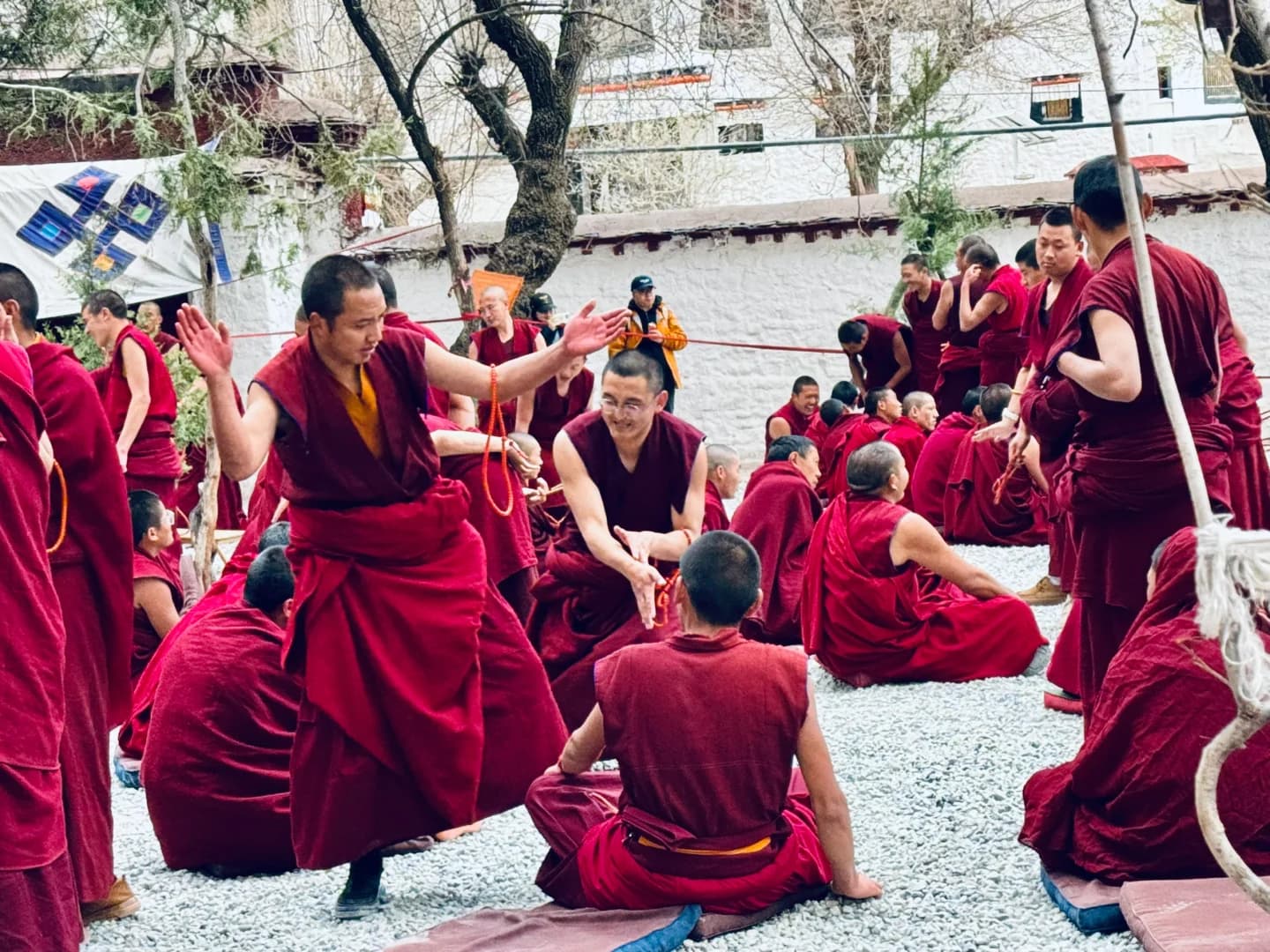
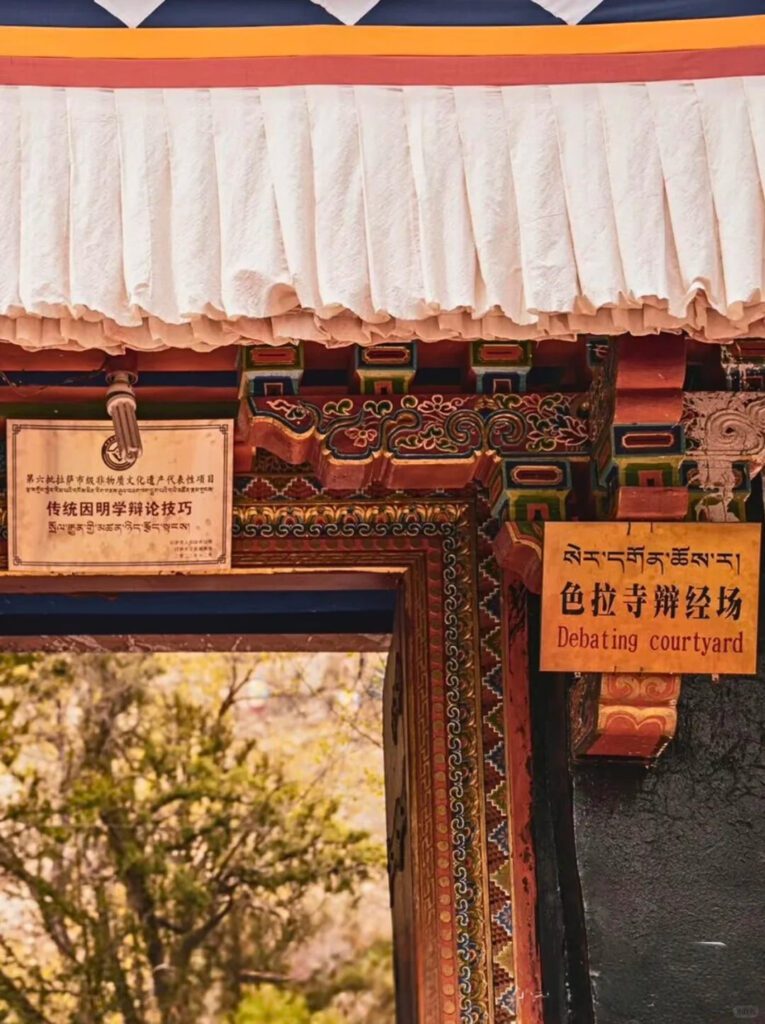
Debate (རྩོད་མོ། Tso-mo)) is the colorThe Most Representative Religious Traditions of La MonasteryIt is also an important course of study for the monks of the Gelugpa School. Every afternoon from about 15:00 to 17:00, the courtyard of the Philosophical Institute is filled with the sound of clapping and chanting, creating a spiritual scene where wisdom and faith are intertwined.
Forms of Debate
The Sutra Debate at Sera Monastery is divided into two main forms, demonstrating the unique logical thinking and practice of Tibetan Buddhism:
- debateThe roles are changed at the end of the session. Train monks to think and speak in real time.
- debate on the merits of the case: One person makes an argument, many people take turns asking questions, and the person making the argument can only answer but not ask questions in return, which is an advanced training in debate.
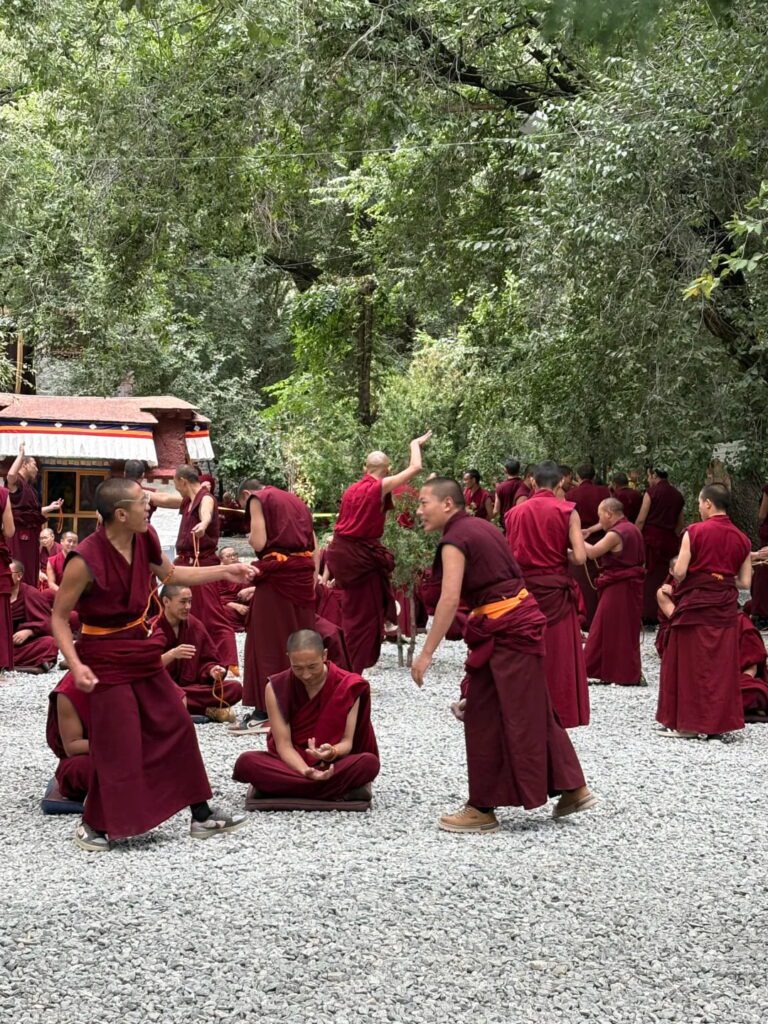
During the debate, the questioner stands, the respondent sits on the floor, the questions and answers are in a tight rhythm, the movements are exaggerated and tense, and the clapping and chanting of scriptures rise and fall, creating a solemn and heated atmosphere.
Rituals and Symbols of Apologetics
Debate is not only an exercise for the mind, but also a religious ritual that symbolizes wisdom and enlightenment. Every movement of the monks is full of symbolism:
- clap one's hands: Before asking the question, the right hand is raised and the left palm is struck together, symbolizing the use of Manjushri's sword to cut down ignorance and attachment, and reminding that "everything is impermanent".
- GestureThe following are some examples: waving the beads with the help of Buddha's power, stomping on the ground with one foot to strengthen the momentum, and pressing down with the palm of the hand to expel the three poisons of greed, anger, and dementia.
- Win/Loss Determination: If the respondent is questioned, he/she has to take off his/her hat and admit defeat, and can wear it again only when he/she wins the debate later on.
At Sera Monastery, debating is not a competition, but a practice. Through constant questioning and answering, monks deepen their understanding of Buddhist doctrine and cultivate concentration and wisdom. For travelers, witnessing a sutra debate is the best way to understand the spirit of Tibetan Buddhism.
V. Cultural Relics and Artistic Value of Sera Monastery
Sera Monastery has a vast collection of Buddhist texts and artifacts, including:
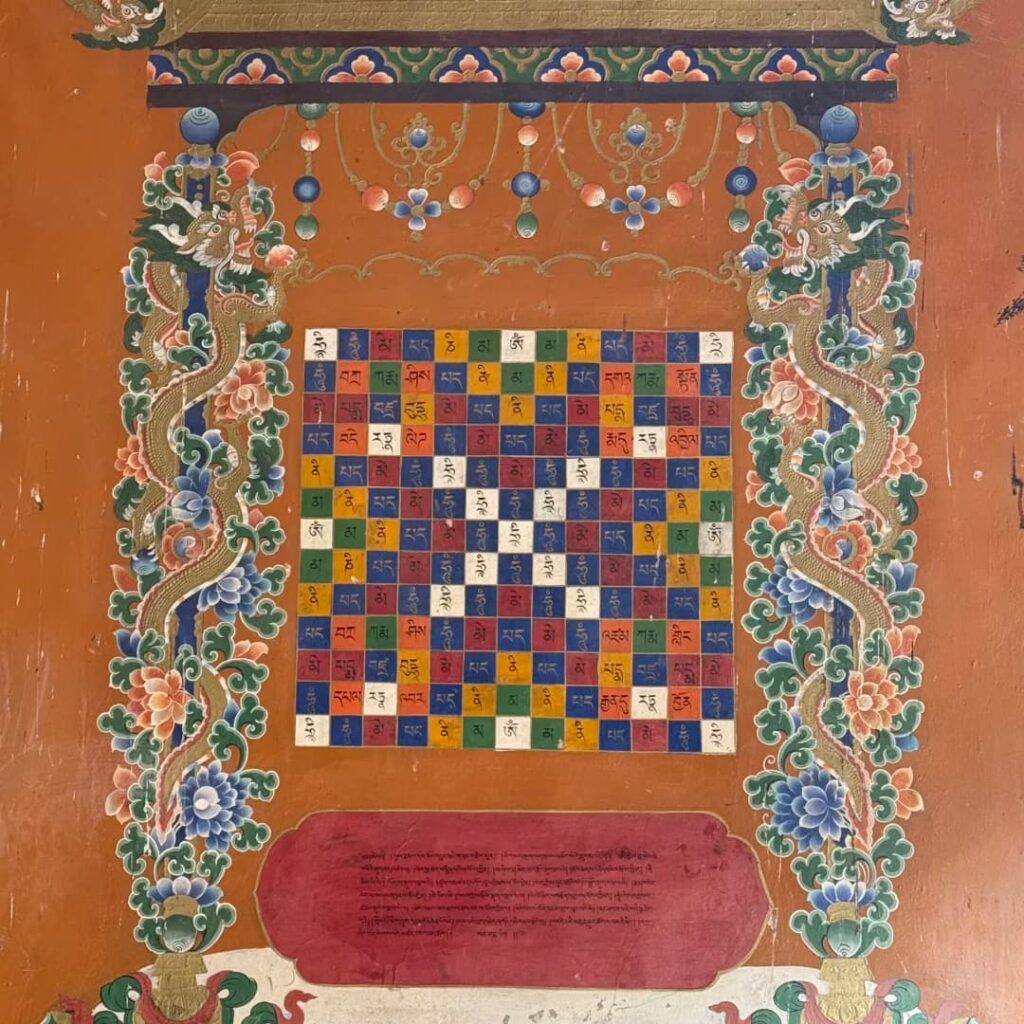
- The complete set of Tibetan Buddhist texts, Ganjur and Tanjur.
- Gold and Bronze Buddha Statues and Dharma Vessels of the Ming and Qing Periods
- Thangka depicting Tsongkhapa and his disciples.
- Ancient Woodblock Printed Scripture Boards and Handwritten Scriptures
These artifacts not only have religious value, but also provide valuable information for the study of Tibetan Buddhist art, making Sera Monastery one of the most academically and artistically valuable monasteries in Tibet.
VI. Code of Conduct
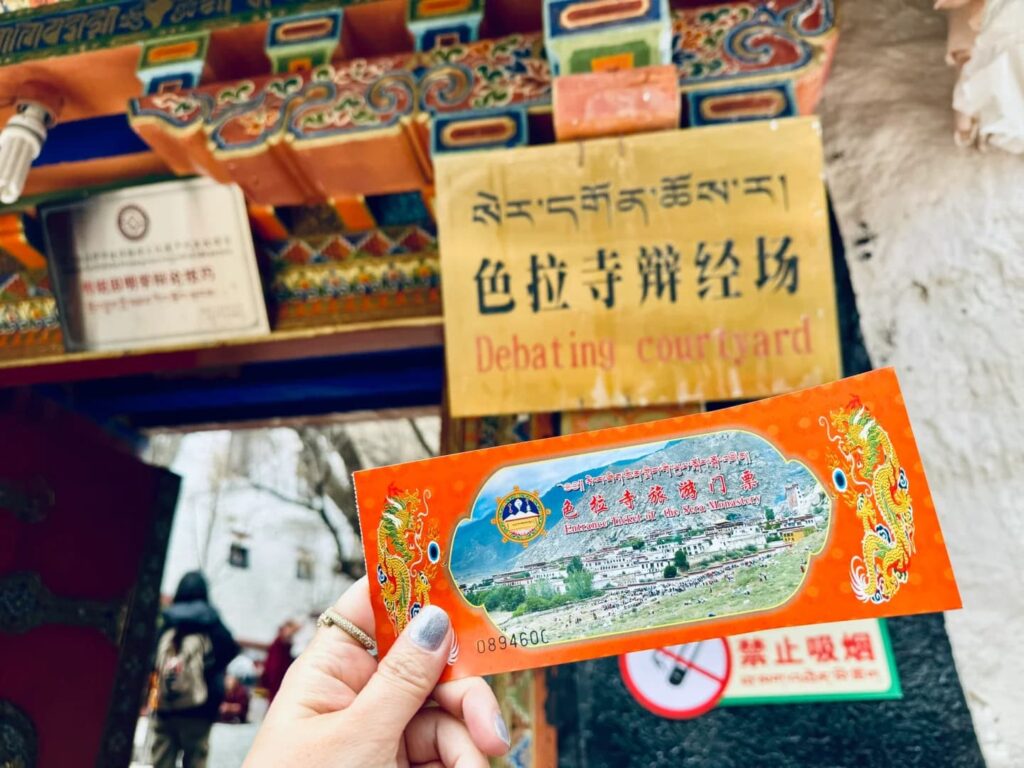
- It is recommended to visit in the afternoon to see the Daily Debate Ceremony.
- Hats must be removed when entering the Buddhist temple, and modest attire is required. It is prohibited to take pictures of monks and statues of the Buddha.
- Please wait in the designated area and do not interfere with the activities of the monks.
- Eating, drinking and shouting are prohibited inside the temple, and you should walk around the temple in a clockwise direction.
- Please slow down and keep warm in the highland area.
Address Information
📍 address: Sera Road, Chengguan District, Lhasa City, Tibet Autonomous Region, China (at the southern foot of Sera Wuzhi Mountain)
Opening Hours:08:00-17:00(Debate time about 15:00-17:00)