Want to visit Tibet to pay homage to “Zhakiram,” the most powerful goddess of wealth, and pray for financial prosperity and good fortune? Located in downtown Lhasa,Zha Ji TempleIt is a famous temple in Tibet dedicated to the Goddess of Wealth.Zakiraam (name)This article organizes the most complete process of worship, preparation of offerings (Baijiu and Xiaojin Card), and advice on how to apply for the entry permit. This article organizes the most complete process of worship, preparation of offerings (white wine and small gold cards), and advice on how to apply for a Tibet Entry Permit for Chinese and tourists from Taiwan, Hong Kong, Singapore, and Malaysia.
Zha Ji Temple Overview
Zaki Monastery is located inZaki East Road, Chengguan District, Lhasa, TibetYesThe only temple in Tibet dedicated to the Goddess of Wealth., where you can
The main deity is Zashi Lhamo.
She is honored as the human incarnation of the Auspicious Heavenly Mother, the patron deity of Lhasa, symbolizing wealth and protection.
Zaki Temple is one of the most representative places of faith in Lhasa, with a high number of believers and tourists.
Who Is Zashi Lhamo? The Legendary Origins of Tibet’s Goddess of Wealth (Who is Zashi Lhamo? The Legend of Tibet’s Goddess of Wealth)
Zashi Lhamo (Tibetan: Zashi Lhamo) is classified as a “worldly guardian deity” within the Tibetan Buddhist belief system; she is one of the few guardian deities who appears in female form and is specifically associated with financial prosperity.
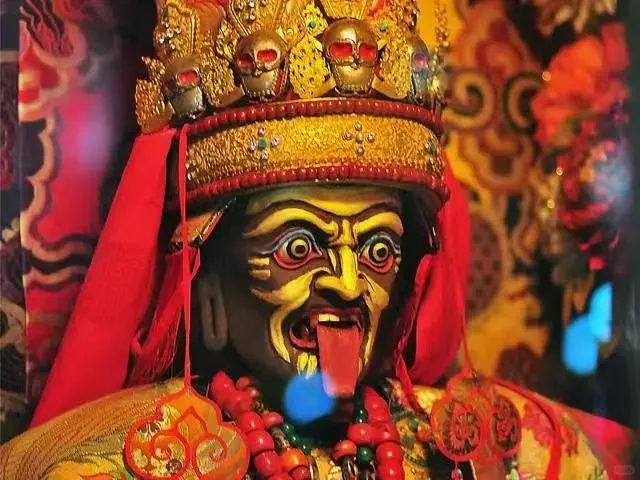
The most widely held belief among the people is that she is the earthly incarnation of “Avalokiteshvara,” the guardian deity of Lhasa; Another theory suggests that the origins of her cult are linked to the doctrinal lineage of 18th-century Gelugpa masters, demonstrating that the very origins of this goddess are imbued with traces of Sino-Tibetan cultural exchange and do not stem from a single version of the legend. Her statues are majestic and rare—with a dark face, fierce eyes, a skull crown, and a red tongue protruding from her mouth. Within the Tibetan system of Dharma protectors, this wrathful form symbolizes “removing obstacles and providing protection” rather than malice, which is one of the reasons devotees are particularly eager to travel there in person to catch a glimpse of her true form. Precisely because legends of her miraculous powers have been passed down by word of mouth among Han Chinese merchants and travelers, “Zha Qilam” has gradually transformed from a Dharma protector enshrined in a side hall of a monastery into a figure many specifically request to visit when planning their trips to Tibet. This mythical origin story is rarely explained in depth by commercial tour operators,This is an in-depth program specially arranged by CITS China International Travel Service Global・China2Go, featuring a tour guide who provides commentary throughout the trip.
History of Zha Ji Temple (扎基寺歷史背景)
Although the exact date of the founding of Zaki Temple is not clearly documented, it is generally assumed to have been formed in the early 19th century.Qing Dynasty or earlier.
According to the Lhasa Chronicle and local legends, in the early days, this place was a place of worship for the deity of the Dharma, the Auspicious Heavenly Mother.
Later, as the number of believers increased, the temple was gradually built into a permanent temple, which is today known as Zaki Temple.
It is said that Zakiram was the human incarnation of Mother Auspiciousness.
She was known for her "protection of wealth and guardianship" and was later regarded as a "good friend".The only female deity of wealth in Tibet.
As a result, although not a large monastery, Zaki Monastery has long been closely associated with the beliefs of the Lhasa community.
It has an extremely important place in local religious life.
Zaki Temple Architectural Features
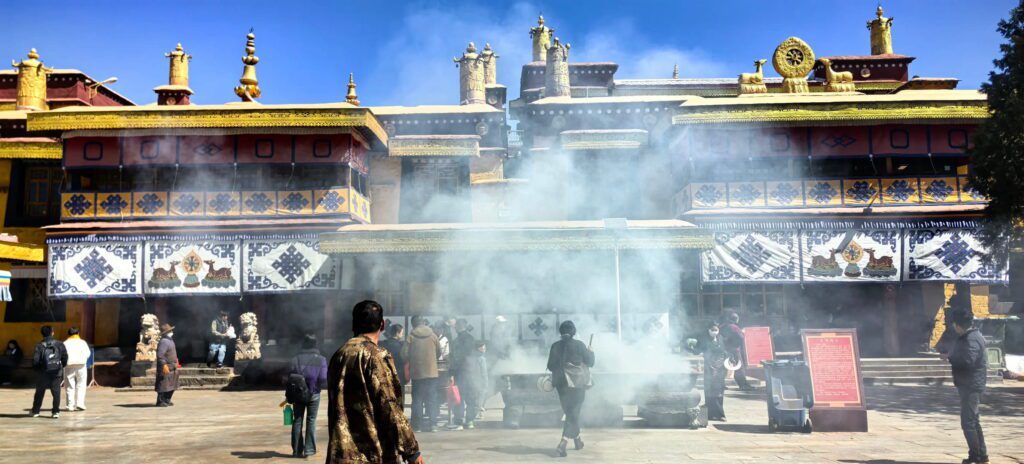
Though small in size, Zaki Monastery incorporates a strong Tibetan architectural style.
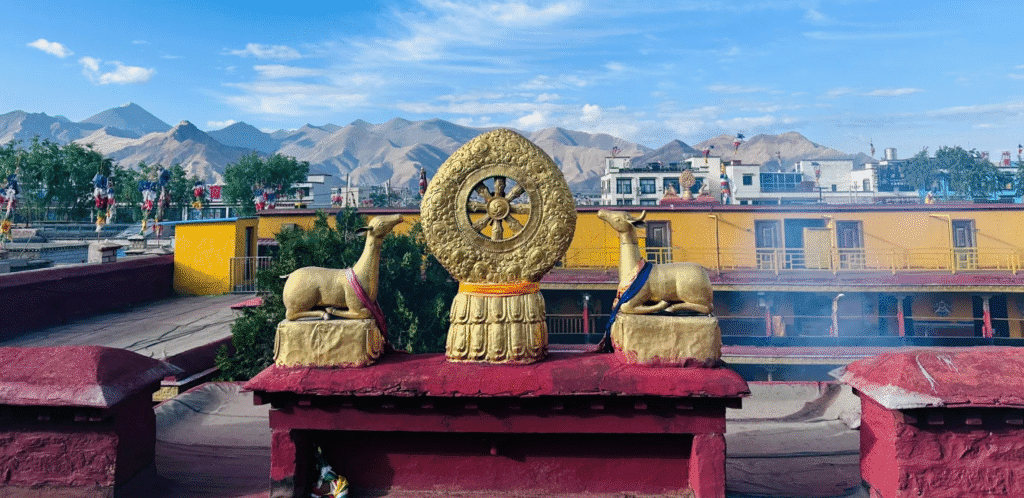
The red exterior walls, golden roofs and fluttering multicolored sutra streamers form a vivid visual impression.
The statue of the Goddess Zhakiram, the Goddess of Wealth, enshrined in the main hall, is majestic and sacred—
With a black face and tongue, he wears a crown of five skulls and crossbones, symbolizing the elimination of obstacles and the protection of the Dharma.
The walls of the temple are painted with the God of Protection, the God of Wealth and auspicious totems.
The ghee lamps are always burning, and the aroma of incense and white wine are intertwined.
Create a religious atmosphere of strength and blessing.
Zaki Temple Faith and Worship Culture (Cultural and Religious Significance)
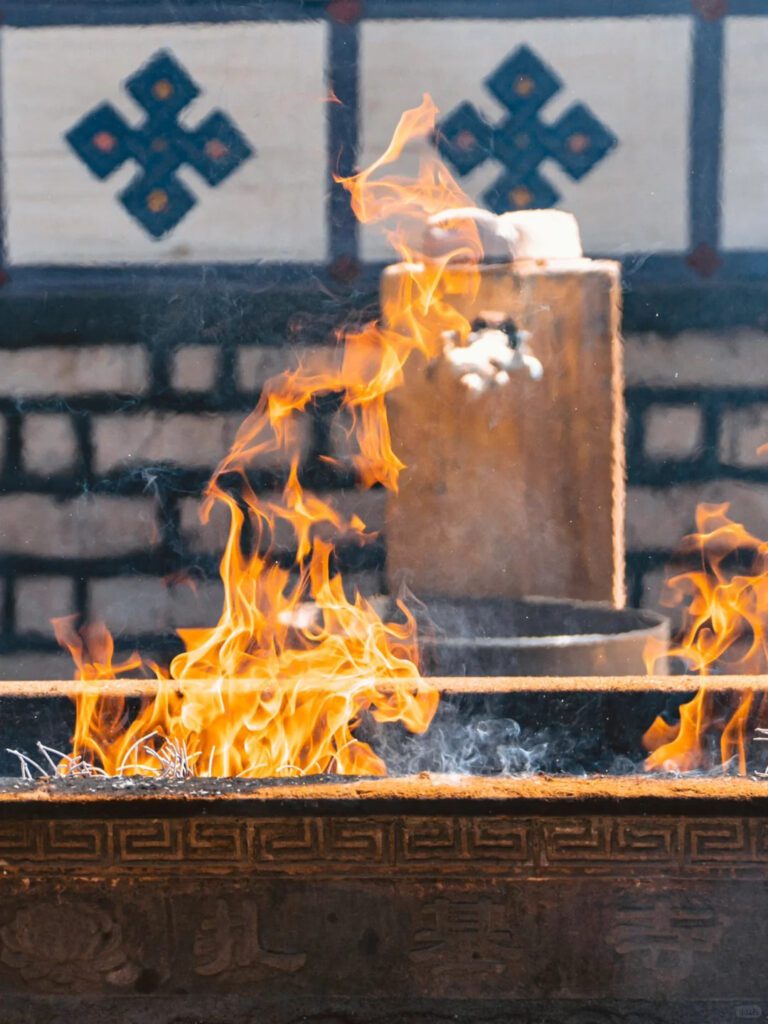
The core of Zaki Monastery's belief is "Sincerity in Seeking Wealth".
Devotees believe that Zakiram blesses a smooth career, prosperity and family well-being.
In particular, every Wednesday is regarded as "Goddess' Day of Enlightenment".
It's the most spiritual.Auspicious Date for Fortune Seeking.
Beyond that:
- Monday is "Peace Prayer Day"
- Friday is "Health Seekers Day"
So no matter when you visit, you can feel the devotion and respect of the Tibetan faith.
Pilgrimage Process and Offerings (Worship and Offerings)
Pilgrimage Steps
- simmer in a mulberry tree to pray for blessings: Before entering the temple, burn incense in the large incense burner and meditate on your name and wishes.
- Wine Dedication Ceremony: The white wine is handed over to the monks to be poured into the offering bowls to symbolize the honoring of the Goddess.
- Main Hall WorshipThe following are some of the most important things we do: praying, offering khaddar, and adding joss oil money.
- Clockwise around the temple: Keep quiet by praying in a clockwise direction along the route of the temple.
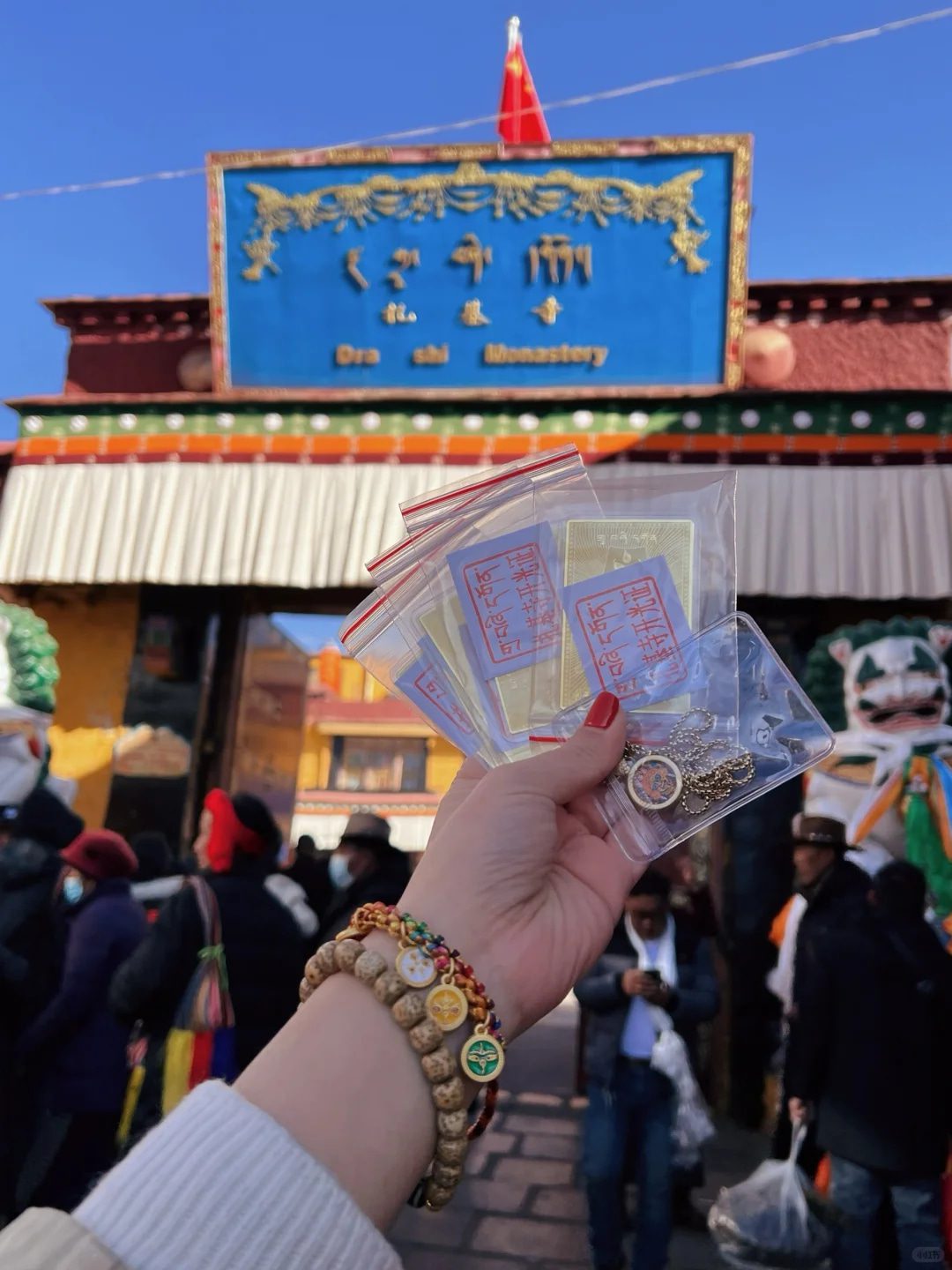
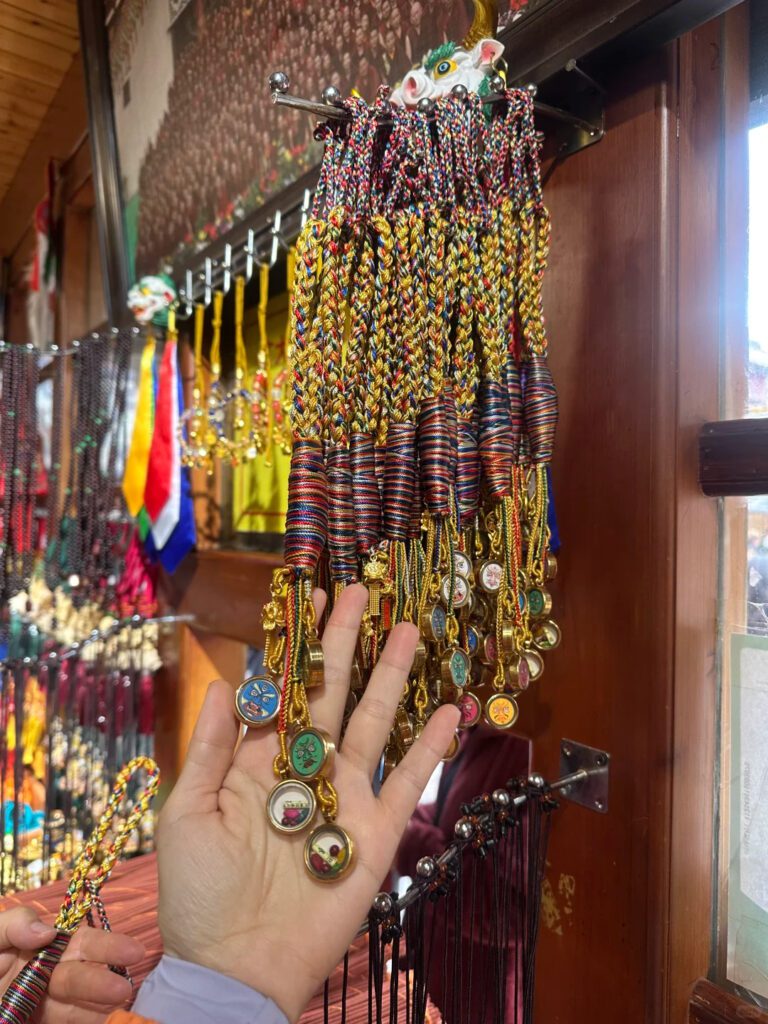
- Office of Legal Affairs: Enlightened magic objects such as the God of Wealth Gold Card and the Five Paths of Wealth Bracelet can be purchased.
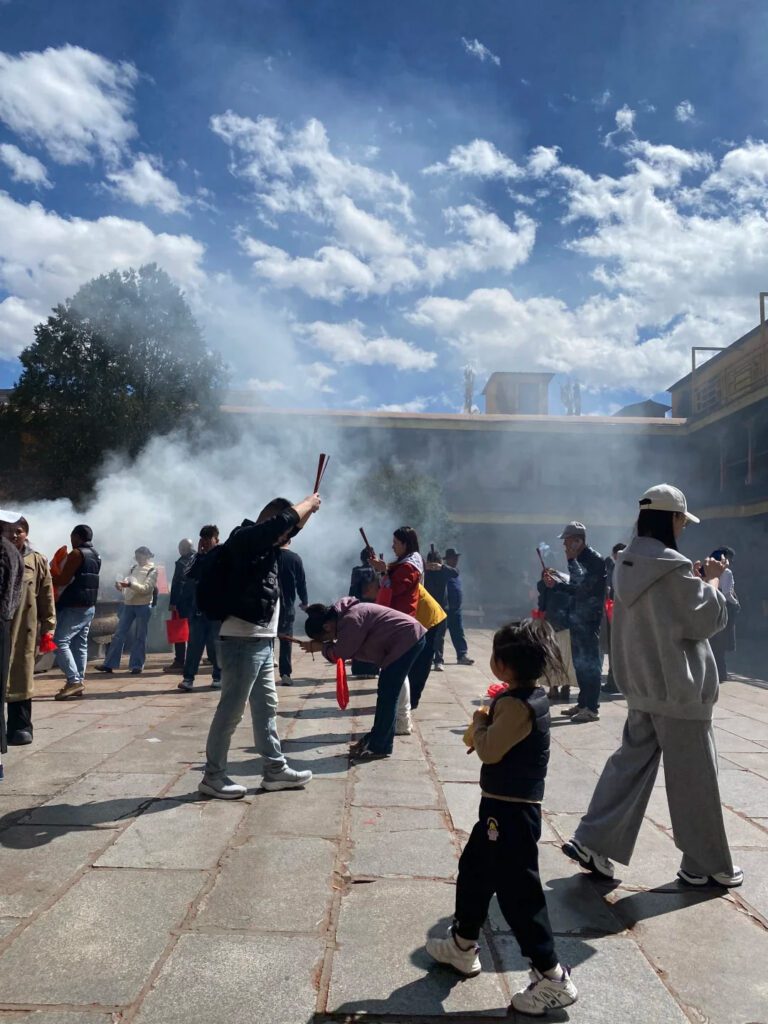
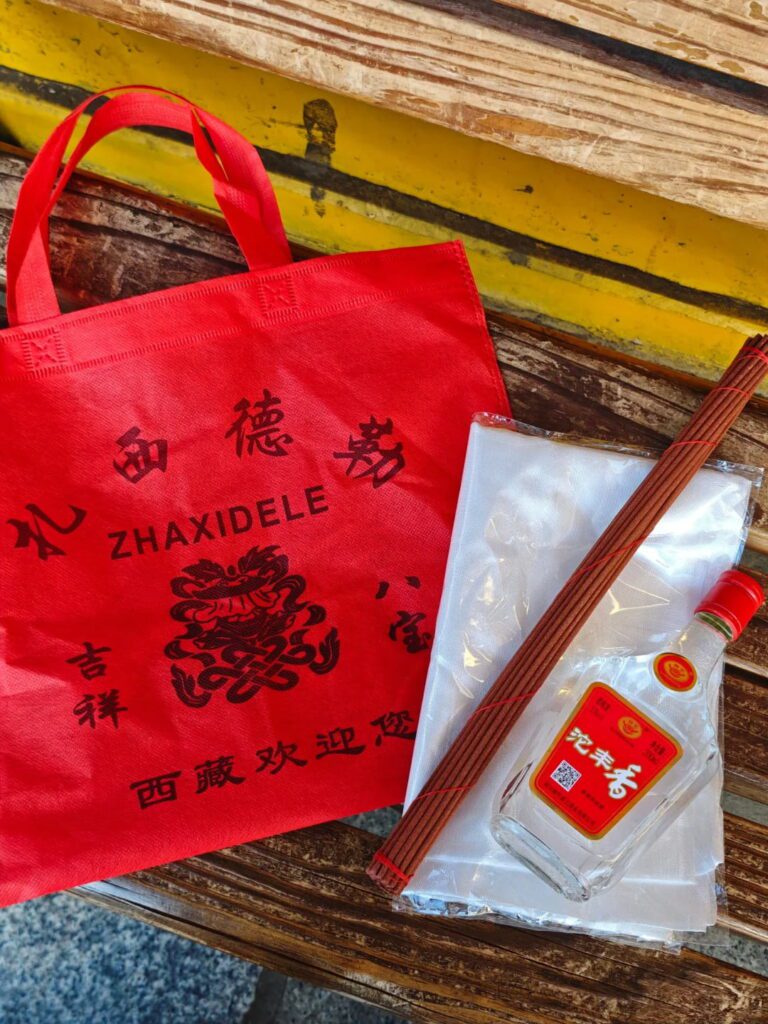
Common Offerings(available at the door)
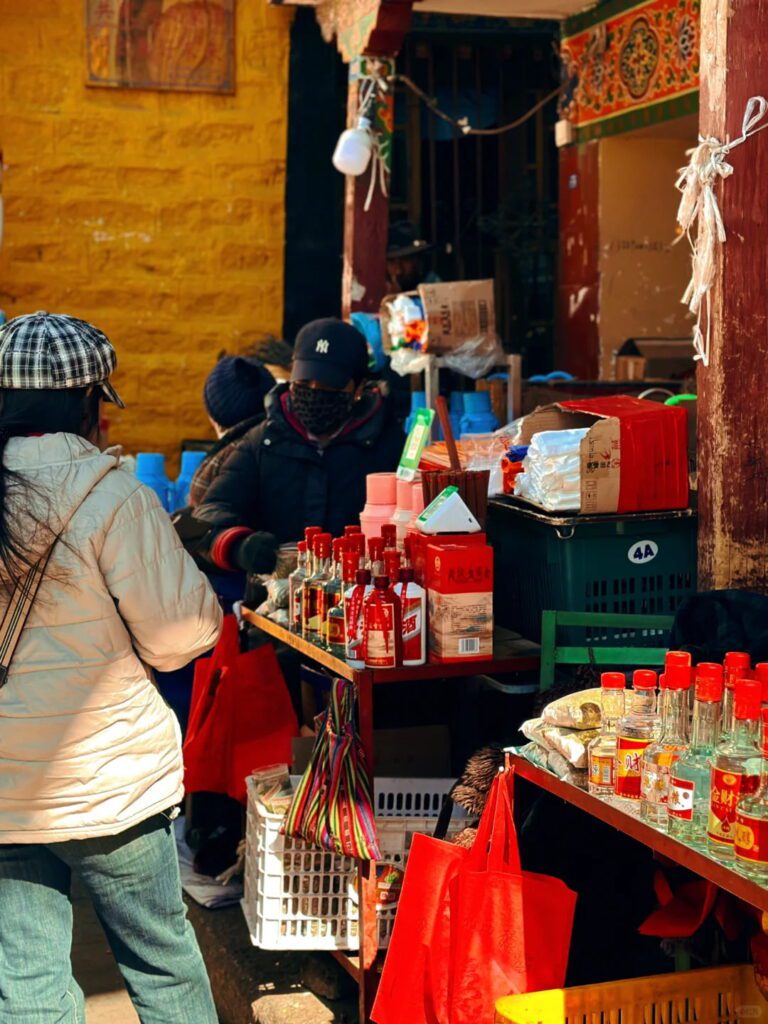
- White wine (the goddess's favorite offering)
- Hatha (white for peace, yellow for wealth)
- Tibetan incense (for simmering and praying)
- Ghee and Wormwood (for health and to drive away filth)
💡 Offerings can be purchased at the entrance of the temple for about RMB 15-20 per set.
Tourist Information (Visitor Information)
- 📍 address: Zaki East Road, Chengguan District, Lhasa City, Tibet Autonomous Region
- 🕒 Opening Hours: Daily about 7:00-17:00 (Open early on Wednesdays at 6:00)
- 💰 ticket: Free Admission
- 🚕 Transportation.
- Taxi/Internet taxi: about 10 minutes from Barkhor Street, fare about RMB 10-15.
- Public Transportation: No. 13, 16, 24, 28
- Self-drive: Wednesday mornings are crowded, early arrival is recommended.
- Foreign travelers from Taiwan and Malaysia-Singapore can only go with the tour guide.CITS' IncorporatedMany of them have a program to visit Zaki Temple!
Travel Tips
- Hats off and silence are required to enter the temple.
- Photographs of the Buddha and monks are not allowed, but can be taken outside the temple.
- Dress modestly and avoid short skirts, suspenders and revealing clothing.
- It is recommended to have small amount of banknotes (10 cents to 1 dollar) to facilitate alms giving.
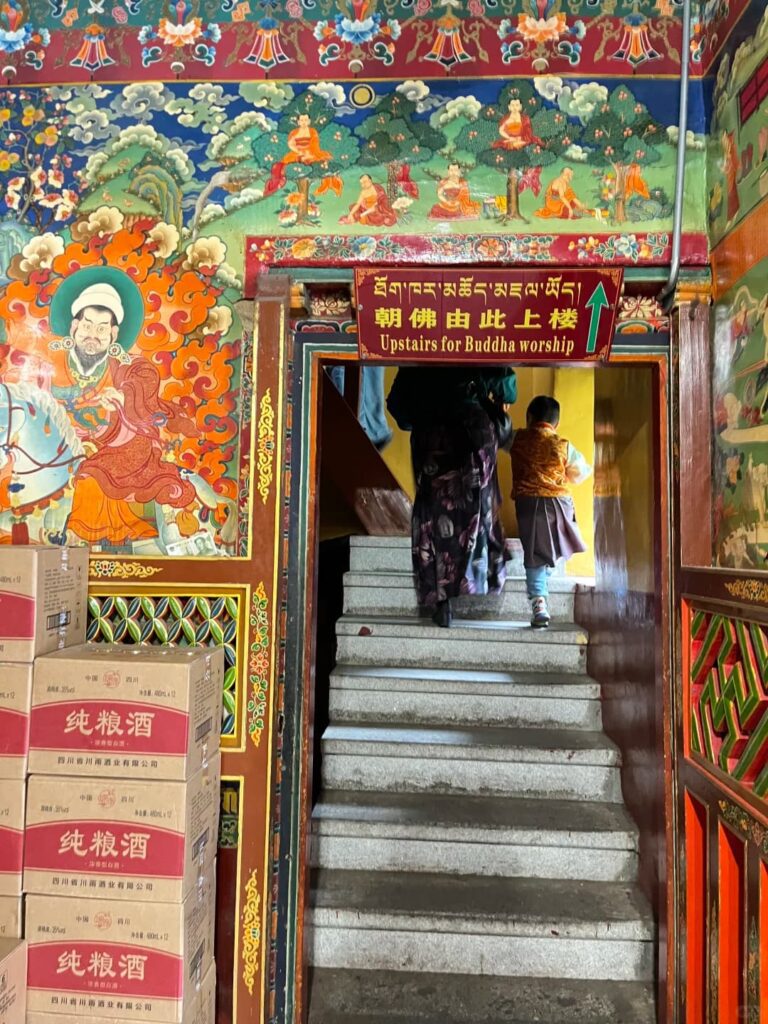
- If you are carrying souvenirs, you can go to the second floor to ask a monk to enlighten you.
Cultural Value of Zaki Monastery
Zaki Monastery is not only a religious shrine, but also represents the spirit of "Faith and Life Coexist" of the Lhasa people.
Here, believers pray with sincerity, travelers meditate and feel.
The power and blessings of Tibet flow through the smoke.
Whether it's your first time in Lhasa or you've visited Tibet many times.
Zaki Monastery is a key stop for understanding Tibetan faith and culture.--Small, real and full of human touch, the God of Wealth Temple.
What are the other recommended attractions in Tibet?
For Lhasa, we recommend the following must-see attractions
- Sera monastery near Lhasa, Tibet
- Potala Palace
- Jokhang Temple
- Potala Palace view afternoon tea
- Barkhor Street
- Yakuo Mountain Viewing Platform
- Lhasa Post Office
This is a must-read guide for 2026 Taiwan, Hong Kong and Malaysia travelers to Tibet - Dzagi Monastery. with respect toTaiwan Visitors, Hong Kong People and Chinese in New MalaysiaFor example, visiting LhasaZha Ji Temple It is the first choice for seeking wealth and luck. Recommended for The most classic 10-day Tibet tourThe tour will be accompanied by professional tour guides who will help you apply for a letter of entry to Tibet. The highlights of the visit include: Wednesday is the most auspicious day for the God of Wealth, you must buy a small gold card, prepare white wine for offering, and have the guide help you to exchange the alms change. The only temple of the God of Wealth in Tibet is not only a center of faith, but also an important attraction for understanding the local culture of Tibet.