Planning a Trip to Tibet, Qinghai, or Sichuan?Worried about altitude sickness during your journey?
Before the trip, many travelers' biggest concern is: "Will I suffer from altitude sickness?"
In fact,Acute Mountain Sickness (AMS)..Altitude Sicknessrefers to the same physical phenomenon.
As long as you understand the causes, symptoms, and prevention methods, most people can easily adapt to high-altitude environments and travel safely and happily.
What Is High-Altitude Reaction (Altitude Sickness)?
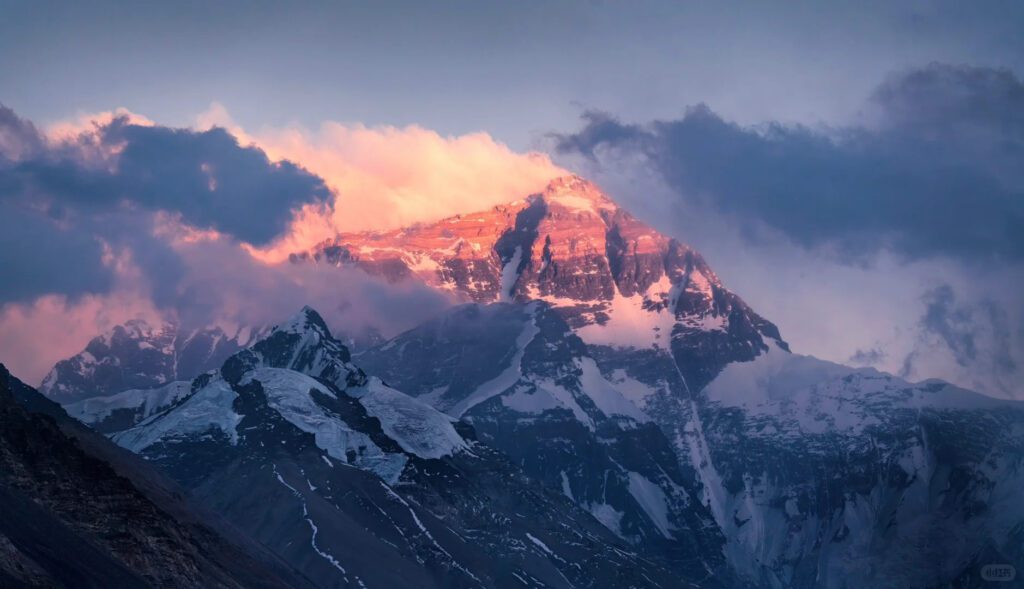
Mountain SicknessAlso known as(also known as Acute Mountain Sickness, AMS), where you can
ascends rapidly to an elevation of around 2,500 meters (8,200 feet) or higher.
Due to the drop in air pressure and oxygen levels, some people experience mild discomfort as the body adjusts to thinner air.
Due to the decrease in air pressure and oxygen concentration, the body suffers from the discomfort of oxygen deprivation.
This is not a disease — it’s a natural physiological reaction to altitude changes.
In most cases, the symptoms are mild and temporary. With proper rest, hydration, and gradual acclimatization, travelers can recover quickly and continue their trip with ease.
What’s the Difference Between Altitude Reaction and Altitude Sickness?
People often confuse "altitude sickness" with "altitude illness", but in fact they are almost the same, with only a difference in terminology.
- Mountain SicknessHigh Altitude Rebound (HAR) is the official medical term for a variety of discomforts that occur when the body enters high altitude quickly and oxygen levels drop. It is also referred to as high altitude sickness.
- Acute Mountain Sickness (AMS)The term "dizziness" is used in Chinese to describe the dizziness, chest tightness, and shortness of breath that travelers experience in a plateau environment.
The clinical bed.Altitude SicknessIt can be divided into different degrees:
- Acute mountain sickness (AMS): Most common, mild symptoms such as headache, nausea, and trouble sleeping.
- High Altitude Pulmonary Edema (HAPE): fluid in the lungs, cough, chest tightness, dyspnea.
- High Altitude Cerebral Edema (HACE): The lack of oxygen to the brain causes headache, unsteady gait and confusion, which is a serious condition.
Simply put:
"Altitude sickness" is the official medical term, while "altitude sickness" is a colloquial expression for the same phenomenon.
Whichever term is used, it refers to the body's physiological response to oxygen deprivation.
Worried about altitude sickness? The following two itineraries are the most suitable for you:
【Lhasa + Qinghai–Tibet Railway 5-Day Tour】 Perfect for first-time travelers to Tibet — short, scenic, and ideal for gradual altitude adjustment.【Nyingchi Low-Altitude Tibet Tour】 The best entry route to Tibet — classic itinerary with a gentle rise in altitude.
Common Symptoms of Altitude Sickness
Symptoms vary greatly from person to person. The following are the most commonSymptoms of Highland Reaction.
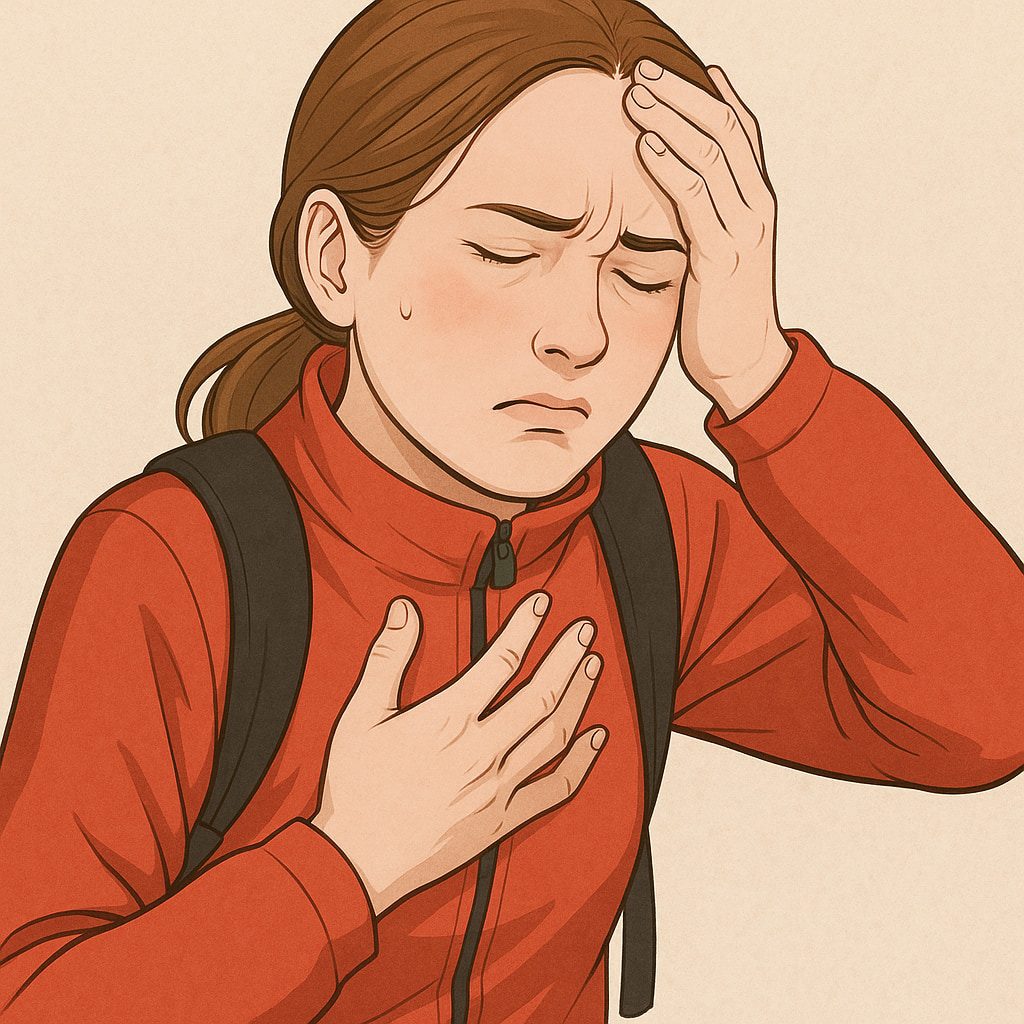
- Headaches, dizziness, difficulty concentrating (most people's symptoms)
- Shortness of breath, chest tightness, wheezing (remember not to be too nervous and talk to your tour guide about how you feel)
- Loss of appetite, nausea, vomiting (be careful if you have vomiting).
- Poor sleep quality and waking up easily at night (many people suffer from insomnia, so we will arrange hotels with oxygen supply whenever conditions are favorable)
- Weakness of limbs, erratic pace
If symptoms are severe (e.g., persistent headache, coughing up blood, difficulty breathing, unconsciousness), the
It may evolve intohighland pulmonary edemaorHighland brain edemaI have to.Immediate withdrawal.and seek medical assistance.

Why Does Altitude Reaction Occur?
At high altitude, the concentration of oxygen in the air is only about 60% of that on the flat earth.
When the body takes in less oxygen, the partial pressure of oxygen in the blood drops, and the brain and heart and lungs have to work harder.
If the rate of ascent is too fast or there is a lack of rest, the body is prone to developAcute mountain sickness (AMS).
The main reasons include:
- Rising too fast
- Fatigue, lack of sleep or cold
- Sensitive to hypoxia
- Anxiety or nervousness affects breathing rhythm
How to Prevent Altitude Sickness (High-Altitude Reaction)
1. Ascend Gradually to Acclimate Safely
If the itinerary permits, spend 1-2 days at mid-altitude (about 2,000-3,000 meters) before moving on to higher altitudes.
Flying to Linzhi (Haida 2,900) is a good choice.
2. Avoid Intense Physical Activity
For the first two days after arriving at the plateau, avoid running, heavy lifting or hot baths to allow your body to gradually adapt to the environment.
3. Drink Plenty of Water and Avoid Alcohol
Highland climates are dry, so staying hydrated helps circulation and metabolism; alcohol can cause dehydration and aggravate symptoms.
4. Stay Warm and Keep a Positive Mood
Breathing deeply and at a slower pace reduces anxiety and panic and helps to stabilize breathing
5. Consider Preventive Medication
Some travelers take it under a doctor's supervision Diamox or Rhodiola Rosea Capsules As altitude sickness prevention.
It is recommended that you purchase all of these items from your home healthcare provider before your trip.
In any case, please follow your doctor's advice and do not buy or take medicines from unknown sources.
6.Sleep Well and Use Oxygen When Needed
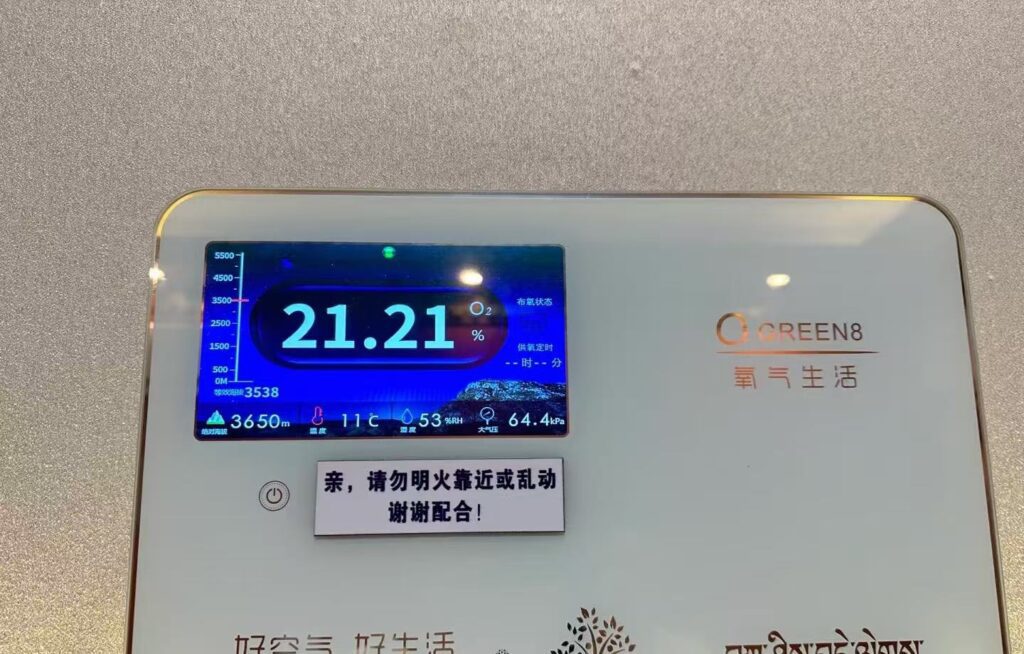
If you are staying at a higher altitude and do not sleep well at night, you may be able toTurn on the oxygen system to help you fall asleep..
As long as our tours are located in high altitude areas and conditions permit, we will arrange for you to stay in oxygen-supplied rooms or provide centralized oxygen-supplied facilities, so that you can sleep peacefully at night in the plateau.
7. Eat Light and Take Vitamin Supplements
At altitude, the body uses more energy to maintain body temperature and blood circulation.
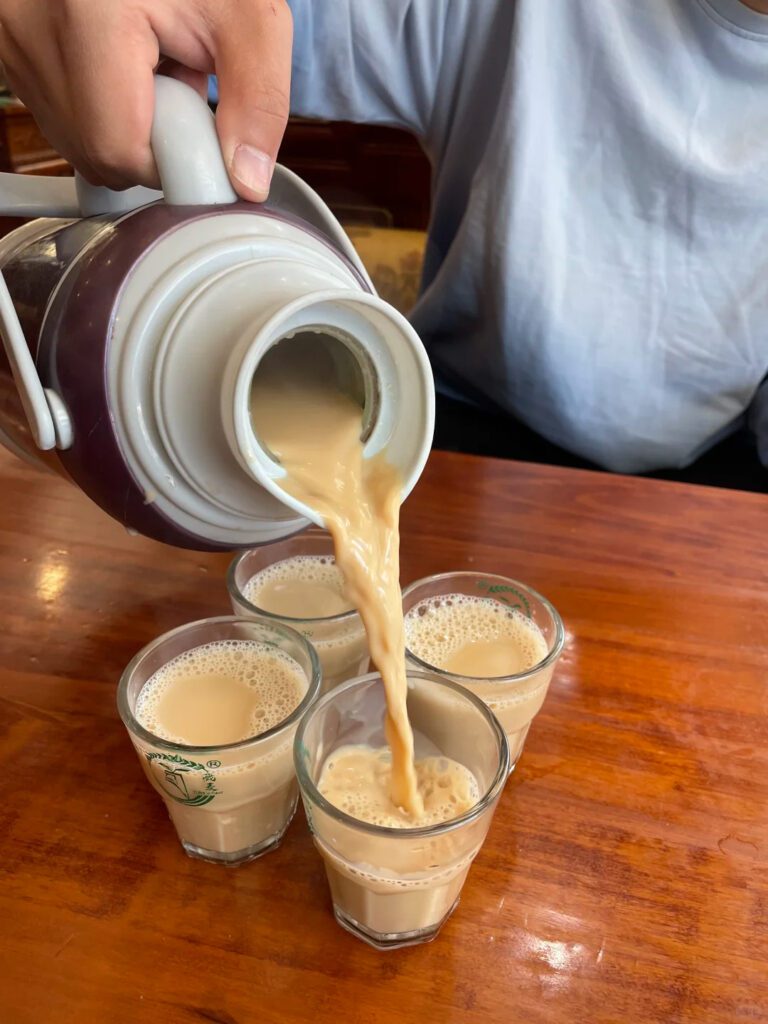
Suggested IntakeHigh calorie foods..Local Drinks.
- butter tea (Tibetan, Mongolian etc drink derived from milk)Contains fat and salt for quick energy and dry mouth relief.
- Chocolate or candy: High sugar content can quickly replenish calories and stabilize blood sugar.
- Warm Soups: Promotes circulation and soothes dry throat.
These foods not only help the body adapt to the altitude climate, but also reduce dizziness and fatigue.
8.Learn the Basics Before You Go
If you experience any symptoms of altitude sickness such as dizziness, chest tightness, insomnia, vomiting, etc.
.Tell your tour guide or accompanying medical staff as soon as possible., where you can
Our professional team will assist immediately by providing oxygen, hot drinks or arranging medical treatment.
Don't push yourself, you'll recover faster if you react sooner.
Are Tibet Tour Doctors and Hotel Health Checks Really Necessary — or Just a Travel Scam?
How Does the Body React to High Altitude?
If symptoms are mild, they can be alleviated in the following ways:
- Reduce activity level and rest
- Use a portable oxygen cylinder or oxygen stick for oxygen refill.
- Drink plenty of hot water and keep your body warm
- Moderate use of painkillers or anti-dizziness medication (as recommended by your doctor)
- Go to a licensed clinic (this is important!)
If symptoms worsen or do not improveImmediately drop in elevation and get medical attention..
In highland areas, "dismounting" is the most effective and direct treatment.
Who Is More Prone to Altitude Sickness?
- Elderly, with cardiovascular or respiratory disease
- Sleep deprivation, physical exhaustion or colds
- For women during physiological period or those who are physically weak.
It is recommended that this type of traveler must see a professional doctor for advice and evaluation, and if the doctor says it's okay after the evaluation, please be sure to let us know and our consultant will help you to note your situation!
🚆 Will hitching a ride on a train into Tibet reduce altitude sickness?
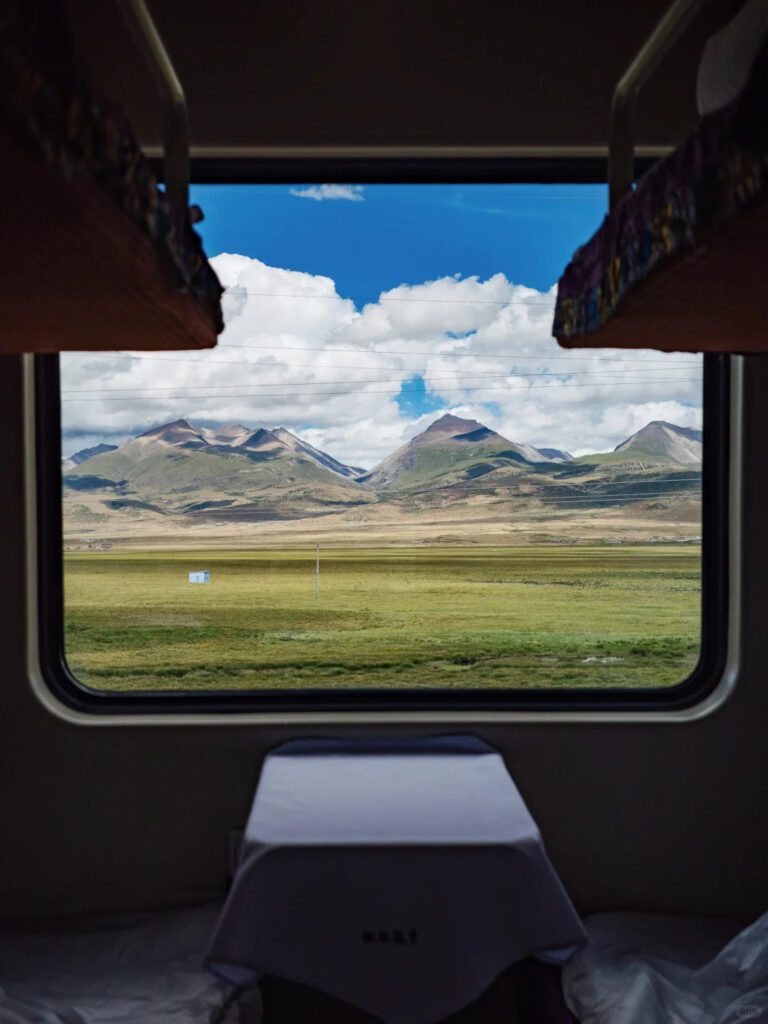
Conclusion: Not necessarily, and even more detrimental to some travelers.
Many people think that "taking the train to Tibet" is a better way to adapt to the high altitude, but this is a common misconception. After Golmud (about 2,800 meters), the Qinghai-Tibet Railway climbs rapidly in a short period of time and crosses the Tanggula Pass (about 5,000 meters) at night, where the elevation gain is large and concentrated, which is not a true "gradual adaptation".
In addition, although there is diffused oxygen supply or interface oxygen supply in the compartment, it can only alleviate discomfort, not a pressurized oxygen environment, and cannot replace the natural adaptation process of the human body. For foreign guests who are not used to long-time sleeper trains or those who enter the plateau for the first time, the narrow space, dryness, bumps and noise often lead to poor sleep quality and fatigue accumulation, which in turn increases the risk of plateau reaction.
Best Travel Routes for Foreign Visitors Entering Tibet
- Option A: Fly directly to Linzhi (about 2,900~3,000 meters, with relatively high oxygen content and humid climate), adopting the "first low, then high" approach is more comfortable.
- Option B: After arriving Lhasa, we will arrange a light tour for the first 48 hours and stay in a hotel with oxygen-supplying rooms (we always arrange oxygen-supplying rooms in Lhasa).
- Option C: If you have enough time, you can spend 1-2 nights in middle altitude cities (e.g. Kangding/Litang) and then gradually increase the altitude. Change to 318 into Tibet
Worried About Altitude Sickness? We’ve Got You Covered
As long as the itinerary is located in high altitude areas and conditions permit, we will arrange to stay in oxygen-supplied rooms so that guests can sleep peacefully at night in the plateau.
And add medical oxygen cylinders to the front of the tour bus.
Worried about altitude sickness? The following two itineraries are the most suitable for you:
【Lhasa + Qinghai–Tibet Railway 5-Day Tour】 Perfect for first-time travelers to Tibet — short, scenic, and ideal for gradual altitude adjustment.【Nyingchi Low-Altitude Tibet Tour】 The best entry route to Tibet — classic itinerary with a gentle rise in altitude.
Don’t Fear Altitude Sickness — Tibet Travel Is Safe and Rewarding
If you are still worried about plateau reaction which may cause interruption of your trip, it is recommended toHigh Altitude Traveler's Inconvenience Insurance.
This is an insurance policy designed for high altitude travel!
Attention! The above insurance policies are different from one company to another, so we suggest that you ask about the terms and conditions of the claim and the way to claim.
Good news - our company has added "Highland Travel Inconvenience Insurance" for VIPs to provide better trip protection.
How Is Tibet Travel Insurance Different from Regular Travel Insurance?
Although our company provides highland travel insurance, we will suggest you to take out additional highland travel insurance in your hometown if you are more worried about it, and you can receive two supplemental claims as long as you follow the requirements of the insurance company to receive the corresponding claim documents!
The difference is that high altitude travel insurance is designed to cover the risk of "altitude sickness".
Generally, travel accident insurance (or overseas medical insurance) is mostly based onaccidentorillnessesThe claim was triggered, but thePlateau response is the body's physiological response (adaptive process) to a low oxygen environmentThe majority of these are not considered "accidents" or "illnesses".
Therefore.Be sure to take out highland travel insurance.(or an incremental plan with a high altitude clause) before a fuller, friendlier compensation is offered in response.
About Flight Delay and Travel Inconvenience Insurance
Inconvenience insurance (flight delay, baggage delay, etc.)Applicable to Highland Area ItineraryHowever, the rules vary from one family to another.
Always ask your insurance commissioner before enrolling..
Should You Buy Oxygen in Tibet? The Truth About “Oxygen Inhalation” and How to Do It Safely
Don't be taken to buy expensive oxygen bottles, only travel companies will tell you the truth!