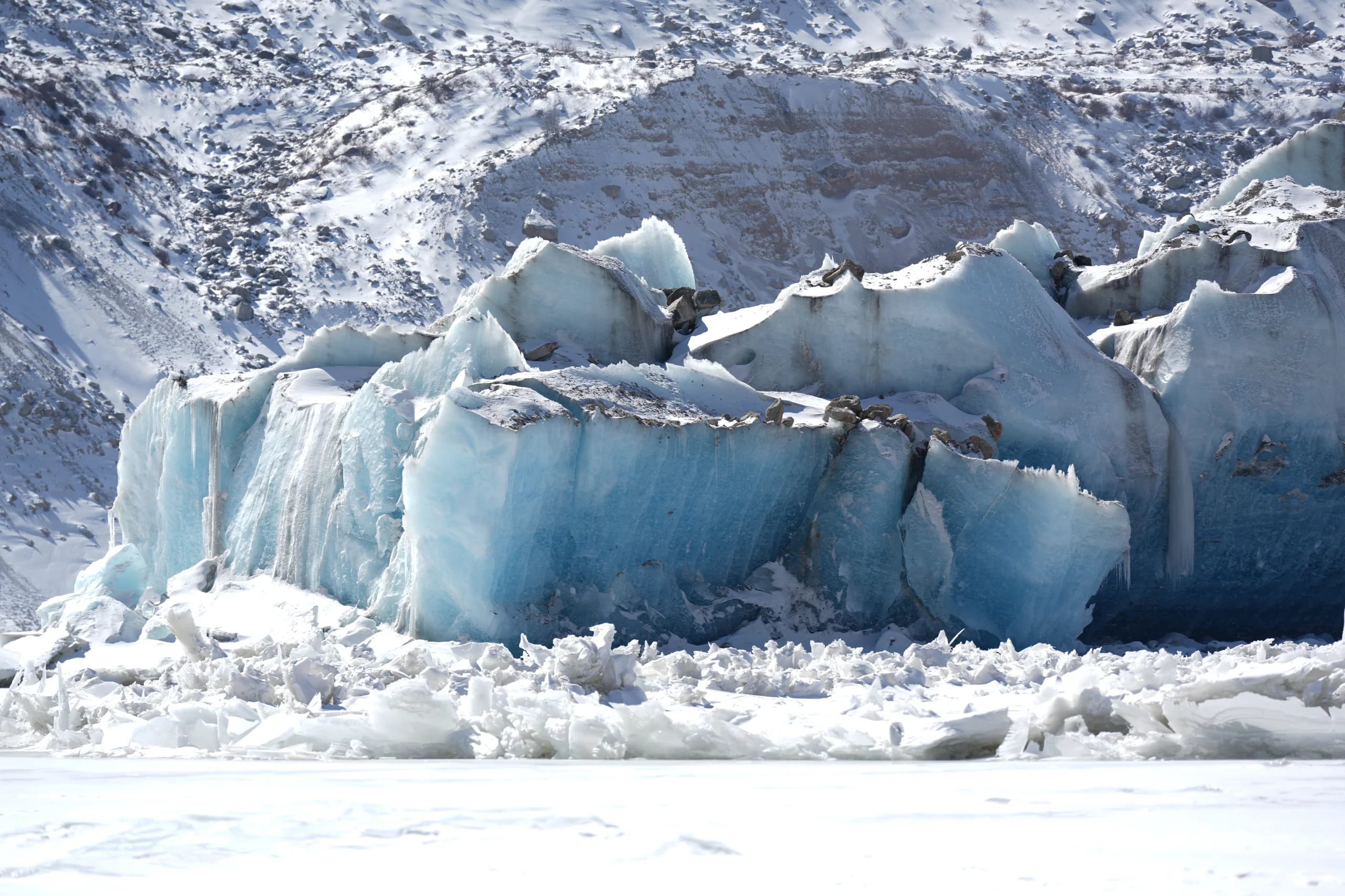
Laiku Glacier, located in Ranwu Township, Bomi, Linzhi, Tibet, is one of the largest and most spectacular glacier groups in Tibet.
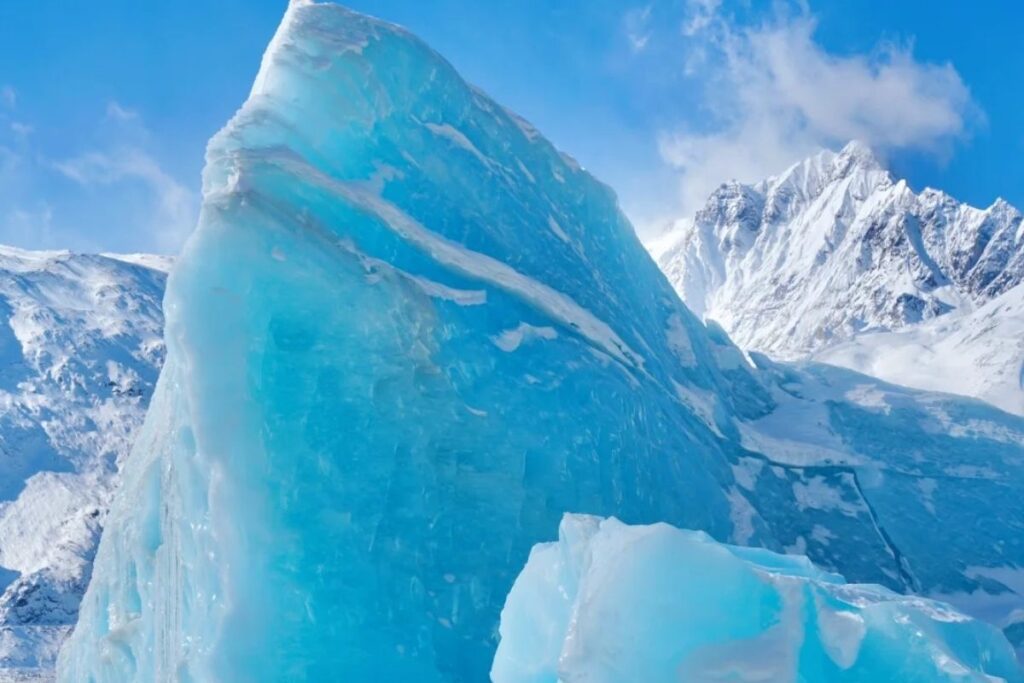
It is made up of six major glaciers, with icefalls and blue ice, and has been called "the closest blue ice world to heaven" by travelers.
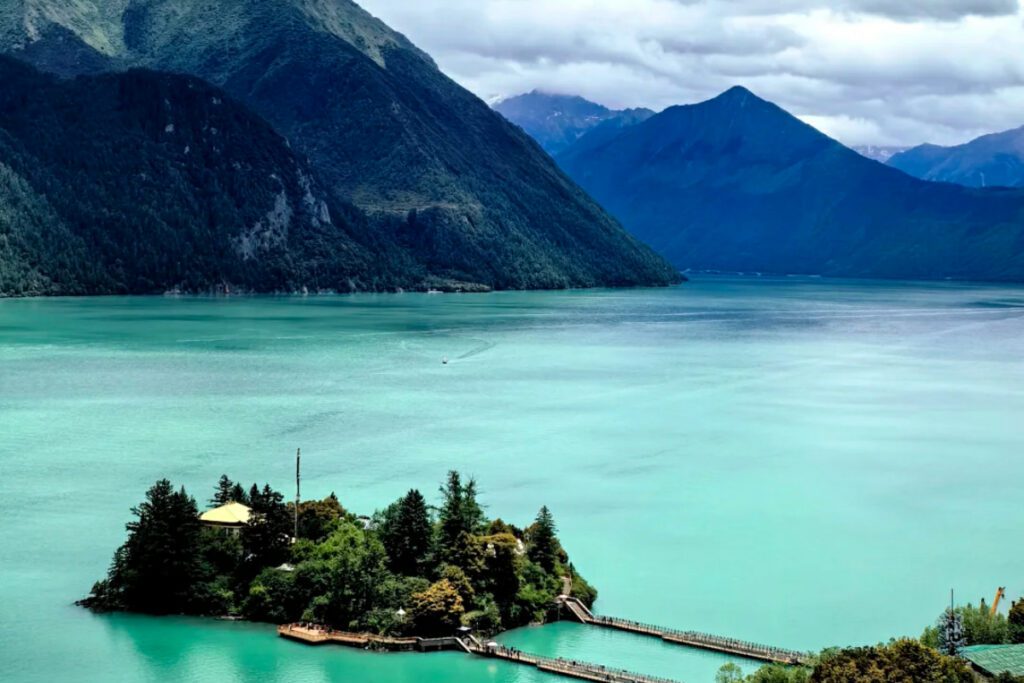
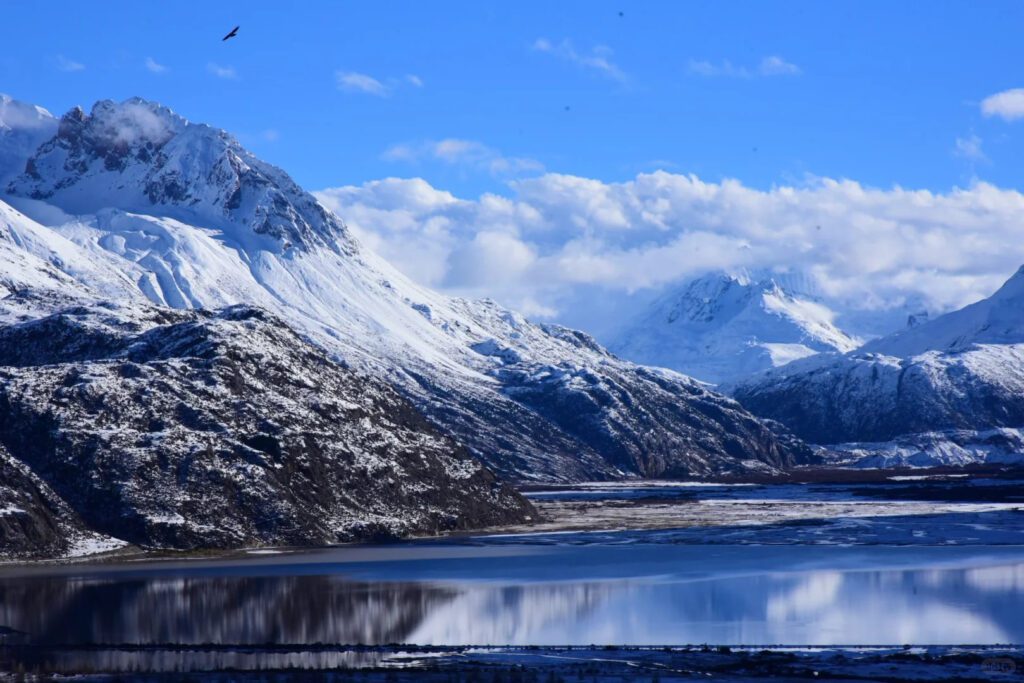
It is interdependent with the upper lake of Ranwu Lake, snowy peaks, clouds and ice blue lake water intertwined into a shocking picture, is the most unmissable natural wonders along the 318 National Highway.
Laiku Glacier and Laiku Village are definitely worth traveling to if you want to feel the magnificence and purity of the glacier and experience the real life of a highland village.
I. Overview of viewpoints
Laigu Glacier is located east of Ranwu Township, Bomi County, Linzhi City, Tibet Autonomous Region.
It is about 20 kilometers away from Ranwu Lake and is one of the most popular tourist attractions in Tibet. The largest and most complete group of glaciers..
consist ofRuozong, Baima, Azar, Xuelong, Yila, Gachen and other six major glaciers., where you can
The total length of the glacier zone is more than 12 kilometers, covering an area of several hundred square kilometers.
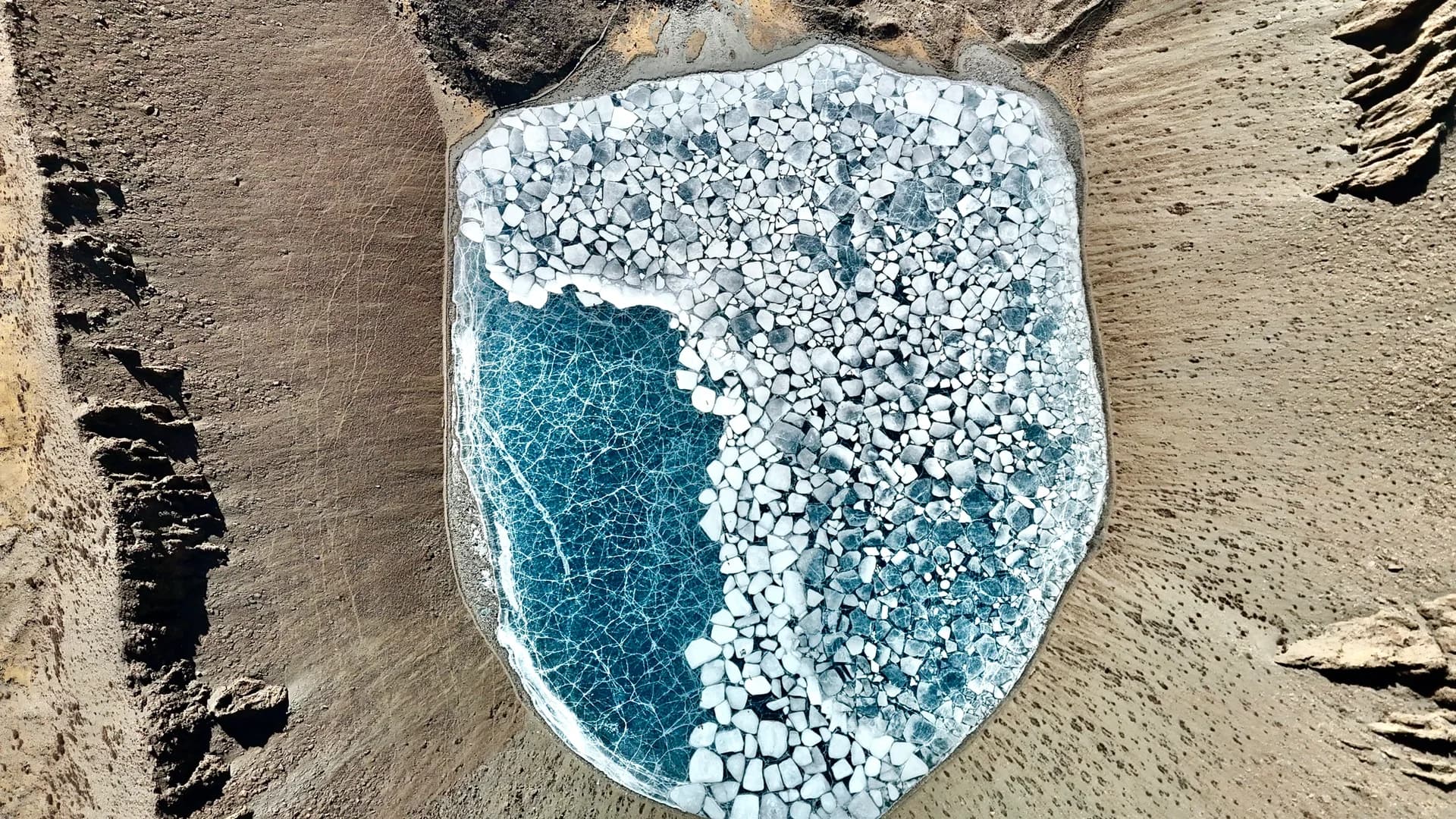
This place is famous for its "blue ice", which reflects a dreamy greenish-blue light when the sunlight hits the thousand-year-old ice.
This is why it is called "The nearest thing to heaven for mankind is a world of blue ice.".
II. Geography and Formation
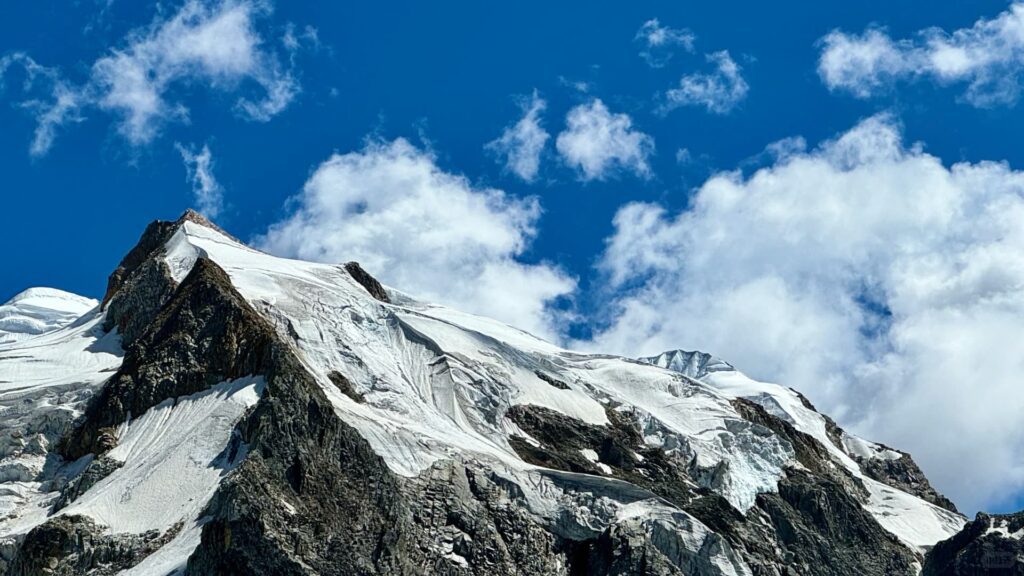
Laiku Glacier is located at the southern foot of the Nyingchi Tanggula Mountain Range, which is a typical ancient glacier group on the Qinghai-Tibet Plateau.
The long years of cold and snow make the glacier immovable all year round, and translucent blue ice is gradually formed due to the enormous pressure.
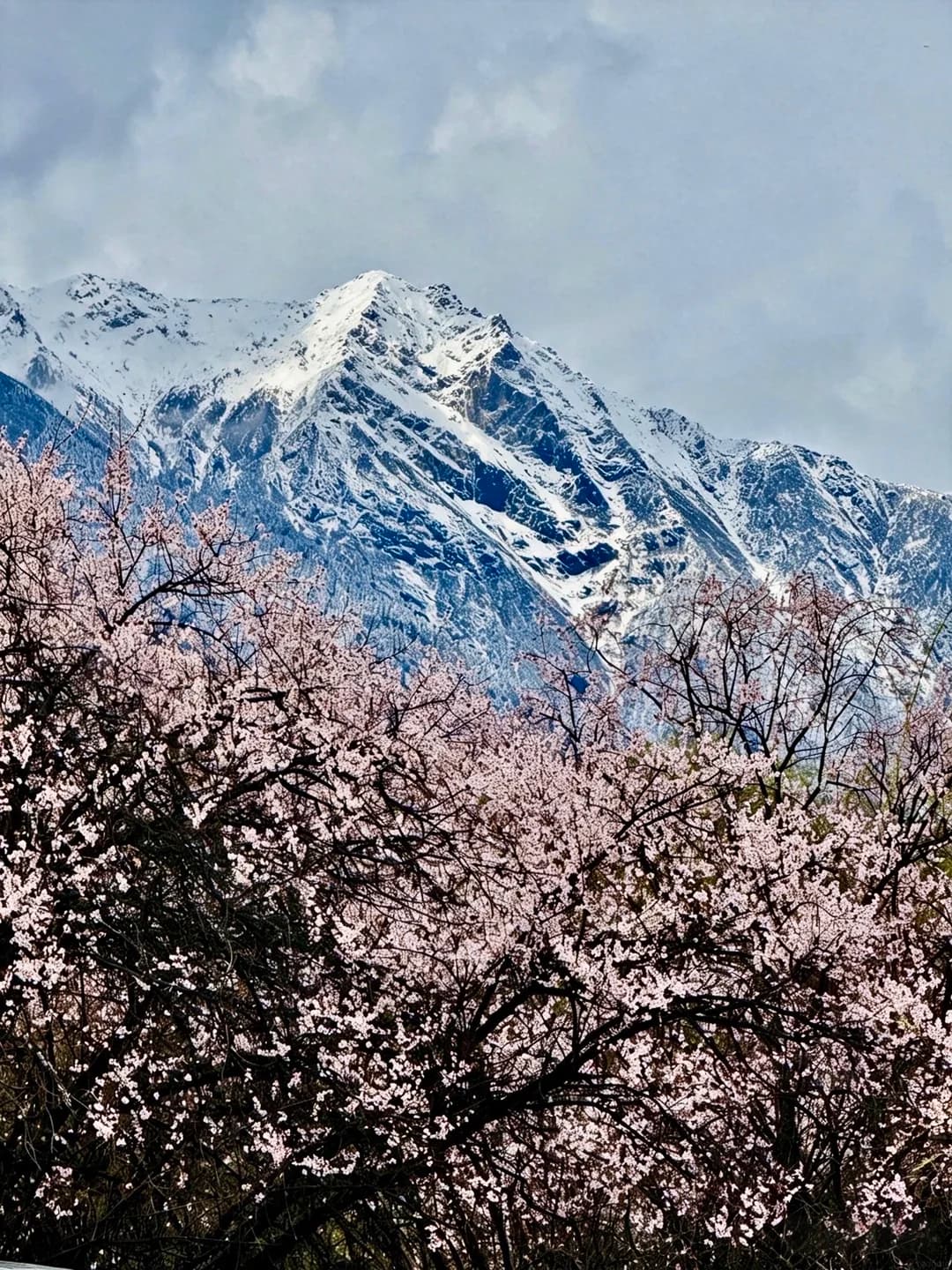
At the turn of the winter and spring, the snow layer covers the original ice body.
Blue ice and white snow are intertwined in a brightly colored structure.
It was as if I could see time standing still in the ice.
The mingling of ancient glaciers and lakes
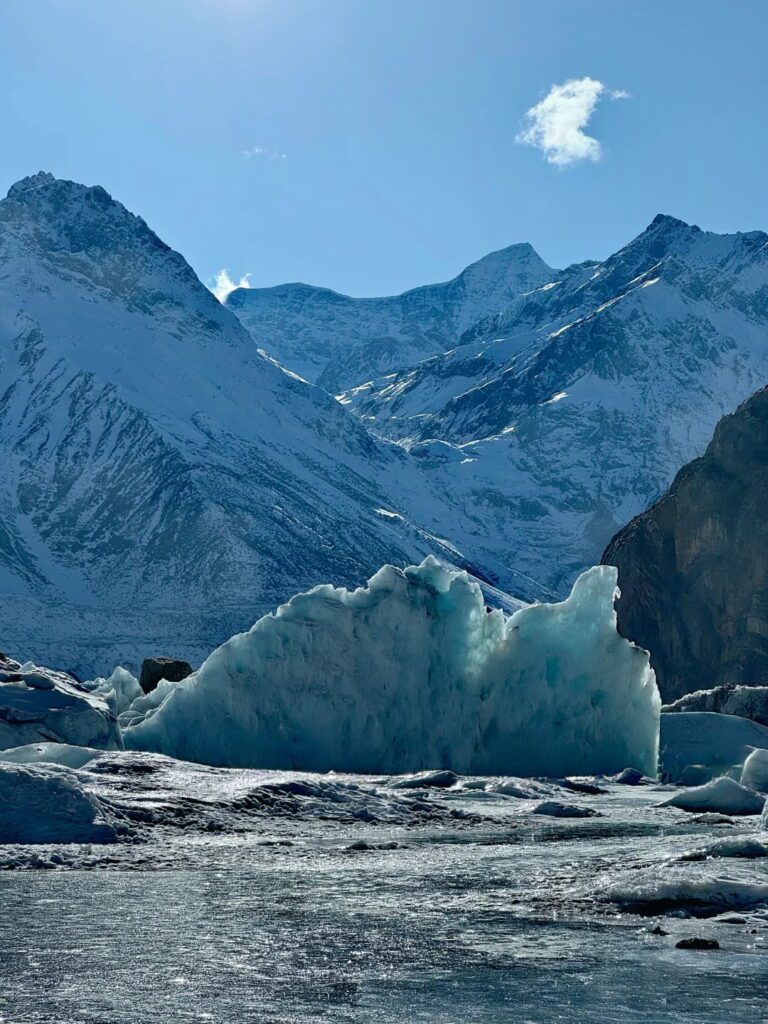
Below the Laiku Glacier is connected to the upper lake of Ranwu Lake, where the glacier meltwater pours into the lake and makes the lake appear:
The three distinctive shades are glacier white, ice blue and milky blue.
On a clear day, the entire glacier and snow-capped peaks are reflected in the lake.
Clouds and shadows glide over the water, forming a stunning picture of the plateau.
Laiku Village: a human landscape at the foot of the glacier
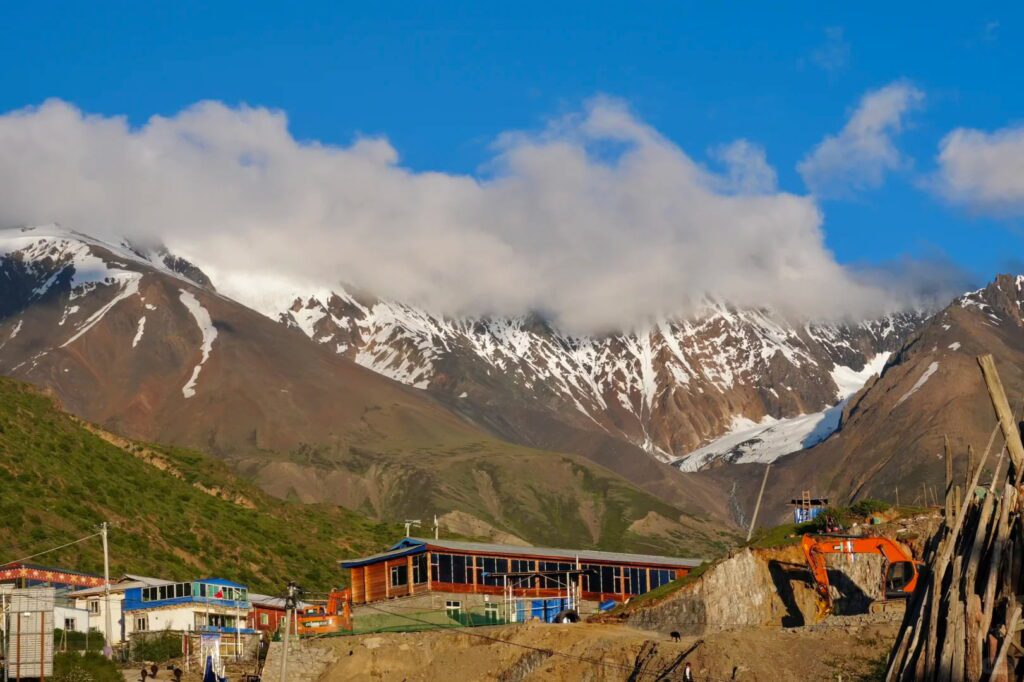
Laigu Village is one of the closest settlements to the glacier.
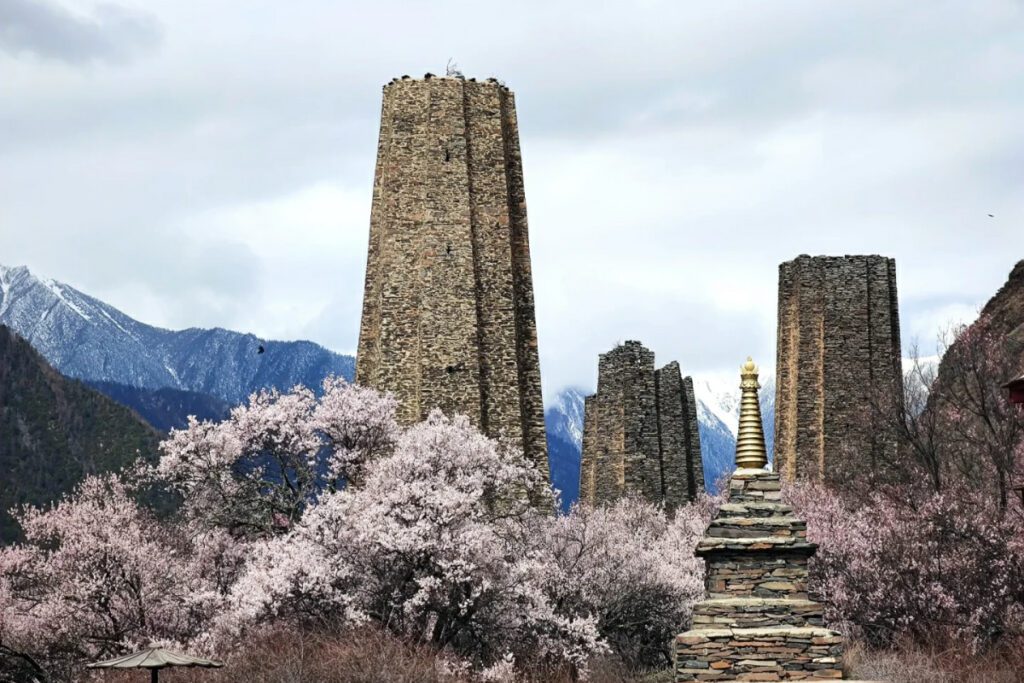
The village has a backdrop of mountains and a lake, with stone-built Tibetan houses scattered on the slopes, where the rhythm of life is quiet and slow. In spring and summer, wildflowers bloom by the lake and yaks forage freely; in winter, the village is surrounded by silver snow, presenting an extremely pure white scene.
Laiku Village is quite dreamy at night--
The reflection of the river and the glacier are reflected in each other, and the whole valley is covered with blue light, just like being in an otherworldly world.
V. 2026 Latest Blue Ice Cave Reminder & Best Seasons
Starting from mid-2025, a more stringent protection policy will be adopted for the core area of Laiku Glacier due to the obvious retreat of the glacier.
Most of the time, travelers can no longer get close to the tongue of ice or blue ice blocks.The panoramic view can only be enjoyed from the viewing platform at a safe distance.
Nonetheless, the winter and spring seasons are the most opportune times to see blue ice:
Low temperatures, low meltwater, stable ice, and the highest translucency of blue ice.
Travelers who want to see the blue ice must take advantage of the time.
Glaciers are thinning and retreating every year.
Many photographers and tour guides said, "If you want to see blue ice, the sooner the better."
There is no guarantee that we will ever see blue ice on this scale again.
Best Season: Winter to early spring (mid-December to March)
This is the time of year when the temperatures are at their lowest and the skies are at their clearest.
The lines of the Laiku Glacier and the blue ice structure are also the most obvious.
⚠️ Reminder:
Due to the government's protection policy, visitors are required to stay in the designated area, please do not go near the crevasses or unopened areas.
Must-visit nearby attractions: Ranwu Lake
Laiku Glacier is only 20 kilometers away from Ranwu Lake, and the two are the most classic and smooth combination on the G318 National Highway.
If we come to the Laiku Glacier.Don't miss the snowy and beautiful Ranwu Lake..
Features of Ranwu Lake
Ranwu Lake, at an altitude of about 3,850 meters, consists of the Upper Lake, Middle Lake and Lower Lake, and is one of the most representative highland lakes on the southern route of Sichuan-Tibet.
- Upper Ranwu Lake:Closest to the glacier, the lake is deep blue and has the clearest reflection.
- Central Ranwu Lake:The view is the widest, the mountains are soft and the scenery is quiet.
- Lower Ranwu Lake:It is close to Ranwu town, which is the most convenient area for travelers to shoot and stay.
On a clear day, snow-capped peaks and clouds reflect on the lake surface, giving it a mirror-like appearance;
On cloudy days, the lake turns a deep blue and silver gray, also very atmospheric.
No matter which angle you stop at, Ranwu Lake is known to many travelers for its different layers of lakes, forests and snow-capped mountains:"The most unrealistic highland lake on the G318."
If you choose CITS, we will arrange the best viewpoints according to the light and weather of the day to avoid missing the best scenery.
vii. religious and belief background of bomi
In Tibetan culture, glaciers are seen as an extension of the "breath of the gods", symbolizing purity and strength.
In June and October of the Tibetan calendar, the villagers of Laiku would simmer and pray by the lake.
Juniper branches and ghee smoke are offered to the glacier guardian god to pray for good weather and the well-being of the village.
These traditional rituals demonstrate the local people's faith and reverence for living in symbiosis with nature.
VIII. 2026 Visiting Code for Tibetan Glaciers
In order to ensure safety and maintain the glacier environment, travelers are advised to pay attention to the following matters:
- Please follow the designated trail and do not cross the fence.
- The climate in the highlands is variable, so be sure to bring warm and windproof clothing.
- Come on.There are no stores in the glacier area, so prepare your supplies in advance and carry them in your bag.
- Respect the living space of villagers, please ask for permission to take photos.
IX. Address information
📍 address.
Laiku Village, Ranwu Township, Bomi County, Linzhi City, Tibet Autonomous Region, China.
(about 20 kilometers from Ranwu Lake, a popular extension of the G318 National Highway)
X. Summary of landscape features
- One of the largest and most spectacular glacier groups in Tibet.
- Blue ice, glacier reflections, and snow-capped peaks and clouds
- Together with Ranwu Lake and Laiku Village, they form an extremely tense highland landscape.
- The most stunning natural wonders of the G318 National Highway
- It's been called "the closest blue ice world to heaven".