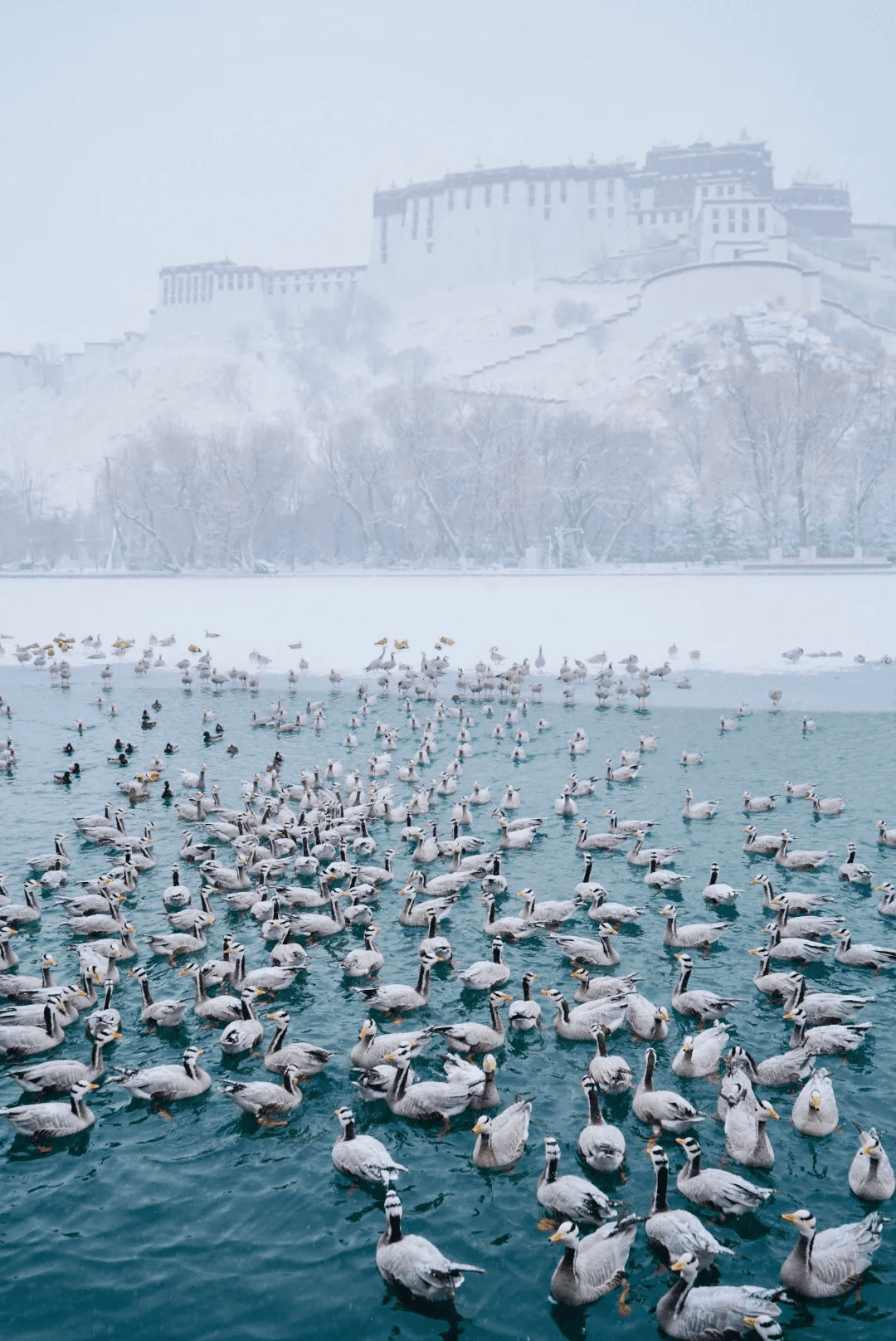
In most people's minds.Tibet is a place you can't go in winter.The information on winter travel in Tibet is also very scarce! There is also very little information on winter travel in Tibet!
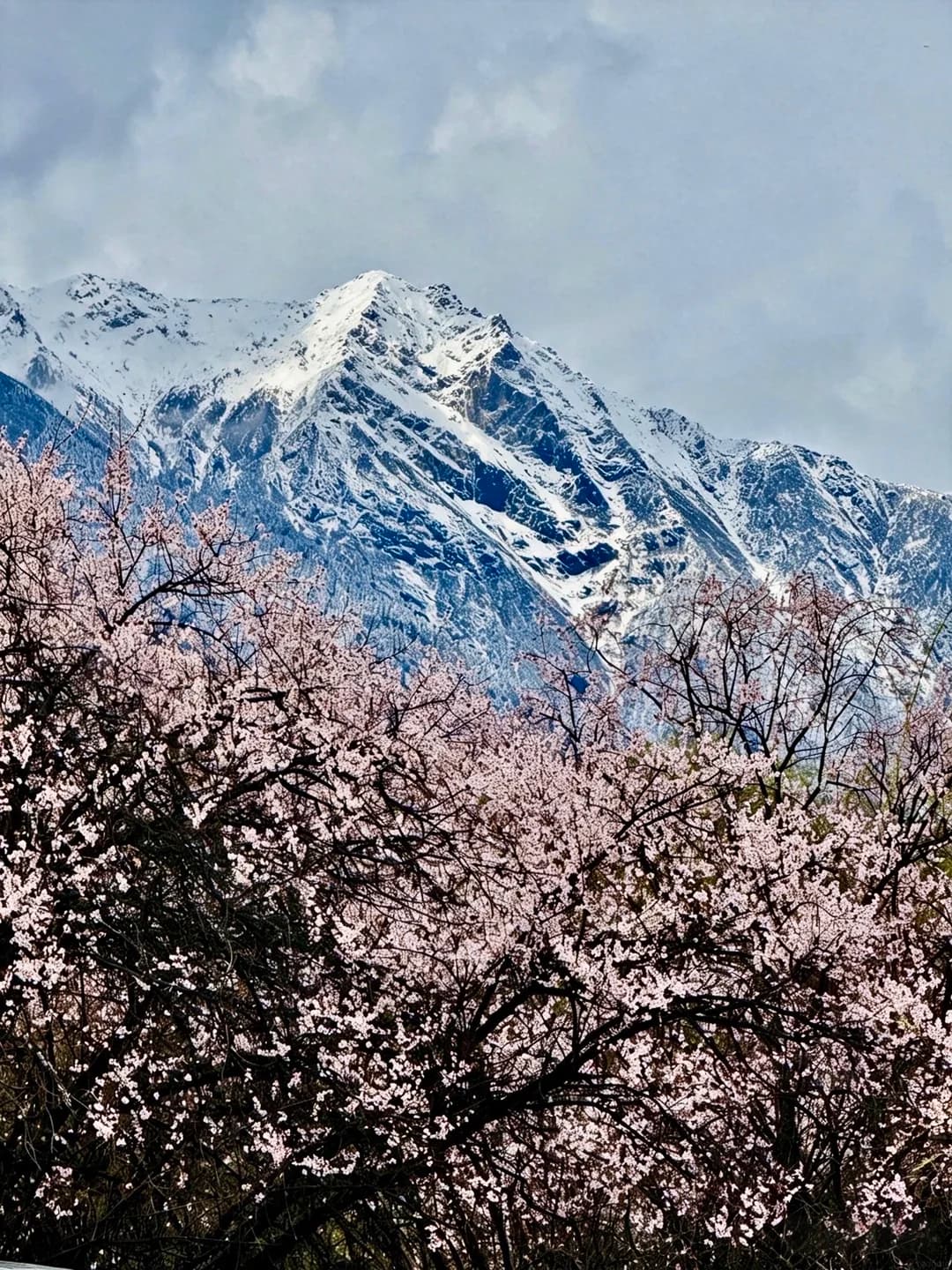
Whenever the peach blossoms begin to bloom in Nyingchi between April and October, tourism across Tibet enters its busiest season—peach blossoms against blue skies, lush greenery against snow-capped mountains, or Gesang flowers alongside pilgrims on their kora, along with the “Golden Peak” phenomenon at Everest Base Camp, all come together to form the most iconic images associated with “traveling in Tibet.”
The flowers of spring, the sunshine of summer, the gold of fall.
This is the most familiar image of Tibet.
But anyone who really knows how to travel knows-Each of the four seasons in Tibet has its own beauty.
In winter, Tibet is at its quietest and most pristine. Gone are the summer’s hustle and bustle and crowds; all that remains is sunlight streaming between the snow-capped mountains and monasteries,
The air is so clear that you can see right through to the soul.
And.Tibet in winter isn't as cold as you might imagine..The sunlight is warm and bright during the day, and the dry cold is not harsh, but rather refreshing.
At this time of year, Tibet is for the few travelers who want to slow down and seek a different, authentic experience.
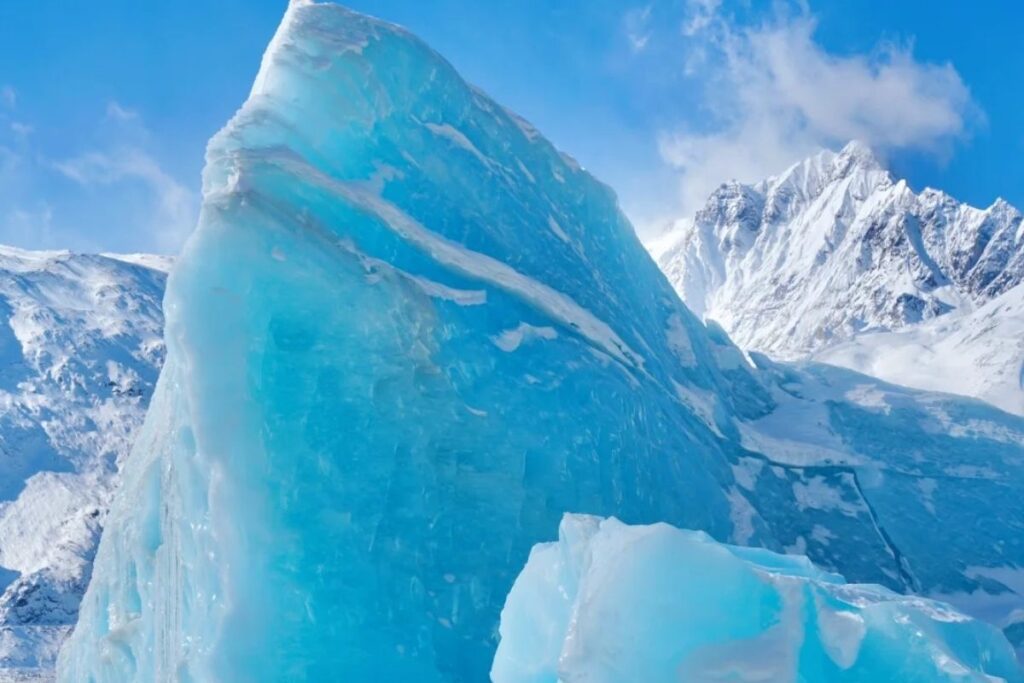
—It is also the only season when you can witness the spectacular sights of “blue ice” and frozen lakes with your own eyes.
Five Reasons to Visit Tibet in Winter
First, fewer people, quieter scenery, Tibet back to the most genuine style
In winter Tibet is less crowded with tourists and caravans, and the streets and monasteries slow down.
In front of the Da Zhao Monastery, the Tibetans still kowtow piously, and the only sound in the air is the chanting of sutras.
On [Barkhor Street], Tibetan residents sit quietly soaking up the sun, prayer wheels turning slowly in their hands, and everything moves at a slower pace.
You no longer need to grab an angle in the crowd to take photos, nor do you need to rush to catch up with the itinerary. At this time in Tibet, it is like returning to the rhythm of the local people - you can see the real life and feel the temperature of faith.
In this season, traveling is no longer a "trip here" but a journey of quiet dialogue with Tibet.

Second, the visibility is super high and the sky is bluer than in summer.
Many people think thatTibet is the most beautiful in summer.But onlyThe winter sky is the real 'hidden blue'.
The dry, cold climate makes the air exceptionally clear, with almost no fog or dust.
Mount Namcha Barwa, the world’s 15th-highest peak at 7,782 meters, is known as the “Shy Goddess” because it is shrouded in clouds and mist year-round; only during the winter, when the clouds thin and the weather is dry, does it have a chance to reveal its full face. Standing at the Seki La Pass, at an elevation of 4,728 meters, on a clear day you can see her mist-shrouded silhouette, which resembles a fairyland.
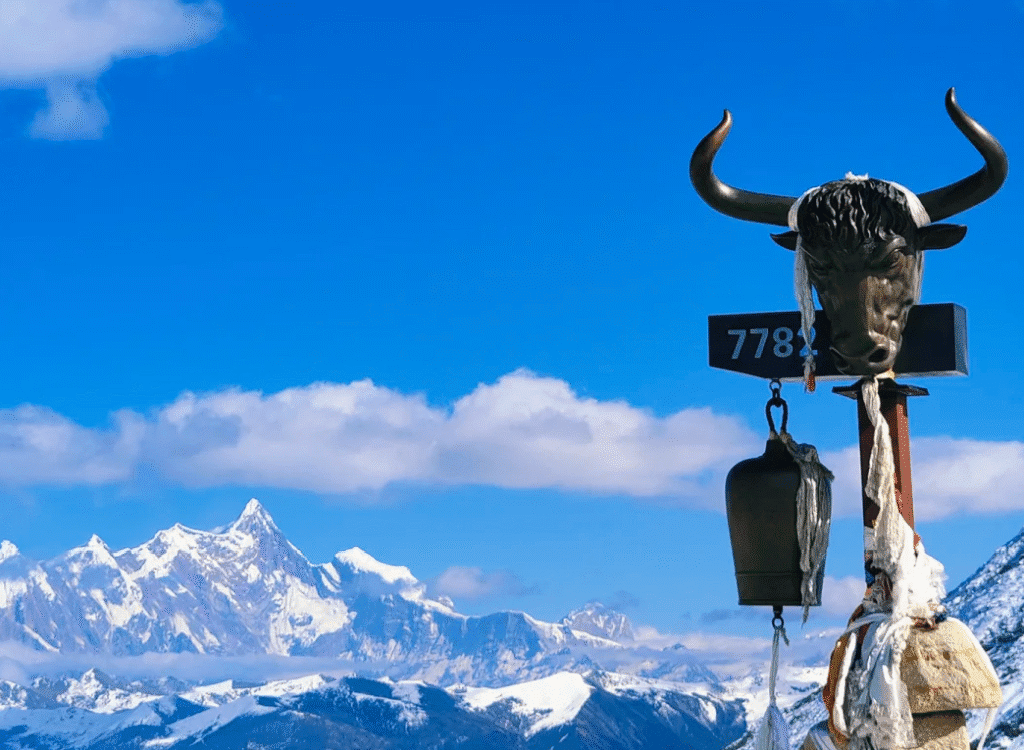
The visibility is so high that every snowy peak looks like it has been sculpted by the sun, white and standing, so close that you can touch it.
During the day, the sun is strong and the sky is as blue as a whole gemstone; at night, the sky is full of stars and the Milky Way is reflected in the snow, as if the universe is close at hand.
No matter what kind of camera you have, winter in Tibet offers the most stable and pristine conditions for photography—every shot you take will capture your most beautiful memories.
Third, the temperature is not as cold as I thought.
A lot of people hear that.Going to Tibet in WinterI thought it would be too cold to bear, but in fact.The cold in Tibet is dry cold - no humidity, no bone-chilling cold.
The sun is warm during the day.The average daytime temperature in Lhasa and Shigatse is around 10℃.When the sun is shining, it can evenTake off your coat and sit in a teahouse and drink sweet tea.
| District | average elevation | Average Daytime Temperature | Average night time temperature | Description |
|---|---|---|---|---|
| Lhasa | Approx. 3,650 meters | About 10℃~15℃ | About -2℃~3℃ | Strong sunlight, dry cold, not harsh; can wear a thin jacket during the day, feel comfortable. |
| Nyingchi | Approx. 3,000 meters | About 8℃~13℃ | About -2℃~3℃ | The climate is mild and humid, with soft sunshine during the day, making it the most pleasant Tibetan city in winter. |
| Bomi | Approx. 2,700 meters | About 8℃~12℃ | About -3℃~2℃ | The terrain is low, the air is humid, and the climate is mild in winter, making it very comfortable in the sun. |
| Ranwu Lake in Tibet | Approx. 3,800 meters | About 5℃~10℃ | Approx. -6℃~-1℃ | The lakes are cool in the morning and evening, but sunny during the day; the frozen lakes are fantastic. |
| Basum Tso | Approx. 3,400 meters | About 7℃~12℃ | Approx. -4℃~1℃ | During the day, the sunlight is soft and the lake is clear; it is comfortable to move around under the sunlight. |
| Yamdrok Yumtso (Sheep Lake) | Approx. 4,400 meters | About 5℃~10℃ | Approx. -8℃~-2℃ | The lake is windy, with strong sunshine and dry weather, making it the best viewpoint in winter. |
| Karjola Glacier | Approx. 5,000 meters | Approx. 0°C to 5°C | Approx. -10℃~-5℃ | High altitude; sunny, dry and cold during the day, suitable for short stays for sightseeing. |
| Laiku Glacier | Approx. 4,500 meters | About 3℃~8℃ | About -7℃~-2℃ | During the day, it is sunny, dry and not too cold; the glacier's blue light is magnificent, suitable for sightseeing and photography. |
Tibet's long hours of sunshine and close proximity to the sun make the daytime unusually warm.
Whenever there is sunlight, the whole plateau seems to be wrapped in golden light.
Whether you are in the Potala Palace Square, Barkhor Street or by the Yamdrok Yumtso Lake, you can feel that kind ofWarmth and comfort in the cold.
Even inLaiku GlacierAs long as you don't go there late at night or early in the morning, you won't feel too cold at such a high altitude.
The glacier glows blue in the sunlight.The temperature is dry and the wind is not harsh.on the contraryThe best time for sightseeing, taking photos, and simply enjoying the view.
(not only ...) but alsoNighttime is not supposed to be an active time.
In Tibet, most people rest and chat in the hotel at night, but in winter, we can also add the activity of "stargazing".
Therefore, they will not go out late at night.
So the so-called **"too cold to handle "** is mostly just imagination.
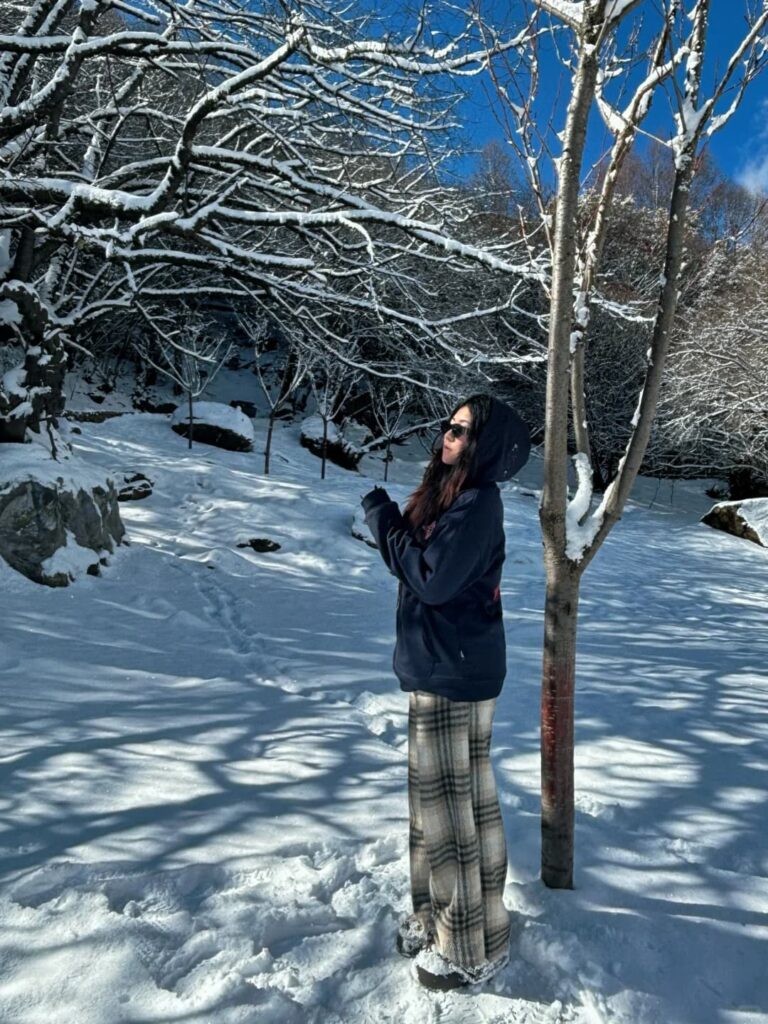
This kind of coldness, on the contrary, makes people feel comfortable.
Compared with the cold and wet winters in Taiwan or Hong Kong, theThe sunshine on the plateau makes you feel especially good and the air is especially clear.
As long as our Malaysian friends can tolerate the cold in Harbin or Hokkaido, the cold here is really nothing!
In winter, Tibetans can be seen everywhere on the streets of Lhasa wearing sunglasses and soaking in the sun, which is the most enjoyable thing for the locals.Winter Ceremony Sensation.
So don't be afraid of the cold. What you should be afraid of is missing out on such a cozy and pure winter in the highlands.
4. Winter-Only Grandeur — Witness Three Glaciers in Person
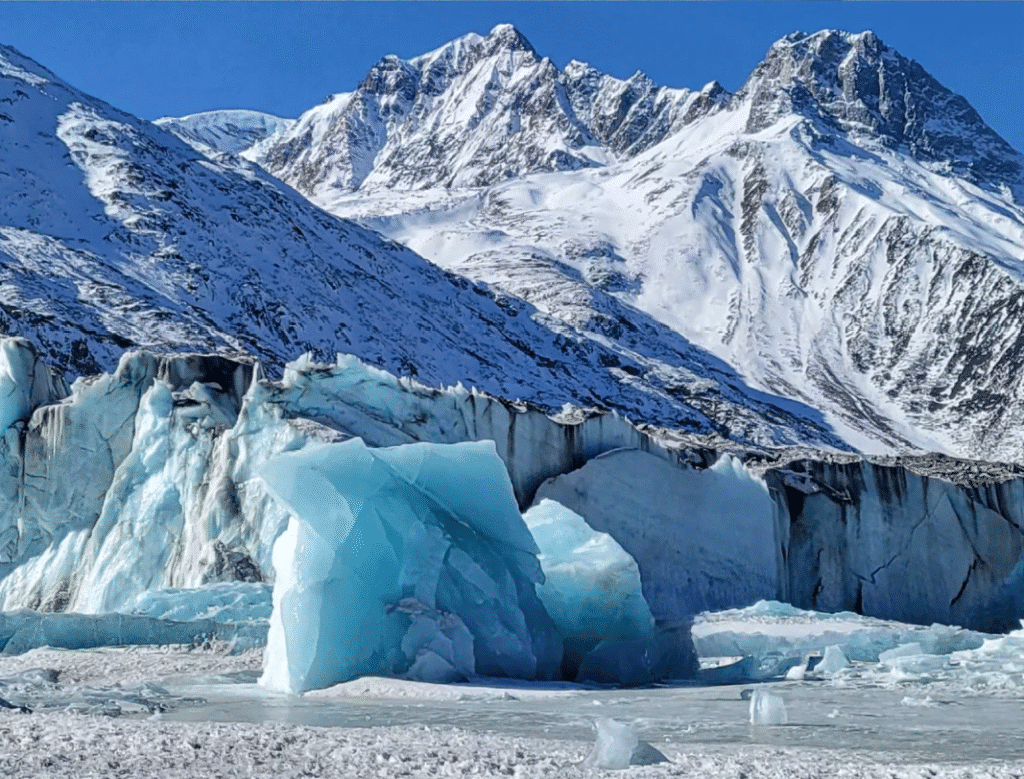
In winter, Tibet reveals a landscape that is completely different from that of other seasons, and this is the only time of year when you can see both "blue ice" and the frozen sacred lake.
Laiku GlacierLocated on the shores of Ranwu Lake, it is one of the world’s three major glacier systems, formed by the convergence of six majestic glaciers. Among them, the most well-known is the Yalong Glacier, which has been closed to visitors in recent years due to conditions in the scenic area; Currently, the only areas where visitors can walk upon and touch the ice up close are the ice tongue regions within the Lagu Glacier Group that remain open to the public. When sunlight passes through the dense ice, the shorter-wavelength blue light is scattered, creating a deep, pure, sapphire-like blue hue. In winter, standing on the solid surface of the ice lake, one can still feel up close the icy chill and sacredness—spanning tens of thousands of years—emitted by the massive ice tongue and towering icebergs.
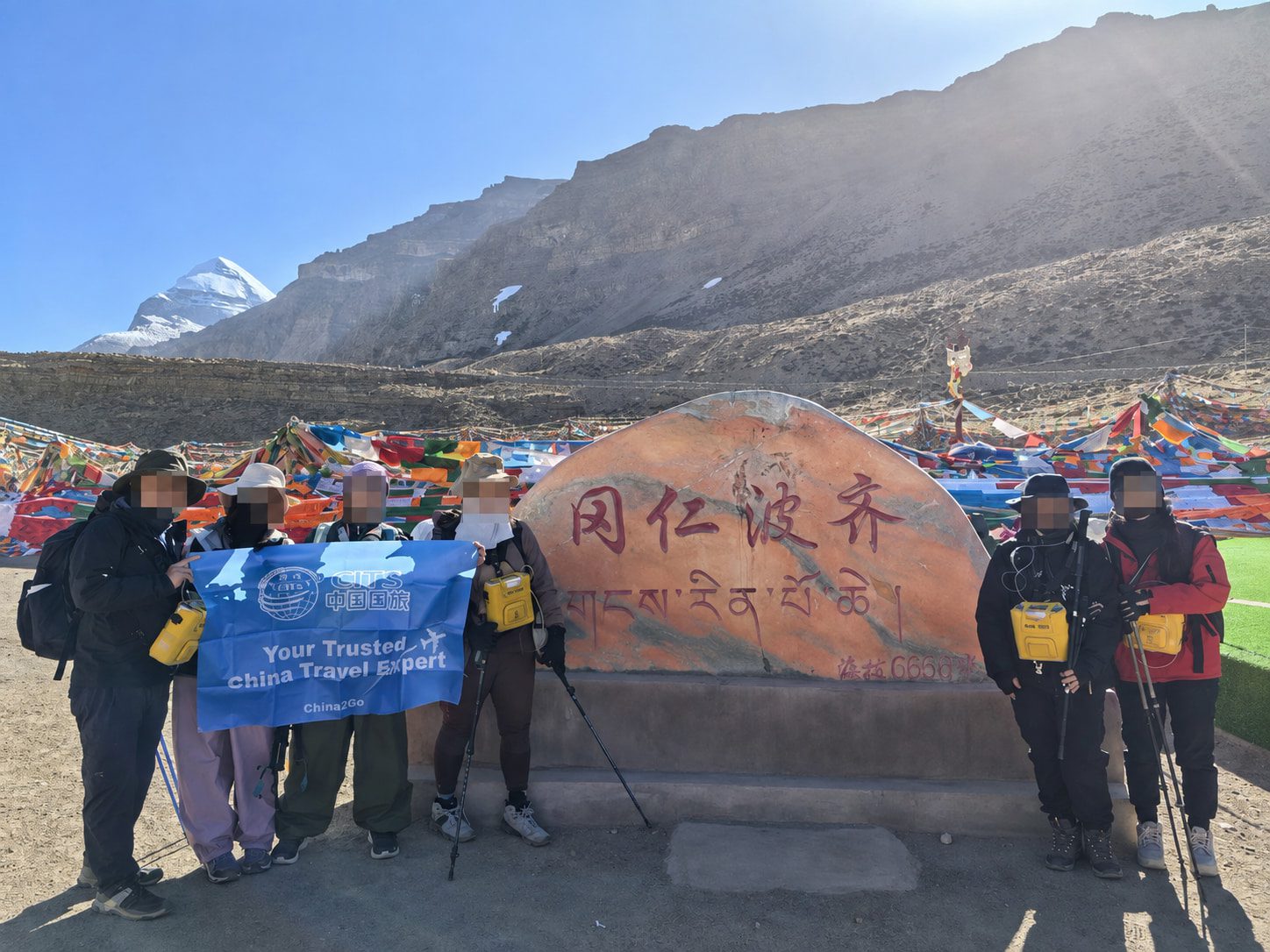
Karjola GlacierLocated at an elevation of 5,600 meters, it is one of the glaciers closest to the highway. The glacier tongue seems to hang right before your eyes, intertwined with prayer flags, and appears all the more sacred against the pristine white snow.
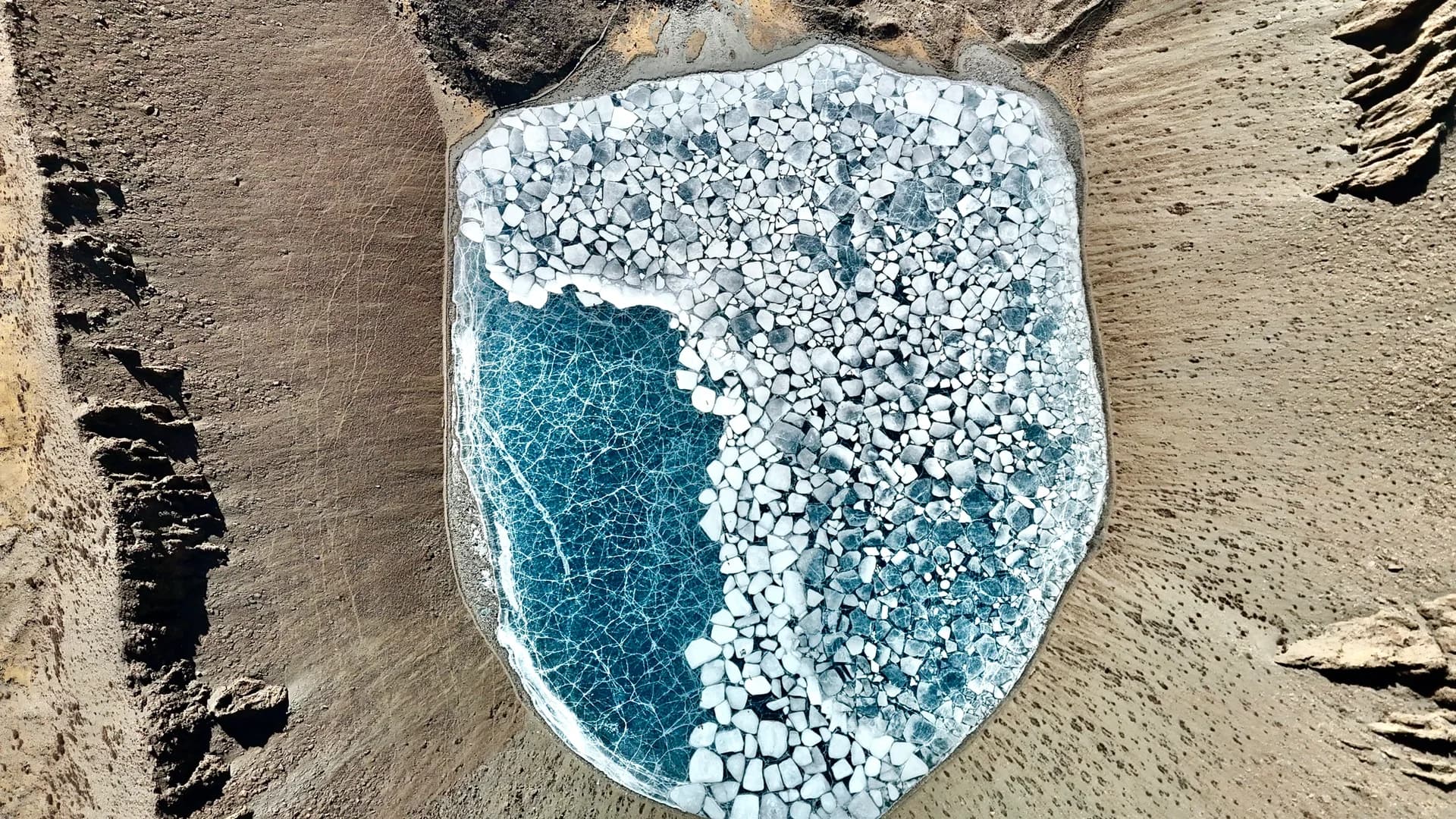
Tucked away deep in the mountains, this little-known place...Qia Yangcuo...is a newly added hidden gem to CTS Global Tours’ itinerary and the most breathtaking sight of the entire journey—this high-altitude lake is surrounded on three sides by snow-capped mountains, In winter, the lake freezes over, revealing an incredibly deep, mysterious blue—like a gem or a piece of glass—that reflects the snow-covered glaciers all around, creating a scene so beautiful it seems almost unreal. Precisely because it’s a newly developed route, few people know about it yet, and only a select few travelers have had the chance to experience it in advance.
.Yamdrok Lak, which means “Jade Lake” in Tibetan, is one of Tibet’s three sacred lakes. In winter, its waters appear even more crystal-clear; on sunny days, the lake’s surface is as smooth as a mirror, displaying a gradation of shades ranging from blue to a luminous hue.
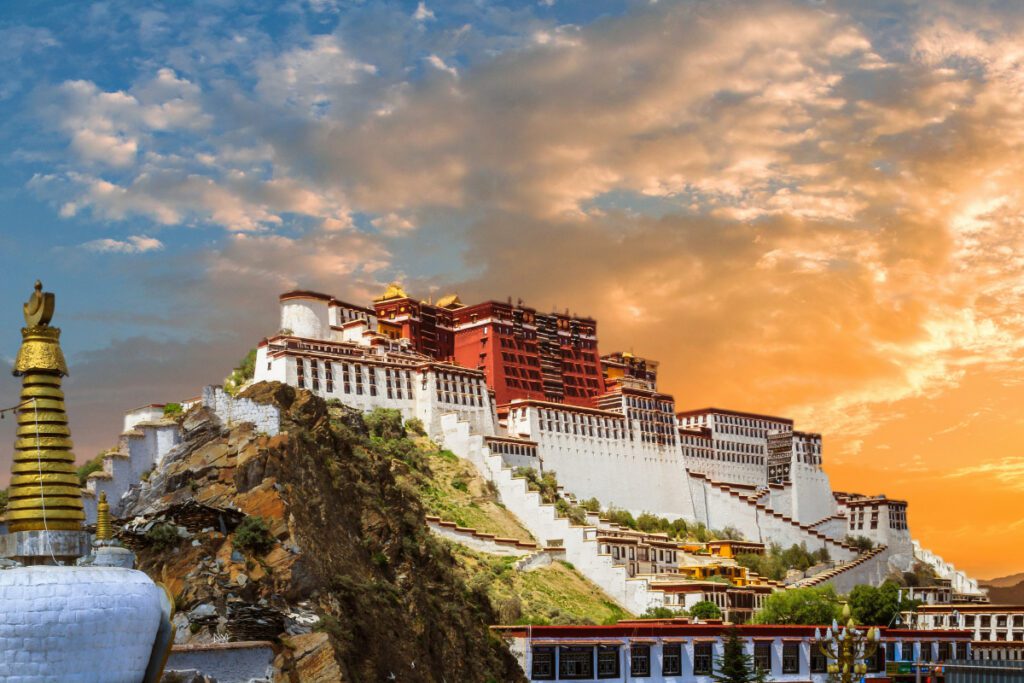
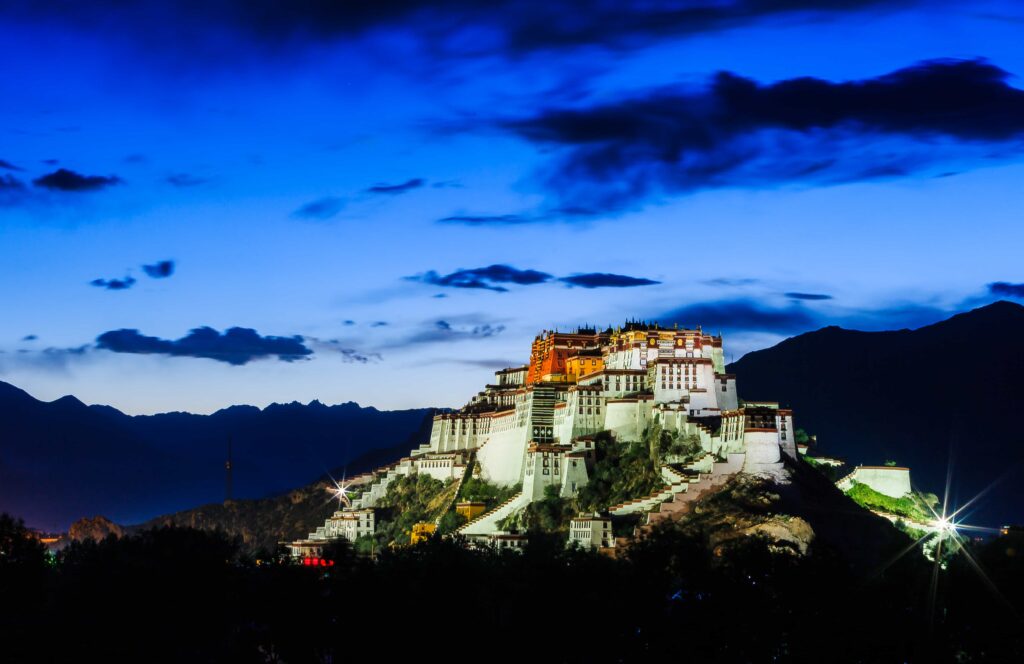
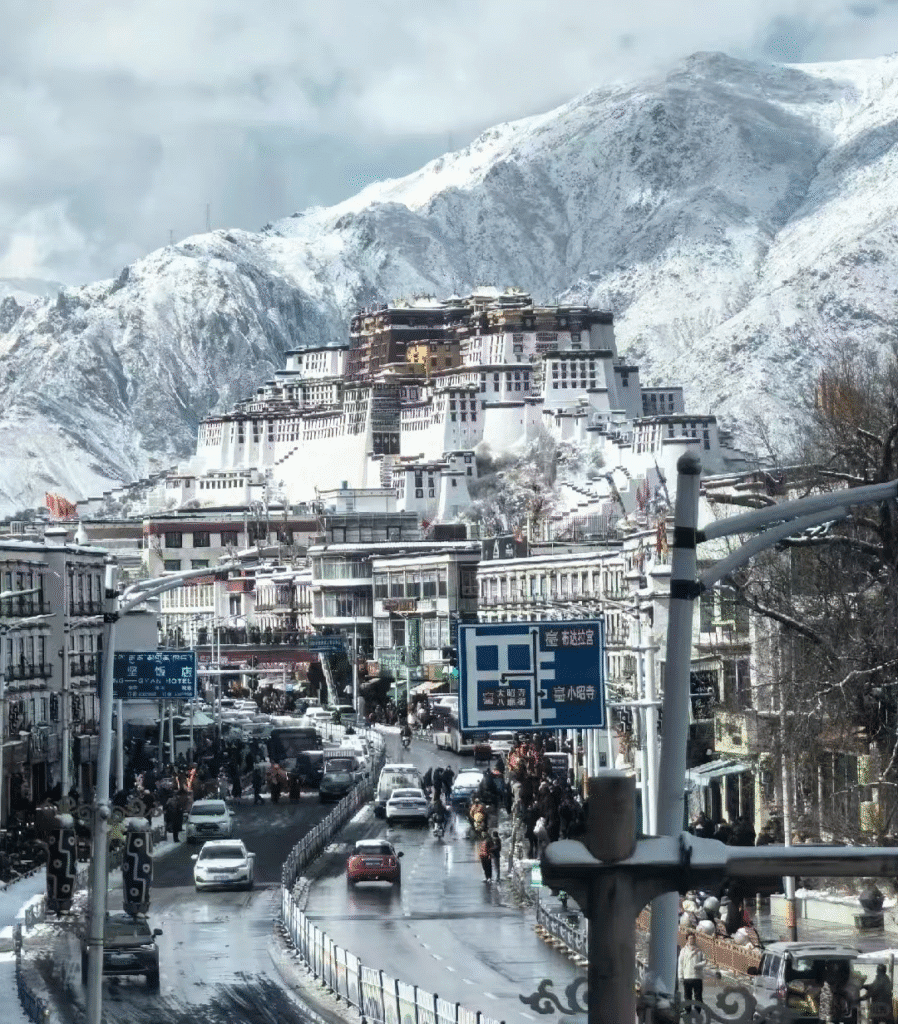
Leaving behind the silence of nature, I returned to Lhasa and walked along Barkhor Street, taking in the bustling crowd. The chanting of Tibetan monks intertwined with laughter, creating a different kind of warmth—under the winter sun, this city has a rhythm where tranquility and liveliness coexist. If you’re lucky enough, you might even catch a snowfall in Lhasa. When snowflakes settle on the red walls of the Potala Palace, the scene feels like a dream; in that moment, you’ll understand what it means to be “so still that you can hear the voice of faith.”
It's all a kind of "winter-limited" grandeur, silent, white, sacred, every step like stepping outside of time.
Fifth, more cost-effective travel, winter limited offers more value for money
Winter is not only special for the scenery, but also for the cost of traveling.
This is because it is the off-season for tourism.Airfare and tours are much cheaper than in the summer.Often the same itinerary.It saves in the winter 20 to 30% for flower costs.
Many airlines and travel agencies are also offering theWinter limited offers, upgraded lodging or charter specials.
Not only are the prices better, there are fewer tourists and the experience is more comfortable.
This also means that you can travel on a more reasonable budget.
But with higher quality accommodations, more spacious transportation and more time for photo ops.Best of all...there really weren't that many people
On the sun-drenched plateau, relax and feel at ease in the "winter Tibet for the few".
8-Day Winter Nyingchi Glacier Tour | Laigu Blue Ice · Qiangyang Co · Lhasa & Frozen Lakes
If you're longing for a winter wonderland that only a few people get to see.
walk among snow peaks to the blue ice of Laigu Glacier, and step into Qiangyang Co, a hidden lake added to this route just this year —
then stroll Potala Palace in the sun. This trip is built for you.
Every night in oxygen-equipped 4-star hotels, with two nights upgraded to 5-star.
Medical oxygen on board throughout. No shopping stops, ever.
The blue ice and frozen lakes appear only from December 15 to February 20 —
even small groups can make it unforgettable.
A trip to Tibet is enough to redefine 'winter'.